REVIEW · HISTORICAL TOURS
Private Guided Historical Sightseeing Tour in Kyoto
Book on Viator →Operated by Konnichiwa-japan · Bookable on Viator
Kyoto in four hours can feel like magic. This private historical route hits the city’s biggest spiritual and culture stops, from Fushimi Inari-taisha to Gion, with a guide who helps you connect the dots. I especially like how the walk keeps moving while still giving you time to absorb each place, and I also like the private pacing when you want to linger or slow down. One drawback to weigh: there have been serious reports of missed tours or poor communication, so you should confirm your meeting details clearly and keep your contact info ready.
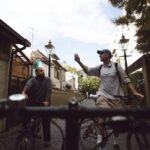
You’ll be covering classic East Kyoto highlights without the stress of planning every turn. The tour includes pickup, uses a mobile ticket, and lists admission tickets for the main shrine/temple stops—so you’re not constantly stopping to figure out what to pay for. If you’re the type who enjoys history with context (and not just photos), this can be a very efficient way to get oriented fast.
In This Review
- Key highlights at a glance
- The Route That Packs Big Kyoto Into 4 Hours
- Price and Value for a Private Kyoto Walking Plan
- Meeting Up Without Losing Half Your Day
- Stop 1: Fushimi Inari-taisha in 30 Minutes
- Stop 2: Kiyomizu-dera and the View You Came For
- Stop 3: Kennin-ji Temple for a Calm Break
- Stop 4: Yasaka Shrine and Kyoto’s Living Traditions
- Stop 5: Nishiki Market for Food Street Energy
- Stop 6: Pontocho Alley by the Kamogawa River (1 Hour)
- Stop 7: Gion for the Classic Kyoto Scene (30 Minutes)
- The Role of the Guide: Why Names Like Diego and Andrea Matter
- What You’ll Learn (And How It Changes Your Photos)
- Who This Tour Is Best For
- Should You Book This Private Kyoto Tour?
- FAQ
- How long is the private guided historical sightseeing tour in Kyoto?
- Is this tour private, or will I join other groups?
- Does the tour include pickup and is it easy to reach by transit?
- Are admission tickets included for the sites on the route?
- What happens if the weather is poor?
- Can I cancel for a full refund?
Key highlights at a glance
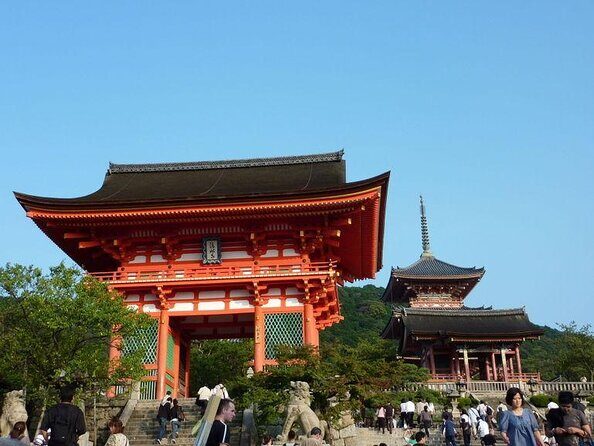
- Seven major stops in about four hours, with a mix of shrines, temples, and Kyoto street scenes
- Admission tickets are listed as included for several top sites on the route
- Pickup is offered, which matters in Kyoto where directions can be confusing
- Pontocho and Gion give you the city’s famous atmosphere after the temples
- Private group only means you can go at your own rhythm
The Route That Packs Big Kyoto Into 4 Hours
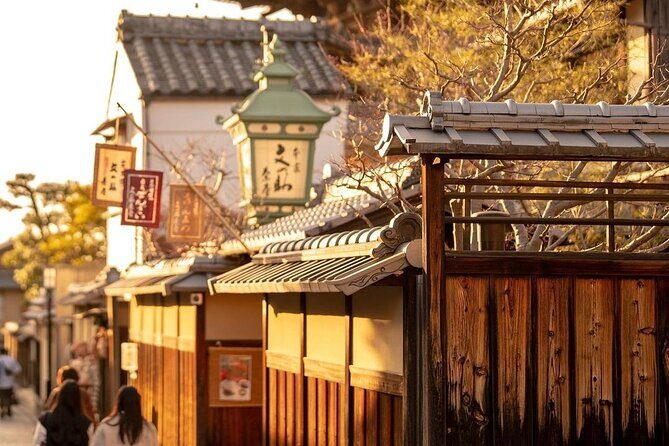
This is a short private tour, about four hours, designed to hit the headliners without turning your day into a full-day marathon. The schedule moves through seven stops, with quick introductions at each one: think half an hour at the major religious sites, a longer stretch for Pontocho, then one final walk through Gion.
What makes the route smart is the balance. You get spiritual landmarks early—Fushimi Inari-taisha, Kiyomizu-dera, Kennin-ji, Yasaka Shrine—then you switch gears to Kyoto’s food and street life at Nishiki Market, Pontocho Alley along the Kamogawa River, and the historic Gion district.
The trade-off is time. Each site is brief, so you’re not doing a slow, deep worship-and-stroll visit. If you want to fully explore grounds, read lots of plaques, and take your time wandering side paths, you’ll likely wish the stops were longer.
You can also read our reviews of more guided tours in Kyoto


Price and Value for a Private Kyoto Walking Plan
At $85 per person for a private, guided four-hour route, the value comes from what’s included and what it saves you. You’re not only paying for a guide’s explanations—you’re also getting a plan that strings the right stops together in the right order, plus pickup and a mobile ticket.
The other value lever is admissions. The tour listing marks admission tickets as included for key shrine/temple stops (Fushimi Inari-taisha through Yasaka Shrine). That can reduce friction on the day: you spend more time looking around and less time budgeting, queueing, or figuring out ticket logistics.
Where the value can turn into frustration is reliability. There are multiple reports of the operator or guide not showing up, and even issues with unreachable phone numbers or unanswered chat. That doesn’t mean every booking goes wrong, but it does mean you should treat confirmation seriously.
Meeting Up Without Losing Half Your Day
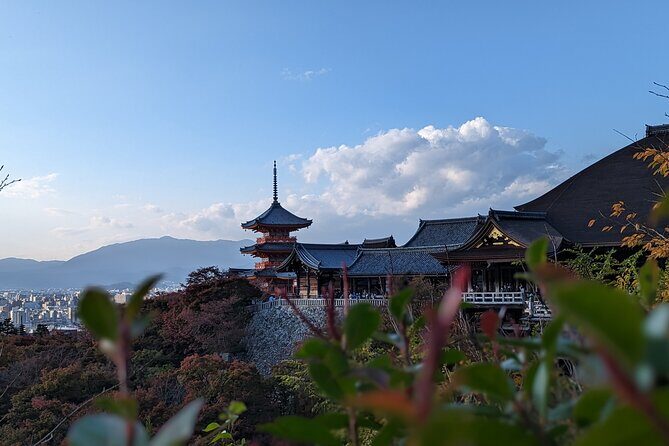
Kyoto rewards good logistics. This tour is described as near public transportation and offers pickup, which is ideal if you’re staying in a neighborhood where walking to transit points feels like a chore.
I’d plan to show up early at your pickup or meeting point and keep an eye on the day-of contact method used by the operator. One key lesson from feedback: when communication fails, the whole plan collapses. So screenshot your meeting details, keep your phone charged, and be ready to respond quickly.
Stop 1: Fushimi Inari-taisha in 30 Minutes
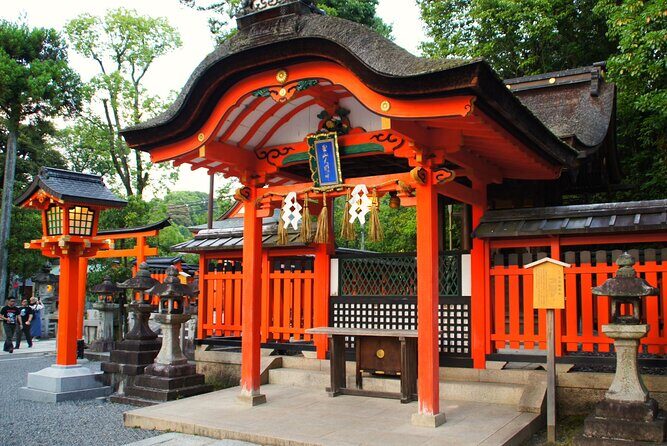
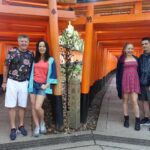
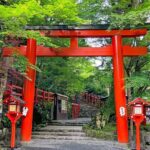
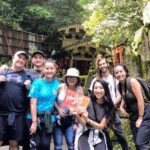
Fushimi Inari-taisha is famous for a reason: thousands of torii gates create a tunnel-like walk up toward the shrine. In a half hour, you won’t reach far into the mountain trails, but you can still get the best feeling of the place—structure, repetition, and that slight change in atmosphere as you move deeper.
The practical win of doing this first is momentum. Early in the route, you’re still fresh, and you can adjust your pace before the rest of the day stacks on.
Two things to keep in mind:
- Wear good walking shoes. The surfaces can be uneven, and people slow down because the place is photogenic.
- Manage expectations for depth. This is a fast sampling. If you want the full hike experience, you’ll need more time than this tour allows.
Stop 2: Kiyomizu-dera and the View You Came For
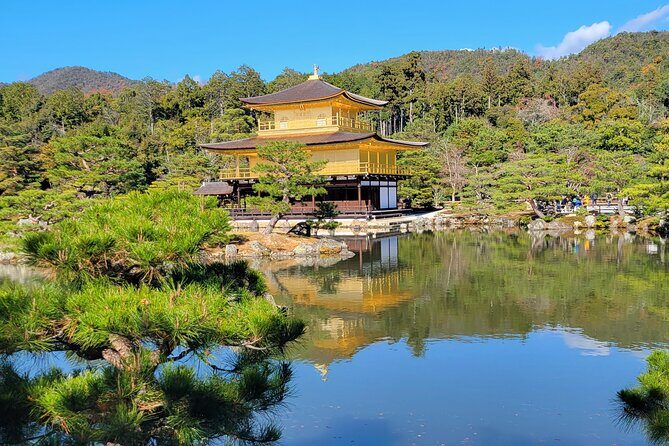
Kiyomizu-dera is one of Kyoto’s biggest icons, and the tour gives you about 30 minutes here, including admission. The main reason people remember it is the famous wooden terrace and the dramatic sense of space over the city.
In that short window, your guide’s job matters. A good explanation helps you understand what you’re seeing—why certain structures matter, and how the site fits into Kyoto’s religious world. Without that context, it’s still beautiful, but you might miss why locals treat it as more than a postcard spot.
The drawback is crowd pressure. Half an hour can feel tight if you hit peak times or if you get stuck near photo bottlenecks. If you’re sensitive to crowd noise, ask your guide about where to stand for better views quickly.
You can also read our reviews of more private tours in Kyoto


Stop 3: Kennin-ji Temple for a Calm Break
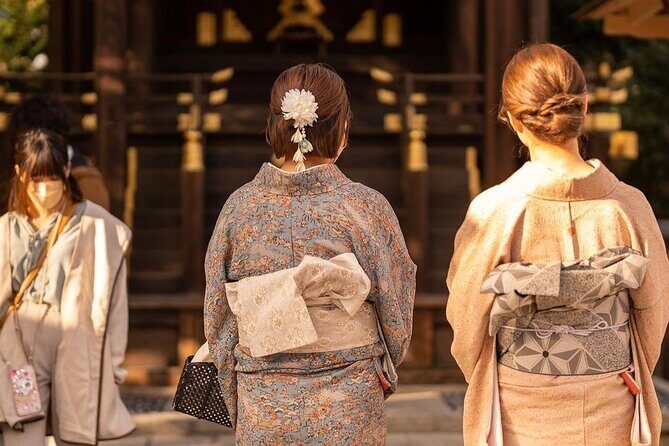
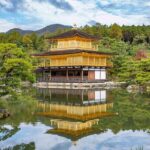
Kennin-ji Temple is a Zen Buddhist sanctuary, and the tour’s 30-minute stop works like a breather between major sightseeing hits. This is where the pace can soften. Instead of moving quickly for big photo moments, you can slow down and focus on the quieter feel of temple life.
This stop is valuable because it adds balance to the religious theme. After the energy of Fushimi Inari and the visual impact of Kiyomizu-dera, Kennin-ji helps you understand a different side of Kyoto’s faith culture.
In a short visit, the best approach is simple: follow your guide’s lead on what to notice first. Look for details tied to Zen practice and temple design, not just the overall building.
Stop 4: Yasaka Shrine and Kyoto’s Living Traditions
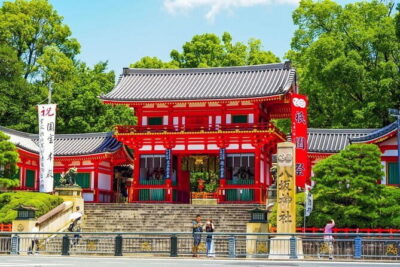
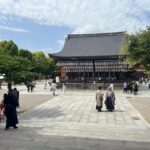
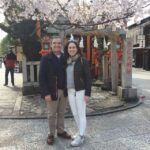
Yasaka Shrine is another major spiritual stop on the route, also listed with admission included. In about 30 minutes, you can get a sense of why this shrine feels active and part of the city’s rhythm, not just a historical artifact.
What I like about including Yasaka Shrine in the itinerary is the variety of Kyoto’s sacred spaces. You’re not just seeing one style of shrine or one type of temple. You’re seeing multiple expressions of belief and public ceremony life.
One practical consideration: shrines can be busy in bursts. If you’re trying to move efficiently through the space, stay flexible. Your guide can help time your walking so you don’t lose your whole half hour behind crowd flows.
Stop 5: Nishiki Market for Food Street Energy
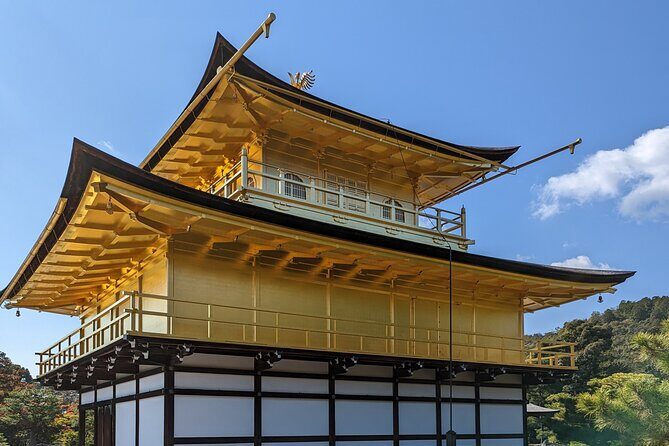
Nishiki Market Shopping District is the tour’s switch from sacred sites to everyday Kyoto life. You get about 30 minutes here, and the big idea is food: narrow lanes, lots of snack options, and a strong sense of what people eat and buy while they’re out.
In a short slot, don’t over-plan. Pick one or two things to try rather than trying to sample everything. A guide can also steer you toward options that match your tastes, which is especially helpful if you’re not confident navigating a food market quickly.
The only real drawback is time pressure. A market can swallow your attention fast, and 30 minutes can pass quickly. If you’re hungry, prioritize eating first and shopping second.
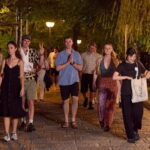
Stop 6: Pontocho Alley by the Kamogawa River (1 Hour)
Pontocho Alley is one of Kyoto’s most atmospheric street walks. It’s described as alongside the Kamogawa River, and you’ll have about one hour here—longer than any other stop besides the overall route.
This is a great place for two types of traveler:
- The history-lover who wants to understand how Kyoto’s entertainment district culture grew and what makes the streets feel different.
- The photo person who wants a slower walk where buildings, shadows, and street layout do the work.
If you’re doing this during busier hours, you might find people clustering for pictures. For the best experience in the time you have, walk with purpose early in the hour, then slow down for the final 10 to 15 minutes.
Stop 7: Gion for the Classic Kyoto Scene (30 Minutes)
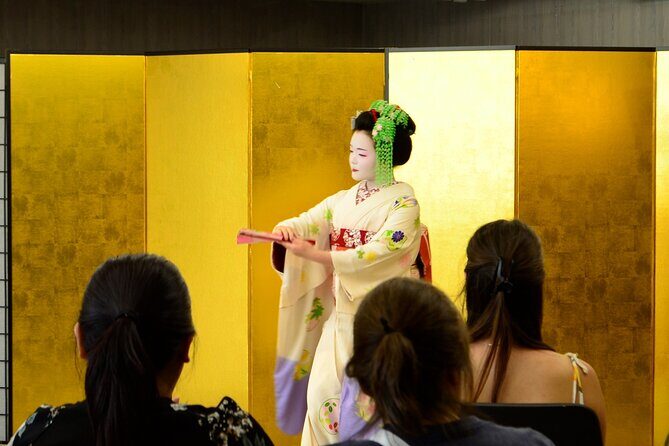
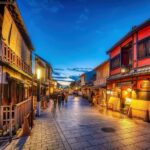
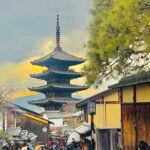
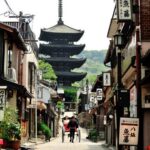
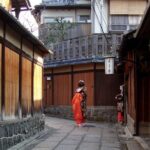
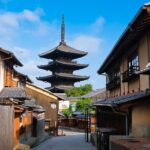
Gion is the historic district most closely associated with geisha culture. The tour gives you about 30 minutes, which is enough time to get the feel of the streets and see why the district is such a symbol of old Kyoto.
In a short visit, you’ll want to keep your expectations grounded. You’re not guaranteed to see any specific performers or ceremonies on demand. What you can control is how you walk through the district—slow enough to notice details, respectful of people who live and work there, and ready for the fact that Gion can be crowded.
This last stop is a strong closer because it turns your day from landmarks into atmosphere. After temples and markets, Gion feels like Kyoto as a living stage.
The Role of the Guide: Why Names Like Diego and Andrea Matter
This tour lives or dies by the guide. The feedback includes multiple guide names—Julian, Riccardo, Oscar, Robert, Andrea, Johannes, Diego, and Ken—and a common thread is strong communication and good adaptation to your group.
Some guides are also described as answering questions well and recommending restaurants, which can help you make the rest of your day feel planned. One practical point: if you’re traveling with older people or anyone who needs a slower pace, choosing a guide known for adjusting timing can be a real win.
Still, the serious no-show issues are the warning flag. If you book, you’re not just buying sightseeing—you’re buying coordination. So build in a little safety: confirm details in writing and have a plan if your guide is delayed.
What You’ll Learn (And How It Changes Your Photos)
With a guided route like this, your photos usually come out better for one reason: you know what they represent. If your guide explains the significance of the sites—how shrines relate to local beliefs, how temples connect to Zen practice, and why certain street districts became important—you’ll see more than buildings and gates.
Even in short stops, a good explanation can make each location feel like a chapter, not a stop on a list. That’s especially true when you combine:
- Shrine visuals (Fushimi Inari)
- UNESCO-scale icon views (Kiyomizu-dera)
- Zen calm (Kennin-ji)
- Living ceremony spaces (Yasaka Shrine)
- Food and street layout (Nishiki Market and Pontocho)
- Cultural district atmosphere (Gion)
Who This Tour Is Best For
This works best if:
- You want a guided overview of Kyoto’s core cultural areas in one sitting.
- You value a private group so you can ask questions and set your pace.
- You don’t have a full day and still want major highlights.
It may be less ideal if:
- You want long visits at each site and deep exploration.
- You get stressed by crowding and prefer quieter, slower itineraries.
- You’re booking for a day with major transport deadlines, because the route depends on getting the guide to the meeting point on time.
Should You Book This Private Kyoto Tour?
My take: it’s a strong idea for efficient, guided Kyoto. The set of stops is well-chosen for first-timers who want the big names plus atmosphere, and the fact that admissions are listed as included for several key sites helps the overall value.
But because there are serious reports of missed tours and communication problems, I’d only book if you’re willing to be proactive. Confirm pickup or meeting details clearly, keep your phone ready, and make sure you have a backup way to get around if something goes wrong.
If you want to maximize your chances of a smooth day, choose a time when you can stay flexible and avoid stacking the tour right before a non-negotiable reservation.
FAQ
How long is the private guided historical sightseeing tour in Kyoto?
The tour is listed as approximately 4 hours.
Is this tour private, or will I join other groups?
This is a private tour/activity, so only your group will participate.
Does the tour include pickup and is it easy to reach by transit?
Pickup is offered, and the experience is described as near public transportation.
Are admission tickets included for the sites on the route?
Admission tickets are listed as included for the major shrine/temple stops on the itinerary (Fushimi Inari-taisha, Kiyomizu-dera, Kennin-ji, and Yasaka Shrine).
What happens if the weather is poor?
The tour requires good weather. If canceled due to poor weather, you’ll be offered a different date or a full refund.
Can I cancel for a full refund?
Yes. You can cancel up to 24 hours in advance for a full refund, based on local time.