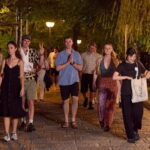
Kyoto feels different on two wheels. This Hidden Kyoto E-Biking tour pairs UNESCO temple hits with calm backstreet riding. You’ll start at NORU Kyoto Bike Tours and roll through temple lanes early, when the city is still waking up.
What I love most is the mix: you get to see Kinkakuji plus less-visited Zen corners afterward. I also like the guided context—people like Yuta and Michael are storytelling types, so the sites make more sense than just names on a map. One thing to consider: this is not a nonstop “ride only” tour. Some guides spend extra time talking at stops, so if you want maximum pedal time, plan for short listening breaks.
The route is designed for an easy pace. Expect an easy, safe ride for most people age 13+ with e-bike assist, a helmet, and water. The day’s theme is simple: take the major sights, then peel away from the busiest paths into calmer streets.
Still, you should come ready for weather and details. It requires good weather, and you’ll be biking on real streets, so comfy shoes and a flexible attitude help.
In This Review
- Key Things To Know Before You Go
- Why This Tour Works Better Than a Temple-Only Day
- NORU Kyoto Bike Tours: Meeting Point and What You’ll Get
- How the Riding Feels: Easy Pace, Real Streets, Short Listening Stops
- Kinkakuji Temple: Starting With Kyoto’s Most Recognizable Icon
- Daitoku-ji Temple Complex: Zen Atmosphere and Quieter Courtyards
- Kitano Tenmangu: Shrine Details You’ll Miss Without a Local
- Koto-in and Zuihoin: Where the Tour Gets Quiet
- The Role of the Guide: Why Stories Change What You See
- Price and Value: Is $116 a Good Deal?
- What to Wear and Bring (So You Enjoy It, Not Endure It)
- Who This Tour Suits Best (And Who Might Skip It)
- Should You Book Hidden Kyoto E-Biking?
- FAQ
- FAQ
- Where does the Hidden Kyoto E-Biking tour start?
- What time does the tour depart?
- How long is the tour?
- Is food included?
- What’s included in the price?
- How many people are in a group?
- What is the minimum age?
- Do I need to be a strong cyclist?
- What if the weather is bad?
- What is the cancellation policy?
- What if I’m late or miss the tour?
Key Things To Know Before You Go
- E-bike help keeps hills from turning into a workout
- Small group size (max 8) makes the route feel personal
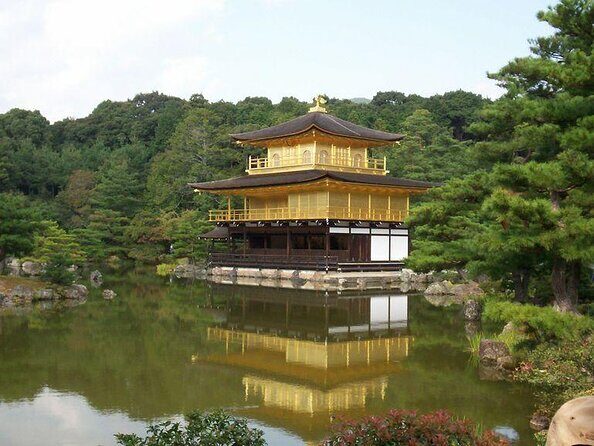
- Temple mix: Kinkakuji, Daitoku-ji, Kitano Tenmangu, plus Koto-in and Zuihoin
- Helmet + water included means you travel lighter
- Early departures help you catch quieter Kyoto streets
Why This Tour Works Better Than a Temple-Only Day
Kyoto’s temples are great. But if you only see them on foot, you’ll spend a lot of time in lines and crowded lanes—especially around the most famous names. This tour changes the rhythm. You’re not just hopping from one postcard to the next. You’re riding between them, so you see neighborhoods too.
The other win is the “quiet side” promise. The stops are real Kyoto anchors—like Kinkakuji and Kitano Tenmangu—but the ride also shifts you toward smaller temple areas and side streets that are easier to enjoy. You get the big sights without turning the day into a squeeze through crowds.
And yes, the e-bike part matters. Several guides on this tour lean into the idea that the bike is the tool that keeps the trip fun, not exhausting. You can focus on looking, listening, and taking photos, instead of managing every uphill grind.
You can also read our reviews of more cycling tours in Kyoto

NORU Kyoto Bike Tours: Meeting Point and What You’ll Get
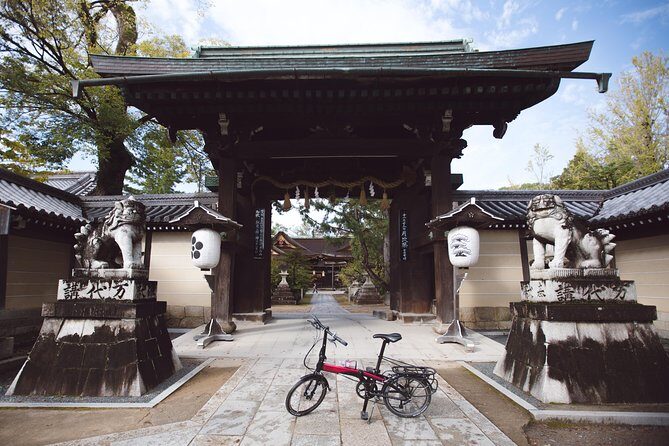
You meet at NORU Kyoto Bike Tours in Kamigyo Ward (429-22 Takigahanachō). The location is near public transportation, which is handy because you’re likely pairing this with other plans in Kyoto.
Once you arrive, you’ll get outfitted with:
- A foldable rental e-bike
- A helmet
- Water
- An English-speaking route coordinator
And you’ll get a mobile ticket for the experience.
Practical note: the tour asks you to show up about 15 minutes before departure. They depart at 8:30, 9:00, 12:30, and 1:00. If you’re late, you won’t get a refund, so build in buffer time.
How the Riding Feels: Easy Pace, Real Streets, Short Listening Stops
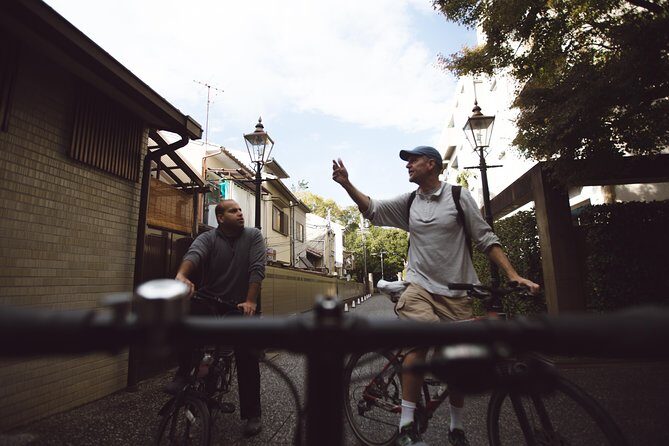
This tour is built for easy, safe cycling. The ride is roughly 7–8 kilometers depending on the route description you’re following, and the overall experience runs about 3 hours 45 minutes.
Even if you’re not an experienced rider, the e-bike assist helps a lot. Reviews mention that the bikes are simple to learn and that the power support makes hills manageable, even when Kyoto decides to be steep for fun.
The pace also gives you time to look around. You’re not sprinting between stops. You’ll cycle past a mix of religious sites and quiet residential lanes, then stop briefly for explanations. The upside is context. The tradeoff is that you may spend a little time standing around while your guide talks.
If you love story time, great. If you prefer more “walk, look, go,” choose a mindset that treats each stop like a short mini-visit, not a long guided lecture.
Kinkakuji Temple: Starting With Kyoto’s Most Recognizable Icon
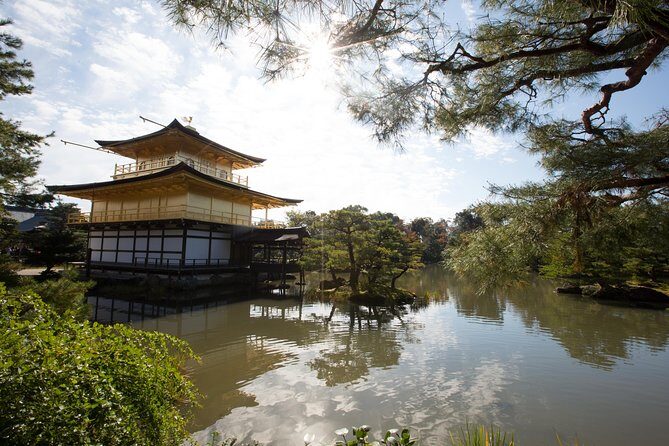
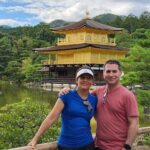
You kick things off at Kinkakuji Temple—the UNESCO World Heritage-listed Golden Pavilion. This is the kind of place where first impressions matter. Even if you’ve seen photos before, the real thing hits different.
What makes this stop work in the tour format: you see it early in the day, and then you’re not stuck there all afternoon. Instead, you move on while Kyoto is still shifting from morning movement to fuller daytime crowds.
At this point, your guide usually frames what you’re seeing in human terms—how the temple fits into Kyoto’s religious traditions and the way visitors are meant to behave. It’s not just facts. It’s the “how to watch” part, which makes Kinkakuji more rewarding.
Daitoku-ji Temple Complex: Zen Atmosphere and Quieter Courtyards
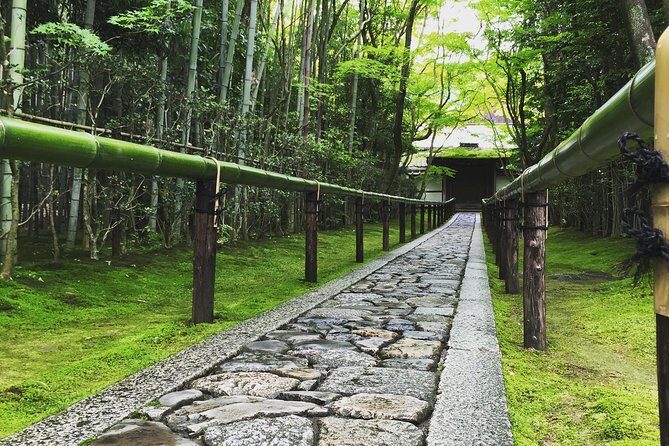
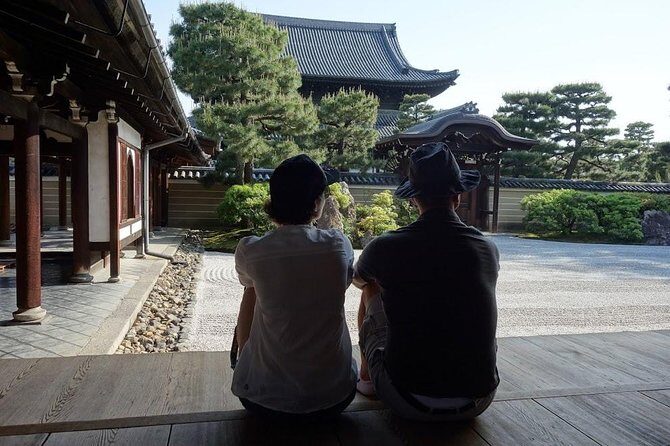
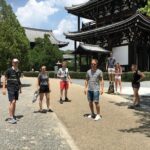
After the big-name start, the ride turns toward Daitoku-ji Temple Complex. This is where the tour’s tone changes from famous-sight energy into Zen calm.
Daitoku-ji is often experienced more like a maze of temple spaces than a single monument. That matters because it rewards patience. You’ll likely notice the slower pacing, the way gardens and quiet corners invite you to pause.
This stop is also where the guide’s specialty shines. You’ll hear explanations that connect Buddhist practice, temple design, and etiquette. If your guide is someone like Yuta, Michael, or Sean, expect clear, engaging teaching. They tend to help you understand the difference between traditions—like Shinto vs. Buddhism—and why it affects how people behave around sacred spaces.
One practical tip: keep your phone light settings reasonable and your voice down. Even when it’s not crowded, temple spaces take calm seriously.
You can also read our reviews of more tours and experiences in Kyoto

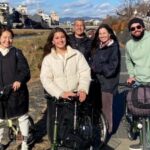
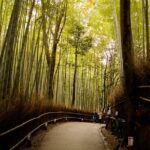
Kitano Tenmangu: Shrine Details You’ll Miss Without a Local
Then you head to Kitano Tenmangu Shrine. This shrine has a lively presence, and it’s the sort of place where the details are easy to overlook if you’re moving fast.
In a bike tour, you’re not just arriving and leaving. You’re also cycling through the approach streets, which helps you feel how the shrine sits inside neighborhood life. It’s a “Kyoto in context” kind of visit.
Your guide may connect the shrine to broader Japanese cultural traditions and explain etiquette at shrines (how to move, what people do at key spots, and how visitors should handle sacred areas). That’s one of the tour’s real values: you get more meaning with less guesswork.
Koto-in and Zuihoin: Where the Tour Gets Quiet
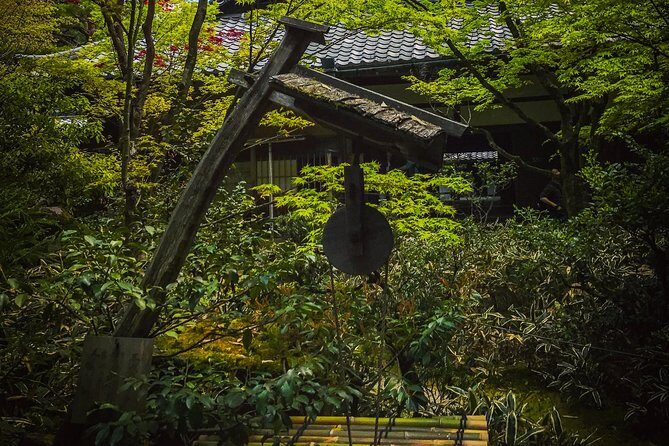
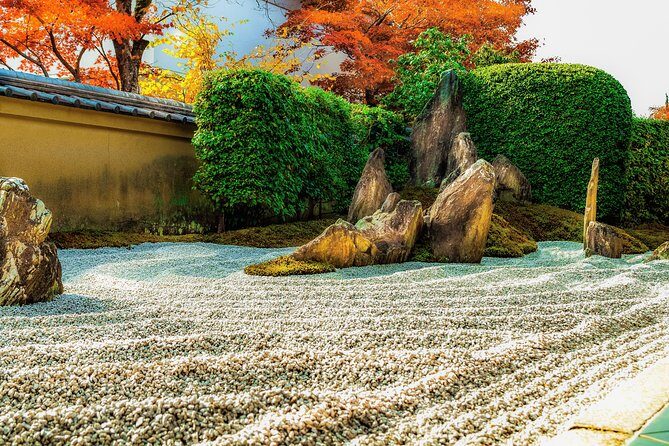
The itinerary includes stops at Koto-in and Zuihoin. This is a strong pairing for anyone who likes gardens, small temple atmospheres, and those slow, peaceful moments that don’t always show up on a basic sightseeing list.
These areas fit the tour’s promise of escaping the loudest parts of Kyoto. You’re cycling into calmer spaces, and then entering smaller temple environments where the “hidden Kyoto” feeling is real—not just a marketing line.
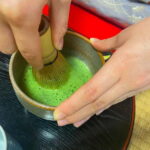
You may also get a tea moment. Some experiences on this tour include a charming tea stop with a story behind it. That kind of pause is why biking works: you can actually enjoy these pauses instead of rushing to fit them into an already-packed walking day.
The Role of the Guide: Why Stories Change What You See
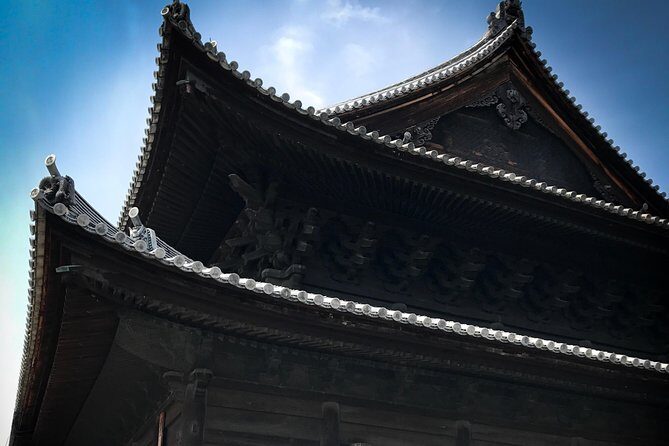
A big reason this tour earns such strong ratings is the guides. Different guides bring different styles, but the pattern is consistent: they connect the temple scenery to Kyoto’s culture, and they do it in plain English.
Names you might encounter include Yuta, Michael, Sean, Henry, or Shizuka (depending on your departure). People praise guides for making Zen, Shinto/Buddhism concepts, and even temple manners feel understandable—not dry or scripted.
That said, there’s a caution too. One reviewer felt the guide spent too long on history explanations relative to the shorter duration. So if you’re not a “listen at stops” type, set expectations. You’ll still see the sites, but you might want to balance questions with observation.
Price and Value: Is $116 a Good Deal?
At $116 per person, this isn’t a budget-only activity. But it’s not just you paying for a bike.
You’re paying for:
- The e-bike and helmet setup
- Water
- A guide who manages the route and explanations
- Time efficiency (cycling between multiple major sites and quieter temple spaces)
- A small group format (up to 8), which reduces crowd-pressure and improves the overall feel
If you’re planning to visit Kinkakuji anyway, the value gets easier to justify. You’re not choosing between “a famous temple visit” and “a calmer neighborhood experience.” This tour merges both.
For me, the best value angle is simple: you get more Kyoto per hour than you would with walking-only sightseeing, and you spend less energy getting between places that are spread out.
What to Wear and Bring (So You Enjoy It, Not Endure It)
The tour requires good weather and may run in rain if conditions allow. Since Kyoto weather can swing fast, I’d treat this like a “be ready” outing.
What helps:
- A raincoat or poncho if rain is likely
- Weatherproof gloves if you hate cold, wet hands
- Comfortable shoes you can walk in at temple stops
E-bike time is still time outside. You’ll want basic personal items (phone, small camera, payment method) but the tour already covers water.
Who This Tour Suits Best (And Who Might Skip It)
This is a great fit if you:
- Want temples plus quieter streets, not just a list of monuments
- Prefer a guided story to help you understand what you’re seeing
- Want an active outing without turning it into a full-day workout
- Like small-group pacing
It’s less ideal if you:
- Really hate pauses for explanations
- Are not comfortable riding in traffic-adjacent streets, even at a gentle pace
- Expect a mostly walking itinerary (this is bike-forward)
Also, it’s best for people age 13+. The tour is built for that comfort range, and the bike setup is part of why it works.
Should You Book Hidden Kyoto E-Biking?
If your Kyoto plan includes Kinkakuji and you also want the less crowded Kyoto that feels human, I think this is worth booking. The e-bike approach makes the day feel lighter. The guide makes the stops feel connected. And the small group size helps the tour stay calm instead of chaotic.
My advice: book a morning departure if you can. You’ll enjoy the ride more before the city gets heavy. And if you’re sensitive to time spent listening, ask yourself whether you’re okay with short stop-and-story moments. If yes, you’ll likely have a standout half-day.
FAQ
FAQ
Where does the Hidden Kyoto E-Biking tour start?
It starts at NORU Kyoto Bike Tours, 429-22 Takigahanachō, Kamigyo Ward, Kyoto, 602-8336, Japan. The tour ends back at the meeting point.
What time does the tour depart?
Departures listed are 8:30, 9:00, 12:30, and 1:00. You should arrive 15 minutes prior to departure.
How long is the tour?
The tour runs about 3 hours 45 minutes.
Is food included?
No. Food and drinks are not included, unless specified.
What’s included in the price?
Included are an English-speaking route coordinator, a rental bike, a rental helmet, and water.
How many people are in a group?
The tour has a maximum group size of 8 travelers.
What is the minimum age?
The minimum age is 13 years.
Do I need to be a strong cyclist?
No special cycling experience is required. The ride is described as easy, safe, and fun, and people age 13+ should be able to participate with minimal effort thanks to the e-bike.
What if the weather is bad?
This experience requires good weather. If it’s canceled due to poor weather, you’ll be offered a different date or a full refund.
What is the cancellation policy?
You can cancel for a full refund up to 24 hours before the experience starts. Canceling less than 24 hours before start time means you won’t be refunded.
What if I’m late or miss the tour?
You must arrive on time. If you’re late and miss departure, you won’t be refunded. No-shows are nonrefundable/non amendable/non transferable.