REVIEW · GEISHA & MAIKO TOURS
Kyoto: Gion Geisha District Walking Tour – Stories of Geisha
Book on GetYourGuide →Operated by Localized Walking & Food Tours · Bookable on GetYourGuide
Kyoto’s alleys feel different at night. I love how the Gion and Pontocho streets turn geisha culture into real street-level stories, and I like that guides such as Manuel and Yukari are praised for answering questions and helping you understand what you’re seeing.
The one thing to keep in mind: sightings can vary by evening, so treat any geiko or maiko you spot as a bonus, not a guarantee.
In This Review
- Key things that make this tour worth your time
- Why Gion and Pontocho make more sense after dark
- Starting at Ben’s Cookies Kyoto Shijo: where the tour really begins
- Pontocho Alley at night: lanterns, clubs, and a smart lesson on kabuki
- Gion’s old lanes: spotting geiko and maiko without turning it into a show
- Yasaka Shrine and Hanamikoji: the cultural backbone behind the district
- Gion Corner: turning what you see into something you can explain
- Price and value: why this often feels like a bargain at $20
- Who should book, and who might want a different option
- Should you book this Gion geisha walking tour?
- FAQ
- How long is the tour?
- What does the tour cost?
- Where do I meet the guide?
- Which areas do you visit?
- Are there any languages available?
- What should I bring?
- Is the tour suitable for children?
- Is alcohol allowed?
- Can I cancel or pay later?
Key things that make this tour worth your time
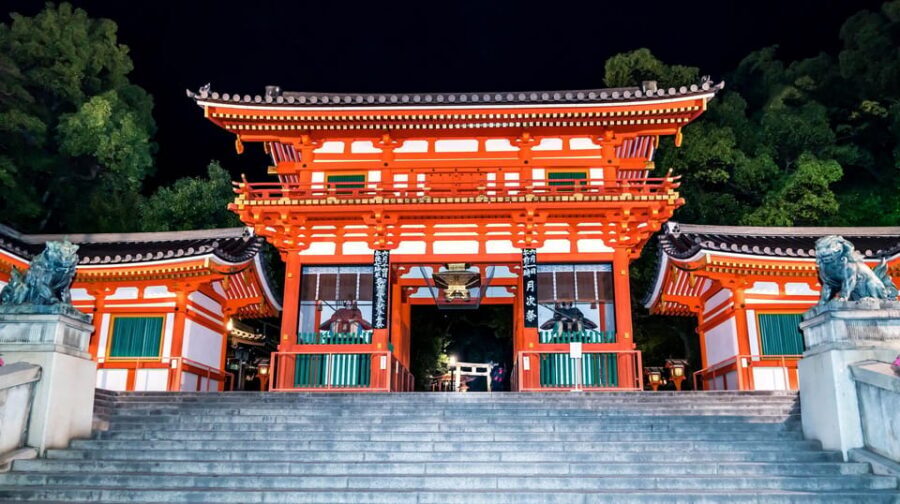
- Nighttime Gion + Pontocho: old wooden teahouses and lantern-lit lanes, not daytime crowds
- Geisha-meets-history stops: Pontocho Alley, the Izumo-no-Okuni statue, and more key landmarks
- Follow the appointment rhythm: you’ll learn where geiko and maiko may be headed as the night unfolds
- A strong Q&A culture: guides like Yukari, Yuki, and Nami are repeatedly noted for great answers
- Easy 2-hour format: a focused walk across the most “you came for this” neighborhoods
- Live English/Spanish guide: not a script—real explanation from a local
Why Gion and Pontocho make more sense after dark
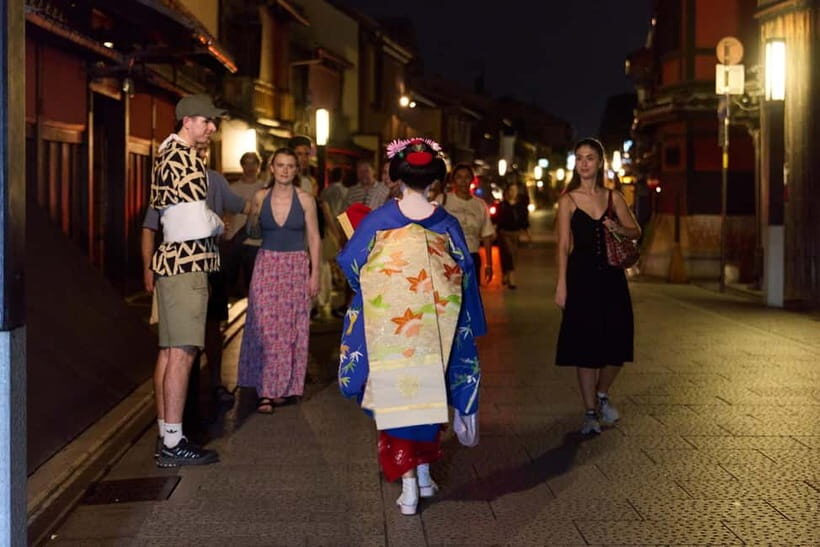
This is the Kyoto people imagine, the Kyoto you don’t quite get during a midday sightseeing rush. When the sun drops, the lanes in Gion and Pontocho feel quieter and more story-like, with narrow alleys and traditional wooden buildings that look like they belong in an old film.
The best part is how the tour connects the visual with the meaning. You’re not just passing famous streets—you’re learning what the geiko and maiko world is built on: training, tradition, and the social world around performances. If you have even a small curiosity about how roles, etiquette, and ceremony fit into Japanese culture, this night walk gives you a framework that makes everything click.
One practical note: you may see geiko or maiko up close, but the exact number depends on the evening. Think of it as a respectful “keep your eyes open” moment, not a promised meet-and-greet.
You can also read our reviews of more walking tours in Kyoto


Starting at Ben’s Cookies Kyoto Shijo: where the tour really begins
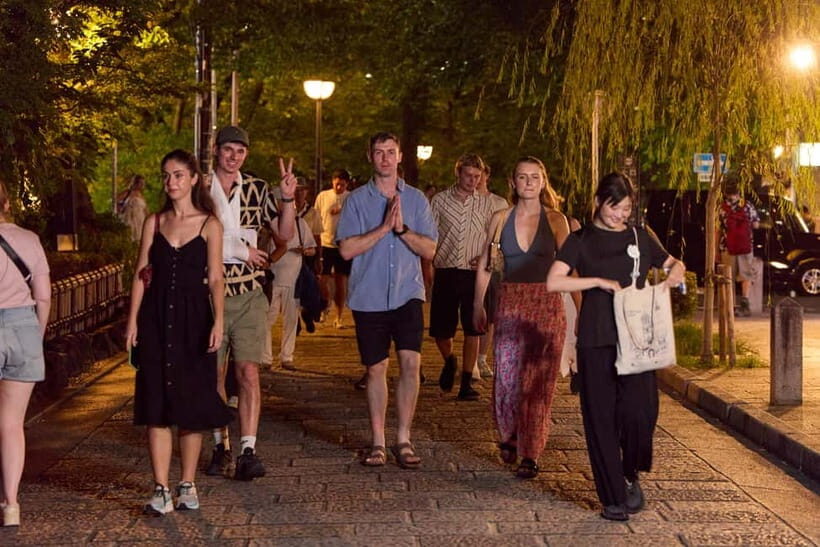
Your meeting point is easy: stand in front of Ben’s Cookies Kyoto Shijo. The guide will be holding a sign board, so you shouldn’t have to play guessing games.
This matters more than it sounds. A clear start means less waiting, less hunting around, and more time walking the streets that actually matter. Also, because it’s a live guide in English or Spanish, you’ll get context early—what you’re about to see, and what to pay attention to as you go.
Bring water. It’s a simple line item, but nighttime walking adds up, and Japan’s evenings can still feel warm (especially earlier in the season). And because the tour is focused on culture and etiquette, you’ll be walking with clear rules: no alcohol and no drugs.
Pontocho Alley at night: lanterns, clubs, and a smart lesson on kabuki
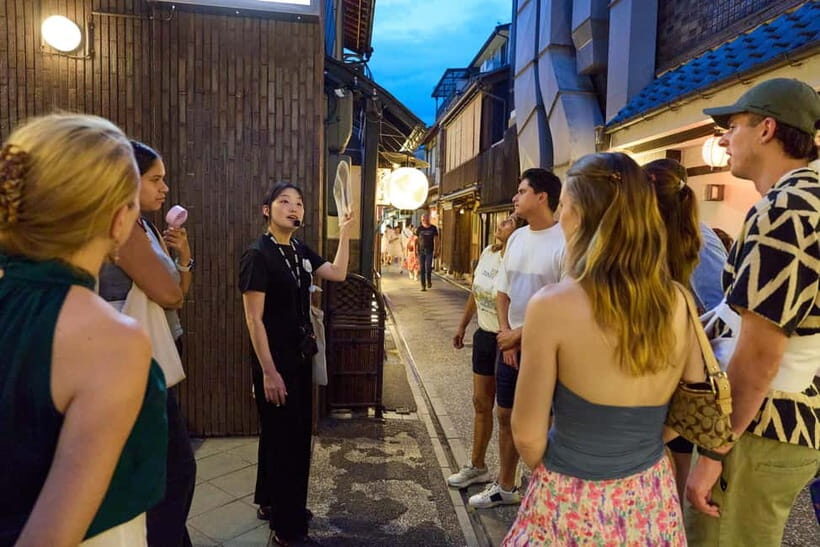
Pontocho Alley is one of those streets where you immediately understand why people romanticize Kyoto. The narrow way leads you through an atmosphere shaped by traditional Japanese eateries and the kind of elite nightlife that used to thrive here.
You’ll spend focused time walking and getting explanation, not just taking photos. That’s the point: you learn what you’re seeing and why it exists in this part of the city, so your brain starts sorting details instead of just absorbing vibes.
Then comes a memorable history stop: the statue of Izumo-no-Okuni. Your guide connects this woman to the origin of kabuki, giving you a wider cultural frame than “geisha district = pretty streets.” It’s a quick step from geisha entertainment culture to one of Japan’s famous performance traditions, and it helps you realize how the arts shaped each other over time.
After that, you cross the river area and keep moving. It’s a good flow for a 2-hour experience because you’re not stuck doing one thing too long—you’re building a mental map as you go.
Gion’s old lanes: spotting geiko and maiko without turning it into a show
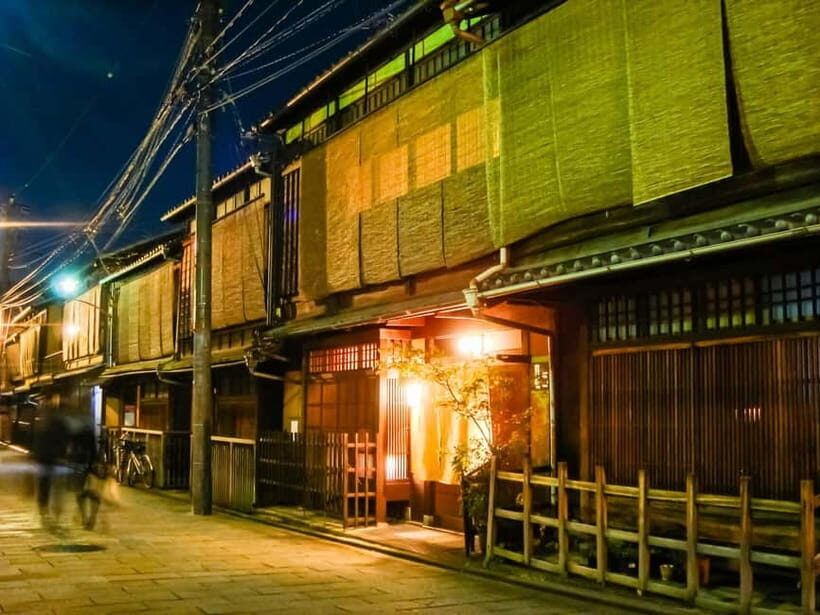
Gion is the big name for a reason. You’ll spend time walking through the parts of the district that are strongly associated with geiko and maiko culture, and you’ll be taught how to notice things respectfully.
One practical detail from the tour approach: you’re encouraged to keep an eye out as geiko and maiko may be heading to appointments. That timing-based idea changes how you watch the street. Instead of staring at every doorway, you learn what to look for and when, which makes the whole experience feel smoother and more informed.
Also, the guide time here is doing real work. A lot of tours throw facts at you and call it done. This one gives you room to ask questions, which is where the tour becomes personal. If you’re wondering about differences between geiko and maiko, how training works, or why etiquette matters, this is the part where you’ll feel like you finally have the right language for what you’re seeing.
In reviews, guides such as Yukari and Yuki are specifically praised for pacing and for being friendly about questions. That’s exactly what you want on a night walk, when you’re trying to see things but also trying to understand them.
Yasaka Shrine and Hanamikoji: the cultural backbone behind the district
After the main Gion walking portion, the tour adds two important mood-and-meaning stops: Yasaka Shrine and Hanamikoji Street.
Yasaka Shrine gives you the grounding you might miss when you focus only on the entertainment lanes. You start to understand why these districts aren’t floating in a vacuum. The shrine is tied into the wider Kyoto spirit—ritual, community, and tradition—and it helps you see the geisha world as part of a larger system of culture rather than a separate attraction.
Then you’ll walk Hanamikoji Street, Gion’s famous corridor. Here, your guide’s explanations help you read the scene. You learn what this street represents and how it fits into the district’s reputation. You’ll also have chances to spot geiko and maiko as the night continues, though again, don’t force it. You’ll get more enjoyment if you treat sightings as a bonus to the learning, not the only goal.
If you like taking photos, this is also the zone where your pictures start telling a story. With context, even a simple street shot feels like more than a postcard.




Gion Corner: turning what you see into something you can explain
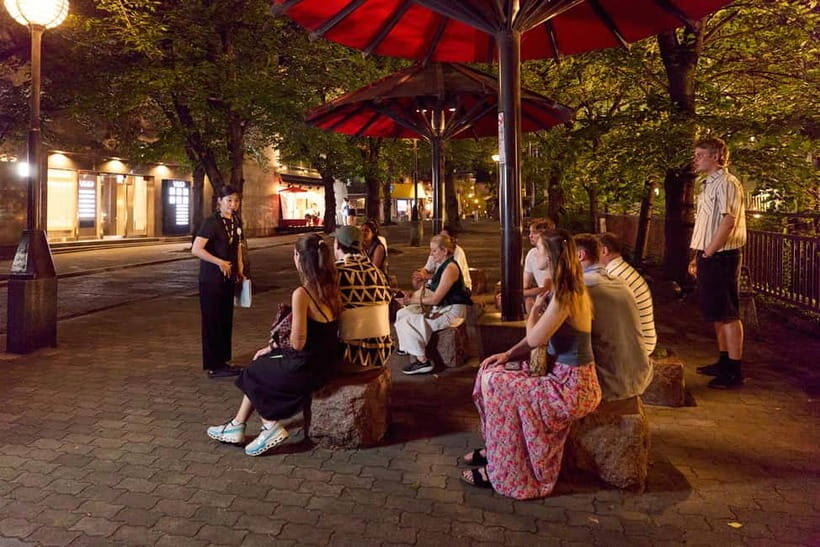
Your final built-in cultural stop is Gion Corner. Even if you’ve seen a few mentions of this place online, the value here is how your guide ties it back to the rest of the night—how performance culture, tradition, and district etiquette all connect.
It’s also a natural moment for questions. By now you’ve walked the alleys, absorbed the shrine context, and watched the rhythm of the district from the guide’s perspective. This is when the tour can help you put the pieces together into an explanation you’ll actually remember later.
In reviews, people repeatedly mention that guides keep the pace comfortable and make room for photo time and discussion. You can expect something similar in spirit here: it’s not rushed, and you’re meant to leave with clearer understanding, not just a handful of pictures.
And yes, the tour remains a walking tour, so the “finish” feels earned. You won’t spend the whole time glued to one spot.
Price and value: why this often feels like a bargain at $20
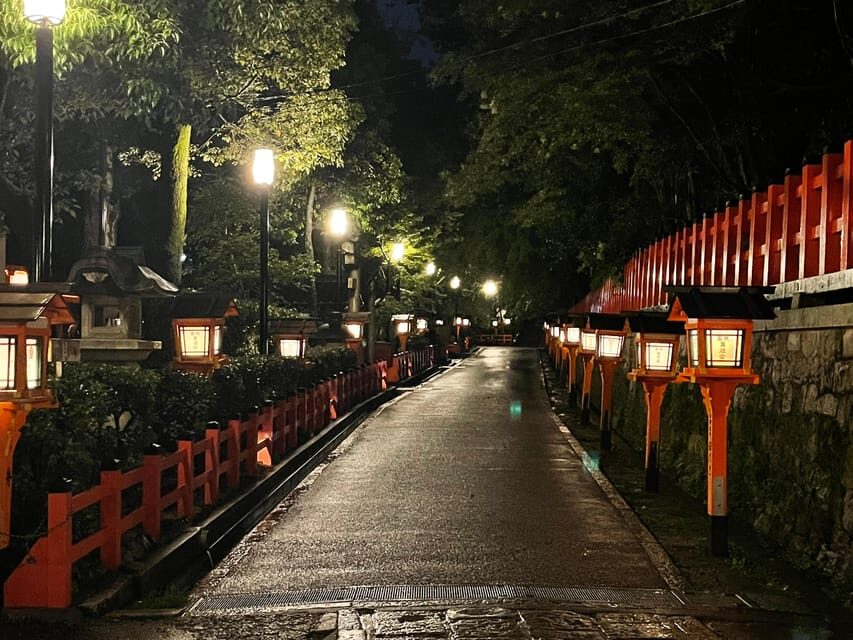
At $20 per person for 2 hours, this is priced like a practical way to get orientation in one of Japan’s most talked-about districts. You’re paying for two things that matter in Kyoto: a local guide and context that makes the streets meaningful.
If you try to self-guide Gion and Pontocho, you can still have fun. But you’ll likely miss the links—why certain sites are important, why the timing of appointments changes what you notice, and how performance traditions connect across the city. For a short stay, that’s where the value shows up fast.
Also, your guide is live and speaks English or Spanish. That means you can ask follow-ups instead of guessing what a street sign or statue is supposed to mean.
Finally, the group experience seems to work well for different levels of interest. Some people show up knowing nothing and walk away with a real foundation; others already have background and still want deeper explanations. The guide’s ability to match that need shows up in the tour’s strong ratings.
Who should book, and who might want a different option
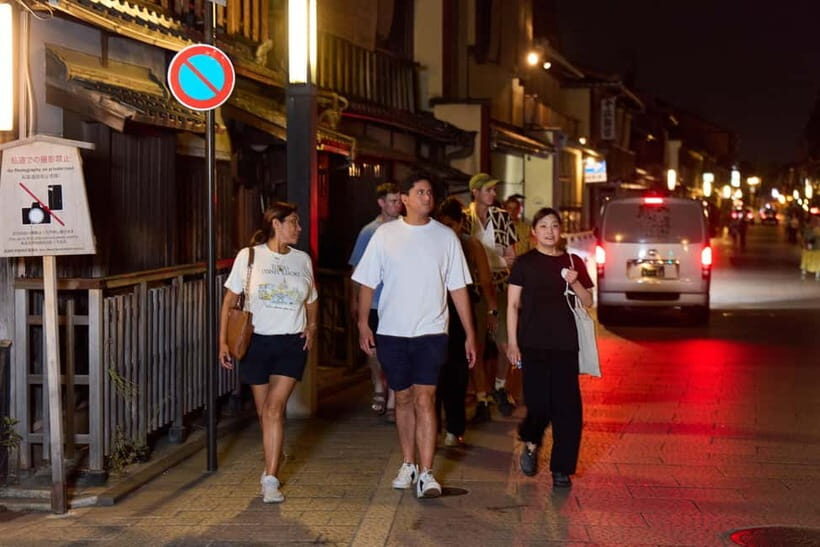
This tour fits best if you want a short, focused night walk with history and culture built in. You’ll likely enjoy it most if you:
- are curious about geisha culture in Kyoto and want a clear explanation
- like walking and learning at the same time
- want a structured route through Gion + Pontocho rather than wandering randomly
It may be less ideal if you’re traveling with children under 10, since the tour is not suitable for that age group. And if you’re the type who gets frustrated when sightings aren’t guaranteed, you’ll need to go in with flexible expectations.
If you’re picky about crowd-free evenings, keep your expectations realistic. This area is famous for a reason, and even with a guide, you’ll share streets with other visitors.
Should you book this Gion geisha walking tour?
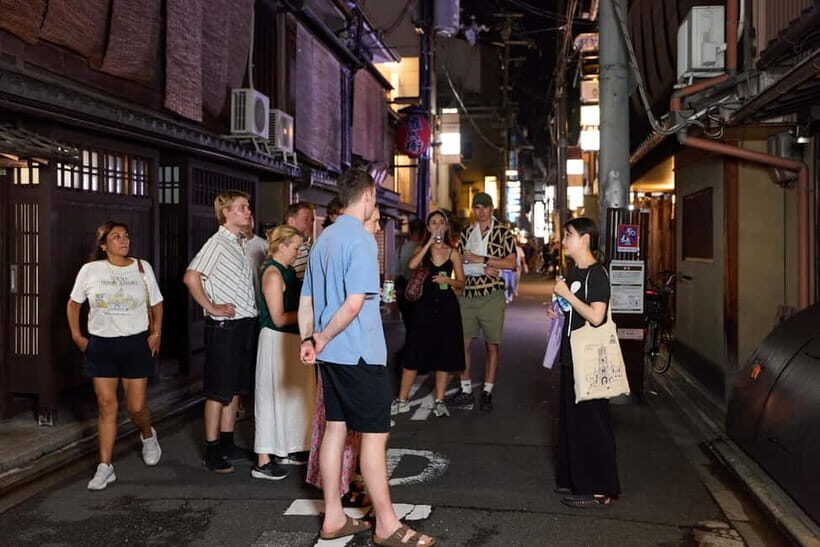
Yes, book it if your Kyoto plan includes a night you want to spend learning instead of just scanning landmarks. The combination of Pontocho Alley, the Izumo-no-Okuni connection to kabuki, and the Gion corridor stops gives you a solid cultural spine for the evening.
Book it sooner rather than later if you like the idea of a $20 experience that can turn an unfamiliar topic into something you understand. And make your life easier by remembering the basics: bring water, and know the tour doesn’t run as a kid-friendly activity.
If you want a more “only appearances” trip, this might not scratch that itch by itself. But if you want to leave with real clarity—about tradition, roles, and why these streets matter—this is one of the best ways to spend a couple hours at night in Kyoto.
FAQ
How long is the tour?
The tour lasts 2 hours.
What does the tour cost?
It costs $20 per person.
Where do I meet the guide?
Meet your guide in front of Ben’s Cookies Kyoto Shijo. The guide will be holding a sign board.
Which areas do you visit?
You’ll walk through Pontocho Alley and Gion, and you’ll also stop at the statue of Izumo-no-Okuni, Yasaka Shrine, Gion Corner, and Hanamikoji Street.
Are there any languages available?
The live guide offers English and Spanish.
What should I bring?
Bring water.
Is the tour suitable for children?
No. It is not suitable for children under 10 years.
Is alcohol allowed?
No. Alcohol is not allowed, and drugs are not allowed.
Can I cancel or pay later?
You have free cancellation up to 24 hours in advance for a full refund. You can also reserve now and pay later to keep your plans flexible.