REVIEW · KYOTO
Invitation to Japanese Whisky: Exclusive TastingTime/Private
Book on GetYourGuide →Operated by Japan Exploration Tours JIN · Bookable on GetYourGuide
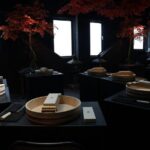
Kyoto whisky can taste like a lesson. In Sanjo near Sanjo Ohashi, this private 90-minute tasting with English guide Kenji sets you up in a real bar for a proper introduction to Japanese whisky beyond the usual shelf staples, starting with a classic Suntory Kaku highball.
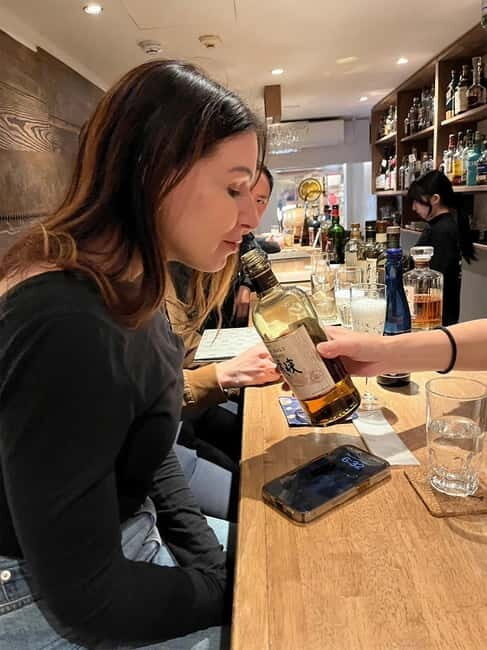
What I like most is the hands-on way the tasting is taught. You learn how to pick up top notes, how whisky sits on your palate and throat, then how adding two drops of water changes the aroma and makes the flavor feel sweeter and more mellow.
One drawback to consider: at $245 per person, this is a splurge for one sitting, and meals and transportation aren’t included—so you’ll want to plan your dinner around the experience.
In This Review
- Key points worth knowing
- Meeting Kenji at Sanjo Ohashi: finding the kneeling man statue
- A real bar warm-up: Suntory Kaku highball first
- The premium pours: Yamazaki, Taketsuru, Hibiki, and Suntory Royal
- How the two-drop water method changes everything
- Straight vs. with water: what to pay attention to
- Snacks and food pairing: chocolate and smoked bites
- Conversation with local whisky fans: what makes it feel human
- Restaurant recommendations at the end: using what you learned
- Price and Logistics: is $245 per person good value?
- Who should book this private whisky tasting
- Booking basics you should plan for
- Should you book Invitation to Japanese Whisky: Exclusive TastingTime Private?
- FAQ
- Where is the meeting point?
- How long is the tasting?
- Is the tour private and in English?
- What whiskies are included in the tasting?
- What’s included in the price?
- Can people under 20 drink alcohol?
- Are food and transportation included?
Key points worth knowing
- Meet at Sanjo Ohashi: the kneeling man statue at the southeast corner of the intersection.
- Start like a local with a highball: Suntory Kaku mixed with soda comes first.
- Classic 12-year Japanese labels: expect pours like Yamazaki 12, Taketsuru 12, Hibiki blender’s choice, and Suntory Royal 12.
- A rare-bottle style tasting: the bar brings out special bottles that are described as both rare and expensive.
- Taste neat, then open it with water: the guided two-drop method is the star lesson.
- End with Kyoto restaurant guidance: you can get recommendations matched to what you like.
Meeting Kenji at Sanjo Ohashi: finding the kneeling man statue
This experience is designed to be easy to start. You meet at street level at the kneeling man statue at the southeast corner of Sanjo Ohashi intersection. If you’re coming from the subway, it’s quicker to pop up first, then work your way to the statue instead of trying to navigate underground.
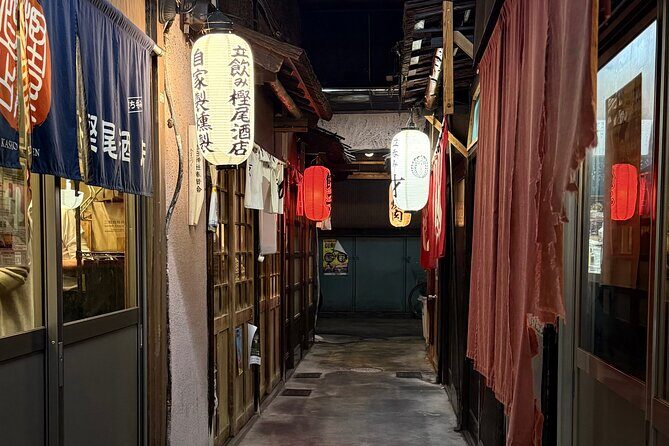
Sanjo is one of Kyoto’s key nightlife and dining areas, and the guide uses that location to set context right from the start. Before you even touch whisky, you’ll get a quick orientation to the Kyoto and Sanjo area—what’s around, where people tend to go for entertainment, and how to think about the neighborhood once you’re off on your own.
If you want a smooth start without mental gymnastics, this meet-up point helps. It’s specific, visible, and tied to a known landmark. And since it’s a private group, you’re not getting lost in a crowd while everyone else mills around.
You can also read our reviews of more private tours in Kyoto

A real bar warm-up: Suntory Kaku highball first
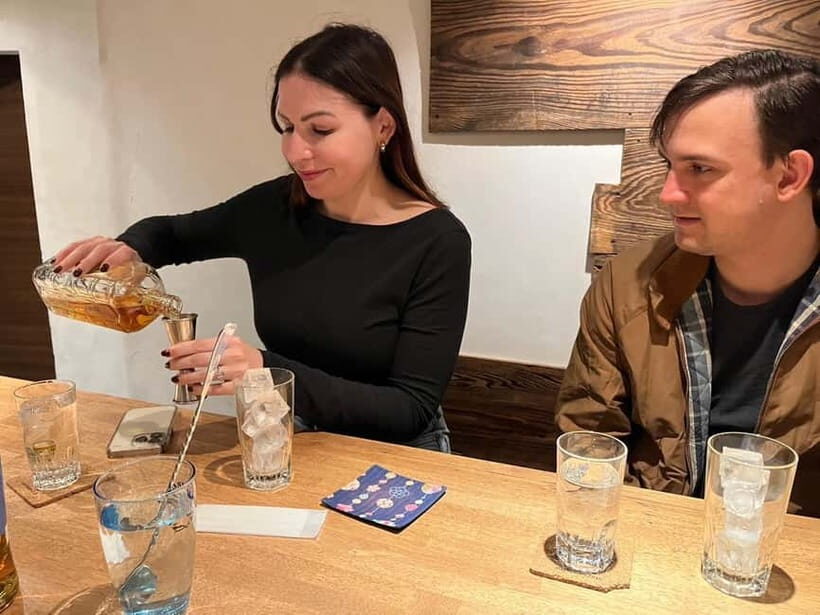
The tasting begins with a familiar Japanese starting point: Suntory Kaku. It’s treated as the most popular and representative way to enter the world of Japanese whisky, and there’s a practical reason for that.
First, you get the highball concept in your hands. The guide shows you how to make the drink so you can taste whisky in the style most commonly enjoyed in Japan: whisky with soda, served to keep the flavor light but still present. It’s a smart way to avoid the “all whisky, all the time” problem. Highball gives you an easy on-ramp while you’re learning what you’re actually tasting.
And then you get the lesson to pair with it. You’re not just sipping; you’re paying attention. You learn how to observe top notes and how the whisky feels on your palate and throat. Even if you’ve tried whisky before, this part helps you switch from casual tasting to tasting with intent.
The premium pours: Yamazaki, Taketsuru, Hibiki, and Suntory Royal
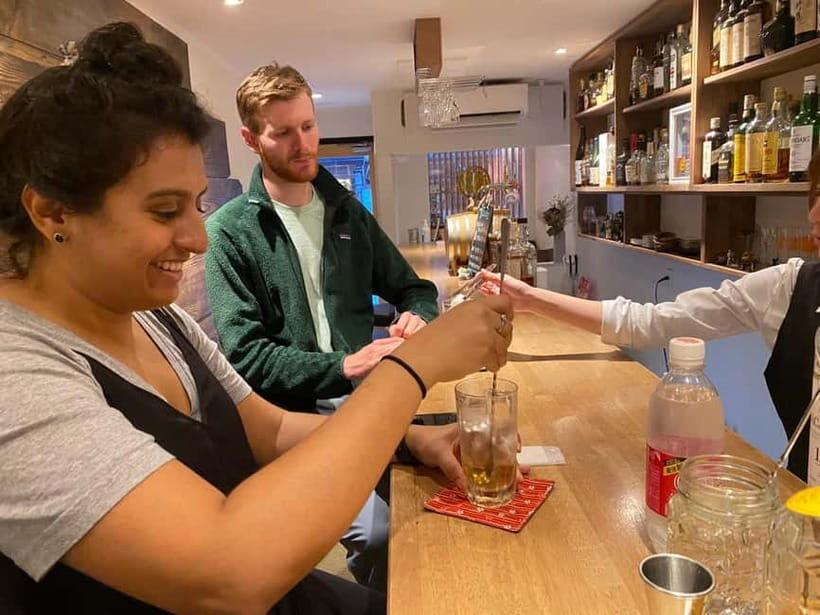
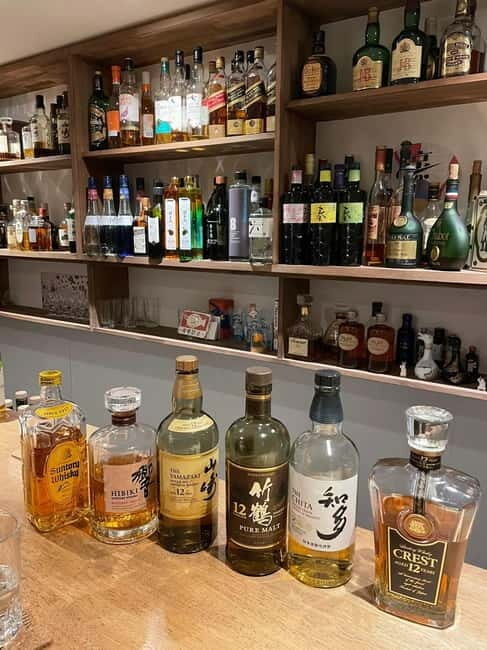
After the warm-up, the tasting shifts into the lineup. The normal rotation includes several of Japan’s best-known 12-year expressions—so you’re not stuck with unfamiliar bottles that don’t give you a baseline.
You’ll likely encounter combinations such as:
- Yamazaki 12 years
- Taketsuru 12 years
- Hibiki blender’s choice
- Suntory Royal 12 years
The bigger value here is that you get to compare flavors side by side during the same session. Instead of jumping from one bottle to another on different nights and forgetting what you liked, you get to build memory while your senses are already tuned.
Then comes the part that makes this booking feel different from a standard “whisky bar” night: the bar service can include special whiskies that are described as rare and expensive. You’re not promised a single exact bottle list beyond the normal lineup, but the intention is clear: you’re tasting beyond the usual selection.
One practical tip for you: if you know what styles you like—sweet, floral, smoky, lighter—say it early. The experience can end with restaurant recommendations, and that same preference filter helps the guide keep the session aligned with your tastes.
How the two-drop water method changes everything
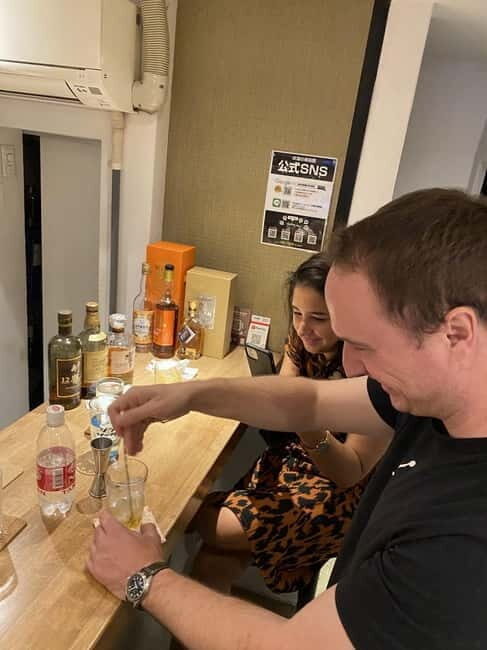
The signature technique is simple, and that’s why it works. You taste the whisky straight first, focusing on top notes and the way it lands on your palate and throat. Then you add two drops of water.
Those two drops matter. The guide explains that the flavor opens up: it becomes sweeter and more mellow. In plain terms, water can reduce the bite and help aromas rise. You end up getting what feels like a second version of the same whisky.
This is also where the experience becomes genuinely educational for you, not just enjoyable. If you’ve ever wondered why one whisky tastes intense in one glass and gentle in another, this gives you a repeatable way to understand it. The point isn’t to memorize rules. The point is to train your senses so you can make better choices next time you order.
And yes, this is also where you can slow down and enjoy the pacing. Ninety minutes isn’t long, but the order—highball, then tasting neat, then tasting with water—creates a rhythm that keeps your attention from wandering.
Straight vs. with water: what to pay attention to
Here’s how to make this lesson work for you while you’re in the bar.
When you taste neat, focus on:
- top notes you notice at first smell
- how the whisky hits your palate
- whether the finish feels sharp or smooth
Then, when you add the water:
- compare sweetness level
- notice whether the alcohol edge feels softer
- pay attention to how the aroma shifts
This might sound like homework, but it’s really just guided awareness. If you want to level up quickly, this approach does it in one sitting. The guide’s instruction is designed to help you sense changes rather than just hear about them.
Also, don’t rush. If you swallow too fast, you miss the throat sensation the guide is talking about. Slower sips help your brain catch the differences between neat and opened whisky.

Snacks and food pairing: chocolate and smoked bites
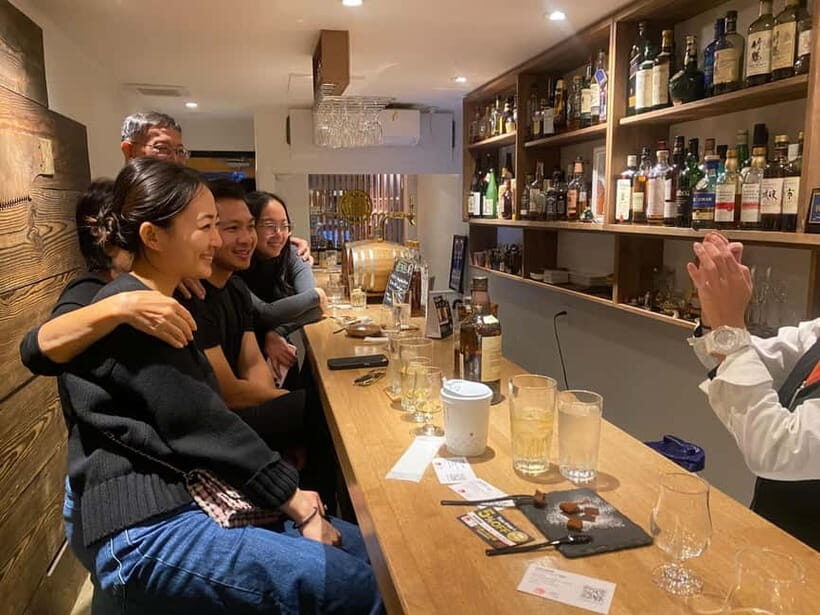
Whisky tasting without food can turn into a stomach contest. Here, you get snacks chosen to work alongside Japanese whisky.
Included snacks can include things like fresh chocolate paired with Yamazaki whisky, plus smoked items. The idea is that chocolate can play well with sweeter whisky notes, while smoked elements can echo or contrast smoky impressions you may detect in certain bottles.
You shouldn’t treat snacks as an afterthought. They’re part of the tasting arc. If you take a bite between tastings, you reset your palate and keep each pour feeling distinct. It also helps if you’re the kind of person who gets “flavor fatigue” after too many sips.
And because the experience is private, you can ask if you prefer lighter pairings or want to know why a snack was chosen for a specific whisky.
Conversation with local whisky fans: what makes it feel human
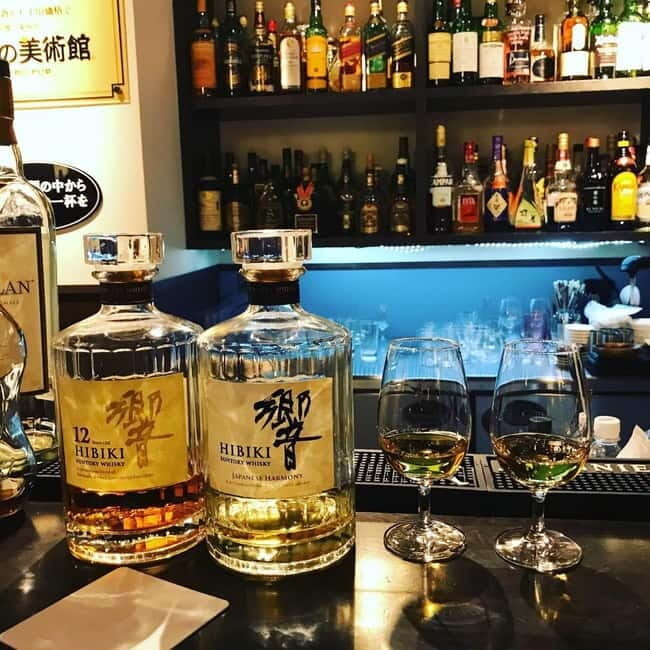
One of the best parts isn’t just what you drink—it’s the chance to talk while you’re drinking. The bar may offer communication with local whisky fans, the kind of people who actually care about how whisky should taste and how it should be served.
This matters because you’re not stuck with a lecture. You can ask questions, share what you noticed, and compare your impressions to someone who’s been tasting for years.
In a city like Kyoto, where you can find plenty of casual bar nights, this kind of conversation makes the difference. You’re learning in context, not in a classroom. The guide can also steer the talk toward your interests so it doesn’t feel like awkward small talk in a language barrier.
Restaurant recommendations at the end: using what you learned
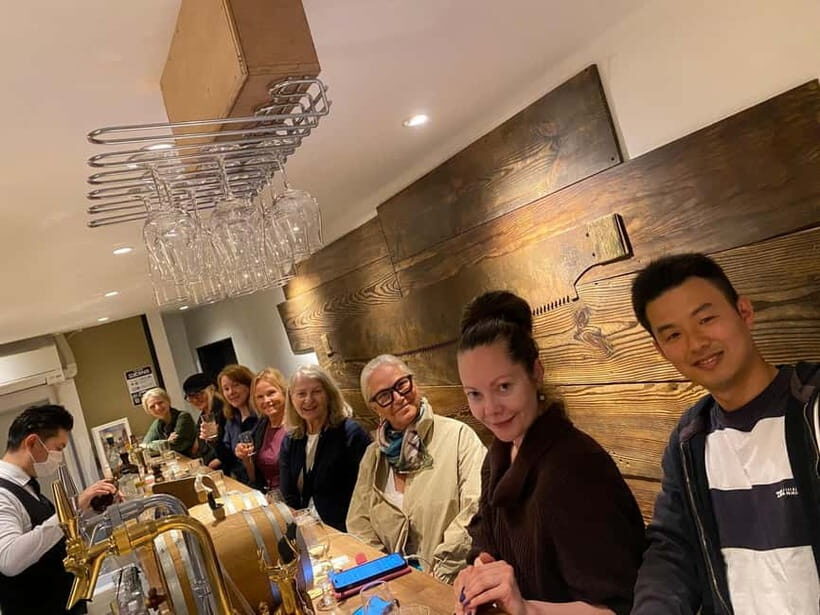
Once the tasting wraps, you’ll get suggestions for restaurants based on your preferences. This is more useful than it sounds, because your whisky experience gives you a clue about what you actually enjoy: sweet and smooth, smoky and bold, or lighter highball-style flavors.
So instead of guessing what to eat in the Sanjo area, you can leave with a short list that matches your taste. It’s a practical way to turn one guided hour and a half into a better night overall.
If you like to plan minimal but eat well, this ending is worth paying attention to. It’s the bridge from learning to doing.
Price and Logistics: is $245 per person good value?
At $245 per person for 90 minutes, this isn’t a budget activity. But it’s also not priced like a generic bar meetup.
Here’s where the value comes from, based on what’s included:
- Whisky tasting with a normal lineup (Yamazaki 12, Taketsuru 12, Hibiki blender’s choice, Suntory Royal 12, and more in that style)
- A welcome drink: Suntory Kaku highball
- Snacks designed to pair with whisky
- A live English guide (private group format)
- A chance to taste special, rare-expensive whiskies brought out by the bar service
What’s not included is also important: food and meals, plus transportation to and from the meeting point. That means you’ll likely want to budget for dinner separately and plan transit on your own.
So the best way to think about the price is this: you’re paying for guided tasting instruction, private pacing, and access to bottles and techniques that would be harder to replicate on your own in a normal bar visit. If you’re serious about whisky—or you want to stop guessing and start tasting with confidence—this can feel like a smart buy.
If your goal is simply a casual bar night with cheap drinks, you can likely find cheaper options. But if you want a tasting lesson with rare pours and a clear method you can remember, the price makes more sense.
Who should book this private whisky tasting
This experience is a strong match if:
- you’re a whisky lover and want to go beyond the standard names
- you like hands-on guidance for how to taste (not just drink)
- you prefer a private group feel with English support
- you want local context for Sanjo and better restaurant choices afterward
It may not be the best fit if:
- you’re looking for a light, low-structure drink experience
- you need wheelchair-friendly access or you’re traveling with mobility impairments
- you’re pregnant (not suitable)
Also note the age rule. People under 20 aren’t allowed to drink alcohol in Japan, but anyone can enter bars when accompanied by an adult. If you’re booking with younger travelers, the rules around soft drinks and snacks apply as stated, and you’ll want to confirm expectations before showing up.
Booking basics you should plan for
To keep the session smooth, bring comfortable shoes, since you’ll be moving from the meeting point to the bar. An ID card is also required; a copy is accepted.
A few other practical notes:
- smoking is not allowed
- no alcohol is allowed in the vehicle
- the guide provides English commentary
- the tasting time is 90 minutes
If you want flexibility, the experience includes free cancellation up to 24 hours in advance and a reserve now, pay later option (so you’re not locked in immediately).
Should you book Invitation to Japanese Whisky: Exclusive TastingTime Private?
Book it if you want a guided Japanese whisky tasting that actually teaches you how to taste. The combination of a proper highball start, a clear lineup like Yamazaki 12 and Taketsuru 12, and the two-drop water method is exactly the kind of structured experience that helps you remember what you like and why you like it. Add in the private setup, the snacks, and the chance for local conversation, and it becomes more than a bar visit.
Skip it if $245 feels too high for one evening, or if you’d rather spend your time on food-focused Kyoto nights where you control every choice. This experience is worth it when whisky is the point—and when you want your next order in Japan to be smarter than your last one.
FAQ
Where is the meeting point?
You meet at the kneeling man statue at the SouthEast corner of Sanjo Ohashi intersection. From the east end of Sanjo Ohashi Bridge, cross the street and find the statue.
How long is the tasting?
The experience lasts 90 minutes.
Is the tour private and in English?
Yes. It’s a private group with a live English guide.
What whiskies are included in the tasting?
The normal lineup includes bottles such as Yamazaki 12 years, Taketsuru 12 years, Hibiki blender’s choice, and Suntory Royal 12 years, along with other Japanese whiskies the bar provides during the session.
What’s included in the price?
Included are the whisky tasting, a welcome drink (Suntory Kaku whisky highball), and snacks that pair with Japanese whisky.
Can people under 20 drink alcohol?
People under 20 years old are not allowed to drink alcohol in Japan. However, anyone can enter bars when accompanied by an adult.
Are food and transportation included?
Food and meals are not included, and transportation to and from the meeting point is also not included.