REVIEW · KYOTO
Kyoto 6hr Private Tour with Government-Licensed Guide
Book on Viator →Operated by Japan Guide Agency · Bookable on Viator
Kyoto clicks faster with a real guide. This 6-hour private day turns famous sights into clear stories, with a government-licensed English guide and smart public-transport routing that helps you understand the city, not just hop between landmarks.
I especially like the freedom to choose your own mix of stops—usually 3–4 sites—so you’re not stuck with a rigid checklist. And you get time to ask questions as you move, which is exactly when Kyoto makes more sense.
The main consideration: it’s a walking tour and admission tickets aren’t included, so you’ll want to plan for temple/castle costs and pace yourself (especially if you pick multiple hills or long lines).
In This Review
- Key things that make this Kyoto private tour work
- Kyoto in 6 hours: why this format is so practical
- What the government-licensed guide changes on the ground
- Price and value: is $155.86 per person fair?
- Your 3–4 stop strategy: how to pick the right Kyoto mix
- Stop-by-stop: what each classic Kyoto choice is really about
- South Kyoto icon: Fushimi Inari-taisha and the torii tunnel
- East Kyoto “main character” view: Kiyomizu-dera
- Historic power: Nijo Castle and Kyoto Imperial Palace
- Traditional streets with atmosphere: Gion, Higashiyama, Pontocho, and Nishiki Market
- Zen temples you can build around (from Silver Pavilion to rock gardens)
- More classic Kyoto temple variety (great if you like religious art)
- Uji as a day-stretching bonus: Byodoin Temple
- Arashiyama daydream: bamboo, bridges, gardens, and the western hills
- North mountains mood: Kibune and Kurama
- Shugakuin Imperial Villa: quieter imperial heritage
- Transportation and walking: what the day feels like
- Lunch, tickets, and other practical stuff you should plan
- Tips to maximize your Kyoto day with this private format
- Who should book this tour (and who might skip it)
- Should you book this Kyoto 6-hour private tour?
- FAQ
- What is included in the Kyoto 6-hour private tour?
- How many sites can I choose during the tour?
- Is pickup available?
- Is lunch included?
- Are admission tickets included?
- Do I travel by public transportation?
- Is this tour a walking tour?
- Can I cancel and get a refund?
- Are there any rules about combining tours?
- Is the tour suitable for most travelers?
Key things that make this Kyoto private tour work
- Government-licensed, English-speaking guides: clear explanations and practical help using trains and buses.
- Customizable 3–4 stops: you focus on what you care about most instead of trying to “win” Kyoto.
- Walk-and-ride logistics: start and finish on foot, staying near public transportation.
- Plenty of question time: explanations happen on the move, not just at the curb.
- Some stops are ticket-free, some aren’t: budget for paid temples and palaces.
- Pacing can be tailored: some guides are known for adjusting the flow and keeping you comfortable.
Kyoto in 6 hours: why this format is so practical
A lot of Kyoto day tours try to cram too much into one day. Then everyone does the same thing: stand in front of something amazing while their guide talks over the crowd, and you still feel lost after lunch.
This one is different because it’s private and it’s time-boxed. You’re not “seeing everything.” You’re building a coherent Kyoto day. You’ll pick a handful of highlights, move between areas using public transport, and get context for why a shrine, a garden, or a district matters.
If it’s your first time in Kyoto, that matters. The city is big, old, and layered. A good guide helps you connect the dots fast—so the rest of your trip feels easier when you go out on your own.
You can also read our reviews of more guided tours in Kyoto

What the government-licensed guide changes on the ground
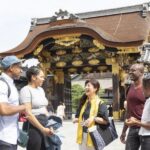
This is a private tour with a licensed local English-speaking guide, and that licensing isn’t trivia. It usually means the guide knows how to explain places clearly, handle questions, and keep the day moving without guessing.
It also shows up in the small, real problems you face in Kyoto:
- figuring out which direction to walk inside a temple complex
- understanding what you’re looking at (and what you might miss without context)
- navigating train and bus routes so you don’t burn your “one day” troubleshooting tickets and platforms
From the guest feedback, you can also get a sense of what “good guidance” looks like in practice. Guides such as Yuji, Joy (Etsuko), Noriko, Emi, and Akira are specifically praised for being patient, flexible with the day flow, and easy to understand. One guest even mentioned diagrams and photos helping them grasp what they were seeing at the sites.
And if you like logistics that work smoothly: multiple reviewers also mention guides doing good advance communication and planning. For example, Kazuo is noted for arranging an agreed itinerary ahead of time through messaging.
Price and value: is $155.86 per person fair?
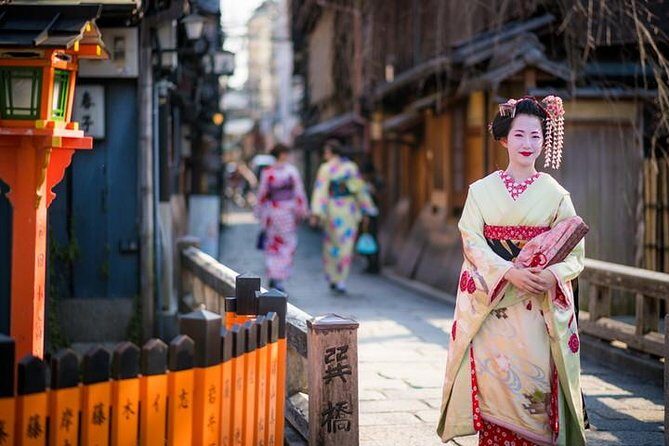
At $155.86 per person for a 6-hour private tour, the pricing isn’t “cheap.” But it can be a strong value if you fit the tour to your needs.
Here’s why it can be worth it:
- You’re paying for time-saving planning plus real-time interpretation. In Kyoto, that’s the difference between snapping photos and understanding what those photos mean.
- Admission can be extra, but a guide still saves you from the biggest cost of all: wasted hours.
- Private guiding often pays off most for people who want either an efficient first-day overview or a tailored focus (temples, neighborhoods, gardens, or history).
Where the value can dip: if your day is already perfectly mapped, you’re mostly happy self-guiding, and you don’t care about explanations. For you, this might feel like paying for something you’d get anyway.
My take: if you’re in Kyoto for a short window, the guide is what turns “a list of sights” into a meaningful day.
Your 3–4 stop strategy: how to pick the right Kyoto mix
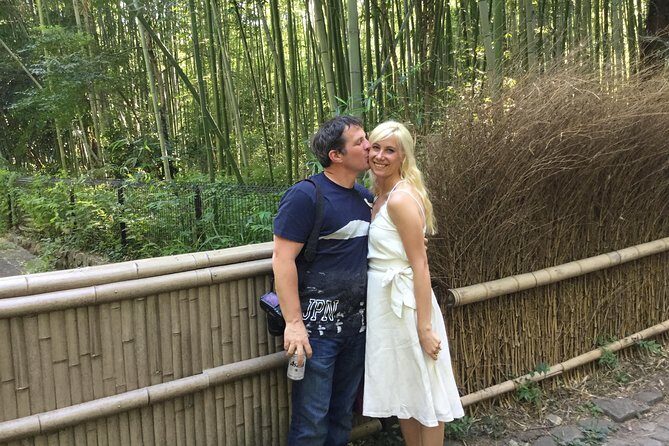
The tour is built around choosing 3–4 sites from a larger menu. That’s a gift. Kyoto has more than enough highlights to overwhelm you, so the smart move is to select stops that share a theme or an area.
A simple way to choose:
- One shrine + one temple (you get Shinto and Buddhist perspectives in one day)
- One neighborhood stop (Gion, Pontocho, Nishiki—places where Kyoto feels like Kyoto)
- One “big-ticket” icon (Fushimi Inari gates, Kinkakuji, Arashiyama gardens)
Also: since this is a walking tour, consider how much uphill you want. If you choose two hillside temples plus a long neighborhood walk, you’ll be tired before the best views even arrive.
If you want a guide’s help deciding, that’s exactly what you’re paying for. Multiple reviewers highlight that guides adapt to interests and pace.
Stop-by-stop: what each classic Kyoto choice is really about
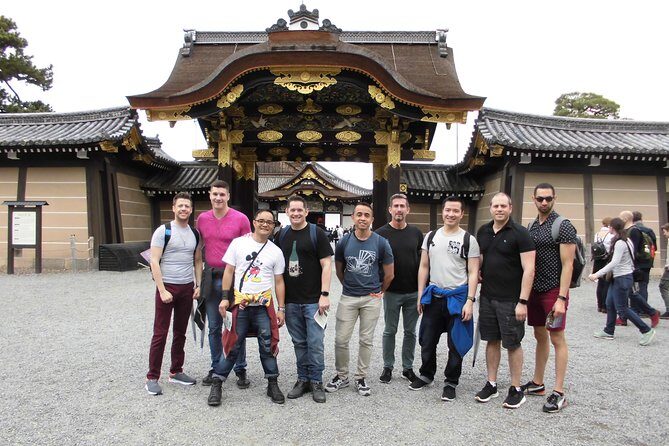
Even though you’ll choose only a few, it helps to know what you’re picking. Here’s the tour’s menu, explained in plain language—plus what to watch for.
You can also read our reviews of more private tours in Kyoto
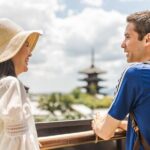
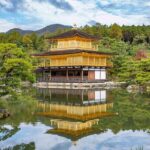

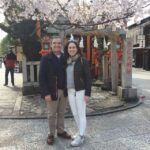
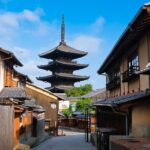
South Kyoto icon: Fushimi Inari-taisha and the torii tunnel
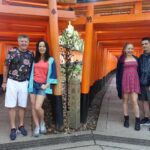
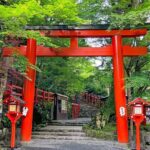
Fushimi Inari-taisha Shrine is the one everyone recognizes: the thousand-plus torii gates winding up trails. The gates aren’t just pretty. They connect to centuries of shrine tradition and the way visitors move through the space.
What you’ll like: the sense of walking into layers of history.
What to consider: it’s a big walking experience. If you hate crowds, you may want to prioritize timing with your guide’s plan.
East Kyoto “main character” view: Kiyomizu-dera
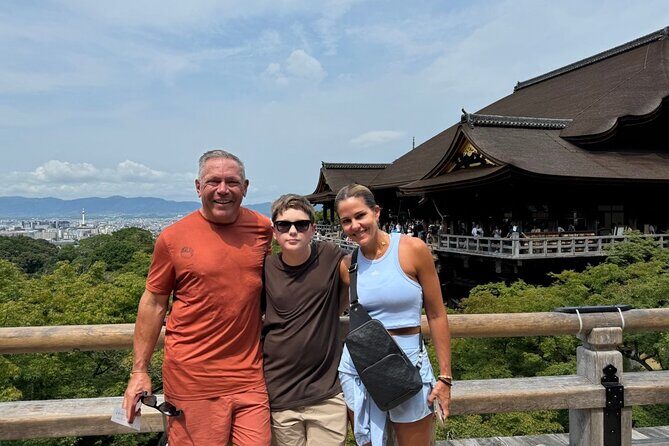
Kiyomizu-dera is a top temple for views and atmosphere. It’s also the kind of place where a guide can help you see what matters—how the temple fits into the hillside and why it became famous.
What to watch: this stop is often a deeper time commitment, and admission costs are not included. Plan your other picks around it.
Historic power: Nijo Castle and Kyoto Imperial Palace
If your interests tilt to rulers, politics, and court life, these are strong choices.
- Nijo Castle: a demonstration of shogunal presence, tied to Tokugawa-era history.
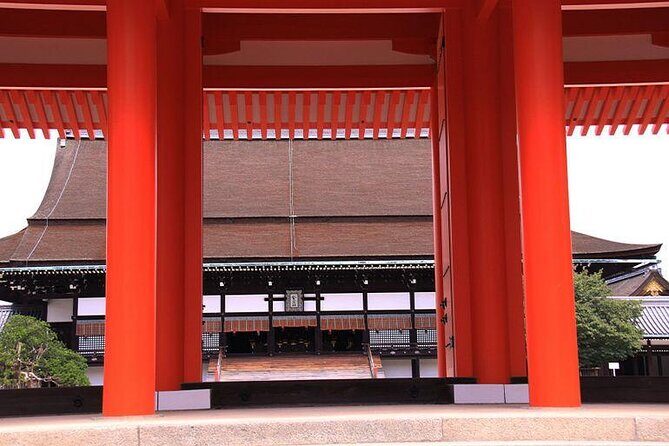
- Kyoto Imperial Palace (Kyoto Gosho): once home of the Imperial family until 1868, when the capital shifted to Tokyo.
What you’ll like: you’ll get the sense of how Kyoto’s status shaped architecture and space.
What to consider: admission is not included, so check costs when you build your 3–4 stops.
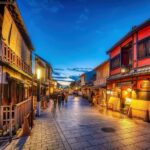
Traditional streets with atmosphere: Gion, Higashiyama, Pontocho, and Nishiki Market
These aren’t “one building” stops. They’re about walking Kyoto’s everyday face.
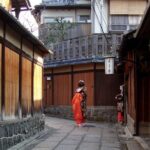
- Gion: the famous Geisha district lanes can feel intimidating at first. A guide helps you find your way without turning it into a stress walk.
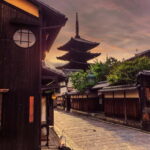
- Higashiyama Ward: classic preserved historic streets along the eastern mountain slopes.
- Pontocho: a narrow dining alley by the river with lots of mood.
- Nishiki Market: known as Kyoto’s kitchen—snacks, ingredients, and quick eats.
What you’ll like: this is where Kyoto feels alive and photographic without trying too hard.
What to consider: these areas can be crowded, and shopping/eating can stretch your time if you’re not careful.
Zen temples you can build around (from Silver Pavilion to rock gardens)
Kyoto’s Zen temple circuit is a great way to spend time—but you want to pick the right ones for your style.
Here’s how the major choices feel:
- Ginkakuji (Silver Pavilion): a Zen temple tied to the Ashikaga shogun’s retirement villa. Expect a calm, garden-and-reflection style visit.
- Nanzenji Suirokaku: important Zen temple grounds with large space and temple architecture.
- Tofuku-ji: a Zen temple known for spectacular seasonal color (autumn is the big moment).
- Toji (East Temple): a major temple founded around the Heian period and tied to Kyoto’s early capital history.
- Kinkakuji (Golden Pavilion): the gold-leaf top floors are what you picture, but the setting and temple idea are the bigger story.
- Ryoan-ji: famous for the rock garden—small space, famous impact.
- Ninna-ji: a World Heritage listed temple and head temple of a Shingon school.
- Eikando Zenrinji: famous for autumn colors and evening illumination.
- Kennin-ji: close to busy streets, but with pleasant grounds to slow down.
- Daitoku-ji, Myoshinji: large walled Zen complexes with subtemples, so you get variety if your legs hold up.
What to watch for: gardens and temple grounds can be “beautiful but long.” Pick fewer sites if you want to actually sit, not just walk past.
More classic Kyoto temple variety (great if you like religious art)
If you want different angles on Japanese Buddhism, these are standout options:
- Sanjusangendo: famous for 1001 statues of Kannon. It’s a visual overload in the best way.
- Nanzenji and Nanzenji Suirokaku (already noted) add architecture and spacious grounds.
- Nanzenji / Zenrinji / Kennin-ji help diversify the experience beyond the single most famous icons.
Uji as a day-stretching bonus: Byodoin Temple
Byodoin Temple in Uji is known for the Phoenix Hall, a UNESCO World Heritage site and a National Treasure of Japan.
The tour notes to expect extra travel time since Uji is outside central Kyoto. If you choose Byodoin, it’s smart to drop one other “farther” stop so your day doesn’t turn into transit.
Arashiyama daydream: bamboo, bridges, gardens, and the western hills
Arashiyama is one of the most popular Kyoto areas for a reason: it mixes nature and famous temples. It can also feel touristy, so a guide helps you keep it enjoyable.
The Arashiyama-linked choices include:
- Togetsukyo Bridge: the iconic bridge tied to the Heian period, rebuilt in the 1930s.
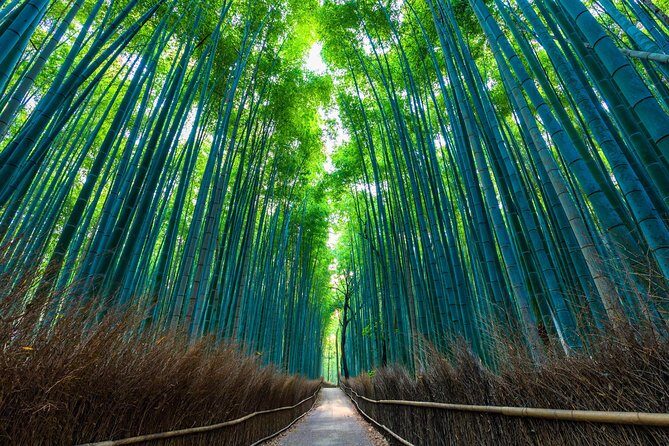
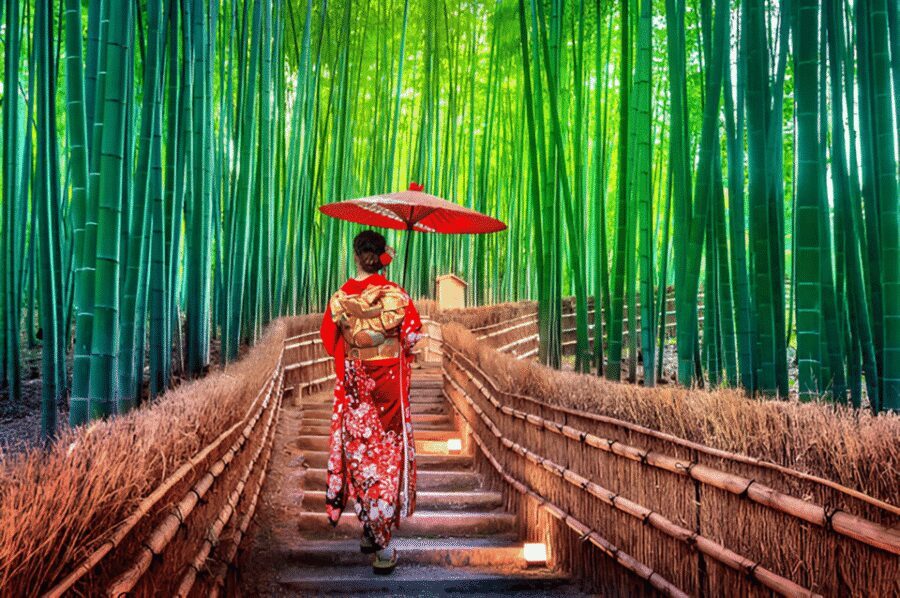
- Bamboo groves walking paths: great on a light-wind day when bamboo stalks sway.
- Tenryu-ji Temple: important Zen temple and a World Heritage site.
- Okochi Sanso Garden: former villa and garden tucked behind bamboo.
- Daikaku-ji Temple, Katsura Imperial Villa: more refined heritage spaces, more to explore if you enjoy architecture and gardens.
What to consider: Arashiyama can easily eat hours if you add multiple garden sites. If you’re choosing 3–4 stops total, pick either “bamboo + one temple” or “one garden-heavy day,” not all of it.
There are also additional western-hills temple options in the menu:
- Yoshimine-dera, Jojakkoji, Nisonin, Gio-ji: hillside temples often chosen for quieter atmosphere, moss, and seasonal beauty.
- Adashino Nenbutsu-ji, Otagi Nenbutsu-ji: the rakan statue concept becomes the draw, especially at Otagi with its large number of statues.
- Yoshimine-dera adds another western mountain temple feel.
These are perfect if you want Kyoto to feel peaceful and less like a postcard line.
North mountains mood: Kibune and Kurama
If you want a break from the center, these northern options change the vibe:
- Kibune (Kifune Shrine area): developed around a shrine in a forested valley setting.
- Kurama-dera: a temple in the northern mountains.
What you’ll like: the slower, greener rhythm compared to downtown.
What to consider: these can take time to reach, so choose them if you want that specific mood.
Shugakuin Imperial Villa: quieter imperial heritage
Shugakuin Imperial Villa is built in the 17th century and managed by the Imperial Household Agency. It includes Upper, Middle, and Lower Villa areas.
What you’ll like: an imperial garden-and-villa experience that’s different from “big famous icons.”
What to consider: it can be a time sink if you also pick other far-apart sites.
Transportation and walking: what the day feels like
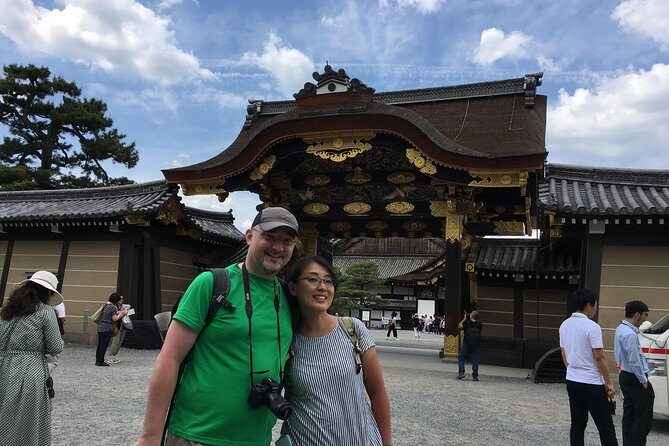
This tour is described as a walking tour with pickup offered and meet up on foot within a designated area. You’ll also be close to public transportation.
In practice, that means:
- You’ll walk between transit points and sites.
- Your guide uses public transportation to cut across Kyoto.
- The day is paced so you can ask questions while you move.
Based on the feedback, good guides are careful with pace. For instance, one guest specifically praised Kazuo for coordinating itinerary via messages and adjusting the day to fit in a lot of walking.
One caution from a negative review: if your guide’s English is hard to follow or they lose track, it can turn into a frustrating day. To reduce that risk, you’ll want to be clear at the start about your pace and your must-see list, and you should ask your guide how they plan to handle timing.
Lunch, tickets, and other practical stuff you should plan
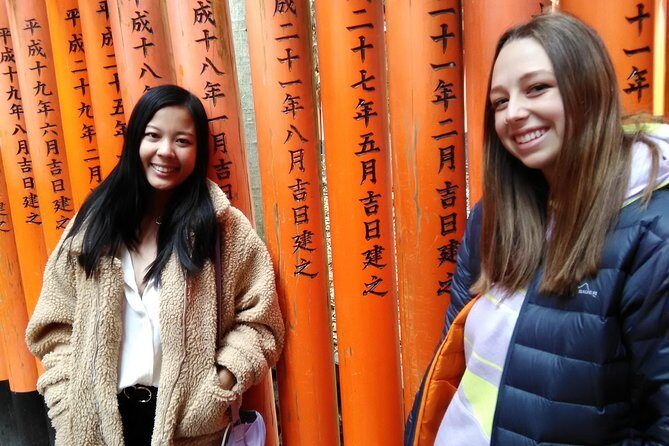
A big point: lunch is not included. Also, admission isn’t listed as included across the board. Some stops note free admission (like Fushimi Inari, Gion, Nishiki Market, Toji, and Pontocho), while many temples/castles/palaces are not included.
So how do you handle this like a pro?
- Tell your guide you want lunch time factored in.
- Decide in advance whether you’re okay with temple fees or you want more free-admission stops.
- If you pick multiple paid sites, treat the day as a ticket budget, not a surprise cash scramble.
One negative feedback mentioned no time for lunch (and that’s the kind of mismatch you should prevent). If you care about lunch, say so early.
Tips to maximize your Kyoto day with this private format
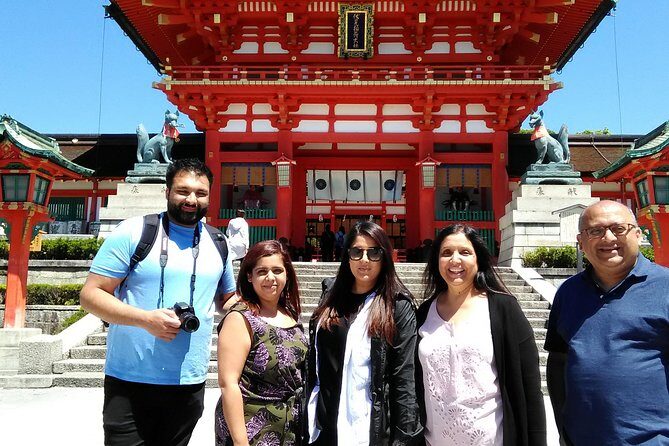
You’ll get the most value if you treat the tour like a conversation with logistics, not a lecture.
A few smart questions to ask your guide:
- Which stop is best for the time of day we’re there?
- If we only do 3 sites, which ones should we drop?
- Where are the places to pause for photos without blocking crowds?
- What’s one thing you’ll notice at each site that most people miss?
If you want a smoother day, request a pace check too. Several reviews mention guides who adjust the day flow based on interests. You can do that too.
And if you’re picky about timing: ask whether your chosen sites include long walks or multiple hillside stairs. Then you can decide what makes sense.
Who should book this tour (and who might skip it)
This tour is a great fit if:
- you’re visiting Kyoto for the first time and want an easy start
- you want history + practical guidance in one day
- you like tailoring your day to your own interests
- you prefer private pacing over group “herding”
You might skip it if:
- you’re staying in Kyoto long enough to self-guide every day
- you don’t care about explanations and just want the photos
- your budget is better spent on additional days rather than guide time
Should you book this Kyoto 6-hour private tour?
I’d book it if you want a first-day anchor: a guide-led sweep that helps you understand Kyoto’s big cultural threads—shrines, Zen temples, historic neighborhoods, and the logic behind where you walk.
I’d think twice if you’re expecting a “see everything” marathon or if you hate paying extra for admissions. This tour works best when you choose your 3–4 stops intentionally, bring comfortable shoes, and make lunch part of the plan.
If you do that, you’ll likely walk away with more than photos. You’ll have a Kyoto map in your head.
FAQ
What is included in the Kyoto 6-hour private tour?
A licensed local English-speaking guide is included. The tour also includes a customizable plan where you choose 3–4 sites, and you meet the guide on foot within a designated area in Kyoto.
How many sites can I choose during the tour?
You can choose 3–4 sites from the set of options provided for the experience.
Is pickup available?
Pickup is offered, but pickup and drop-off are done on foot. You’ll meet your guide within a designated area in Kyoto.
Is lunch included?
No. Lunch is not included.
Are admission tickets included?
Admission tickets are not included. Some stops in the itinerary notes show free admission, while others indicate admission is not included.
Do I travel by public transportation?
The experience is designed to let you travel like a local, using public transportation.
Is this tour a walking tour?
Yes. It is described as a walking tour, with meet up and movement on foot.
Can I cancel and get a refund?
Yes. You can cancel up to 24 hours in advance of the experience start time for a full refund.
Are there any rules about combining tours?
You cannot combine multiple tour groups.
Is the tour suitable for most travelers?
Most travelers can participate, and service animals are allowed.