REVIEW · KYOTO
Kyoto: Private Tour with Local Licensed Guide
Book on GetYourGuide →Operated by JGA Inc. · Bookable on GetYourGuide
Kyoto can feel like a maze, until you have a smart guide on your side. This private walking tour pairs a nationally licensed local interpreter with a flexible plan, so you can hit the classics like Fushimi Inari and Kinkaku-ji without wandering in circles. I especially like the personal pacing: guides such as Kazuo and Rie are repeatedly praised for handling complex logistics while still leaving time to actually look.
The second big win is the cultural context. You’re not just moving from stop to stop; you’re learning the why behind shrine gates, temple names, and neighborhood customs from a guide trained to explain Japanese history and culture. One drawback to plan around: it’s a walking day tour, so you’ll cover a lot of ground, and transportation between areas usually means public transit or taxis that cost extra.
In This Review
- Key points worth knowing before you go
- Why Kyoto feels easier with a private, licensed guide
- Choosing 4, 6, or 8 hours: what fits your pace
- Price and logistics: what $106 actually covers
- Pickup and moving around: how the day tends to run
- Fushimi Inari-taisha and the torii corridor, with smart timing
- The Geisha-era filming location vibe: crimson mood and photo-worthy streets
- Kinkaku-ji, the Golden Pavilion: simple form, big payoff
- Kiyomizu-dera: the veranda views you’ll remember
- Gion and the walk-by shop streets: souvenirs, snacks, and atmosphere
- Nishiki Market: shopping with context, not chaos
- Nijo Castle and Kyoto Imperial Palace: power, design, and everyday meaning
- Pontocho and the lantern-street mood
- Higashiyama Ward options: how to build your “east side” day
- Arashiyama: the route choice that changes your whole mood
- Temples beyond the top list: the calm, character, and swap-in power
- How the licensed guide changes what you notice
- Food and shopping: don’t leave it to luck
- Value check: is $106 worth it for your specific Kyoto day?
- Should you book this Kyoto private walking tour?
- FAQ
- FAQ
- How many places can I see on a 4, 6, or 8-hour tour?
- Is the tour entirely walking, or will I use transport between stops?
- What’s included in the price, and what isn’t?
- What information do I need to provide before the tour?
- What languages will the guide speak?
- Do I need cash for transportation during the tour?
- Will the tour run if it rains?
Key points worth knowing before you go
- Nationally licensed guide-interpreter means cultural explanations are part of the experience, not an afterthought.
- Flexible length options (4/6/8 hours) let you choose a tight highlights loop or a more spread-out day.
- Route customization from a long list helps you shape the day around your interests.
- Walking-first logistics save time on “what train/bus do we take?” but still require some stamina.
- Crowd-smart pacing is common with guides adjusting routes to keep the day enjoyable.
Why Kyoto feels easier with a private, licensed guide
Kyoto is famous for its sights, but it’s also famous for crowds, bottlenecks, and “wait, which street is this?” moments. What makes this tour work is the combination of a private setting and a guide who can handle the city like a local. If you care about seeing a lot without turning the day into a sprint, this format fits.
I also like that you can control the focus. The tour works as a highlights tour if you want the big names, or it can become a more personal route if you’d rather prioritize shrines, temples, markets, or specific neighborhoods. And because the guide is licensed and interprets history and culture, the experience doesn’t feel like a slideshow delivered on foot.
You can also read our reviews of more guided tours in Kyoto

Choosing 4, 6, or 8 hours: what fits your pace
Think of the tour length as “how many meaningful stops you want” rather than “how much time you’re in Kyoto.” The tour’s recommended stop counts are:
- 4-hour tour: typically 2–3 places
- 6-hour tour: typically 3–4 places
- 8-hour tour: typically 4–6 places
If this is your first Kyoto day, I’d lean toward 6 hours. You get breathing room for a classic shrine-temple-neighborhood mix. If you’re short on time and want the essentials, 4 hours can work well. If you want both sides of Kyoto—historic areas plus a greener/wilder stretch like Arashiyama—8 hours gives you the flexibility to slow down and avoid rushing.
Price and logistics: what $106 actually covers
At $106 per person, you’re paying for three things you’d otherwise struggle to assemble:
1) a private walking guide,
2) a licensed local interpreter, and
3) routing that minimizes dead time between places.
What’s included: the private tour, the licensed local guide, and pickup on foot if you’re within a reasonable distance. What’s not included: food and drinks, entrance fees, and transportation costs during the tour. The tour is designed as walking day travel, and while public transit or taxis may be used to transfer between sites, a private vehicle is not included.
Practical tip: have some Japanese Yen handy for local transit costs. And if you want a private vehicle for longer hops, it must be booked in advance.
Pickup and moving around: how the day tends to run
Your guide meets you at your requested hotel lobby or train station. They’ll be waiting about 10 minutes before the scheduled pickup time, which makes mornings smoother if you’re juggling trains or an early start. The goal is simple: get you on the right route quickly, then keep you moving efficiently between Kyoto hotspots.
Most days will involve a mix of walking and short transfers. That’s normal here. The upside is that you don’t waste your energy figuring out where to go next—you can spend it on watching, photographing, and asking questions.
Fushimi Inari-taisha and the torii corridor, with smart timing
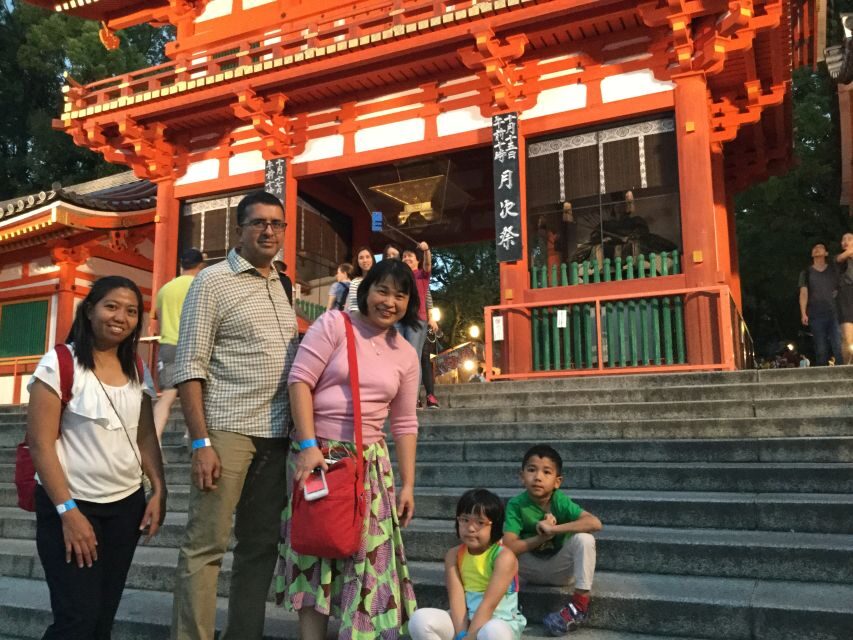
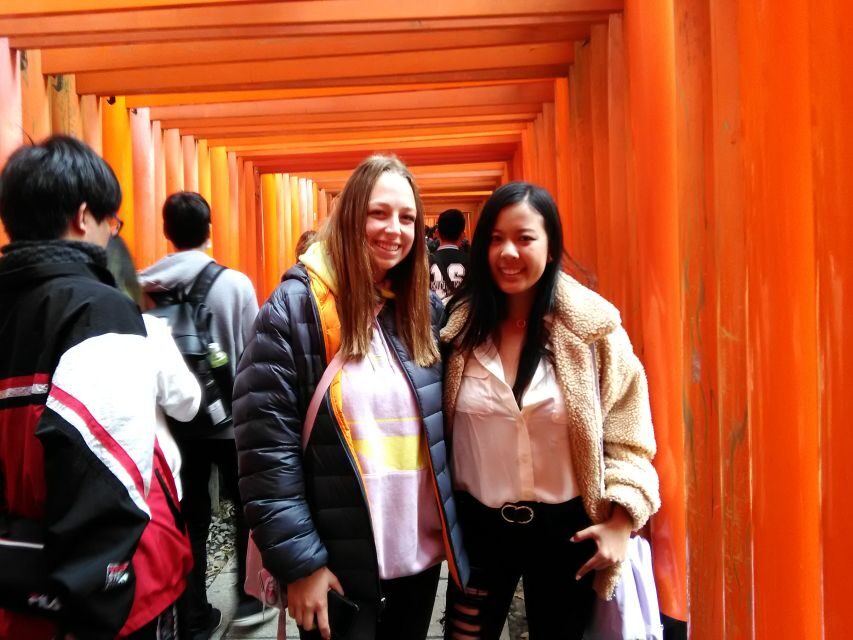
Fushimi Inari is the shrine everyone has on their Kyoto list for a reason. The torii gate corridor creates that tunnel effect that’s hard to recreate anywhere else, and it’s one of the city’s most instantly recognizable scenes.
With a guide, you get two big advantages:
- You can structure your time in a way that avoids losing half your morning to traffic-like crowd flow.
- You learn what you’re seeing. The shrine’s “gate” symbolism matters, and a good guide ties the visuals to the meaning.
If you want this stop to feel less crowded, ask your guide for an approach that fits your tour length. Many guides build the day so you’re at the most popular spots during the calmer windows, then shift to other areas once the tide of visitors rises.
You can also read our reviews of more private tours in Kyoto


The Geisha-era filming location vibe: crimson mood and photo-worthy streets
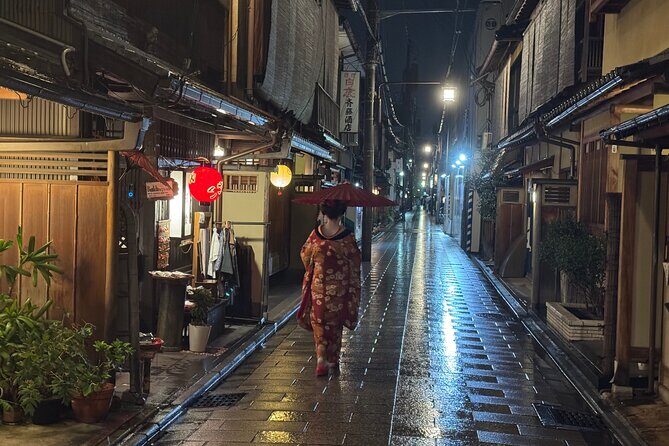
One of the tour’s described stops is a filming location for Memoirs of a Geisha, known for a striking crimson-toned atmosphere. It’s not just a photo stop; the point is atmosphere—Kyoto’s visual storytelling showing up in ways pop culture doesn’t always explain.
This is a nice match for travelers who like mood as much as monuments. It also works well as a bridge between “shrine brain” and “neighborhood wandering,” because it sits in the middle of the Kyoto sightseeing rhythm.
Kinkaku-ji, the Golden Pavilion: simple form, big payoff
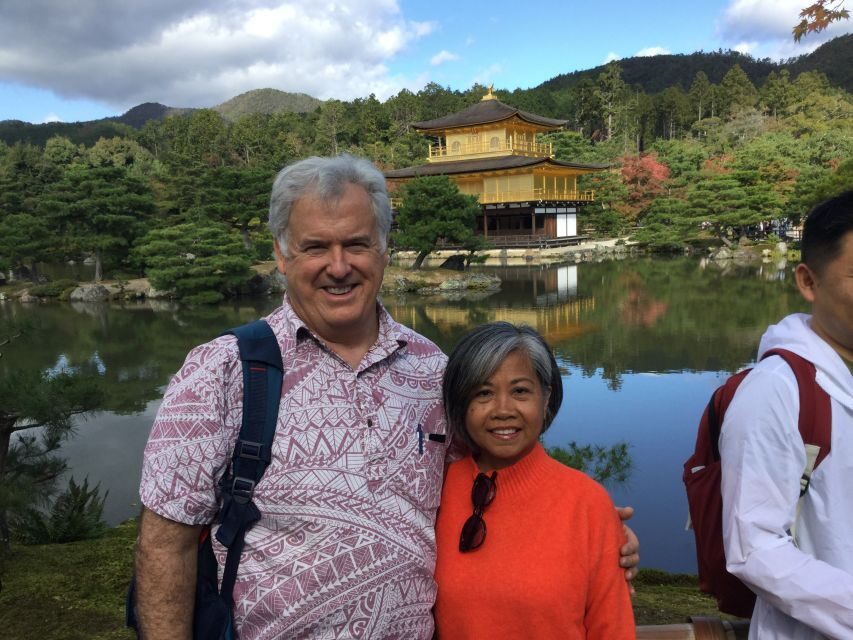
Kinkaku-ji is one of those places where the name alone can’t fully prepare you. The key idea is restraint: a bold, simple structure set against mountain views and water-adjacent scenery. Even if you’ve seen photos, being there helps your brain understand the layout and why people remember this particular angle.
The drawback here is predictable: this is a headline attraction, so lines and crowds can happen. That’s where private pacing helps. Rather than “stand where everyone stands,” your guide can guide your timing and help you navigate so you spend more time looking and less time waiting.
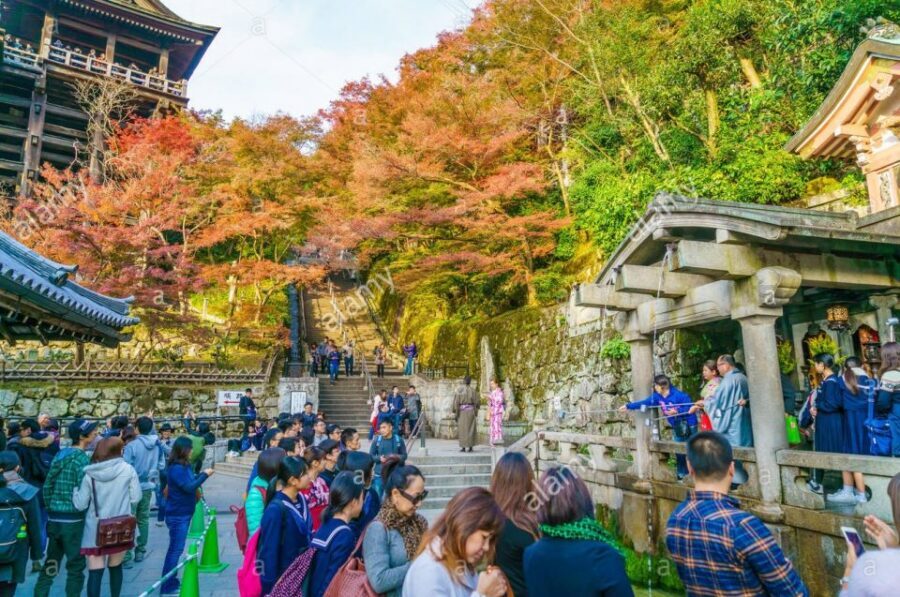
Kiyomizu-dera: the veranda views you’ll remember
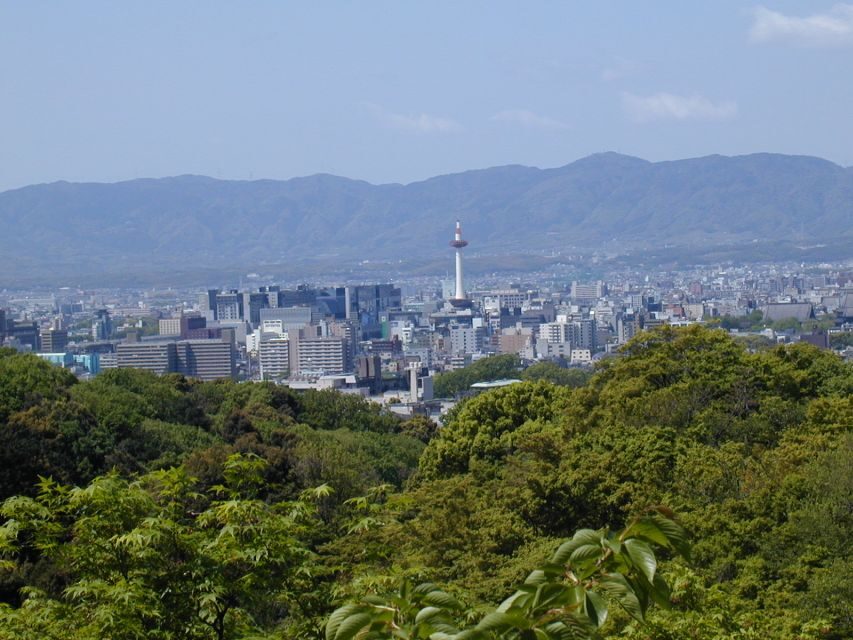
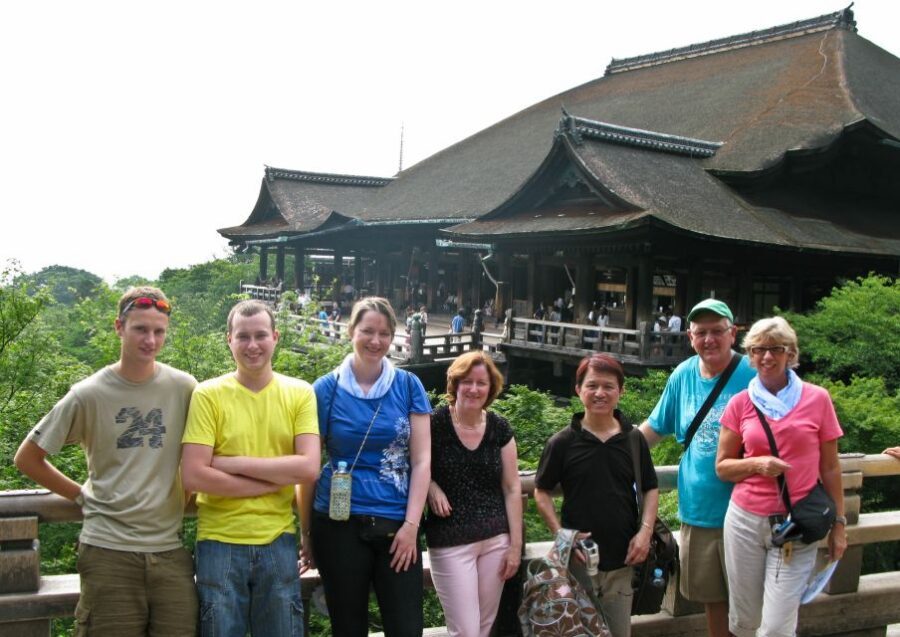
Kiyomizu-dera is the other Kyoto icon that delivers in person. The big emotional moment is the panoramic view from its large veranda—Kyoto stretches out, and the temple’s setting turns a famous viewpoint into something you feel in your chest.
This stop also pairs well with a walking transition toward Gion. Your guide can keep the flow going so the day doesn’t break apart into unrelated parts. If you enjoy architecture, viewpoints, or “how did they build this here” questions, this is one of the strongest picks for a first-time day.
Gion and the walk-by shop streets: souvenirs, snacks, and atmosphere
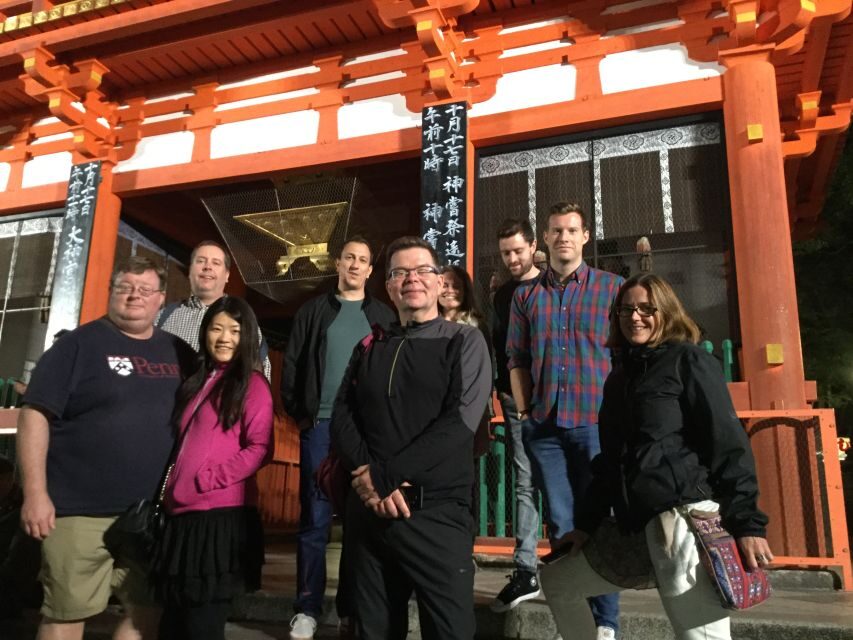
After Kiyomizu-dera, you’ll often continue through the path leading toward Gion. This is where Kyoto becomes slower and more human-scale: shops, small streets, and that classic mix of old and new you can’t fully get from temple-only days.
You’ll also get dining and shopping guidance. The tour includes guidance on where to eat, and guides often tailor recommendations to your tastes. In reviews, that personal touch shows up as everything from helpful restaurant suggestions to routing you through the right streets at the right time.
A smart move: if you’re hungry, tell your guide early. A guide can often adjust order so you’re not arriving at a meal time when everyone else is also starving.
Nishiki Market: shopping with context, not chaos
Nishiki Market is one of Kyoto’s best-known shopping districts. It’s fun because it’s compact and sensory: food smells, snack stalls, and quick browsing.
The tradeoff is crowd density. This is where private guidance matters most. You’ll have someone who can help you navigate quickly, find items that match your preferences, and avoid spending your energy in the thickest sections for no reason.
Nijo Castle and Kyoto Imperial Palace: power, design, and everyday meaning
If you like historical settings with structure, Nijo Castle is a strong option. It gives you a sense of governance and design in a way that complements shrine-and-temple sightseeing. It’s also a good stop for travelers who want Kyoto to feel historical rather than purely scenic.
Kyoto Imperial Palace offers another angle: the city as a political center. Pairing one of these with either Fushimi Inari or a Higashiyama temple stop is a great way to balance spiritual space with civic space.
One consideration: these stops can add “museum time” to your day. If you prefer more walking and street atmosphere, you may want to keep one of them as an optional swap rather than the core.
Pontocho and the lantern-street mood
Pontocho is the kind of Kyoto neighborhood that makes evenings feel special. Think of it as a great area for people who like small streets and atmosphere, especially if your schedule stretches into early dinner time.
This is also a good pairing zone. Your guide can time the stroll so you’re not stuck choosing between “temples now” and “dinner later.” In reviews, guides have been praised for keeping transitions smooth so you don’t feel like you’re constantly relocating.
Higashiyama Ward options: how to build your “east side” day
Higashiyama is basically the backbone of many first-time Kyoto itineraries. It’s where you’ll commonly find classic walking routes, scenic streets, and the kind of neighborhood rhythm that makes Kyoto feel like Kyoto.
Your guide can stitch together Higashiyama with other stops like:
- Nanzenji Suirokaku (the described linked stop option)
- Ginkakuji (Silver Pavilion)
- Tofuku-ji or Toji
- Maruyama Park (when you want a more open space break)
The main drawback with Higashiyama is that it can feel busy. That’s not a reason to skip it; it’s a reason to bring a guide who can adjust pacing so your day doesn’t become a line-wait contest.
Arashiyama: the route choice that changes your whole mood
Arashiyama is where Kyoto shifts from stone-and-gates to riverside air, greenery, and longer walks. If you want a break from the most intense crowd zones, this side of Kyoto often delivers breathing space.
Common Arashiyama-friendly stops include:
- Togetsukyo Bridge for skyline + river views
- Bamboo Forest Street for the iconic walk (go early if possible)
- Tenryu-ji and other temple options like Daikaku-ji
- Okochi Sanso Garden if you want gardens as the focus
- Nisonin, Gioji, or other smaller temple add-ons for variety
A key consideration: Arashiyama has its own crowd patterns. Bamboo areas can be especially intense. If your priority is photos and calm, ask your guide to plan around timing and route flow. Guides are frequently praised for being willing to adjust to avoid the worst pressure points.
Temples beyond the top list: the calm, character, and swap-in power
Kyoto isn’t just Fushimi and the Golden Pavilion. One of the most useful parts of a private tour is the ability to swap in alternatives depending on your interests and energy.
From the available options, here are some you might consider as “character builders”:
- Ryoan-ji for a very classic temple vibe tied to famous views
- Ninna-ji for a quieter temple experience compared to the most famous names
- Nanzenji Suirokaku as a strong architectural stop
- Shugakuin Imperial Villa or Katsura Imperial Villa if you want an estate-like feeling
- Kibune River for a different pace, more nature-forward
If you’re traveling with kids, seniors, or anyone who gets tired quickly, tell your guide up front. Reviews repeatedly highlight guides adapting for comfort and pacing, which matters more than adding one extra stop.
How the licensed guide changes what you notice
This is the part I’d call the real value. The “big sights” are the visible reason to book. The guide skills are the invisible reason to stay grateful.
In reviews, guides are praised for:
- answering questions at each stop without turning the day into a lecture,
- making transitions fast when it matters,
- sharing modern cultural context alongside temples and shrines,
- preparing practical tools like hand-made book references (Yuri) or clear meeting-point guidance with phone numbers (Michi),
- recommending food that fits your schedule (a ramen stop is cited by Yasu).
If you’re the type who loves learning how people pray, a guide like Michi is noted for explaining proper shrine behavior and even fortune-telling context. If you want a photo-focused plan, Moto is described as arranging the best spots. If you’re into crowd strategy, Ken and Tatsuyo Ito are mentioned for adjusting routes to make the day more enjoyable.
Food and shopping: don’t leave it to luck
This tour doesn’t include food, but it does include smart guidance. Your guide can recommend places in the areas you’re already walking through, which means you spend less time hunting and more time eating well.
For food, tell your guide:
- your preferences (quick snack vs sit-down dinner),
- any dietary limits,
- and whether you want local Kyoto-style places or something more familiar.
For shopping, Gion and market areas are the obvious plays. But you’ll get more out of it with pacing help. The guide can steer you toward souvenirs you’ll actually enjoy and help you avoid getting stuck in the densest lines.
Value check: is $106 worth it for your specific Kyoto day?
For a private walking tour with pickup, licensed guide-interpreter support, and route customization, $106 feels like paying for time saved and confusion avoided. You’re not buying an extra ticket to a single attraction; you’re buying a plan that helps you connect multiple parts of Kyoto into one coherent day.
Here’s how to judge it before you book:
- If you have limited time and want more than one major area, the private format is usually a win.
- If you like asking questions and learning rituals and history as you go, you’ll get more satisfaction than a standard group tour.
- If you’re okay using the subway/buses on your own and don’t care about cultural context, you might feel less “wow” about the price.
Should you book this Kyoto private walking tour?
I’d book it if you want Kyoto without the mental overhead. This is especially good if:
- you have a tight schedule and want a high hit-rate day,
- you prefer comfort over chaos,
- you want a route you control (from 2–3 stops for 4 hours to 4–6 for 8),
- you care about learning what you’re seeing, from shrine symbolism to neighborhood customs.
Skip it (or adjust expectations) if you want a purely self-guided stroll with no cultural explanations. Also, be ready for the walking element and plan around entrance fees and local transit costs.
FAQ
FAQ
How many places can I see on a 4, 6, or 8-hour tour?
The tour suggests an average of 2–3 places for a 4-hour tour, 3–4 places for a 6-hour tour, and 4–6 places for an 8-hour tour.
Is the tour entirely walking, or will I use transport between stops?
It’s a walking day tour, and a private vehicle is not included. Public transportation or local taxis may be used to transfer between sites, and exact costs can be discussed with your guide after reservation.
What’s included in the price, and what isn’t?
Included: the private walking tour, a licensed local guide, and pickup on foot if you’re within a reasonable distance. Not included: food and drinks, any entrance fees, and public/private transportation fees during the tour.
What information do I need to provide before the tour?
After booking, you’ll be asked to tell your guide which sites you want to see from the provided list. Your itinerary can be customized based on your preferences.
What languages will the guide speak?
The tour is offered with live guides in English and Japanese.
Do I need cash for transportation during the tour?
Yes. The tour notes that you should have Japanese Yen on hand for local transportation costs if transfers are needed.
Will the tour run if it rains?
Yes. The experience takes place rain or shine.