REVIEW · GEISHA & MAIKO TOURS
Private Kyoto Geisha Districts Walking Tour
Book on Viator →Operated by Beauty of Japan · Bookable on Viator
Kyoto at walking speed is something else. This private route strings together temple calm and geisha-district street scenes in just about four hours, so you get context without feeling like you’re speed-running the city. You’ll see why each neighborhood matters, from old Zen culture to the alleyways where night scenes start to feel real.
Two things I especially like: you get an English-speaking local guide who points out details you’d usually miss, and you’re not locked into a museum-style schedule. In past groups, guides such as Koichiro, Mickey, and Yuko have brought extra insight and made the walk feel personal rather than scripted. One thing to plan for: there’s no guarantee you’ll spot or meet geisha or maiko, and the itinerary can shift based on day-of conditions.
If your main goal is a guaranteed geisha sighting, this isn’t the tour for that. If your goal is understanding the places where geiko and maiko culture lives, plus a great chance to photograph the right streets at the right moments, this walk can be a strong fit.
In This Review
- Key highlights from this Kyoto geisha districts walk
- How this route nails Kyoto pacing (and why 4 hours works)
- Price and what you really get for $234.11 per person
- Meeting at Gion-Shijo: easy start, smoother timing
- Kennin-ji Temple: 45 minutes that actually adds up
- Pontocho district: the alley that explains Kyoto at night
- Miyagawacho Koan: culture context (and seasonal possibilities)
- Gion and Gojyorakuen: where the biggest stretch pays off
- What your guide actually does for you on this walk
- Logistics that can make or break your day (in a good way)
- Who this private Kyoto geisha districts tour is best for
- Should you book this tour?
- FAQ
- How long is the Private Kyoto Geisha Districts Walking Tour?
- What stops are included in the tour?
- Is a temple or shrine entrance fee included?
- Does the tour include lunch or food?
- Is transportation included in the price?
- Do I need to bring a paper ticket?
- Is the tour private?
- Does the tour guarantee seeing or meeting geisha?
- Where is the meeting point?
- What happens if weather is bad?
Key highlights from this Kyoto geisha districts walk
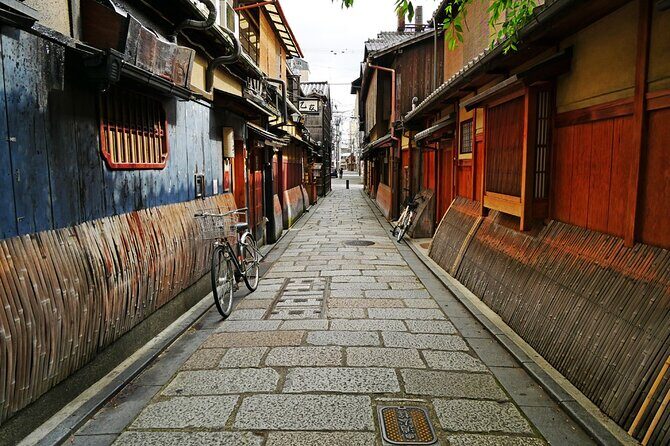
- Kennin-ji Temple admission included with a focused 45-minute stop
- Pontocho alley atmosphere with a short, efficient visit between landmarks
- Miyagawacho Koan for geisha/maiko culture context and possible seasonal events
- Longer time in Gion (about 2 hours) for street-level history and notable spots like Gojyorakuen
- Private tour for your group only, so you can move at a comfortable pace
- Mobile ticket and an English-speaking guide who can explain what you’re seeing
How this route nails Kyoto pacing (and why 4 hours works)
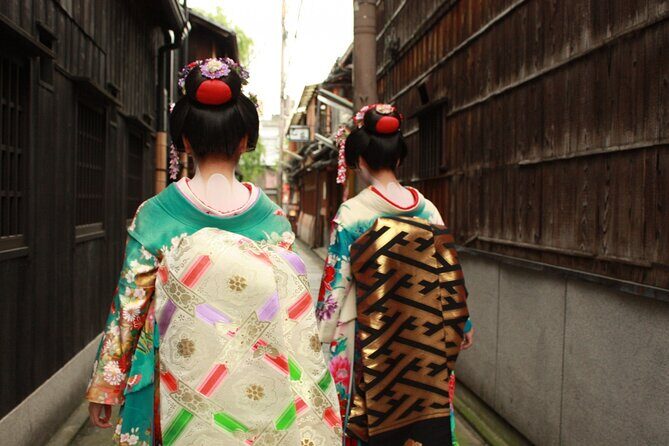
Kyoto rewards slow attention, but most visitors don’t have all day. This tour hits a smart middle ground: four hours that cover several neighborhoods people associate with traditional Kyoto life. The trick is that each stop is timed so you get meaning, then move before the experience gets stale.
You’ll start in Gion area and end back at the meeting point, which makes planning easier. Also, it’s private, so you’re not stuck syncing your pace to a large group with different walking speeds. If you like taking photos but hate feeling trapped at the back of a crowd, private usually feels like a big upgrade.
One practical note: you’re doing a walking tour, and the itinerary suggests a schedule of short-to-medium blocks (45 minutes, 30 minutes, 30 minutes, then about 2 hours). That’s long enough to feel like a real outing, but not so long that you’ll hate your legs by the halfway point. Bring comfortable shoes. Your feet will remember this trip more than your camera does.
You can also read our reviews of more walking tours in Kyoto
Price and what you really get for $234.11 per person
At $234.11 per person, this is not a budget-only experience. But it doesn’t feel overpriced when you break it down.
Here’s what’s included:
- An English-speaking local guide
- Temple/shrine entrance fee at one location
- A private setup for just your group
Not included:
- Lunch, food, and drinks
- Transportation fee
That means a big portion of the cost is paying for guidance and entry fees where it counts. The guide is the main value: the difference between wandering streets on your own and walking with someone who can explain what you’re looking at. If you’re the type who wants to understand why a street layout matters, why one temple is historically significant, or what cultural role these districts play, the price starts to make sense.
Also, the tour is commonly booked about 40 days in advance. That tells me you should plan ahead if your dates are fixed. In peak seasons, popular guides and routes don’t stay open forever.
Meeting at Gion-Shijo: easy start, smoother timing
You’ll meet at Gion-Shijo Station (address listed as 1 Chome Miyagawasuji, Higashiyama Ward, Kyoto). That’s a good choice for visitors because it’s tied to Kyoto’s transit flow—so you’re not staging the day around a hard-to-reach pickup point.
The tour ends back at the meeting point. That matters more than people think. When a walk loops back, it helps you plan dinner without guessing how far you’ll end up or which bus/train you’ll need.
Since your route includes multiple districts, being near public transportation also helps if weather changes the schedule. Speaking of weather, the experience requires good weather. If it’s canceled due to poor conditions, you’ll be offered a different date or a full refund.
Kennin-ji Temple: 45 minutes that actually adds up
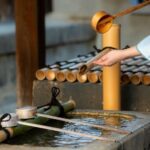
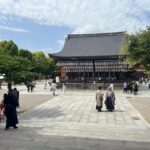
The tour begins with Kennin-ji Temple, one of Kyoto’s oldest Zen temples, founded in 1202 by the monk Eisai. This is the kind of stop that can feel boring on paper, but it works here because it’s short and focused.
You’ll get about 45 minutes and the entrance fee is included. That’s enough time to:
- See how a Zen temple site is organized
- Appreciate the age and influence of the Rinzai sect introduced to Japan by Eisai
- Get a calm reset before you walk into lively streets
A smart way to use this time is to slow down right when you enter. Don’t rush to the biggest photo angle first. Take a few minutes to orient yourself. Zen gardens and temple spaces make more sense when you notice how they guide your line of sight.
Potential drawback: if you’re very temple fatigue-prone (some people are, especially after a long day already), Kennin-ji might still feel like a lot. But since this is only one temple stop with included entry, it’s a manageable chunk.
Pontocho district: the alley that explains Kyoto at night
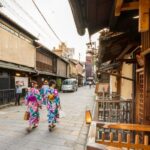
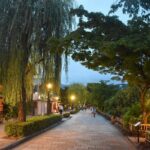
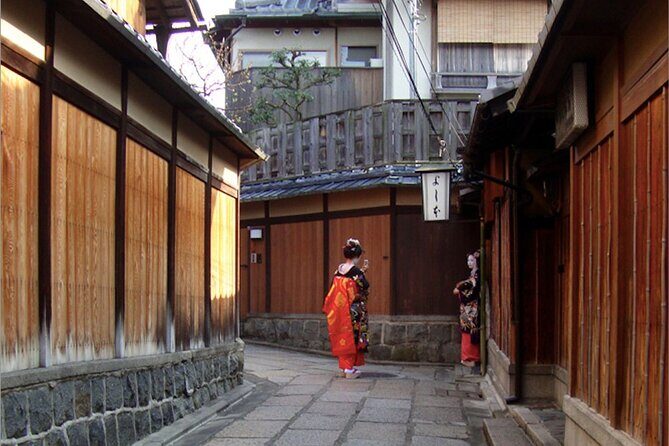
Next up is Pontocho District, a historic alley between the Kamogawa River and Kiyamachi Street. This is the Kyoto image most people hope for—narrow, traditional wooden buildings, and a street feel that changes with the light.
You’ll spend about 30 minutes, with admission free. That’s perfect because Pontocho doesn’t need a long lecture to work. It needs the right moment and a guide who can tell you what you’re looking at beyond the obvious.
Why I like this stop: it’s not just a scenic detour. It’s where you start to understand the geography of geisha culture. The alley’s location near the river and major street corridors helps explain why these districts became what they are—socially and historically.
What to watch for: narrow streets mean you’ll be close to other pedestrians and restaurant frontage. Move gently. If you want photos, pause briefly, then step aside. This is one place where “polite visitor behavior” makes your experience better and keeps the mood calm.
You can also read our reviews of more private tours in Kyoto


Miyagawacho Koan: culture context (and seasonal possibilities)
Then you head to Miyagawacho Koan, known for geisha and maiko culture. This stop is 30 minutes and free, but it’s where the tour helps you connect the dots.
What makes it useful is the cultural framing. The area is associated with seasonal events and performances, and the itinerary notes spring Miyako Odori dance performances as a big seasonal highlight. Even if you’re not visiting in spring, your guide can help you understand what to notice when you see references to traditional performances in the district.
Here’s the reality check you’ll want: the tour does not guarantee you’ll see or meet geisha. However, this is one of the best areas for learning the cues that make sightings possible—street timing, the feel of foot traffic, and what places tend to bring certain cultural figures into view.
One more thing: Miyagawacho is closely linked with how people experience Kyoto at street level. If you want your day to feel like you’re walking through a living tradition—not just ticking off names—this is a strong mid-route stop.
Gion and Gojyorakuen: where the biggest stretch pays off
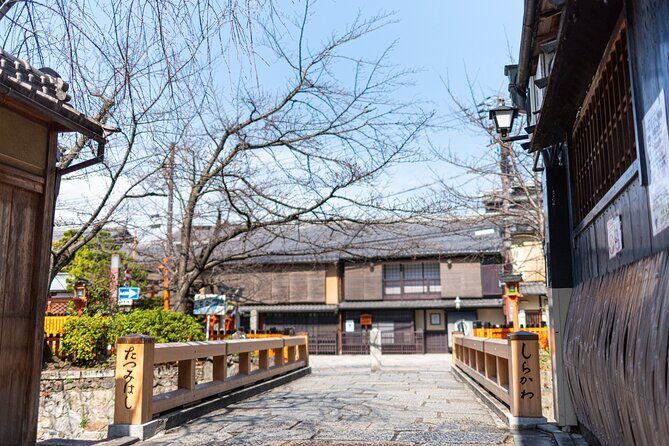
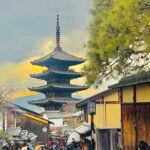
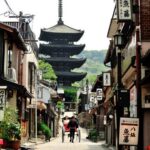
Finally, you spend about 2 hours in Gion, the most famous of the geisha districts. This longer block is the heart of the walk, and it’s where you’ll feel the payoff.
You’ll visit areas and establishments significant to the district’s past, including Gojyorakuen, described as once the most notorious red light area. That detail matters because it changes how you view the sidewalks. You’re not only seeing aesthetics; you’re seeing how urban entertainment history shaped neighborhoods.
Why the extra time here works:
- Gion needs patience. The street scene isn’t one single point; it’s a network of narrow lanes, facades, and small viewing opportunities.
- Two hours lets you settle into the rhythm rather than rushing from one corner to the next.
- If your group wants to pause for photos, ask questions, or just soak in the atmosphere, you’ll actually have time.
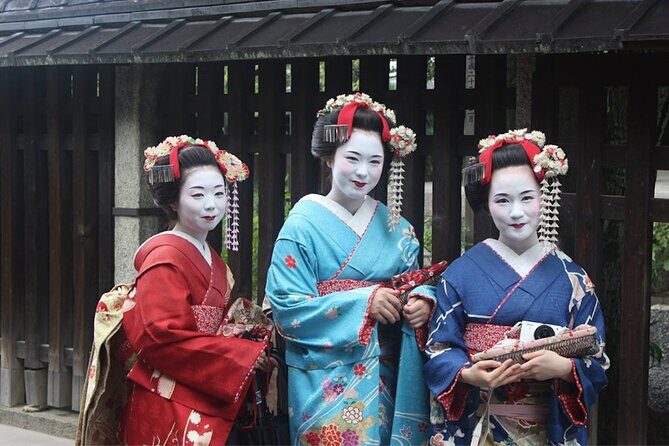
It’s also where you may get the best chance of encountering geisha or maiko. In one example from a previous group experience, the guide helped the group spot three geisha, which was described as rare. You should treat that as luck, not a promise. Still, it shows that the guide’s timing and local knowledge can make a meaningful difference.
What your guide actually does for you on this walk
The guide isn’t there to recite dates. The strongest part of this kind of tour is how the explanation changes what you notice in the street.
From prior experiences with guides including Koichiro and Mickey, the tours have been praised for being informative and for taking people to places they wouldn’t naturally choose. Another guide, Yuko, was specifically praised for sharing insights that help you see things you’d otherwise miss—and for helping people spot maiko during the walk.
Even without guaranteeing meetings, a good guide helps you:
- Understand which streets are part of the geisha district network versus just nearby scenery
- Learn the cultural meaning behind what looks like a simple alley
- Feel more confident asking questions and moving politely in crowded areas
So if you’re debating between a self-guided stroll and a guided one, think about your style. If you enjoy learning while you walk, the guide time is a real value add.
Logistics that can make or break your day (in a good way)
This is a walking tour, so you’ll want to dress for Kyoto’s streets, not just the weather. Even when conditions are good enough to run the tour, you can still get slippery sidewalks or sudden breezes. Plan for that.
A few practical tips:
- Wear comfortable shoes. You’ll be on foot for most of the 4-hour window.
- Bring water. Lunch and drinks aren’t included.
- If you’re hoping for cultural sightings, be ready to pause. Quick walking through the districts can reduce your chances.
Itinerary timing can change depending on day-of conditions. That’s normal in Kyoto, where crowds, access, and weather all influence street plans. If the schedule shifts, trust the guide to keep the experience coherent rather than leaving you stuck.
Who this private Kyoto geisha districts tour is best for
This tour fits you best if:
- You want traditional Kyoto geography in one efficient walk
- You like having an English-speaking local guide interpret what you see
- You’re curious about Zen temple history and geisha district culture on the same outing
- You prefer a private group setup over joining a big tour herd
It might not be your best match if:
- Your top priority is a guaranteed geisha or maiko sighting
- You dislike walking for several hours even at a comfortable pace
- You already have a full day of temples and want only street scenery
If you’re traveling as a couple, family group, or small circle of friends, private format usually feels especially worthwhile because the guide can tailor pacing and questions.
Should you book this tour?
Yes, I’d book it if you want a guided, story-informed walk through Kyoto’s most iconic cultural zones—Kennin-ji, Pontocho, Miyagawacho, and Gion—without spending your whole day stuck in transit.
If your expectations are realistic—no guarantee of a geisha encounter, possible itinerary tweaks for conditions—you’ll likely enjoy it a lot. The included temple entry and the guide’s local storytelling make this more than just a route on a map. You’re paying for interpretation, timing, and a smoother experience in neighborhoods that can feel confusing if you’re wandering alone.
Skip it only if you need guaranteed sightings, or if you’d rather spend your time on a longer self-guided loop with no guided explanations.
FAQ
How long is the Private Kyoto Geisha Districts Walking Tour?
It’s approximately 4 hours.
What stops are included in the tour?
The route includes Kennin-ji Temple, Pontocho District, Miyagawacho Koan, and Gion.
Is a temple or shrine entrance fee included?
Yes. The tour includes the entrance fee for one temple/shrine location.
Does the tour include lunch or food?
No. Lunch, food, and drinks are not included.
Is transportation included in the price?
No. Transportation fees are not included.
Do I need to bring a paper ticket?
No. You’ll receive a mobile ticket.
Is the tour private?
Yes. It’s a private tour/activity, and only your group participates.
Does the tour guarantee seeing or meeting geisha?
No. The tour explicitly notes that it does not guarantee you will see or meet geisha.
Where is the meeting point?
The start is at Gion-Shijo Station (1 Chome Miyagawasuji, Higashiyama Ward, Kyoto).
What happens if weather is bad?
The experience requires good weather. If it’s canceled due to poor weather, you’ll be offered a different date or a full refund.
If you want, tell me your travel month and whether your group has strict walking limits. I can suggest the best time of day to do geisha-district sightseeing so your odds (not guarantees) improve.