REVIEW · GION DISTRICT WALKING TOURS
Kyoto: Gion Walking Tour for First-Time Visitors
Book on GetYourGuide →Operated by Localized Walking & Food Tours · Bookable on GetYourGuide
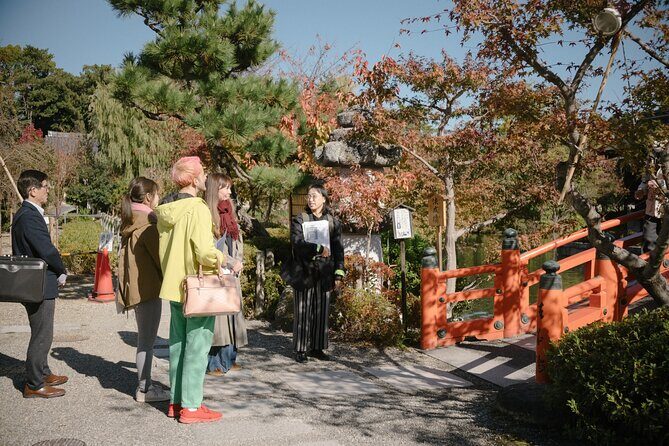
Kyoto feels closest on foot. This 2-hour route pairs Yasaka Shrine (with gardens and vermilion torii gates) with classic Gion-side streets, so you get your bearings fast without feeling rushed. I especially like how the tour mixes big visuals with clear story time, and you end with the kind of shrine moment that makes Kyoto click.
You’ll also love Ninenzaka and its cobblestone lane lined with teahouses, artisan shops, and local snacks. One drawback to plan around: it’s a walking-focused experience, so it’s not a good fit if you have mobility limits or can’t handle lots of uneven pavement.
In This Review
- Key points I’d bet on
- A 2-hour Kyoto primer built around Yasaka Shrine and Gion
- Starting at Kyoto Tourist Lounge Gion: how the walk gets rolling
- Gion street time: what to watch for in the first 15 minutes
- Kenninji Temple visit: a quick, meaningful contrast
- Photo stops and the in-between story moments
- Ninenzaka cobblestones: teahouses, artisan shops, and snacks
- Yasaka Shrine’s 1,300-year calm: torii gates and Susanoo
- Price and value: what you’re getting for about $22
- Who should book this Kyoto Gion walking tour
- Should you book it?
- FAQ
- How long is the Kyoto Gion walking tour?
- What is the meeting point?
- Does the tour include hotel pickup or drop-off?
- Is there an English-speaking guide?
- What sites does the tour include?
- Are meals included?
- What should I bring?
- Is smoking allowed during the tour?
- Is the tour suitable for wheelchair users or people with mobility impairments?
- Can I cancel for a refund?
Key points I’d bet on
- Yasaka Shrine gardens + vermilion torii gates are the visual anchor of the whole walk
- Susanoo, the god of storms gives context to what you’re seeing, not just where you’re going
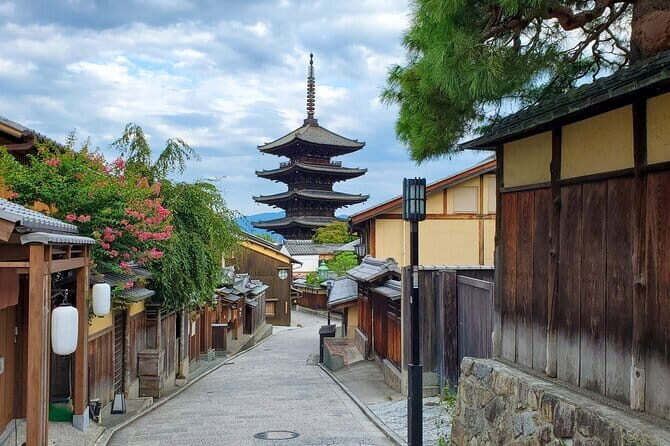
- Ninenzaka’s cobblestones bring you close to the old-street Kyoto feel, with teahouses and craft shops
- A live English guide keeps the route understandable even if you’re new to Kyoto
- Short stop-and-go timing works well for first-time visitors who want highlights, not a marathon
A 2-hour Kyoto primer built around Yasaka Shrine and Gion
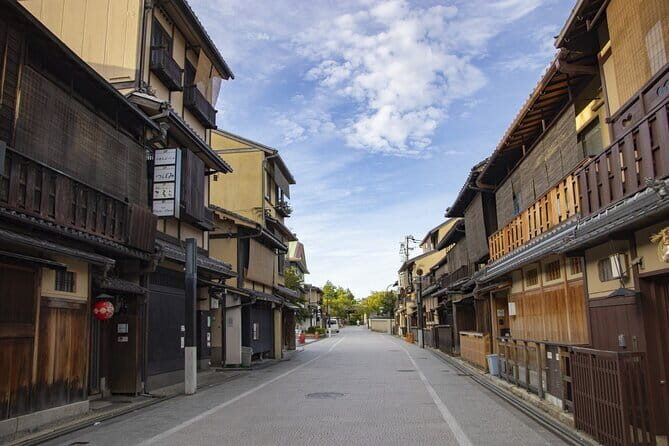
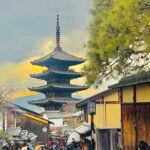
If you only have a little time (or you just don’t want to wander in circles), this tour is built for first-time visitors. It’s not trying to cover everything in Kyoto. Instead, it focuses on a tight set of places that people actually remember: Yasaka Shrine, Gion, and the picture-perfect lane of Ninenzaka.
The best part for me is the structure. You start with neighborhood walking, then add a temple visit, then you move into the signature old-street scene, and you end at a shrine where the atmosphere slows you down. That arc matters. Kyoto can feel overwhelming at first, and this gives your brain a simple path to follow.
You’re also walking with a guide, which is huge in Kyoto. Signs help, but context changes your experience. When you know what a shrine is dedicated to and what the site is known for, you’ll look at the same gates and paths differently.
You can also read our reviews of more walking tours in Kyoto
Starting at Kyoto Tourist Lounge Gion: how the walk gets rolling
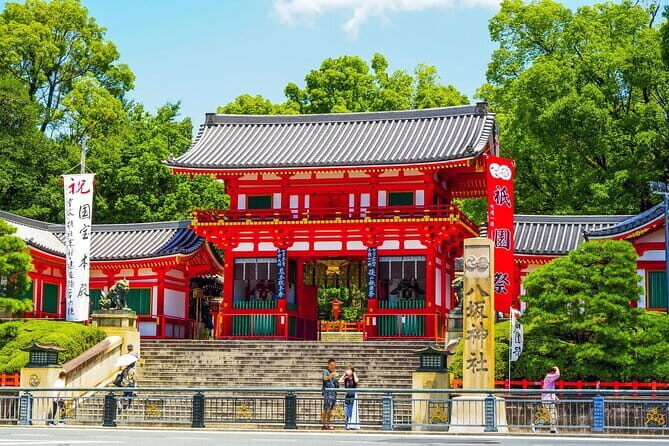
The tour meets at Kyoto Tourist Lounge Gion. From there, you head into the Gion area right away with a guided stretch of about 15 minutes.
This start is practical. You don’t spend your morning figuring out which train stop is closest or hunting for the route on your own. You also avoid the common first-day problem: getting to Gion, taking one photo, and then realizing you missed the story behind what you photographed.
One note I’d take seriously: hotel pickup and drop-off aren’t included, and meals aren’t included. So think of this as a guided walking experience you pair with your own snack plan before or after.
Gion street time: what to watch for in the first 15 minutes
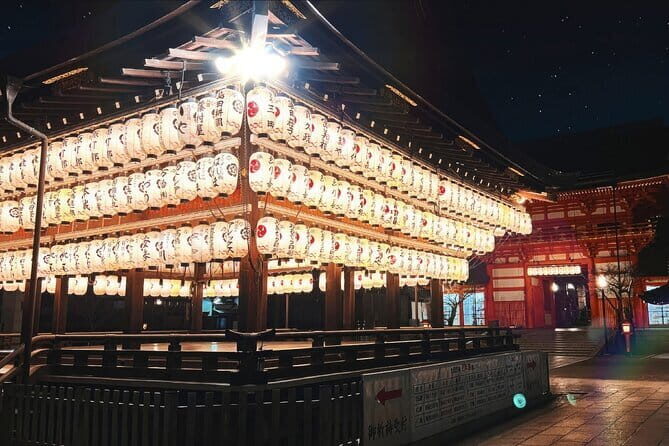
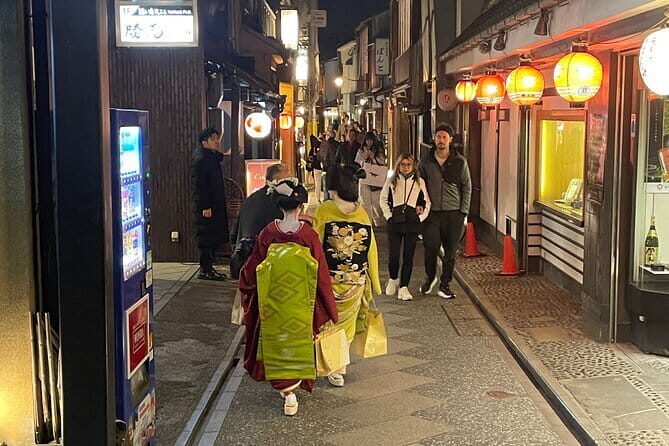
Gion is one of those Kyoto districts where you can see the past in small details. During the guided portion, you’ll be looking at the streetscape in a way that’s hard to do solo. Instead of just following crowds, you’ll get pointers on what to notice as you walk.
In a short 15-minute window, the goal isn’t to memorize addresses. It’s to help you understand the vibe of Gion: the traditional neighborhood layout, the feel of the area, and why it matters culturally. Even if you don’t know a lot of Japanese, a good guide can connect what you see to what it represents.
If you like walking tours that act like a quick orientation, this early section is exactly that. If you’re hoping for long, slow wandering with lots of free time, you might find the pace a touch structured.
Kenninji Temple visit: a quick, meaningful contrast
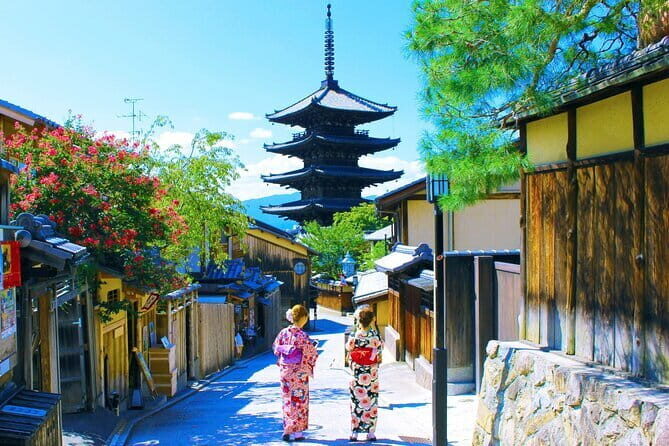
Next up is Kenninji Temple, with another guided stop of about 15 minutes. This is a good mid-tour reset. You go from neighborhood streets into a sacred-site setting, and the tone shifts immediately.
What I like about a short temple stop like this is that it prevents the usual problem: you spend so long at one place that you lose the thread of the rest of your day. Here, you get guided context and enough time to look around without turning the tour into a full sightseeing day.
Because the visit window is brief, you’ll get more out of it if you slow down for a few minutes. Look at what’s directly in front of you, not only at whatever you hope to Instagram. And if you’ve got a camera, plan to use it thoughtfully—some of the best moments at temples are the quiet ones, not the widest angles.
Photo stops and the in-between story moments
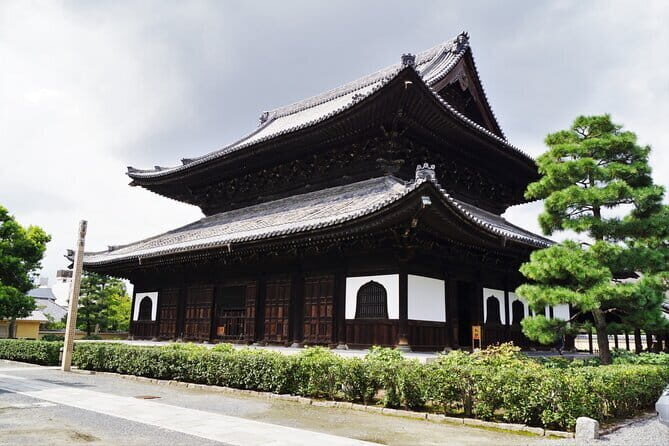
Between major highlights, the tour includes short photo stops and additional guided time (each around 15 minutes). Even though you might see this on paper as filler, it’s actually the secret sauce.
Photo stops do two things for you:
1) They give you a breather so you can compose shots without sprinting.
2) They force you to listen, because the guide is usually pointing out what’s worth photographing and why.
If you’ve ever done a self-guided walk where you take a bunch of photos and forget why they mattered, this is the fix. The stops help you connect the visual souvenir to the cultural meaning.
And yes, it does mean the tour is organized rather than free-form. If you love wandering at your own pace, take comfort in the fact that the guided structure is what keeps it useful for first-timers.



Ninenzaka cobblestones: teahouses, artisan shops, and snacks
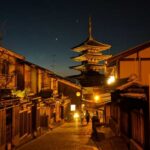
After your earlier temple and neighborhood stops, you’ll reach Ninenzaka. You’ll get a photo stop and a guided walk there for about 15 minutes.
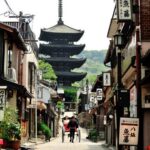
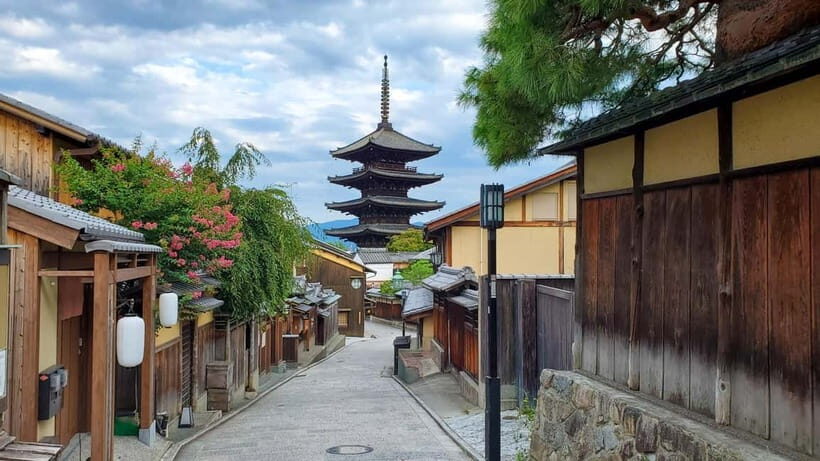
Ninenzaka is the kind of street where the details matter. It’s known for its cobblestone lane feel, and it’s lined with teahouses, artisan shops, and local delicacies. This mix is why it works for all kinds of travelers: you can browse, snack (on your own, since meals aren’t included), and still get plenty of Kyoto atmosphere without needing a long itinerary.
What to do with your time here:
- Walk a little slower than you think you should. The street texture is part of the experience.
- Use the photo stop for wide shots, then walk a bit farther for tighter, more human-scale views.
- Keep an eye out for small crafts in the shopfronts. Even if you don’t buy, you’ll get a better sense of what people build and sell in this area.
One practical consideration: cobblestones can be a little uneven. Bring shoes you trust.
Yasaka Shrine’s 1,300-year calm: torii gates and Susanoo

The final stretch is the big finale: Yasaka Shrine. You’ll make a photo stop and then finish your tour at the shrine, with guided time that centers on the site’s meaning and sights.
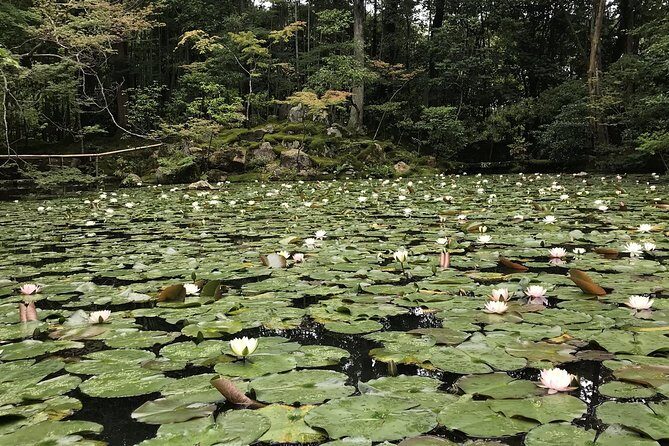
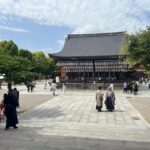
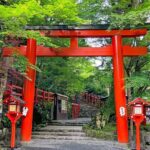
Yasaka Shrine is described as peaceful oasis energy in the heart of Gion. It has over 1,300 years of history, and the gardens are part of why people love it. You’ll also see striking vermilion torii gates, which are impossible to ignore once you’re there.
The dedication is the key detail: Yasaka Shrine is dedicated to Susanoo, the god of storms. That one fact changes your interpretation of the place. A shrine isn’t just architecture and gates; it’s a system of symbolism. When you understand who the shrine honors, you’ll notice how the space encourages reflection rather than only sightseeing.
Practical tips that actually help:
- Bring your water and take a few slow pauses. The gardens and shrine grounds are best enjoyed without rushing.
- Use your camera, but don’t let it replace paying attention.
- Smoking isn’t allowed, so keep your breaks smoke-free and respectful.
Price and value: what you’re getting for about $22
The price is $22 per person for a 2-hour walking experience. On the surface, that’s a straightforward deal. The better way to judge value is by matching what’s included to what matters most when you’re new to Kyoto.
What you’re paying for includes:
- A local tour guide
- Walking coverage of the Gion district
- A guided introduction that helps first-timers appreciate the key sites without getting lost
Hotel pickup isn’t included, and meals aren’t included, so you’ll still need to handle food on your own. But for the actual guiding component, this is the kind of price that makes sense if you want an efficient route with context.
I’ve also seen feedback that the guides can bring extra explanation that helps you appreciate what you’re looking at. If you get a friendly guide like Saki, you can expect a warm, helpful approach. Some guides also bring an art-and-history angle that makes the stories feel more concrete while you walk.
Bottom line: for first-time visitors who want high-impact Kyoto stops in a short window, this is strong value.
Who should book this Kyoto Gion walking tour
This tour is best for you if:
- You’re visiting Kyoto for the first time and want a clear highlights route.
- You like walking tours that give context, not just directions.
- You want a focused visit to Yasaka Shrine and the classic streetscape feel of Ninenzaka.
It’s not suitable if:
- You have mobility impairments or you use a wheelchair, since it’s walking-focused and includes streets and temple grounds.
Also, if you’re the type who wants hours inside every temple building with lots of free time for wandering, this may feel a bit structured. But if you want an organized, well-timed introduction, that structure is a plus.
Should you book it?
Yes, I think you should book this tour if your priority is getting oriented in Kyoto while seeing major icons like Yasaka Shrine and Ninenzaka without planning headaches. The short guided segments keep things easy to follow, and the guide adds meaning to the visuals, especially with the Susanoo dedication.
If your day already has lots of other activities and you’re worried about feeling lost, this is a tidy way to anchor your Kyoto experience. Just come with comfortable shoes, a camera, and enough water for a two-hour walk.
FAQ
How long is the Kyoto Gion walking tour?
It lasts about 2 hours.
What is the meeting point?
The tour meets at Kyoto Tourist Lounge Gion.
Does the tour include hotel pickup or drop-off?
No. Hotel pickup and drop-off are not included.
Is there an English-speaking guide?
Yes, the tour has a live guide in English.
What sites does the tour include?
You’ll visit Gion, Kenninji Temple, Ninenzaka, and Yasaka Shrine, with photo stops along the route.
Are meals included?
No, meals are not included.
What should I bring?
Bring comfortable walking shoes, a camera, and water.
Is smoking allowed during the tour?
No, smoking is not allowed.
Is the tour suitable for wheelchair users or people with mobility impairments?
No. It is not suitable for people with mobility impairments or wheelchair users.
Can I cancel for a refund?
Yes. You can cancel up to 24 hours in advance for a full refund, and you can reserve now and pay later.