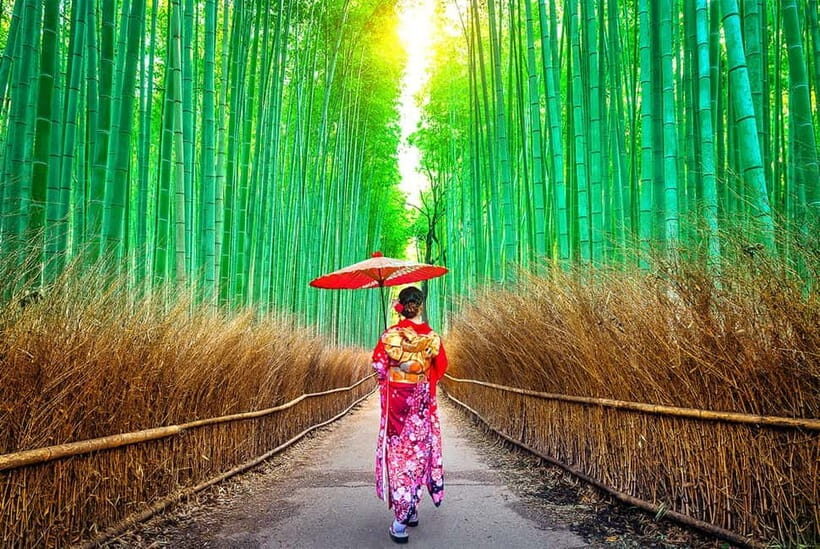
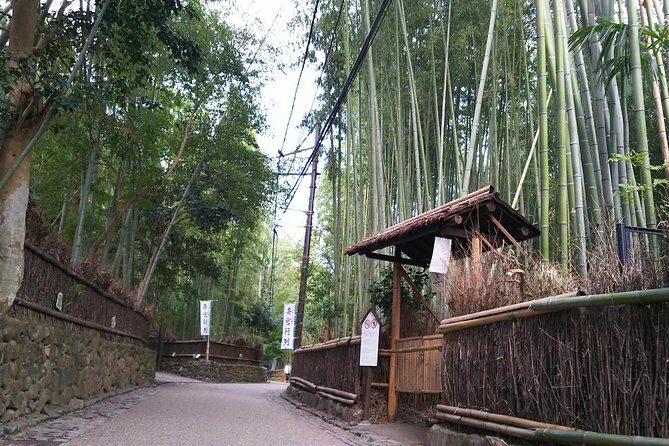
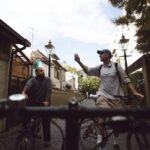
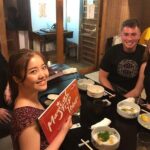
Kyoto’s Gion streets feel like a living film set. This 2-hour walk is built around the Gion district atmosphere and real cultural context, with chances to spot geiko/maiko as they head to appointments. I like that the tour is story-led and practical, so you leave knowing what you just saw and what to do next. One consideration: it’s a walking tour and the route isn’t suitable for people with mobility impairments or wheelchair users.
What makes it especially worth your time is the mix of iconic sights and calmer, less-frequented corners—plus the guide’s clear explanations of where geisha culture comes from and how it fits into modern Kyoto. Guides in recent groups include Michael (often praised for clear, funny history), along with Yuri, Anton, Ikuro, and Hiroko. You’ll also get a long list of tried-and-true recommendations after the walk, which is handy on Day 1.
In This Review
- Key highlights you’ll actually feel on the ground
- Finding the meeting point without stress
- Gion at walking speed: cobblestones, teahouses, and quiet moments
- About those geisha sightings
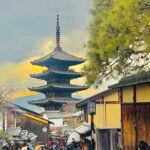
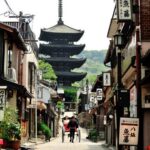
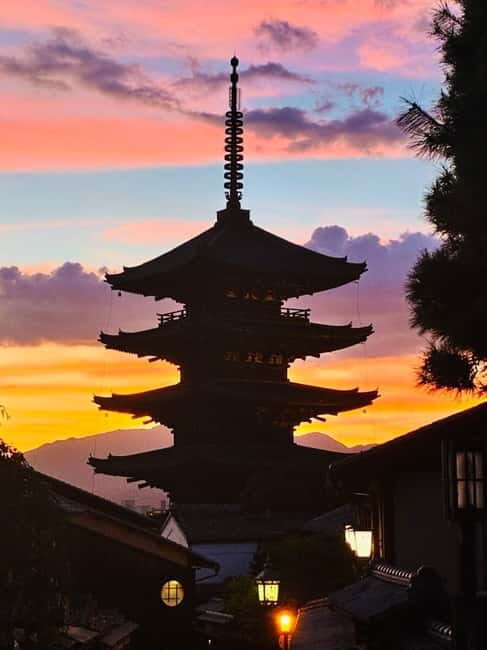
- Hōkan-ji Pagoda: a classic Kyoto landmark in the middle of real streets
- Kennin-ji Temple: stepping into serenity within Kyoto’s daily rhythm
- What to do with your camera here
- Chion-in Temple: the often overlooked national-treasure grounds
- Machiya townhouses and the tea-house world (with context, not stereotypes)
- Lantern-lit Gion: where the street turns softer
- The guide’s role: clear stories plus real trip help
- Price and value: why $25 for 2 hours adds up
- Who this Gion walk is best for
- A few booking tips so you get the most from 2 hours
- Should you book this Kyoto Geisha Walking Tour?
- FAQ
- How long is the Kyoto Geisha Walking Tour?
- Where is the meeting point?
- What language are the guides?
- Will I see Geiko and Maiko during the walk?
- What locations are included in the tour?
- Is this tour suitable for wheelchair users or people with mobility impairments?
- Can I cancel, and is there flexible payment?
Key highlights you’ll actually feel on the ground
- Geiko and Maiko sightings on the move as they travel to appointments in Gion
- Clear cultural context on Kyoto’s districts and the origins of geisha culture
- Temple stops with meaning, including Kennin-ji and Chion-in
- Hōkan-ji Pagoda as a visual anchor for the walk
- Machiya townhouses and tea-house culture you can picture in your mind
- Photo guidance in off-the-main-street spots so you’re not just shooting crowds
Finding the meeting point without stress
Meet at the side street next to Hotel Alza Kyoto. Look for the red parasol/umbrellas with marble seats underneath—an easy visual cue once you’re there.
This matters because Gion can feel busy and winding. If you arrive a few minutes early, you’ll have time to settle your bearings before the group starts moving. Also, a 2-hour format means small delays can compress the visit, so arriving on time is your best move.
You can also read our reviews of more walking tours in Kyoto

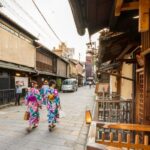
Gion at walking speed: cobblestones, teahouses, and quiet moments
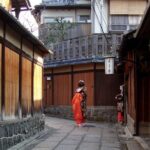
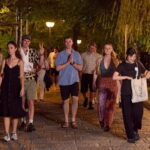
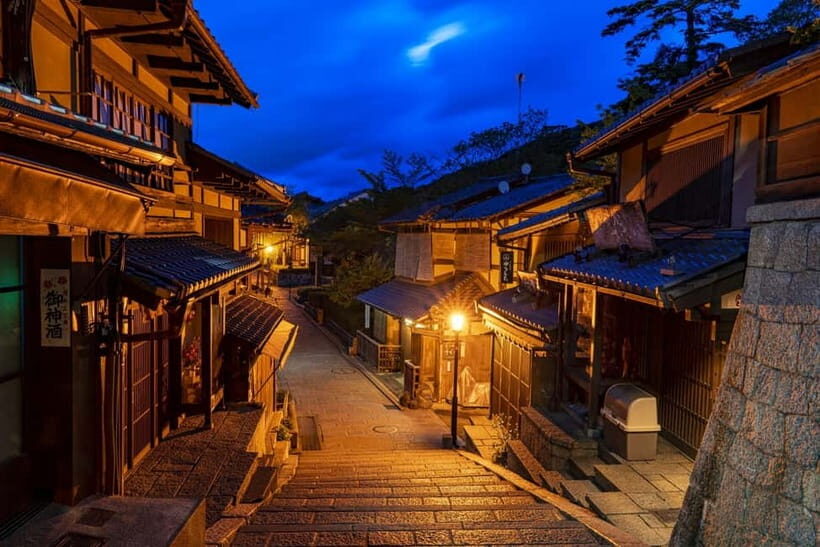
The heart of the tour is a guided stroll through Gion, famous for teahouses and geiko/maiko culture. Expect cobblestone streets, beautifully preserved older architecture, and that slightly dreamlike feeling you get when the streets are lit and calm enough to notice details.
What I like is how the walk balances atmosphere with explanation. You’re not just being pointed at famous corners—you’re learning what the district is, how it developed, and why these streets became associated with geiko/maiko culture. That turns photos into something with context, not just images.
About those geisha sightings
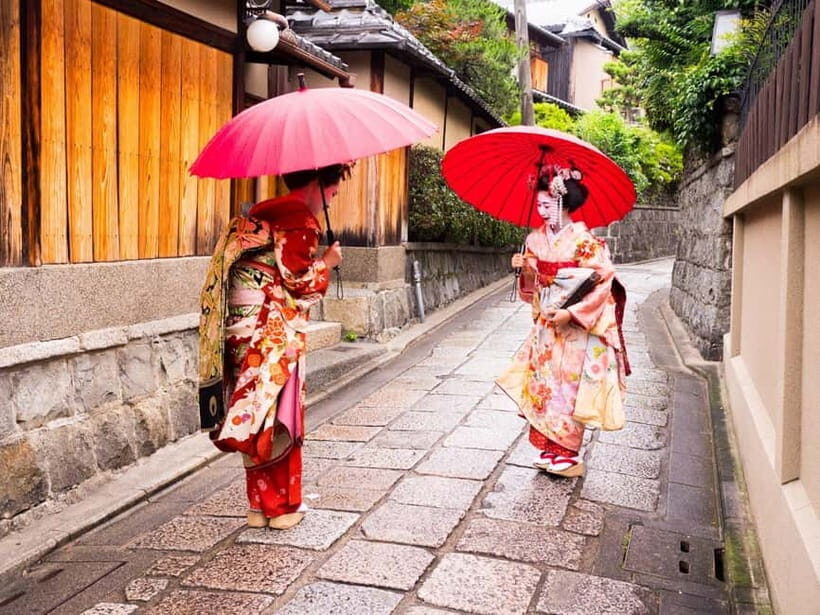
You’ll have an opportunity to spot geiko and maiko as they make their way to appointments. Still, timing affects sightings, so don’t treat it like a guaranteed photo shoot. If you’re flexible, you’ll enjoy the process even if your moment doesn’t happen.
Hōkan-ji Pagoda: a classic Kyoto landmark in the middle of real streets
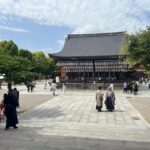
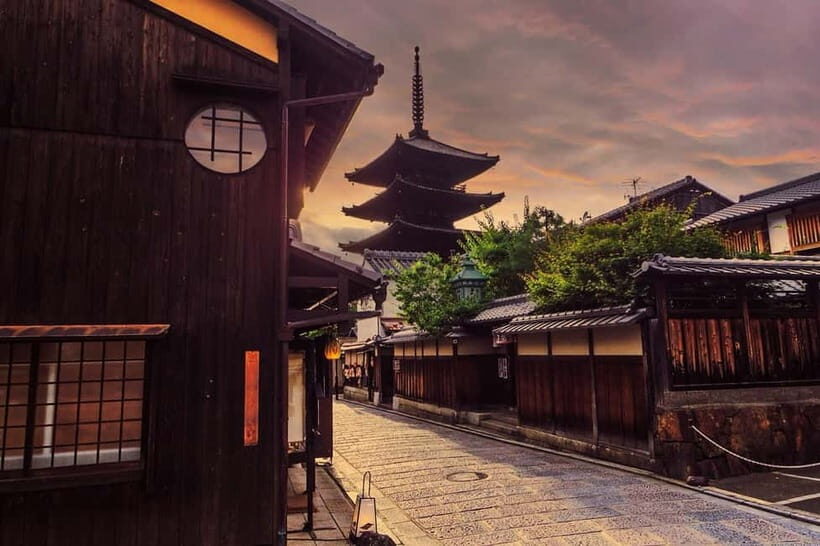
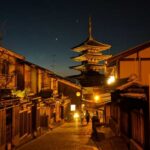
One of the visual anchors is the Hōkan-ji Pagoda. This stop gives you a clear Kyoto reference point while you’re still in the neighborhood vibe, not hopping to an isolated viewpoint.
The value here is practical: pagodas and temple silhouettes help you read the city as you move. Even if your photos are limited to a couple angles, the landmark helps you understand how sacred architecture sits next to everyday life.
Kennin-ji Temple: stepping into serenity within Kyoto’s daily rhythm
Next comes Kennin-ji Temple, described as the oldest Zen temple in the city. The atmosphere shift is the point. You go from street-level Gion charm into a quieter space where the purpose of the buildings and grounds feels more obvious.
A Zen temple stop is useful on this kind of tour because it gives you contrast. Geiko/maiko culture is often talked about in a glamorous way, but Kyoto’s spiritual traditions are part of the broader cultural foundation. Seeing Kennin-ji helps you connect the dots without needing to interpret it yourself.


What to do with your camera here
If you like photos, this is one of those moments where slower looking pays off. Give yourself time to notice lighting and spacing, not just pose-and-shoot. The guides tend to point out good photo angles at off-the-beaten-path points too, so you’ll likely know where to stand without crowding.
Chion-in Temple: the often overlooked national-treasure grounds
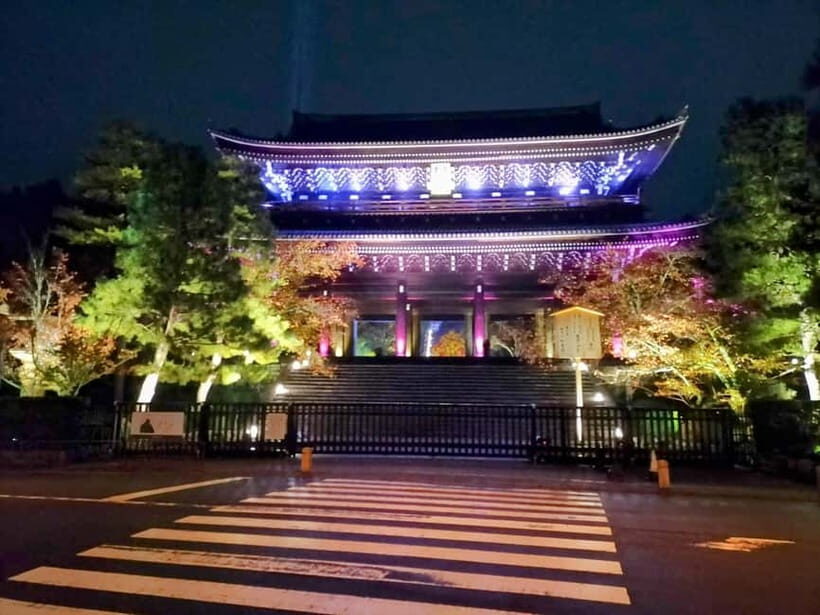
A highlight is Chion-in Temple, called out as an often overlooked gem within the tour route. It’s home to three designated national treasures across its grounds, and the sheer scale of the temple complex makes that claim feel real once you’re walking inside it.
This stop adds weight to the tour. Instead of staying in the image-world of Gion streets only, you get a broader sense of Kyoto’s cultural heritage and how temples function as living institutions. If you enjoy architecture and history, Chion-in is a big payoff because it’s not just one building—it’s a whole environment.
Machiya townhouses and the tea-house world (with context, not stereotypes)
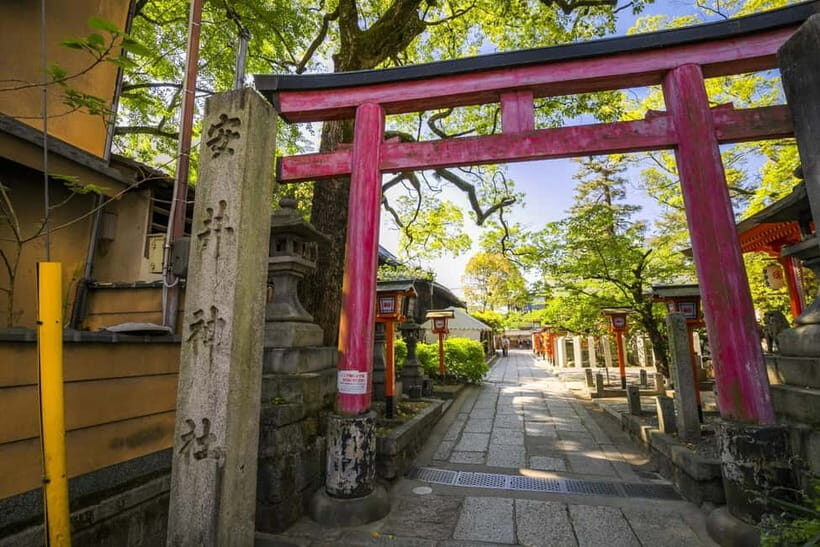
You’ll also pass through beautifully preserved machiya townhouses, the traditional Kyoto-style townhouses that shape the look of old neighborhoods. Machiya are important because they show what geiko/maiko life depended on: the homes, the streets, and the doorways that created privacy and routine.
The tour also includes the tea-house side of the story, including tea houses where geiko/maiko make private performances for wealthy clientele. This is where the guide’s explanations matter. It’s easy for people to flatten geiko/maiko culture into a costume-and-street spectacle, but learning the social structure makes the details make sense.
Lantern-lit Gion: where the street turns softer
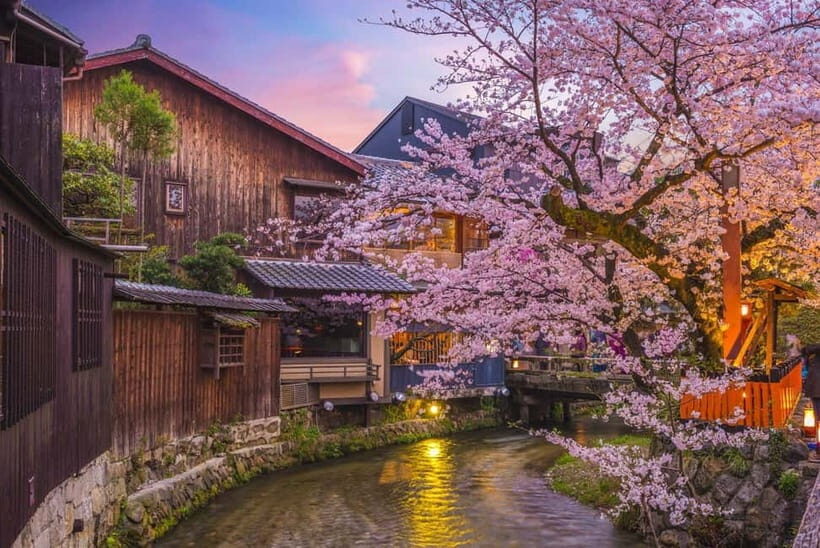
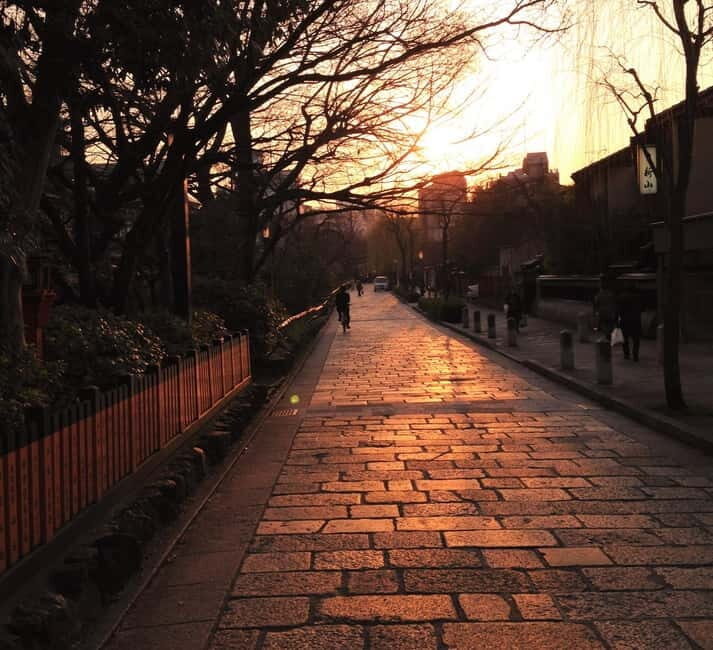
As evening falls, Gion changes. Streets feel less hectic, and you’re more likely to notice lantern glow and the slower rhythm of nightlife.
This timing can be a sweet spot if you’re booking with photos in mind. In recent experiences, a later start time around early evening has been described as a great fit because it stays quieter and gives you better light conditions for the atmosphere. If you’re sensitive to cold, plan clothing carefully—winter walks in Kyoto can feel serious.
The guide’s role: clear stories plus real trip help
What sets this tour apart for me is the balance of storytelling and usefulness. Guides are consistently praised for being friendly, engaging, and able to explain history in an easy-to-understand way—often with humor. You’re encouraged to ask questions, and the answers tend to connect geiko/maiko culture to Kyoto’s districts and architecture.
Just as useful: near the end, your guide shares a full list of tried-and-true recommendations for restaurants, bars, shops, and additional places to visit. That turns the tour into a trip-planning shortcut. A good strategy is simple: do this early, then use the recommendations immediately for your first meal and evening plans. It saves you the time-sink of hunting around after you’re tired.
Price and value: why $25 for 2 hours adds up
At $25 per person for a 2-hour guided walk, the value is in what you’re getting for that time: a focused introduction to Gion, key sights, and a guide who ties the neighborhood together.
Here’s the practical math. A self-guided walk can’t replicate the cultural framing—learning what you’re seeing, why it developed, and how geiko/maiko culture connects to Kyoto’s older systems. Add in photo help at select spots and a menu of recommendations for the rest of your trip, and the price starts to feel like a bargain rather than just another activity fee.
The key is expectations. This is a 2-hour orientation with meaningful stops, not an all-day temple-hopping marathon. If you want a fast, grounded first look with guidance, it fits well.
Who this Gion walk is best for
This tour is a smart match if you:
- Want a first introduction to Gion and geiko/maiko culture that doesn’t rely on clichés
- Like walking cities and want temples plus neighborhood streets in one route
- Want clear explanations and lots of chances to ask questions
- Appreciate a guide who shares food and activity ideas after the walk
- Prefer a smaller feel; recent experiences often mention manageable group dynamics and comfortable pacing
It’s not for everyone. It isn’t suitable for people with mobility impairments or wheelchair users, and the walking nature means you’ll feel the route.
A few booking tips so you get the most from 2 hours
- Pick an early evening slot if you can, aiming for the lantern-light vibe described on this walk.
- Bring warm layers if you’re visiting in winter. One guest specifically noted the cold and the absence of a quick place to warm up.
- Go in ready to be told the “why,” not just the “what.” The tour gets better when you lean into the stories.
Should you book this Kyoto Geisha Walking Tour?
Book it if you want a guided, story-led introduction to Gion that combines street atmosphere with meaningful stops at Kennin-ji and Chion-in, plus the visual anchor of Hōkan-ji Pagoda. The strongest reason to choose it is the guide experience: clear explanations, a friendly tone, and a long list of recommendations you can use right away.
Skip it if you’re mostly looking for guaranteed geiko/maiko sightings or you can’t handle a walking route.
If you fall into the middle—curious, photo-minded, and ready to learn—this is one of the easiest ways to make your first Kyoto days feel coherent and connected.
FAQ
How long is the Kyoto Geisha Walking Tour?
The tour lasts 2 hours.
Where is the meeting point?
The meeting point is on a side street next to Hotel Alza Kyoto, and you should look for red parasol/umbrellas with marble seats underneath.
What language are the guides?
The tour offers a live English tour guide.
Will I see Geiko and Maiko during the walk?
You’ll have the opportunity to spot Geiko and Maiko as they make their way to appointments, but sightings depend on timing.
What locations are included in the tour?
The tour includes time in Gion, plus stops such as Hōkan-ji Pagoda, Kennin-ji Temple, and Chion-in Temple.
Is this tour suitable for wheelchair users or people with mobility impairments?
No. It is listed as not suitable for people with mobility impairments and wheelchair users.
Can I cancel, and is there flexible payment?
Yes. It offers free cancellation up to 24 hours in advance for a full refund, and it also supports reserve now & pay later.