REVIEW · KYOTO
Kyoto 4hr Private Tour with Government-Licensed Guide
Book on Viator →Operated by Japan Guide Agency · Bookable on Viator
Kyoto gets easier with the right guide. This private half-day in Kyoto is built around a licensed local expert, so you spend less time figuring things out and more time understanding what you’re seeing. You can also shape the day, since you’ll pick your 2-3 stops from the city’s biggest cultural hits.
I especially like the government-licensed English-speaking guidance, which helps you read Kyoto beyond the postcards. Names like Maya, Yuri, and Mizu pop up in past experiences for making transit clearer, translating what matters, and pointing out good photo spots. I also love the flexibility of a custom itinerary: the guide asks what you want, then manages the pace so the day doesn’t turn into a sprint.
One consideration: this is a walking-first tour. You’ll cover a mix of flats and hills, and while pickup is offered, you may still rely on public transport or taxi between areas; entrance fees (and lunch) are also not included.
In This Review
- Key highlights that matter in real life
- A 4-hour Kyoto day you can actually steer
- Picking your stops: Inari, castles, Gion, markets, and the big temples
- Fushimi Inari-taisha: more than torii tunnels
- Nijo Castle: the Edo Period in palace form
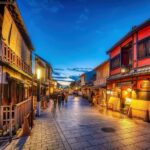
- Gion: geisha district streets, with less stress
- Nishiki Market: Kyoto’s kitchen, for real-world sampling
- Kiyomizu-dera: the famous stage temple
- Kyoto Imperial Palace: where the capital story shifts
- East Kyoto: Higashiyama, Ginkakuji, Nanzenji, and the calmer temple mood
- Higashiyama Ward: old streets, good wandering
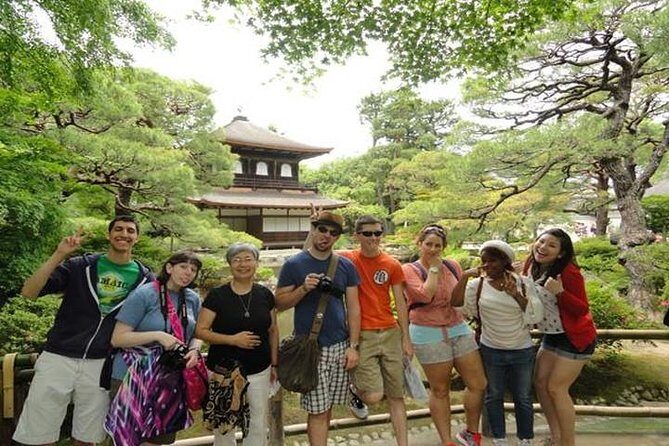
- Ginkakuji (Silver Pavilion): Zen aesthetics in a mountain setting
- Nanzenji Suirokaku: big Zen temple grounds
- West Kyoto power move: Arashiyama’s bridge, bamboo paths, and garden stops
- Togetsukyo Bridge: Arashiyama’s signature landmark
- Bamboo grove walking paths: choose your vibe
- Tenryu-ji: the major Arashiyama Zen pick
- Okochi Sanso Garden: for when you want something quieter
- Hillside temple options: small, atmospheric, and time-sensitive
- Getting around: walking from your hotel, then subway, bus, or taxi
- Price and value: what $109.43 buys you (and what it doesn’t)
- Who should book this Kyoto private tour
- A quick checklist before you go
- Should you book it?
- FAQ
- Is this a walking tour?
- How many places will we visit in 4 hours?
- Are entrance fees included?
- Can we add a private vehicle for the day?
- How do we get around during the tour?
- Do we get pickup from the hotel?
- Can I combine multiple tour groups?
- What if I need to cancel?
- Will I receive confirmation at booking?
Key highlights that matter in real life
- Licensed guide, practical context: You’re not just looking at sites; you’re learning the “why” behind them.
- Pick 2-3 places, not 10: That time limit keeps your day focused and helps you avoid rush-by sightseeing.
- Pickup on foot + local transit options: Walk to the meeting point, then move via subway/bus/taxi as needed.
- Temples and neighborhoods together: You can pair world-famous sights with food streets like Nishiki Market.
- Crowd-aware timing when possible: Some routes start early at places like Fushimi Inari to reduce stress.
- Comfort tips show up in the best tours: Expect guidance on pacing, weather, and smart breaks.
A 4-hour Kyoto day you can actually steer
Kyoto is famous, which also means it’s busy. This tour design is smart because it doesn’t try to cram everything into one afternoon. Instead, you choose 2-3 sites, and the guide builds a route that fits the time you have.
Because it’s private, you’re not fighting a crowd of strangers for the guide’s attention. And because it’s led by a nationally licensed English-speaking guide, you’re more likely to understand what’s in front of you than to just follow the group like a human GPS.
The guide’s job isn’t only pointing. It’s making sense of signboards, explaining rituals, and giving you the small context that turns a “pretty temple” into a place with meaning. In past tours, guides such as Toshie and Yuka have been praised for explaining how the neighborhoods work, not just listing facts.
You can also read our reviews of more guided tours in Kyoto


Picking your stops: Inari, castles, Gion, markets, and the big temples
You’ll select from a menu of classic Kyoto sights. Your guide will help you choose based on interests and timing, but here’s how to think about each option in a 4-hour framework.
Fushimi Inari-taisha: more than torii tunnels
Fushimi Inari is the famous one: long corridors of vermillion torii. The key thing to know is that people tend to stop at the most photographed section. With a guide, you get the bigger story of the shrine and why people keep walking farther than the obvious views.
What to watch: it can be crowded, especially later in the day. If you’re sensitive to crowds, plan to start early when your schedule allows, since some guides have shaped tours around that idea.
Practical note: the shrine admission is listed as free, so your main costs here are time and comfort.
Nijo Castle: the Edo Period in palace form
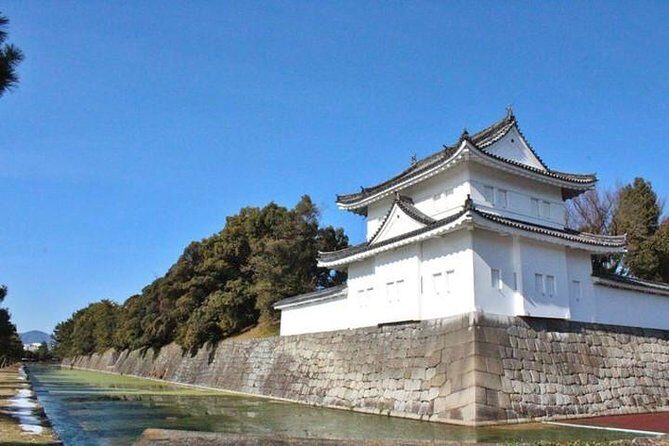
Nijo Castle is a UNESCO World Heritage site and a major historical stop. It was built in 1603 as the Kyoto residence of Tokugawa Ieyasu, and it’s a great choice if you want political history, not just religious architecture.
What to watch: the admission is listed as not included, so you’ll want to budget yen for tickets. Also, it’s a place where timing matters. If you only have a half-day, it helps to pair it with a neighborhood nearby so you’re not spending half your time commuting.
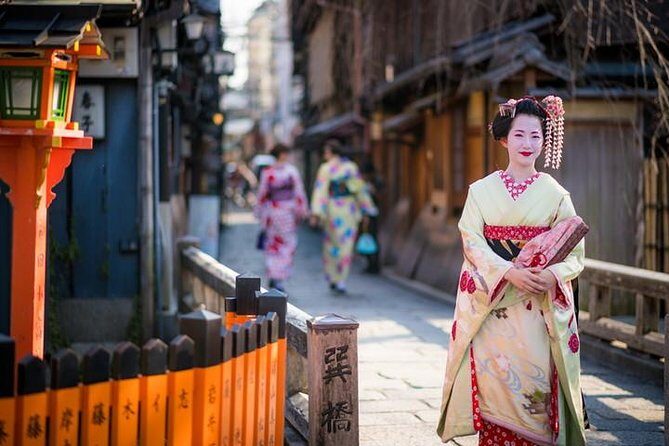
Gion: geisha district streets, with less stress
Gion is one of those places where first-time visitors can get turned around fast. A guide helps you understand the layout, spot what you should notice, and find quieter lanes that still feel authentically Kyoto.
What to watch: Gion is active. If you want a slow, reflective walk, you’ll likely need a strategy for timing and pacing. This is where a private guide helps: they can keep you moving when it’s too crowded and slow down when it’s comfortable.
You can also read our reviews of more private tours in Kyoto

Nishiki Market: Kyoto’s kitchen, for real-world sampling
Nishiki Market is a narrow, short shopping street known for food. It’s a fantastic way to break up temple time with quick bites and local flavors.
What to watch: it’s popular. Expect crowding and plan to snack at a few spots instead of trying to sample everything.
Tip: if your guide is someone like Seiko, you may get extra cultural context tied to food and daily life, not just shopping instructions.
Kiyomizu-dera: the famous stage temple
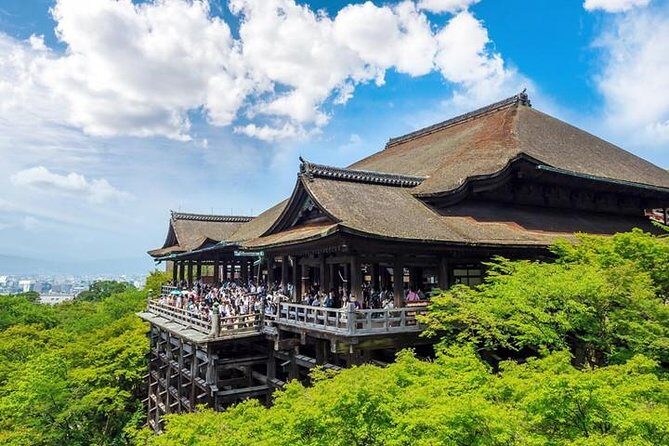
Kiyomizu-dera is one of Kyoto’s top temples, and it comes with crowds for a reason. It’s a strong pick for first-timers who want one “big” temple moment in a short visit.
What to watch: admission is listed as not included, so budget for tickets. It’s also a place where guided walking matters—there are lots of small details, and a guide can help you focus on what’s most meaningful during your limited time.
Kyoto Imperial Palace: where the capital story shifts
The Kyoto Imperial Palace is deeply tied to the city’s political timeline. Kyoto was the imperial home until 1868, when the emperor and capital moved to Tokyo, ending the city’s role as the seat of power.
What to watch: admission is listed as not included. If your goal is history and architecture, pairing this with another nearby cultural site can make your limited time feel productive.
East Kyoto: Higashiyama, Ginkakuji, Nanzenji, and the calmer temple mood
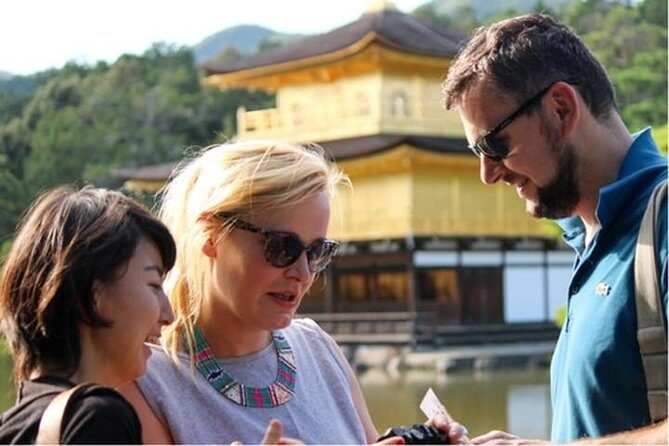
If your day is leaning toward classic old-kyoto atmosphere, the Higashiyama area is a good anchor. It’s described as one of the best preserved historic districts, especially along the lower slopes of Kyoto’s eastern mountains.
Higashiyama Ward: old streets, good wandering
This is a great district choice when you want atmosphere without committing to only one monument. Think of it as a place where the streets and views help tell the story.
What to watch: the walk can add up, and it’s not always flat. If you pick a hill-temple plus a neighborhood district in the same 4 hours, you may want to keep the second stop closer.
Ginkakuji (Silver Pavilion): Zen aesthetics in a mountain setting
Ginkakuji is a Zen temple along Higashiyama. It’s known as the Silver Pavilion, and it was tied to the retirement villa of Ashikaga Yoshimasa.
What to watch: admission is listed as not included. This is also a good option if you want a temple that’s as much about the grounds and design as about the buildings.
Nanzenji Suirokaku: big Zen temple grounds
Nanzenji is one of Japan’s important Zen temples, and Suirokaku is part of what people come to see. The setting is spacious, and that matters because it affects how crowded your time feels.
What to watch: admission is listed as not included.
West Kyoto power move: Arashiyama’s bridge, bamboo paths, and garden stops

Arashiyama is a half-day classic for a reason: it mixes scenery, temples, and a walk that feels like a scene from a movie.
Togetsukyo Bridge: Arashiyama’s signature landmark
The Togetsukyo Bridge, or Moon Crossing Bridge, is described as Arashiyama’s iconic landmark. It originally dates to the Heian Period and has been reconstructed in the modern era.
What to watch: this is a “most photographed” spot, so expect crowds.
Bamboo grove walking paths: choose your vibe
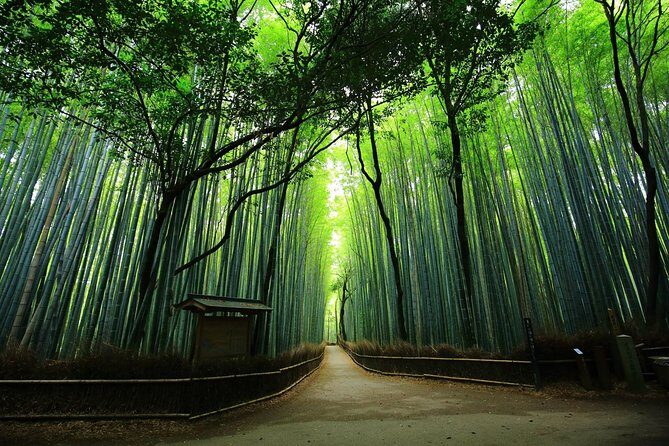
The bamboo groves offer walking paths that can be great even if you only have a short time. The tour details note that the groves are especially nice when there’s a light wind since the stalks sway gently.
Practical note: bamboo groves are an easy win for photos and quick calm time, but don’t turn it into a long detour if your other stop needs ticket time.
Tenryu-ji: the major Arashiyama Zen pick
Tenryu-ji is ranked among Kyoto’s five great Zen temples and is registered as a World Heritage site. If Arashiyama is on your list, Tenryu-ji is the one I’d prioritize when you want the “Kyoto classic temple” payoff.
What to watch: admission is listed as not included.
Okochi Sanso Garden: for when you want something quieter
Okochi Sanso Garden is the former villa of actor Okochi Denjiro, located behind the bamboo grove area. If you want a calmer garden-style visit after the main crowds, this is a strong candidate.
What to watch: admission is listed as not included, and garden time can be easy to underestimate in a 4-hour schedule.
Hillside temple options: small, atmospheric, and time-sensitive
If you want a break from crowds, options such as Jojakkoji, Nisonin, Gioji, Adashino Nenbutsuji, and Otagi Nenbutsuji are described as hillside temples with a quiet feel and moss/maple scenery. These are the kind of places where you’ll get more “stillness per minute” than at the biggest headline sites.
What to watch: hillside temples mean walking stairs and uneven terrain. If your legs are already tired, choose one of these as your main second stop, not a third.
Getting around: walking from your hotel, then subway, bus, or taxi
This tour is described as a walking tour, and pickup is offered on foot. You’ll meet your guide within a designated area, then move from there using public transportation or taxi.
Kyoto is extremely navigable once you have a system. One of the most practical tips from past experiences is to grab a Suica card ahead of time, so train station entry feels fast and familiar. Bringing yen in cash can also help, since not every place takes card for small purchases.
What to watch: you’re limited to a 4-hour window, so long commutes can squeeze out your actual sightseeing time. That’s why a good guide matters. Past tours note taxi use between certain stops to keep things on schedule, and that can be a smart move when distances aren’t friendly.
Price and value: what $109.43 buys you (and what it doesn’t)
At $109.43 per person for about 4 hours, the price includes the biggest thing you can’t easily replace: a government-licensed local guide in English plus a customizable day plan. You also get pickup on foot, which saves you from starting at the wrong station or taking the slow route.
What’s not included is also important: transportation fees, entrance fees, lunch, and other personal expenses. So yes, you’ll likely pay tickets at several major sites, since many stops list admission as not included (castles and most temple highlights especially).
Still, this can be good value if you’re trying to do three things:
- see fewer places but understand them better
- reduce time lost to navigation and confusing signs
- keep the day at an energy level that fits your group
This tour tends to shine when you’re short on time. If you only have one afternoon in Kyoto, paying for the guide often feels less like an expense and more like buying back your attention.
Who should book this Kyoto private tour
I think this works best for you if:
- you’re in Kyoto for a limited time and want a smart plan in one afternoon
- you want help reading the city: what to notice, how it connects, what to skip
- you prefer a private pace over a crowded group tour
- you want your itinerary shaped around your interests, not the guide’s script
It may be less ideal if you want a totally hands-off day. Even with a guide, you’re still walking a lot and making choices about which sites to prioritize.
And if the weather turns—rain happens in Kyoto. Some past tours dealt with steady rain and still kept the day moving, which is exactly where a guide’s flexibility earns its keep.
A quick checklist before you go
- Wear comfortable shoes. Kyoto is built for walking, but your knees might not be.
- Think ahead about your 2-3 must-dos, then let the guide handle the best pairing.
- Budget for tickets at major attractions; many are not included.
- Bring yen for small purchases and a transit card like Suica if you can.
- Pack water and snacks if you’re traveling in warm months. One short day can still feel like a marathon.
Should you book it?
If your goal is a meaningful, organized half-day with a licensed guide who can explain Kyoto in plain language and help you move efficiently, I’d book this. It’s especially worth it for first-time Kyoto visits, history-focused travelers, and anyone who hates the feeling of getting lost in crowded districts.
If you’d rather wander independently and you’re confident navigating stations and reading signboards without help, you could skip the guide. But if you’re paying for time, context, and smoother logistics, this tour is one of the more practical ways to do Kyoto in a few hours.
FAQ
Is this a walking tour?
Yes. The tour is described as a walking tour, and pickup is on foot. You’ll meet your guide within a designated area in Kyoto.
How many places will we visit in 4 hours?
The tour is set up so you choose a customizable itinerary of about 2-3 sites from the available options.
Are entrance fees included?
No. Entrance fees are listed as not included, along with transportation fees and lunch.
Can we add a private vehicle for the day?
A private vehicle is listed as an upgrade, but it is not included in the base experience.
How do we get around during the tour?
You can travel like a local using public transportation or taxi. Your guide helps route you between stops.
Do we get pickup from the hotel?
Pickup is offered, but it’s described as hotel pickup on foot, with a meeting on foot within a designated area.
Can I combine multiple tour groups?
No. The experience notes that you cannot combine multiple tour groups.
What if I need to cancel?
You can cancel for free up to 24 hours in advance for a full refund, based on local time.
Will I receive confirmation at booking?
Yes. Confirmation is received at the time of booking.