REVIEW · KYOTO
Private Kyoto Tour with Licensed Guide & Vehicle (Max 15 persons)
Book on Viator →Operated by Japan Guide Agency · Bookable on Viator
Kyoto can feel like a maze, especially when you’re trying to hop between top sights. This private tour solves the big problem with door-to-door pickup and a licensed guide who keeps the day moving while you focus on the sights. I especially liked how it helps you hit major landmarks in one outing, and how the stops are flexible enough to match your pace and interests. The one drawback to keep in mind: entrance fees and lunch aren’t included, and with 6 hours you’ll want to choose wisely rather than trying to see everything.
The route is built around classic Kyoto experiences: torii gates at Fushimi Inari-taisha, castles and palace grounds, geisha-district walks in Gion, and temple time in Higashiyama and beyond. In multiple recent tours tied to this experience, guides like Michi, Noriko, Chiyuki, Yuka, and Ken were praised for staying organized, tailoring the flow to the group, and adding helpful context that makes the sights easier to understand. If you prefer to spend your energy looking—not navigating—this is a strong way to start.
In This Review
- Key points before you book
- Why a private vehicle matters in Kyoto
- Price and value: what $634.72 per group really buys
- How the 6-hour plan works (and why you should choose 3–4 stops)
- Fushimi Inari-taisha: torii gates without the stress
- Nijo Castle: power, politics, and design details
- Gion and the back alleys you’ll want a local for
- Nishiki Market: quick bites, smart shopping time
- Kiyomizu-dera: the temple that turns into a whole experience
- Kyoto Imperial Palace: for when you want the quieter side
- Pontocho: dinner alley atmosphere on your timeline
- Higashiyama Ward: old Kyoto feel with minimal effort
- Ginkakuji, Nanzenji Suirokaku, and Tofuku-ji: Zen stops with different flavors
- Toji and Kinkakuji: the famous ones that can crowd up fast
- Ninna-ji and Shugakuin: calmer imperial-era options
- Northern mountain towns: Kibune and Kurama
- Ryōan-ji rock garden and the Arashiyama set
- Entrance fees, lunch, and the real-world money math
- The guide experience: what recent guides did well
- Who this Kyoto private tour is best for
- Should you book this private Kyoto tour?
- FAQ
- How many sites can we choose in the 6-hour tour?
- What’s included in the price?
- Are entrance fees included?
- Is hotel pickup offered?
- Is this tour private?
- Do you provide child seats or booster seats?
- What if we need to cancel?
Key points before you book
- Private vehicle, not public-transit wrestling: You dodge route planning and crowded buses with a driver doing the hard parts.
- Pick 3–4 sites from a real shortlist: The tour is designed around a short list, so you’re not stuck watching travel time eat your day.
- Licensed English-speaking guide: You get interpretation and practical on-the-ground guidance at each stop.
- Temple and city stops in one loop: Fushimi, Gion, Nishiki, Higashiyama, and options like Arashiyama are all on the menu.
- Comfort for families and mixed groups: Recent reports include active kids, mobility needs, and schedule tweaks handled with care.
Why a private vehicle matters in Kyoto
Kyoto’s big sights are spread out, and the public transport system can feel like a logic puzzle when you’re also trying not to waste time. A private vehicle turns your day into a sightseeing plan instead of a schedule full of transfers, lines, and wrong turns.
The payoff is simple: more Kyoto per hour. With this format, you’re not choosing between convenience and culture—you get both. And because your guide is with you, you also get help reading what you’re looking at: why a castle was built where it was, what a temple layout signals, or how districts like Gion and Pontocho work in daily life.
One practical note: even though the group is capped at 15, it’s still a private experience for just your party. That means you can ask for route changes if the weather turns or if your group is moving slower than planned.
You can also read our reviews of more guided tours in Kyoto

Price and value: what $634.72 per group really buys
The listed price is $634.72 per group (up to 2), and the tour is about 6 hours with a private vehicle and a licensed local English guide. That price can sound steep—until you do the math on time, taxis, and wasted energy.
Here’s where the value often lands for people:
- You avoid buying multiple transport tickets and piecing together routes.
- You get a guide who helps you make tradeoffs. In Kyoto, the “best” plan usually means picking fewer stops and enjoying them more.
- You get hotel pickup options, which is where many DIY days quietly lose hours.
Where value can drop: entrance fees aren’t included, and some of the top-name temples and castles do charge modest fees. Lunch is also not included, so you’ll likely add a meal break (and you’ll want cash on hand for smaller on-site purchases, since that’s often how things work around markets).
How the 6-hour plan works (and why you should choose 3–4 stops)
This experience is structured around a customizable walking tour of 3–4 sites chosen from the set of options. The stops listed in the tour plan include many famous names, but the time window means you should treat this like a curated day, not an all-day buffet.
Think of it like this: your vehicle handles the travel gap, and your guide handles the meaning gap. If you pick the wrong mix—too many far-apart areas, too many “must-see” temples—you’ll end up with time pressure and fewer calm moments.
Also, the tour makes it easier to adapt. In past experiences connected to this tour, guides like Noriko were noted for adjusting pacing for guests who preferred less walking or fewer stairs. Another recurring theme in reviews: getting the right photo positions and not just walking past things.
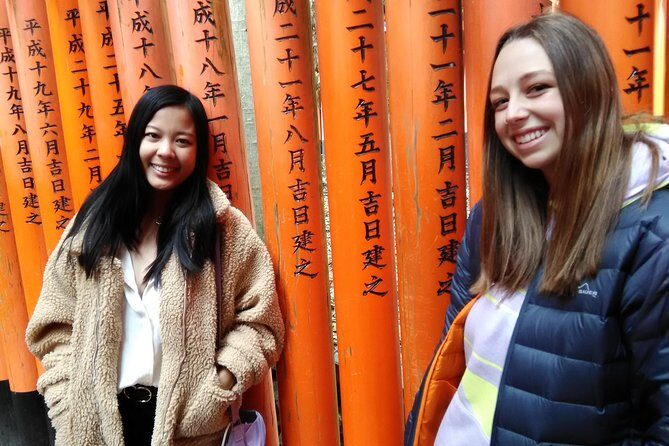
Fushimi Inari-taisha: torii gates without the stress
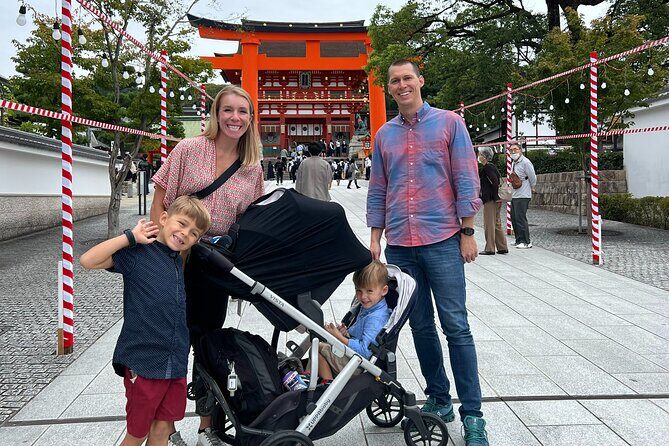
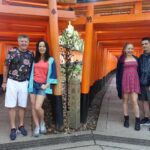
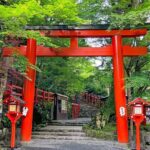
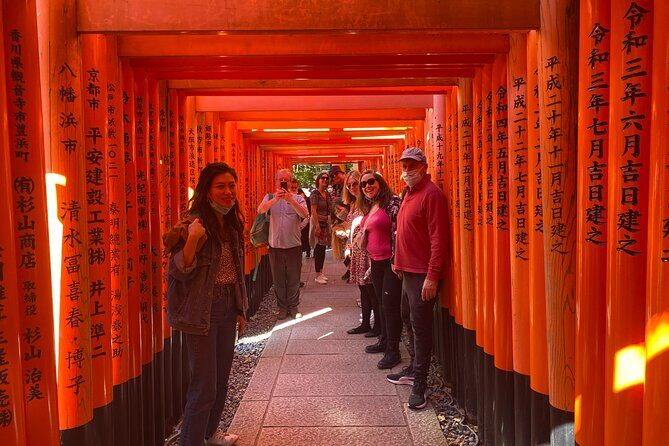
Stop 1: Fushimi Inari-taisha Shrine is free to enter, which makes it a great anchor for your day. The highlight is the famous torii corridor that leads you deeper into the shrine complex.
What you gain with a guide and vehicle: you can plan your timing so you’re not arriving at your worst possible hour. The tour description also frames this stop as offering access to parts of the shrine experience that are harder to reach on your own, which is exactly the kind of “why book a guide” value that matters.
If you’re short on energy, don’t feel obligated to go all the way to the far ends. With a private plan, you can still enjoy the spirit of the place with the right turnaround point.
Nijo Castle: power, politics, and design details
Stop 2: Nijo Castle is a UNESCO site and historically tied to the Tokugawa era. It’s listed as not included for admission, so bring cash or a card-ready plan for fees.
Even if you only have 15 minutes in the schedule, a guide helps you notice what people often miss: the sense of control in the layout and the way palatial architecture was built to project authority. This is one of the few stops where the context changes how you read the buildings.
You can also read our reviews of more private tours in Kyoto

Gion and the back alleys you’ll want a local for
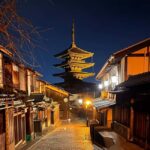
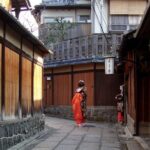
Stop 3: Gion is where Kyoto turns cinematic. The geisha district can be overwhelming on your first visit, especially if you’re trying to “find the right street.” With a guide, you get direction and you’re less likely to wander in circles.
A quick advantage: you can spend your time absorbing details—wooden facades, narrow lanes, the rhythm of evening strolling—rather than spending it on navigation. This is also a good place to ask your guide how to behave respectfully in a residential-feeling area.
Nishiki Market: quick bites, smart shopping time
Stop 4: Nishiki Market Shopping District is listed as free to enter and often works well in a 6-hour tour because it’s concentrated. The market is described as Kyoto’s Kitchen, with lots of shops and restaurants packed into a narrow stretch.
This is where a guide earns their keep. They can help you decide what’s worth tasting and where to spend your limited time—especially if you’re shopping for small souvenirs like snacks or kitchen items.
If your tour includes lunch time, this is an easy area to center it. In at least a couple of recent experiences tied to this tour, guides helped with food suggestions and even steered guests toward lunch spots.
Kiyomizu-dera: the temple that turns into a whole experience
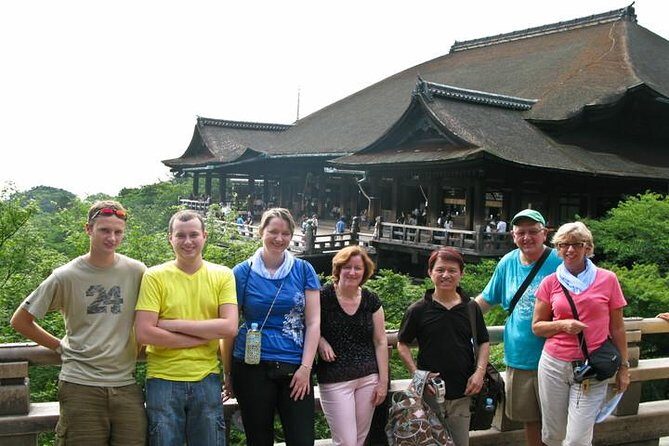
Stop 5: Kiyomizu-dera Temple is one of Kyoto’s biggest names, and it’s listed as not included for admission. The tour description also signals a longer guided temple experience (not just a quick look), so this is usually one of the more “time heavy” stops in the day.
With a guide, you get more than photos. You learn how to interpret the temple’s layout and why it became such a lasting symbol for Kyoto. The tradeoff: this stop can make your schedule feel tighter, so pair it with closer-by areas if you want an easy flow.
Kyoto Imperial Palace: for when you want the quieter side
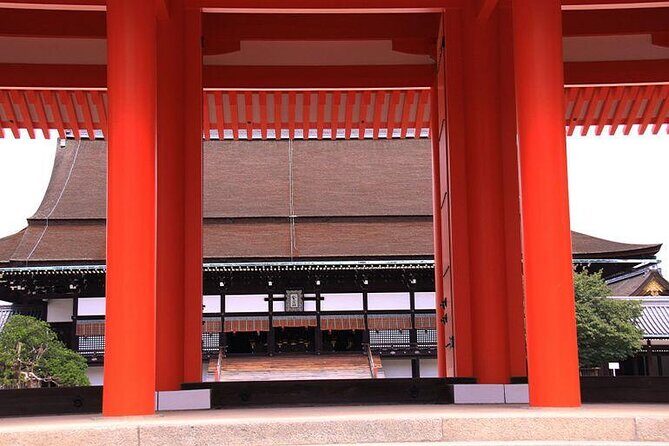
Stop 6: Kyoto Imperial Palace is also not included for admission. It’s tied to the imperial residence era until 1868, when the capital moved to Tokyo.
What you’ll likely appreciate here is the pacing. If temples feel like crowds and stairs, palace grounds can feel more spacious, with a different kind of atmosphere. Choose it if you want history that feels political and architectural rather than purely religious.
Pontocho: dinner alley atmosphere on your timeline
Stop 7: Pontocho is free, and it’s a short hop from the waterfront dining energy near the Kamogawa River. This is a great “scenic pause” stop when you want a neighborhood feel without adding another admission ticket.
You can use Pontocho like this: treat it as a photo-and-walk stop now, then come back later for dinner under your own steam.
Higashiyama Ward: old Kyoto feel with minimal effort
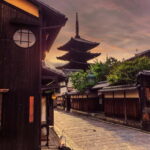
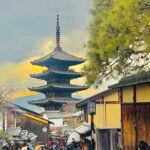
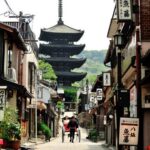
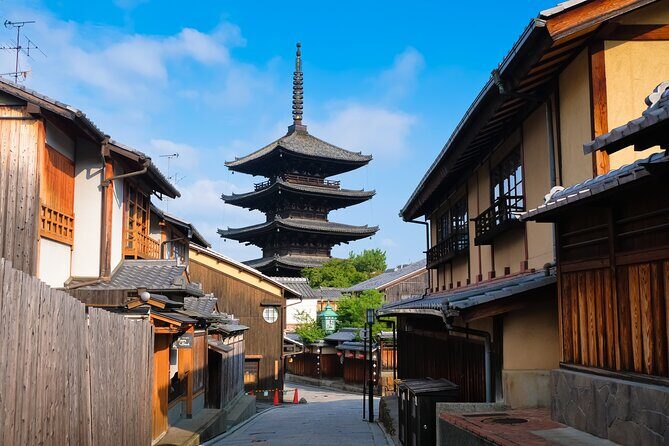
Stop 8: Higashiyama Ward is free and designed as a taste of Kyoto’s preserved historic district along the eastern mountain slopes. If you’re trying to see traditional streets without doing the whole planning on your own, this is a good choice.
A guide can help you spot what makes Higashiyama distinct: the district rhythm, the way streets curve, and which viewpoints are worth your time. Even in a short stop, you’ll get enough to understand the “why” behind the historic atmosphere.
Ginkakuji, Nanzenji Suirokaku, and Tofuku-ji: Zen stops with different flavors
These three are all temple options (with admission not included for Nanzenji Suirokaku, Ginkakuji, and Tofuku-ji):
- Stop 9: Ginkakuji (Silver Pavilion) is a Zen temple on the Higashiyama side, associated with a retirement villa design.
- Stop 10: Nanzenji Suirokaku is part of Nanzen-ji’s world of Zen temples, with spacious grounds described as forested and significant.
- Stop 11: Tofuku-ji is known for spectacular autumn colors, which matters if you’re planning a seasonal visit (even if you’re going in a different month, it’s still a meaningful Zen stop).
If you like temples but don’t want your day to feel repetitive, this set gives variety. The names sound similar on a map, but the experience changes with the layout and grounds. Pick based on your mood: pavilion elegance, big Zen grounds, or a temple complex with strong seasonal associations.
Toji and Kinkakuji: the famous ones that can crowd up fast
Stop 12: Toji is free to enter. It’s tied to the Heian period after the capital moved to Kyoto.
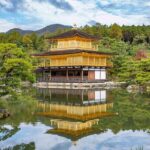
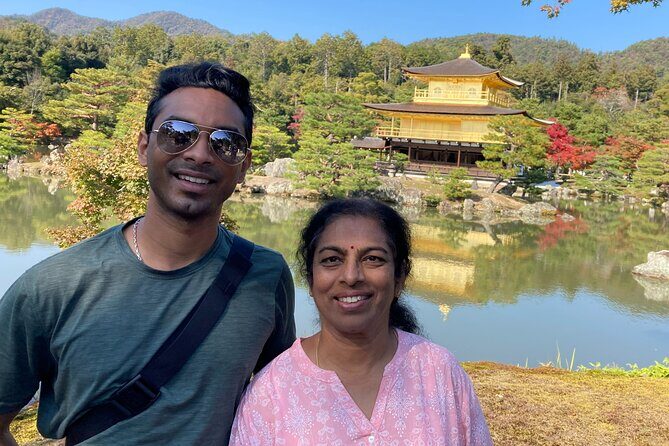
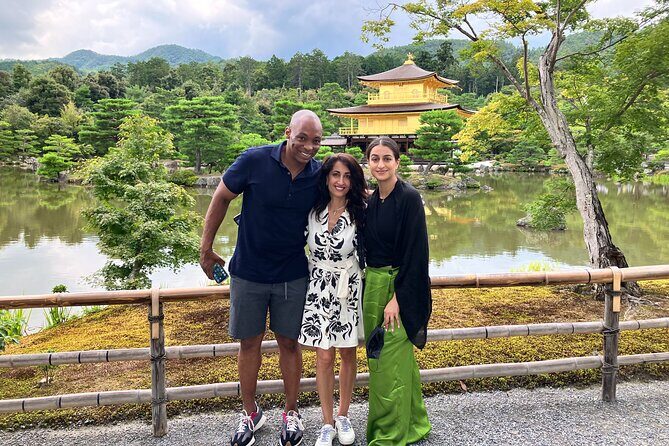
Stop 13: Kinkakuji (Golden Pavilion) is not included for admission, and it’s one of the most crowded stops in Kyoto. The good news: with a private plan, you can reduce the “stand around hoping for a good moment” time. In a recent experience linked to this tour, Kinkakuji was described as crowded due to school-group timing, but the overall day still worked because the plan kept things organized.
If you want Kinkakuji photos without feeling pushed, ask your guide when to enter and where to stand first.
Ninna-ji and Shugakuin: calmer imperial-era options
Stop 14: Ninna-ji is not included for admission. It’s another UNESCO-listed temple experience tied to the Shingon sect.
Stop 15: Shugakuin Imperial Villa is not included for admission. This one is especially appealing if your ideal Kyoto day includes gardens and palace-style calm. It’s managed by the Imperial Household Agency and consists of multiple villa areas.
These are great picks if your group wants less of the “peak tourist clock” feeling and more of the quiet side of Kyoto.
Northern mountain towns: Kibune and Kurama
Kyoto has forested escapes that feel like a different world.
- Stop 16: Kibune is a small town in a valley with shrine legend connections. It’s listed as not included for admission.
- Stop 17: Kurama is another northern mountain option known for Kurama-dera and an easy access hot spring reference.
These stops can add character to a day, but they can also make your schedule more dependent on timing and road conditions. Choose them when you’re okay with the idea that your day has a “go north” theme.
Ryōan-ji rock garden and the Arashiyama set
Two of the biggest “Kyoto identity” stops can also be the ones that require strategy.
Stop 18: Ryoan-ji Temple is where you’ll see Japan’s famous rock garden. It’s not included for admission. A guide helps because the garden experience is about observation—what you notice changes with where you stand and how you watch.
Then you hit the west side:
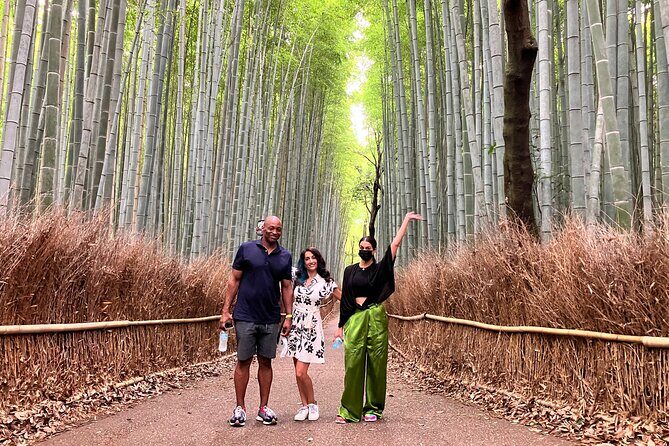
- Stop 19: Arashiyama is a touristy district known since the Heian period.
- Stop 20: Katsura Imperial Villa is not included for admission and is recognized for Japanese architecture and garden design.
- Stop 21: Daikaku-ji Temple is a detached palace-era temple in the Sagano district.
- Stop 22: Tenryu-ji Temple is described as the most important temple in Arashiyama and is registered as a world heritage site.
- Stop 23: Yoshimine-dera is a shorter stop option with admission not included.
- Stop 24: Kennin-ji Temple is close to central Kyoto streets and has dry landscape garden features, also not included.
If you want Arashiyama, I’d pick fewer of these temples and give them breathing room. Otherwise the western district can turn into a checklist. A private vehicle helps, but time is still time.
Entrance fees, lunch, and the real-world money math
From the tour details: entrance fees, lunch, and other personal expenses are not included. Many major temples listed are marked not included, while places like Fushimi Inari-taisha and Toji show free entry.
One extra fee detail that matters: guide entry fees are only covered for sights listed under the tour’s included expectations. Translation for you: budget for your own tickets at paid sites even though you have a guide.
Lunch isn’t included either. In practice, that can be good value if you treat lunch as part of your experience—like eating in the Nishiki Market area or planning a meal break near where you’ll be anyway.
The guide experience: what recent guides did well
When a private tour goes right, it’s not just about transport. It’s about what the guide does between stops—where to stand, what to notice, and how to keep your day from turning into a rush.
In reviews tied to this experience, guides such as Michi, Hiroko, Yuka, Noriko, and Ken were repeatedly described as:
- tailoring the plan to the group’s needs,
- explaining context in clear English,
- keeping energy up for families (including active kids),
- and helping with food decisions when asked.
There’s also an important pattern: drivers were praised for comfort and smooth handling, which matters when you’re switching between temple zones and walking streets.
If you want the best day, don’t just list must-sees—also tell your guide your walking comfort level and what you care about most: history, gardens, photos, or easy pacing.
Who this Kyoto private tour is best for
This is a great match if:
- you want a single day with multiple top Kyoto stops,
- you don’t want to figure out bus/subway routing while jet-lagged,
- you prefer a guide’s context over reading everything yourself,
- your group has different pacing needs and you want flexibility.
It may feel less ideal if:
- you’re the type who loves long DIY wandering and doesn’t mind transit planning,
- you’re trying to see too many paid temples in a short time,
- your budget is tight once you add entrance fees and lunch.
Should you book this private Kyoto tour?
I’d book it if your goal is a smart, efficient Kyoto day with less friction. The private vehicle and licensed English guide are doing real work: cutting confusion, preventing time loss, and helping you get more meaning from fewer stops.
You should also feel confident going in because the overall rating is extremely high, and the most praised part of the experience is the day’s flow—getting to the right places, at the right moments, with explanations that make the sights click. If you want to maximize value, choose a mix that balances crowd-heavy classics (like Kinkakuji and Ryoan-ji) with calmer or more spacious-feeling options (like Shugakuin Imperial Villa or Ninna-ji).
One last tip: decide your 3–4 stops first, then tell your guide how you want the day to feel. If you do that, you’ll likely end up with the exact Kyoto highlight day you came for.
FAQ
How many sites can we choose in the 6-hour tour?
The tour is described as a custom walking tour of 3–4 sites chosen from the available list.
What’s included in the price?
Included are a licensed local English-speaking guide, a private vehicle, and the customizable walking tour of 3–4 sites from the provided list.
Are entrance fees included?
No. Entrance fees are listed as not included. Some stops may be free, but you should plan on paying tickets at paid attractions.
Is hotel pickup offered?
Yes. Pickup is offered, and door-to-door hotel transfers are described as included.
Is this tour private?
Yes. It is a private tour/activity, and only your group participates.
Do you provide child seats or booster seats?
There are limited car seats and booster seats available. Rear-facing car seats are not available, and you must contact the provider directly if you need them.
What if we need to cancel?
Cancellation is listed as free up to 24 hours in advance for a full refund. If you cancel less than 24 hours before the start time, the amount is not refunded.