REVIEW · 1-DAY TOURS
10 Must-see Spots in Kyoto One Day Private Tour (up to 7 people)
Book on Viator →Operated by EE tour · Bookable on Viator
One day in Kyoto can feel impossible. This private tour makes it doable by threading major sights into one sensible route, guided in English from the first meet-up to Gion.
I especially like two things. First, you get private pacing instead of getting squeezed into the usual group-touring flow, and guides like Tammy and Akemi are known for making the transitions easy. Second, the mix is smart: big-ticket Kyoto (Kinkaku-ji and Fushimi Inari) plus calmer nature and temple-garden time in Arashiyama. The main drawback to plan for is that it’s a long day with lots of walking, and you can’t swap the order or lunch stop once it’s moving.
In This Review
- Key Points That Matter Before You Go
- Why This Private Kyoto Day Works When Time Is Tight
- Price and Logistics: What You’re Actually Paying For
- Starting Out at Kitaoji Station, Ending in Gion
- Kinkaku-ji (Golden Pavilion): The “Postcard Kyoto” Moment
- Arashiyama Bamboo Forest Street and the Art of Moving Efficiently
- Tenryu-ji Temple Garden: A Break From the “Big Sight” Energy
- Togetsu-kyo Bridge: The View Stop That’s Worth the Photo
- Arashiyama Kimono Forest: The 600-Cylinder Instagram Stop
- Fushimi Inari-taisha: Torii Gates, Then Optional Depth
- Kiyomizu-dera: The Balcony Views and the Temple Drama
- Sannenzaka and Ninenzaka: Old Streets for Walking and Shopping
- Yasaka-no-to Pagoda: A Quick Landmark Stop
- Gion Finish: Geiko and Maiko Alley Energy
- Guide Quality: Why Efficiency Feels Like Luxury
- Walking Load and Timing: How to Stay Comfortable
- Credit Cards vs Cash: Don’t Get Stuck
- Who This Tour Fits Best (and Who Might Want a Different Style)
- Should You Book This One-Day Kyoto Private Tour?
- FAQ
- How long is the Kyoto private tour?
- What does the price include?
- What entrance fees should I budget for?
- Are transportation costs included?
- How much will taxis cost?
- Where do we meet and where does the tour end?
- What time does the tour start?
- Do I need cash?
- What happens in very hot summer weather?
- Can I cancel for a full refund?
Key Points That Matter Before You Go
- 10 top sights in ~8 hours means you’ll see a lot, fast, without the stress of navigation.
- English-speaking professional guide handles routing and tells you what to notice at each stop.
- Arashiyama’s trio (Bamboo, Tenryu-ji, and Togetsu-kyo) gives you both drama and a breather.
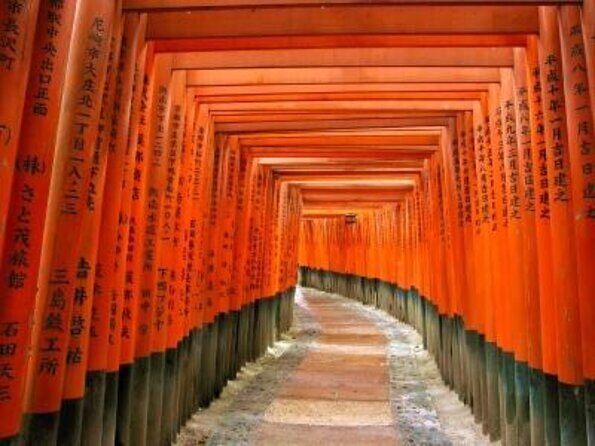
- Fushimi Inari’s torii walk is the photo moment, but it also rewards you with quiet side paths.
- Kiyomizu-dera + old streets (Sannenzaka/Ninenzaka) is where the Kyoto you picture starts to feel real.
- Bring cash/IC card. Many temple areas and shops don’t reliably take credit cards.
Why This Private Kyoto Day Works When Time Is Tight
If you only have one full day in Kyoto, you’re basically choosing between “see the highlights” and “see one neighborhood deeply.” This tour is for the highlights crowd, but it’s not a chaotic sprint because the stops are grouped by area: starting in the northwest Kyoto orbit, then moving toward central classics, and finishing in Gion.
You’ll travel with your guide throughout the day, so you’re not constantly checking trains, buses, or walking directions. And since it’s private for up to 7 people, you can stay together without the herding-you-into-a-crowd feeling.
The trade-off is physical. Even with taxis thrown into the mix when needed, you should expect serious steps. One practical tip I love here is to treat it like a “real hiking day”: comfortable shoes are not optional.
You can also read our reviews of more private tours in Kyoto
Price and Logistics: What You’re Actually Paying For
At $179.07 per person for an 8-hour private day, you’re paying for three things: an English guide, less time spent figuring things out, and an efficient route through Kyoto’s most famous spots.
What’s included is straightforward:
- English-speaking professional guide
- Mobile ticket
- Infants under 3 are free
What you’ll likely pay extra for (plan ahead) is just as important:
- Entrance fees: the tour lists ¥1,500 per person for temples
- Public transportation: ¥1,000 per person
- Taxis: depending on your group and transfers, taxi costs are listed as ¥7,000–¥9,000 per cab for all rides, and if you’re 4+ people you need two taxis (listed as ¥8,000 per booking)
So the real value question is this: will you spend enough time trying to route yourself that the guide’s time becomes “worth it”? In Kyoto, the answer is often yes. Credit cards don’t show up everywhere, and some places are cash-first, so having a plan and a guide reduces friction fast.
Starting Out at Kitaoji Station, Ending in Gion
You meet at Kitaoji Station (Kita Ward) at 9:00 am. The day ends in Gion near 571 Gionmachi Minamigawa in Higashiyama Ward.
This matters because Kyoto is huge and the traffic/walking math can be annoying. Ending in Gion is also convenient: you finish near one of the best areas to keep roaming on your own in the late afternoon/evening.
Also note this important restriction: the tour is limited to cruise ship guests who can reach Kyoto Station on their own. If you’re on a ship and planning to use their bus/shuttle system, double-check you’re able to get to Kyoto Station independently.
Kinkaku-ji (Golden Pavilion): The “Postcard Kyoto” Moment
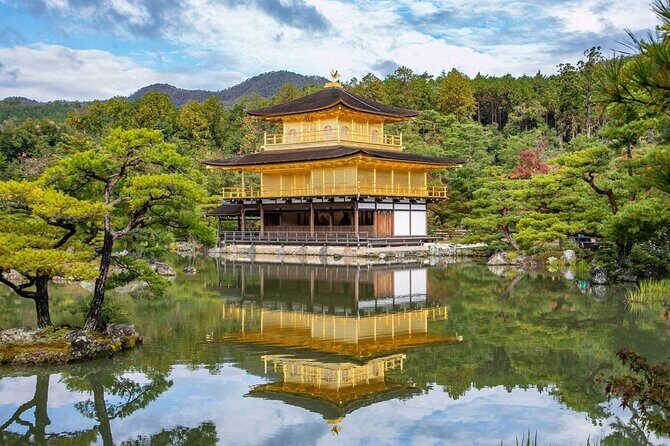
You start with Kinkaku-ji, where the gleaming golden pavilion is the star. It’s tied to Kyoto’s power history too: the site is described as having once been the political center related to the shogun.
Why I like this first stop:
- It’s a high-impact photo opener before the crowds and fatigue set in later.
- A guide can help you see what to notice beyond “gold building,” like how the setting and design communicate status and belief.
The time you get here is about 40 minutes, so you’ll be able to take photos and still have time to actually look, not just pass through.
Entrance fee is not included, so budget that temple fee line item.
Arashiyama Bamboo Forest Street and the Art of Moving Efficiently
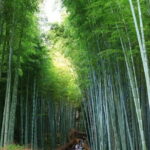
From Kinkaku-ji you head into Arashiyama, starting with the Bamboo Forest Street. This is the classic bamboo stretch you’ve probably seen in posters and postcards.
This stop is short at about 20 minutes, and that’s a good thing. Bamboo photos are easy to overdo because you can wander into side angles and then suddenly you’re lost in the “just one more shot” loop. A guide keeps the time sane.
Practical note: wear shoes with decent grip. Kyoto paths can be slick or uneven, and you’re moving fast today.
After bamboo, you’ll be set up for the next stop: Tenryu-ji Temple.
You can also read our reviews of more tours and experiences in Kyoto


Tenryu-ji Temple Garden: A Break From the “Big Sight” Energy
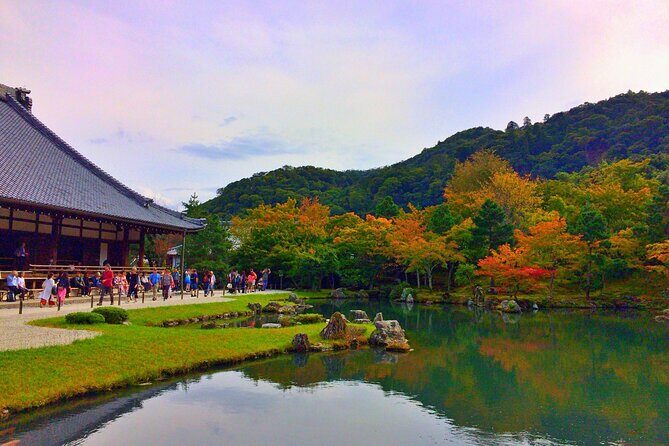
Next is Tenryu-ji, known for its traditional Japanese landscaped garden and its pond view. This is where the day gets calmer. Even if you’re a quick-sight person, a garden stop is a smart reset because it gives your brain something different than shrines and torii.
You’ll have about 30 minutes here. That’s enough to:
- scan the main points,
- take a few photos,
- and notice the garden design from multiple angles.
This stop is also noted as a UNESCO World Cultural Heritage site, which usually means the layout and importance are easier to explain in a clear, structured way with a guide.
Entrance fee applies here as well.
Togetsu-kyo Bridge: The View Stop That’s Worth the Photo
Then comes Togetsu-kyo Bridge, one of the representative views of the Arashiyama area.
You only get about 10 minutes, and that’s intentional. The best approach is to treat it like a quick “frame the view” moment:
- take a couple wide shots from the main view,
- and then step out for one calmer angle if you can.
Entrance fee is listed as free for this stop, so it’s a low-cost win today.
Arashiyama Kimono Forest: The 600-Cylinder Instagram Stop
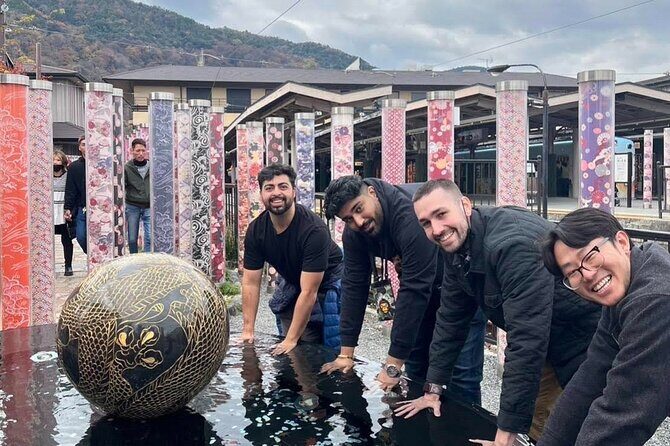
Here’s the unusual one: Arashiyama Kimono Forest Kyoto, described as an art installation featuring 600 cylinders decorated with kimono designs.
You get about 10 minutes, and that’s exactly right for something designed for quick photo-making. It’s a “stop, shoot, move on” attraction—no long queues needed, but it can get busy around peak times.
If your group wants a fun, colorful break between temple-heavy stops, this is that moment.
Fushimi Inari-taisha: Torii Gates, Then Optional Depth
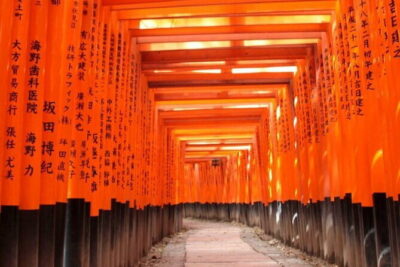
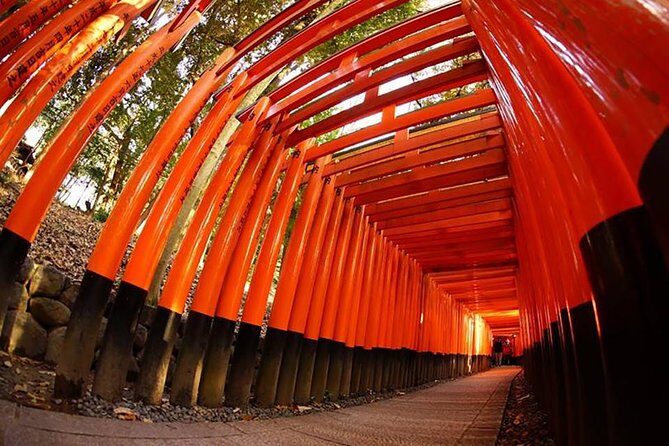
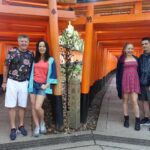
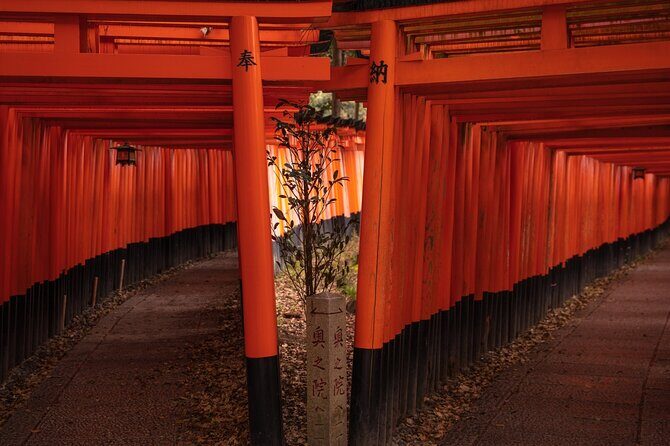
Next up is Fushimi Inari Taisha, Kyoto’s famous shrine of torii gates, with a route through the thousand torii gates.
You’ll spend about 1 hour here, which is the sweet spot. One hour lets you do the core experience (the tunnel-like feeling of passing under gates) without rushing, and it also lets you pause to catch the light and crowds at bay.
Also: this shrine stop is listed as free for admission, which is always nice.
Photo tip that helps: if you’re serious about getting shots without dozens of heads in frame, you’ll want to time your walking and stop for a few breaths under the gates. Your guide’s timing can make a difference because they’ll know where to stand and when to move.
Kiyomizu-dera: The Balcony Views and the Temple Drama
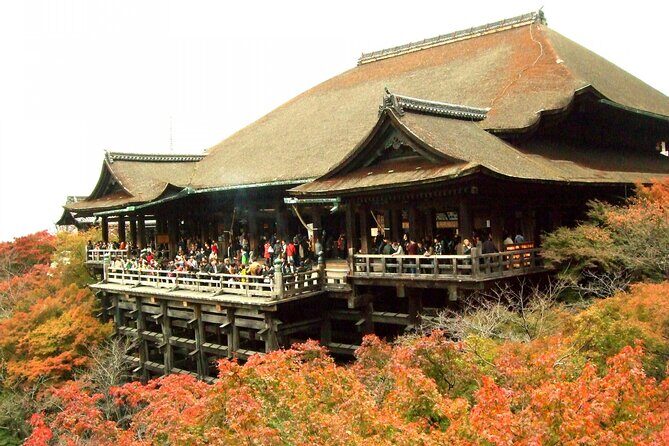
After Fushimi Inari, you move to Kiyomizu-dera, famous for its wide balcony and registered as a World Heritage site.
You’ll have about 1 hour here. This is long enough to:
- take in the view and architecture,
- then walk around enough to feel the place rather than just snapping from the front.
Entrance fee applies.
The one thing to plan for is timing and crowd flow. This is a major “everyone wants to be here” temple, so expect to share space—your guide helps you keep moving efficiently so you can still enjoy it.
Sannenzaka and Ninenzaka: Old Streets for Walking and Shopping
Next are Sannenzaka and Ninenzaka, the slopes lined with traditional wooden buildings and souvenir shops.
You get about 1 hour here, which is perfect for a slow stroll between “big temple moments.” It’s a good place to:
- browse for gifts,
- snack if your stomach is happy,
- and soak up the Kyoto street vibe.
Admission is listed as free for this part.
If you’re picky about food, bring up dietary restrictions when you book. The tour specifically asks you to inform them about foods you can’t eat.
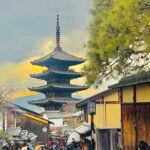
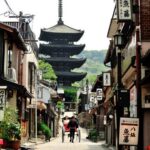
Yasaka-no-to Pagoda: A Quick Landmark Stop
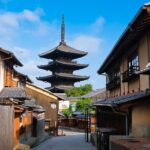
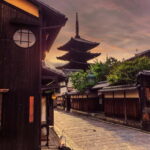
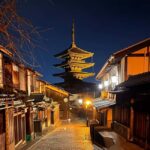
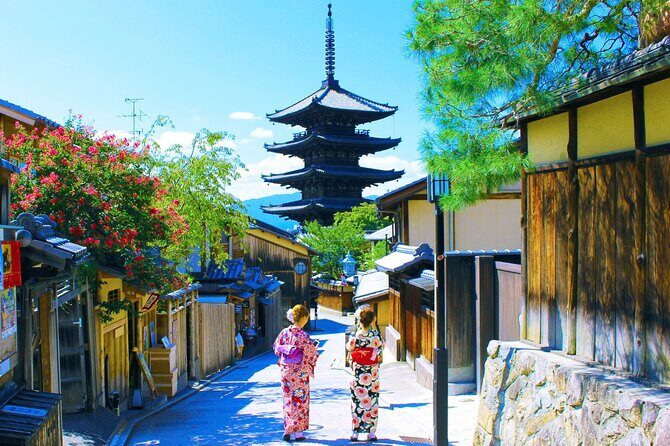
You then do Yasakanoto, the five-story pagoda landmark. The stop is about 5 minutes, and it’s designed for pictures.
It’s outside-only in spirit here—you’re “just looking at it from outside.” That makes sense because the priority is keeping the day moving.
Even if the stop is brief, it’s a classic Kyoto silhouette, and it helps connect the dots between the temple areas and the Gion finish.
Gion Finish: Geiko and Maiko Alley Energy
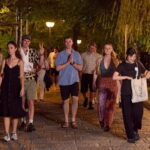
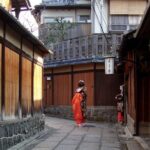
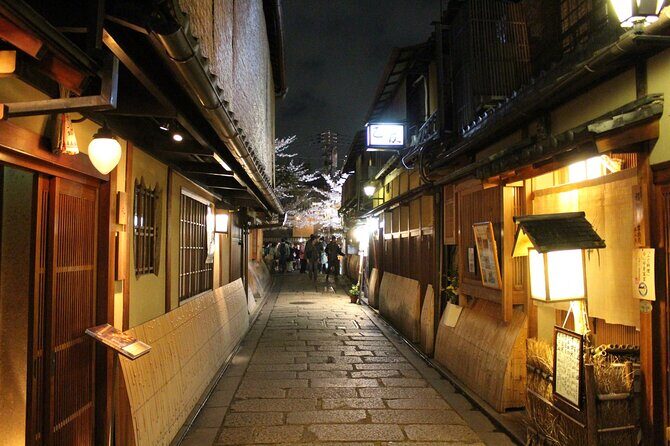
You wrap up in Gion, with around 20 minutes in the traditional geisha district area.
This is the part of the day where you can just stand back and watch the street rhythm—especially along traditional alleys where Kyoto feels most like a movie set.
You’re likely to see maiko or geiko depending on the time and day, but don’t treat it like a guaranteed sighting. What you will get is the sense of place and an easy landing point for your own evening plans nearby.
Admission is listed as free.
Guide Quality: Why Efficiency Feels Like Luxury
One big reason people love this kind of private day is the guide’s pacing. And the pattern is consistent: guides are described as efficient with transportation, patient with questions, and good at explaining what you’re looking at without turning the day into a lecture.
In the information you provided, names like Tammy, Akemi, Kumi, Hiro, Yoshi, Naoki, Naomi, Chihiro, and Hiromi show up as standouts. The common thread across those mentions is simple: the day feels organized, and you don’t have to constantly re-orient yourself.
A small detail I really appreciate is that some guides are ready for weather. One guide was noted for providing handwarmers when it was chilly, which is exactly the kind of practical kindness that makes a “famous sights” day feel human.
Walking Load and Timing: How to Stay Comfortable
This day is packed. One submitted tip says the group walked around 20,000 steps. Even if your number ends up lower or higher, treat it as a reality check.
My best advice for comfort:
- Wear shoes you’d wear for a full-city day, not cute but sore shoes.
- Bring a small bottle of water and a charged phone (you’ll be using maps and photos).
- Plan to move at your own pace at each stop, but keep the group flow so you don’t lose the schedule window.
Also remember: “We can’t change the itinerary, lunch place, or starting point.” That’s good for stress control, but it means you should have your day-planning mindset set before you go.
Credit Cards vs Cash: Don’t Get Stuck
Kyoto can be card-unfriendly in practice. The tour info specifically warns that many temples and taxis don’t accept credit cards.
So I’d do this:
- Bring Japanese yen you can break down.
- Use an IC card if you have one, and keep it topped up.
- Have enough cash even if you think you’ll mostly use machines.
One practical note that comes up: bring at least 10,000 yen, and an IC card with at least 1,500 yen. Sometimes you can use credit cards, but you don’t want your plan to depend on that working everywhere.
Who This Tour Fits Best (and Who Might Want a Different Style)
This one-day private tour is ideal if you:
- have limited time and want big Kyoto icons in a single day,
- prefer a guide to handle directions and timing,
- want a private feel without paying for a full custom itinerary.
It’s less ideal if you:
- hate walking or have mobility limits you need to manage closely (this day is active),
- want lots of free-choice time to roam wherever you want,
- expect lunch and schedule changes on the fly.
It’s also a good match for families—especially those who want the group to stay together and not get separated during transfers.
Should You Book This One-Day Kyoto Private Tour?
Yes, if you’re the type who wants to see Kyoto’s headline sites without spending your vacation hours comparing routes. The tour’s biggest win is the stress reduction: one guide, a tight route, and enough time at each stop to enjoy it.
Book it if you’re comfortable with walking and you’re okay with a set flow. If you want a slower day with deep neighborhood wandering, you might prefer a multi-day approach instead. But for a single Kyoto day, this hits the sweet spot: major sights + smart pacing + guided context that turns photos into understanding.
FAQ
How long is the Kyoto private tour?
It runs for about 8 hours.
What does the price include?
You get an English-speaking professional guide, and mobile tickets are included. Infants under 3 are free.
What entrance fees should I budget for?
Entrance fees are not included. The tour lists ¥1,500 per person for temples.
Are transportation costs included?
No. Public transportation is listed as ¥1,000 per person, and taxi costs may apply depending on transfers.
How much will taxis cost?
Taxi pricing is listed as about ¥7,000 to ¥9,000 per cab for all rides. If you have 4 or more people, you need two taxis (listed as ¥8,000 per booking). The cab accommodates four people (3 guests + a guide).
Where do we meet and where does the tour end?
Meeting point is Kitaoji Station, and the tour ends in the Gion area near 571 Gionmachi Minamigawa.
What time does the tour start?
It starts at 9:00 am.
Do I need cash?
Yes. The tour notes that many temples and taxis may not accept credit cards. It also advises having Japanese yen ready.
What happens in very hot summer weather?
On very hot days, the tour may switch to a Plan B route that includes fewer steps and visits Chishakuin Temple and Sanjusangendo Temple.
Can I cancel for a full refund?
Yes. You can cancel up to 24 hours in advance for a full refund. If you cancel less than 24 hours before the start time, the amount paid is not refunded.