REVIEW · GION DISTRICT WALKING TOURS
Kyoto: Half-Day Private Guided Tour to the Old Town of Gion
Book on GetYourGuide →Operated by Nara Guide · Bookable on GetYourGuide
Gion is easier when someone shows the way. This half-day private tour strings together Kyoto’s most photogenic old-town lanes with a smart rhythm: river first, then shrines, then classic streets, then a park break. You get traditional houses all the way and a guided walk that’s built for seeing more without rushing.
What I love most is the mix of “Kyoto icons” and “everyday lanes.” You’ll spend real time near the Kamo River promenade (the locals’ mood board) and then move into Gion’s famous pedestrian streets and historic buildings. I also like that the timing works for all seasons, not just cherry blossom week—spring flowers and autumn leaves both fit this route nicely.
One thing to consider: this is still a walking tour in a historic neighborhood. If you’re heat-sensitive, rain-sensitive, or you want long stops for shopping, the 3–4 hour window may feel tight, especially if crowds are heavy in spring.
In This Review
- Key things that make this tour worth it
- Starting at Sanjo-ohashi and walking the Kamo River
- Shirakawa Street entrance: the moment the neighborhood changes
- Yasaka Shinto Shrine: a quick stop with long historical weight
- Sannenzaka and Ninenzaka: steep lanes where Kyoto looks staged—until it isn’t
- Maruyama Park: the nature break you’ll actually appreciate
- Hanamikoji Street and kyomachiya: where the architecture does the talking
- Pontocho at the end: finishing with a Kyoto mood shift
- Price and value: what $96 gets you in a private 3–4 hour walk
- Who this tour fits best (and who should skip it)
- About your guide and the private-group feel
- Should you book this Kyoto Gion half-day private tour?
- FAQ
- How long is the Kyoto Gion half-day private guided tour?
- Where does the tour start and end?
- What language options are available for the guide?
- What’s included in the price?
- Is lunch included?
- Is this tour private?
- Can I cancel for a refund?
Key things that make this tour worth it
- Kamo River start gives you a calm anchor before Gion gets busy
- Yasaka Shrine (dating back to the 7th century) adds real depth beyond scenery
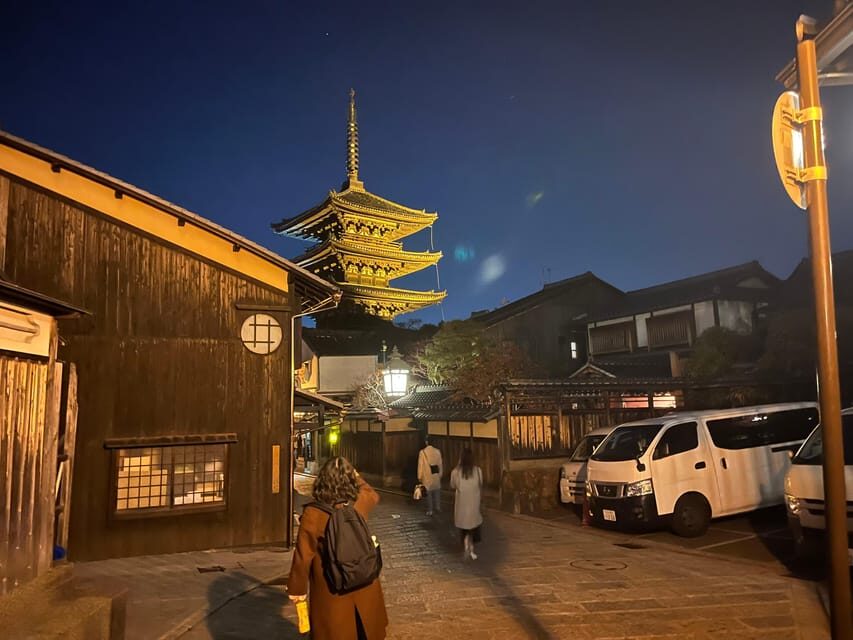
- Sannenzaka and Ninenzaka bring you onto steep, old-street Kyoto that feels instantly authentic
- Maruyama Park is a useful reset with seasonal color in spring or autumn
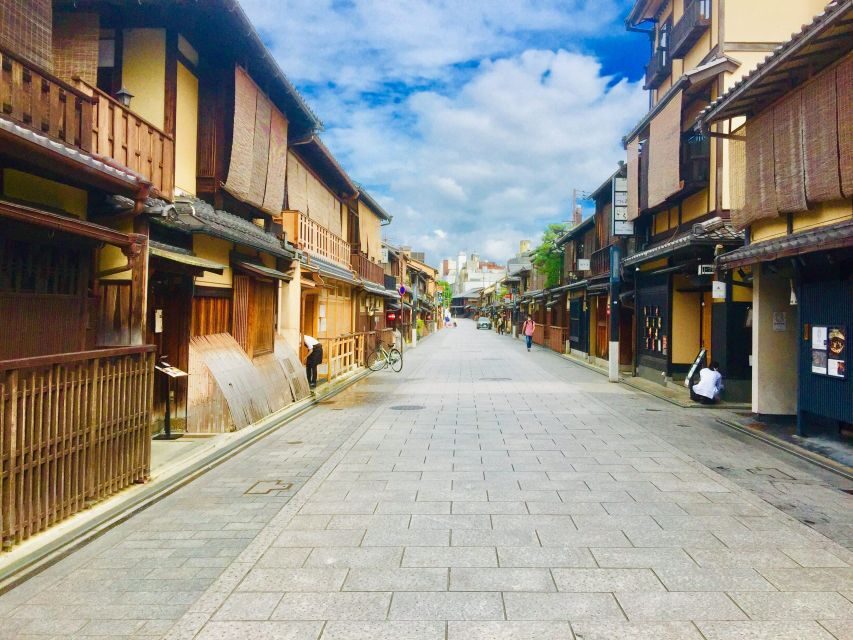
- Hanamikoji Street puts you where the traditional kyomachiya frontage is the main event
Starting at Sanjo-ohashi and walking the Kamo River
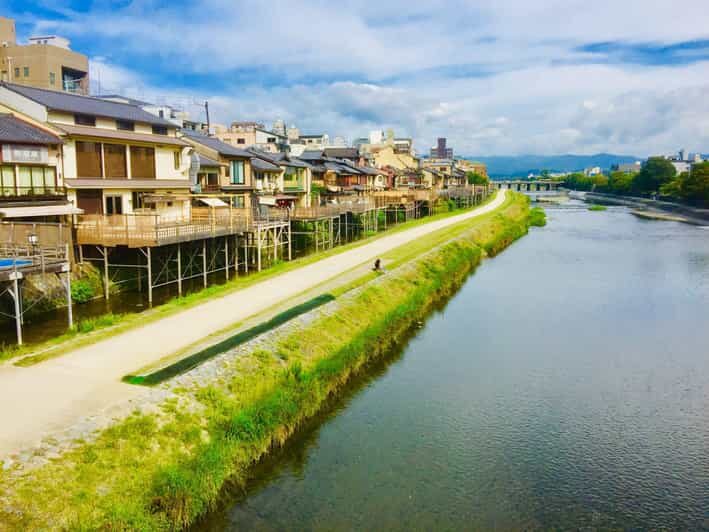
Most half-day tours jump straight into the loud sights. This one begins at Starbucks Coffee on the Kyoto side near Sanjo-ohashi Bridge, which is a practical move: you’re positioned for a straightforward first walk and a smooth handoff into central Gion. From there, the route heads along the Kamo River, which is popular with locals for a reason—you get breezy city energy without the pressure of shrine lines.
I like this “river first” idea because it helps you read Kyoto as a lived-in place, not a theme park. You’re also warming up your legs early, so the later strolls through older lanes feel less like a sprint. If you’re visiting in cherry blossom season, the river walk can be extra pretty, but it works even on a normal day because the promenade gives you breathing room.
Practical tip: start the walk with comfortable shoes. Even when the pace is easy, Gion’s streets are not flat, and you’ll be on your feet for the full session.
You can also read our reviews of more guided tours in Kyoto


Shirakawa Street entrance: the moment the neighborhood changes
After the river, the tour moves into Shirakawa Street, described as the marker for entering the Gion neighborhood. That’s more than a simple directional stop—it’s your first hint that you’re crossing from “downtown Kyoto” into the preserved atmosphere people come for.
This is where the view shifts from general sightseeing to specific Kyoto details: traditional facades, old-town scale, and the feeling that you’re walking through a neighborhood with history still in place. The guided element matters here. With a local guide, you’re not just staring at pretty buildings—you’re learning what you’re looking at and why it matters culturally.
If you’re the kind of person who likes structure (so you don’t end up wandering in circles), this part is perfect. If you prefer total spontaneity, you may feel like the route is a bit planned, but the plan is there to keep the flow logical for a half-day.
Yasaka Shinto Shrine: a quick stop with long historical weight
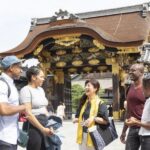
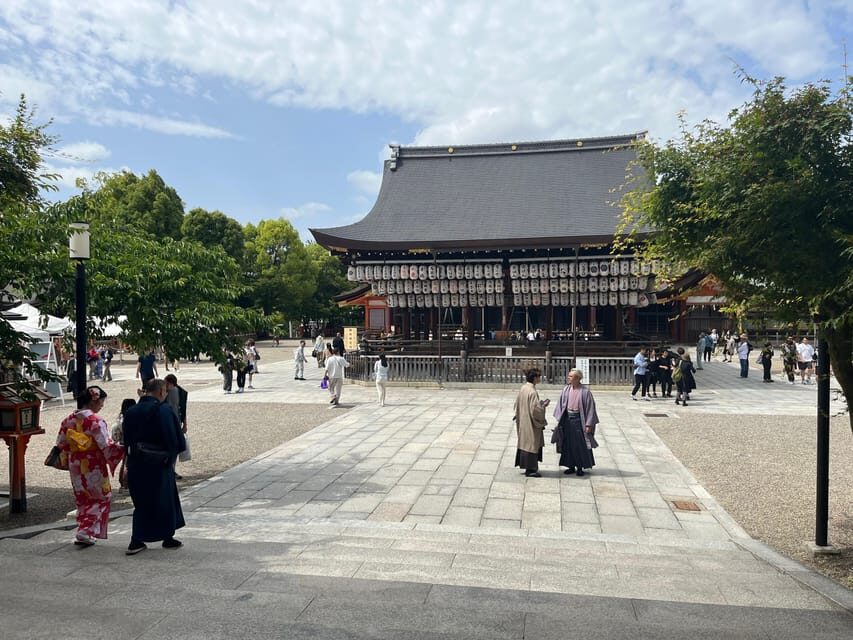
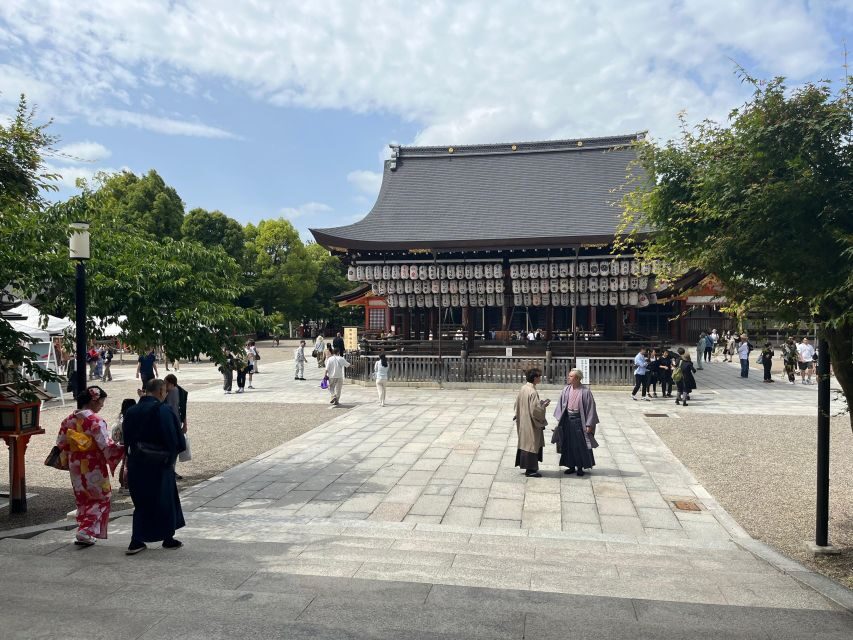
From Shirakawa Street, you’ll head to Yasaka Shinto Shrine, and you’ll get some context during the visit. The shrine is described as dating back to the 7th century, which is a big deal: it’s the kind of age that makes the neighborhood feel less like a postcard and more like a continuing tradition.
A guided visit helps here because shrines can look mysterious if you don’t know what you’re seeing. Even a short visit can become meaningful when you understand the basic purpose of the place and how it connects to local culture. You’ll also likely appreciate how this stop balances the walk-heavy experience—there’s a shift from street scene to sacred space.
Consider this: if you’re expecting a long, slow shrine experience like you’d get on a full-day cultural tour, this is shorter by design. It’s built to keep you moving through classic streets, so plan for it as a “key chapter,” not the whole book.
Sannenzaka and Ninenzaka: steep lanes where Kyoto looks staged—until it isn’t
Next come the iconic pedestrian lanes: Sannenzaka and Ninenzaka. These are famous because they deliver what you want from Kyoto’s old-town vibe—traditional streets that look the way your imagination already thinks they should. But the useful part of having a guide is that you’ll walk them with purpose, not just camera-snap after camera-snap.
These slopes are also a practical consideration. You’re walking on inclines, and in warmer months or during rain, that can change how “easy sightseeing” feels. Still, the payoff is strong: the streets are precisely where Kyoto’s everyday past is visible in building shape, street scale, and the overall rhythm of the lanes.
A tip for timing: if you’re there during peak cherry blossom season, these lanes can feel extra photo-dense. The guide-led pace can help you move through without losing your bearings, and the structured route helps you avoid getting stuck waiting too long.
Maruyama Park: the nature break you’ll actually appreciate
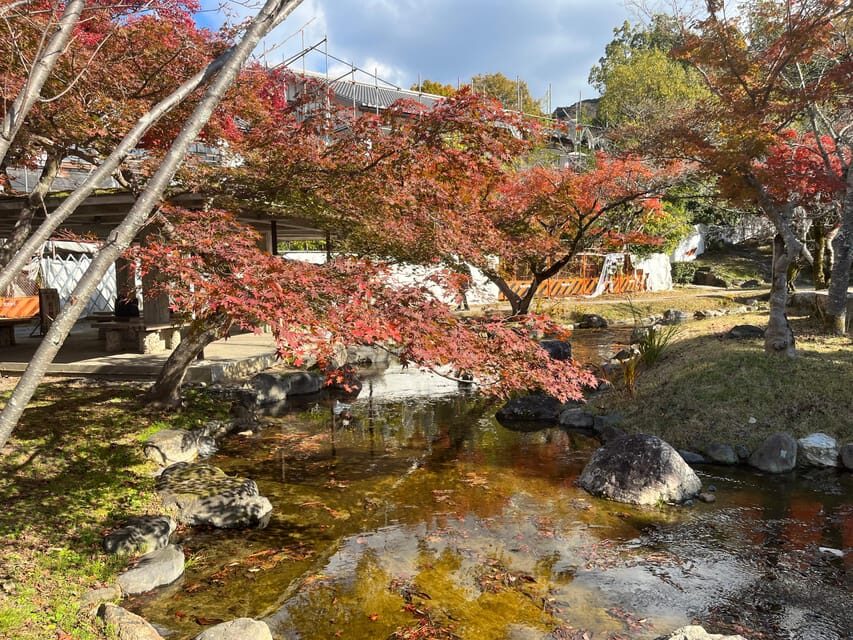
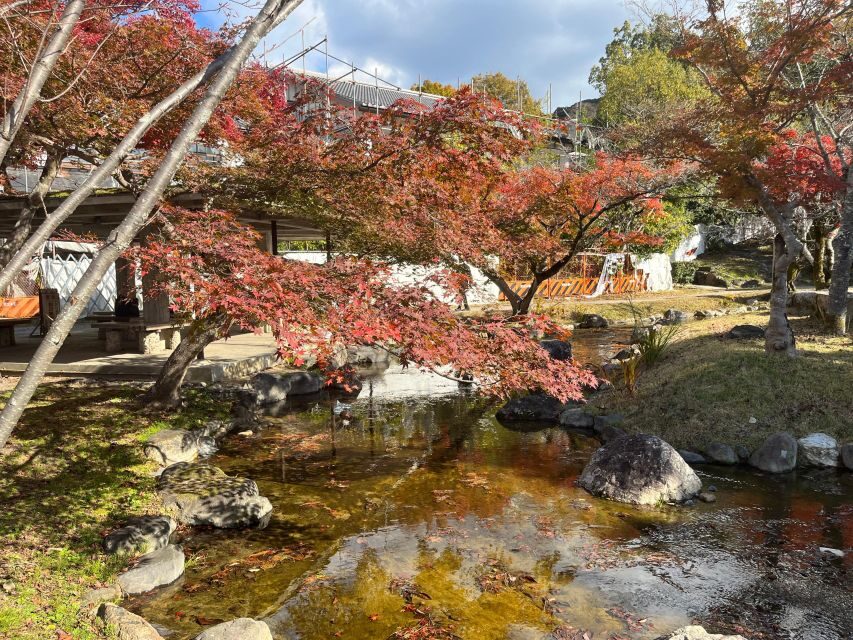
After the old-street walking, the tour goes to Maruyama Park. This stop is smart because it breaks the rhythm and lets you shift from historic lanes to open space. The park is ideal in spring when flowering cherry trees are in bloom, and it’s also a strong choice in autumn when leaves change color.
I like this pause for one simple reason: you’ll get a mental reset. After shrine details and steep lanes, a park stop gives your eyes a wider view and your legs a different kind of movement. Even if your main goal is “Kyoto scenery,” this stop adds comfort and variety, which makes the whole half-day feel smoother.
Seasonal note: the descriptions emphasize spring flowers and autumn leaves, so if you have flexibility, that’s a good target time. But even outside peak bloom, the park can help you see the city as seasonal, not static.
You can also read our reviews of more private tours in Kyoto


Hanamikoji Street and kyomachiya: where the architecture does the talking
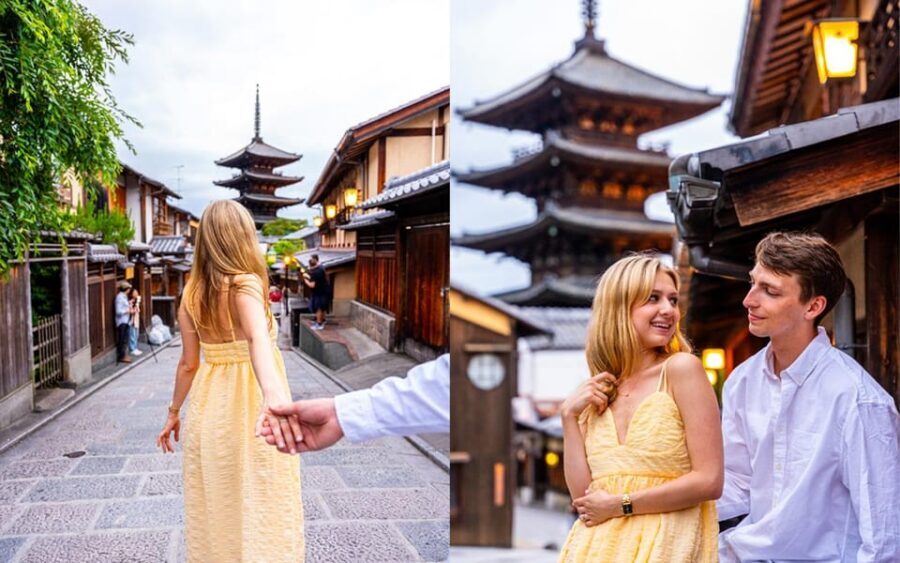
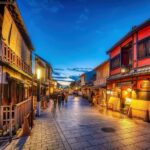
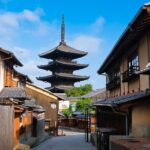
The tour then heads to Hanamikoji Street, which is where you really connect the neighborhood to its cultural image. The key detail here is that the traditional kyomachiya—old-style Kyoto townhouses—create a time-warp effect along the lane. This is the kind of street where the “what” is easy (traditional houses), but the “why” becomes interesting when you have a guide to point out what makes these houses distinct.
Hanamikoji is also where you’ll understand how Gion’s identity is shaped by more than festivals. The street experience ties together earlier stops: the shrine gives spiritual roots, Sannenzaka/Ninenzaka give the historical street shape, and now Hanamikoji shows the signature face of the district.
Practical tip: keep your pace slow near the houses. It’s tempting to race for photos, but the street looks best when you let yourself notice details—doorways, frontage, and how the buildings line up along the walkway.
Pontocho at the end: finishing with a Kyoto mood shift
After Hanamikoji, you’ll continue toward Pontocho, and you’ll do a final guided walk before returning to the starting point near the Sanjo-ohashi Bridge Starbucks. Pontocho is a great finishing chapter because it shifts the mood from the most famous Gion visuals into a more atmospheric Kyoto street scene.
Even if you’re not there for a long night out, finishing with Pontocho can make the whole tour feel complete. You get that sense of Kyoto as a place where traditions and daily life share the same streets. It’s a nice way to end without feeling like you’re cutting off your day too abruptly.
If you want to keep exploring after the tour, this is also a helpful location. You’ll be close to the river area and central routes, so it’s not a hard reset back to “where was I going again?”
Price and value: what $96 gets you in a private 3–4 hour walk
At $96 per person for a private guided experience, this tour sits in the “worth it if you have the right travel style” category. If you’re solo, it can feel like a splurge for a few hours. But if you’re traveling as a couple or small group, the private format becomes the point: you get a tailored pace and a guide to steer your attention through a compact area.
The value comes from the structure and the guide’s role. This isn’t just a route list; it’s a guided interpretation of key places—Kamo River, Yasaka Shrine, classic lanes, park reset, and Hanamikoji’s traditional houses. With only 3–4 hours, you want someone to help you avoid dead ends and focus on what you can’t easily figure out alone.
Language options also support value. The guide is available in English, French, and Japanese, which can make a difference if you want explanations instead of just “look at that.”
The one caution on value: your enjoyment will depend on the guide’s communication style. One booking feedback highlighted that a guide can be less engaging, so if you care a lot about storytelling, be ready to ask questions and steer the conversation.
Who this tour fits best (and who should skip it)
This tour is a strong fit if you want:
- A focused half-day introduction to Gion’s old-town look
- Traditional places plus scenic breaks (river, shrine, lanes, park)
- A guide who can explain what you’re seeing in English/French/Japanese
It’s also a smart choice if you’re traveling in spring or autumn and you want the seasonal atmosphere without building a full itinerary from scratch.
I’d think twice if you:
- Hate walking on inclines and uneven historic streets
- Want hours of free time for shopping or long café stops
- Are hoping for a deep dive into only one temple or only one neighborhood without switching scenes
About your guide and the private-group feel
This experience is run as a private group with a live guide. The provider is listed as Nara Guide, and the name Mouloud shows up in feedback connected to the experience. In plain terms: this is the kind of tour where personality matters, because the tour succeeds when you feel guided through details instead of marched through stops.
If you book, I’d come with a couple of questions ready, like what makes Gion’s architecture different or how the shrine’s long history connects to the neighborhood today. That turns the guide from a narrator into a real local resource.
Should you book this Kyoto Gion half-day private tour?
If you want a clean, high-impact way to see Gion’s key streets and atmosphere in a short window, I think you should book it. The route makes practical sense: Kamo River for orientation, Yasaka Shrine for historical weight, classic lanes for that unmistakable Kyoto look, a Maruyama Park reset, and a final finish with Hanamikoji and Pontocho energy.
The main reasons to hesitate are simple: it’s a walking tour, and it’s only 3–4 hours, so it’s not the right choice if you want long downtime or a slow, unstructured day.
If your goal is “I want to see the old Kyoto that everyone talks about, but with context,” this is the kind of guided half-day that delivers.
FAQ
How long is the Kyoto Gion half-day private guided tour?
It lasts about 3 to 4 hours.
Where does the tour start and end?
It starts and ends at Starbucks Coffee – Kyoto Sanjo-ohashi Bridge.
What language options are available for the guide?
The tour offers live guidance in English, French, and Japanese.
What’s included in the price?
The price includes the guide and guide fees.
Is lunch included?
No. Lunch or snacks are not included.
Is this tour private?
Yes, it’s listed as a private group.
Can I cancel for a refund?
You can cancel up to 24 hours in advance for a full refund.