Fushimi Inari without the crush. This Fushimi Inari Hidden Hiking Tour takes you off the main tourist route to quieter mountain paths, including a natural bamboo forest and a small Inari shrine away from the usual flow of people. I especially like the small-group feel, which keeps you close to your guide for questions and pace, and I also like that the route is designed for crowd avoidance rather than just checking boxes.
One thing to plan for: this is a proper hike. Expect roughly 7 km total with uphill sections and some slippery ground, so grippy shoes matter and people with limited walking stamina may want to skip it.
In This Review
- Key things to know before you go
- Why Fushimi Inari feels different on a back-trail route
- Meeting at Tofukuji and the first push toward Fushimi Inari
- Stop 1 at Fushimi Inari Taisha: the quiet climb and the hidden stops
- From the mountain-top view to Fushimi-Momoyama Castle
- What the 7 km distance really means for your hike day
- Bamboo forest timing: when the quiet feels like a cheat code
- Weather, bugs, and the gear list that keeps the day enjoyable
- Value for $63.14: what you pay for (and what you don’t)
- Who should book this tour, and who should skip it
- Should you book the Fushimi Inari Hidden Hiking Tour?
- FAQ
- How long is the Fushimi Inari Hidden Hiking Tour?
- What is the total hiking distance?
- How many people are in the group?
- Where do I meet the guide?
- Where does the tour end?
- Is admission to Fushimi Inari Taisha included?
- What should I wear for this hike?
- Do I need to bring food and drinks?
- Are tour photos included?
- What if the weather is bad?
- Can I cancel for a refund?
Key things to know before you go

- Small group up to 7: it stays social, not chaotic
- Hidden trail approach: you reach the shrine area from the less-used side
- Bamboo forest + small shrine stops: quieter moments beyond the main torii lines
- Castle views from higher up: you get scenery tied to Hideyoshi and Ieyasu
- 7 km hiking distance: moderate effort, not a stroll
- Bring bug and heat protection: long sleeves, long pants, water, hat
Why Fushimi Inari feels different on a back-trail route
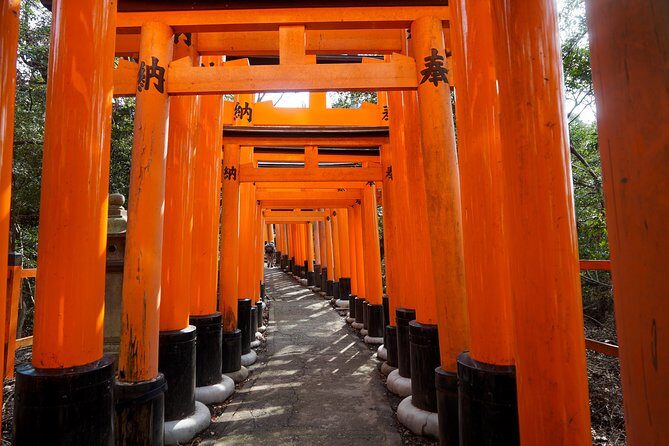
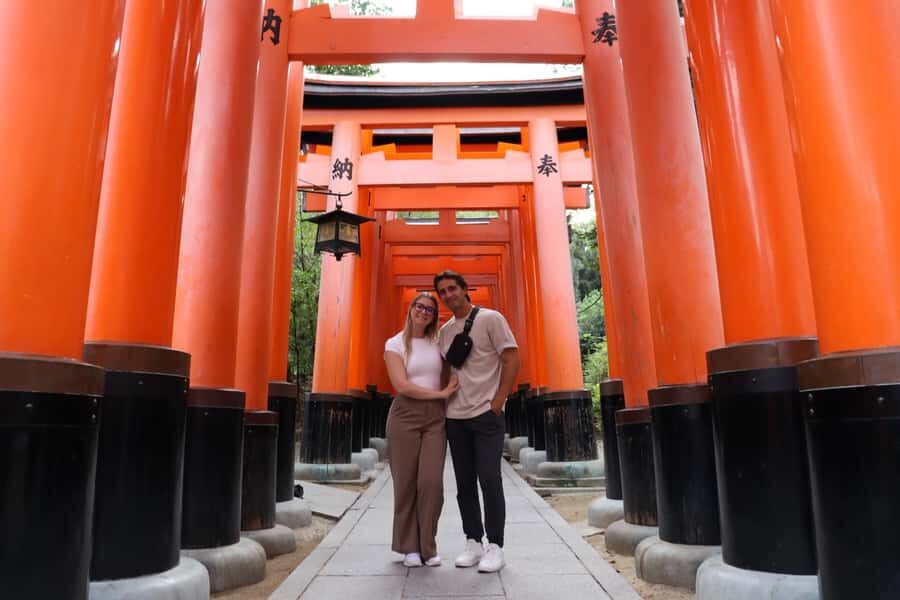
Fushimi Inari is famous for torii gates that seem to go on forever. The problem is that you can also spend a lot of time shoulder-to-shoulder with tour groups, especially near the iconic gate corridors at peak hours. This tour is built around the idea that you’ll enjoy the same sacred place, but with a calmer rhythm and a quieter approach.
I like that the route is explicitly meant to help you avoid crowded tourist paths. Instead of staying on the easiest paved walk, you move onto mountain-side trails where the tone shifts from city bustle to forest sounds. And when you do reach the shrine area, you’re likely arriving in a way that feels less rushed, with fewer people around for the parts you really came for.
You can also read our reviews of more private tours in Kyoto


Meeting at Tofukuji and the first push toward Fushimi Inari
Your starting point is at FamilyMart Nakai Tofukuji (Nakai, Tofukuji area, Higashiyama Ward). From there, you head toward Fushimi Inari Taisha, with an early stop that takes you past Tofuji before you begin the real hiking portion.
This opening stretch matters more than it sounds. You’re not just getting from A to B; you’re getting set up for the whole strategy of the day—timing, orientation, and getting your bearings fast so you don’t waste energy later hunting for the right trail. It also helps that the tour is described as being near public transportation, which is useful if you’re building a multi-stop Kyoto day.
Once you’re near the shrine complex, you’ll see why Fushimi Inari is such a magnet: the torii gates, the fox motifs, and the sense that the mountain itself is part of the devotional route. The guide’s job is to keep you moving in the right direction so you’re not stuck second-guessing the path choices.
Stop 1 at Fushimi Inari Taisha: the quiet climb and the hidden stops
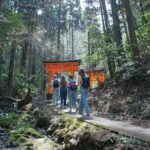
The main shrine stop is where the tour starts separating itself from the typical self-guided visit. You’ll spend time at Fushimi Inari Taisha (the tour notes the shrine admission is free) and then hike up the mountain through a hidden trail.
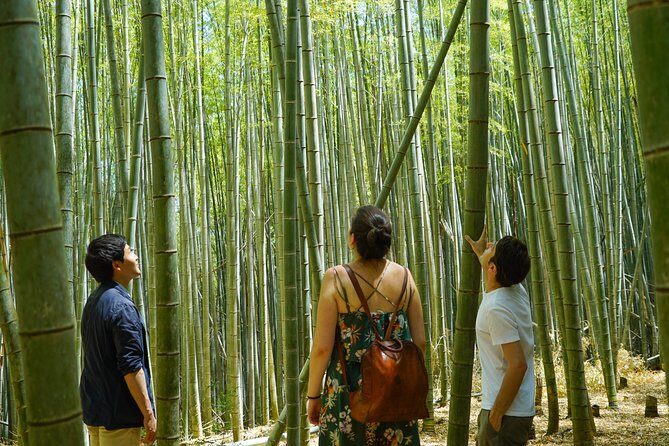
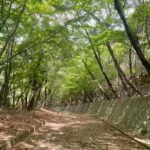
Here’s what that means in real-world terms. You cross narrow mountain paths, then you move into a natural bamboo forest. That bamboo section is one of the most satisfying “pause” moments of the tour because it changes the whole feel of the experience—cooler shade, fewer people in your immediate space, and a quieter visual world than the torii corridor at street level.
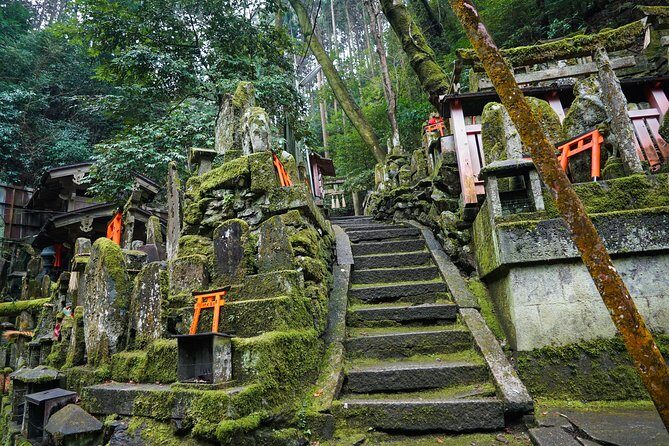
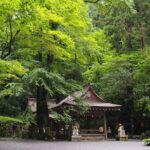
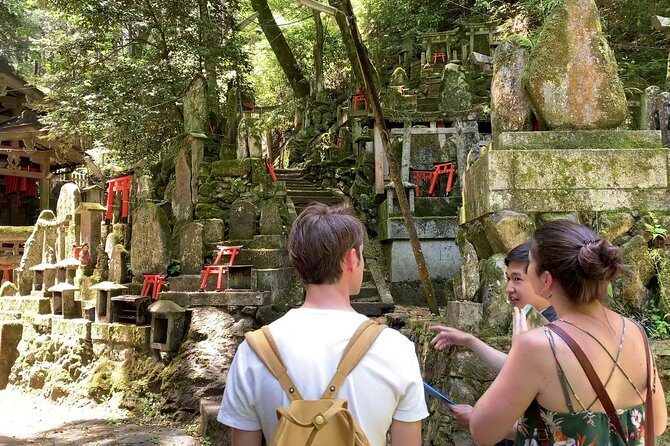
The tour also includes a small Inari shrine that’s off the usual tourist route. That’s a big deal if you care about the spiritual logic behind the torii gates and fox symbolism, because it connects the iconic images to smaller, more local shrine spaces. You’re not just watching the famous spot from the outside; you’re guided through how the mountain walk works as a religious journey.
You’ll also get the practical value of a certified guide (listed as a MagicalTrip guide). The guides I’m paying attention to here—based on the names you’ll hear on this tour—include people like Emi, Skito, Shin, Naru, Matt, and Yuko. The pattern is the same: they help with pace, route clarity, and explanations so the hike feels meaningful rather than like a workout with scenery.
From the mountain-top view to Fushimi-Momoyama Castle
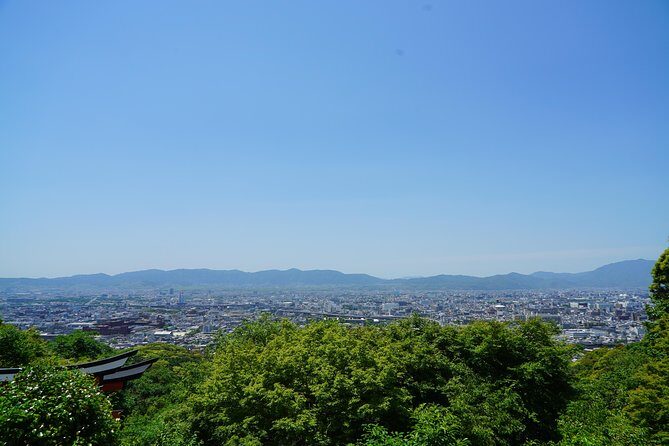
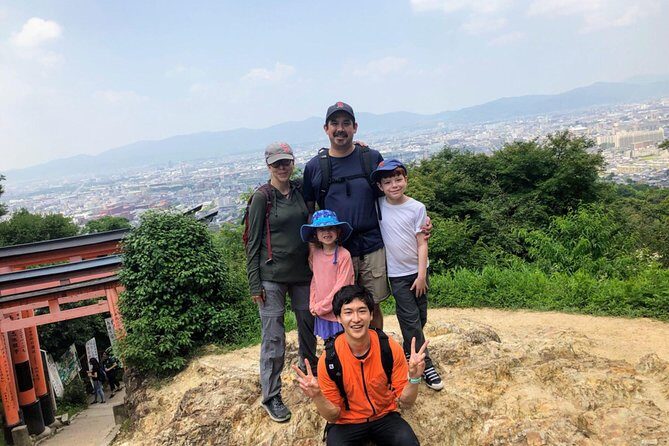
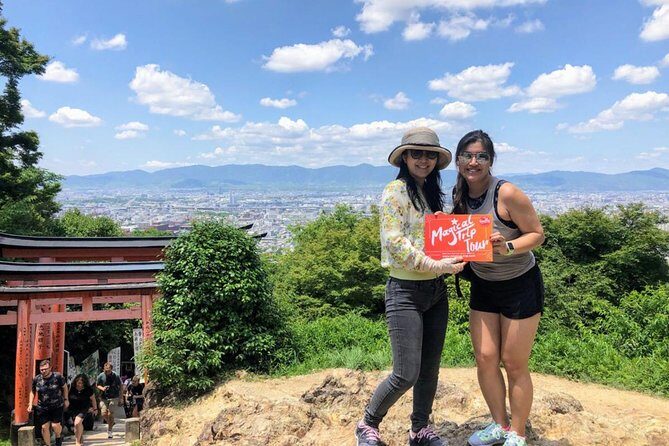
After you’ve enjoyed the shrine area and the quieter trails, the tour shifts to a payoff view. One of the stops is specifically timed for seeing the castle from the top of the mountain.
This part is where Kyoto stops feeling like a list of landmarks and starts feeling like a connected geography. The tour notes that the castle is associated with Hideyoshi, and that it was rebuilt under Ieyasu. Even if you’re not deep into Japanese history, that connection helps you look at the landscape differently—torii gates and shrines aren’t floating in isolation. They’re part of a bigger story about the region’s power centers and routes.
In plain terms: you climb, you catch your breath (and your photos), and then you enjoy the view from higher up before heading along the way back down. The view isn’t just pretty; it’s a reminder that you’re hiking in a real mountain environment, not inside an attraction warehouse.
What the 7 km distance really means for your hike day
This tour is described as not super difficult, but it’s not a casual stroll either. It’s about 7 km total, with uphill sections and some trail work that can feel more physical than you expect in a shrine area.
The reviews-linked pattern that matches the tour info is clear: you should plan for effort, not just walking. People note things like steep climbs up stairs and a lot of steps when moving through the lower shrine approach. That fits with the location—Fushimi Inari runs up a slope, and the “hidden trail” angle means you may encounter uneven ground.
I’d also take the footwear guidance seriously. The tour warns that the ground can be slippery, so wear shoes with good grip. If you’ve visited Kyoto in sandals before, this is your cue to upgrade your shoes for this day.
The good news: the tour includes regular stops, and you can typically go slower if you need it. Still, this isn’t ideal if your walking is limited or if you’re not in regular condition.
You can also read our reviews of more hiking tours in Kyoto
-150x150.jpg)

Bamboo forest timing: when the quiet feels like a cheat code
The bamboo forest stop is one of the reasons this experience stands out. Bamboo in Kyoto can look stunning in photos, but on the ground it’s about texture—shade, light through the leaves, and the soundscape of being away from roads and crowds.
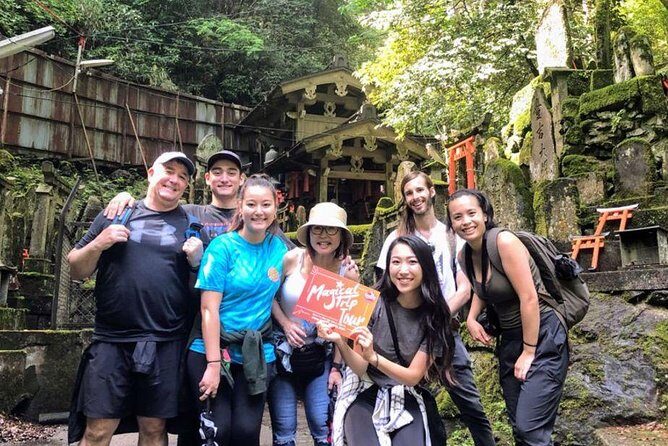
The hidden-trail approach can also make the timing feel like a trick. Instead of starting where everyone starts, you’re guided toward quieter sections first, and you often get more relaxed time with the environment. Many guides on this tour seem to emphasize photo moments too, and the tour includes tour photos during the tour, which is handy if you want images without constantly juggling your camera while walking uphill.
Also, the tour is designed for questions. Small group size matters here. If you wonder why fox motifs matter, how torii gates function beyond decoration, or what you’re seeing at smaller shrines, a guide can answer on the spot rather than you waiting until you find a signboard.
Weather, bugs, and the gear list that keeps the day enjoyable
This tour requires good weather. That’s not just fine print—if it rains, trails can get slick and the hike becomes less pleasant. The tour also calls out mosquitoes and bugs since you’re hiking in the mountain area.
So bring the practical stuff:
- Shoes with good grip for slippery sections
- Long sleeves and long pants for bugs
- Water, especially in summer heat and humidity
- A hat to reduce the risk of heat stroke
This is a Kyoto tour that rewards common sense. If you dress for city streets, you might feel underprepared. If you dress for walking outdoors in a humid zone, you’ll likely feel calmer and more confident.
And one more tip: plan your energy. This is about steady movement and a few steeper pushes, not sprinting. If you pace yourself and use the guide’s stop points, the hike becomes enjoyable rather than exhausting.
Value for $63.14: what you pay for (and what you don’t)
At $63.14 per person for about 3 hours, the value comes from several things working together.
First: you’re paying for a guide who handles navigation. Fushimi Inari’s trails are famous, but that doesn’t mean they’re easy to interpret once you leave the main paths. The tour specifically targets the fear of getting lost, and that’s a real value when you’re moving on narrower routes.
Second: you’re paying for time. A small group of up to 7 means you don’t get parked behind someone slow—or rushed by someone fast. That matters when you’re trying to experience the quiet parts without losing your whole day to waiting.
Third: you get tour photos included, which is a small cost saver in a city where you might otherwise pay for photo services. And the tour notes you’ll have a mobile ticket.
What’s not included is food and drinks. The tour is clear on that, so you’ll want to plan a snack or a drink for before or after. The hike is long enough to make hydration feel important.
Who should book this tour, and who should skip it
I think this tour fits you best if you want:
- A hiking-focused Kyoto experience, not just a shrine walk
- A route that prioritizes fewer crowds and quieter forest sections
- A guide who can explain what you’re seeing as you move
- The chance to approach the torii area from a less crowded angle
You might want to skip it if:
- Your walking tolerance is low or you avoid uphill steps
- You don’t have grippy shoes
- You’re not comfortable hiking on uneven, possibly slippery ground
- Bugs or heat are a problem for you unless you’re well-prepared
This is also a good choice if you’re already planning to spend time around Fushimi Inari and want a second layer to the visit—same destination, different route logic, and a more peaceful tone.
Should you book the Fushimi Inari Hidden Hiking Tour?
If you’re going to Kyoto and you’re excited about Fushimi Inari but tired of crowds, I’d book this. The price is reasonable for the combination of guidance, navigation help, and the quiet trail design. The bamboo forest, the hidden small shrine stop, and the mountain-top castle view are the kind of moments that feel hard to reproduce on your own without trial-and-error.
Just be honest with yourself about the hike. This is about 7 km of walking with uphill effort and stair sections, plus the need for bug and rain-ready preparation. If you show up with grippy shoes, water, and long sleeves, you’ll likely come away feeling like you saw a calmer side of one of Kyoto’s most famous places.
FAQ
How long is the Fushimi Inari Hidden Hiking Tour?
The tour is listed as about 3 hours.
What is the total hiking distance?
It’s approximately 7 km in total.
How many people are in the group?
The tour has a maximum of 7 travelers.
Where do I meet the guide?
You meet at FamilyMart Nakai Tofukuji in Kyoto (address provided in the tour details).
Where does the tour end?
The tour ends at Fushimi Inari Taisha (in front of the main shrine).
Is admission to Fushimi Inari Taisha included?
The tour info notes that the Fushimi Inari Taisha admission ticket is free.
What should I wear for this hike?
Wear shoes with good grip, and bring long sleeves and long pants because the hike goes through a mountain area where mosquitoes and bugs are possible.
Do I need to bring food and drinks?
Food and drink are not included, so you should plan your own.
Are tour photos included?
Yes. The tour includes tour photos during the tour.
What if the weather is bad?
The experience requires good weather. If it’s canceled due to poor weather, you’ll be offered another date or a full refund.
Can I cancel for a refund?
Yes. The tour offers free cancellation up to 24 hours in advance for a full refund.