REVIEW · WALKING TOURS
Kyoto: Toji Temple Walking Tour with Meditation Guide
Book on GetYourGuide →Operated by Hakumi Co., Ltd. · Bookable on GetYourGuide
Toji Temple quiets your mind fast. This Toji Temple walking tour pairs history with a real guided meditation, so you’re not just looking at buildings—you’re learning how the practice fits Japanese Buddhism.
I especially liked the way the guide, Roy, connects temple history to Japan’s cultural and spiritual story. You also get a clear sense of how different Buddhist schools work, instead of treating Buddhism like a single blur.
One thing to plan around: this tour is not suitable for people with mobility impairments, since it’s a walking visit inside the temple area.
In This Review
- Key highlights and why they matter
- Why Toji Temple fits a short, meaningful 60-minute tour
- Finding the SOUTH Gate (なんだいもん) and keeping the pace easy
- Founder impact and Japan’s Buddhist story you can actually picture
- Buddhist schools made simple, then the esoteric branch explained
- Guided meditation in a calm hall: what to expect and how to prepare
- Temple etiquette and the photography rule you should follow
- Practical details that affect your hour (and your comfort)
- Price and value: $35 for history plus guided meditation
- Who this Kyoto meditation tour is for (and who it isn’t)
- Should you book the Toji Temple walking tour with meditation guide?
- FAQ
- Where is the meeting point for this tour?
- How long is the Kyoto Toji Temple walking tour?
- What languages are available for the live guide?
- Is the entry fee included in the tour price?
- Are pets or smoking allowed?
- Is photography allowed inside the temple buildings?
Key highlights and why they matter
- Meditation guided for all levels, from total beginners to longtime meditators
- Roy’s Buddhism-and-history context helps you understand what you’re seeing
- Esoteric Buddhism explained with practical focus, not just theory
- A tranquil meditation hall that feels quieter than the usual tourist routes
- Small group format limited to 1 participant, so you get personal attention
- Photography rules are temple-wide, so you’ll know what’s okay before you start
Why Toji Temple fits a short, meaningful 60-minute tour
Kyoto has plenty of long temple days. This one is built for a tighter schedule: 1 hour, walking, with a meditation component. That time format matters because it keeps you focused. You’ll spend less energy on figuring out what matters, and more time on absorbing the spiritual and historical context.
Toji also has a specific kind of atmosphere—calm, grounded, and easy to slow down in. Even if you know nothing about Buddhism, the tour is set up to bring you in gently. The goal isn’t to turn you into a scholar. It’s to help you understand the ideas enough to practice them, even briefly, while you’re there.
And because it’s a World Heritage site, you’re not just ticking a sightseeing box. You’re seeing a major temple through a guided lens that turns the visit into something you can remember.
You can also read our reviews of more walking tours in Kyoto



Finding the SOUTH Gate (なんだいもん) and keeping the pace easy
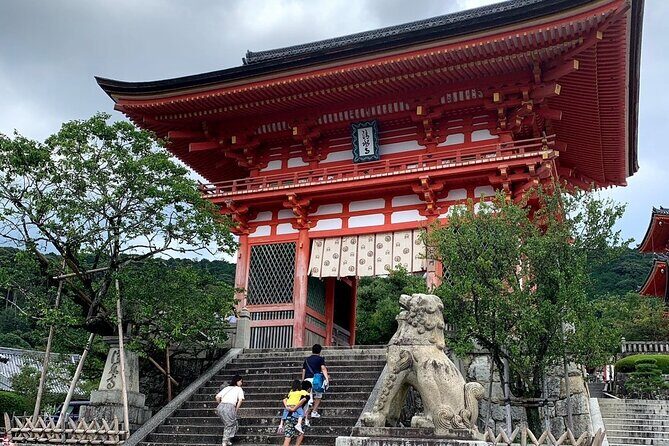
You meet at Toji Temple’s SOUTH Gate (なんだいもん) on the south side of the complex. Arrive 10 minutes early so you can start smoothly instead of rushing at the last second.
Since the tour is a walking visit, wear comfortable clothing that works for temple grounds. Bring practical shoes. You’ll be spending the hour moving and then settling into a meditation space—so you want to avoid anything that restricts your legs or makes sitting uncomfortable.
The group is small, and it’s listed as limited to 1 participant. That means your guide can adjust the pace and explanation to you. If you’re curious, you’ll have room to ask. If you’re new to meditation, you won’t get stuck in a lecture that’s too advanced.
Founder impact and Japan’s Buddhist story you can actually picture
The tour starts with the basics that many temple visits skip: why the temple matters. You’ll learn about Toji Temple’s history and the role of the temple’s founder in shaping Japan’s culture, society, and spirituality.
What I like about this approach is that it makes the temple feel connected to real people and real history—not just old stones. When you hear how one person’s vision influenced the spiritual landscape, the buildings stop being random. They become part of a larger story of ideas spreading, adapting, and taking root.
From there, you get orientation in the bigger Buddhist world. Instead of treating Buddhism as one single tradition, the guide explains the different Buddhist factions (schools) and how their practices can differ. For you, that’s useful because it changes how you interpret what you see. You start noticing that practice is the point, not the decoration.
Buddhist schools made simple, then the esoteric branch explained
One of the tour’s strongest themes is comparison: the guide walks you through different Buddhist schools and then focuses on the esoteric branch and what makes it spiritually significant.
This is the part that turns a normal temple walk into something more thoughtful. Esoteric Buddhism has a reputation for feeling mysterious, and that can scare off beginners. Here, the tour is designed to make it understandable. You learn how the esoteric approach differs from other branches in terms of spiritual focus and related practices.
Even if you don’t know the terminology, you still benefit. The guide frames it as a practical way of working with the mind and the experience of spirituality. That helps you connect the ideas to what you’ll do during the meditation portion later.
If you are already into meditation, you’ll likely appreciate the way the tour doesn’t just say esoteric equals secret. It ties it back to why practice matters and how meditation fits into a broader tradition.
Guided meditation in a calm hall: what to expect and how to prepare
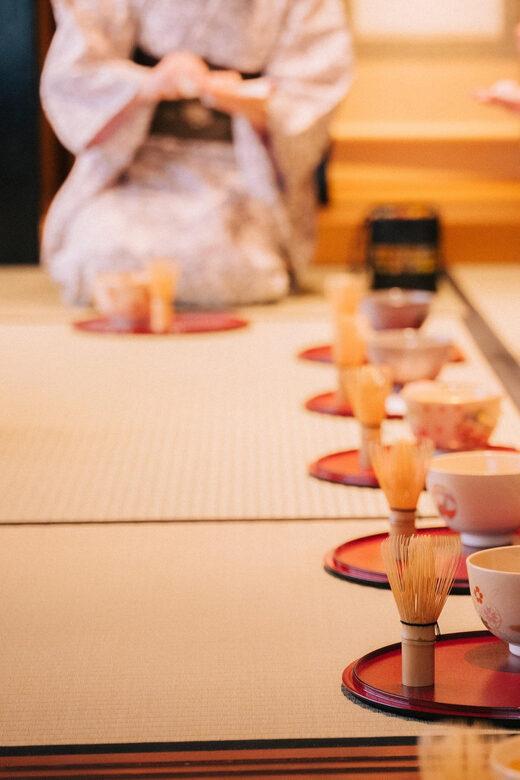
The meditation experience is one of the most praised parts of this tour, and it makes sense. You’re not left alone with a vague instruction and a stopwatch. It’s guided for different levels, from people with zero background to those who already meditate regularly.
You’ll sit in a tranquil meditation hall that feels calmer and less crowded than what you may expect from typical tourist-heavy spots. That quiet tone matters. In many temples, it’s easy to feel like you’re moving through crowds and noise. Here, the environment supports slowing down.
How should you prepare? Keep it simple:
- Wear clothing that lets you sit comfortably.
- Be ready to follow the guide’s pacing and instructions.
- Don’t worry about doing it perfectly; the aim is to practice with support.
A small group format helps too. When you have more individual attention (because it’s limited to 1 participant), the guide can steer you if you’re unsure how to sit or how to focus. That’s also where beginners benefit the most—meditation can feel intimidating until someone makes it approachable.
If you’re a long-time meditator, you’ll probably enjoy the contextual aspect. The meditation isn’t floating in the air. It’s linked to the explanations you hear earlier about Buddhist schools and esoteric practice.
You can also read our reviews of more guided tours in Kyoto




Temple etiquette and the photography rule you should follow
This is one of those tours where basic etiquette will make everything smoother. Smoking isn’t allowed, and pets aren’t allowed. Inside temple buildings, photography is not allowed, but outdoor photos are allowed—just be respectful.
I suggest you plan your photo habits before you arrive. If you’re the type who wants lots of interior shots, you’ll be disappointed here. But if you’re happy taking exterior views and focusing on the atmosphere and meditation space, you’ll get what you came for.
Also, bring a mindset that fits the setting. The tour is about practice and respect, not speed-running through sights.
Practical details that affect your hour (and your comfort)
This tour is 1 hour, and everything is geared toward fitting into that window. That means you should keep your expectations realistic:
- You’ll get a guided structure, not a self-paced temple tour.
- You’ll learn enough to understand the meaning behind the visit, not everything there is to know.
Because entry fee, meals, and transportation aren’t included, you’ll want to plan around that. Check what you personally need for the temple area day-to-day, and make sure you have a plan to get there.
You should also budget for snacks and drinks outside the tour window if you need them. The tour doesn’t include meals, so don’t assume there will be time for a stop.
Lastly, this tour is not suitable for mobility impairments. It’s a walking experience in a temple environment, and the meditation is likely done in a seated format. If mobility is a concern for you, you’ll be happier choosing a different option with clearer step-free access.
Price and value: $35 for history plus guided meditation
At $35 per person for a 1-hour session, the main question is value: are you paying for the convenience of a guide, or for something more?
In this case, you’re paying for two things at once:
1) A guided explanation of Toji’s history, the founder’s impact, and how Buddhist schools compare.
2) A supported meditation experience that works for different experience levels.
That blend matters because a lot of temple tours give you history but leave the spiritual practice to chance. Here, the practice is part of the package. And with the group format listed as limited to 1 participant, the guide attention is likely more personal than you’d get in a big group.
So if you like to travel with meaning—if you want to understand what you’re seeing and also do something with that understanding—this price can feel fair. If you’re only after photos and quick highlights, you might find you’d rather put your money toward independent exploration. But if you want guided meditation in context, this is a clean, focused way to spend an hour.
Who this Kyoto meditation tour is for (and who it isn’t)
This tour fits best if you want:
- A short Kyoto temple experience that still feels like more than sightseeing
- A clear guide to Buddhist concepts, including esoteric Buddhism
- Meditation support that’s not only for experts
- Personal attention in a small group limited to 1 participant
It may not fit you if:
- Mobility limitations make walking or seated meditation difficult
- You’re hoping to take photos freely inside buildings (the rule is no indoor photography)
- You want a long, open-ended temple wander with lots of free time
If you’re traveling solo, this setup can be especially appealing. You get the structure and the guidance without competing with a large group for attention.
Should you book the Toji Temple walking tour with meditation guide?
I’d book it if you want a Kyoto temple visit with a real point of view. The standout strengths are Roy’s Buddhism and history framing and the guided meditation experience in a quiet, less crowded hall. It’s not just “see Toji Temple.” It’s understand why it matters, then practice with a guide.
I’d skip it if mobility is an issue for you, or if your priority is maximum photo freedom indoors. The tour has rules for a reason, and it’s designed around respect and meditation—not sightseeing chaos.
If you like structured experiences, this one is a good fit. And if you want to keep your plans flexible, it’s offered with free cancellation up to 24 hours in advance and a reserve now, pay later option.
FAQ
Where is the meeting point for this tour?
You meet at Toji Temple’s SOUTH Gate (なんだいもん) on the south side of the temple.
How long is the Kyoto Toji Temple walking tour?
The tour lasts 1 hour.
What languages are available for the live guide?
The live tour guide offers English and Chinese.
Is the entry fee included in the tour price?
No. The entry fee is not included.
Are pets or smoking allowed?
No. Pets are not allowed, and smoking isn’t allowed.
Is photography allowed inside the temple buildings?
Photography is not allowed inside temple buildings, but outdoor photography is allowed as long as you’re respectful.