REVIEW · HIKING & TREKKING
Hiking Tour for Sacred Sites in Kyoto with a Guide
Book on Viator →Operated by MY Travel Consulting · Bookable on Viator
A temple-to-temple hike with real spiritual meaning. This 8-hour Sacred Sites day pairs Mt. Kurama nature with Kifune Shrine spirituality in one efficient run north of Kyoto. I like the guided interpretation from a National Licensed English speaking guide (so you’re not just walking past places), and I like the steady, family-friendly rhythm of the walk down toward Kibune. One thing to consider: this is still a mountain hike, and the route is best for people with moderate fitness.
You’re also not stuck navigating transfers alone. You’ll use public transit from Kyoto Station, with pickup offered, and you’ll get a mobile ticket so you can keep things moving. One family shared that their kids ages 15 and 7 kept up with the pace, even with rain—so it’s not designed to be a suffer-fest.
The day does run long, and lunch is on you. If you’re expecting a slow cultural stroll only, you might want to adjust your expectations. But if you want a morning-and-afternoon mix of hiking trails and shrine/temple stops, this plan is a strong value for a guided experience.
In This Review
- Key highlights you’ll feel on the day
- A sacred-sites day north of Kyoto: Kurama, Kibune, and Kifune
- Kyoto Station to Kurama Station: the ride that sets the tone
- Kurama-dera: Buddhist temple time with a real mountain setting
- Mt. Kurama to Kibune hike: 4 km, about 1.5 to 2 hours, and a pace that works
- Kifune Shrine: water deities, calm views, and a good ending
- Kokusaikaikan Station transfer and back to Kyoto Station
- Price and value: what you’re paying for at $250 per person
- Guide-led meaning: how interpretation changes the walk
- What the 8-hour schedule feels like (and how to plan your day around it)
- Private tour format: only your group, so pace can stay human
- Who should book this Kyoto hiking tour (and who may want a different option)
- Practical tips that make a big difference on Kurama to Kibune
- Should you book this tour?
- FAQ
- How long is the tour in total?
- What is the price per person?
- How long is the hike from Mt. Kurama to Kibune?
- Are admission fees included?
- Is lunch included?
- Do you get pickup?
- Is this a private tour?
- What fitness level do I need?
- Can the guide accommodate dietary restrictions?
- What is the cancellation policy?
Key highlights you’ll feel on the day
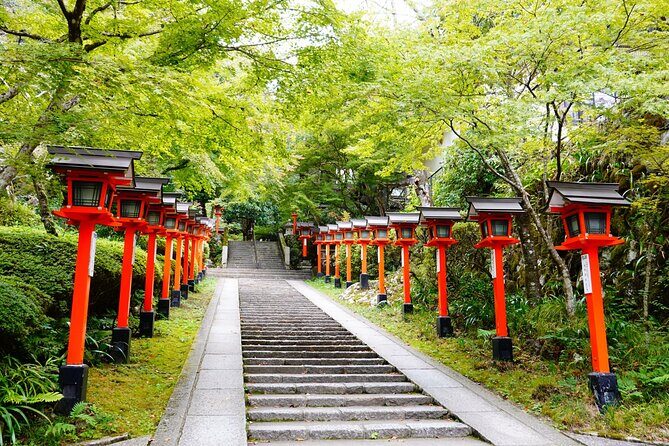
- Kurama to Kifune in one sweep: temples, shrine, and a scenic mountain path without backtracking
- National Licensed English guide interpreter: clear context for what you’re seeing
- 4 km hike, about 1.5 to 2 hours: enough time to enjoy the trail without exhausting your whole day
- Temple/shrine admissions included: Kurama-dera and Kifune Shrine are covered
- Public transit built into the plan: train + bus connections included, less guessing
- Private tour format: only your group, so pacing and questions can stay personal
A sacred-sites day north of Kyoto: Kurama, Kibune, and Kifune
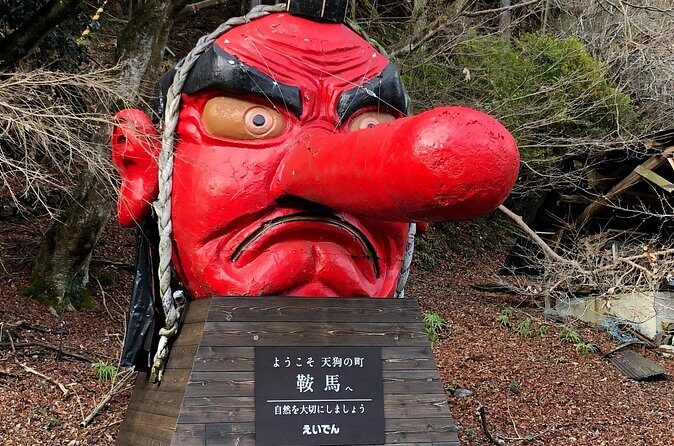
Kyoto has plenty of shrine stops, but this kind of day feels different because the places are strung together by a hike. You’re not just doing checkboxes. You’re moving through the north Kyoto mountain area, shifting from Buddhist temple calm to Shinto shrine atmosphere while you walk.
The trail portion is the glue. The walk between Kurama and Kibune is famous for its scenery and forest paths, and it’s short enough to stay relaxed. That matters, because the guide can spend time explaining meaning and history at the stops rather than managing an overly demanding climb the whole day.
This is also a “spiritual plus fresh air” experience. When you get tired of city crowds, the mountains add breathing room fast. And when you return toward Kyoto, you bring the day’s calm with you.
You can also read our reviews of more guided tours in Kyoto


Kyoto Station to Kurama Station: the ride that sets the tone
Your day starts at Kyoto Station Building, then you take trains north to Kurama Station. The schedule gives about 2 hours for this part, which is useful because it reduces the stress of rushing through transit on your own.
Practical takeaway: Kyoto Station is busy, but it’s also your safety net. If you’re using this tour as your “transport plan,” you’ll spend less time worrying about which train goes where. Pickup is offered too, so if you’re staying a bit outside the station area, it can make the start smoother.
Once you reach Kurama, you’re ready to shift gears from transit mode into mountain mode. That’s the big advantage of starting with the train: you arrive already oriented for the day.
Kurama-dera: Buddhist temple time with a real mountain setting
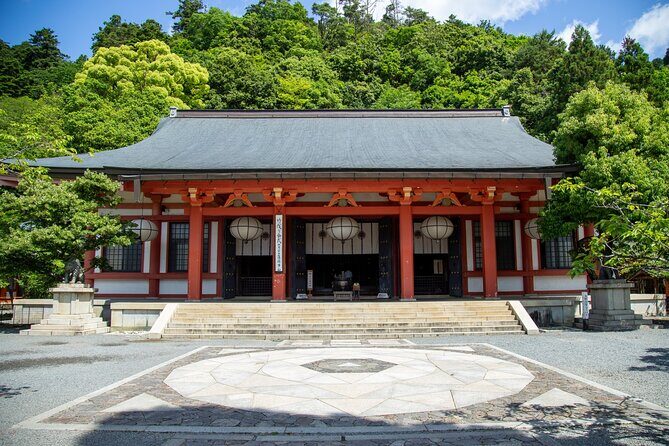
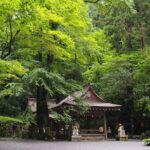
Next stop is Kurama-dera, a historic Buddhist temple tucked into the mountains north of Kyoto. You’ll have about 1 hour here, and the admission fee is included. The setting is part of the experience: it’s quieter, cooler, and more grounded than many central Kyoto temple visits.
What I like about including this stop on the same day as the hike is how the energy changes. At Kurama-dera, you’re in a place meant for contemplation. Then you step out and your body starts doing what your mind just quieted—walking through the forest trail afterward.
A small consideration: the temple grounds are still outdoors and on foot in spots, so if weather is rough, wear shoes you trust. This isn’t a “sit and watch” activity. It’s an on-the-ground temple visit.
Mt. Kurama to Kibune hike: 4 km, about 1.5 to 2 hours, and a pace that works
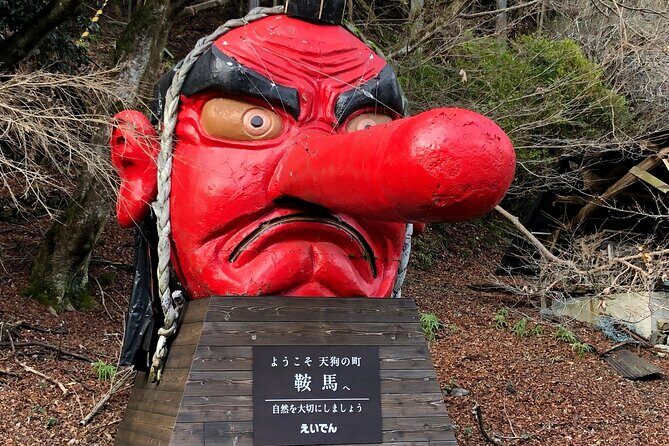
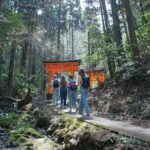
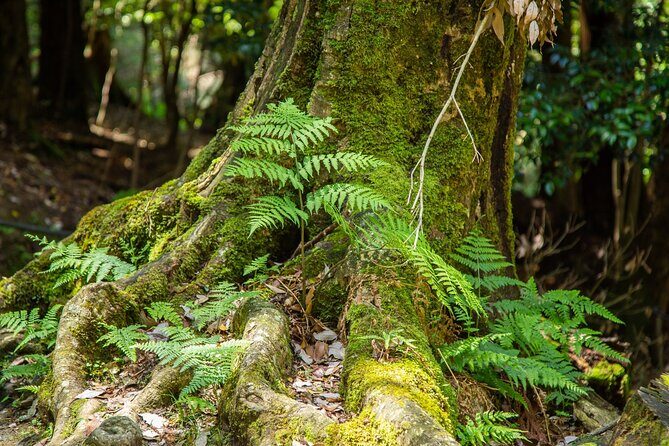
This is the heart of the tour. The hike from Mt. Kurama to Kibune is about 4 kilometers and takes roughly 1.5 to 2 hours. It’s known for scenic views and serene forest paths, plus little cultural moments along the way—exactly the kind of “between stops” time that makes a guided hike worth it.
Why the timing matters: 1.5 to 2 hours is long enough to enjoy the trail, but short enough that you don’t feel like you’ve traded the rest of your day for the walk. It also helps keep the overall plan balanced, so temple and shrine time doesn’t get squeezed into the last minutes.
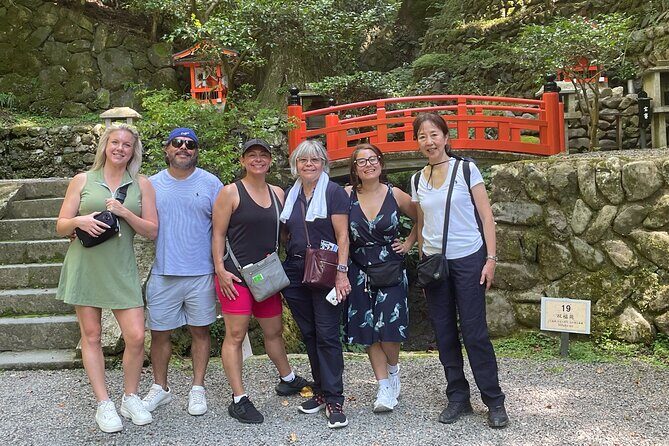
Pace is also a big deal here. One family doing the tour described the walk as well paced and said both their 15- and 7-year-old children could keep up. That doesn’t mean this is for every kid or every fitness level, but it does suggest the day is organized for real-life humans—not only athletic hikers.
What to expect on foot: the route is a popular scenic trail, so it’s not just a random pathway. Still, it’s a mountain area, so plan on uneven ground and steady movement. Bring comfortable footwear and take your time at any slower sections.
Kifune Shrine: water deities, calm views, and a good ending
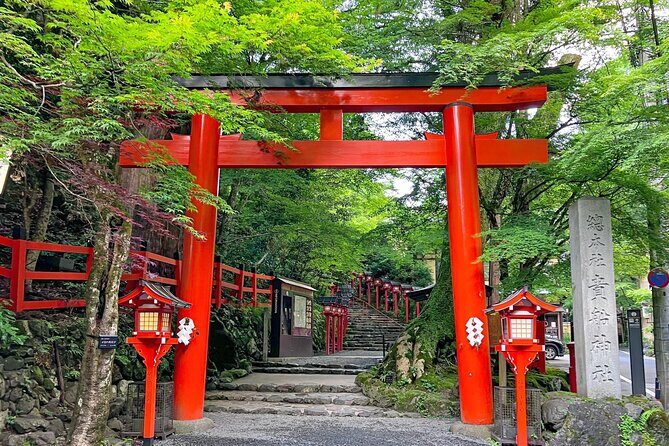
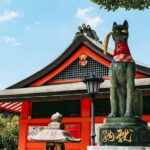
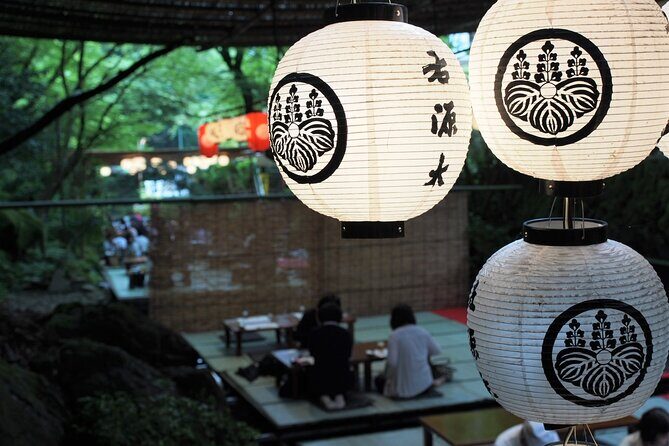
After the hike, you finish the spiritual portion at Kifune Shrine (Kifune-jinja) in the village of Kibune. You get about 1 hour, and admission is included. The shrine is especially known for its connection to water deities, and it has a picturesque setting that feels peaceful right after time on the trail.
I like this ending because it turns the hike into more than exercise. You arrive at a place where the meaning ties into the region itself. Water worship is part of why Kifune is culturally important, and the guide helps connect that idea to what you’re seeing.
One drawback to keep in mind: since you’re ending your day at a shrine after a hike, people who need lots of seating or who get tired quickly may want to plan extra pacing. The tour gives you an hour, but you’ll still want to move at a comfortable tempo.
You can also read our reviews of more hiking tours in Kyoto
-150x150.jpg)
Kokusaikaikan Station transfer and back to Kyoto Station
To wrap up, you head from Kibune-guchi Station by bus, transfer at Kokusaikaikan Station, and continue back to Kyoto Station. This part takes about 2 hours, and there’s an admission/transport cost listed around 740 JPY per person, which is included.
This transfer segment is underrated. It’s where independent travel trips often go sideways: wrong bus, missed connection, or time running out for the return train. Here, the transit steps are built into the schedule, so you keep the day’s flow.
If you’re the type who likes to keep the last hour relaxed, this is a good feature. You’re already tired from walking, and a planned return helps you avoid feeling rushed.
Price and value: what you’re paying for at $250 per person
At $250 per person, this isn’t a bargain-basement Kyoto day tour. But it also isn’t just you getting dropped off at temples. You’re paying for a guided route that combines:
- A National Licensed English speaking guide interpreter
- Admission fees included for Kurama-dera and Kifune Shrine
- Public transportation fees included for the transit links
- A private tour format (only your group)
So your money goes into three big buckets: interpretation, access, and logistics. That’s the value equation. If you did this on your own, you’d still need to cover transportation and admissions, and you’d have to translate on the fly. A guide helps you understand why these places matter, not only where they are.
What you still need to budget: lunch isn’t included, and it’s typically 10–20 USD. If you care about eating well, plan to choose something simple and close to your route rather than trying to solve it at the last minute.
Also, group discounts are available, which can make a shared trip feel more reasonable if you’re traveling with friends or family.
Guide-led meaning: how interpretation changes the walk
This tour is led by a National Licensed Guide Interpreter in English. That matters because sacred sites can feel like scenery if you don’t know what you’re looking at. With a guide, you’re more likely to notice symbols, learn the logic behind practices, and connect the spiritual theme (Buddhist temple and Shinto shrine) to the region.
The review details give you a sense of style. Mark was called lovely and very well informed about the region and Kyoto overall. The big practical part: he helped keep the day moving at a good pace, and families with kids stayed engaged.
One more point: the tour is described as a sample itinerary. That means it’s not locked into a rigid checklist. If you have particular interests, you can request adjustments, and the provider says they can arrange the tour based on what you want. That flexibility is a quiet value add.
What the 8-hour schedule feels like (and how to plan your day around it)
The day runs about 8 hours. It’s long enough to cover transport, two major sacred stops, and the full hike—but structured enough that it doesn’t feel like a forced march.
Here’s a realistic mental model:
- You start with train time from Kyoto Station
- You spend your first spiritual stop at Kurama-dera
- You hike for roughly the middle chunk of the day
- You end with Kifune Shrine
- You return to Kyoto by bus and transfer
If you’re trying to fit other Kyoto sights on the same day, be careful. This plan owns the day north of the city. Trying to stack extra stops can turn a calm hike into a timing puzzle.
Private tour format: only your group, so pace can stay human
This is listed as a private tour/activity, meaning only your group participates. That’s a big deal on a hike like this. You get less pressure from a fast-moving crowd, and your guide can respond to your pace, questions, and comfort level.
Pickup is offered, and the tour is near public transportation, so you’re not stuck in a complicated “meet only at one remote spot” setup. Mobile ticketing also reduces friction—less paperwork, more time to focus on the day.
Who should book this Kyoto hiking tour (and who may want a different option)
This tour is a good fit if you want:
- A guided Kyoto nature + sacred sites day without having to plan transit
- A moderate hiking effort (about 4 km) with time for temple/shrine stops
- English interpretation so the spiritual context lands clearly
- A day that can still work for families (including kids who can handle 1.5–2 hours of walking)
You might reconsider if:
- You’re looking for a short, minimal-walking sightseeing day
- You don’t feel comfortable with a mountain trail pace for the middle portion
- You want lunch included in the price
The provider states the tour is for people with moderate physical fitness, so honestly assess your comfort before booking.
Practical tips that make a big difference on Kurama to Kibune
This is one of those days where small preparation pays off.
- Wear shoes you trust on a trail. The hike is short, but it’s still outdoors and mountainous.
- Pack for weather. One family shared they did the hike even with rain. You may not get to control the forecast, so bring a rain layer and plan for slippery moments.
- Bring a light personal snack or water if you’re the type who gets hungry between the temple and shrine stops. Lunch is not included.
- Decide how you’ll handle photos. The best moments are likely on the hike and at shrine/temple areas. Give yourself room to stop, not only to move.
- If you have dietary needs, tell the provider at booking time. They say they can accommodate things like vegetarian, vegan, and gluten-free.
Also note: the itinerary might change due to weather or other reasons. That’s normal for mountain routes. If your schedule is tight, keep your flexibility in mind.
Should you book this tour?
If you want a Kyoto day that mixes sacred sites with a real hiking segment, I think this is a smart booking. The biggest reasons: you get English interpretation, admissions are included for the key stops, and the public transit logistics are handled so you can focus on the experience.
I’d book it if your group includes adults who want meaning, and kids or mixed-fitness people who need a manageable hike. The schedule is built around the 4 km walk plus temple/shrine time, and the pacing is designed to keep the day enjoyable rather than exhausting.
Skip it if you want a purely urban Kyoto day, or if you’re not comfortable with a moderate mountain trail. In that case, you’ll probably feel like the hike portion is more effort than payoff.
FAQ
How long is the tour in total?
The tour is approximately 8 hours.
What is the price per person?
The price is $250.00 per person.
How long is the hike from Mt. Kurama to Kibune?
The hike is about 4 kilometers and takes around 1.5 to 2 hours.
Are admission fees included?
Yes. Admission fees are included for Kurama-dera and Kifune Shrine (and the listed charges for the transit segment).
Is lunch included?
No. Lunch is not included, and you should budget about 10–20 USD.
Do you get pickup?
Pickup is offered.
Is this a private tour?
Yes. It’s private, and only your group will participate.
What fitness level do I need?
You should have moderate physical fitness.
Can the guide accommodate dietary restrictions?
Yes. Dietary restrictions such as vegetarian, vegan, and gluten-free can be accommodated if you indicate them at booking.
What is the cancellation policy?
Free cancellation is available. You can cancel up to 24 hours in advance for a full refund.