REVIEW · EVENING EXPERIENCES
Kyoto Gion Night Walk & Geisha District Guided Tour
Book on Viator →Operated by TripGuru · Bookable on Viator
Gion turns magical the moment the lights blink on. This small-group Kyoto evening walk keeps things calm, with an English-speaking guide and a route built for seeing the geisha district at its best.
I also like that you’re not stuck in a giant herd. You get a real guide-led pace, plus time for side streets that most people miss.
One heads-up: the tour runs during prime dinner hours, so you can finish hungry and chilly if you’re in thin layers.
In This Review
- Key takeaways before you go
- Gion at Night: Why This Walk Works Better Than a Daytime Stroll
- Small-Group Pace and the Real Value of an $18 Evening
- Where You Meet and How to Find Your Group Fast
- Stop One: Gion for Two Hours of Lantern-Lit Walking
- Hanamikoji Street: The Historic Lane You Can Actually Follow
- Yasaka Shrine (Gion Shrine): Culture, Customs, and the End-of-Walk Feeling
- Geisha and Maiko Sightings: How to Think About Luck on This Route
- What’s Included (and What Might Depend on Your Ticket)
- Comfort Tips: Cold Nights, Walking Shoes, and Timing Your Dinner
- Private Upgrade Options for a More Calm, Personalized Evening
- Should You Book This Kyoto Gion Night Walk?
- FAQ
- How long is the Kyoto Gion Night Walk?
- Where does the tour start and where does it end?
- How many people are on the tour?
- Do I need to speak Japanese?
- Are admission tickets included?
- Is a snack and water included?
- Is hotel pickup or drop-off included?
- What should I wear for the night walk?
- What happens if the weather is bad?
- What is the refund/cancellation window?
Key takeaways before you go
- Max 9 per outing keeps the walk feeling personal, even though the overall activity can list up to 25 travelers
- English-speaking guides earn praise for clear explanations and patient answers, including names like Zied, Shingo, and Jasmine
- Gion at night is the whole point: lanterns, old lanes, and quiet corners over a couple focused hours
- Hanamikoji Street plus Yasaka Shrine give you historic context in short, manageable chunks
- Some stops include admission tickets where listed (Gion is free; other stops show included admission)
- If you want a calmer experience, the tour offers a private upgrade in multiple languages
Gion at Night: Why This Walk Works Better Than a Daytime Stroll
Kyoto’s Gion district is famous, but daytime can feel like a museum label: lots of people, lots of signs, not much sense of rhythm. At night, the lane lighting does the heavy lifting. You start to see why this area has always been about evening culture—slow steps, candle-like glows, and quiet traditions.
That’s also why the route timing matters. You’ll spend the longest portion in Gion after the sun goes down, which makes the streets feel more readable and less chaotic. If you’re the type who wants atmosphere more than checkboxes, this is a solid match.
The guide is the other big reason it works. Multiple guide names come up in strong feedback—people like Zied and Shingo for being easy to talk with, and Jasmine for answering questions with patience. A good guide helps you understand what you’re looking at without drowning you in trivia.
You can also read our reviews of more walking tours in Kyoto


Small-Group Pace and the Real Value of an $18 Evening
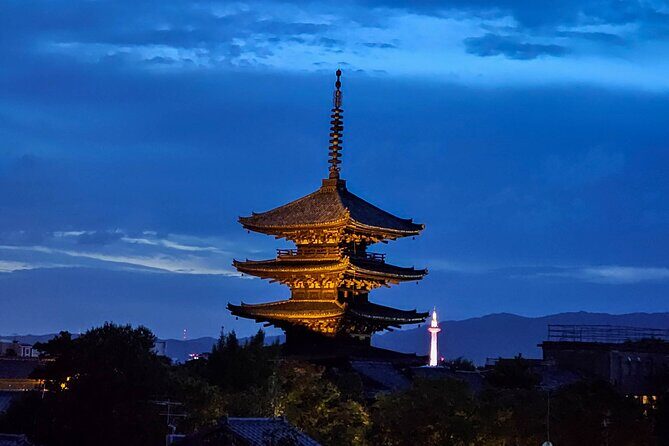
This tour is priced low for Kyoto, especially for a guided night walk that lasts about 3 hours. For $18 per person, you’re paying mainly for two things: a human translator of the culture and a route that’s built for walking efficiently between highlights.
The small-group promise is a big part of the value. The tour description says no more than 9 people per outing, which is the difference between asking a question and just thinking it. Reviews also mention groups around that size, and the general praise points to guides actually looping everyone into the explanation rather than rushing past.
You also have flexibility. The tour is described as accepting last-minute bookings, and it uses a mobile ticket. That matters if your Kyoto plans shift once you’re on the ground and you want to plug in one evening experience without a big commitment.
If you’re the kind of traveler who hates slow-moving photo jams, choose the small-group version when possible. It will feel like a night walk with a guide, not a factory line.
Where You Meet and How to Find Your Group Fast
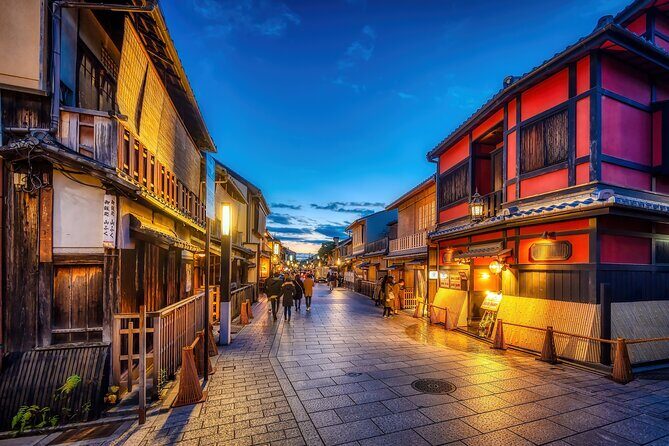
The start point is Kyoto Kawaramachi Garden, address listed as 68 Shinchō, Shimogyo Ward, Kyoto. The walk ends at Sanjō Ōhashi Bridge (Ohashicho, Nakagyo Ward, Kyoto).
This is the one logistics detail worth double-checking in advance, because one review called the meeting spot confusing due to multiple groups on a busy street. My advice: show up a bit early, stand slightly back from the main flow, and scan for your tour signage or guide presence. If you’re traveling with a companion, agree on a single meeting strategy before you arrive.
No hotel pickup or drop-off is included, so plan on using public transit and walking the last bits yourself. Since it’s near public transportation, you shouldn’t feel stranded—but you will still do some city-walking.
Stop One: Gion for Two Hours of Lantern-Lit Walking
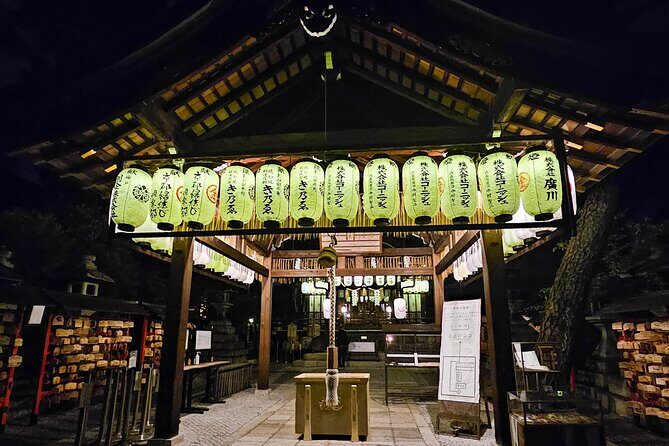
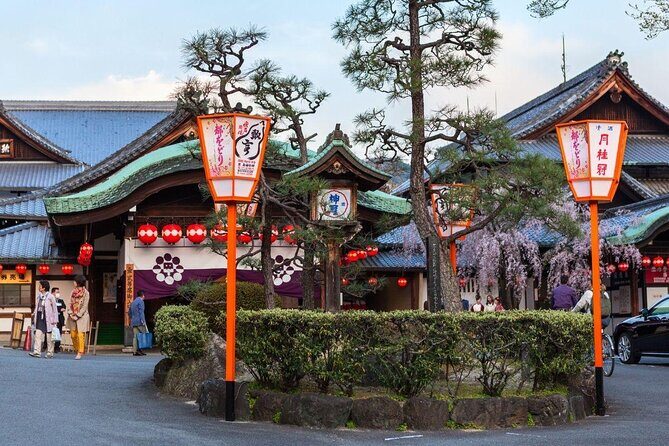
Your first stop is Gion, with about 2 hours scheduled there. This is where the “Kyoto at night” part becomes real. You’ll be moving through the geisha district’s lanes with the lights on, which changes everything: faces feel warmer, storefronts feel less commercial, and the backstreets feel less like a set and more like a neighborhood.
The tour description also promises offbeat temples and shrines that most tourists don’t know to visit. Even when you only catch a glimpse of quiet spots between restaurants, it helps build a sense of place. Gion isn’t just about the famous streets; it’s also about the network of small routes that connect everything.
A practical note: Gion after dark is often slower, quieter, and a bit more atmospheric, but some streets may be less active depending on the night and the calendar. One review specifically suggested going on a non-national-holiday for a better experience, which tracks with how Kyoto crowds work.
Hanamikoji Street: The Historic Lane You Can Actually Follow
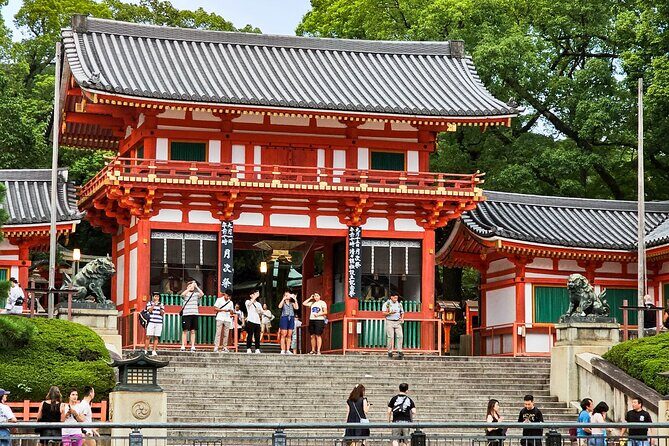
Next up is Hanamikoji Street for about 30 minutes. This part is built for clarity: you get a guided walking look at one of the best-preserved historic streets in the area, rather than trying to figure it out on your own while dodging crowds.
Hanamikoji is also where many people hope to see a geisha or maiko, but here’s the reality check: spotting someone is never guaranteed. The tour value is still the context—how the street is laid out, what to look for, and why the traditions are structured the way they are.
Some guides are especially good at pointing out details and answering questions without making you feel rushed. Reviews credit guides like Naoki and Raphael for making the district feel understandable, not just scenic.
If you’re hoping for photos, this is also likely the portion where you’ll take the most pictures. Keep your phone settings ready and remember that night lighting can make faces look different than daytime. Slow down, watch, and only lift your camera when it feels appropriate.
You can also read our reviews of more guided tours in Kyoto



Yasaka Shrine (Gion Shrine): Culture, Customs, and the End-of-Walk Feeling
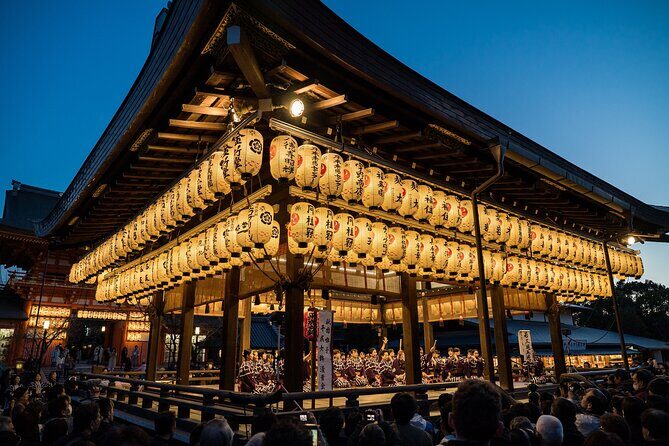
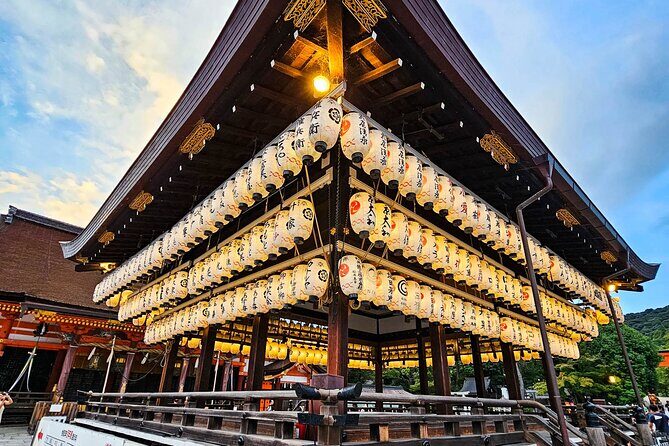
Your final guided stop is Yasaka Shrine, also noted as Gion Shrine, for about 30 minutes. Short stops like this work well at night because you’re not stuck trekking in the cold for hours without a clear payoff.
This part is more than scenery. The tour description highlights history, architecture, and customs, and the goal is to give you a deeper understanding of Japan’s traditions. Even if you’ve seen plenty of shrines in Kyoto already, Yasaka gives you another layer of context for why this district matters culturally—not just aesthetically.
Timing is important here. Because the whole tour lasts about 3 hours and ends at a bridge, you may feel your energy taper off late in the walk. Plan for it: wear shoes that handle uneven sidewalks, and treat the end-of-walk site as the moment to pause, not to sprint for one last photo.
Geisha and Maiko Sightings: How to Think About Luck on This Route
One of the reasons people book a Gion night walk is the possible sighting of a maiko or geisha. The tour description says you may even see one if you’re lucky, and that matches how this works in real life.
So what can you do to improve your odds without losing your sense of the experience?
- Walk patiently and keep your distance. You’re aiming to observe, not interrupt.
- Don’t assume sightings happen at only one moment. The district’s flow can change hour to hour.
- Use the guide’s cues. Good guides help you understand what you might be seeing from a distance.
In the reviews, people do report sightings—one wrote about seeing 芸者 and two 舞妓 near Hanamikoji Street, and others mention geisha-themed highlights. But even when you don’t spot anyone, you still get something worth paying for: the explanation that makes the district’s signs and structures make sense.
What’s Included (and What Might Depend on Your Ticket)
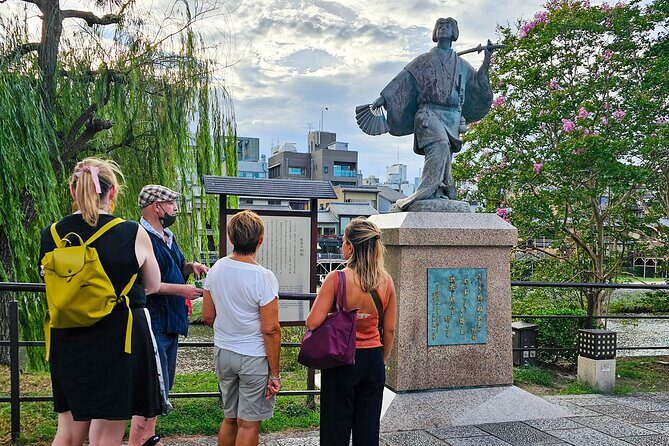
You’ll get an English-speaking tour guide and a walking tour, with admission details listed per stop:
- Gion is listed as admission ticket free
- Hanamikoji Street has admission ticket included
- Yasaka Shrine has admission ticket included
Snack and water are mentioned in the tour overview for comfort, but the “Included” section specifies a snack for Premium Group and Private Tour only. So here’s my practical advice: look at what your exact ticket includes and don’t plan on a full meal from the tour.
That said, multiple reviews mention a snack and a short break as part of the experience. The most honest expectation is this: there will be some small comfort stop during the walk, and if you choose a Premium or Private option, you should have a clearer snack inclusion.
Comfort Tips: Cold Nights, Walking Shoes, and Timing Your Dinner
This is a night walk, and the walking time adds up. One review warned to expect lots of up-and-down streets over the full 3 hours, and another specifically said to dress warm for winter. If you’ve ever tried to enjoy Kyoto in thin sneakers and a light jacket, you already know how fast your mood can change.
Also, because the tour runs during dinner hours, it can clash with your meal plan. One reviewer said they were starving by the end, since restaurants had already closed or were difficult to access during the walk. I’d handle this by eating a real dinner either before you start or by keeping a simple backup plan right after the tour ends.
If you want fewer crowds and less noise, try to avoid busy calendar peaks when possible. One review noted a quiet, pleasant night when it wasn’t a national holiday, which fits with how Gion can swing between calm and crowded.
Private Upgrade Options for a More Calm, Personalized Evening
The tour offers an upgrade to a private Kyoto walking tour of Gion, available in multiple languages. This can be a great choice if you’re a small group that wants more control—asking more questions, staying together without worrying about others’ pace, and getting a more tailored experience.
One reviewer specifically praised the private option and said it was worth it. If you’re traveling with an older relative or someone who walks slowly, private can also help you avoid the stress of waiting for the group.
If you’re solo or with friends and you want the classic guided small-group feel, the standard tour is already positioned to feel personal. But private is your best bet if you want maximum flexibility.
Should You Book This Kyoto Gion Night Walk?
Book it if you want a guided way to experience Gion after dark without being trapped in a huge group. I especially like the structure: you get time in the district itself, then you add Hanamikoji Street and Yasaka Shrine so the night has context, not just photo spots.
Skip it or rethink it if you strongly dislike any uncomfortable “scripted” stops. One review described a disappointing teahouse situation that didn’t match expectations, and that kind of mismatch can sour a night walk. Also, if you hate walking in cold weather, plan accordingly—this tour is still a walk, not a mostly-seated experience.
My final take: for $18 and about 3 hours, this is a good value if you’re after atmosphere, culture, and a guide who can answer questions. It’s also popular enough that it gets booked quickly, so if you want one evening in Gion, grab your slot and dress for the night.
FAQ
How long is the Kyoto Gion Night Walk?
The tour runs for about 3 hours.
Where does the tour start and where does it end?
It starts at Kyoto Kawaramachi Garden (68 Shinchō, Shimogyo Ward) and ends at Sanjō Ōhashi Bridge (Ohashicho, Nakagyo Ward).
How many people are on the tour?
The tour description says there are no more than 9 people per outing. The activity also lists a maximum of 25 travelers.
Do I need to speak Japanese?
No. The tour includes an English-speaking guide.
Are admission tickets included?
Gion is listed as admission ticket free, while admission tickets are included for Hanamikoji Street and Yasaka Shrine.
Is a snack and water included?
A snack and water are mentioned in the tour overview for comfort. The included section specifically lists a snack for Premium Group and Private Tour only, so check what your ticket type includes.
Is hotel pickup or drop-off included?
No. Hotel pickup and drop-off are not included.
What should I wear for the night walk?
Expect walking and dress warm, especially for cold seasons. The tour duration and city streets can make it chilly.
What happens if the weather is bad?
The experience requires good weather. If it’s canceled due to poor weather, you’ll be offered a different date or a full refund.
What is the refund/cancellation window?
Free cancellation is available up to 24 hours in advance for a full refund. If you cancel less than 24 hours before the start time, the amount paid isn’t refunded.