Kyoto without the stress of planning. This private tour is built around your interests, with a flexible route and a local guide who knows where the city slows down.
I love the personalization: you fill out a pre-tour questionnaire and the guide shapes the day around what you want most. I also love the walk-first approach, which makes it easier to see the texture of Kyoto as you move between neighborhoods.
One possible drawback: it’s mostly on foot, so you’ll want comfortable shoes and a realistic plan for how much walking you can handle in 2 to 5 hours.
In This Review
- Key things to know before you go
- Why this private Kyoto walk feels different
- The questionnaire: your day gets built around you
- Meeting point and how the walking format really works
- Pontocho Alley: car-free Kyoto that slows your feet
- Kennin-ji’s twin dragon mural and the feel of old Zen
- Gion, Hanami-koji Street, and the tea house lanes you can’t rush
- Yasaka Shrine and Maruyama Park for a breather
- Sannenzaka and Ninenzaka: old streets for pottery, sweets, and texture
- Kiyomizu-dera’s views and Otowa Waterfall meaning
- Fushimi Inari-taisha: torii gates with a smarter pacing plan
- Kiyamachi Street: ending the day with food and a friendly buzz
- Price and who gets the best value at $102.03 per person
- Should you book this private Kyoto tour?
- FAQ
- How long is the private Kyoto tour?
- Is this tour private or shared with other people?
- Where do we meet the local guide?
- How does the guide personalize the itinerary?
- Is transportation included?
- Are food, drinks, and entry fees included?
- Do I receive a mobile ticket?
- Can I cancel and get a full refund?
- Are service animals allowed?
Key things to know before you go
- You tell the guide what you care about via a pre-tour questionnaire
- Most of the route is walkable, with public transport possible to connect distant stops
- You get iconic sights plus calmer streets, like Pontocho Alley and Kennin-ji
- The itinerary is flexible, so the day can shift as you go
- Food and entry fees are optional, handled together on the day if you want them
- Many guides help with photos and getting around, including tips for trains and subway exits
Why this private Kyoto walk feels different
Kyoto can look simple on a map: temples here, historic streets there. In real life, the hard part is timing, crowd flow, and knowing what details matter. This tour is designed to solve that with a local guide and a route that can flex in real time.
I like that you’re not stuck doing a rigid script. You can aim for the big classics, then spend more minutes where the city actually makes sense to you. The best versions of this tour also help you read small things, like why certain alleys feel quieter at different hours, or how shrine spaces change your pace the moment you enter.
If you want a checklist day, this may feel too human for your taste. If you want a day that adapts to your energy level and curiosity, it’s a strong match.
You can also read our reviews of more private tours in Kyoto
The questionnaire: your day gets built around you
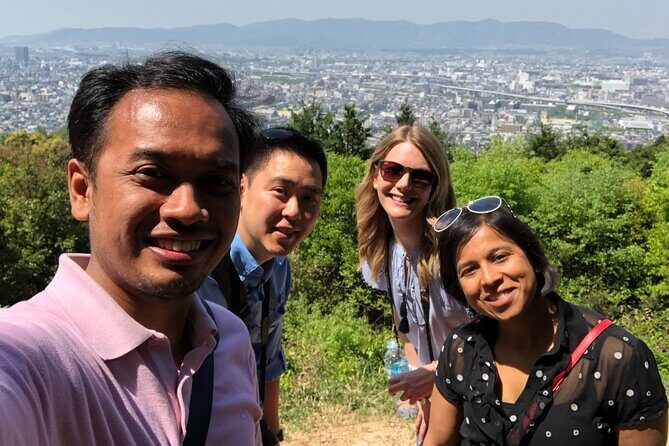
The pre-experience questionnaire is one of the core strengths here. After you book, you share must-sees and preferences, then the local host reaches out directly to craft a plan that fits your travel style.
That matters because Kyoto isn’t one-note. Some people want religion and art. Others want traditional streets, snacks, and photo-friendly corners. With this format, the guide can lean more toward things like Kennin-ji’s Zen atmosphere and wall art, or toward the older shopping streets like Sannenzaka and Ninenzaka where crafts and sweets are the point.
A helpful bonus from past guides: they often answer practical questions as you walk, like how to move between areas by transit and how to plan your next steps after the tour ends.
Meeting point and how the walking format really works
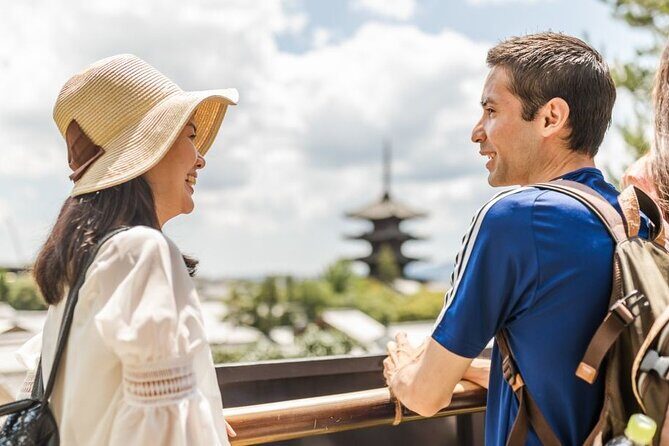
You start at Starbucks Coffee – Kyoto Sanjo-ohashi Bridge in Nakagyo Ward. The tour ends back at the meeting point, so your day doesn’t spiral into last-minute logistics.
This is a private walking experience, so plan for stairs, uneven stone, and steady walking time between stops. Transportation between locations isn’t built in as a vehicle; you may use public transport or taxis depending on what your route needs, and you can discuss those costs with your host after booking.
Pick this style if you like moving at a calm pace, stopping for explanations, and looking longer than a quick photo stop allows. If you hate walking, or you need a vehicle for mobility reasons, you may find the format limiting—though the pace is flexible while you’re on the ground.
Pontocho Alley: car-free Kyoto that slows your feet
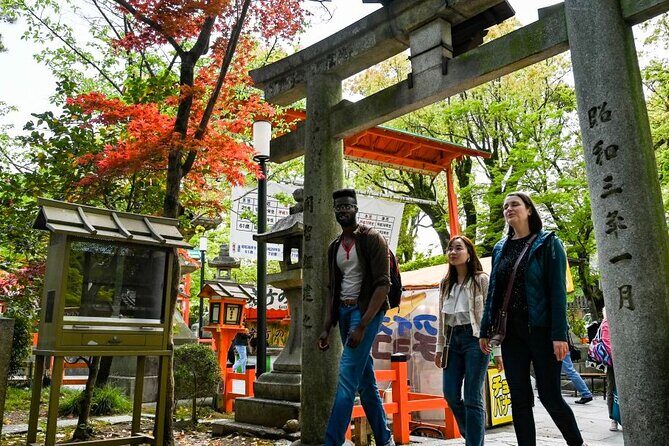
One of the best “startle yourself into paying attention” moments in Kyoto is stepping into Pontocho Alley. It’s car-free, lined with traditional wooden shops and tucked-in dining spots, and it feels timeless compared to wider streets.
On this tour, you’ll approach Pontocho with context rather than just following a crowd. A good guide helps you notice the rhythm: where the alley opens up, where it tightens, and how the streets connect to the larger neighborhood energy around Gion and the river area.
Practical tip: bring your camera ready, but also give your eyes a minute before you shoot. Pontocho rewards slow looking. It’s also the kind of place where a guide can point out what’s worth ordering or photographing if you want to end up somewhere later in the evening.
Kennin-ji’s twin dragon mural and the feel of old Zen
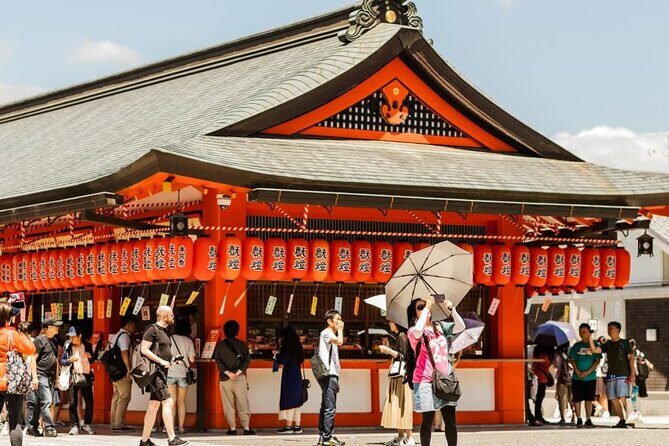
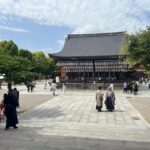
Kennin-ji is Kyoto’s oldest Zen temple. It’s not just famous for being old; it’s memorable for specific art details, including the iconic twin dragon mural and gilded screens connected with the wind and thunder gods.
This stop is valuable because it adds a different lens to Kyoto. You’re not only seeing architecture and scenery—you’re learning how religious spaces communicate meaning through art and layout. And because the space is typically calmer than the most famous day-trip chokepoints, you can take your time and feel the pace of the temple grounds.
Possible downside: if you’re expecting only dramatic viewpoints, this is more about atmosphere and visual storytelling. It’s best when you enjoy art, ritual spaces, and quiet explanations.


Gion, Hanami-koji Street, and the tea house lanes you can’t rush
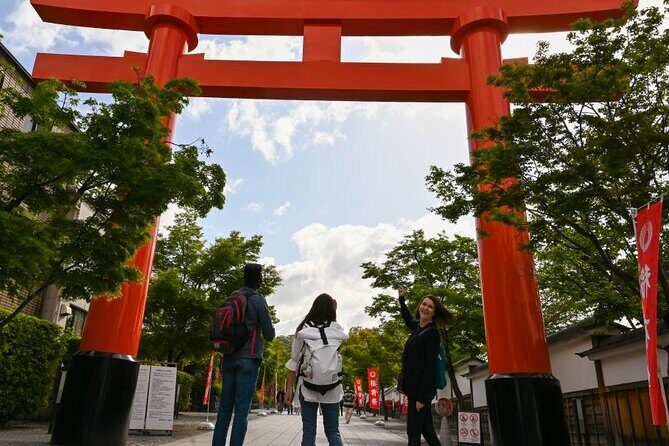
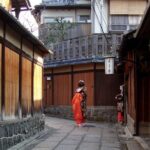
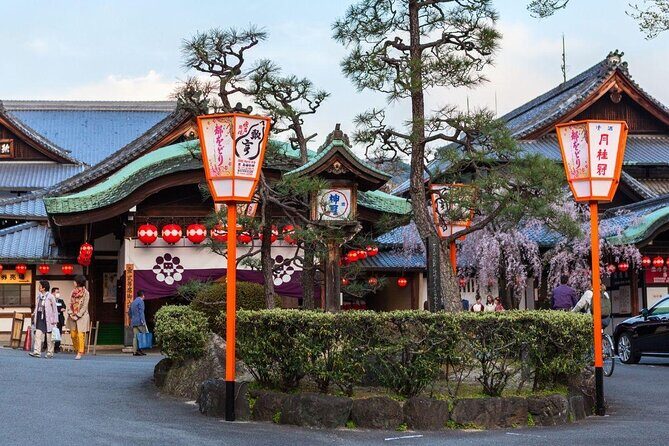
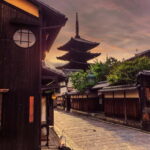
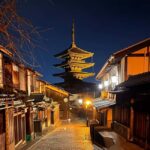
From here, the route can move through the historic Gion area. You may walk along Hanami-koji Street and cross through the area near Tatsumi Bridge, then continue toward Shimbashi where you can see elegant tea houses and old wooden buildings.
This is where Kyoto becomes more than monuments. Gion is a neighborhood you experience by walking—turning a corner, spotting a doorway detail, noticing how the streets narrow and open. A solid guide also helps you understand what you’re looking at, so the district doesn’t feel like a set piece.
One practical benefit from guides shared in past experiences: they often help you avoid the worst crowds by using timing and routing. That can make a huge difference when you only have a few hours.
Yasaka Shrine and Maruyama Park for a breather
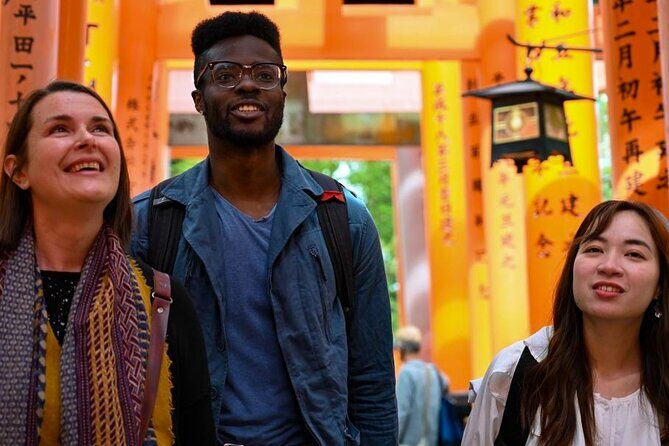
Yasaka Shrine is tied to Gion Matsuri and carries an impressive 1,350-year history. It’s a great counterweight to the heavier temple stops because the area can feel more spacious and grounding as you move through the grounds.
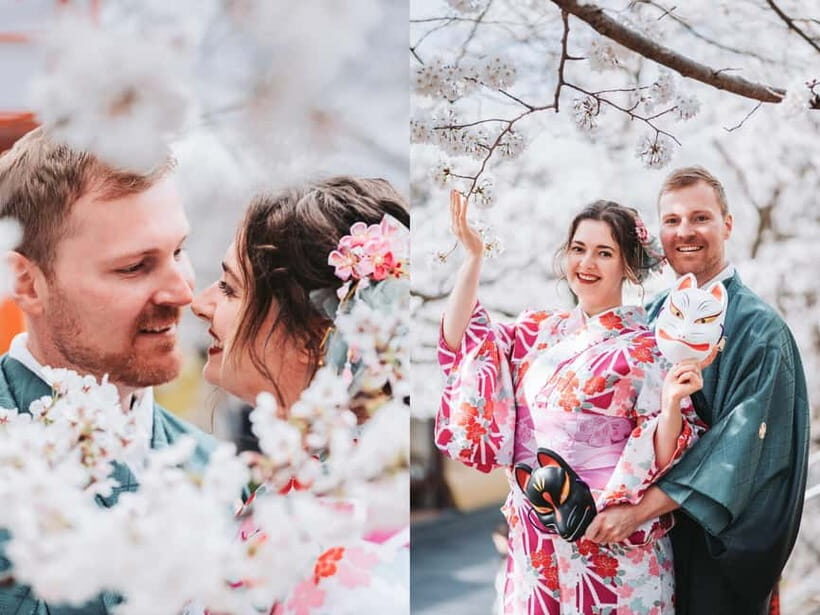
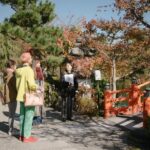
After that, Maruyama Park gives you a natural reset. It’s a relaxing place to take in Kyoto’s scenery—cherry blossoms in spring, but also a peaceful choice in other seasons.
I like placing a breather like this in the middle of a walking route. It helps you avoid the common problem of spending all your energy on the first half of the day, then trying to force later highlights.
Sannenzaka and Ninenzaka: old streets for pottery, sweets, and texture
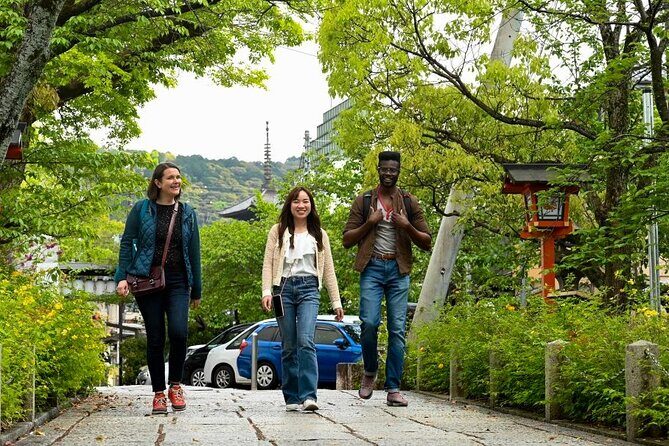
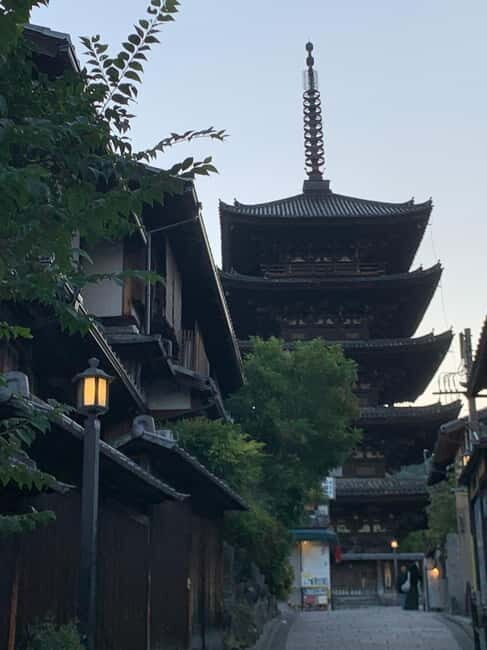
For a taste of old Kyoto, you might stroll through Sannenzaka and Ninenzaka. These narrow streets are lined with wooden buildings and traditional shops, and they’re the kind of place where you’ll find crafts, pottery, and sweets.
This stop works best if you like browsing on foot and making small choices. You can pause for snacks, look at handmade goods, and keep your pace flexible rather than rushing from one ticketed attraction to the next.
A consideration: these streets can be busy at peak times. The advantage of a private guide is you’re not trapped following the loudest crowd lane all day. You can spend more time where you feel comfortable and skip the areas that don’t fit your style.
Kiyomizu-dera’s views and Otowa Waterfall meaning
Kiyomizu-dera is a big-name stop for a reason, including the breathtaking views and its historic wooden stage. If you go, plan to slow down before you reach the main viewpoints; the temple complex rewards patience.
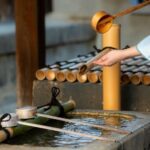
A major highlight here is the Otowa Waterfall area. It’s known for blessings tied to longevity, success, and love. Even if you’re not deep into the ritual side, it’s one of those Kyoto moments where the meaning adds weight to the scenery.
This stop can be a lot in hot weather or when you’re tired from earlier walking. If that’s you, ask your guide for a pace that matches your energy—this tour is meant to be flexible rather than cram-heavy.
Fushimi Inari-taisha: torii gates with a smarter pacing plan
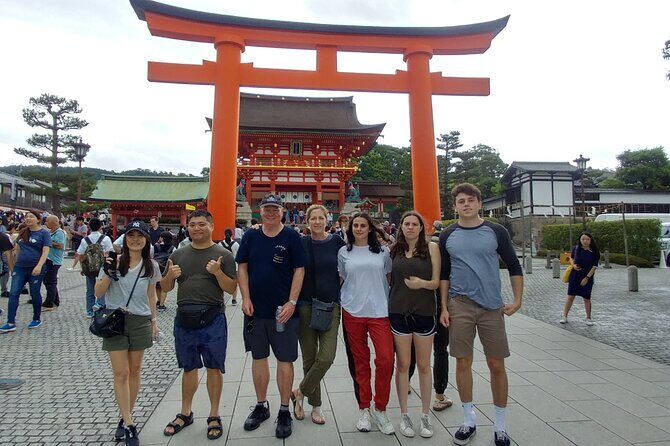
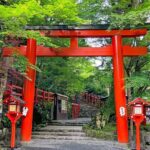
Fushimi Inari-taisha is the iconic set of vermilion torii gates and fox statues. The big question here isn’t whether it’s beautiful; it’s how you handle the walking and how far you want to go.
With this tour, you can choose a style: admire the gates without going too far, or hike partway for better views. A good guide can also help with flow and timing so you don’t feel stuck in the busiest segments.
Practical tip: bring water and plan your turn-around point early in your head. It’s easy to underestimate how quickly the experience turns into a long foot trail once you start following the gate line deeper.
Kiyamachi Street: ending the day with food and a friendly buzz
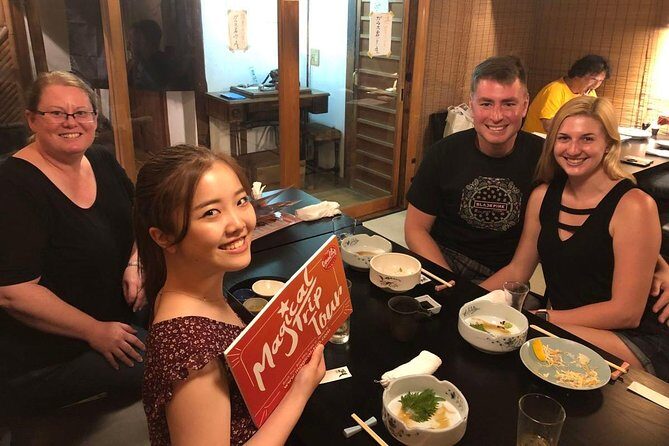
To wrap up, the route may head toward Kiyamachi Street, known for bars, cozy cafes, and charming restaurants. It’s a lively finishing point that gives you options: traditional meal, a lighter snack, or a drink to decompress.
This kind of ending works because your head is full by then. Instead of rushing to fit one more “must-see,” you can enjoy a meal in the neighborhood vibe the guide understands best. Many guides also offer restaurant recommendations based on what you liked earlier that day.
If you’re not planning to eat immediately, it still works as a “last stroll” zone where you can enjoy Kyoto’s atmosphere and then move on independently.
Price and who gets the best value at $102.03 per person
At $102.03 per person for a 2 to 5 hour private walking tour, the value isn’t in ticking boxes. It’s in avoiding wasted time and buying back energy for what you actually care about.
You’re paying for:
- a local host who can adjust the route as your day evolves
- context that helps you see what matters at each stop (like specific temple art details)
- a format designed for flexibility, not a one-size plan
This is especially good value for first-time Kyoto visitors who don’t want to figure out everything by trial and error. It also fits people with a short schedule who still want a mix of icons (like Fushimi Inari-taisha and Kiyomizu-dera) plus calmer neighborhood streets.
If you’re traveling very slowly, or you already know exactly which streets you want and you’ll navigate perfectly on your own, you might feel the cost more. But if you want the day to feel smoother, guided, and more meaningful, this price can make sense.
Should you book this private Kyoto tour?
Book it if you want a Kyoto day that feels tailored, not templated. The biggest win is the combination of big, iconic sites with quieter streets where walking teaches you more than reading does. Also, the guides in past experiences have been praised for things like making room for limited time, keeping pacing relaxed, and helping with photos and even how to use transit.
Skip it if your plan is to do Kyoto at a strict pace with zero guidance, or if you have a low walking tolerance. This tour is private, but it’s still fundamentally a walking day.
If you’re flexible and curious, this tour is the kind of way to turn a short visit into a real Kyoto feel, one neighborhood at a time.
FAQ
How long is the private Kyoto tour?
The tour runs for about 2 to 5 hours, depending on the route your guide builds with you.
Is this tour private or shared with other people?
It’s private. Only your group participates.
Where do we meet the local guide?
You meet at Starbucks Coffee – Kyoto Sanjo-ohashi Bridge, Kyoto 604-8004.
How does the guide personalize the itinerary?
After booking, you complete a short online questionnaire and the host contacts you to craft a route based on your interests and must-sees.
Is transportation included?
This is primarily a walking experience. Public transport or local taxis may be used to transfer between sites, and transportation costs can be discussed with your host.
Are food, drinks, and entry fees included?
No. Food, drinks, or entry fees are not included, though you can choose together on the day if you want.
Do I receive a mobile ticket?
Yes, the experience includes a mobile ticket.
Can I cancel and get a full refund?
Yes. Cancellation is free, and you can cancel up to 24 hours in advance for a full refund.
Are service animals allowed?
Yes, service animals are allowed.