REVIEW · ARASHIYAMA TOURS
Kyoto: Descending Arashiyama (Private)
Book on Viator →Operated by An Design · Bookable on Viator
Arashiyama feels less stressful when you have a guide. What I like most is the private-group focus that keeps crowds down, and the chance to see Otagi Nenbutsu-ji’s 1,200 stone buddhas without getting overwhelmed by directions. You’ll also get a route that mixes famous sights with spots that don’t swallow your whole day in lineups.
One thing to plan for: you’ll be walking a lot, and you must bring extra 5,000 yen cash for admission tickets (lunch is also on your own, with a set spending limit). If you’re hoping for a mostly sit-down experience, this won’t match.
In This Review
- Key highlights worth getting excited about
- Why this Arashiyama tour feels different from the usual scramble
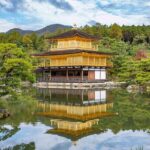
- Getting started at Togetsukyo Bridge (your Kyoto photo-and-walk warmup)
- Tenryu-ji: the early Zen temple stop that frames the whole area
- Otagi Nenbutsu-ji: 1,200 stone Buddhas you can actually feel
- Ayuchaya Hiranoya: the Edo-style tea break that keeps the day human
- Adashino Nembetsu-ji: memorial stones and a bamboo grove that feels intimate
- Gio-ji: a former nunnery, moss garden, and bamboo framing
- Okochi Sanso Garden: views that make your legs worth it
- Sagano Bamboo Grove: the classic bamboo trail, with context
- Pace, walking, and stroller reality checks
- Value and cost: when $690 per group makes sense
- Weather and timing: how to avoid a day-killer
- Who this tour fits best
- Should you book this Arashiyama Private tour?
- FAQ
- How long is the Kyoto Descending Arashiyama private tour?
- What group size is this tour designed for?
- What do I need to pay for on top of the tour price?
- Where does the tour start?
- What time does the tour start?
- Is this tour suitable for strollers and kids?
Key highlights worth getting excited about
- A guide-led route so you can follow the day instead of wrestling maps
- Tenryu-ji Temple with a famous Zen garden at one of the early Zen sites
- Otagi Nenbutsu-ji and its 1,200 stone Buddha statues in a quiet, absorbing setting
- Edo-period tea break at Ayuchaya Hiranoya
- Adashino Nembetsu-ji with over 8,000 memorial stones plus a small bamboo grove
- Sagano Bamboo Grove trail for the classic bamboo walk with context, not just photos
Why this Arashiyama tour feels different from the usual scramble
Arashiyama can turn into a choose-your-own-adventure—if you’re good at figuring things out. This tour does that thinking for you. You start at the famous bridge, then move through temples, gardens, and bamboo in a logical flow, with a guide to explain what you’re looking at as you go.
I especially like the way the day balances big-name stops with more personal, quieter places. You’re not just ticking boxes; you’re seeing why each spot matters. And because the tour is capped at a small size (and is private for your group), you’re less likely to feel swallowed by crowds.
The guide also changes the vibe. In the best moments, the stories make the scenery feel more specific—like you’re learning the language of gardens and temples, not just collecting viewpoints.
You can also read our reviews of more private tours in Kyoto
Getting started at Togetsukyo Bridge (your Kyoto photo-and-walk warmup)
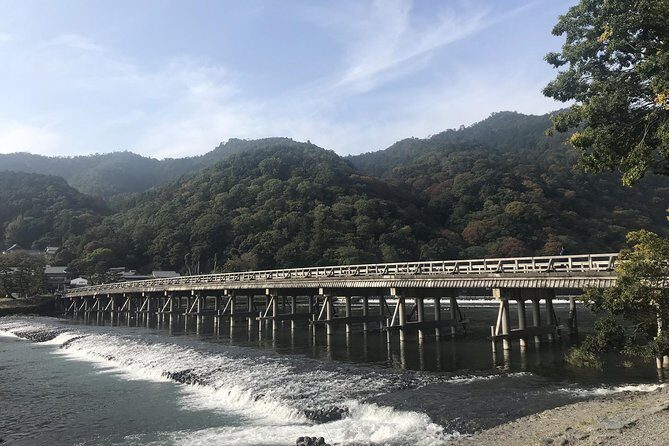
You begin at Randen Arashiyama Station Center around 9:30am, then the first stop is Togetsukyo Bridge. It’s one of those Kyoto views that instantly looks like a postcard. The upside of starting here is timing: you’re likely there before the day gets fully chaotic.
From a practical angle, this first stop is also a good “setup” moment. You get your bearings, you see the lay of Arashiyama, and you get moving before your feet tire. Photos are easier when you’re not already chasing the rest of the day.
If you hate waiting around for photos, you’ll still be fine. This is short, and the day keeps rolling.
Tenryu-ji: the early Zen temple stop that frames the whole area
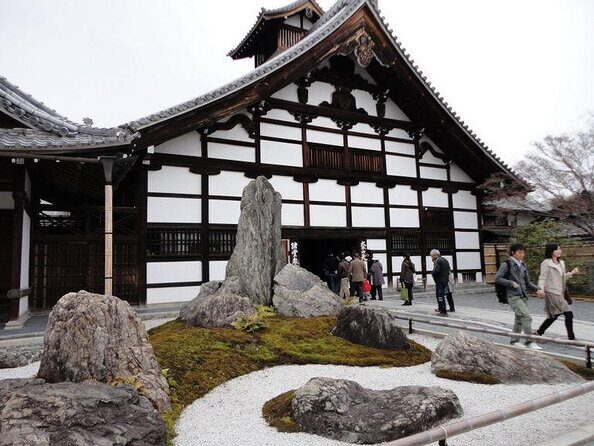
Next comes Tenryu-ji Temple, one of the early Zen temples in Japan and home to a masterpiece Zen garden. Even if you’ve seen Japanese gardens before, this is the kind of place where a guide helps you notice the structure—how views are composed and why certain spots feel calm rather than decorative.
Plan for about an hour here. That’s enough time to slow down, understand what you’re looking at, and not just rush through gates. The one caution: garden time depends on the season and the weather. If it’s rainy or unusually hot, take your pace cues from your guide and the space itself.
Admission isn’t included in the tour price, so you’ll want to be ready with that required cash for tickets.
Otagi Nenbutsu-ji: 1,200 stone Buddhas you can actually feel
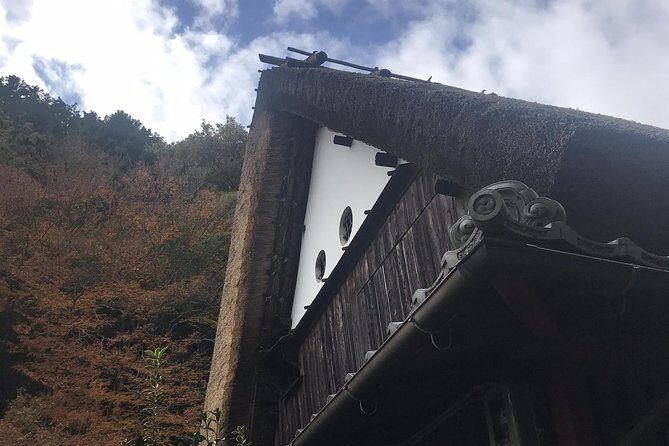
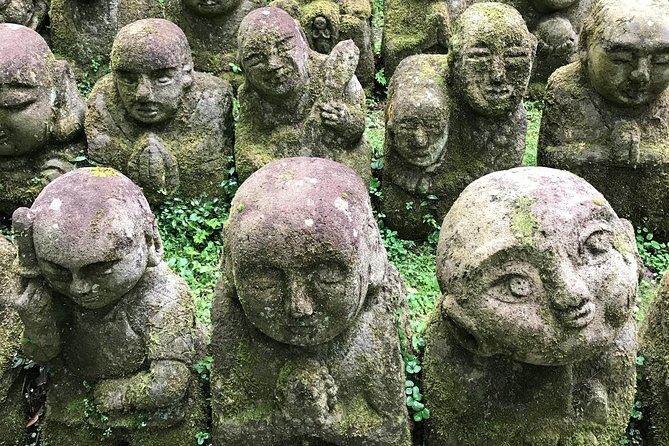
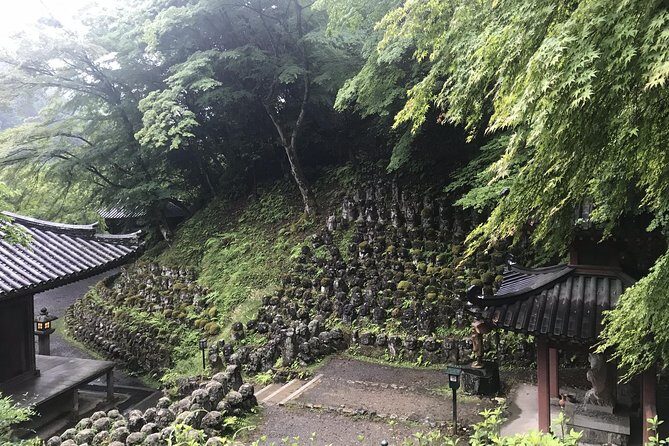
Then you walk into Otagi Nenbutsu-ji Temple, with history stretching back to the Heian period. The headline is the set of 1,200 stone Buddha statues. But what makes this stop memorable is how those statues are arranged across the grounds, creating an atmosphere that’s quieter and more surprising than the typical temple-photo circuit.
This isn’t a place where a 10-minute glance works. You’ll want time to wander at a steady pace, take in the faces and textures, and let the setting sink in. A guide’s role matters here: you’ll hear what those statues mean and how to see them as a group rather than random points of interest.
A small drawback: because it’s a temple walk, expect uneven ground in places and steady walking between clusters of statues. If you’re even a little short on stamina, pace yourself early so you don’t pay for it later.
Ayuchaya Hiranoya: the Edo-style tea break that keeps the day human
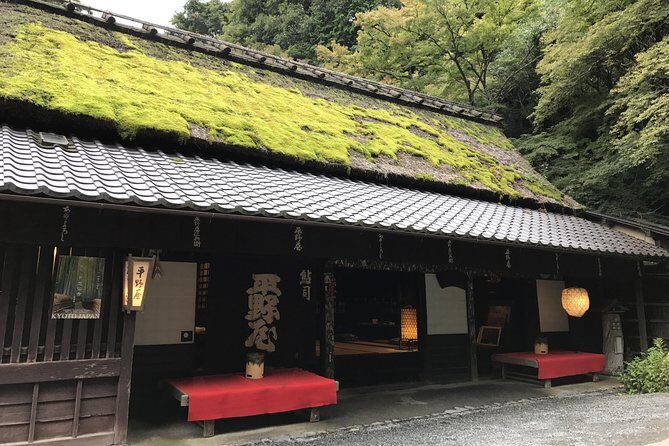
After temples, you get a breather at Ayuchaya Hiranoya, an Edo-period cafe. The stop is built for a proper reset: tea and sweets, plus time to slow down and recharge.
This is the kind of break that matters on a long day. You’re not just fueling up—you’re absorbing the slower rhythm of Arashiyama after a couple of mentally intense stops. And because it’s part of the route, you’re not stuck hunting for a place to eat while everyone else is already moving on.
Admission tickets aren’t part of this stop (it’s not an admission site), but it’s still not included in the tour price, so budget around what you’ll be paying there as well.






Adashino Nembetsu-ji: memorial stones and a bamboo grove that feels intimate
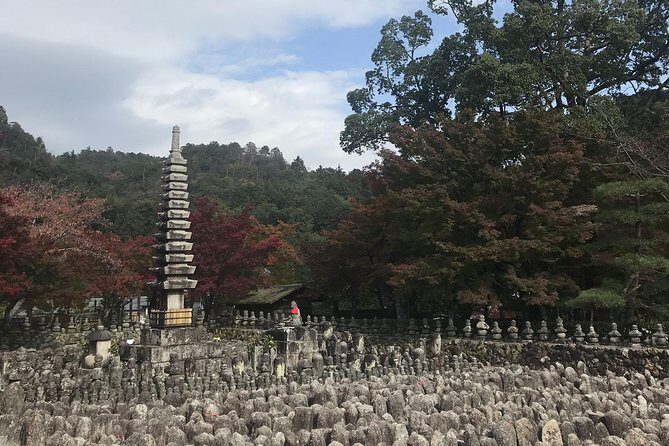
Next is Adashino Nembetsu-ji Temple, with over 8,000 memorial stones gathered from the surrounding mountains. That number is huge on paper—but on the ground it feels more personal, like you’re walking through a landscape of remembrance rather than collecting a statistic.
This temple stop also includes time to walk through a small bamboo grove. The bamboo here isn’t trying to be the main character. That’s part of the charm. You get bamboo, but in a calmer scale that helps you appreciate the textures and quiet instead of just chasing the most famous bamboo shot.
One practical note: the day already has several “walk sites,” so treat this as a steady, respectful wander, not a power-walk. You’ll enjoy it more if you keep your pace slow enough to notice the memorial stones as you pass.
Gio-ji: a former nunnery, moss garden, and bamboo framing
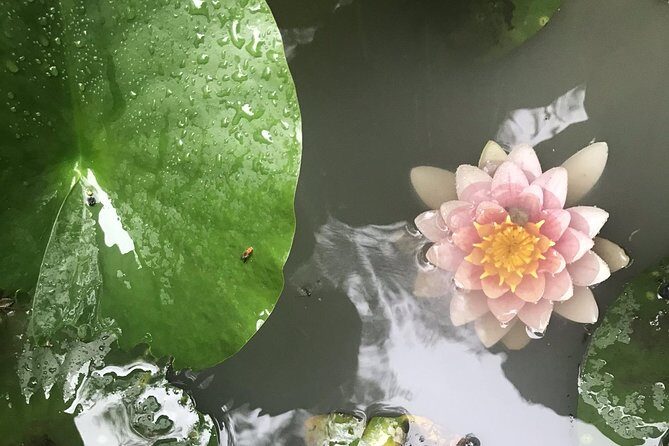
Then comes Gio-ji Temple, once a nunnery founded by two ex-geisha. It’s a shorter stop (about half an hour), but it packs atmosphere. You move into a moss garden surrounded by bamboo, and it’s the kind of place where the scene feels framed rather than spread out.
The time limit here is a double-edged sword. On the good side, you won’t get bored or rushed too long. On the downside, if you’re the type who wants to linger until the light shifts, you might wish you had a few more minutes.
Still, it works well inside the itinerary because it prevents the day from becoming endless temple-to-temple. This stop is a palate cleanser.
Okochi Sanso Garden: views that make your legs worth it
After that, you head to Okochi Sanso Garden, the estate of a well-known silent film actor. This is where Arashiyama starts to feel like a “big picture” day. The garden spreads out, and the views from here are some of the best in the area.
You’ll spend about an hour, and that time makes sense. You want a chance to walk the pathways, stop where the views open, and not feel like you’re sprinting from one highlight to the next.
The key here is to plan your attention. If you treat it as only a photo stop, you might miss what makes the garden special. If you slow down, you’ll notice how the landscape and architecture work together, and how the view changes as you move.
Sagano Bamboo Grove: the classic bamboo trail, with context
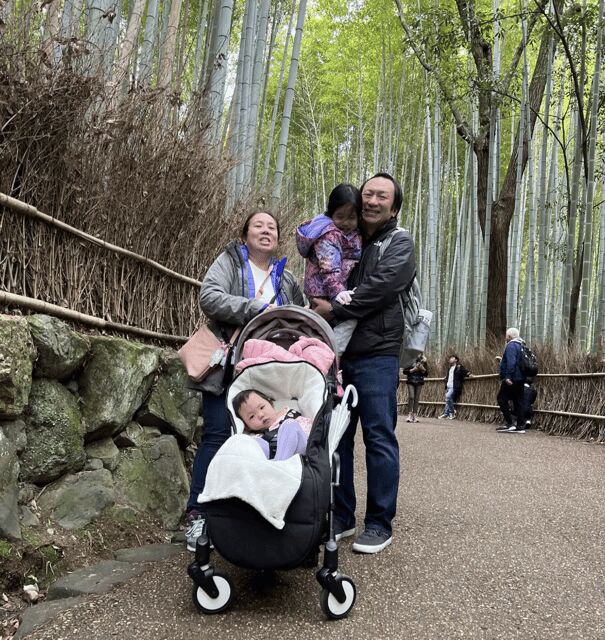
Finally, you reach the Bamboo Forest Trail through Sagano Bamboo Grove. This is the classic bamboo walk most people come to Arashiyama for, and it’s still worth doing—but the difference is having context as you walk.
You’ll spend about 30 minutes here. That’s enough for the iconic stretch and for some wandering without feeling trapped. If you’re hoping for a long, meditative bamboo stroll, this time may feel short. But for most people, it’s a good balance with the rest of the itinerary.
Also, remember that Arashiyama is popular. Your best chance at a calmer experience is simply being on a schedule and staying with your guide rather than chasing crowds on your own.
Pace, walking, and stroller reality checks
This is a full, walking-forward day. The stops are timed across about 7 hours 30 minutes, and you’ll be transitioning between temple grounds and gardens. You should have moderate physical fitness to enjoy it.
If you’re traveling with a stroller, you’ll have some help, but not full access. You can use strollers for moving between sites, but they won’t be allowed inside the sites. Strollers can be stored at each site’s reception desk.
My advice: if you’re worried about comfort, plan for a lot of small walks rather than expecting any stop to feel wheelchair-like smooth. Wear shoes you trust, and accept that this is a “see it by walking” experience.
Value and cost: when $690 per group makes sense
The price is $690 per group (up to 4 people). That structure is smart if you’re traveling as a couple plus another friend, or a small family. Private tours can get expensive fast in Kyoto, so the ability to split the cost makes a real difference.
Just remember what’s included and what isn’t. The guide service is included, and you’ll get a mobile ticket for the experience. But you’ll need 5,000 yen cash for admission tickets, and lunch is on your own with a cap of 1,500 yen per guest.
So the real value comes down to math plus style. If you want convenience and guidance through multiple sites, this is good value. If you only care about one or two highlights, you might feel the cost more sharply.
My rule: this tour is worth it when you want a full Arashiyama day with minimal friction and a guide who helps you understand what you’re seeing.
Weather and timing: how to avoid a day-killer
This experience depends on good weather. If conditions are poor, you’ll be offered a different date or a full refund. That matters because several parts of the day are outdoors—temple grounds, garden paths, and bamboo walking.
If it’s warm, bring water. If it’s cool, bring layers you can add or remove. The itinerary is long enough that you’ll feel temperature changes between stops.
The day also starts at 9:30am and ends back at the meeting point, so plan your Kyoto plans around that block. You’re basically buying a full morning-to-afternoon structure.
Who this tour fits best
I’d put this tour in your shortlist if:
- You want a guided Arashiyama day with less wandering and fewer wrong turns
- You care about learning what you’re looking at—especially at temples and gardens
- You prefer a small group pace instead of moving with large crowds
- You like a mix of famous sights (bridge and bamboo) plus quieter, off-main-focus places (like memorial stones and garden viewpoints)
It may not fit if:
- You want a short, light walk
- You only want the single most famous bamboo photo and don’t care about the rest
- You dislike the idea of bringing cash for admission tickets
Should you book this Arashiyama Private tour?
If your goal is to experience Arashiyama in a way that feels organized and meaningful, I think booking makes sense. The big wins are the tight, small-group flow and the balance of major and less-famous stops—especially the moments centered on Otagi Nenbutsu-ji and Adashino’s memorial stones.
Just go in with the right mindset: this is a walking itinerary, and you’ll need cash for admissions and a lunch budget. If that matches your travel style, you’ll come away with more than photos—you’ll come away with a clearer sense of what Arashiyama is and why these places exist.
FAQ
How long is the Kyoto Descending Arashiyama private tour?
It runs for approximately 7 hours 30 minutes.
What group size is this tour designed for?
It’s a private tour, so only your group participates. The tour is also described as small-group with a maximum of 7 travelers.
What do I need to pay for on top of the tour price?
You must bring an additional 5,000 yen in cash for admission tickets. Lunch is not included, and it should not exceed 1,500 yen per guest.
Where does the tour start?
The meeting point is Randen Arashiyama Station Center, 20-2 Tsukurimichi-cho, right side of the station.
What time does the tour start?
Start time is 9:30am.
Is this tour suitable for strollers and kids?
Strollers are available for the walking portions between sites, but they won’t be allowed inside the sites themselves. Strollers can be stored at each site’s reception desk. The tour calls for moderate physical fitness.
If you want, tell me your travel dates and who’s in your group (ages/any stroller needs), and I’ll help you decide whether this pace and ticket budget will work for you.