REVIEW · TEA CEREMONY EXPERIENCES
Kyoto: Tea Ceremony Ju-An at Jotokuji Temple
Book on GetYourGuide →Operated by Tea Ceremony Juan · Bookable on GetYourGuide
Calm beats crowd noise in Kyoto. I love the walk through Jotokuji Temple for its calm, old-school atmosphere and architecture, and I love the hands-on matcha tea ceremony led with clear step-by-step guidance. The only drawback to factor in is simple: the Grand Tearoom has three steps, so wheelchair access doesn’t extend into the tea room.
In just 70 minutes, you’ll join a small group (up to 10) and get an English instructor plus a Tea Master guiding the ritual. If kneeling and floor seating isn’t comfortable for you, stools are available, which makes this feel doable instead of intimidating.
In This Review
- Key highlights I’d circle on your Kyoto schedule
- Before You Go: Where Tea Ceremony Juan meets the temple
- A 70-minute chanoyu flow that fits real plans
- Walking in Jotokuji: main gates, red benches, and temple atmosphere
- The purification ritual: why it starts before the tea
- Grand Tearoom etiquette: shoes off and the floor-seat question
- Matcha at its best: what the Tea Master teaches you
- Learning the gestures: making your own tea without feeling lost
- Price and value: is $29 worth 70 minutes?
- What you should bring (and what you can skip)
- Accessibility reality check (so there are no surprises)
- Who this Kyoto tea ceremony is best for
- A few practical tips to get more out of it
- Should you book Kyoto: Tea Ceremony Juan at Jotokuji Temple?
- FAQ
- How long is the tea ceremony experience?
- What does the price include?
- Is kimono included?
- Is the ceremony offered in English?
- What group size is it?
- Is there free cancellation?
- Is this activity wheelchair accessible?
- What seating options are available?
- Is a meal included?
Key highlights I’d circle on your Kyoto schedule
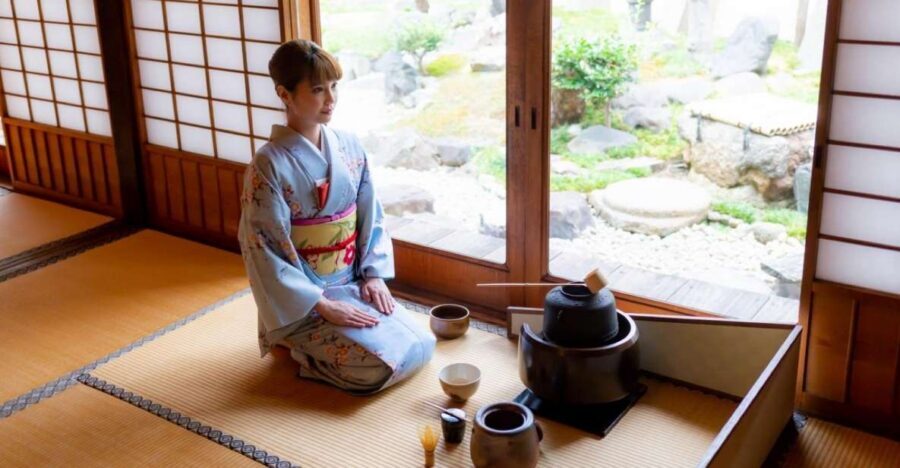
- Jotokuji Temple setting: you start outside, then move into the Grand Tearoom atmosphere.
- Purification ritual first: a traditional practice that helps explain the ceremony’s mindset.
- English guidance throughout: you’re not left guessing what each gesture means.
- Hands-on matcha: you don’t just watch. You learn how to prepare and drink.
- Small group size (max 10): more time for questions and slower pacing.
Before You Go: Where Tea Ceremony Juan meets the temple
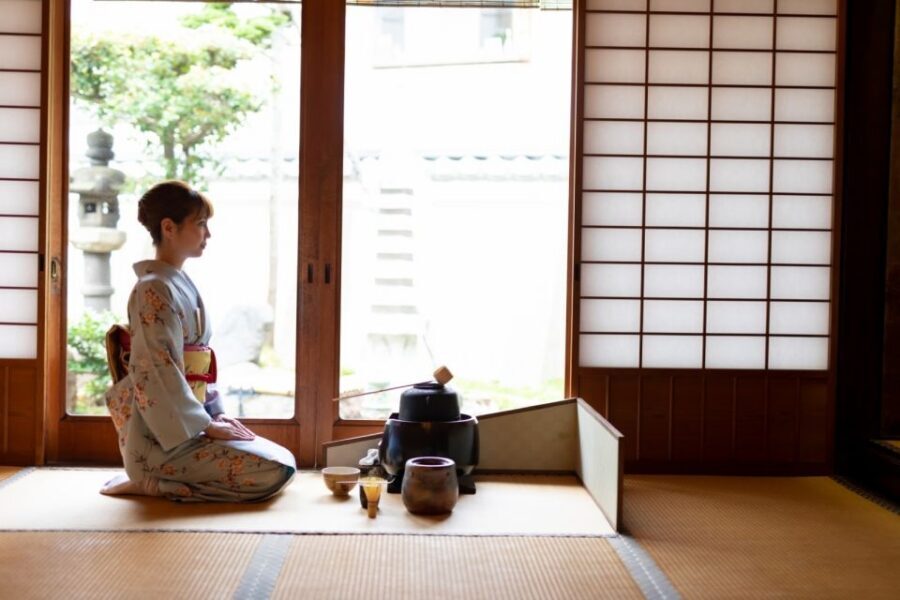
This tea ceremony happens at Jotokuji Temple, but the meeting point is specifically at Tea Ceremony Juan, 556 Gojo-sagaru, Tominokoji Dori, Shimogyo-Ku, Kyoto. From there, you’ll enter the temple grounds and get oriented before you reach the tea spaces.
Why I like this setup: it helps you arrive with your bearings, instead of wandering around Kyoto temples trying to match signs to timing. The experience is designed to be short (70 minutes), so smooth starts matter.
Also note the vibe here is quiet. It’s not a loud “tour and photo op” stop. You’ll be walking through temple grounds, pausing at key spots, and then settling in.
You can also read our reviews of more tours and experiences in Kyoto.



A 70-minute chanoyu flow that fits real plans
Time matters in Kyoto. This experience is set for about 70 minutes, which is a sweet spot: long enough to actually learn what’s happening, short enough that you won’t feel like you lost half a day.
Here’s the pacing you can expect:
1) You enter through the main gates and gather with your guide near the red benches.
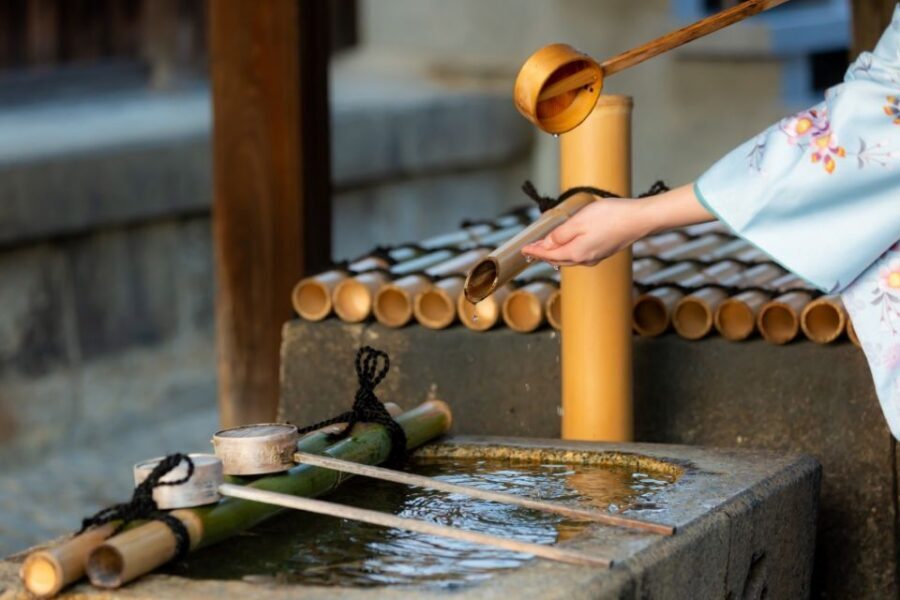
2) You walk through the temple and pause at meaningful places (including the purification fountain area).
3) If weather’s good, you can sit briefly. If it’s raining, you’ll wait in covered areas or the Grand Tearoom.
4) You move into the Grand Tearoom, remove your shoes, and begin the ritual.
5) The Tea Master demonstrates, then you’ll follow along and prepare your own matcha.
6) You end with guidance on how to drink properly and what the ceremony’s meaning is.
This structure keeps the ceremony from feeling rushed, even though it’s not a multi-hour experience.
Walking in Jotokuji: main gates, red benches, and temple atmosphere
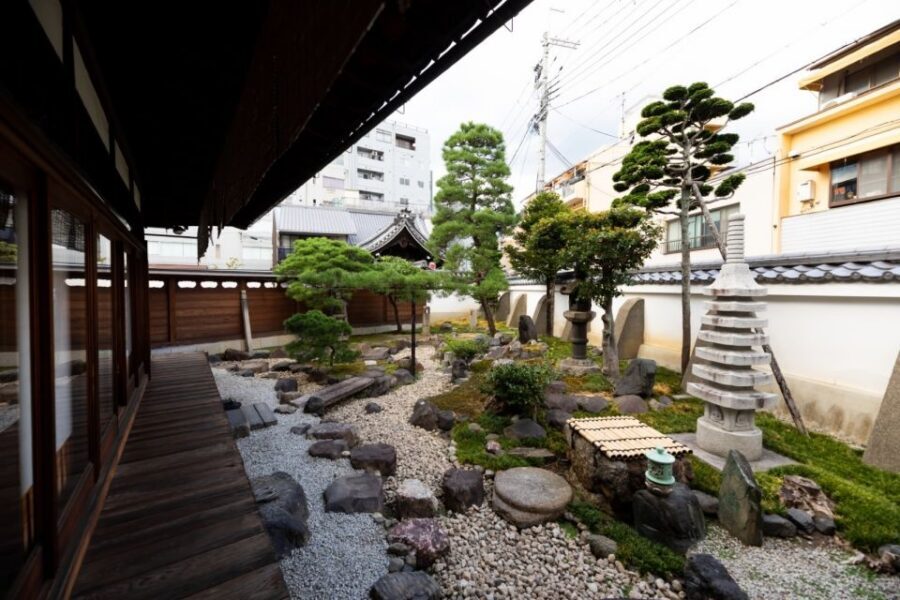
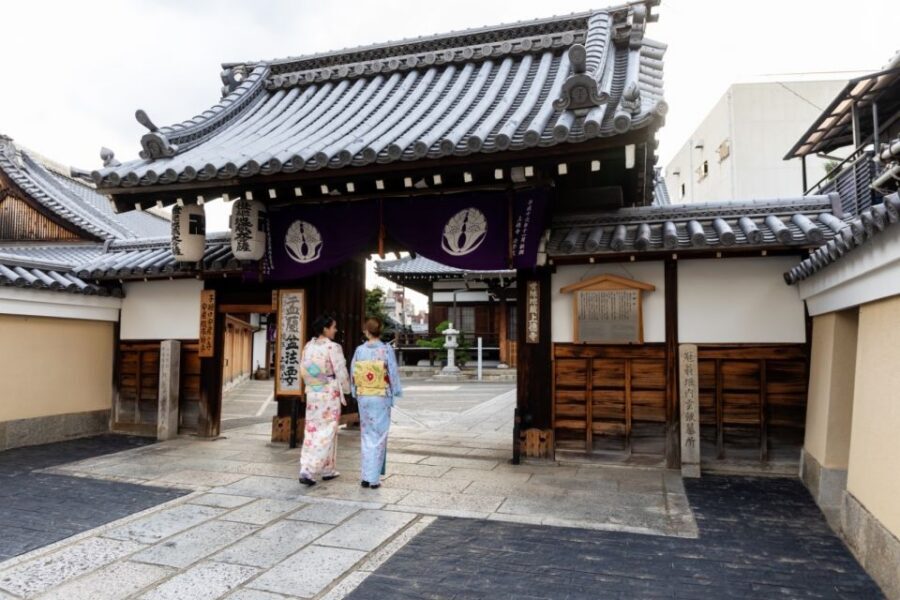
You start by entering through the main gates of Jotoku-ji (Jotokuji) Temple. Early on, you’ll pass the entrance area with a Grand Tearoom reference point on your left, plus a small parish shop nearby.
A big part of the experience is that you’re not immediately “inside a room.” You’re eased into the setting. You’ll meet your guide by the nearby red benches and then walk through the temple grounds at an unhurried pace.
Two specific things I think you’ll enjoy here:
- Architecture and stillness: even before the tea begins, the temple space changes your pace. It’s less about ticking off sights and more about being in the right mood.
- The purification area: you’ll stand near the purification fountain during your visit, which helps the ceremony make sense later.
If it rains, you won’t be stuck out in it for long. You can stand outside under the gable of the shop or wait in the Grand Tearoom until it’s time to begin.
The purification ritual: why it starts before the tea
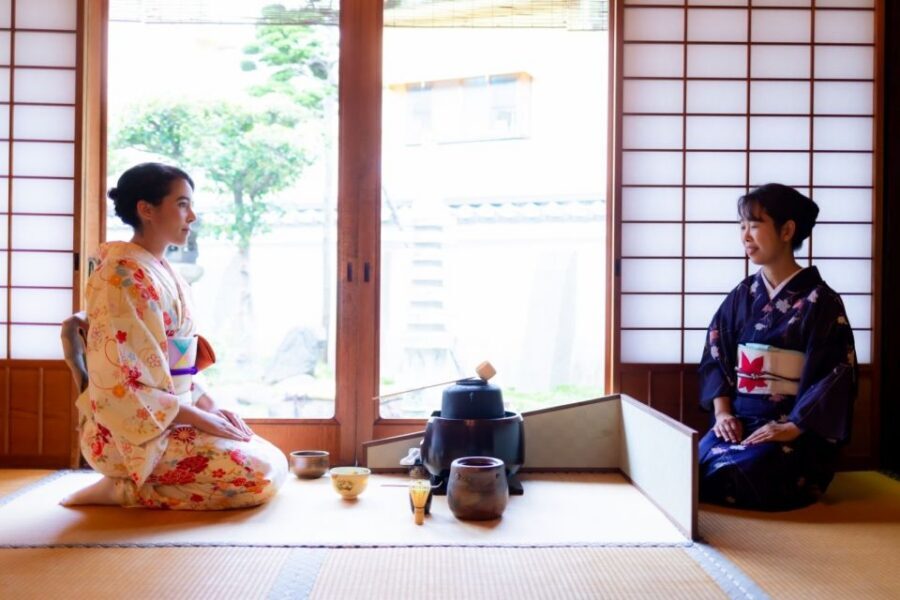
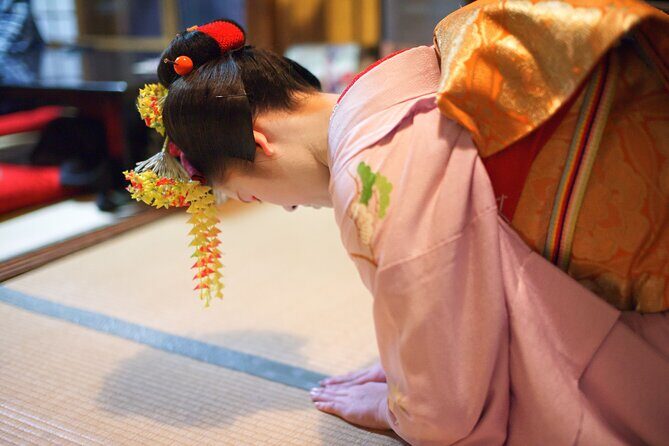
One reason this ceremony feels meaningful is that it begins with a traditional purification ritual. For Western visitors, this is often the most surprising part because it shows that chanoyu is not only about drinking matcha—it’s also about how you prepare your mind.
In practical terms, this opening sequence sets expectations. You understand that every gesture has a purpose. You see how the ceremony guides attention: to the space, to timing, and to respect in how you handle utensils.
You’ll also notice how your English instructor frames the “why” as well as the “how.” That turns the ceremony from a performance into a lesson you can remember.
Grand Tearoom etiquette: shoes off and the floor-seat question
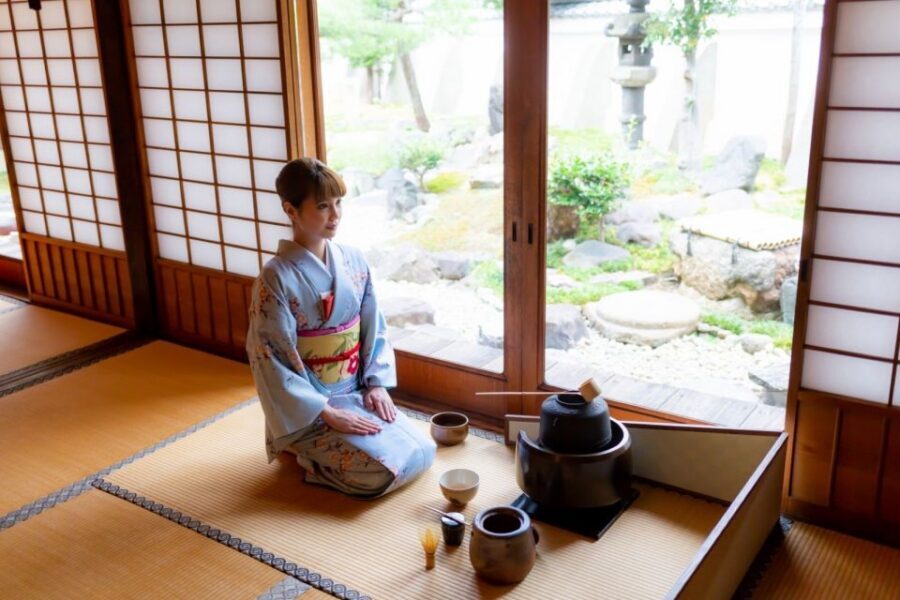
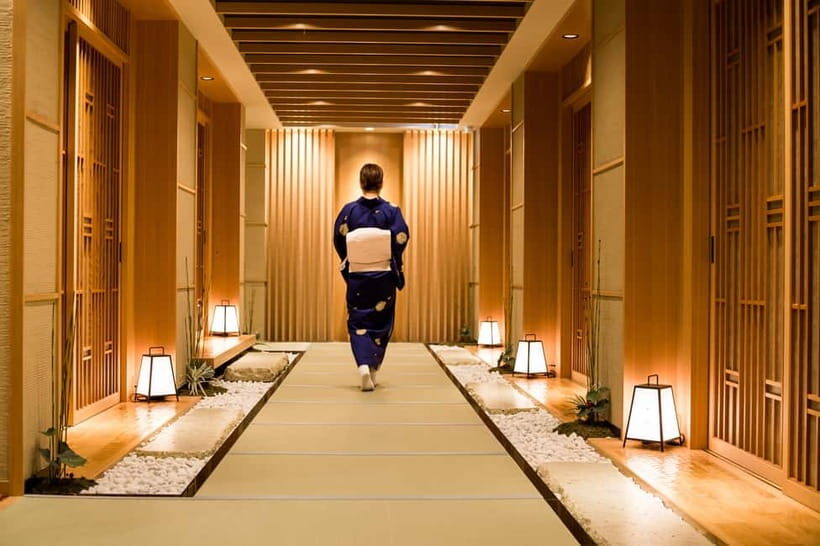
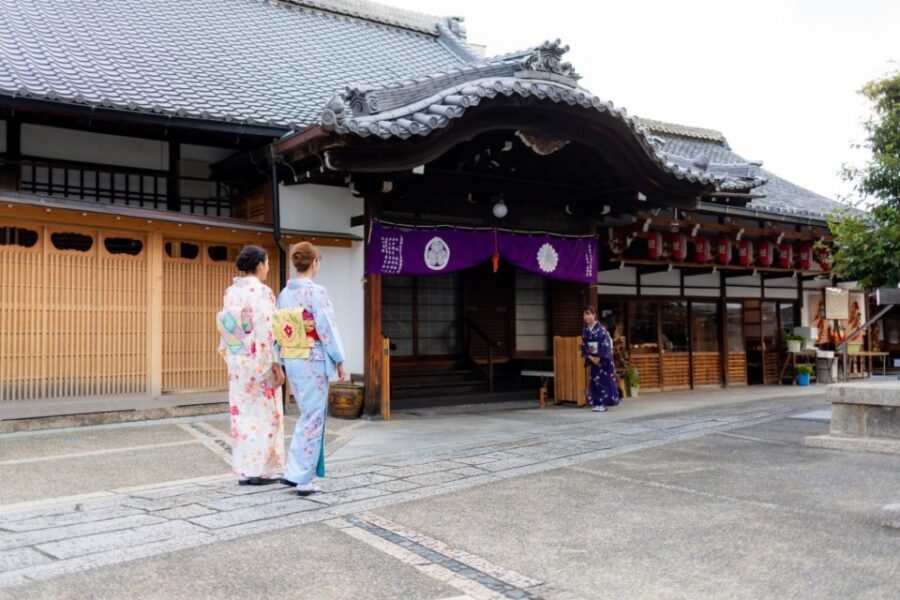
Once your temple walking portion is done, you enter the Grand Tearoom. Your instructor will be waiting there to guide your group into the space.
Here’s the key moment: you remove your shoes at the entrance of the Grand Tearoom. Then, as a group, you proceed inside and sit according to the ceremony’s seating style.
Two important realities to know:
- The tearoom is not fully wheelchair accessible because there are three steps inside.
- Floor seating is traditional, but stools can be provided if you don’t feel comfortable sitting in the usual position.
This matters because it affects comfort. If you’re sensitive to kneeling or sitting directly on the floor, request a stool before you settle in. It’s better to plan for that than to try to “tough it out” and lose focus.



Matcha at its best: what the Tea Master teaches you
The heart of this experience is a hands-on chanoyu workshop with the Tea Master guiding every step. You’ll get matcha and instructions for how to drink it correctly, not just a quick sip.
In the room, the Tea Master leads with the kind of attention that makes you slow down automatically. People often focus on the matcha taste, but what I’d call the real skill is understanding the sequence—how the tea preparation shapes flavor and texture.
A few details you can expect in spirit (even if you don’t know any Japanese etiquette yet):
- You’ll watch the Tea Master demonstrate the process first.
- You’ll learn what each motion is for and why it matters.
- Then you’ll prepare your own tea under guidance, so you leave with a concrete sense of how chanoyu works.
This is where small-group size pays off. With a group capped at 10, you’re more likely to get individual attention if something feels confusing.
Learning the gestures: making your own tea without feeling lost
This isn’t a sit-and-watch-only experience. You have the chance to participate in making matcha during the ceremony, using the ceremonial implements provided in the tearoom setup.
That participation is a major value point for two reasons:
- It turns theory into muscle memory. Once you’ve done the steps once, you understand what you’re looking at when you see chanoyu videos or photos later.
- It keeps the experience from becoming passive. You’ll have a job to focus on, and that helps the session feel calm rather than awkward.
The English instructor supports you throughout, so you’re not guessing while the Tea Master works. In many sessions, guides such as Kate and Yaki have been part of the experience delivery, and the tone tends to be patient and practical—exactly what you want when you’re learning something this precise.
If your goal is cultural understanding without intimidation, this format fits.
Price and value: is $29 worth 70 minutes?
At $29 per person for about 70 minutes, this is priced like a short cultural workshop—not a long, formal ceremony. That’s important when you’re deciding if it’s “worth it” versus spending your money on temples, food, or a bigger tour.
Here’s how I’d judge value for this specific experience:
- You get guided temple atmosphere plus a structured tea lesson in one sitting.
- You’re not just tasting. You’re learning the ritual steps and participating in making matcha.
- The group is small (max 10), so you get more time per person than most city tours.
Also, compared to longer ceremonies (some full events can run several hours), this is a smart sampler. You get the core ideas and hands-on practice without the day-long commitment.
If your travel style is “I want one authentic thing that changes how I see the place,” this price is reasonable.
What you should bring (and what you can skip)
Good news: there’s no special gear required for the ceremony itself. Your main needs are simple.
You should:
- Wear socks/shoes you’re okay removing quickly.
- Dress comfortably for indoor sitting, especially if you’ll be offered the floor option.
- Plan for weather if you arrive when it’s wet; you may spend some time covered outside before entering.
You can often skip:
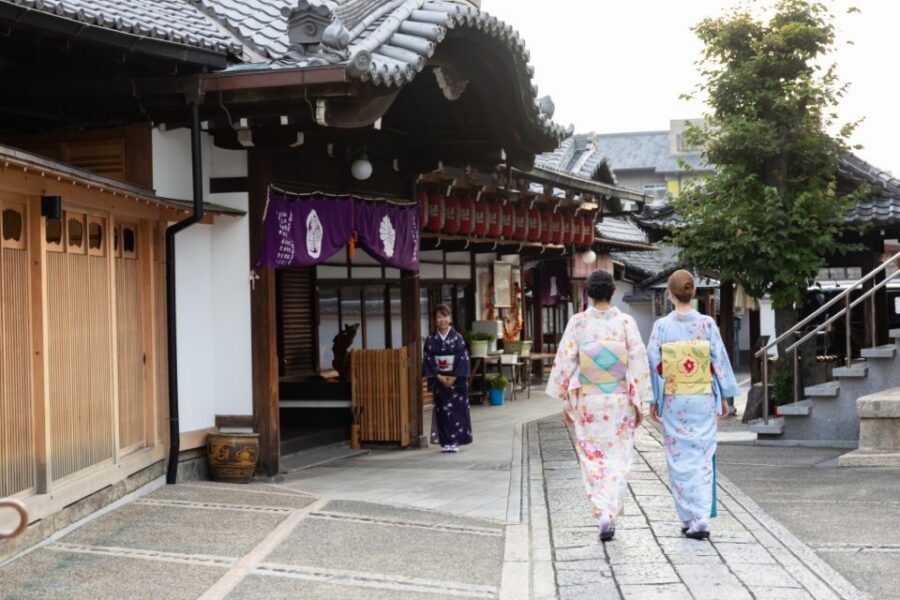
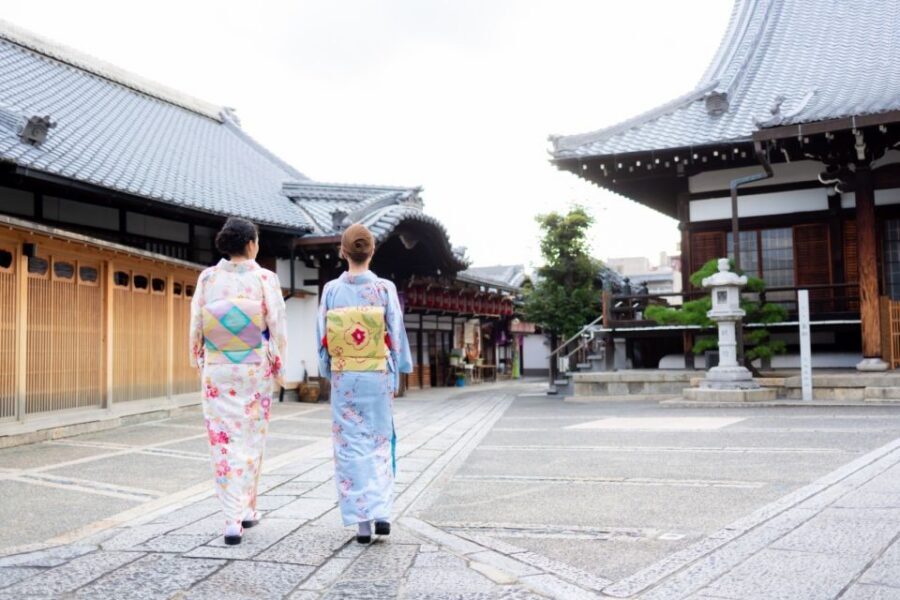
- Searching for a kimono rental unless you specifically want it. Kimono isn’t included here, but you can rent one separately if you want that extra photo-and-feel layer.
Accessibility reality check (so there are no surprises)
This one is worth highlighting before you book.
- The temple itself is wheelchair accessible.
- The tearoom is not, because there are three steps to enter the Grand Tearoom.
If you’re not using a wheelchair, seating can still be a factor. Stools can be provided for guests who aren’t comfortable sitting on the floor in the traditional position, which makes the experience more inclusive than it might look at first glance.
Who this Kyoto tea ceremony is best for
This experience is a strong match if:
- You want a quiet, structured break from Kyoto’s bigger sights.
- You like learning the meaning behind customs, not just watching them.
- You’re curious about matcha, but you also care about etiquette and context.
It’s especially good for couples, solo travelers, and small friend groups who want an intimate, low-pressure activity. The English instruction helps too, so beginners aren’t left behind.
You might want to reconsider if:
- You need full wheelchair access inside the tearoom.
- You strongly dislike any floor sitting, even with stool options (though stools are available).
A few practical tips to get more out of it
You’ll enjoy this more if you treat it like a class and a pause at the same time.
- Arrive with a calm mindset. The ceremony moves at a deliberate pace on purpose.
- Ask questions during the guided parts. The session is short, and the group size makes Q&A more doable.
- Pay attention to how the Tea Master handles objects and timing. That’s half the lesson.
And if you’re tempted to multitask—scrolling, rushing, or taking constant photos—don’t. The whole point is attention, and the room rewards you for it.
Should you book Kyoto: Tea Ceremony Juan at Jotokuji Temple?
I’d book it if you want one authentic, teachable Kyoto experience that doesn’t steal your whole day. For $29, you get real structure: temple entry, a purification ritual, shoe-off etiquette in the Grand Tearoom, and hands-on matcha guided by the Tea Master with English support.
I’d skip or choose another option only if accessibility inside the tearoom is a deal-breaker for you, since there are three steps. Otherwise, this is a thoughtful way to slow down, learn what chanoyu is really about, and leave feeling calmer than when you arrived.
FAQ
How long is the tea ceremony experience?
The duration is about 70 minutes.
What does the price include?
It includes a tour guide and the chanoyu workshop ceremony.
Is kimono included?
No, kimono is not included. You can rent one separately.
Is the ceremony offered in English?
Yes, the instructor and experience are in English.
What group size is it?
It’s a small group limited to 10 participants.
Is there free cancellation?
Yes. You can cancel up to 24 hours in advance for a full refund.
Is this activity wheelchair accessible?
The temple is wheelchair accessible, but the tearoom is not because it has three steps.
What seating options are available?
The traditional seating is on the floor, but seats and stools can be provided for those who aren’t comfortable sitting in the traditional position.
Is a meal included?
No meals are included.