REVIEW · KYOTO PREFECTURE
Kyoto: Zen Meditation and Garden Tour at a Temple with Lunch
Book on GetYourGuide →Operated by MagicalTrip · Bookable on GetYourGuide
Sitting still in Kyoto sounds simple, but it lands differently. I love the way this tour starts in a Zen garden before you ever sit down, and I love that the guide helps you understand what you’re doing during zazen. One heads-up: during the meditation, you’ll stay in near-total silence and follow provided materials, so you won’t get nonstop English from the monk.
You’ll visit major temple spaces at Tofukuji Zen Temple, including the big gate area and special interior art, then move to a smaller zazen-focused area. The group is small (up to 7), so the experience feels more like a focused class than a conveyor belt.
And yes, the lunch is a real part of the day, not an afterthought. Expect shōjin ryori style food with dashi-fish broth and a little dairy included. If you’re sensitive to gluten, that’s a key limitation.
In This Review
- Key highlights you’ll remember
- The day starts with Zen principles, not just meditation
- Kōmyō-in Temple: your warm-up for silence and observation
- Tofukuji Temple highlights: San-mon gate, dragon ceilings, and a surprising toilet fact
- Tip for the temple walk
- The zazen session: one hour, quiet reading, and real posture help
- After the sitting: monk conversation and what to ask
- Shōjin ryori lunch: a vegetarian meal with dashi-fish broth (and a little dairy)
- A practical meal tip
- Is $107 worth it: temple access, guided zazen, and lunch in a small group
- Small group comfort: up to 7 and English guides like Yutaka, Louis, Eri, Yukata, and Tammy
- Logistics that can trip you up: meeting point, timing, and staying quiet
- Meeting point
- Start time matters
- During zazen
- What to bring: Kyoto weather, temple floors, and your comfort during sitting
- Who should book this Zen meditation and garden tour
- Should you book? My take
- FAQ
- FAQ
- Where does the tour start?
- What’s the meeting time guidance if I’m coming from Kyoto Station?
- How long is the experience?
- Is the tour guided in English?
- What happens during the zazen meditation session?
- Will I be able to talk during the meditation?
- What is the lunch, and is it vegetarian?
- Is this tour suitable for children?
- Is it suitable for someone with gluten intolerance?
- What if I’m running late to the meeting point?
- Can I cancel for a refund?
Key highlights you’ll remember
- Tofukuji Zen Temple orientation that connects temple details to Zen practice
- Zen garden first, then zazen, so the concepts click faster
- One-hour zazen with posture and breathing guidance plus quiet reading materials
- San-mon gate and dragon ceiling paintings during your temple walk
- Shōjin ryori lunch with vegetables, mushrooms, seaweed, and dashi (plus a bit of dairy)
- Small group up to 7 with English-speaking guidance and a monk chat after sitting
The day starts with Zen principles, not just meditation
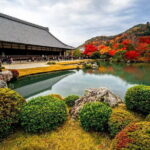
Kyoto has plenty of temples. What makes this outing work is the order. You begin in a temple garden environment before you sit. That matters, because Zen isn’t only about closing your eyes. It’s about attention—how you look, how you move, and how you stop trying to control every moment.
The local guide sets the tone right away with practical ideas for appreciating the garden and connecting it to the spirit of Zen. Even if you’ve heard Zen terms before, you’ll likely find your mental picture gets more grounded and less abstract.
Then you shift gears into the temple itself. The whole day has a calm rhythm: walk slowly, look closely, sit properly, and then eat thoughtfully.
You can also read our reviews of more tours and experiences in Kyoto Prefecture

Kōmyō-in Temple: your warm-up for silence and observation
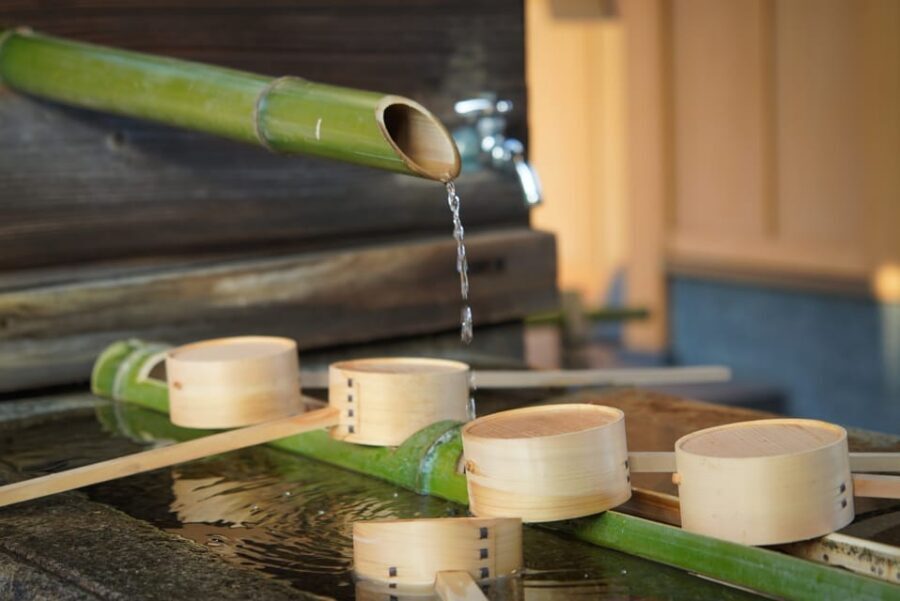
Your first stop is Kōmyō-in Temple, and it’s a smart opener. This isn’t about packing in another “big ticket” photo spot. It’s about training your attention.
In a short visit, you’ll get a sense of how Zen spaces are designed to do a job. The garden isn’t decorative fluff. It’s an environment that supports steadiness—what you notice, what you ignore, and how you settle when your mind wants to sprint ahead.
If you’re new to Zen, this early garden time is useful. If you’re experienced with meditation, it still helps you slow down because Kyoto temples have a way of making “practice” feel physical, not theoretical.
Tofukuji Temple highlights: San-mon gate, dragon ceilings, and a surprising toilet fact
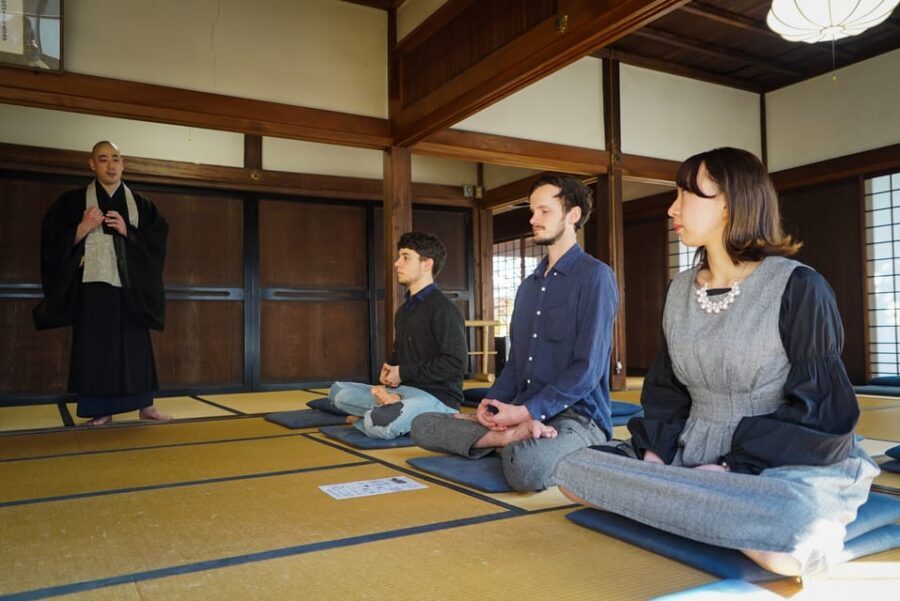
Then you move into Tofukuji Temple, one of Kyoto’s five great Zen temples. You’re not just walking past old buildings. You’re given context for what you’re seeing, which is where tours usually win or lose.
A few standout sights you’ll encounter:
- the impressive San-mon gate
- dragon ceiling paintings with serious craftsmanship behind the scenes
- an unusual historical note: the oldest surviving toji (temple toilet)
That toilet detail is exactly the kind of thing that makes temple history feel human. It reminds you these places weren’t only for paintings and poetry. They were living practice centers with daily needs—where discipline extended to everything.
If you’re thinking, Sure, I’ll take photos and move on, try doing the opposite for a moment. Look up. Then listen to what the guide points out. You’ll notice your photos turn into memories you can explain later.
Tip for the temple walk
Wear shoes you can stand in. The day is paced gently, but temple interiors and pathways can add up, and you’ll appreciate comfort before the sit.
The zazen session: one hour, quiet reading, and real posture help
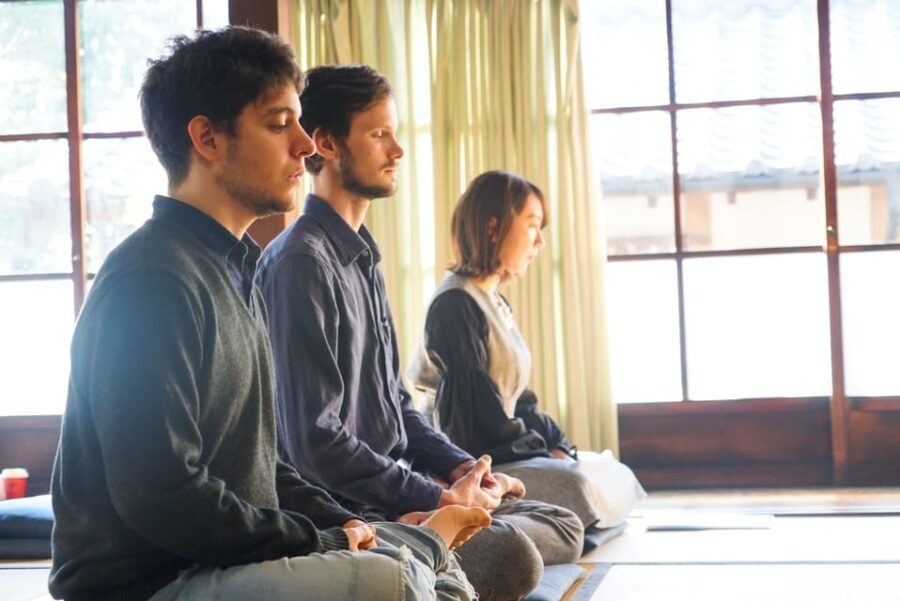
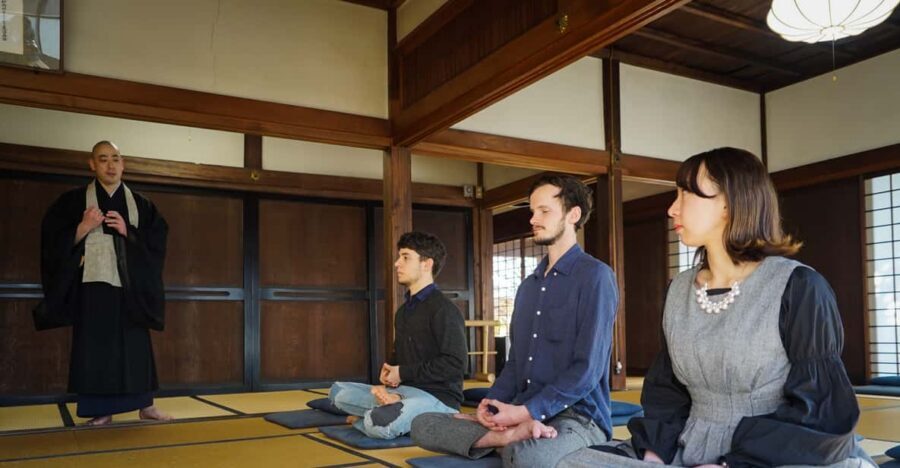
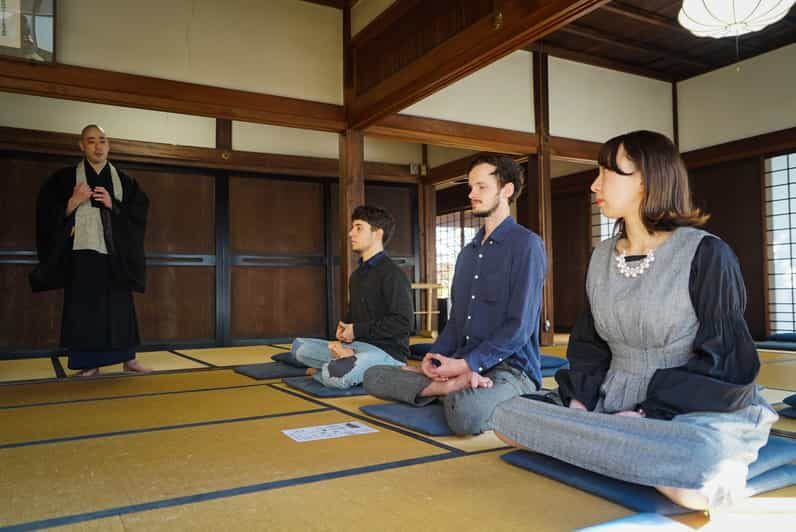
The core of the experience is zazen, a one-hour meditation session in a smaller temple area dedicated to seated practice. This is where the tour earns its keep.
Here’s how it tends to work:
- your guide prepares you with practical instructions on posture and breathing
- you’re given silent reading materials to use during the session
- during the meditation, the guide and group keep silence so the practice stays intact
That last part is key. Some people come in expecting an interactive class while sitting. This isn’t that. The monk keeps silence during the session, and the structure is designed for focus. One review-style caution you should take seriously: don’t plan to rely on nonstop English conversation while you’re seated. Your experience is built around doing the practice, not just hearing about it.
That said, you do get help. The guide’s role here isn’t to perform magic. It’s to make sure your body is in the right place so your mind can settle. If you’ve struggled with posture in your own meditation, you’ll likely appreciate having corrections and reminders outside of a formal teacher-student setting.

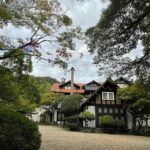

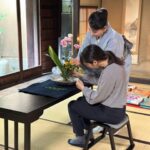

After the sitting: monk conversation and what to ask
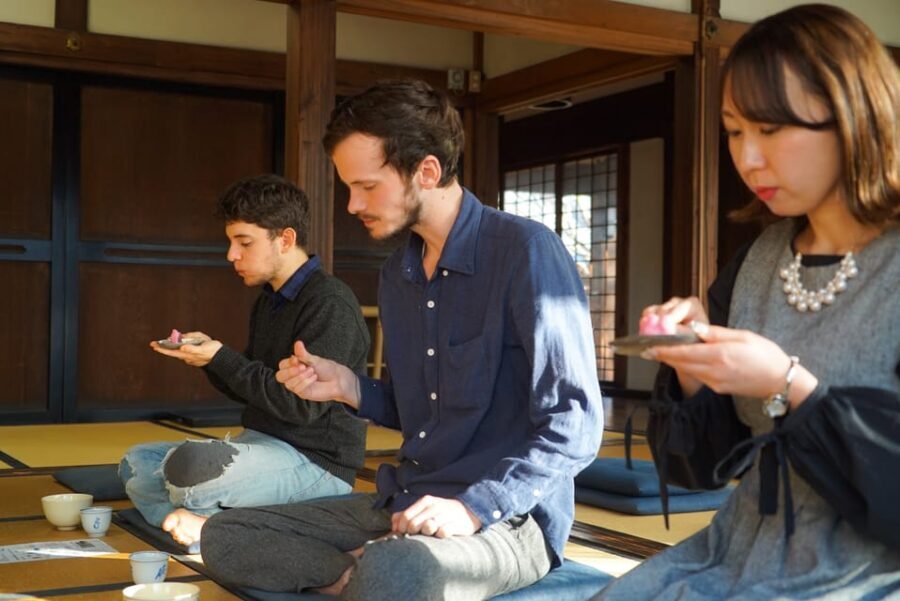
After you finish the silent session, the day opens up again. You’ll do a short discussion with the monks, sharing thoughts and what you noticed.
This is one of the most valued parts of the experience. It turns meditation from an activity into a conversation. You can ask about what you experienced, what Zen practice means in a daily life context, or how this tradition understands calm.
Keep your questions simple. Even one observation—like how your attention shifted or where your mind pulled away—often leads to a better exchange than a big philosophical question.
Also, remember this is a temple setting. Be respectful, short, and curious. You’ll get more out of it.
Shōjin ryori lunch: a vegetarian meal with dashi-fish broth (and a little dairy)
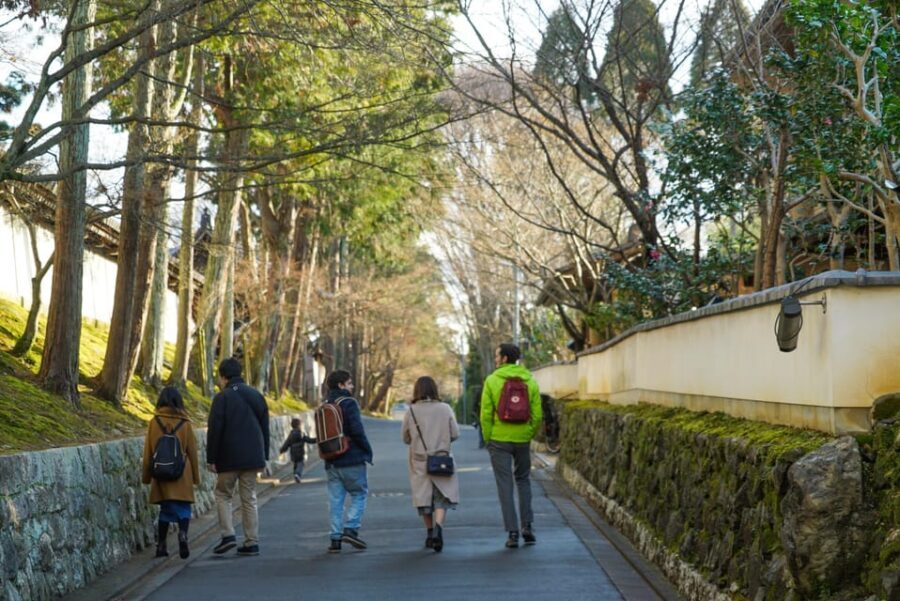
Lunch is served as shōjin ryori, a vegetarian style long associated with Zen monks. The point isn’t just nutrition. It’s a practice of mindful eating—simple ingredients, careful preparation, and flavors meant to satisfy without excess.
Expect:
- lots of vegetables, mushrooms, and seaweed
- dashi-fish broth included
- a bit of dairy included, too
That combination is important for planning. If you’re strict vegetarian, confirm how the broth and dairy fit your needs. If you’re managing gluten, this tour also notes you shouldn’t have gluten intolerance expectations here.
Many people think temple food will be bland. In practice, shōjin ryori often tastes deeply savory. Seaweed and mushrooms bring that umami effect. Dashi does the heavy lifting. And the experience of eating near a temple restaurant tied to training spaces adds a layer of meaning—this food wasn’t designed for Instagram. It was designed for discipline and energy.
A practical meal tip
If your tour start time is on the later side (and especially if you start around 10:45), lunch may come quite late. The tour indicates lunch can land around 14:15 in that case. If you’re hungry easily, eat a real breakfast or brunch before you go.
Is $107 worth it: temple access, guided zazen, and lunch in a small group
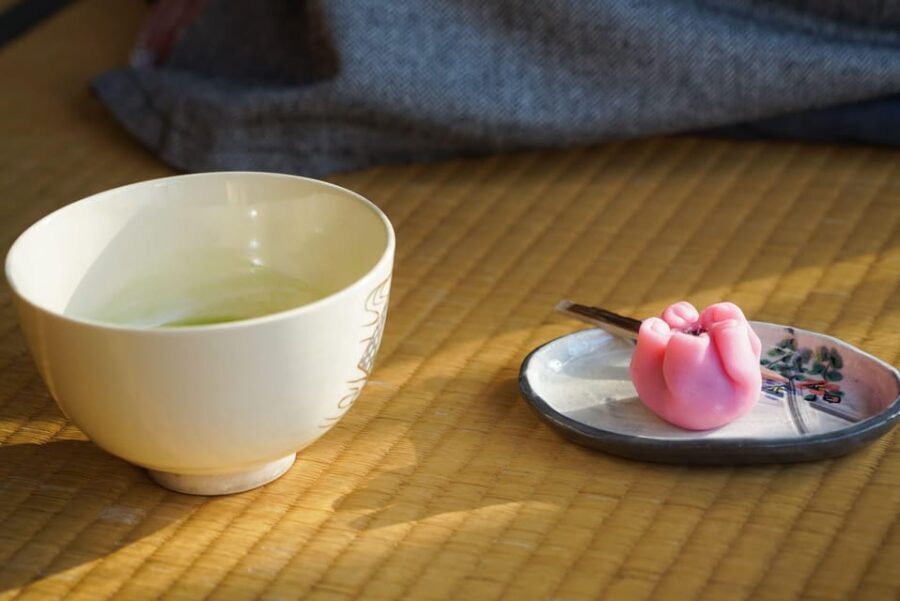
$107 for about 270 minutes (a bit over four hours) sounds like a lot until you break down what’s included and what you’re actually paying for.
You’re getting:
- entry and access connected to major temple spaces
- a guided zazen experience with English support before and during the practice
- a small-group setting (max 7), which matters because meditation isn’t a loud, chatty activity
- a traditional lunch with shōjin ryori
Where value shows up most is the structure. You’re not left to figure out posture, timing, or what to do during silence. And you’re not just touring—this includes a real sitting session and a monk discussion afterward.
It’s not the cheapest way to “see temples in Kyoto.” But it is one of the more meaningful ways to connect temples to lived practice, not just architecture.
Small group comfort: up to 7 and English guides like Yutaka, Louis, Eri, Yukata, and Tammy
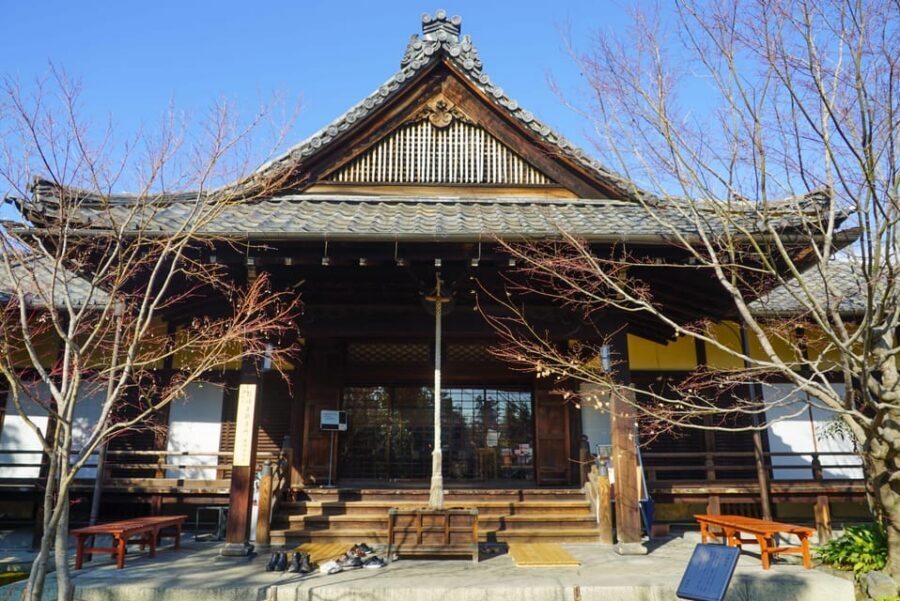
One reason this tour scores so highly is the feel. Limited to 7 participants, it’s easier to hear instructions, easier to move together quietly, and easier for the guide to tailor explanations.
You may have different English-speaking guides depending on your date. Names mentioned include Yutaka, Louis, Eri, Yukata, and Tammy. Across the board, the common theme is calm, practical teaching. People also mention guides who help with questions and even photography at the end—useful if you don’t want to spend your temple time hunting for the right angle.
Still, keep expectations realistic. Meditation has silence built in. Temple visits have rules. So the experience feels personal, but it isn’t private in the sense of being one-on-one with the monk during zazen.
Logistics that can trip you up: meeting point, timing, and staying quiet
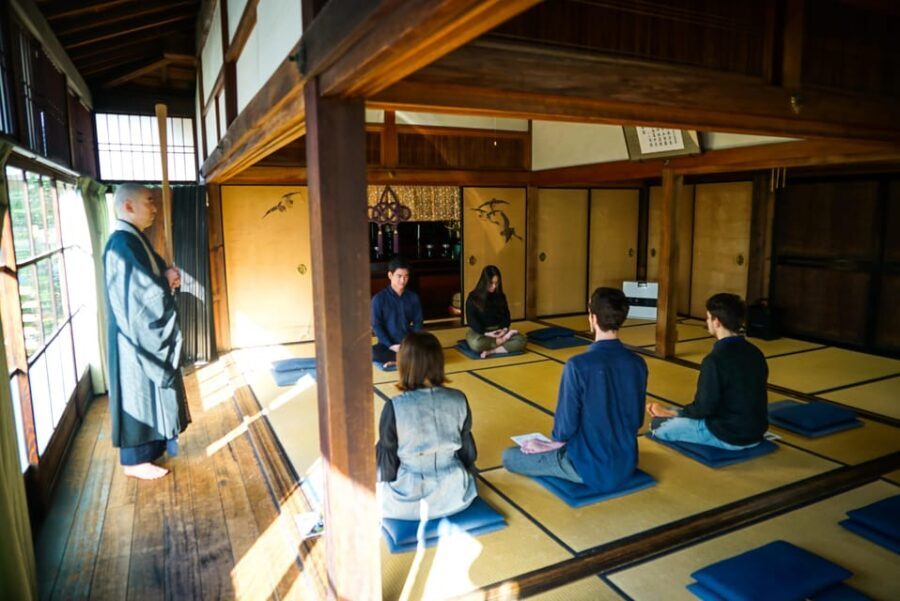
Let’s make it easy.
Meeting point
Meet outside Tofukuji Station, Exit 2, next to the Family Mart. If you’re arriving by taxi or walking from a different exit, double-check before you commit. Missing the exact spot is how a morning gets stressful.
Start time matters
The tour requires starting on time. If you’re late and miss the group, you won’t be able to join later and won’t get the option to reschedule. Build in buffer time.
During zazen
Private conversations are generally prohibited during the silent session. That’s not a rule just for control; it’s how the practice stays usable for everyone.
What to bring: Kyoto weather, temple floors, and your comfort during sitting
Kyoto can be humid in summer. The tour advises bringing water and wearing a hat to prevent heat stress.
In winter, temple floors can be cold. Thick socks are a smart move—your feet will thank you during waiting time and inside unheated spaces.
Also, since you’ll be walking between temple areas and eating after, keep your bag light. You’ll have more brain space for practice if your body isn’t fiddling with gear.
Who should book this Zen meditation and garden tour
This experience fits best if you:
- want a structured introduction to zazen with posture and breathing guidance
- like temple settings that connect meaning to what you see
- enjoy small groups and calm pacing
- want a traditional meal that feels tied to the day’s theme
You might look at something else if:
- you need lots of English conversation during the meditation itself (silence is part of the format)
- you’re traveling with kids under 12 (not suitable)
- gluten intolerance is a concern (the tour notes this limitation)
Should you book? My take
If you’re aiming for one Kyoto experience that feels genuine rather than sightseeing-only, this is a strong pick. The best part isn’t the garden alone or the temples alone. It’s how the day links garden attention → guided posture → silent practice → monk discussion → mindful shōjin ryori lunch.
Book it if you want Zen you can actually do, even if you’ve never sat before. Skip it if your main goal is a chatty, totally flexible tour where the monk answers questions in real time during meditation.
FAQ
FAQ
Where does the tour start?
Outside Tofukuji Station Exit 2, next to the Family Mart.
What’s the meeting time guidance if I’m coming from Kyoto Station?
The tour provides train guidance: from Kyoto Station, use JR rapid trains or local trains to Tofukuji Station.
How long is the experience?
The duration is about 270 minutes.
Is the tour guided in English?
Yes, it’s a live tour with an English-speaking guide.
What happens during the zazen meditation session?
You’ll learn posture and breathing techniques, then have a one-hour zazen session with silence. You’ll receive silent reading materials for the practice time.
Will I be able to talk during the meditation?
Private conversations are generally prohibited during zazen, and you’ll be given materials to read silently.
What is the lunch, and is it vegetarian?
The lunch is shōjin ryori, traditional Buddhist-style cuisine. It’s vegetarian in style, including dashi-fish broth, and it may include a bit of dairy.
Is this tour suitable for children?
No. It’s not suitable for children under 12.
Is it suitable for someone with gluten intolerance?
No. The tour notes it is not suitable for people with gluten intolerance.
What if I’m running late to the meeting point?
You must start on time. If you miss the group, you won’t be able to join later for the missed session, and you won’t receive a refund or reschedule.
Can I cancel for a refund?
Yes. You can cancel up to 24 hours in advance for a full refund.