REVIEW · WORKSHOPS
Traditional Japanese Knife Sharpening Class in Kyoto
Book on Viator →Operated by Japanese Knife Sharpening · Bookable on Viator
Japanese knife sharpening feels technical until you see it taught step by step, and this Kyoto class is built around that moment. I like that it’s hands-on from the first explanation of sharpening theory to the part where you actually sharpen your own blade, not just watch. I also like that the session covers practical thinking—history, steel types, and why different whetstone grits matter.
You’ll get a tight class format with expert guidance, and the group is capped at 6 travelers, which keeps questions from getting lost. I also love the payoff: you finish with the satisfaction of taking home the knife you sharpened, so the skill doesn’t vanish when you leave the room.
One consideration: it’s weather-dependent, so if conditions are poor, your date could shift or you may get a full refund. And since this is real sharpening work, you’ll want to be comfortable getting hands-on with stones, water, and technique—not just learning from a distance.
In This Review
- Key highlights you’ll care about
- Kyoto knife sharpening starts at MUSASHI Japan (and stays practical)
- What “traditional sharpening” means in this hands-on class
- Your real practice: whetstones, grits, and sharpening motions
- The Kamo Onsen stop and why it fits this kind of lesson
- The instructor makes the difference (Clement’s impact)
- What you take home: the knife you sharpened yourself
- Price and value: $97.55 for instruction you can reuse
- Who should book this sharpening class in Kyoto
- When weather might affect your plans
- Should you book this Japanese knife sharpening class in Kyoto?
- FAQ
- FAQ
- What is the duration of the Kyoto knife sharpening class?
- Where does the experience start in Kyoto?
- What is the price per person?
- How many people are in the class?
- What will I learn during the class?
- Do I sharpen my own knife?
- Is the ticket mobile?
- What happens if the weather is poor?
- Can I cancel for free?
Key highlights you’ll care about
- Small group limit of 6 means you get real attention as you try the motions
- Whetstones in multiple grits so you understand the progression from shaping to finishing
- Steel types and sharpening theory, not just muscle memory
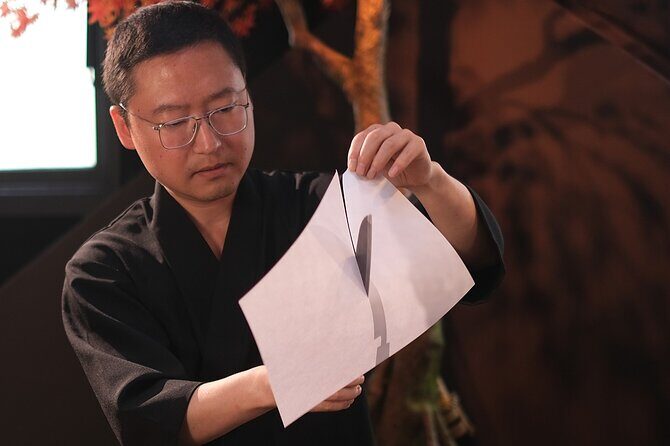
- You sharpen your own knife under expert supervision
- Take-home result: leave with a freshly sharpened blade you worked on
- Start at MUSASHI JAPAN Kyoto Sanjo and finish back there, easy to plan around
Kyoto knife sharpening starts at MUSASHI Japan (and stays practical)
If you’re in Kyoto and you’ve ever looked at your kitchen knives and thought, I should be able to fix this myself, this is the kind of class that makes that idea feel doable. The session begins at MUSASHI JAPAN 京都三条店 Knife Shop Japan, in Nakagyo Ward near Ishibashichō, and it ends back at the same meeting point. That round-trip setup is a big plus when you want your day to feel predictable.
You’ll also be near public transportation, which matters in Kyoto. Getting across town can eat time fast, and a smooth meeting point helps you stay on schedule. The class runs about 2 hours, which is long enough to learn the why and still short enough to fit into a normal sightseeing day.
Another detail worth noting: it uses a mobile ticket, so you can plan, screenshot, and go. If you prefer low-friction logistics on the day, that’s a real win.
You can also read our reviews of more tours and experiences in Kyoto

What “traditional sharpening” means in this hands-on class
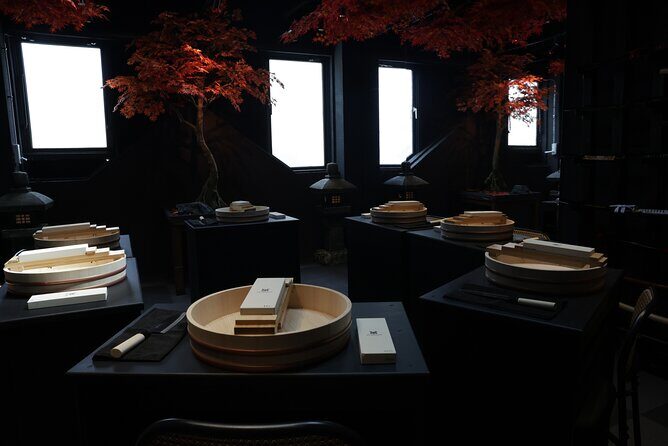
This isn’t a lecture-only experience. The format is “teach the concept, then practice it.” You start by learning how Japanese knife sharpening is approached using whetstones, including how different grits change the surface of the blade.
The class also covers the bigger picture behind the craft:
- Knife history, so you understand why whetstones became the standard approach
- Steel types, so you don’t assume every blade reacts the same way
- Sharpening theory, so the technique has a reason, not just a routine
Why this matters to you: if you’ve ever tried sharpening from a video and wondered why the results were inconsistent, it’s usually because stone grit, steel behavior, and technique are linked. This class connects those dots in plain, practical language—then you get to test your understanding immediately.
Your real practice: whetstones, grits, and sharpening motions
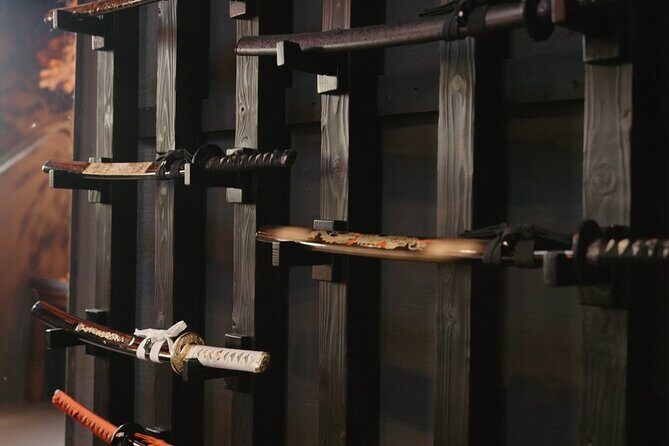
After the teaching portion, you sharpen your own blade. The session focuses on using whetstones of different grits, which is the heart of the skill.
Here’s how to think about that when you’re there:
- Coarser grits help with shaping and removing the right amount of metal
- Finer grits refine the edge for a cleaner, more controlled finish
- The progression isn’t random. It’s a method for getting from repair to performance
The course is designed so you can feel the progression. You aren’t just told what grit does what—you work with it. And because the group is small (max 6), instructors can correct your angle or technique while you’re still in the learning curve.
If you’re bringing a knife you care about—especially a santoku—this part is where you’ll feel the most value. A good sharpening method isn’t just about making a blade sharper once; it’s about learning the steps you can repeat at home without chasing mystery results.
The Kamo Onsen stop and why it fits this kind of lesson
The experience lists Kamo Onsen as a stop. That detail may sound minor, but it can matter for your expectations. In a class like this, time and attention are mostly about the sharpening work, and the stop gives the experience a clear local anchor in Kyoto.
Since the duration is about 2 hours, you shouldn’t expect a long breakaway sightseeing detour. Plan for a focused session with at least part of the flow tied to the Kamo Onsen area rather than a fast in-and-out ride across town.
In other words: think of this as a neighborhood-based activity around the Kyoto center, not an all-day excursion.
The instructor makes the difference (Clement’s impact)
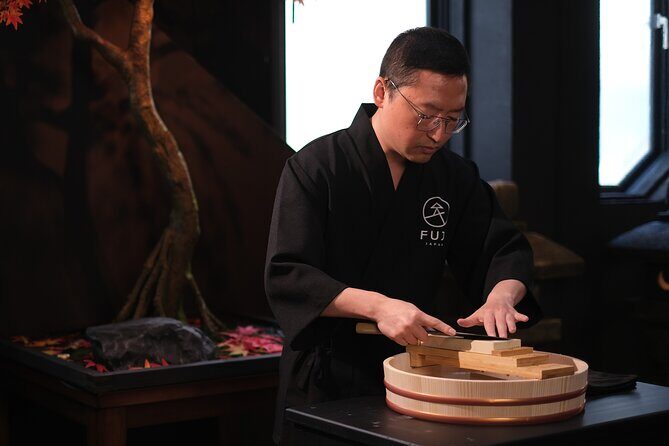
One of the most praised aspects is the guide. The class leader is described as phenomenal, and the instructor named Clement is specifically highlighted for being fantastic and for chatting while teaching. That matters more than people expect.
In sharpening, tiny details can change everything. If an instructor takes time to talk through what you’re seeing—how the stone interacts with your blade, what to watch for in the edge, and how to correct common mistakes—it shortens your learning curve fast.
It also makes the class feel less intimidating. Sharpening can sound like an intimidating craft. A guide who can explain while you practice tends to turn it into a skill you can actually trust after you leave.






What you take home: the knife you sharpened yourself
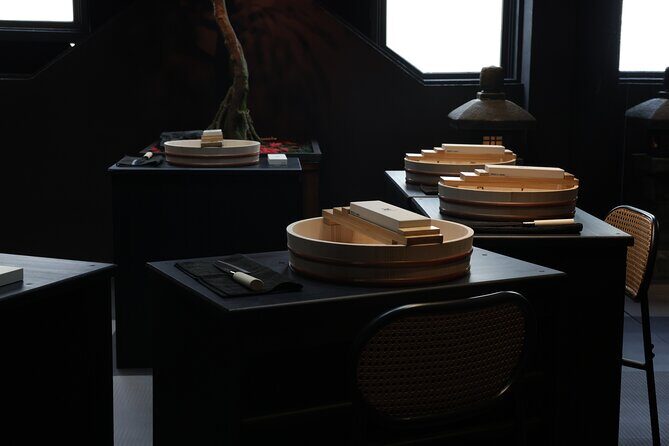
The best part is also the most straightforward: you take home the knife you sharpened. That turns the class into more than a fun Kyoto activity. It becomes a practical outcome.
You’ll leave with:
- A blade sharpened using the techniques you practiced on whetstones
- The confidence of having done the motions yourself
- A keepsake that’s personal, not just a souvenir shop receipt
For your home kitchen, that’s huge. A sharper knife changes cooking in small ways—clean cuts, better control, less frustration. And because you learned the process (not just the result), you’re more likely to maintain it between future sharpenings.
Price and value: $97.55 for instruction you can reuse
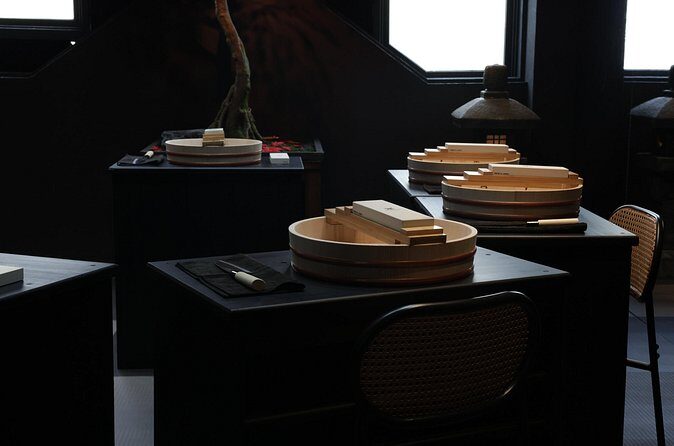
At $97.55 per person for about 2 hours, you’re paying for guided instruction, a structured lesson (history, steel types, sharpening theory), and supervised practice on whetstones—plus the take-home benefit of your own sharpened knife.
Here’s the value angle I’d use to judge whether it’s worth it:
- If you’re the type who wants a skill you can repeat, this price starts to look fair fast. You’re buying instruction that can pay off every time you sharpen later.
- If you mainly want a hands-on experience for the novelty, you might wonder why it’s not a cheaper workshop. In that case, focus on what you’ll actually use at home.
- The small group limit (max 6) supports the price: smaller classes generally mean more individualized coaching.
If you’ve ever spent money on “getting it sharpened” without learning the method, this class is aimed at the learning part. That’s the difference between a transaction and a true skill upgrade.
Who should book this sharpening class in Kyoto
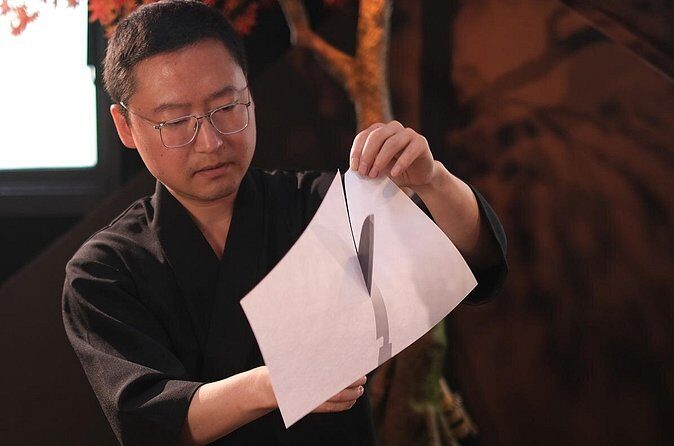
This fits best if you:
- Care about cooking and like knowing what’s happening in your tools
- Own a Japanese knife you want to maintain better
- Enjoy hands-on crafts where repetition builds confidence
- Want a Kyoto activity that’s more practical than another photo stop
It’s also a good choice if you want a group atmosphere without crowds. The limit of 6 keeps it intimate enough that you can ask questions and learn without feeling rushed.
When weather might affect your plans
The class requires good weather. If conditions are poor, the experience can be canceled and you’ll be offered a different date or a full refund. That’s a useful safety net—but it also means you shouldn’t book the class as the one fixed anchor of your entire Kyoto trip unless you can flex.
Given the session is only about 2 hours, it’s usually easier to adjust than with longer tours. Just keep an eye on the forecast when your date gets closer.
Should you book this Japanese knife sharpening class in Kyoto?
Yes—if you want more than a demo and you care about learning a technique you can use at home. The combination of theory (steel types and sharpening concepts) plus practice on whetstones plus an instructor who can talk with you while you work (with Clement mentioned for exactly that) makes it feel like a real skill class.
Skip it or reconsider if you want a mostly passive experience, or if you’re currently not interested in maintaining your own blades. Sharpening is physical and hands-on, and you’ll get the most out of it when you’re willing to participate.
FAQ
FAQ
What is the duration of the Kyoto knife sharpening class?
The class lasts about 2 hours.
Where does the experience start in Kyoto?
It starts at MUSASHI JAPAN 京都三条店 Knife Shop Japan, in Nakagyo Ward near Ishibashichō.
What is the price per person?
The price is $97.55 per person.
How many people are in the class?
The experience has a maximum of 6 travelers.
What will I learn during the class?
You’ll learn knife history, steel types, sharpening theory, and how to sharpen using whetstones of different grits.
Do I sharpen my own knife?
Yes. You sharpen your own blade under expert supervision.
Is the ticket mobile?
Yes. The experience uses a mobile ticket.
What happens if the weather is poor?
The experience requires good weather. If it’s canceled due to poor weather, you’ll be offered a different date or a full refund.
Can I cancel for free?
You can cancel up to 24 hours in advance for a full refund.