REVIEW · MORNING
Kyoto: Early Morning Tour with English-Speaking Guide
Book on GetYourGuide →Operated by GuideMe Japan · Bookable on GetYourGuide
Kyoto before the crowds feels like a cheat code. This small-group morning tour hits Fushimi Inari for quiet torii moments, then adds Arashiyama and Kinkaku-ji with guided storytelling and a schedule built to finish by lunchtime.
I love the crowd-busting timing, and you get a pace that feels brisk but never chaotic. I also like that your guide shows you how to get around using trains and buses, so you’re not just sightseeing—you’re learning the system for the rest of your Kyoto days.
One consideration: this is not a private tour, it’s a walking-and-transit route with fixed meeting times, so you’ll need to keep up. Also, it’s not wheelchair/stroller friendly and isn’t ideal if you use a cane.
In This Review
- Key Points You’ll Care About
- Meeting Kyoto: What the Kyoto Station Start Really Means
- Price and Logistics: What You’ll Actually Spend
- Fushimi Inari Taisha at First Light: Torii, Flow, and Calm
- Arashiyama Before the Bamboo Crowd: Where the Morning Feels Different
- Kinkaku-ji (Golden Pavilion) Timing: Big Icon, Managed Route
- The Guide Factor: Why English Storytelling Changes the Morning
- Pace, Walking, and Who This Tour Fits Best
- Practical Tips I’d Use Before You Go
- Should You Book This Early Morning Kyoto Highlights Tour?
- FAQ
- How long is the Kyoto Early Morning Tour?
- Where do I meet the guide?
- Is this a private tour?
- What’s included in the price?
- What costs are not included?
- Do I need an IC card or can I use a JR pass?
Key Points You’ll Care About
- Early start from Kyoto Station Central Ticket Gate so you can see the big sights before the day crowds pile in
- Small group limited to 8 people for smoother questions and photo stops
- Fushimi Inari pause for reflection at the shrine’s quieter rhythm of torii gates
- Arashiyama in the morning when the bamboo area still feels calm enough to enjoy
- Kinkaku-ji guided timing plus an official entrance fee you pay on-site
- Public transportation focused (not a bus-only day), so you finish with confidence for the rest of Kyoto
Meeting Kyoto: What the Kyoto Station Start Really Means
The tour begins at Kyoto Station Central Ticket Gate, the big gate near Kyoto Tower, right by a 7-Eleven. You’ll spot your guide holding a board that says GuideMe Japan. The real win here is location: you’re starting from the hub, so you don’t spend your morning guessing how to connect to other parts of Kyoto.
You’ll also meet early enough to avoid the worst crunch. The tour duration is about 330 minutes (roughly 5 hours, give or take ~30 minutes), and the goal is to wrap up by lunch. That means you still have a full afternoon for exploring, eating, or just resting your feet instead of chasing temples until evening.
This is also where the tour is a little strict—because it has to be. You should arrive 5 minutes early (they ask for 5–10 minutes). If you’re late, you might not be able to join once other groups have already started. I’m okay with rules like this when the whole point is beating crowds; just plan for train delays and give yourself buffer time.
You can also read our reviews of more guided tours in Kyoto

Price and Logistics: What You’ll Actually Spend
The listed price is $101 per person, and the value depends on what you’d otherwise pay for a guide plus the entrance fee and transit. The tour includes an English-speaking guide, plus the guided sightseeing portion.
What you’ll still need to budget for:
- Transportation fees (about 1240 yen)
- Kinkaku-ji entrance fee (500 yen)
- Lunch (not included)
A key practical detail: this is a public transportation tour, not a private van/bus day. You’ll ride trains and use transit connections, plus there’s a short bus/coach segment later for getting to Kinkaku-ji. You’ll want an IC card like Suica/ICOCA/PASMO or a JR pass if you have one—because you’ll be paying transit as you go.
Overall, I think this is good value if it’s your first time in Kyoto or if you have limited hours. You’re getting three famous sights grouped into a manageable morning route, with someone to explain what you’re seeing and help you avoid wasting time.
Fushimi Inari Taisha at First Light: Torii, Flow, and Calm
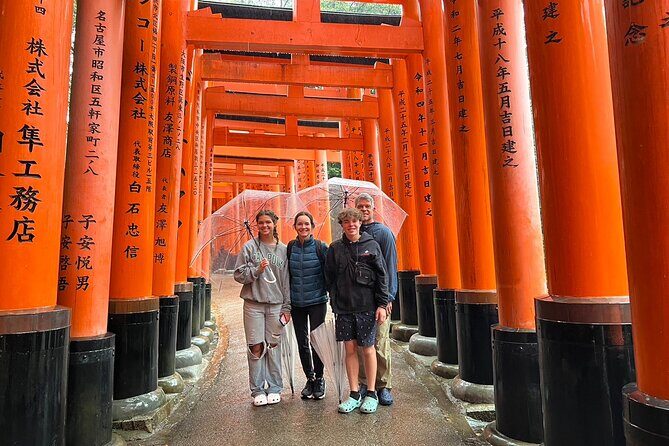
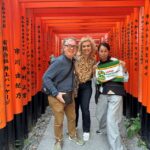
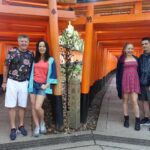
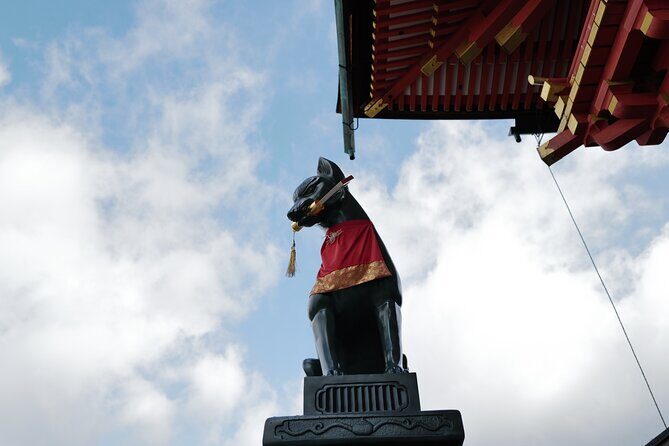
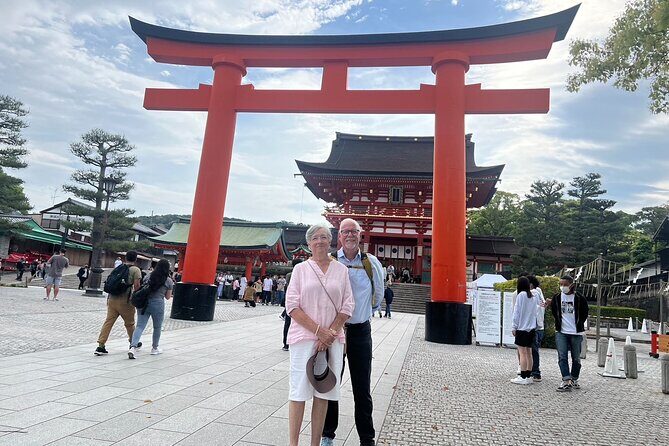
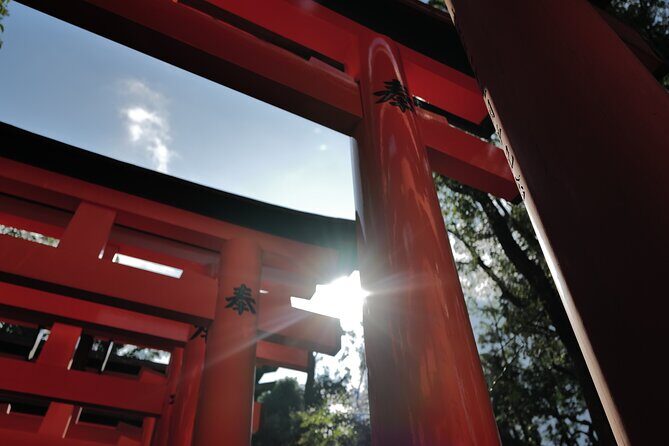
The first major stop is Fushimi Inari Taisha, guided for about 70 minutes. This is the whole reason the tour exists. Going early means you can experience the torii gates without the heavy daytime bottleneck, and you get a smoother rhythm for photos and walking.
One of the most praised parts from real-world feedback is how the guide helps you slow down. There’s a moment of contemplation and reflection built into this stop, which matters because Fushimi Inari can be visually overwhelming if you sprint through it. With a guide, you’ll understand how the shrine’s design and atmosphere work together.
You’ll also get helpful orientation before you walk deeper into the torii paths. Different guides have different styles, but names like Genki and Aya show up repeatedly in feedback as strong English communicators who explain meanings clearly and keep the pace comfortable. Expect time for lingering at key photo points, not just passing through.
Possible drawback: even with an early start, the shrine area is still a shrine area. Comfortable shoes aren’t optional, and your legs will feel it. If you’re not great with walking, consider whether you can handle a full morning of stairs and uneven shrine paths.
Arashiyama Before the Bamboo Crowd: Where the Morning Feels Different
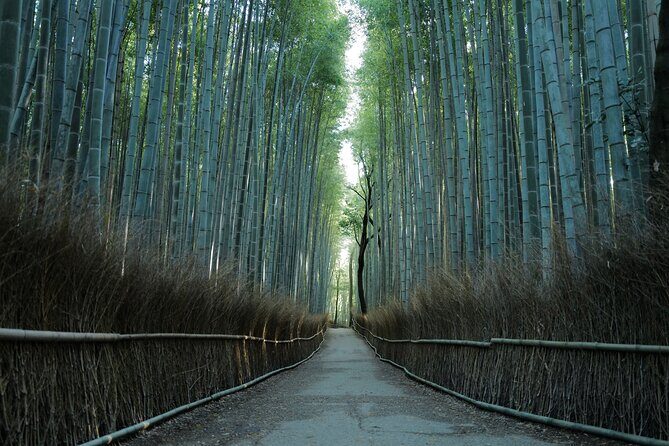
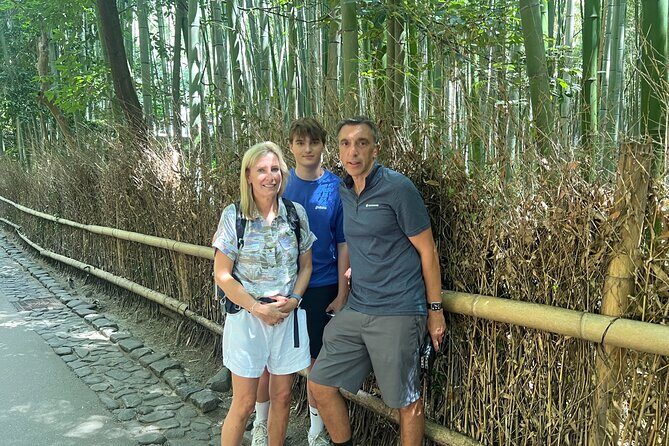
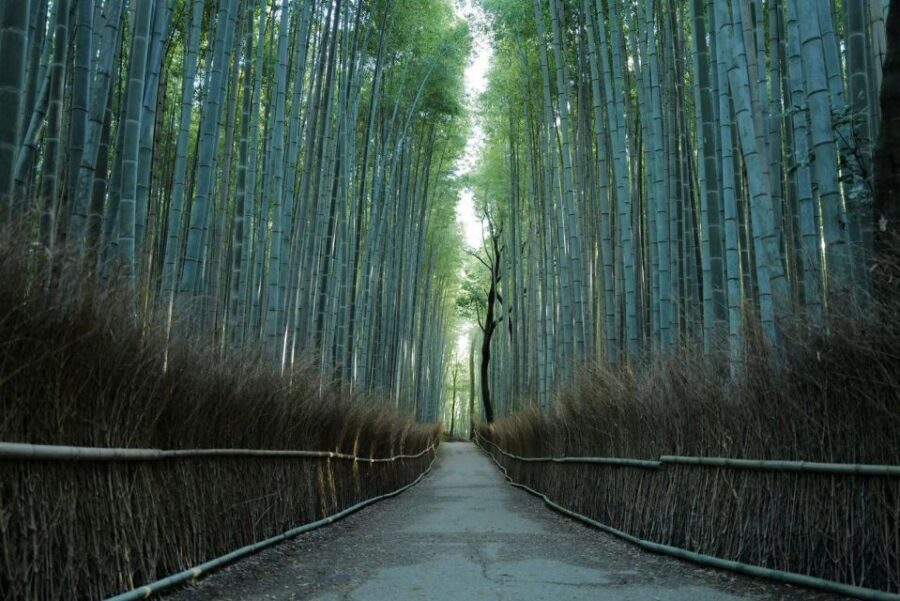
Next comes Arashiyama, guided for about 1 hour. This is where Kyoto starts shifting from “famous landmark” into “atmosphere.” People often picture Arashiyama as a single photo moment, but a guided visit helps you see it as a district—walking routes, seasonal textures, and the way the area changes when the day crowd hasn’t fully arrived yet.
Feedback also points to the power of timing here. One group specifically described the bamboo forest in snow as magical, which tells me the guide was matching the route to conditions rather than just following a checklist. Even if you aren’t visiting in snow, early Arashiyama tends to feel more walkable and less jostly.
As you move from place to place, your guide uses transit in between stops so you’re not spending your energy figuring out connections. Some guides (like Haruki and Leo in feedback) were singled out for making public transit feel simple—so you can keep your morning flowing instead of losing time.
A consideration here: because this is a walking-and-transit format, you’ll want to stay with the group during transfers. You’re not stuck for hours in a bus seat, which is a plus. But the tradeoff is you’ll need to follow directions closely.
Kinkaku-ji (Golden Pavilion) Timing: Big Icon, Managed Route
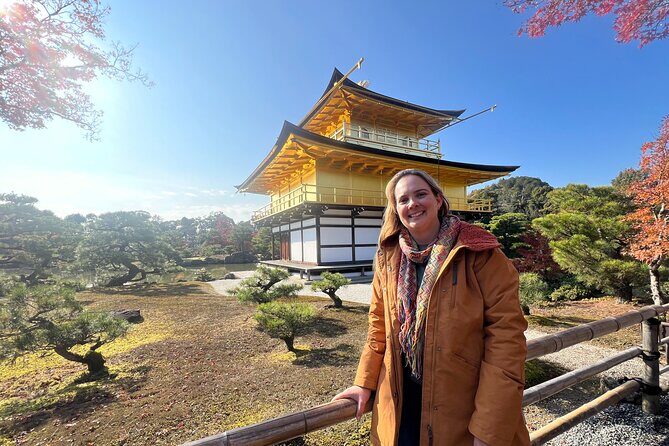
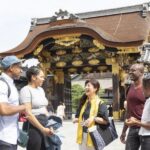
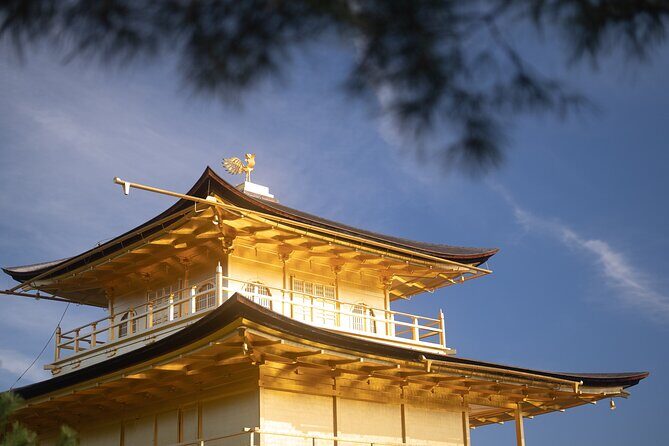
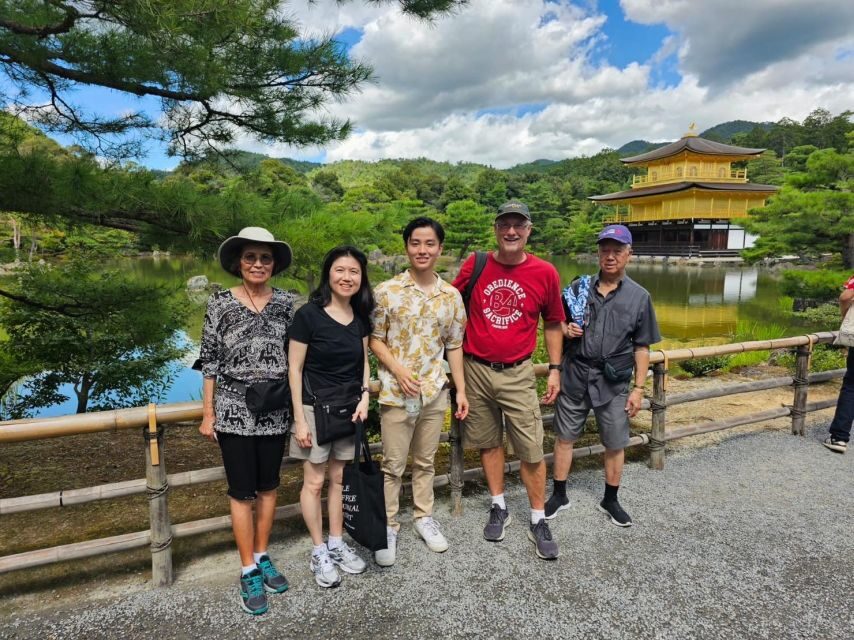
The final highlight is Kinkaku-ji, guided for about 1 hour. You’ll need to pay the 500 yen entrance fee on-site. This is the kind of stop that can get intense later in the day, so the early-morning planning really matters.
What’s nice about arriving in the morning is that you can enjoy the pavilion and its surrounding views with less crowd pressure than you’d face mid-day. Guides in feedback were praised for making the experience feel “complete,” not just a quick look. People also mentioned how guides helped them get great photos—so you’re not only watching, you’re capturing.
There’s also an important practical advantage: your guide manages the transit connections so you’re not hunting down the bus in peak confusion. One specific feedback note described a situation where a bus plan didn’t go smoothly by then switching tactics (they used a taxi) to keep the group moving. That’s the kind of flexibility you’d pay for in a private tour—so it’s good to see it show up here too.
Potential drawback: because it’s the Golden Pavilion, you should still expect plenty of other visitors. The tour’s strategy is to reduce the worst of it, not to remove crowds entirely.
You can also read our reviews of more tours and experiences in Kyoto

The Guide Factor: Why English Storytelling Changes the Morning
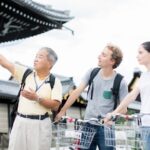
This tour lives or dies on the guide. And the pattern in the feedback is consistent: friendly guides with strong English who explain what you’re looking at and keep the pace comfortable.
Several names pop up with standout comments:
- Hinano Yoshida for being helpful, answering questions, and keeping a good pace
- Ramu for impressive historical context and making it feel fun to talk with her
- Genki for friendliness, strong English, and making a short Kyoto stay feel sufficient
- Koi for handling surprises well and staying helpful even when routing changed
- Haruki for organization, humor, and photo-spot attention
- Hina for adding context and even sharing later food recommendations
That last point is underrated. After you see three major landmarks, you still need the rest of the day. Multiple feedback notes say guides recommended places to eat or shared restaurant lists afterward. It’s a small thing that saves you time later, especially if your afternoon is unplanned.
Pace, Walking, and Who This Tour Fits Best
This is a walking tour using public transportation. That means you’ll spend your morning on your feet and on transit connections, not on a long coach ride. The upside is you get moving without wasting time. The downside is you should be ready for a steady rhythm.
It’s not wheelchair/stroller accessible, and it’s not recommended for people who use a cane. Heart-problem caution is also listed as a no-go. If you have mobility concerns, read the requirements carefully and think about how much walking you can handle before committing.
Who it suits well:
- First-time Kyoto visitors with limited time who want the big hits efficiently
- People who like learning as they walk, not just collecting photos
- Travelers comfortable following a meeting time and staying with the group during transit
Who might want a different plan:
- Anyone who needs a slower pace or lots of breaks
- People who can’t commit to early starts and fixed group timing
Practical Tips I’d Use Before You Go
I’d treat this morning like an athletic event—because Kyoto’s mornings can be cold, and walking adds up fast.
- Wear comfortable shoes you can trust on temple paths.
- Bring cash for the entrance fee and any small purchases.
- Have your IC card ready (or JR pass) since transit fees aren’t included.
- Download WhatsApp beforehand, since your guide contacts you there about meeting details.
- Aim to arrive early at the Kyoto Station Central Ticket Gate so you don’t risk missing the start.
Also, bring a simple mindset: you’re not trying to see everything in Kyoto today. You’re picking the top “must-see” sights and doing them in a way that protects your energy.
Should You Book This Early Morning Kyoto Highlights Tour?
I’d book it if you want Kyoto’s most famous sights with a guide and you care about timing. The whole pitch is straightforward: beat the crowds, get Fushimi Inari + Arashiyama + Kinkaku-ji done in one focused morning, and have lunch time free afterward.
I would not book it if you need a fully accessible, stroller-friendly, or private experience, or if early mornings and walking are tough for you. This tour is built for people who can keep a steady pace and follow a fixed schedule.
If that’s you, this is a smart first Kyoto move. You’ll leave with three iconic memories—and with a better sense of how Kyoto works day-to-day, because your guide helps you navigate public transport instead of just pointing at landmarks.
FAQ
How long is the Kyoto Early Morning Tour?
The tour is listed at about 330 minutes, and the actual duration can vary by roughly 30 minutes before or after the estimate.
Where do I meet the guide?
Meet at Kyoto Station Central Ticket Gate, at the big gate near Kyoto Tower and next to a 7-Eleven. The guide holds a board that says GuideMe Japan.
Is this a private tour?
No. It’s a small group tour with a maximum of up to 8 people.
What’s included in the price?
The sightseeing tour and an English-speaking guide are included.
What costs are not included?
Lunch is not included. You should budget for transportation fees (about 1240 yen) and the Kinkaku-ji entrance fee (500 yen).
Do I need an IC card or can I use a JR pass?
You can use an IC card (SUICA, ICOCA, PASMO) or a JR pass. This is a public transportation tour, so transportation fees are paid during the tour.