REVIEW · HISTORICAL TOURS
Private car tour Let’s uncover secrets of majestic Kyoto history
Book on Viator →Operated by Amazing Kyoto Experience · Bookable on Viator
Kyoto can feel like a maze of crowds. This private car tour helps you see the city without the stress, while still hitting places that define Kyoto. You start with classics like Fushimi Inari-taisha, then shift to smaller temples, gardens, and local food stops that most day-trippers miss.
I like two things a lot. First, it’s genuinely private for your group of up to 10, with an itinerary you can adjust to your pace. Second, the guide experience matters: Takashi is repeatedly described as friendly, organized, and fluent in English, and he’s the type to explain what you’re looking at instead of rushing you to the next bus stop.
One drawback to consider: a private tour is only as good as day-of communication. There’s been at least one reported case where the guide didn’t show at the agreed time due to a booking-system issue, and the guest had to switch tours and lose time. I’d plan to message the day before and keep confirmation handy.
In This Review
- Key things I’d remember before booking
- Why a private Kyoto car feels different from tour buses
- Price and what you’re really paying for
- Pickup, timing, and how to keep the day smooth
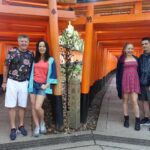
- Stop 1: Fushimi Inari-taisha for tri-gates and quiet moments
- Stop 2: Kennin-ji and the fun of a “secret” temple name
- Stop 3: Ryoan-ji and the big meaning behind tiny rocks
- Stops 4 to 6: Adashino Nembetsu-ji, Otagi Nenbutsu-ji, and quieter Kyoto corners
- Adashino Nembetsu-ji Temple (30 minutes)
- Otagi Nenbutsu-ji Temple (30 minutes)
- A reality check on time
- Stop 5: Kinkakuji’s gold-leaf top floors and the shine effect
- Stop 7: Monkey Park Iwatayama plus a Kyoto sweets break
- Stop 8: Kibune Shrine, koi fish, and a local-neighborhood feel
- Lunch, restaurant choices, and how the guide handles cravings
- How to match this tour to your travel style
- The one thing I’d do differently: manage expectations about photos
- Should you book this private Kyoto car tour
- FAQ
- How long is the Kyoto private car tour?
- What’s the group size limit for the private tour?
- Does the tour include hotel pickup and drop-off?
- Is admission included for temple and shrine stops?
- Is lunch included in the price?
- Does the tour have an air-conditioned vehicle?
- Are mobile tickets provided?
- Is the tour suitable for most people?
- Can I cancel for a full refund?
Key things I’d remember before booking
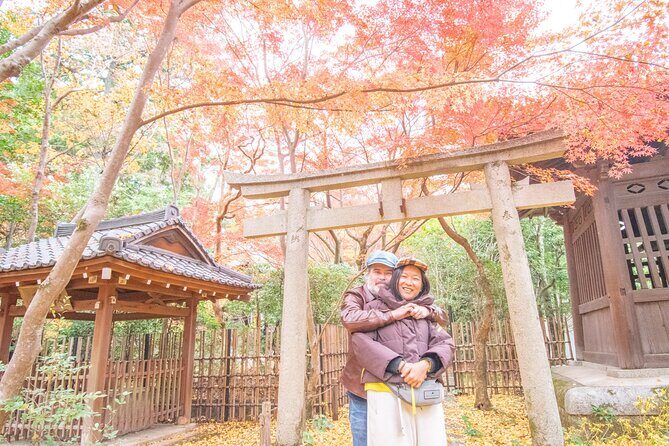
- Private vehicle, up to 10 people: less waiting, easier bathroom breaks, and calmer temple pacing
- Hotel pickup and drop-off: you trade logistics for time in Kyoto
- Secret temple stop: one name is revealed only on the tour, which adds a small element of surprise
- Air-conditioned rides: a lifesaver when Kyoto cooks you in summer
- Off-the-typical-route temple mix: big shrines plus quieter gardens and smaller sites
- Snacks and sweets built into the route: Kyoto-style treats like mochi variations and yuzu shaved ice
Why a private Kyoto car feels different from tour buses
Kyoto’s famous sights are famous for a reason. The downside is timing. Even early, places like the shrine gates at Fushimi Inari-taisha can swell with tour groups that move as one.
This experience trades that big-bus rhythm for a private rhythm. You’re in your own vehicle, and the tour is designed to keep you moving while still letting you slow down at the places you care about. That flexibility is not just a nice extra. It’s what lets you spend real time in temples and gardens, instead of snapping photos while walking past.
The tour also leans into comfort. Multiple people mention the heat and love the air-conditioned car. In Kyoto, that’s practical, not luxury.
You can also read our reviews of more private tours in Kyoto
Price and what you’re really paying for
The price is listed at $108.58 per person for a roughly 7-hour private car tour.
Here’s the value math that matters:
- You’re paying for privacy and logistics: pickup, drop-off, vehicle time, and the guide’s time for your group.
- You also pay for convenience: no trains, no buses, no hunting addresses, and less time lost between far-apart areas.
- There’s a line item to know: an admission fee of ¥3,000 per person is not included.
The itinerary shows many stops with free admission on the plan, so you may still feel you got a bargain day. But because there is that separate ¥3,000 fee, I’d budget for it when comparing total cost. If you’re splitting the tour with a group, private-vehicle tours like this can become a very cost-effective way to see Kyoto without the daily crowd tax.
Pickup, timing, and how to keep the day smooth
The tour includes hotel pickup and drop-off, plus an air-conditioned vehicle. It’s also set up for a mobile ticket, so you’re not scrambling for paper.
Duration is listed as about 7 hours, and the stops are arranged so you can see a lot without the “constant drive, constant line” feeling. Still, a private day can feel long if you pack it too tightly. The good news is that flexibility is part of the promise, and people mention that Takashi can tailor the day to a family’s needs and pace, including accommodating senior members.
One more practical point: the itinerary includes small “micro-stops” (like 30-minute temple breaks and a sweets stop). That’s intentional. You get frequent chances to reset—shade, photos, restrooms, and snacks—so the day doesn’t grind you down.
Stop 1: Fushimi Inari-taisha for tri-gates and quiet moments
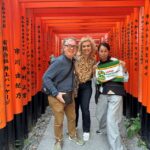
You begin at Fushimi Inari-taisha Shrine, famous for its endless feeling of thousands of torii gates. The grounds also include areas where you can feel the scale in a different way: the shrine premise stretches across a mountain, with bamboo forests and a calmer atmosphere once you leave the densest lanes.
What I like about starting here on a private route: you can arrive with a bit more control over crowd intensity. On a group bus schedule, you often get pushed in when the mass arrives. Here, you can slow down where the gate tunnels feel most magical and move on before you get tired of standing still.
Spend time, but don’t overdo it. The gates are the show, but Kyoto rewards you when you keep your feet fresh for the later temples.
Stop 2: Kennin-ji and the fun of a “secret” temple name
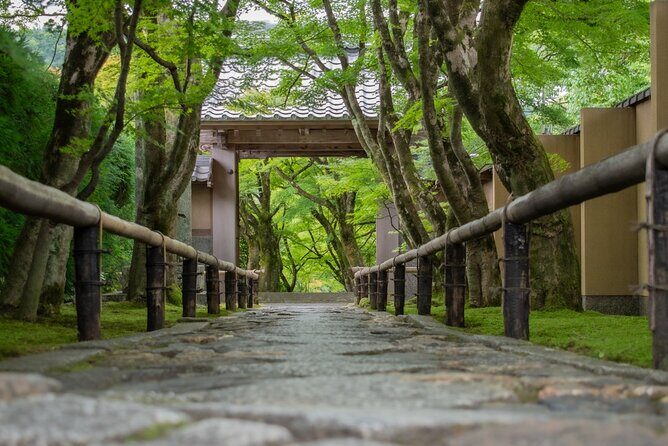
Next is Kennin-ji Temple—listed as a secret temple where the temple name is disclosed only on the tour.
That twist matters because it shifts expectations. Instead of scanning reviews and trying to guess what you’ll see, you show up to one of Kyoto’s quieter spiritual spaces and let it land on you first.
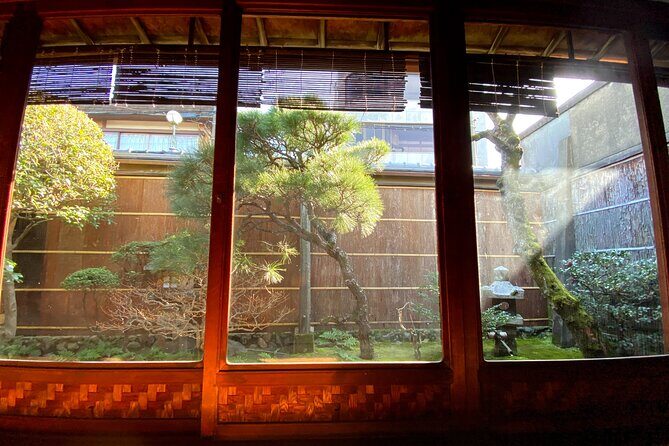
The highlight here is the moss garden, described as gorgeous and surprising. A moss garden is not about loud spectacle. It’s about texture, time, and stillness. In a crowded day, you rarely get that kind of slow looking.
If you’re photo-oriented, go early in your viewing. Moss gardens are best when you’re not rushed and you can stand at the right angle.
You can also read our reviews of more historical tours in Kyoto
Stop 3: Ryoan-ji and the big meaning behind tiny rocks
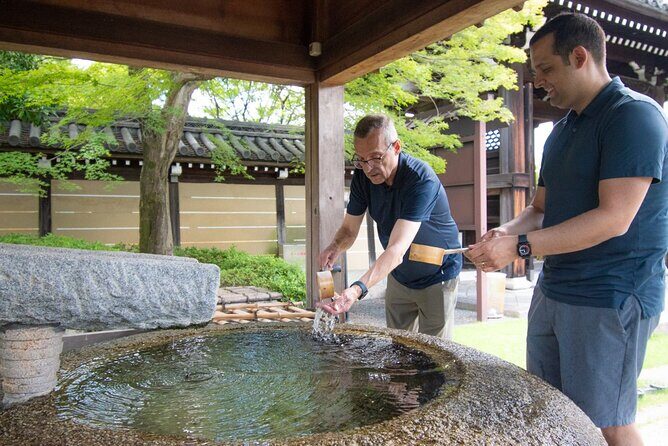
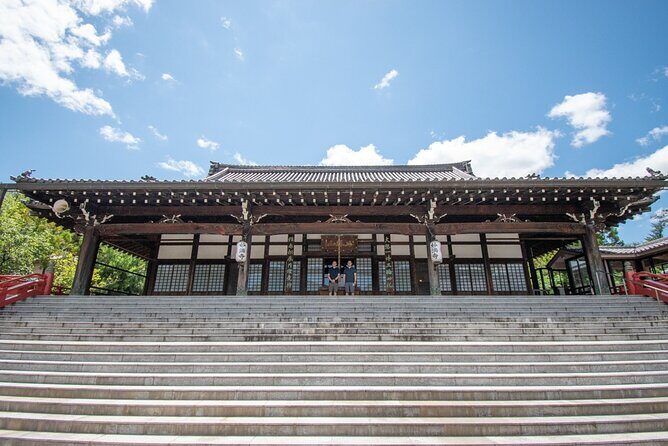
Then you move to Ryoan-ji Temple, described as a major temple in northern Kyoto. The garden’s core is the arrangement of millions of tiny rocks into an organized composition.
This is one of those Kyoto experiences where the guide’s explanations can turn a “nice garden” into something memorable. People mention that the tour connects sites to broader context, including the history of Buddhist developments in Japan. Even if you only catch part of the story, it changes how you see the place.
Practical note: gardens like this often require patience. If you’re trying to maximize every minute, slow down here. The point is not speed; it’s attention.
Stops 4 to 6: Adashino Nembetsu-ji, Otagi Nenbutsu-ji, and quieter Kyoto corners
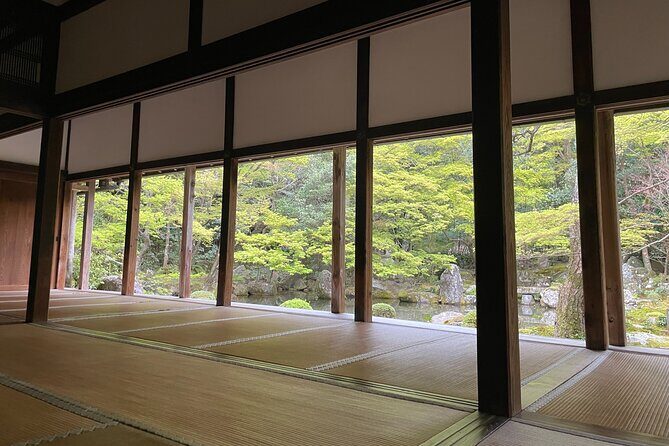
This tour hits two especially interesting “lesser-known” temple environments after Ryoan-ji.
Adashino Nembetsu-ji Temple (30 minutes)
At Adashino Nembetsu-ji, you’ll hear about its origins, including its connection to a group called Hatashi—described as a Korean-rooted ethnic tribe in the 5th–6th century. The site also includes history tied to a fire in the 8th century, and the fact that it continued afterward.
Why this stop works on a private day: you’re not just touring names. You’re learning why a place exists and how it survived. In Kyoto, that kind of context helps you connect the dots between shrines, families, and eras.
Otagi Nenbutsu-ji Temple (30 minutes)
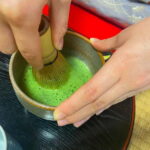
Next is Otagi Nenbutsu-ji Temple, listed as a short stop but packed with atmosphere. It’s tied to an art master connected to multiple arts, including tea ceremony and calligraphy, and the site is described as having an awesome garden plus tea ceremony items.
This is the type of place where you’ll probably notice details more once you stop thinking of it as a checkbox. In a short time window, you want to pick one theme and focus—garden textures, art objects, or the overall layout.
A reality check on time
These two 30-minute stops can feel quick if you like long garden wandering. But the upside is that they keep the day varied. You’ll leave still curious instead of tired and done.
Stop 5: Kinkakuji’s gold-leaf top floors and the shine effect
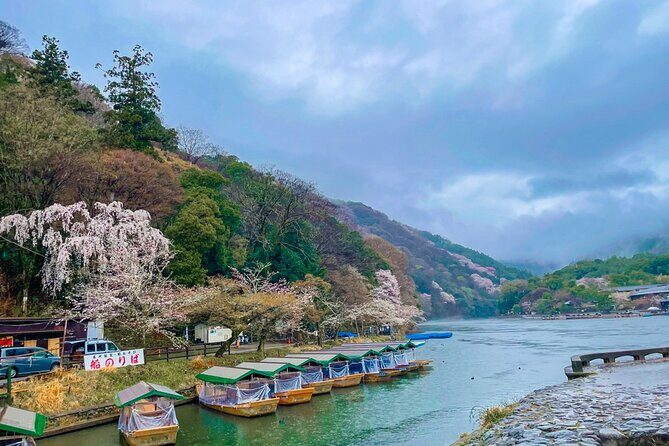
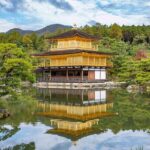
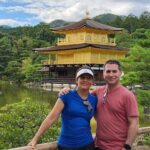
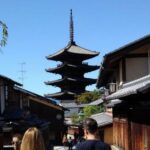
The itinerary includes Yasakanoto, which also refers to Kinkakuji (the Golden Pavilion)—a temple whose two top floors are covered with gold leaf.
Even if you’ve seen photos, Kyoto’s gold-leaf sites are hard to capture fully in pictures. In person, light moves across the structure and changes the mood. On a private route, you may also have a slightly better chance to view it without being pushed along by a large group pack.
One tip: if you’re sensitive to bright glare, bring sunglasses. Gold-leaf reflections can be intense, especially under strong midday light.
Stop 7: Monkey Park Iwatayama plus a Kyoto sweets break
Next is Monkey Park Iwatayama, followed by time at a local dessert shop. The plan includes a 30-minute sweet stop, and it’s not a generic tourist cafe. It’s described as offering Kyoto-style treats.
Examples mentioned include:
- Mochifu, which has different textures from normal mochi
- Shaved ice flavored with yuzu or match
I like this kind of pacing because it breaks the day at the right moment. By the time you reach dessert, your brain is tired from temples and your feet want a rest. The sweets stop gives you a quick reset without turning the day into a food tour.
If you have a “sweet budget,” decide ahead. Kyoto dessert can be tempting, and 30 minutes can disappear fast.
Stop 8: Kibune Shrine, koi fish, and a local-neighborhood feel
The final stop is Kibune Shrine, described as the biggest shrine erected by a powerful noble family tied to the Hatashi tribe and beloved by the surrounding neighborhood households.
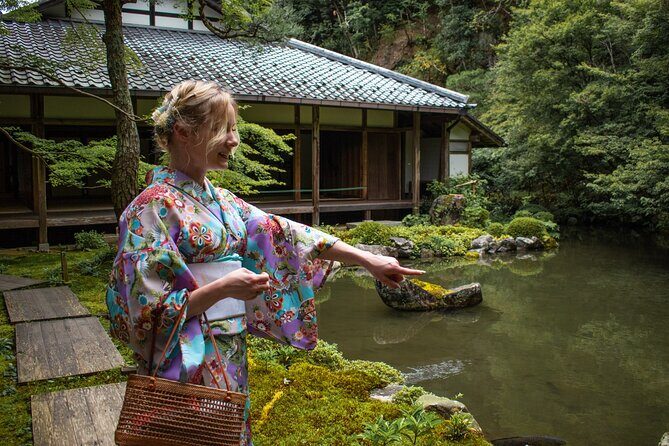
The standout activity: a large koi fish pond where they allow you to feed the fish. That’s a fun, hands-on moment and a good way to end. It also shifts your mind from architecture and gardens to something more everyday—family life around a shrine.
Plan for a short attention span. Koi pond moments are satisfying, but you’ll be ready to head out once it becomes a rhythm.
Lunch, restaurant choices, and how the guide handles cravings
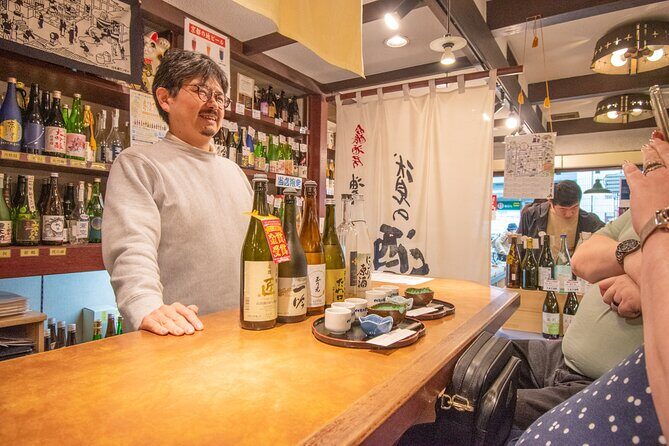
Lunch is flexible. The plan says lunch is not included, but the guide can suggest a restaurant. People mention lunch options ranging from a favorite ramen place to more formal kaiseki-style requests, plus intimate local spots.
What matters for you: the tour includes tips of local good restaurants for lunch and dessert shops, and the guide is described as tailoring to needs. So if you want something specific—like a kaiseki-style lunch for a special day—you have a better chance of getting it than with a fixed group lunch.
One practical approach: tell your guide what you can’t eat (and what you crave). That makes the restaurant suggestion actually useful instead of just “random good food.”
How to match this tour to your travel style
This is a strong fit if you:
- want to see Kyoto without spending half the day figuring out transport
- prefer smaller, quieter temple stops over the biggest “everybody goes” highlights
- travel as a family group or with seniors who need comfort and pacing
- like your guide giving context, not just names and ticket instructions
It may be less ideal if you:
- want only the single most famous Kyoto sights in a checklist format
- hate short stops and want long, slow museum-style exploration everywhere
- need a lot of time at one place more than variety across multiple sites
Also, note the reality of private touring. You’re still outdoors. Bring water, wear comfy shoes, and plan for weather changes. The day’s structure helps you recover, but it doesn’t make Kyoto indoor-only.
The one thing I’d do differently: manage expectations about photos
A smaller number of reviews mention limited photo-taking or fewer photos than expected, depending on the tour format. If you want a lot of photos, I’d bring that up directly. Ask the guide for time for photos at each stop, and be clear about what you need: quick family shots, golden-hour style, or slow portrait time.
That way you get the memories you want without feeling rushed.
Should you book this private Kyoto car tour
I’d book it if your priority is calmer sightseeing with smart pacing. The combination of hotel pickup, air-conditioned comfort, private group size (up to 10), and a route built around quieter temples makes the day feel intentional instead of chaotic.
If you’re price-checking, include the fact that ¥3,000 per person admission fee is not included, even though many listed stops show free admission. If that’s still within your budget, you’re paying for convenience and guidance—two things that matter a lot in Kyoto.
My final advice: message the operator the day before and confirm pickup details. That small step protects you against rare day-of failures and keeps the day smooth.
FAQ
How long is the Kyoto private car tour?
It’s listed as about 7 hours.
What’s the group size limit for the private tour?
The tour is private for your group, with a maximum of up to 10 people.
Does the tour include hotel pickup and drop-off?
Yes. Hotel pickup and drop-off are included.
Is admission included for temple and shrine stops?
An admission fee of ¥3,000 per person is not included. The itinerary also lists admission tickets as free for multiple stops, but that separate fee is still listed as not included.
Is lunch included in the price?
Lunch is not included. If you want lunch, the guide can suggest places during the tour based on your request and situation.
Does the tour have an air-conditioned vehicle?
Yes. The tour includes an air-conditioned vehicle.
Are mobile tickets provided?
Yes. Mobile ticket is listed as a feature.
Is the tour suitable for most people?
The additional info says most travelers can participate. There is no specific exclusion besides the alcohol-consumption age requirement of 18.
Can I cancel for a full refund?
Yes, it’s free cancellation up to 24 hours in advance for a full refund. If you cancel less than 24 hours before, the amount paid is not refunded.