REVIEW · 1-HOUR EXPERIENCES
One Hour Geisha Show in Kyoto
Book on GetYourGuide →Operated by GuideMe Japan · Bookable on GetYourGuide
Kyoto runs on short, graceful moments. This one-hour Maiko experience is all about seeing the performance up close, then talking with her afterward, not stuffing your schedule with noise. I especially liked how the Q&A and photo time turn a show into a real conversation you can remember.
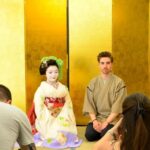
Two things I really enjoyed: first, meeting an actual apprentice geisha and watching her dance with that exact kind of control you only get from years of practice. Second, the professional guide support matters a lot here. In different sessions I’ve read about, guides like Rin, Genki, and Chihiro help translate and keep things moving so you don’t sit there nodding like a decorative fan.
One consideration: this is not a long, continuous performance. The Maiko dances in short bursts, then you shift to Q&A and activities, so if you expect a full one-hour nonstop show, you’ll be a bit surprised.
In This Review
- Key highlights you’ll notice fast
- Kyoto Maiko Show: What the Experience Feels Like
- Tea House vs Gion Theater: Picking the Right Kyoto Setting
- Tea House option (Kyo-Machi-ya)
- Gion Theater option (Showhouse)
- The Hour’s Flow: Dance, Questions, and a Little Interaction
- Kitano Tenmangū Shrine Time (Tea House Option Only)
- Photos and the Traditional Game: How You’ll Spend Your Time
- Price and Value: Is $50 Fair for What You Get?
- Practical Tips That Make Your Visit Smoother
- Wear socks, and plan your feet
- Skip strollers and alcohol
- Know the language support is included
- Don’t expect the whole hour to be dancing
- Meeting point can vary
- Should You Book This Kyoto Maiko Show?
- FAQ
- FAQ
- How long is the Geisha/Maiko show experience?
- What’s included in the tour price?
- Can I take photos and videos during the show?
- Will the Maiko perform continuously for the entire hour?
- What’s the difference between the tea house option and the Gion Theater option?
- Is the tea house option wheelchair accessible?
- Is the Gion Theater option wheelchair accessible?
- What should I bring, and what should I wear?
Key highlights you’ll notice fast
- A rare Maiko sighting in Kyoto, where you can learn the basics of the art without guessing
- Up-close dancing, typically a short dance set, designed to keep the moment special
- Photo and video time, plus a chance to interact after the performance
- Guide-led translation and context, with hosts such as Genki, Rin, and Akari mentioned in feedback
- A traditional game, with at least one session including Konpira Fune Fune
- Optional shrine time if you choose the tea house format
Kyoto Maiko Show: What the Experience Feels Like
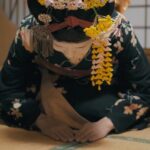
The biggest thing you’re buying here isn’t a “show” in the big-theater sense. It’s access: you get to sit close enough to catch the details of the dance, then ask questions that most people never get to ask. The whole format is built around respect for the craft, so the moment stays crisp instead of turning into a long production line.
You also get structure that makes the hour feel like more than one performance slot. The Maiko typically performs a traditional dance lasting around 10 minutes, then you get two additional short dances (about 5 minutes each). After that, the experience turns social: Q&A, pictures and videos, and a traditional Japanese game.
Guides are a big part of why it works. People specifically mention guides such as Akari, Ai, Genki, and Chihiro for being friendly and keeping communication clear. If your Japanese is basic, you’ll still feel on track because the guide turns the cultural context into something you can actually understand.
And yes, you’ll likely leave with photos. This isn’t one of those “no cameras, sorry” situations. The Maiko is described as welcoming people to take pictures and videos, and many participants mention getting time for a photo at the end.
You can also read our reviews of more tours and experiences in Kyoto

Tea House vs Gion Theater: Picking the Right Kyoto Setting
This tour comes in two formats, and the vibe changes depending on where it happens.
Tea House option (Kyo-Machi-ya)
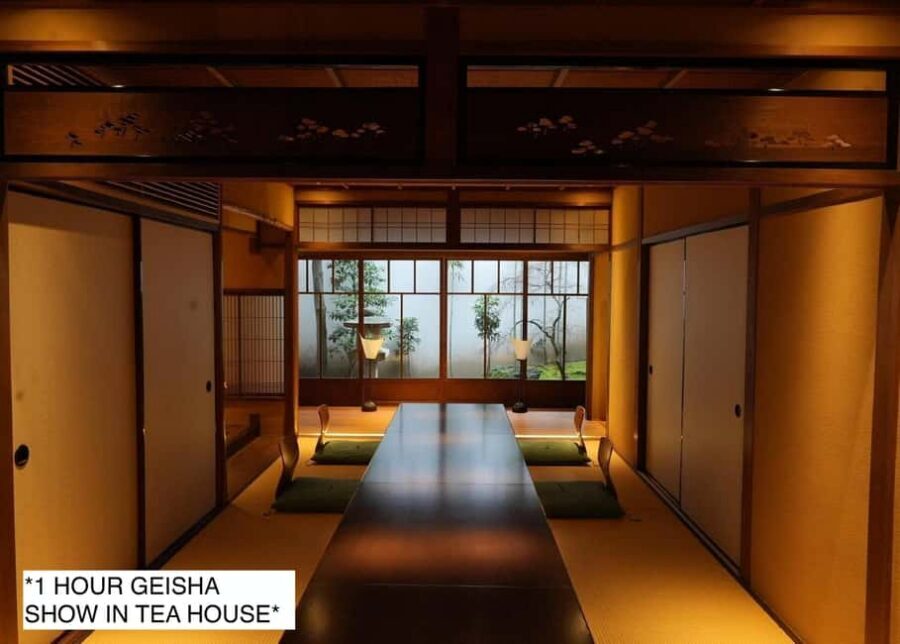
The tea house option is held in a Kyoto-style house (a Kyo-Machi-ya). That typically means a more intimate setting, closer to how people imagine traditional Kyoto. This option also includes a 30-minute session at Kitano Tenmangū Shrine, and the walking tour that includes the shrine is only for the tea house format.
There’s a practical trade-off, though: wheelchair access isn’t available for the tea house option.
Gion Theater option (Showhouse)
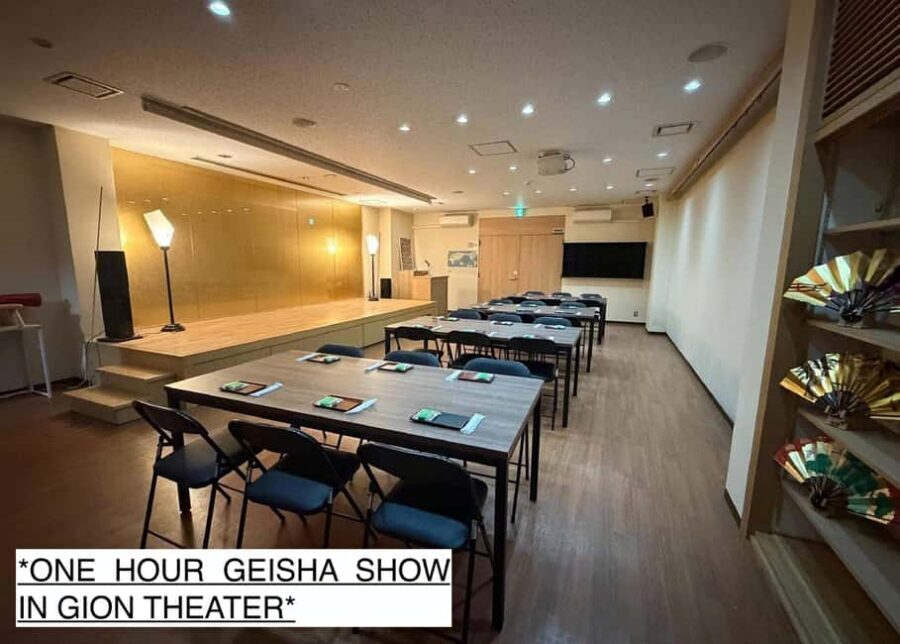
The Gion Theater option happens in a showhouse setting, which can feel more like a formal venue built for performances. The upside: wheelchair access is available here. The downside: it won’t include the shrine time, and the overall feel may be less “Kyoto house” and more “performance space.”
If you’re trying to choose based on atmosphere, I’d go tea house if you want the Kyoto-house feel and you’re able to handle the walking for the shrine portion (and if you don’t need wheelchair access). If mobility access is your priority, Gion Theater is the safer bet.
The Hour’s Flow: Dance, Questions, and a Little Interaction
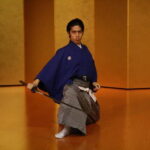
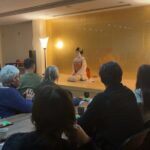
The show begins with the Maiko’s traditional dance. Expect it to feel precise and graceful rather than flashy. The point isn’t nonstop action; it’s controlled artistry, delivered in short segments so the whole thing stays meaningful.
After the first dance, the format continues with two more dance moments, each about 5 minutes. Then you’re into the Q&A part. This is where a lot of the value shows up, because you get to move from observing to understanding.
In feedback, people repeatedly highlight that the Maiko is open with answers, and that the guide helps translate the questions in a way that keeps the tone respectful. Guides mentioned in feedback include Genki, Rin, and Chihiro, and they’re described as helping the interaction feel smooth rather than awkward.
Then comes the fun part: photos and videos, plus a traditional game. One participant described playing Konpira Fune Fune (and losing, which feels very on-brand for humans with no practice). You’ll also see mentions of small souvenirs, like receiving a name sticker for luck, though you shouldn’t count on a specific item every time.
A key detail: the Maiko will not be performing continuously for the full one-hour window. You’re there for the total experience (dances plus interaction plus game), not for one long stretch of dancing.
You can also read our reviews of more tours and experiences in Kyoto


Kitano Tenmangū Shrine Time (Tea House Option Only)
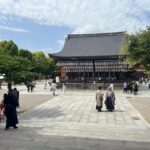
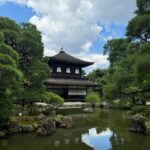
If you choose the tea house option, your tour isn’t only about sitting and watching. You also get a guided visit session at Kitano Tenmangū Shrine for about 30 minutes.
This is a smart pairing because it gives you a change of pace. The shrine visit helps you put the Maiko experience in Kyoto context, so you don’t go home feeling like you saw a single bubble of culture with no surrounding atmosphere.
One important planning note: the walking tour that visits the shrine is only included with the tea house option. So if you’re booking for mobility reasons, you’ll want to match the option to your needs. Also, there’s an age limit listed as not suitable for people over 95 years, so take that seriously.
For the shrine portion itself, the tour is guided, and it’s described as a dedicated session rather than a quick drive-by photo stop. That’s exactly the kind of timing that makes a short tour feel worth it.
Photos and the Traditional Game: How You’ll Spend Your Time
This experience is unusually interactive for a cultural performance setting.
You’re allowed to take photos and videos, and the timing is intentionally built into the schedule. That matters, because it means you’re not trying to snap while someone’s trying to keep the flow respectful. After the dances and during/after the Q&A, you get the chance to take pictures and capture the moment properly.
The traditional game adds a light, human element. The tour description says there will be time to play a traditional Japanese game, and in at least one account, it was Konpira Fune Fune. Even if you’ve never played before, the point is to join in and experience the cultural moment with the guide helping translate what’s happening.
One small detail that makes this feel special: guides and hosts are mentioned as stepping in to help the Maiko and audience connect smoothly. That support makes the game feel like a shared activity instead of a formal performance with barriers.
At the end, many accounts mention photo time with the Maiko. That final photo moment is often what people say becomes a “I can’t believe this happened” memory.
Price and Value: Is $50 Fair for What You Get?
At $50 per person, you’re paying for access, not just entertainment.
Here’s why it can be good value:
- You’re seeing an actual Maiko performance in Kyoto, and the interaction time is part of the package.
- You get professional guiding in English (and Korean for those sessions).
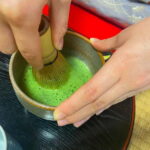
- You also get tea and traditional Japanese snacks, so you’re not scrambling for a snack afterward.
- If you pick the tea house option, you also get the 30-minute Kitano Tenmangū Shrine session.
What you’re not paying for:
- A long, continuous performance that turns into background noise.
- An unlimited Q&A or an endless show slot.
So the value depends on your expectations. If you want a fast, meaningful cultural interaction and you like respectful, short-format performances, this pricing starts to feel reasonable. If you want a big theatrical show that lasts and lasts, you’ll likely feel like the time is too short. The format is intentional, and the best results come when you show up ready for a concentrated experience.
Also, note the group size caps: max 23 people for the tea house option and max 30 for Gion Theater. Smaller groups usually mean a calmer atmosphere and more comfortable interaction for Q&A and photos.
Practical Tips That Make Your Visit Smoother
Before you go, there are a few real-world details that will save you hassle.
Wear socks, and plan your feet
You’re told to wear socks, and bare feet aren’t allowed. This is one of those “small rule, big impact” items. If you show up in the wrong footwear situation, you might spend the first part of the experience fixing it.
Skip strollers and alcohol
Baby strollers are not allowed, and alcohol and drugs aren’t allowed. If you’re traveling with kids, you’ll want to choose another activity unless you can meet those requirements.
Know the language support is included
The tour provides a live English and Korean guide. That’s important because the Q&A part only works well if you can understand the questions and context. Based on feedback mentioning guides such as Rin, Genki, Akari, and Ai, translation support seems to be a major strength.
Don’t expect the whole hour to be dancing
Again, the Maiko isn’t performing nonstop for the entire one-hour window. The experience is a schedule: dances, then conversation and photos, then a game. If you go in with that mindset, you’ll likely enjoy the pacing more.
Meeting point can vary
The starting location can change depending on which option you book. One listed starting location is 梅乃 UMENO at 302-2 Daikokuchō, KOHYO Kamishichikenten. Since meeting points can shift, plan to confirm your exact pickup point so you don’t waste time hunting around Kyoto.
Should You Book This Kyoto Maiko Show?
If your goal is a respectful, high-contact Kyoto cultural experience, I think this tour is worth considering. It’s designed for short-format art plus real interaction: dance, Q&A, photos, and a traditional game, all with guide help.
Book it if:
- You want to see a Maiko performance in Kyoto with time to talk and take photos
- You appreciate short, intentional performances over long stage time
- You’d enjoy tea and snacks as part of the experience
Skip it or choose a different option if:
- You need wheelchair access and you were planning to book the tea house format (Gion Theater is the accessible option)
- You’re expecting nonstop dancing for the entire hour
- You want a very low-interaction show where you don’t join in at all
If you’re in Kyoto and you care about experiences that feel personal rather than mass-produced, this one fits. Just show up ready to enjoy the moment as it’s meant to be presented: calm, concise, and full of detail.
FAQ
FAQ
How long is the Geisha/Maiko show experience?
The experience runs from about 1 hour to 105 minutes, depending on the option and schedule.
What’s included in the tour price?
You get a one-hour Geisha/Maiko show, tea and traditional Japanese snacks, and a professional tour guide. If you choose the tea house option, there’s also a 30-minute Kitano Tenmangū Shrine session.
Can I take photos and videos during the show?
Yes. You’re welcome to take pictures and videos during the experience.
Will the Maiko perform continuously for the entire hour?
No. The performance is intentionally short, and the Maiko will not be performing continuously for one hour.
What’s the difference between the tea house option and the Gion Theater option?
The tea house option is held in a Kyoto-style house (a Kyo-Machi-ya), and it includes the Kitano Tenmangū Shrine walking tour. The Gion Theater option is held in a showhouse, and it does not include the shrine walking tour.
Is the tea house option wheelchair accessible?
No. The tea house option lists wheelchair access as not available.
Is the Gion Theater option wheelchair accessible?
Yes. The Gion Theater option lists wheelchair access as available.
What should I bring, and what should I wear?
Bring socks and wear socks. Bare feet aren’t allowed.