REVIEW · KIMONO RENTAL & PHOTOSHOOT
Kyoto Walking Tour with Kimono Rental Lunch and Tea Ceremony
Book on Viator →Operated by Kyoto Bespoke Tours · Bookable on Viator
Kyoto can be gorgeous in the daytime and still feel magical at 10:30am. This private walking tour strings together classic stops with the kind of hands-on cultural moment you usually have to book separately, including a matcha tea ceremony with wagashi. I like that the route is built around real places (Shimogamo Jinja and a preserved villa) and that the kimono experience is handled by licensed professionals at Ume Sakura. One thing to consider: lunch is not included, and if you pick the kimono option you’ll need to plan for getting your makeup done in advance.
What makes this feel different is the mix of settings. You’ll start with dressing and basic styling, then move through old estates and shrine grounds before finishing with an intimate tea ceremony experience at Chisato. I also appreciate the personal, human side of the day—there’s room for cultural context, including insights from an expat guide about life in Japan and how Japanese culture shows up in everyday details.
In This Review
- Key Things to Know Before You Go
- Ume Sakura Kimono Start: The Real-Deal Dressing Moment
- Former Imperial Gardens and the Mitsui Shimogamo Villa: Kyoto Calm in Short Blocks
- Shimogamo Jinja in 30 Minutes: Old-World Atmosphere Without Overload
- Kyoto Machiya Lunch at Teramachi Yoshikura: Where You Control the Cost
- Chisato Tea Ceremony: Matcha, Wagashi, and the Explanation That Makes It Stick
- Price and Logistics: Does $117.06 Make Sense?
- Who This Tour Fits Best (and Who Might Want Another Plan)
- Should You Book This Kyoto Walking Tour With Kimono Rental and Tea Ceremony?
- FAQ
- Is the tea ceremony included?
- Is lunch included in the tour price?
- Do I have to rent a kimono?
- Is kimono dressing handled by professionals?
- What about makeup for the kimono?
- Which sites are included in admissions?
- How long is the tour?
- Where does the tour start?
- Is the tour private?
- Is dietary accommodation guaranteed?
- Is public transportation access available near the meeting point?
Key Things to Know Before You Go
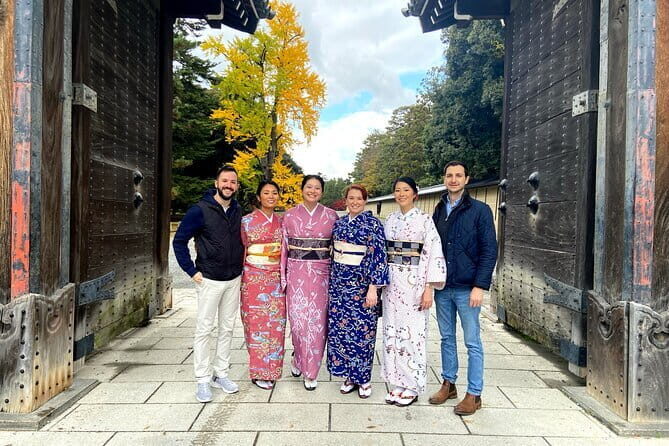
- Kimono at Ume Sakura: Licensed professionals handle getting you dressed and include basic hairstyling, while makeup is on you.
- Two heritage stops in one area: You’ll see Shimogamo-related sites in a short, efficient day—villa admission is included, shrine admission is free.
- Tea ceremony is truly part of the program: You get matcha tea and wagashi, plus explanations from your host and guide.
- Lunch is a separate cost: The lunch stop is scheduled, but you pay for it based on the meal options you choose.
- Private tour for your group: It’s only your party, which usually makes timing and questions easier.
Ume Sakura Kimono Start: The Real-Deal Dressing Moment
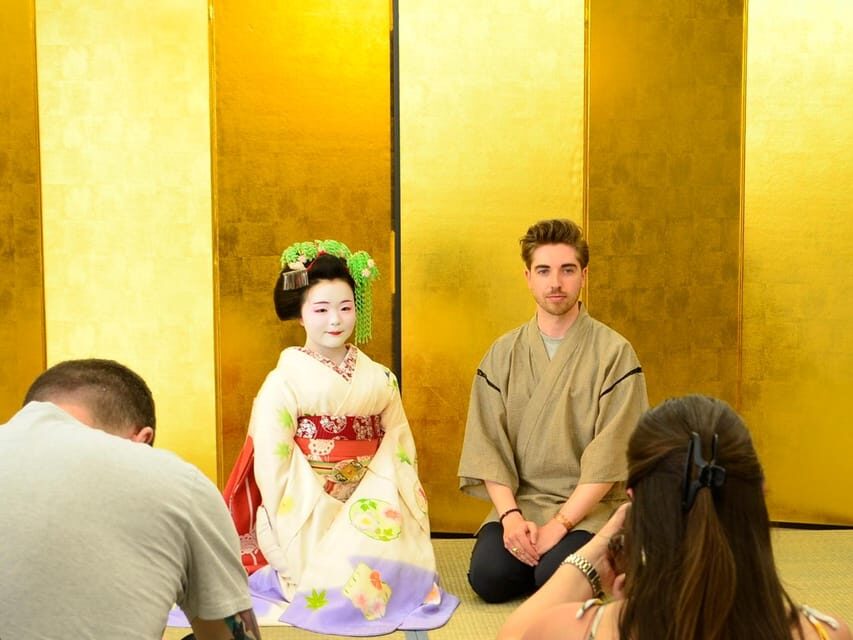
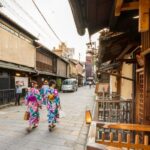
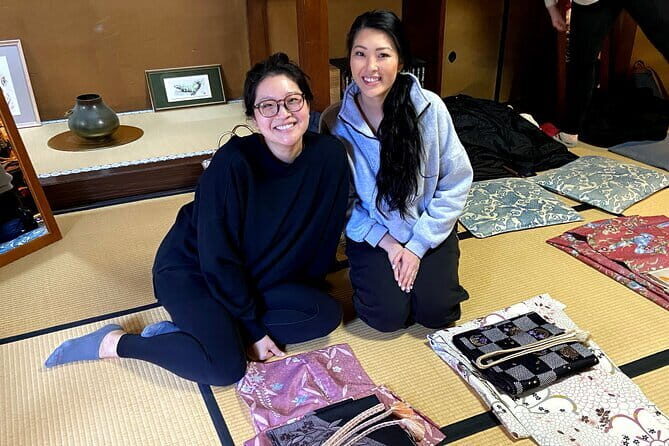
If you’re after Kyoto fashion that doesn’t feel like a costume factory, this tour starts the right way—at Ume Sakura, where kimono fitting is done by licensed professionals. You’ll have an option to rent a kimono as part of the experience, and when you book you need to select the kimono option you want.
Here’s the practical part I think you’ll care about. Basic hairstyling is included, but makeup needs to be done in advance by guests. That one detail changes how you should plan your morning. If you rely on getting ready on-site, you may end up stressed, because you’re expected to arrive with your makeup already handled.
Also, because this is a walking day, your kimono fit matters for comfort. The tour includes basic hairstyling and the dressing process is done properly, which helps you avoid that awkward feeling of constantly adjusting sleeves or worrying about the collar. I’d treat the kimono start like part of the experience, not something to rush—once you’re dressed, everything else feels more intentional, from the shrine grounds to the quiet garden spaces.
You can also read our reviews of more walking tours in Kyoto


Former Imperial Gardens and the Mitsui Shimogamo Villa: Kyoto Calm in Short Blocks
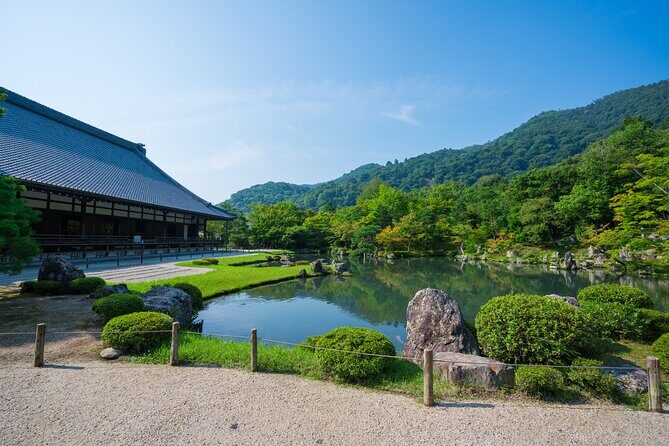
After the kimono portion, the day shifts into “walk and look” mode. You’ll stroll through the grounds of a former home of the Imperial Family. The setting is garden-focused and is known for looking especially beautiful in spring and autumn, with seasonal festivals and activities held there.
This part of the day works well for two reasons. First, it slows things down. You get time to actually absorb the atmosphere instead of only snapping photos. Second, it gives you a sense of how Kyoto’s traditions weren’t just indoor arts—Japanese garden spaces are part of the cultural life too.
Then you move to the Old Mitsui Family Shimogamo Villa. This stop is shorter—about 30 minutes—but it’s a real heritage property, with admission included. A preserved villa like this is a strong match for a kimono day because it helps the whole outfit make sense. You’re not dressing up and then landing in generic sightseeing. You’re stepping into a home-and-gardens story.
Possible drawback: the villa time is limited. If you’re the type who wants to read every sign and linger in every room, you may feel slightly rushed. The good news is the day keeps moving, so you’re not stuck in one place for too long.
Shimogamo Jinja in 30 Minutes: Old-World Atmosphere Without Overload
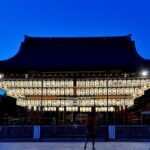
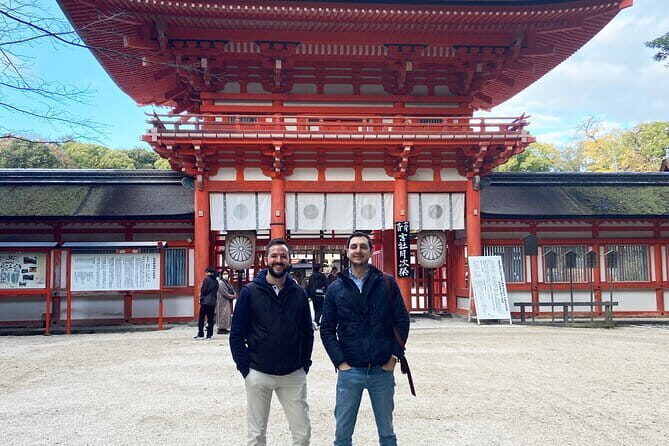
Next up is Shimogamo Jinja, one of Kyoto’s important shrines with more than 1,000 years of history. This stop is about 30 minutes, and shrine admission is free.
In a short window, you’ll get the main experience: shrine grounds, the feeling of age, and the sense that this isn’t a theme-park version of tradition. For me, the best way to use a shrine stop like this is simple—keep your eyes up, walk slowly, and don’t try to pack in too many photo angles. If you treat it like a quick walk rather than a full museum visit, you’ll get more out of it.
The timing also helps. A 30-minute shrine block fits well after gardens and before lunch, when your energy is steady but you still have plenty of curiosity. If you’re hoping for a more extended temple-and-shrine day, you might want extra hours on your own afterward—but within the tour’s flow, it’s a solid hit.
Kyoto Machiya Lunch at Teramachi Yoshikura: Where You Control the Cost
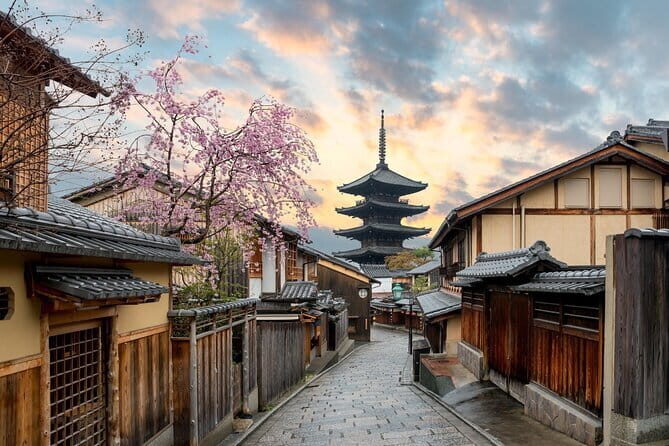
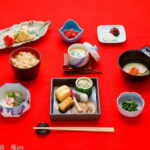
The lunch stop is at Kyoto cuisine Teramachi Yoshikura. You’ll eat in a renovated Machiya, which means a traditional Kyoto townhouse style space.
Here’s the key thing: lunch is not included in the tour price. During the meal stop (about 1 hour), you’ll be invited to choose among meal options. That gives you flexibility—especially if you want to control cost based on what’s available.
Dietary restrictions are taken seriously on paper, too. You’ll need to state them in advance, and depending on the request, they may not be able to accommodate you. So if you have food limitations, do yourself a favor and plan early rather than hoping for last-minute changes.
Practical tip: since lunch isn’t included, set aside extra money beyond the tour price. This keeps the tour from feeling like a surprise bill later. The upside is that you’re not locked into one set menu—you can pick something that matches your preferences.
Chisato Tea Ceremony: Matcha, Wagashi, and the Explanation That Makes It Stick
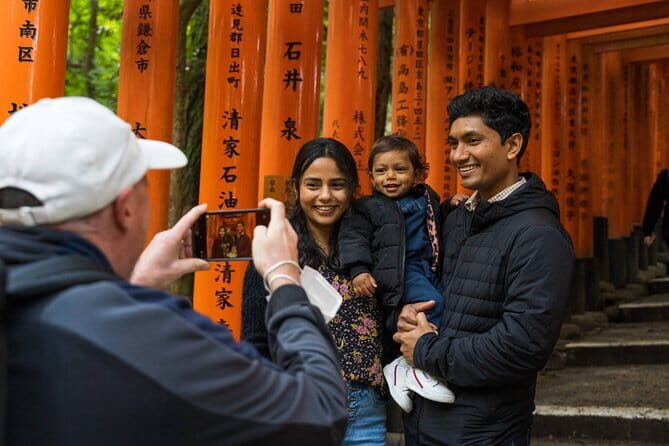
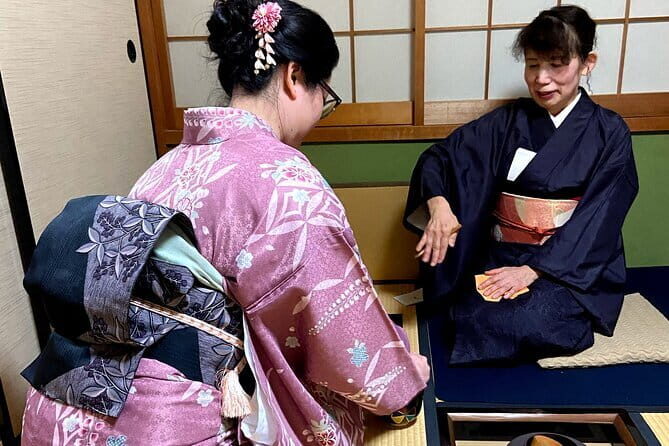
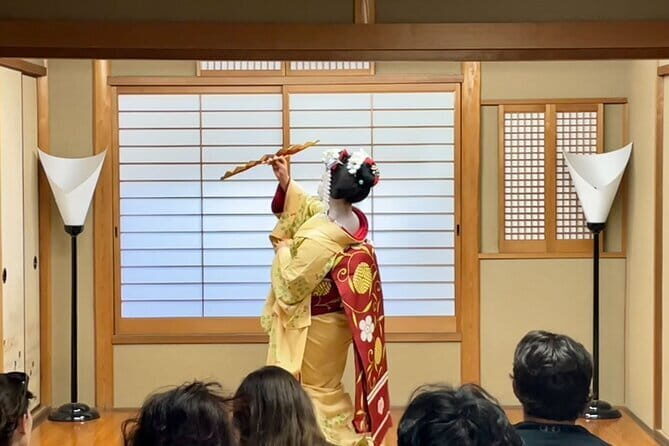
After lunch, the day’s cultural payoff lands at Chisato for a Tea Ceremony Experience. This lasts about 1 hour and includes tea and wagashi. What matters most is that the session comes with explanations from your host and guide, so you’re not just watching a performance. You’re learning what you’re seeing and why it’s done that way.
The tea ceremony is described as happening in an intimate setting. That’s usually what you want on a tour: you get closer interaction, and it’s easier to ask questions without feeling like you’re in a crowd. For a first-time tea ceremony, the explanations are the difference between remembering a cute ritual and actually understanding what you’re experiencing.
One other value point: your kimono day doesn’t end with photos. You can carry that calm, respectful vibe into the tea ceremony. If you show up in your rented kimono, you’ll likely feel the whole day has a theme—heritage, manners, and quiet attention.
You can also read our reviews of more tours and experiences in Kyoto


Price and Logistics: Does $117.06 Make Sense?
At $117.06 per person for an ~8-hour private walking tour, the value comes from the combination of included items and the fact that the day is structured rather than random sightseeing.
Here’s how I’d think about it:
- You’re paying for a guided route with multiple stops tied to Kyoto’s traditions.
- Tea ceremony is included, and that’s often a stand-alone experience in Kyoto.
- Admission to Mitsui Shimogamo Villa is included.
- Shimogamo Jinja admission is free.
- Lunch is the one major cost that’s not bundled, so you’ll spend extra there.
The tour is also a private activity, meaning only your group participates. Private usually costs more, but it also tends to make questions and pacing easier, especially when kimono dressing and a tea ceremony are part of the timeline.
Duration is listed at about 8 hours, with a start time of 10:30am and it ends back at the meeting point. That matters because it helps you plan the rest of your day in Kyoto. You’re not left guessing how late you’ll be out, and you’re not stuck with the feeling that the day will eat your entire schedule.
One more practical detail: you’ll get a mobile ticket, and the start point is near public transportation. That’s useful in Kyoto, where getting around efficiently is half the battle.
Who This Tour Fits Best (and Who Might Want Another Plan)
This is a good match if you want:
- Kimono rental as part of your Kyoto day, handled by professionals
- A walking route that mixes gardens, heritage buildings, and a major shrine
- A tea ceremony that includes explanations and wagashi, not just watching the motions
- A private, calmer style of sightseeing where your group can go at your pace
It may not be the best fit if:
- You don’t want to handle makeup prep ahead of time (kimono makeup is on you)
- You strongly prefer meals being included in the price (lunch is not included)
- You need extensive flexibility for dietary restrictions at the last minute (you must state needs in advance)
Also, because the walking tour is scheduled around specific time blocks (kimono dressing, villa, shrine, lunch, tea ceremony), it works best when you’re okay following a plan rather than wandering off for long detours.
Should You Book This Kyoto Walking Tour With Kimono Rental and Tea Ceremony?
I’d book it if you want a Kyoto day that feels coherent: heritage spaces in the morning, shrine time between, and an included tea ceremony that teaches you what you’re doing—not just what it looks like.
If you’re on the fence, decide based on two things. First, can you do your makeup in advance if you choose the kimono option? Second, are you okay paying separately for lunch, where you choose the meal options?
If yes, this tour is a strong value way to get multiple Kyoto highlights into one organized day, with tea ceremony as a genuine included centerpiece.
FAQ
Is the tea ceremony included?
Yes. Tea Ceremony Experience at Chisato is included, including matcha and wagashi, with explanations provided by the host and guide.
Is lunch included in the tour price?
No. Lunch at Kyoto cuisine Teramachi Yoshikura is scheduled, but it is not included in the price.
Do I have to rent a kimono?
You have an option to rent a kimono. You’ll need to select the appropriate option when booking if you want to use the kimono experience.
Is kimono dressing handled by professionals?
Yes. Kimono is dressed by licensed professionals, and basic hairstyling is included.
What about makeup for the kimono?
Makeup is to be done in advance by guests. Basic hairstyling is included, but makeup is not.
Which sites are included in admissions?
Admission to Mitsui Shimogamo Villa is included. Shimogamo Jinja admission is free. Other listed stops may have their own admission details as noted in the itinerary.
How long is the tour?
The duration is approximately 8 hours.
Where does the tour start?
It starts at Ume Sakura, 38 Fujikicho, Nakagyo Ward, Kyoto, 604-0992, Japan.
Is the tour private?
Yes. It’s a private tour/activity, so only your group participates.
Is dietary accommodation guaranteed?
You must state dietary restrictions in advance, but depending on the request, they may not be able to accommodate you.
Is public transportation access available near the meeting point?
Yes. The meeting point is near public transportation.