REVIEW · TEA CEREMONY EXPERIENCES
Tea ceremony and kimono experience at Kyoto, Tondaya
Book on Viator →Operated by 冨田屋 · Bookable on Viator
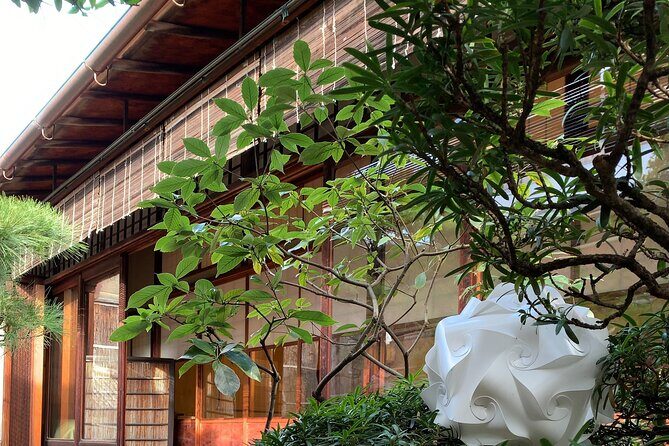
Kimono and tea in a real Kyoto house. This experience at Tondaya–Nishijin lets you do a traditional tea ceremony inside a preserved wooden townhouse, a machiya, now part of the Nishijin Japanese Cultural Experience Museum. The setting is practical too: you’re not stuck in a loud hall. You’re in rooms designed for slow attention, with the kind of calm wood-and-paper atmosphere Kyoto is famous for.
I like the silk kimono fitting right when you arrive. The staff help you get dressed over your own clothes, and there’s an intro video that helps you understand what’s coming. I also really enjoy the way the visit combines a house tour with tea basics: you get a chance to explore the Meiji-era townhouse, then watch (and participate in) a matcha ceremony with guidance and a sweet served alongside.
One thing to keep in mind: this is a group experience, and that can change how much you can see and hear. In busier sessions, the tea room can feel crowded, and the ceremony explanation may run short compared with what you hope for.
In This Review
- Key things to know before you go
- A Machiya House in Kamigyo: Tondaya’s Nishijin Setting
- Kimono Fitting First: What You’ll Wear and What to Bring
- Tea Ceremony in Practice: What the Ritual Feels Like
- Walking the House: Photos, Rooms, and the Quiet That Matters
- Group Sessions and Visibility: How to Make This Feel Worth It
- Price and Value: Is $178.34 a Fair Swap?
- Logistics That Actually Matter in Kyoto
- Who Should Book Tondaya–Nishijin, and Who Should Skip It?
- Should you book? My honest recommendation
- FAQ
- Where is the meeting point?
- How long is the experience?
- What’s included in the price?
- Is the kimono included?
- Do I need to bring anything?
- Are photos allowed?
- Is there a private option?
- Is this close to public transportation?
Key things to know before you go
- Machiya setting (Meiji-era townhouse): A real preserved house, not a themed studio.
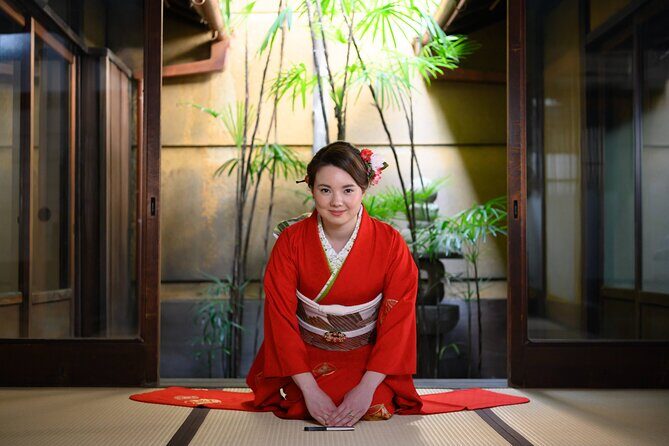
- Silk kimono on arrival: Fitting is part of the main event, not a side stop.
- Time to explore and photograph: You can take photos around the house and during the visit.
- Intro video helps you follow along: Less guessing about kimono and tea steps.
- Group size affects comfort: If you want maximum visibility, consider the private option.
A Machiya House in Kamigyo: Tondaya’s Nishijin Setting
The biggest reason this works is the address: 697 Ishiyakushichō, Kamigyo Ward. You start and end at the same place, and you’ll find it near public transportation, which matters in Kyoto where distances can feel longer than they look on a map.
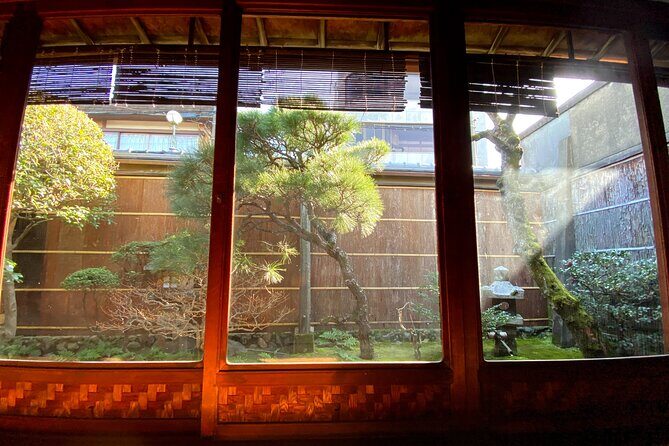
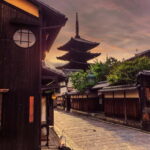
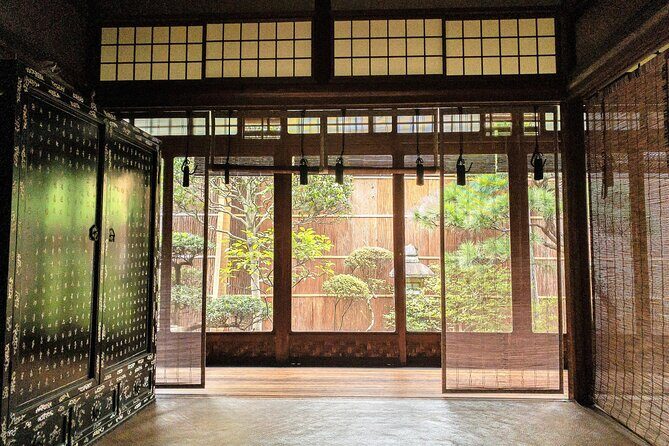
Inside, the whole mood changes. Instead of “tea show in a room,” you’re in a traditional Kyoto townhouse (machiya). It’s a wooden house originally built in the Meiji period, and it’s now used as a cultural space. One review noted how the house itself feels authentic and hard to miss once you’re there. Another pointed out that it can be easy to overlook at first because signage isn’t the loudest in the world. So: give yourself a little buffer time, and use GPS rather than relying on a visual cue.
The house details are part of the experience. There are areas where seasonal breezes move gently through the space, and you’ll notice how the rooms are shaped for a quieter pace. That’s the secret. Tea ceremony works best when your body slows down too. The machiya setting does that for you.
You can also read our reviews of more tours and experiences in Kyoto.


Kimono Fitting First: What You’ll Wear and What to Bring
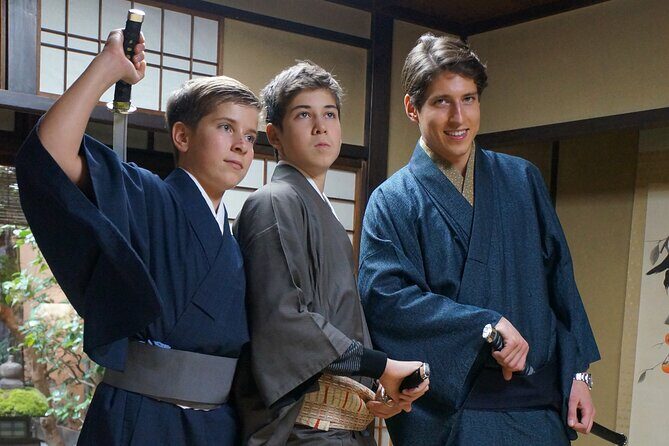
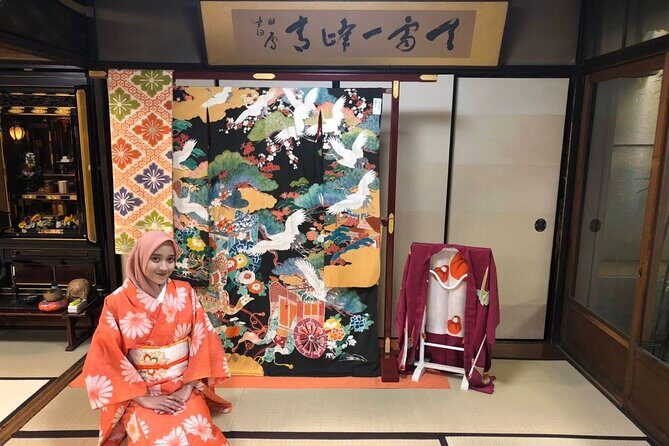
You arrive, and the first step is the kimono fitting. The kimonos described here are authentic silk, and the team moves quickly but respectfully. You dress over your own clothing, and you’ll be guided on what to do. There’s also an introduction video showing how to wear kimono and how the tea process works, so you aren’t walking in cold.
Before you go, plan for socks. This is explicitly requested to help protect the cultural assets of the house. If you forget, socks can be bought on site. I’d still bring your own clean pair if you have the space in your daypack. It’s one less thing to stress about when you’re standing in a line under soft Kyoto light.
What’s not included: make-up and hair styling, and geta (traditional wooden sandals). That doesn’t mean you can’t have a full kimono day, but it does mean you should expect to handle your own hair and face styling before you arrive. You’ll also want to think about your footwear plan for after—kimono days are much easier when you’re already wearing shoes you can slip out of without a wrestling match.
Also, the experience includes accessories in some form. People often describe the kimono setup as a real dressing-up moment, not a hurried costume situation. Even when someone felt the ceremony portion was short, most still agreed the kimono part was lovely and well handled.
Tea Ceremony in Practice: What the Ritual Feels Like
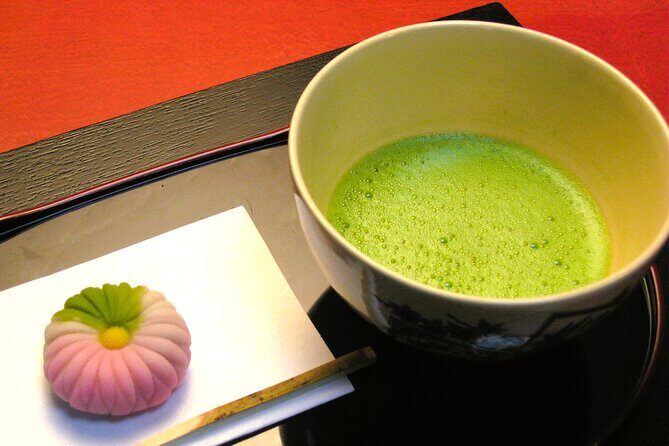
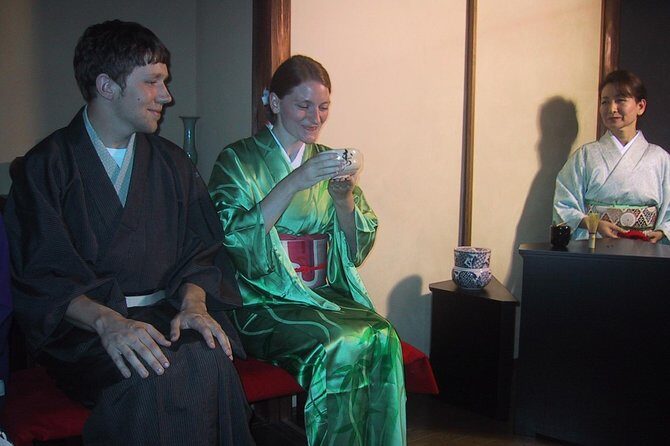
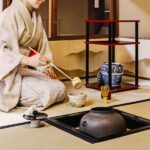
After the fitting and house time, you settle into the tea ceremony. In the description, you’ll watch a traditional performance, and you’ll take part in the experience while dressed in kimono. The ceremony includes matcha and a sweet.
Here’s the practical truth: the ceremony may be more “structured demonstration plus guidance” than “long conversation.” A number of visitors say it’s educational and that the host explains steps and the meaning of what you’re doing. Others say it felt fast and that the details of the ceremony process didn’t go as deep as they expected. So your takeaway should be this: come with curiosity, not the assumption you’ll get a full tea-ceremony masterclass.
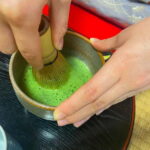
What you can count on is the basic flow. You’ll see the way tea is prepared and served, and you’ll be taught the proper way to drink it. People also mention that there’s narration and that you can ask questions at some point. One person described the first serving by the main lady performer, with later cups handed out, while others emphasized the step-by-step how-to of brewing and serving. The specific pacing can vary with group size, but the core idea is consistent: you’re learning through watching, then participating in a small tasting moment.
One of the best parts is also the simplest: matcha tastes different in a quiet room. Even if you’ve tried matcha in Kyoto before, there’s something about drinking it where the ritual is the point, not a photo backdrop. The sweet you get with it helps too. It keeps the experience human, not overly formal.
Walking the House: Photos, Rooms, and the Quiet That Matters
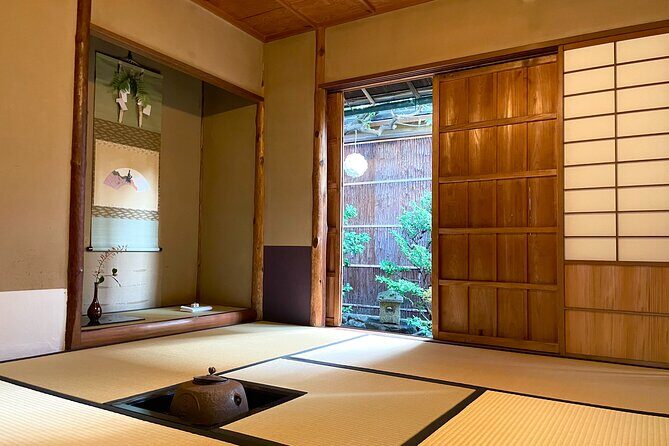
Before the tea ritual, you have time to take photos around the house. The visit starts with kimono fitting, then you can explore. That matters because the machiya is part of the story, not just the stage for the tea.
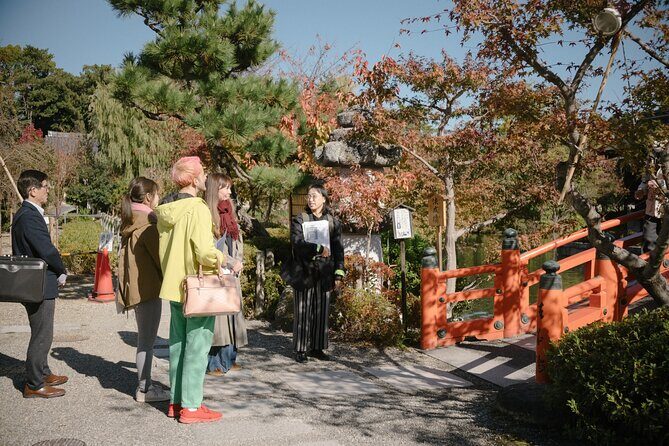
The townhouse itself is described as historically authentic, and you’re guided through rooms that reflect how the space was used. Visitors mention beautiful gardens, classic interiors, and details like furniture and items in different rooms. You’ll also get a sense of how seasonal breezes move through the home, which makes it feel less like a display and more like a living cultural space.
For photography, treat the schedule like a tool. People who love this experience usually say they got plenty of photos. One practical tip from experience-based feedback: it can be easier to manage photos if you keep moving in a calm pattern—take a few shots during your assigned photo windows, then stop and watch during the ceremony rather than trying to film the whole thing.
Also, your kimono changes your walking rhythm. If you’re trying to photograph quickly, you might feel awkward. That’s not a flaw. It’s the point. You’ll learn faster if you slow down enough to notice the rooms and how your actions fit the setting.
Group Sessions and Visibility: How to Make This Feel Worth It
This is where I want to be honest on your behalf. The tour is group-based, and the max group size is listed as 20 travelers. Still, several people described sessions that felt tightly packed, with difficulty seeing or hearing during the tea ceremony. Some mentioned another tour group moving through nearby areas, which can break the calm.
So how do you make it work for you?
First, choose your expectations. If you want a calm, front-row view, the private option is mentioned as available. That’s not a marketing line. It’s the best solution when crowd control is your priority.
Second, show up early enough that you’re not rushing into the fitting. Delays during the kimono portion can ripple into how quickly the tea room fills. If you’re late, your spot might end up behind taller umbrellas of people and cameras.
Third, accept that this is a short experience. The maximum experience time is set at 1.5 hours, and it may vary with crowd levels. That’s not enough time to become a tea-ceremony scholar. It is enough time to leave with a clear understanding of what to notice next time you see matcha served in Japan—and to walk away with photos and a story that feels distinctly Kyoto.
If you’re sensitive to crowd noise or you need more explanations, treat the group format as a risk. If you’re more flexible and you’re mainly after the kimono + machiya + matcha combo, it can feel wonderful.


Price and Value: Is $178.34 a Fair Swap?
At $178.34 per person for roughly 1 hour 30 minutes, this is not a budget activity. You’re paying for three things at once: kimono fitting in an authentic setting, access to a historic machiya, and a guided tea experience that includes matcha and a sweet.
The value tends to land best when you care about the whole package, not just the tea. Many visitors describe the kimono itself as well made and handled by staff who know what they’re doing. Others highlight the authenticity of the house and the education provided during the tea ceremony. In those cases, the price doesn’t feel random. It feels like a direct payment for using a real cultural space and paying for trained hosts.
But price hits harder when the ceremony feels too short, too crowded, or too light on explanation. You’ll notice that some people wanted more depth on the meaning behind details and got more of a quick process overview and tasting. If that’s what you want, consider the private experience option so you can slow the pace down.
So here’s my practical way to think about it: if you’re hoping to watch tea performed with minimal interaction, and you want a full lecture, look elsewhere. If you want a structured cultural afternoon—kimono first, quiet house second, matcha and etiquette third—then this is a legitimate splurge.
Logistics That Actually Matter in Kyoto
Location can be tricky with Kyoto houses. One common note is that the place can be difficult to find at first due to limited signage. GPS helps. Arrive with time to spare so you’re not stressed in line, and you won’t rush your fitting.
You’ll also want to prepare for the “small practical” items:
- Bring or buy socks for the cultural spaces.
- Don’t plan on make-up or hair help being included.
- Assume geta aren’t included, so plan your day footwear accordingly.
- Wear clothing that’s easy to manage under a kimono.
This experience uses a mobile ticket, which is convenient in Kyoto. You’ll start and end at the same meeting point, so you don’t need to worry about transfers or cross-town hops.
Finally, the tea room comfort can be a factor in crowded sessions. One visitor described a very hot, crowded room that made it hard to settle. You can’t control the room temperature, but you can control your choice of private vs group if that’s a dealbreaker for you.
Who Should Book Tondaya–Nishijin, and Who Should Skip It?
Book this if:
- You want the classic Kyoto combo: kimono fitting + machiya setting + matcha in one structured block.
- You’re happy with a short tea ceremony format as long as you get clear instruction on what to do and how to drink.
- You like photo time in a real traditional house, not just a quick snapshot.
Skip or consider private if:
- You need lots of space to see and hear the ceremony clearly.
- You want deep explanation about every nuance of the tea ritual, including the why behind details.
- You know crowd noise makes you check out mentally.
This is also a good activity for pairing with quieter Kyoto moments. After you’ve seen Kyoto from big-picture viewpoints, this gives you something hands-on and sensory.
Should you book? My honest recommendation
If your ideal Kyoto afternoon is a guided tea ritual in an authentic machiya, plus the real-life experience of being dressed in a silk kimono, then this is a solid booking. The setting and the kimono handling are the parts that most consistently land well, and they’re the reason the experience isn’t just “tea and photos.”
If you’re paying a premium mainly for long explanations or for total calm, treat the private option seriously. The group format can work, but it can also shrink your view of the ceremony if the room fills up.
If your priority is simply to experience Japanese tea culture in a real house, at a price that includes attire and access, then yes, it’s worth putting on your Kyoto list. For best results, arrive early, bring socks, and plan to slow down once you’re inside.
FAQ
Where is the meeting point?
The experience starts at Tondaya–Nishijin Japanese Cultural Experience Museum, 697 Ishiyakushichō, Kamigyo Ward, Kyoto, 602-8226, Japan, and it ends back at the meeting point.
How long is the experience?
The maximum experience time is set at about 1 hour 30 minutes, but the timing may vary depending on how crowded the tour is.
What’s included in the price?
The experience includes the tea ceremony, kimono experience, and the entrance fee.
Is the kimono included?
Yes. You’re fitted for a traditional kimono as part of the experience, and you’ll wear it during the townhouse visit and tea ceremony.
Do I need to bring anything?
You should bring socks. Socks are requested to protect cultural assets, and socks can also be bought on site.
Are photos allowed?
Yes. You can take as many photos as you’d like during your visit, including around the house.
Is there a private option?
Yes. The information notes that if you prefer a more private setting, you can select the private experience option.
Is this close to public transportation?
Yes. The meeting point is listed as being near public transportation.