REVIEW · 2-HOUR EXPERIENCES
Kyoto Gion: 2-Hour Geisha Culture & History Walking Tour
Book on Viator →Operated by Local Guide Stars · Bookable on Viator
Gion feels like a different century. This 2-hour Kyoto walk strings together the streets, shrines, and old wooden houses that make the geisha district feel real, not staged. You’ll move from the main showpiece streets to quieter lanes, with a guide translating the customs and craft behind kimonos, hair, and performance.
I especially like the small-group size (max 15), which keeps the walk easy to follow and makes questions feel normal. I also like how the tour mixes famous landmarks with “slow down and look” moments, like the Hanamikoji area and the riverside stretch near the Kamogawa.
One consideration: seeing a geisha is never a sure thing. It’s luck, and the tour is only about two hours, so plan your expectations and bring what you need for walking in the conditions you’re given.
In This Review
- Key things you’ll notice on this walk
- A short walk that makes Gion make sense
- Meeting at Shijo-ohashi: easy start, manageable pace
- Hanamikoji Street: the geisha district explained through details
- Sannenzaka Ninenzaka: the Kyoto photo street with a legend twist
- Yasaka Shrine: the one-stop dose of scale and tradition
- Hokan-ji Temple and the photo-friendly route you’ll remember
- Pontocho and the Kamogawa break: Kyoto after the crowds
- Gion Shirakawa: spotting Edo-period townhouses like an insider
- Yasui-Konpiragu: Shinto worship in a smaller, human scale
- Guides make the difference: Dan, Uta, Naoya, Alex, and more
- Price and value: $23.88 for two hours of cultural context
- When to go for better odds and fewer headaches
- Who should book this Gion tour
- Should you book this Kyoto Gion tour?
- FAQ
- FAQ
- How long is the Kyoto Gion 2-hour Geisha Culture & History walking tour?
- How much does the tour cost?
- Is there a ticket or entry fee for the sights on this tour?
- How many people are in the group?
- Where do I meet and where does the tour end?
- Do I need any special items to join?
- What happens if the tour is canceled due to weather or if I need to cancel?
Key things you’ll notice on this walk

- A real shot at spotting a geisha on Hanamikoji Street
- One thousand-year-old Yasaka Shrine stops the pace (in a good way)
- Edo-period townhouses in Gion Shirakawa with details you’d miss alone
- Photo-friendly Hokan-ji Temple and classic old-street atmosphere
- Pontocho’s historic dining lane and a Kamogawa chill moment
- Local guide storytelling, plus practical food tips from guides like Dan, Uta, and Alex
A short walk that makes Gion make sense
Kyoto’s Gion can feel like a postcard if you rush it. This tour is built to do the opposite. In just two hours, you get the “why” behind what you’re seeing—how geisha culture fits into this district, what people were doing in these lanes, and why certain buildings and shrines hold attention.
What makes it work is pacing plus focus. You’re not hopping on and off buses or cramming ten stops into one frantic loop. Instead, you get short segments of walking followed by specific points to notice: street design, old architecture, and the cultural meaning behind religious spaces and traditional entertainment.
If you want Kyoto in one day to feel less like “I saw buildings” and more like “I understood what I was looking at,” this is a strong fit.
You can also read our reviews of more walking tours in Kyoto
Meeting at Shijo-ohashi: easy start, manageable pace
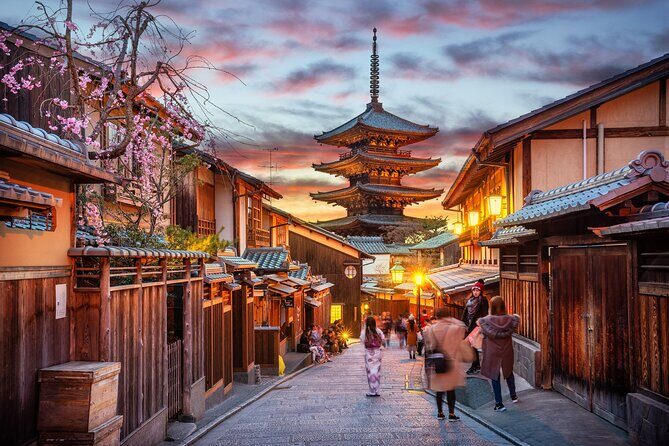
The walk starts at McDonald’s – Shijo-ohashi Bridge (105-1 Hashimotochō, Shimogyo Ward). It also ends back at the same meeting point, which is handy when you’re planning dinner afterward.
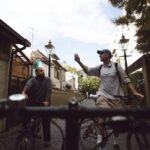
This is a guided walking tour for about 2 hours with a max group size of 15 travelers. That matters more than people think. Smaller groups keep you from getting stretched out on narrow lanes, and it’s easier for your guide to adjust pace if someone needs a moment for photos.
You’ll want a moderate fitness level. It’s not described as strenuous, but it is still a walking-based experience. If you’re arriving from other sightseeing on the same day, give yourself a little buffer time so the walk doesn’t feel like a chore.
Also: you’ll use a mobile ticket. That’s good if you’re trying to travel light and avoid paper scanning.
Hanamikoji Street: the geisha district explained through details
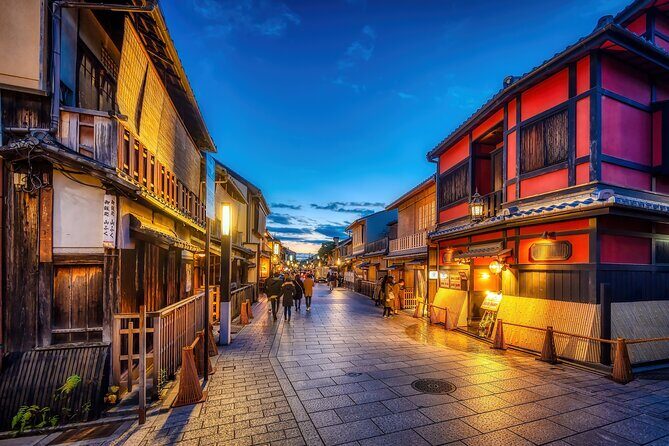
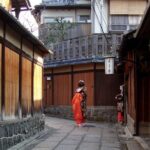
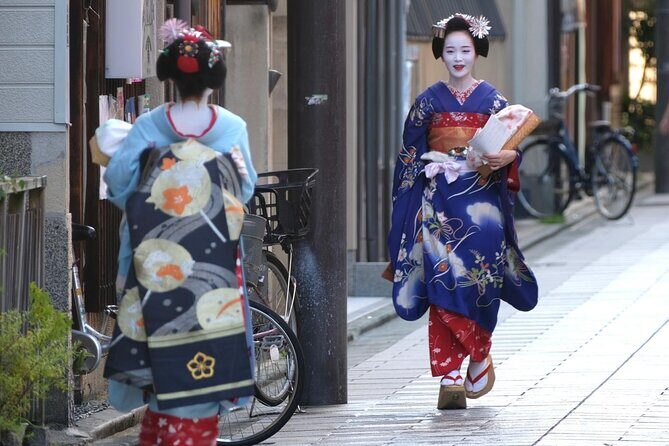
Hanamikoji Street is the heart of Gion, and the tour begins right there. This is where you’re likely to see the look and rhythm of the district: the traditional atmosphere, the street energy, and the subtle “this is where it happens” feeling.
The guide’s job here is translation. You’ll learn about the structured training that supports geisha and maiko life, including how performance culture connects to etiquette. You’ll also hear about the craftsmanship behind kimonos, hairstyles, and the overall presentation that people instantly recognize in Gion—even if you don’t know what each element means.
Here’s the realistic part: you might spot a geisha, but you shouldn’t treat it like a guarantee. Still, your odds are better when you’re in the right place with the right timing and you’re watching for the right cues instead of just staring at faces. If you want to stack the odds, plan for a time when Gion is in full flow but before you’re dealing with the harshest crowd crush.
Guides named in past groups, including Uta and Soyo, are often praised for making this section feel vivid—like the culture isn’t trapped in a lecture.
Sannenzaka Ninenzaka: the Kyoto photo street with a legend twist
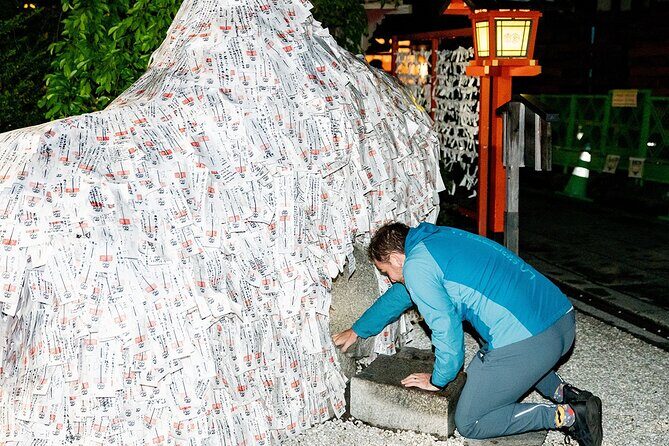
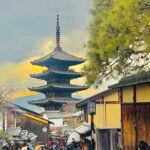
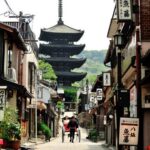
Next comes the stretch around Sannenzaka Ninenzaka. This is one of those Kyoto lanes where, if you take photos, it really looks like Kyoto. If you walk through without noticing anything, it can feel like “just another old street,” which is why a guide helps.
You’ll hear a rumor tied to this area—the one about what happens if you fall down. The point isn’t to scare you. It’s to show you how these stories spread and how locals treat them as folklore rather than literal warnings. That kind of context turns a walking stop into an actual cultural moment.
Practical note: this section is short, but it can be crowded or busy depending on when you go. Keep your movement smooth. Pause for photos, but don’t freeze in the middle of the lane.
Yasaka Shrine: the one-stop dose of scale and tradition
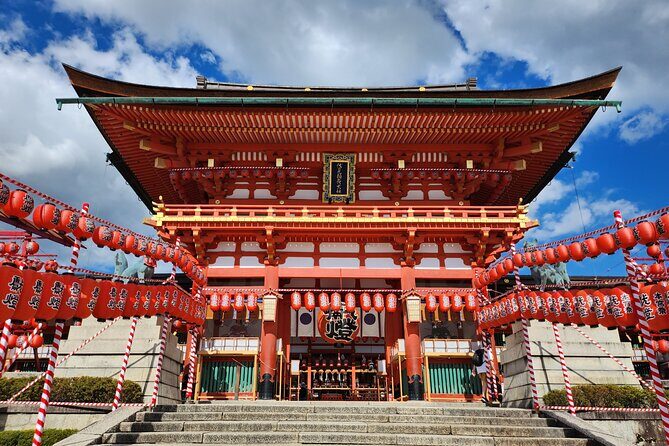
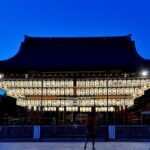
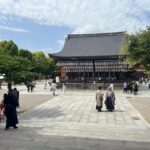
At Yasaka Shrine, you’re visiting a shrine that’s described as about 1,000 years old. That number lands differently when you’re standing inside the area rather than reading about it. You can feel how long this place has held religious and community meaning.
This stop also balances the earlier parts of the walk. Instead of focusing only on geisha district culture, you get broader Kyoto context: Shinto traditions tied to daily life, seasonal rhythms, and the long continuity of shrine spaces.
If you’re the type who likes your sightseeing to include at least one “stop and reset your brain” moment, Yasaka Shrine does that well. It’s also free to enter on the tour as listed, so you don’t lose time dealing with admissions.
You can also read our reviews of more historical tours in Kyoto

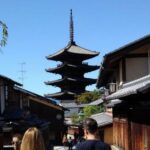
Hokan-ji Temple and the photo-friendly route you’ll remember
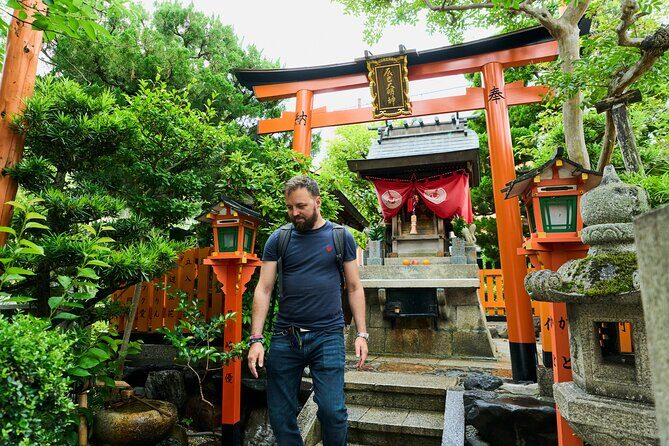
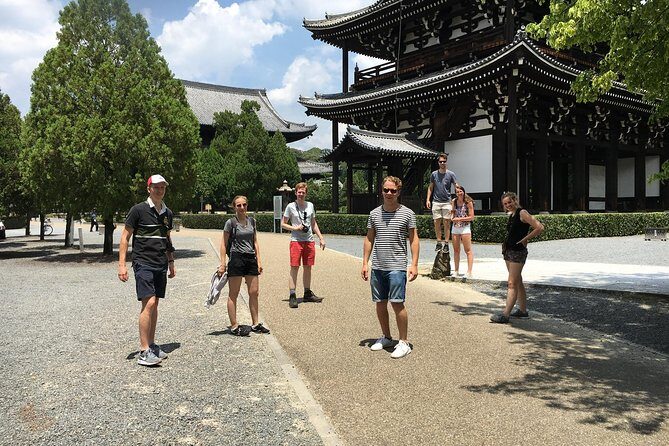
The tour then heads to Hokan-ji Temple, which is described as one of the most photogenic spots in Kyoto. That’s a big promise, but you don’t need a photographer’s eye to understand why: it’s the kind of place where Kyoto’s historic textures, angles, and atmosphere line up for strong images.
Why I think this stop matters even if you don’t care about photos: it gives you a visual anchor. After streets and stories, you get one standout scene that makes the walk feel like more than a geography exercise.
The time here is about 20 minutes, which usually means you’ll have enough to look, take pictures, and still keep the tour’s energy moving. If your priority is photography, arrive mentally ready. Wear comfortable shoes and don’t keep swapping camera settings every thirty seconds. You’ll waste your best light.
Pontocho and the Kamogawa break: Kyoto after the crowds
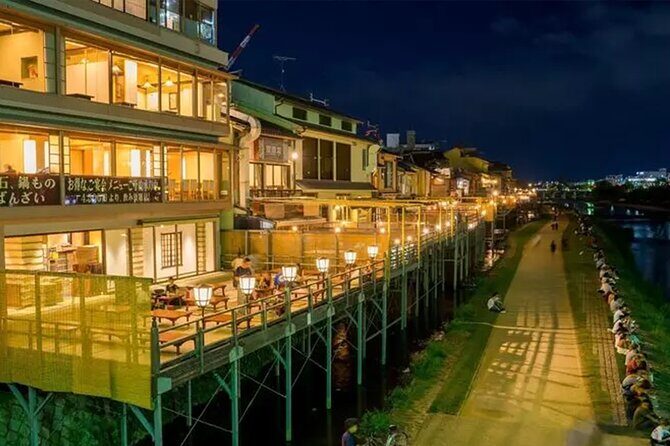
Then comes Pontocho, a historic gourmet street. In simple terms, it’s where Kyoto’s evenings start to feel like evenings: narrow lanes, traditional charm, and the idea that dinner here isn’t just food—it’s part of the experience.
Right after that, the tour includes a local chill-out spot by the Kamogawa River. That’s a smart choice. It gives your feet and your brain a breather after temple lanes and photo stops, and it helps you connect the district to the city’s layout—Kyoto’s rivers and walking spaces shape how people move through the day.
One useful tip from past experiences: if you’re hoping for a better chance at seeing a geisha, doing the tour around 5 to 6 pm can help. That timing lines up with the district feeling active while still being manageable.
Also plan for comfort. One past participant pointed out there aren’t drink stops built into the tour. If it’s hot, bring water. If you’re sensitive to heat, take a hat or foldable umbrella.
Gion Shirakawa: spotting Edo-period townhouses like an insider
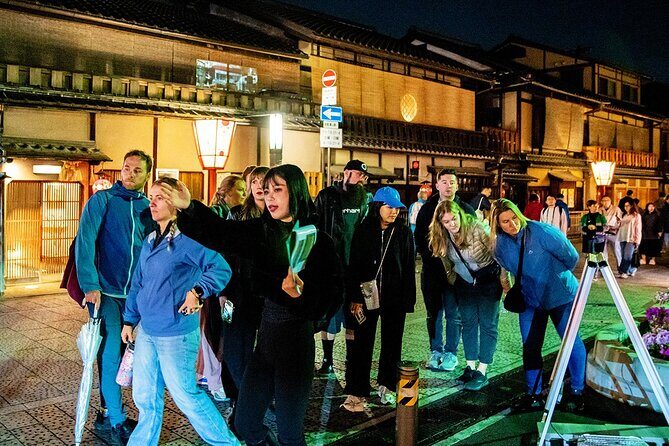
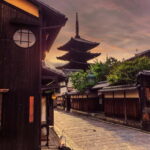
Now you shift into Gion Shirakawa, where you’ll see Edo-period townhouses. This is where the tour becomes more than sightseeing. It teaches you what to look for so you can recognize traditional building styles even after you walk away.
Edo-period architecture is a big deal in Kyoto because it shows how old neighborhoods were planned and built. The guide’s storytelling helps you understand that these aren’t random cute old buildings; they connect to how daily life worked, how streets shaped movement, and why certain areas stayed recognizable across centuries.
This section is about 20 minutes, which gives enough time to notice details without making the walk feel slow.
Yasui-Konpiragu: Shinto worship in a smaller, human scale
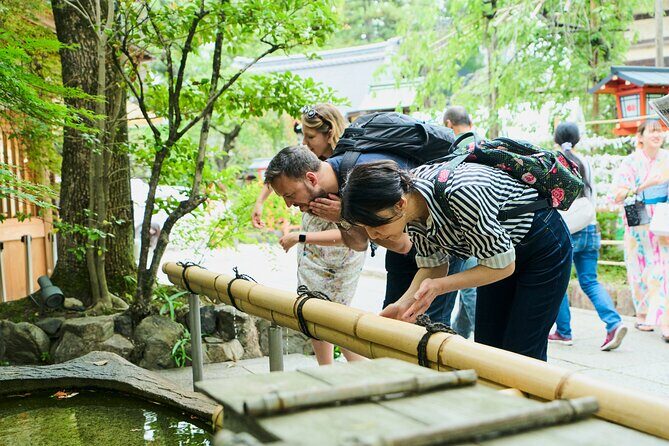
The tour ends with a stop at Yasui-Konpiragu, where you’ll experience Shinto worship. This is a nice way to round out the walk: not only geisha district culture and old townhouses, but also the living side of tradition.
You’ll likely notice that shrine culture has its own rhythm. Even if you don’t know the meaning of everything, you can sense how the space guides behavior: quiet attention, respectful observation, and the feeling that this isn’t a museum set.
It’s also a helpful balance if you’ve spent your day doing big “headline” temples elsewhere. This stop feels more grounded and community-focused.
Guides make the difference: Dan, Uta, Naoya, Alex, and more
This is a guide-led experience, and the reviews make the pattern clear: what people love isn’t just facts—it’s the way the guide tells the story. Names that come up often include Dan, Uta, Naoya, Alex, and guides like Soyo and Oliver.
What to look for in a great guide in this kind of tour:
- They explain etiquette and culture in plain language
- They connect street visuals to real customs
- They keep the pace friendly and not rushed
- They give practical local tips, sometimes including food or where to go after the walk
Even in groups where the geisha sighting happens, guides can still make it special by helping you understand what you’re seeing and why it matters.
So when you choose this tour, focus less on the list of landmarks and more on who’s leading you that day.
Price and value: $23.88 for two hours of cultural context
At $23.88 per person, this is priced like an affordable walking experience. The value comes from three places:
First, you’re getting an organized route through major Gion highlights in about two hours. That saves you the time of figuring out the best order and what to pay attention to.
Second, admission at the listed stops is free. That means you’re not stacking up extra entry fees while trying to see shrines and temples quickly.
Third, you’re buying interpretation. If you walk these streets alone, you can still enjoy them, but you won’t get the same context for geisha training, the meaning of shrine spaces, and the local legends tied to certain lanes.
Is it perfect value if your only goal is photos? Maybe not. But if your goal is to leave with clearer context and a better sense of how Gion works, the price is pretty fair.
When to go for better odds and fewer headaches
A lot of people do this tour in the early evening because the lighting and street activity match what Gion is known for. One practical suggestion from past experiences: aim for around 5 to 6 pm if geisha spotting is a top goal. You’ll be at a time when the district can feel alive, but you’re less likely to feel buried in daytime crowd energy.
Weather matters. This tour requires good weather, and if it’s canceled due to poor conditions, you’ll be offered a different date or a full refund. Plan a backup day if you can, especially during seasons when rain showers show up unexpectedly.
Dress for walking. You’re outside most of the time, and Kyoto can swing from humid to chilly fast depending on season. Wear shoes you can stand in, and pack a light layer.
Who should book this Gion tour
You’ll love it if:
- You want geisha culture and history explained in real-world terms, not just a photo scavenger hunt
- You enjoy walking tours that include shrines and old architecture
- You want practical local tips for what to do next, like where to eat or unwind afterward
- You appreciate small-group pacing (max 15) rather than a big crowd march
You might skip it if:
- Your main goal is a guaranteed geisha sighting (no tour can honestly promise that)
- You hate walking and prefer longer sit-down experiences
- You want only the most famous “big name” temples and nothing else
Should you book this Kyoto Gion tour?
Yes, if you’re coming to Kyoto to understand the places you see. This tour’s strength is interpretation: the guide turns Hanamikoji and the nearby historic streets into something you can actually read and understand. For the price, you also get a solid mix—shrines, a photogenic temple stop, Pontocho, riverside breathing space, Edo-period townhouses, and Shinto worship—without dragging it out.
If your schedule is tight, or you want a quick, meaningful introduction to Gion that sets you up for the rest of your trip, booking is a good move. Just go with flexible expectations about geisha spotting, bring water, and use the guide’s context to look smarter as you walk.
FAQ
FAQ
How long is the Kyoto Gion 2-hour Geisha Culture & History walking tour?
It’s approximately 2 hours.
How much does the tour cost?
The price is $23.88 per person.
Is there a ticket or entry fee for the sights on this tour?
The listed stops show free admission.
How many people are in the group?
The tour has a maximum of 15 travelers.
Where do I meet and where does the tour end?
It starts at McDonald’s – Shijo-ohashi Bridge (105-1 Hashimotochō, Shimogyo Ward, Kyoto) and ends back at the meeting point.
Do I need any special items to join?
You’ll use a mobile ticket. The tour also requires good weather and you should have a moderate physical fitness level.
What happens if the tour is canceled due to weather or if I need to cancel?
If it’s canceled due to poor weather, you’ll be offered a different date or a full refund. You can cancel for a full refund up to 24 hours in advance; within 24 hours, the amount paid is not refunded.