REVIEW · KYOTO
Kyoto: Private Customized Tour With English Speaking Guide
Book on GetYourGuide →Operated by Kyoto Charm Tours · Bookable on GetYourGuide
Kyoto looks best through a camera lens. This private, 10-hour tour is built for photo moments and real sightseeing, mixing big names like Kinkaku-ji and Fushimi Inari with quieter gardens and temple corners. I like the private pacing that lets you stop, shoot, and reset without rushing. I also like that the guide plans for angles and light, not just checklists. One consideration: entry tickets and meals aren’t included, so you’ll want a little extra cash and a plan for food.
What really makes it work is the guide team. In the past, English-speaking guides such as Nomi, Ali, Noor, and Haider have been singled out for clear explanations, thoughtful timing, and accommodating different needs, including mobility challenges on at least one day. Add a comfortable private vehicle (with parking and tolls handled), and you’re free to focus on Kyoto instead of transport puzzles.
In This Review
- Key Highlights That Make This Kyoto Day Special
- A Private Kyoto Day That Turns Sights Into Photos
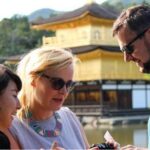
- Kinkaku-ji Golden Pavilion: Start With the Reflection Shot
- Arashiyama Bamboo Grove and Tenryuji Temple: Green Tunnels and Calm Stops
- Togetsukyo Bridge and the River View Between Mountains
- Monkey Park: A Longer Walk for Views With Character
- Gion’s Preserved Streets: Portrait Lanes Instead of Just Postcards
- Kiyomizu-dera and Pontocho: Temple Energy Meets Evening Atmosphere
- Yasaka Pagoda at Sunset: The Photo Timing Payoff
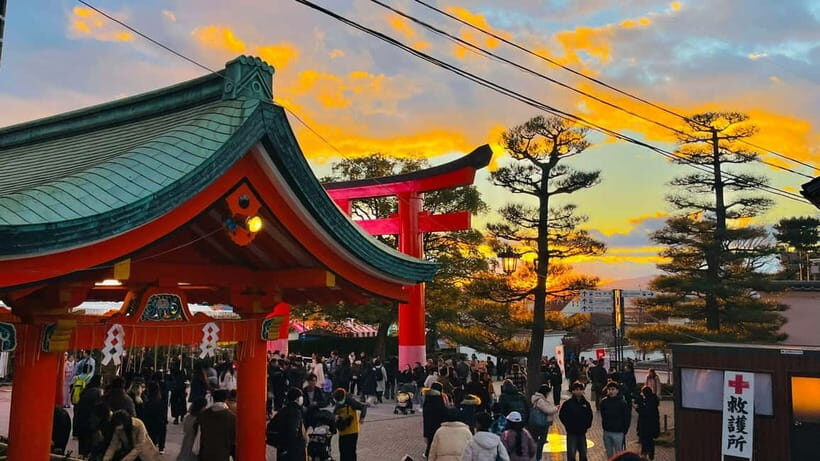
- Fushimi Inari Taisha: The Torii Walk That Makes Your Camera Earn Its Keep
- Price and Value: What $400 per Group Really Buys
- Timing, Walking, and What to Bring for a Smooth 10 Hours
- Who This Tour Fits Best (and Who Might Want Something Else)
- Should You Book This Kyoto Photo Tour?
- FAQ
- How long is the Kyoto private customized tour?
- How many people are in a private group?
- Is the guide English-speaking?
- What locations does the tour cover?
- What’s included in the price?
- What’s not included?
- What should I bring?
- Does pickup and drop-off include Kyoto and Osaka options?
Key Highlights That Make This Kyoto Day Special
- Private group up to 6 with a customized plan, built around what you want to photograph and see
- Photo coaching on angles, lighting, and timing, plus enough time to pose and experiment
- Icon stops you’ll recognize instantly: Kinkaku-ji, Gion, Kiyomizu-dera, Fushimi Inari, Arashiyama bamboo
- Quieter side lanes and small temples that help you get portraits and “how did we find this?” shots
- Comfort-first logistics with a vehicle, parking, and tolls included so you can move efficiently
- Wheelchair accessible and guided flexibility for travelers who need extra care with walking
A Private Kyoto Day That Turns Sights Into Photos
Kyoto can feel like two different cities at once: crowded main streets during the day, and calm, slow-moving moments in the back lanes. This tour leans hard into the second Kyoto. It’s private, so you’re not stuck reacting to other groups. You’re there because the guide knows where to stand for a better angle, when to move, and when to let you linger.
The best part for photographers (even phone shooters) is that the day includes dedicated photo stops plus time to simply work on a shot. That sounds basic, but it’s the difference between “I saw it” and “I got the image.” You’ll get coaching for each location on how to frame the view and what light is doing at that moment.
And yes, it’s also a comfort play. Between stops you ride in a vehicle, with parking and tolls covered, so you’re not losing energy to transit. The day still involves walking, so bring comfortable shoes and expect some stairs and uneven paths at temple sites.
You can also read our reviews of more guided tours in Kyoto
Kinkaku-ji Golden Pavilion: Start With the Reflection Shot
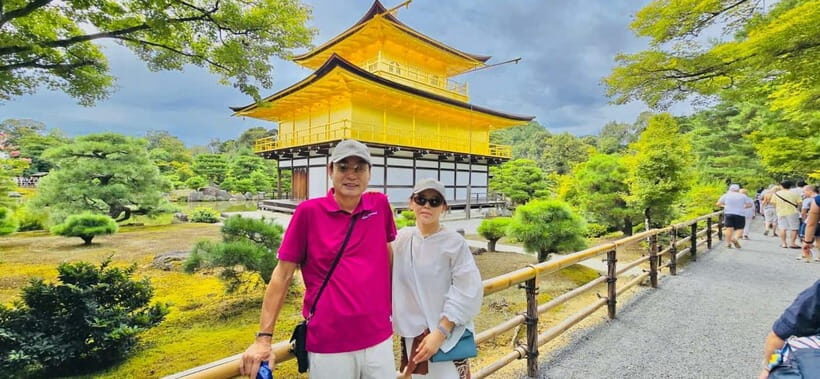
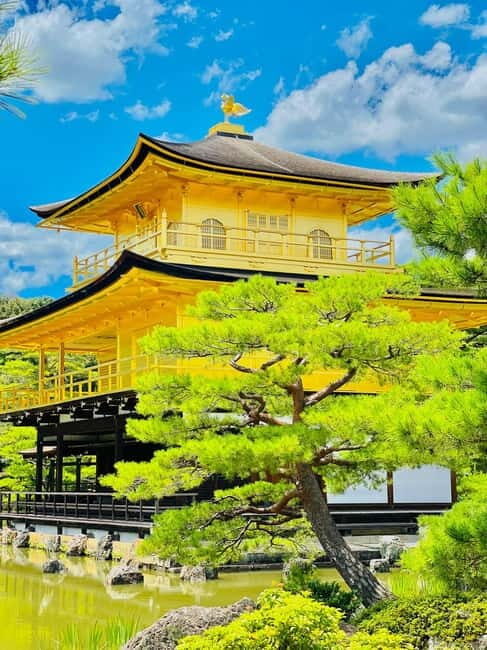
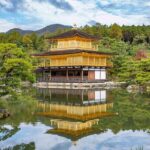
You begin at the Golden Pavilion area, Kinkaku-ji, one of Kyoto’s most recognizable scenes. The temple is covered in brilliant gold leaf, and the pond reflection is the reason this place keeps getting photographed from the same spots year after year.
Here’s how to make it pay off:
- Start wide to capture the full “gold + pond” relationship.
- Then switch to tighter framing to emphasize the gold texture and the edge lines of the pond.
- If the lighting is strong, the gold can look almost metallic in the highlights, so angle your body slightly to avoid harsh glare.
This is a smart opener for a photo day. It sets your visual theme early: Kyoto isn’t just stone and signs. It’s surfaces, reflections, and carefully designed viewpoints.
Arashiyama Bamboo Grove and Tenryuji Temple: Green Tunnels and Calm Stops
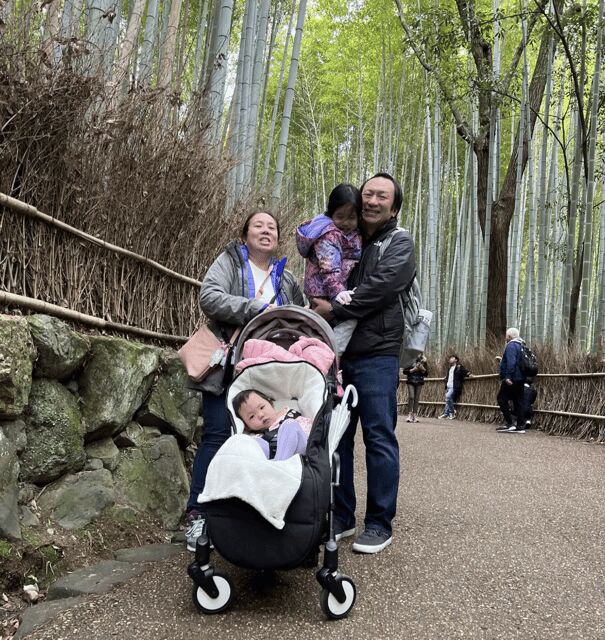
Next comes Arashiyama Bamboo Forest. The bamboo stalks create those tall vertical lines that make even a simple phone photo look dramatic. Your stop here is built for walking and photos, not a rushed drive-by.
A practical tip: bamboo is all about height. Get low for a “rows disappearing” composition, then step back for a wider shot that shows the depth of the grove. When you’re mixing people into the frame, the private pace helps. You can wait for a clearer moment without feeling like you’re holding up a big group.
After the grove, you visit Tenryuji Temple. This is where the day softens. Bamboo gives you that dream-like corridor effect, and Tenryuji adds a more grounded temple experience. You’ll have guided time and time to look around at an unhurried pace, so you can balance iconic shots with calmer detail photos.
Togetsukyo Bridge and the River View Between Mountains
Togetsukyo Bridge is the classic “give me a wide shot” moment. You’ll have photo time plus guided sightseeing, and there’s also free time built in, including a chance for shopping.
This stop is valuable because it changes your perspective:
- Up to now, you’ve been shooting near-temple scenes and dense vertical lines.
- On the bridge, you get open space—river and mountain views that work great for landscape framing and for showing the scale of Kyoto.
Even if you’re not a big scenery person, bridges are where your camera can breathe. Try a composition that includes both the bridge lines and the distant shapes. It makes your photo set feel complete, not just a chain of landmarks.
Monkey Park: A Longer Walk for Views With Character
Arashiyama Monkey Park is next, with about an hour set aside for visiting and walking. This stop is different from the temples and shrine architecture. It’s a chance to get a higher vantage point and add variety to your day’s photos.
What this means for your plan: you’ll likely be on your feet longer here than at a quick photo pull-off. If you’re traveling with anyone who gets tired easily, this is the point where pacing matters. Comfortable shoes are a must, and it’s worth using the guidance from your driver/guide to time your walking.
This is also a good moment for “unexpected photo” energy. Higher viewpoints often give you frames you can’t get from street level.
You can also read our reviews of more private tours in Kyoto
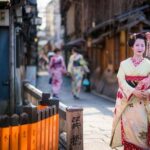
Gion’s Preserved Streets: Portrait Lanes Instead of Just Postcards
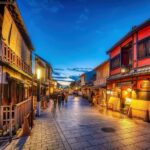
Then you shift to Gion, Kyoto’s traditional geisha district. This is one of the places that looks stunning in photos because the streets themselves are the subject. You’ll get photo time, guided sightseeing, and free time, with about an hour allocated to the area.
The strongest benefit here is how you move through it. The tour is designed to include quieter side lanes, not just the busiest parade routes. That matters for photos. You get calmer street scenes where you can take portraits or street-style shots without constantly waiting for gaps in foot traffic.
Photo ideas that usually work in Gion:
- Shoot down the narrow stone lanes for depth.
- Look for repeating textures: wood facades, lantern shapes, and classic street angles.
- If you’re photographing people, use the guide-approved quieter lanes to keep your frame clean.
Kiyomizu-dera and Pontocho: Temple Energy Meets Evening Atmosphere
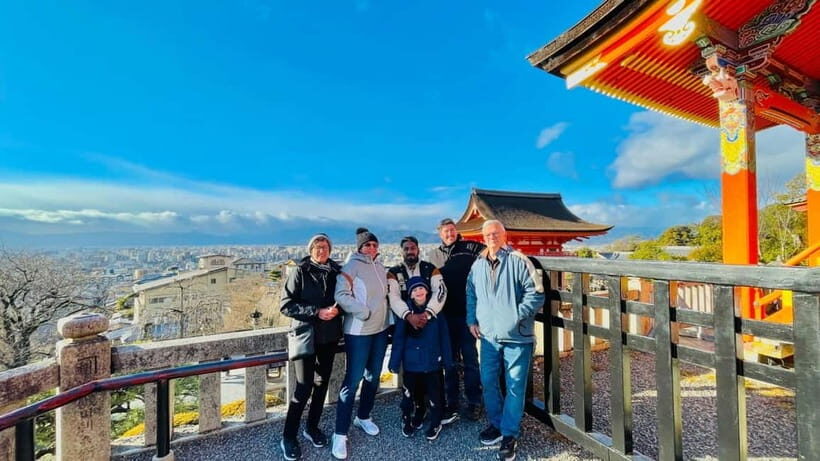
Kiyomizu-dera gets about an hour on the schedule, with photo time, guided sightseeing, and some room for shopping and free time. This stop is where you’ll feel Kyoto’s spiritual centerpiece energy. Expect lots of architectural detail and photo angles around temple grounds.
One reason this fits so well in the middle of the day: by now your camera has seen gold, bamboo, and red shrine gates in your mind. Kiyomizu-dera gives you a different texture—platform lines, layered views, and that famous temple presence.
Then you pass through Pontocho Alley on the way to your sunset area. Pontocho is more of a scenic pass-by than a full guided stop in this itinerary, but it’s still a nice tonal change. It helps your day feel like a story, not just separate photo targets.
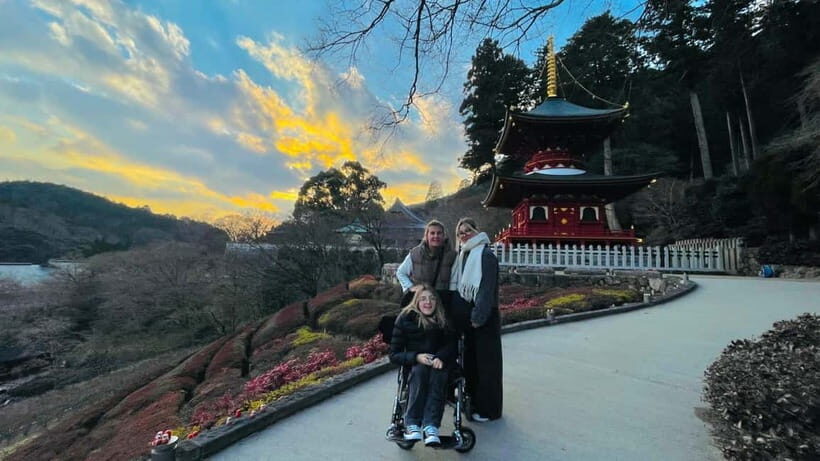
Yasaka Pagoda at Sunset: The Photo Timing Payoff
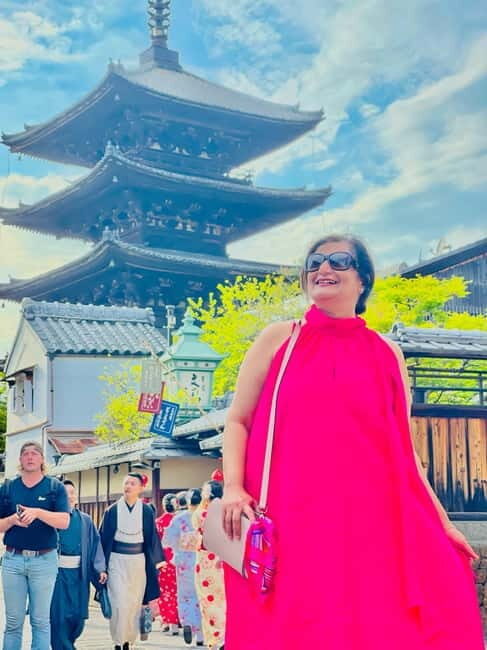
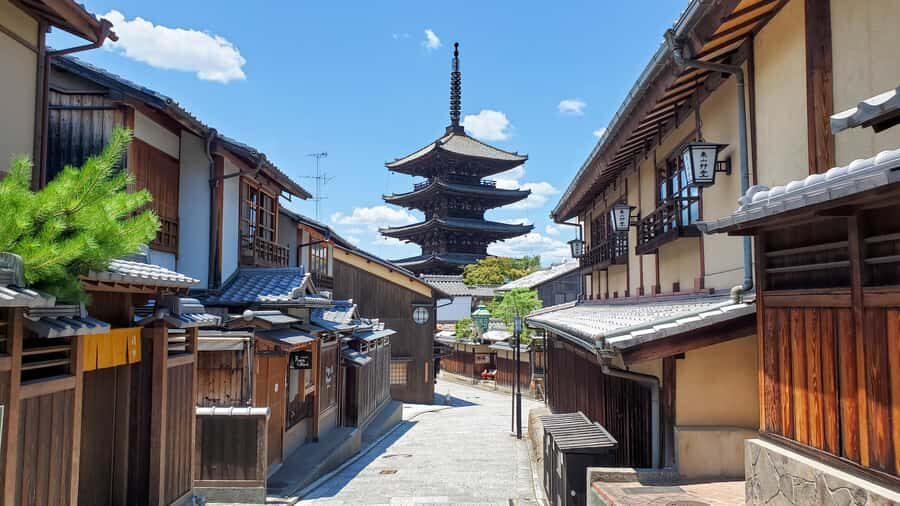
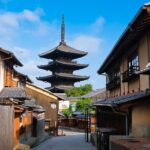
Yasaka Pagoda is a highlight stop with photo time, guided sightseeing, and a focus on sunset. About 45 minutes are set aside here, including shopping and a walk.
Sunset matters because light gets softer and warmer, and Kyoto’s temple silhouettes pick up contrast. If you’ve ever felt like your photos look flat even when the place is amazing, the solution is often timing. This stop is built around that idea: you’re shooting the sky and the pagoda in the same frame when the light turns flattering.
Practical approach:
- Take wide shots first as the sky changes.
- Then do close-ups or partial frames once you know which angle gives the cleanest lines.
- Use your time to capture both the pagoda and nearby street context, if lighting allows.
Fushimi Inari Taisha: The Torii Walk That Makes Your Camera Earn Its Keep
The final big icon is Fushimi Inari Taisha, where thousands of bright red torii gates wind up a hillside. You’ll have photo stop time, guided sightseeing, free time, shopping, and about an hour for walking.
This is one of those Kyoto experiences where your photos depend on how you move. The torii gates create repeating patterns, which is why they’re so good for:
- sweeping perspective shots (showing the tunnel effect)
- close-ups (capturing red gate geometry and texture)
- in-between shots (where you include a bit of the path and hikers for scale)
A good strategy is to start with a “tunnel” viewpoint, then gradually change your position deeper into the walk. The color repetition becomes more intense as you go. Your guide can help with timing and angles so you’re not just rushing up the hill.
Price and Value: What $400 per Group Really Buys
This tour is priced at $400 per group up to 6, for a full 10-hour day. On the surface, it may sound steep if you compare it to random bus tours. But the math changes fast when you factor in privacy, an English-speaking guide, and door-to-door pickup options in Kyoto or Osaka.
Here’s where the value comes from:
- Private vehicle with parking and tolls covered means less time planning transport and more time shooting.
- A guide who helps you choose angles and best photo timing can save you from the usual Kyoto problem: getting there and wasting half your day trying to guess where to stand.
- A customized itinerary keeps the day flexible for your interests, whether you’re chasing icons like Kinkaku-ji and Inari or aiming for quieter gardens and smaller temples.
What’s not included matters too. Meals and entry tickets aren’t included, so plan for food stops on your own and budget for ticket costs at the sites that require them. Bring cash as suggested, which makes day-of payments easier when machines or card systems aren’t the easiest option.
Timing, Walking, and What to Bring for a Smooth 10 Hours
This is a 10-hour day with multiple temple and shrine sites plus a longer walk at Monkey Park and a hillside walk at Fushimi Inari. You should expect:
- comfortable walking shoes as your main gear
- at least some uphill movement
- time spent standing for photos and letting crowds thin out
The tour also recommends bringing an umbrella and cash. That’s not just polite advice. Kyoto weather can change quickly, and temples don’t care if it starts raining midway through your perfect shot time.
One more practical note: it’s wheelchair accessible, and the guide can accommodate mobility issues when needed. Still, because the itinerary includes walking portions, you’ll do best if you plan for partial routes and take breaks early rather than waiting until you’re tired.
Who This Tour Fits Best (and Who Might Want Something Else)
I think this tour fits best if you fall into one of these groups:
- You want a photo-first Kyoto day with help on angles, lighting, and timing.
- You prefer private guiding over joining a crowded bus plan.
- You care about seeing the big icons (Kinkaku-ji, Gion, Kiyomizu-dera, Fushimi Inari) but also want calmer side lanes and smaller temple moments.
- You’re traveling as a couple, family, or small group (up to 6) and want one vehicle and one plan.
It might be less ideal if you love fully independent wandering with no schedule at all. This tour is designed to structure your day so you hit the best photo timing points, and that structure might feel limiting if you want total free-form drift.
Should You Book This Kyoto Photo Tour?
If your goal is to leave Kyoto with strong images and a day that runs smoothly, I’d say this is a smart booking. The combination of private transport, an English guide, and photo coaching for each major stop is exactly what makes Kyoto feel worth it when your time is limited.
Book it if:
- you want both iconic Kyoto and quieter streets
- you’re traveling with at least one person who’d appreciate a planned route
- you want to maximize sunset and shrine photo timing without guessing
Skip it (or consider a different style of tour) if:
- you’re on a tight ticket-only budget and don’t want to pay extra for guided transport
- you want long free time with no guided direction at all
If you book, go in with one mindset: treat the day like a photography plan. When you give yourself time to stand, frame, and wait for the light, Kyoto rewards you fast.
FAQ
How long is the Kyoto private customized tour?
It runs for 10 hours.
How many people are in a private group?
The tour is private and priced for a group of up to 6.
Is the guide English-speaking?
Yes. The live guide is English.
What locations does the tour cover?
You’ll visit or stop for photos at spots including Arashiyama Bamboo Forest, Tenryuji Temple, Togetsukyo Bridge, Arashiyama Monkey Park, Gion, Kiyomizu-dera, Yasaka Pagoda, and Fushimi Inari Taisha, with Pontocho Alley passed by on the way.
What’s included in the price?
Included are the 10-hour guided tour, English speaking guide, comfortable vehicle, parking, tolls, and a customized itinerary.
What’s not included?
Meals and entry tickets are not included.
What should I bring?
Bring comfortable shoes, an umbrella, and cash.
Does pickup and drop-off include Kyoto and Osaka options?
Yes. Pickup options include Osaka or Kyoto, and drop-off options include Kyoto or Osaka. The driver or guide contacts you a day before the tour to discuss pickup.