REVIEW · FUSHIMI INARI TOURS
Kyoto Fushimiinari:Wagashi Making & Small Group Tea Ceremony
Book on GetYourGuide →Operated by iroHa cooking studio · Bookable on GetYourGuide
Tea and sweets, taught at home. This Kyoto experience pairs hands-on wagashi making with an authentic tea ceremony room, led in English by licensed guide interpreters. I love how it turns a famous ritual into practical steps you can actually repeat later.
The calm part is real: you get out of the city noise and into a local house setting with Japanese-style rooms and a garden view. One possible drawback: you’ll need to work comfortably on the floor, since it’s mostly tatami seating (chairs are available if you ask in advance), and you must wear socks—bare feet aren’t allowed.
In This Review
- Key Highlights at a Glance
- From Wagashi to Matcha: What This 75-Minute Class Is Really About
- The Local House Atmosphere: Garden Calm and Real-Room Etiquette
- Wagashi Workshop: One Sweet You Make With Your Own Hands
- Tea Ceremony Basics: Scrolls, History, and How to Eat Sweets
- Matcha Like a Local: Two Bowls, Including One You Make Yourself
- What the Small Group Size Changes (and Why It’s Worth It)
- Price and Value: Is $55 Fair for 75 Minutes?
- Practical Tips Before You Go: Socks, Seating, and Photo Rules
- Who This Experience Fits Best (and Who Should Rethink It)
- Should You Book the Kyoto Fushimiinari Wagashi and Matcha Class?
Key Highlights at a Glance
- Small group of up to 6 means you get personal attention, not a rushed conveyor-belt class
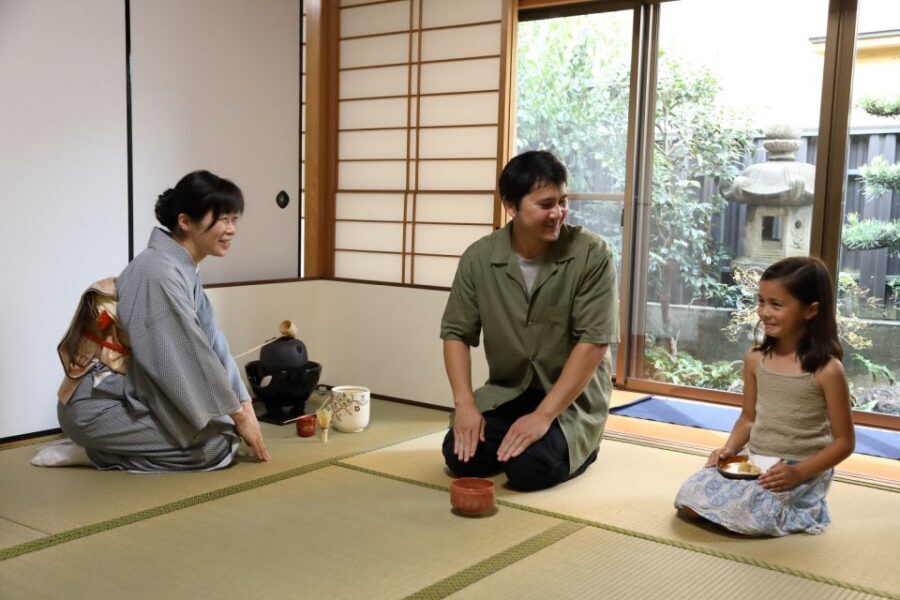
- A local house with Japanese rooms and garden views gives you that quiet, off-the-typical-map feeling
- Hands-on wagashi making: you make one kind of Japanese sweet, not just watch
- Tea ceremony explained in plain English with manners, the scroll in the alcove, and how to enjoy sweets with tea
- You whisk matcha yourself with a bamboo tea whisk, not just drink it
From Wagashi to Matcha: What This 75-Minute Class Is Really About
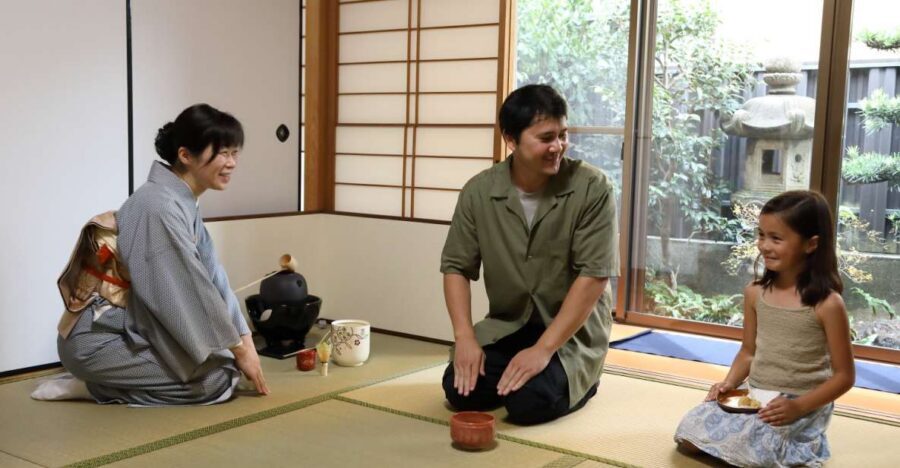
This isn’t a performance you politely applaud. It’s a short lesson in how Japanese tea culture works as a full experience—sweet first, tea next, and the manners in between.
I like that the timing is tight. In 75 minutes you get two key skills: how to make one type of wagashi and how to prepare a bowl of matcha the right way. That’s useful if you want a souvenir that’s more than photos and candy.
You can also read our reviews of more tours and experiences in Kyoto.

The Local House Atmosphere: Garden Calm and Real-Room Etiquette
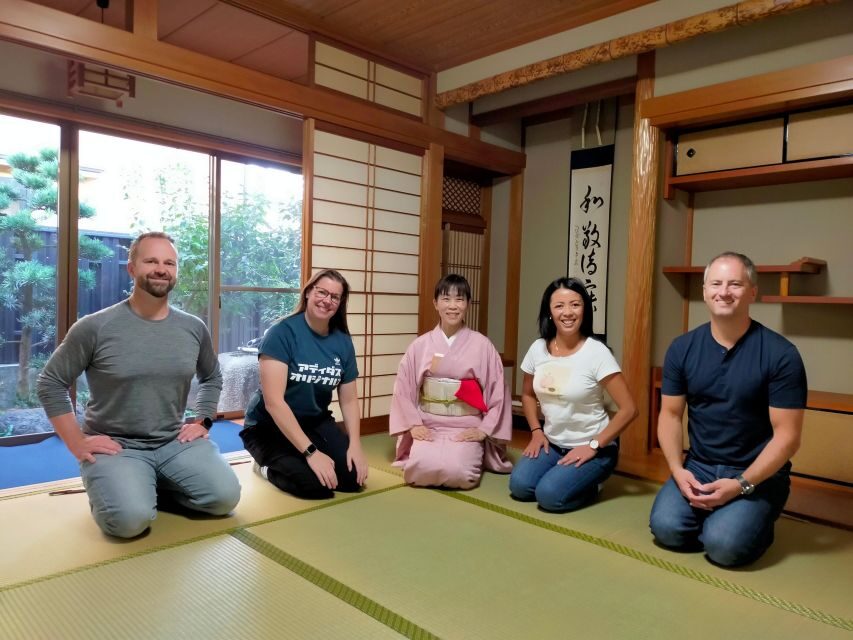
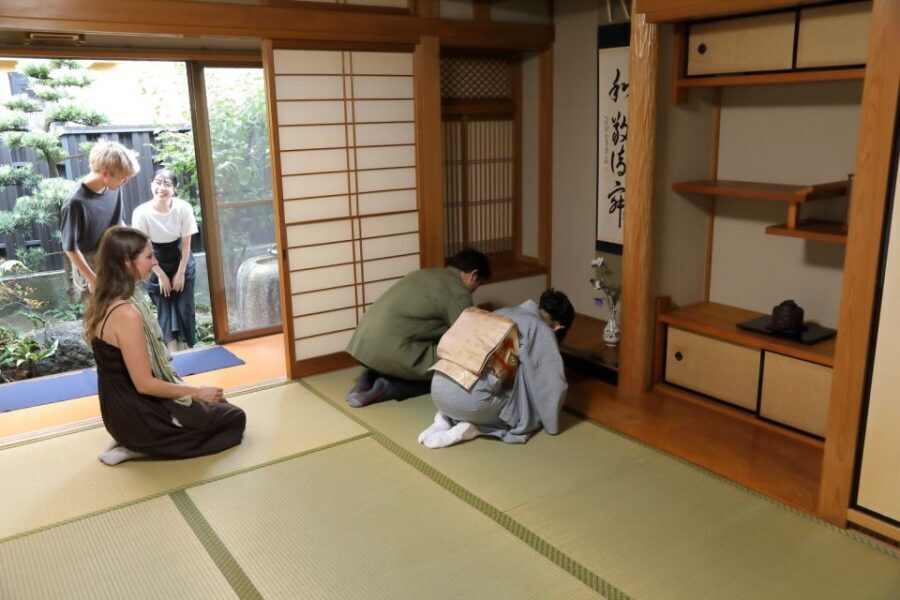
You arrive at a local house, not a big public space. The host welcomes you and leads you toward the kitchen, where the class begins. What you’re really stepping into is a quieter pace—Japanese-style rooms, a garden view, and that sense that this is someone’s home-life and craft, not a backdrop.
When you move into the tea portion, the flow matters. The host explains how to participate, including manners in the Japanese room. That part is helpful because tea ceremony has rules, but you don’t need to memorize them like a test. You get guidance on what to do and when.
One detail I appreciate: the session includes a short walk through a tiny garden and then an authentic Japanese-style room if it isn’t raining. If it is raining, the outdoor moment may be limited, but the tea room experience stays central.
Wagashi Workshop: One Sweet You Make With Your Own Hands
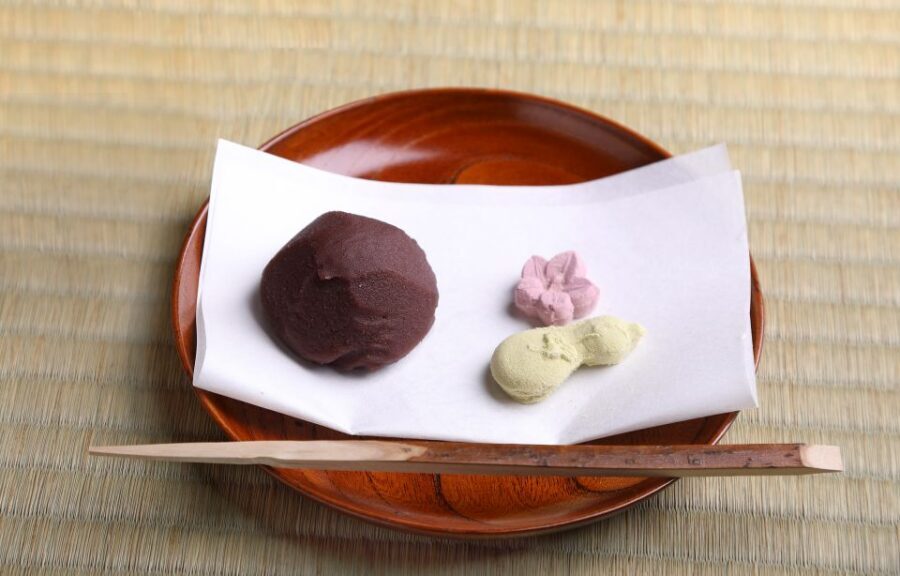
The wagashi portion is the hands-on heart of the class. You’ll learn how to make one kind of Japanese sweet in the kitchen area. It’s not a demonstration where you watch someone else work—you’re actively making it.
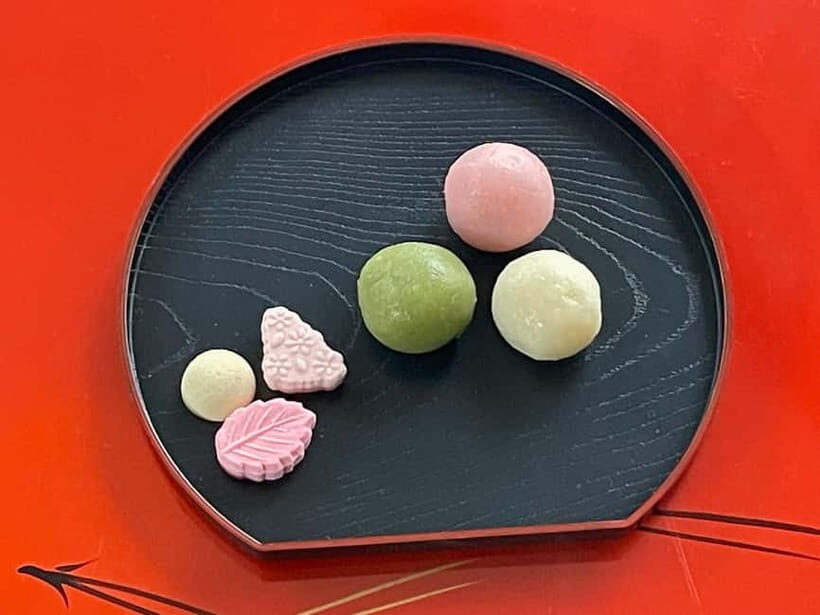
The exact wagashi can vary with the season. That’s a good thing, not a downside. Japanese sweets often change by month, ingredient availability, and tradition, so what you learn can feel tied to the time of year rather than locked to a generic template.
Also, you may see that this class sometimes includes mochi-style sweets. Past participants have described learning to make mochi with red bean paste and white bean paste. Even if your specific recipe differs, the takeaway is consistent: you learn the basic process behind a traditional sweet and you get to eat what you make.
Tea Ceremony Basics: Scrolls, History, and How to Eat Sweets
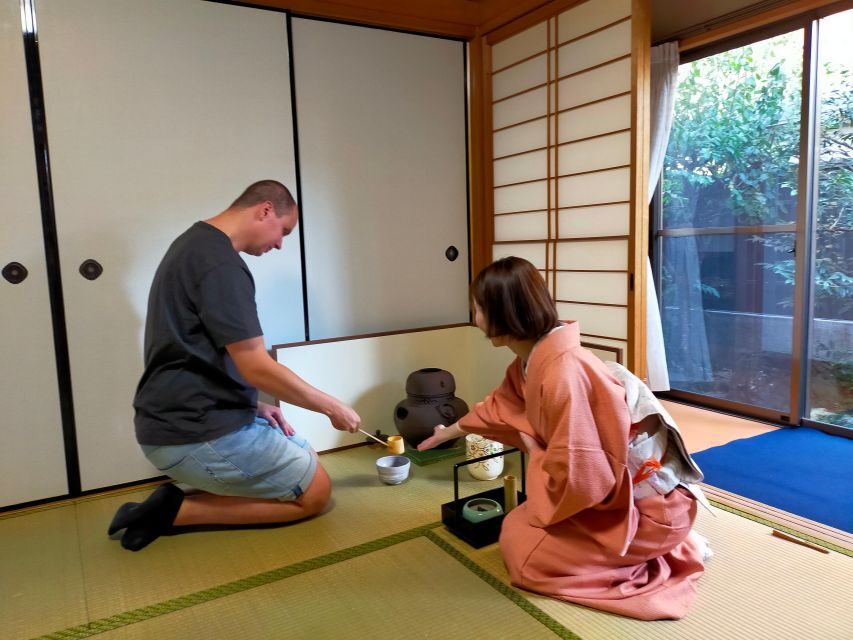
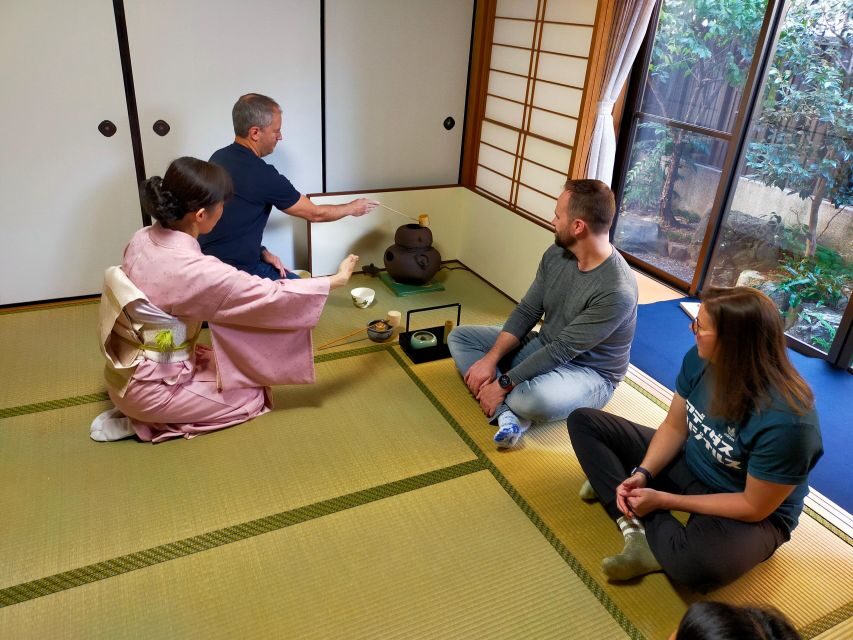
After the wagashi session, it’s time for tea ceremony in the Japanese room. Before anyone starts pouring anything, the instructor sets the scene: the history of tea, what the ceremony means, and why the setting matters.
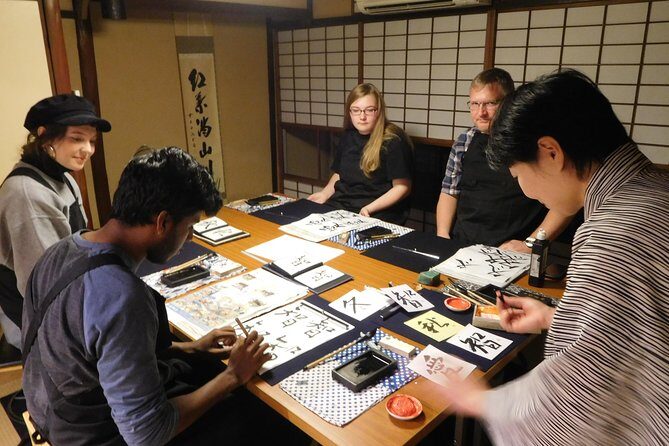
A detail that stands out is the hanging scroll in the alcove. The instructor explains its meaning during the session. You don’t just get a symbolic explanation; you learn how the scroll fits into the room’s focus and the ceremony’s atmosphere. It’s the kind of context that makes the whole thing feel intentional instead of random.
Then comes the part many people want but rarely learn: how to enjoy the sweets with the tea. You’ll savor the wagashi you made while your instructor demonstrates how to drink a bowl of matcha. This is where the manners and the food timing click.
Instead of treating wagashi and matcha like separate snacks, you start to understand them as a designed pairing—sweet flavor, tea bitterness, and the pause between.
Matcha Like a Local: Two Bowls, Including One You Make Yourself
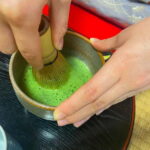
You get two bowls of matcha total. One bowl is prepared by the instructor as part of the ceremony flow. The other bowl is yours to prepare.
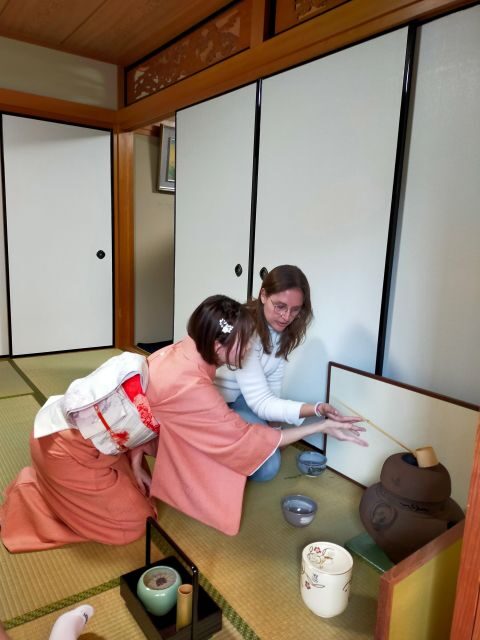
That second bowl is the main value boost. You’ll get instruction on the ceremonial preparation of matcha and then make it yourself using a bamboo tea whisk. This means you leave with a repeatable skill, not just an interesting memory.
One practical note: the class teaches the steps for making tea and also how to eat the sweets. That matters because matcha is simple, but technique changes the result—foam, texture, and how the tea is blended. Having a licensed guide interpreter explain the steps in clear English helps you avoid the common frustration of copying a recipe with no method.
And yes, you’ll drink what you’ve made. It’s a satisfying moment because the tasting happens right after you learn the process.




What the Small Group Size Changes (and Why It’s Worth It)
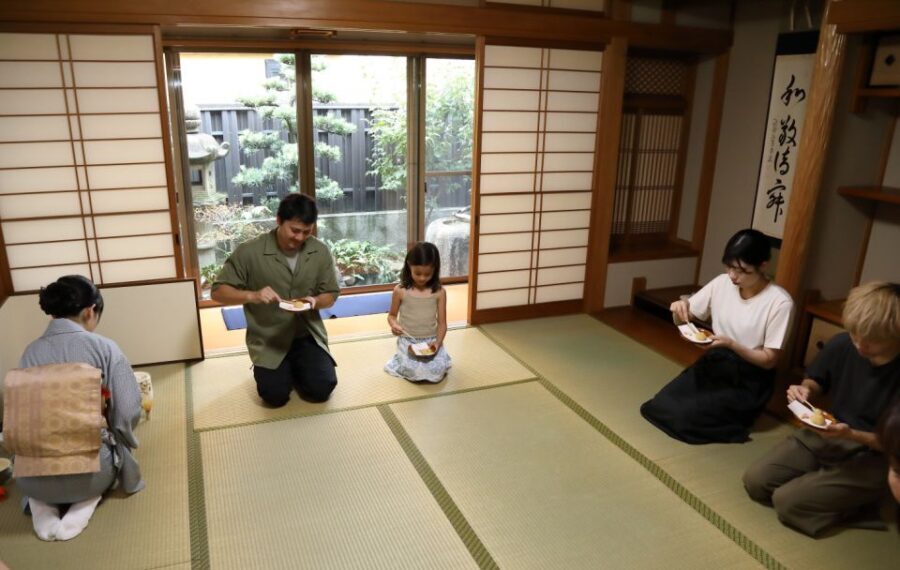
This is a small group experience limited to 6 participants. That small size shows up fast. Questions are easier to ask, and the instructor can adjust pace if you’re unsure about a step or a posture.
The host and instructors are licensed guide interpreters, and the English is built for comprehension. That reduces the mental work on your end. Instead of guessing what to do next, you can focus on the ritual itself—how to hold the bowl, when to take the sweets, how to handle matcha timing.
This is also why the class feels calm. With fewer people, the room doesn’t become a noise box. You get the quiet that makes tea ceremony work.
Price and Value: Is $55 Fair for 75 Minutes?
$55 for a 75-minute class sounds like a lot until you break down what’s included.
You’re paying for:
- Hands-on wagashi making (not a spectator demo)
- Tea ceremony instruction and manners explanation
- Two bowls of matcha
- One matcha bowl prepared by you
- An English-speaking guide interpreter-led experience
- All fees and taxes
When you compare that to typical Kyoto experiences that are mostly viewing, the value gets clearer. Here, your hands are busy and your brain is learning something you can use later—how to create and serve matcha in the right way.
So the price makes sense if you want real practice. If you’re only after photos, you might feel like it’s pricier than expected.
Practical Tips Before You Go: Socks, Seating, and Photo Rules
There are a few rules you’ll want to know so nothing surprises you.
Wear socks. Bare feet aren’t allowed. This is one of those simple but important details because it affects how comfortable you’ll be on the tatami floor.
Seating is mostly on the floor. If you find that difficult, chairs and tables are available, but you should let the provider know in advance. That’s worth doing early rather than hoping it’s solved on arrival.
Photography and recording rules are also part of the atmosphere:
- Flash photography isn’t allowed
- Video recording isn’t allowed
- You might be asked not to take photos during some parts of the session
That last one is actually good. It helps everyone experience the ceremony moment without turning it into a filming session.
Finally, Japanese sweets may differ from the pictures depending on the season. If you have any food restrictions or allergies, let them know in advance so the class can plan.
Who This Experience Fits Best (and Who Should Rethink It)
This works best if you enjoy hands-on cultural learning. You’ll probably like it if you want to understand how tea culture connects with manners, food timing, and simple technique.
It’s also a strong choice if you’re traveling solo or as a small group and want an experience where English instruction keeps you from feeling lost.
It’s not suitable for:
- Children under 8
- Wheelchair users
Should You Book the Kyoto Fushimiinari Wagashi and Matcha Class?
Book it if you want a calm, practical introduction to Japanese tea culture—one where you make wagashi, learn tea ceremony meaning, and whisk matcha yourself. The small group size and English-speaking licensed guide interpreter setup are the difference between a vague cultural stop and a skill-building experience.
Skip or reconsider if you’re sensitive to floor seating, strict rules around photos, or you only want quick sightseeing. This class is about doing the ritual, not just watching it.
If you’re on the fence, think about what you want to bring home: a jar of matcha and a photo, or the ability to prepare and serve it properly after you return. This is the second option.