REVIEW · OSAKA COMBINED TOURS
Osaka: Japanese Drum Taiko Workshop
Book on GetYourGuide →Operated by EE tour · Bookable on GetYourGuide
Japanese Taiko is loud, physical, and oddly calming. In this 2-hour hands-on workshop, you learn the basics, then play a simple piece as a group after a professional demo. I like that it’s designed for complete beginners, and I especially love the extra cultural touch of making a wish Kanji on a hachimaki headband.
One thing to plan for: it’s run like a tight class schedule. You need to arrive 15 minutes early and the session is timed, so late arrivals can’t join once it starts.
In This Review
- Key things you do (and why they matter)
- Osaka Taiko Workshop: the easiest meeting point for Kyoto and Osaka days
- The flow of the class: history, your hachimaki, and then the drumming starts
- Pro performance to real technique: what you learn between the beats
- Group drumming: the moment it clicks (and yes, it’s a workout)
- Costume photo day: happi and hachimaki for the memories
- Price and value: what your $103 covers (and what it doesn’t)
- Timing and logistics that can make or break your day
- Who this Taiko workshop is best for
- Should you book? My take
- FAQ
- Where is the meeting point?
- How long is the workshop?
- Do I need any Taiko experience?
- Is the tour guide available in English?
- What happens during the workshop?
- Can children participate?
- Are there options for people who want to observe only?
- What if I’m coming from Osaka or Kyoto?
- What if I book as a single participant?
Key things you do (and why they matter)
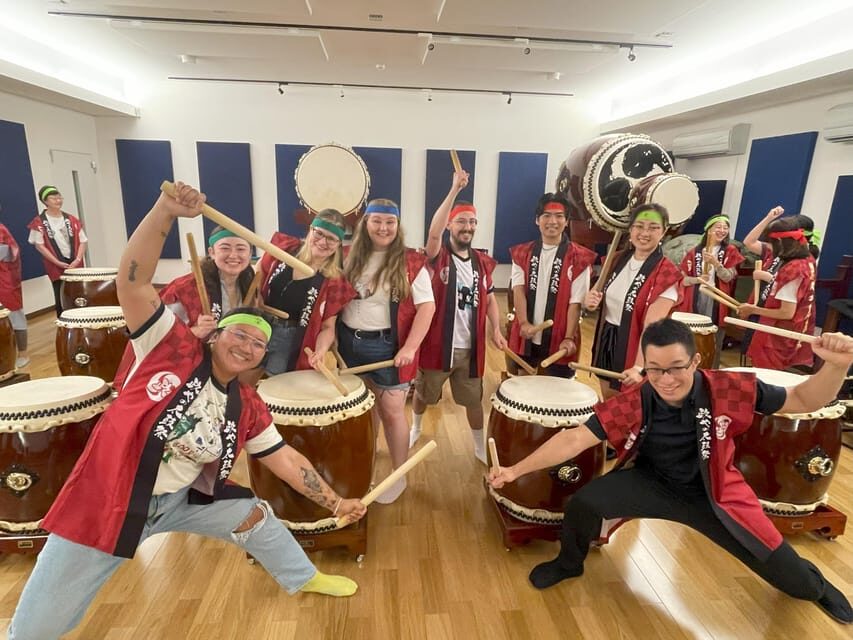
- Write a wish Kanji on a hachimaki: you leave with a personal, traditional souvenir.
- Watch a pro Taiko performance close up: you see what “good” looks and sounds like before you play.
- Learn technique from a friendly instructor: you practice movements, not just theory.
- Play a simple piece together: teamwork turns “I can’t” into “we did it.”
- Change into costume for photos: you get a commemorative happi and hachimaki photo.
Osaka Taiko Workshop: the easiest meeting point for Kyoto and Osaka days
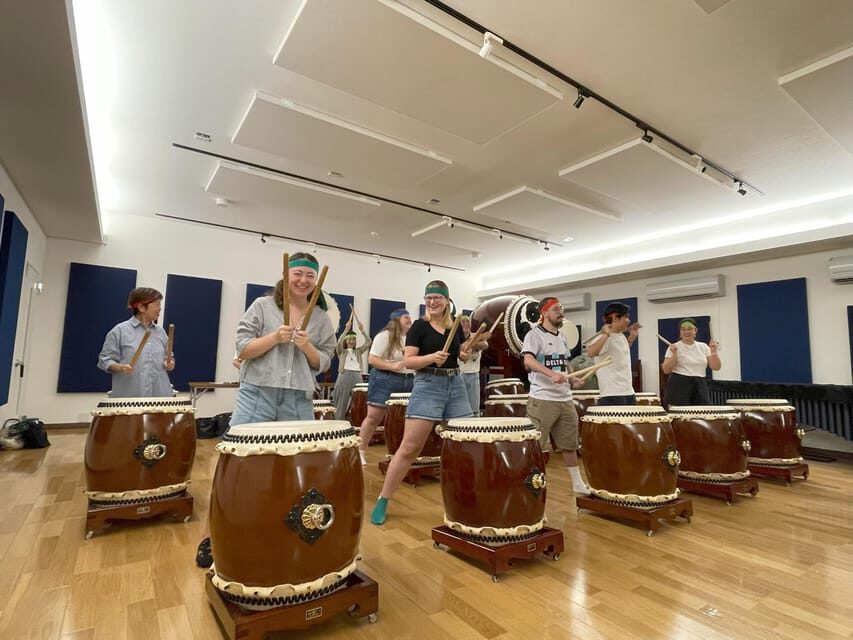
The workshop meets at JR Takatsuki Station Central Ticket Gate, 2nd floor. Don’t go downstairs. Look for your guide standing there with a banner that has a TAIKO drum on it. One practical note matters a lot here: there are two Takatsuki Stations (JR and Hankyu), and the meeting point is JR Takatsuki Station, not Hankyu Takatsuki Station.
The location is a smart choice if your itinerary mixes Kyoto and Osaka. The ride from Osaka is about 15 minutes, and it’s also convenient from Kyoto. That short commute helps because you’re not losing half a day just to reach the studio.
Time-wise, the total experience is 2 hours, and that includes travel. Plan your day so you’re not rushing afterward.
You can also read our reviews of more tours and experiences in Kyoto


The flow of the class: history, your hachimaki, and then the drumming starts
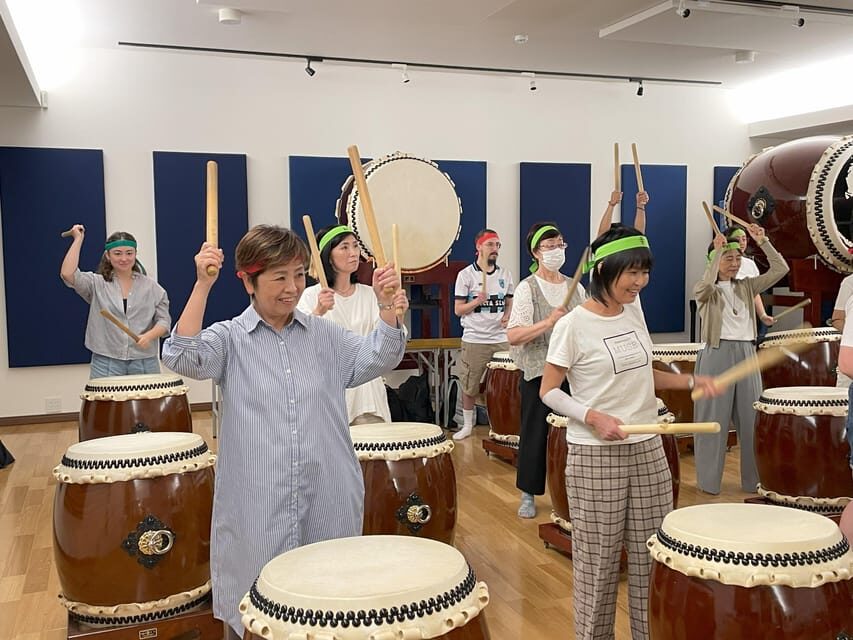
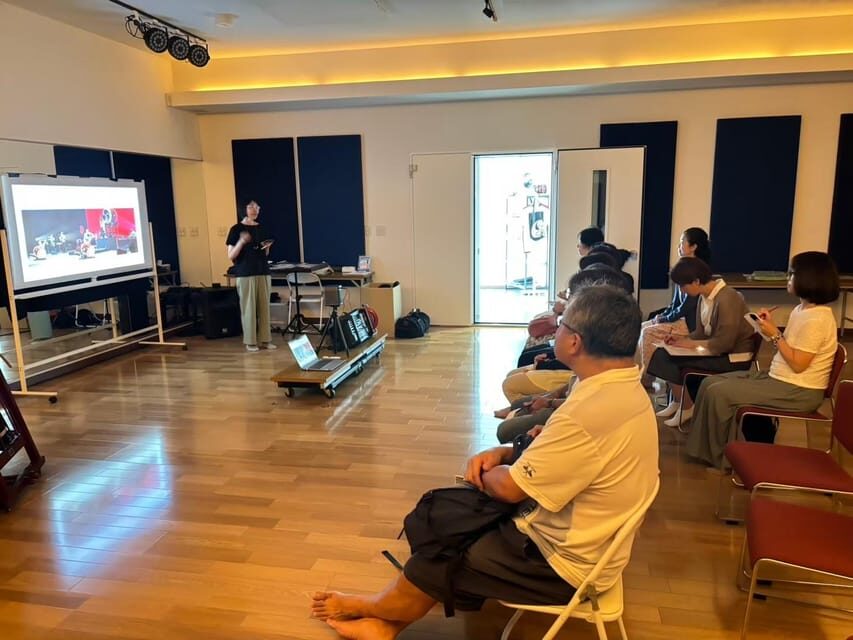
This workshop is built in a sensible order: context first, then technique, then teamwork. You’ll start with a brief explanation of Taiko’s history and why it’s part of everyday Japanese life. You don’t need to know anything going in. The point is to give your drumming more meaning than just noise and rhythm.
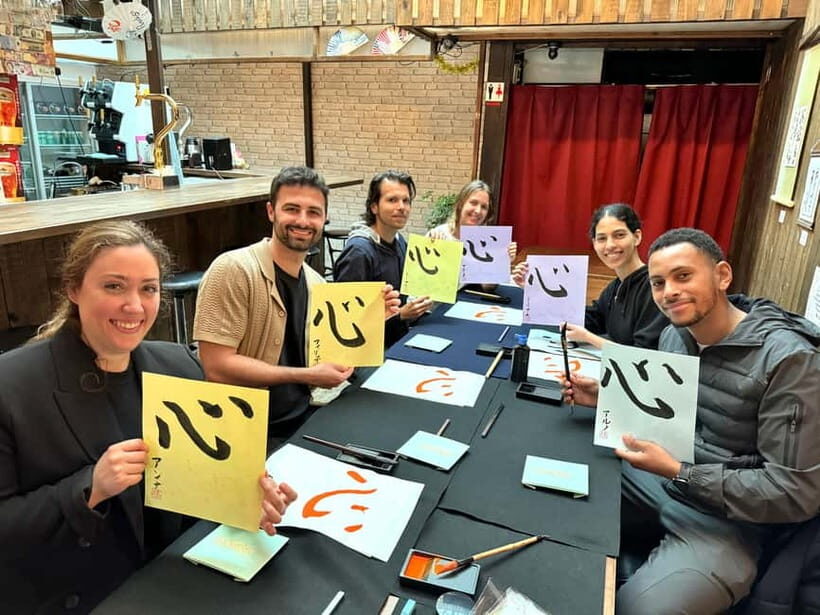
Next comes one of the coolest, most personal steps: you’ll write a wish Kanji on a hachimaki (a traditional headband). This is the kind of activity that makes the whole session feel more like culture than a lesson. It also gives your group something memorable to do while you’re getting comfortable.
Then you’ll watch a powerful Taiko demonstration by a professional player/instructor. I like this part because it sets expectations. You see the posture, the energy, and the way the drums can feel both dramatic and athletic.
Pro performance to real technique: what you learn between the beats
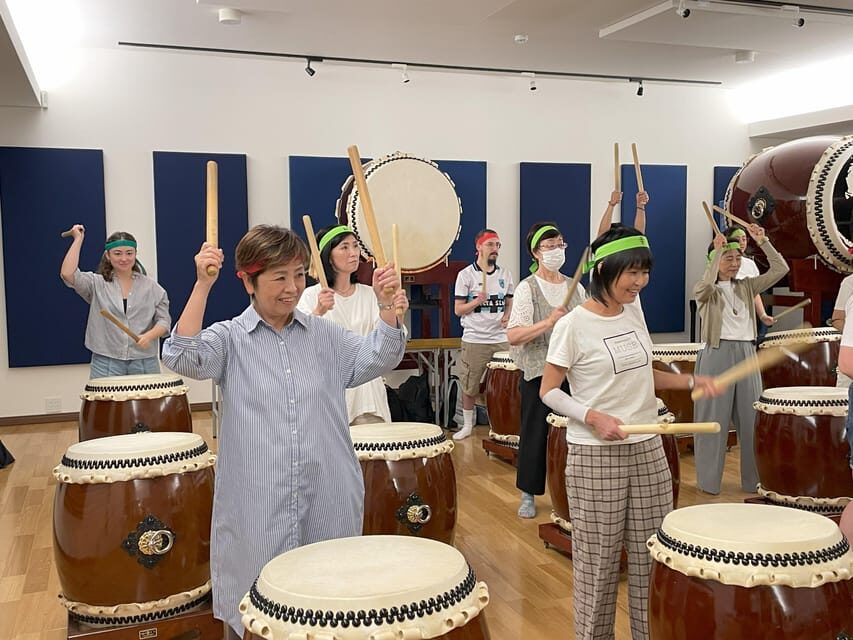
After the demo, your instructor shifts into teaching mode. You’ll learn the basic movements and techniques of Taiko drumming with a friendly, step-by-step approach. This is where the class feels welcoming even if you’ve never played percussion before.
I’ve seen a lot of “try it” activities that mostly test your coordination. This one seems more interested in getting you ready to play together. You’re taught how to move, how to strike, and how to keep the rhythm grounded so the group sound comes out right.
If you want a mental picture: you’re not just learning one rhythm and calling it done. You build control first, then you apply it when it’s time to play as a team.
In the reviews, English-speaking guides like Michiko and Naru show up as helpful translators, and the drumming instructor Aoi gets specific praise. That matters, because language is often the weak point in hands-on classes. Here, the instruction lands.
Group drumming: the moment it clicks (and yes, it’s a workout)
The final act is the fun one: you play a simple piece of music together. That’s the key payoff. You leave with proof that Taiko isn’t only for experts with years of training. With coaching and repetition, you can get in sync and sound like a unit.
It’s also physically engaging. A Taiko workshop uses your whole body—stancing, arm control, and timing. In other words, it’s not just a seated activity. One review even notes a memorable detail about the shoe used during the class. While the exact type isn’t spelled out in your info, the takeaway is clear: you’ll be wearing what you need for proper movement and drumming comfort.
For me, that’s part of the value: the “I did something” feeling is strong because your body participates, not just your ears.
Costume photo day: happi and hachimaki for the memories
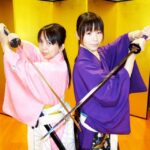
When you finish your group piece, you wrap up with a commemorative photo in traditional Japanese costume. You’ll wear a happi and your hachimaki as part of the photo. That turns your wish Kanji into something tangible you can keep, not just a writing exercise.
Photos matter more than people think. They’re the difference between remembering the general idea and remembering the specific moment: your drum stance, your headband, and your group performance.






Price and value: what your $103 covers (and what it doesn’t)
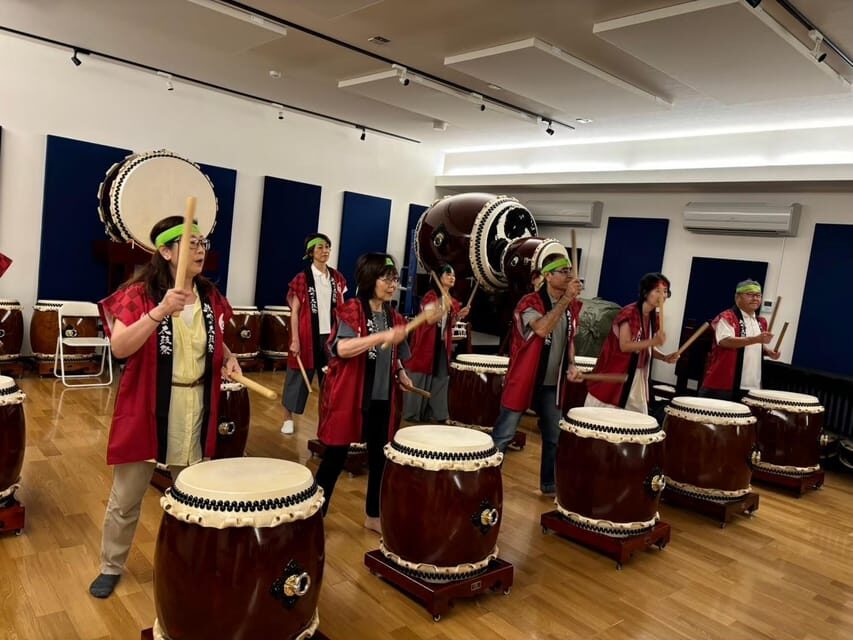
The price is $103 per person for the 2-hour experience. Based on what’s included, that money goes toward real instruction and the full activity arc:
Included
- Japanese taiko drumming experience
- English-speaking guide
- Taiko instructor
- Hachimaki headband
- Car transfer to and from the studio and Takatsuki Station
That transfer detail is underrated. If the class location is outside central Osaka, you avoid guessing bus times or juggling taxis. Taxis from Osaka are also said to be not recommended because the trip takes long and can be pricey.
Not included
- Observers pay 8000 yen per person if they’re watching without participating.
- Observers must be notified in advance. If you show up without notice, transportation may not be arranged.
So here’s the value math: you’re paying for instruction, equipment access (the drums), cultural steps, and logistics. If you want a half-day cultural activity that’s active and not just “watch and walk,” this is priced like something with real coaching time.
Timing and logistics that can make or break your day
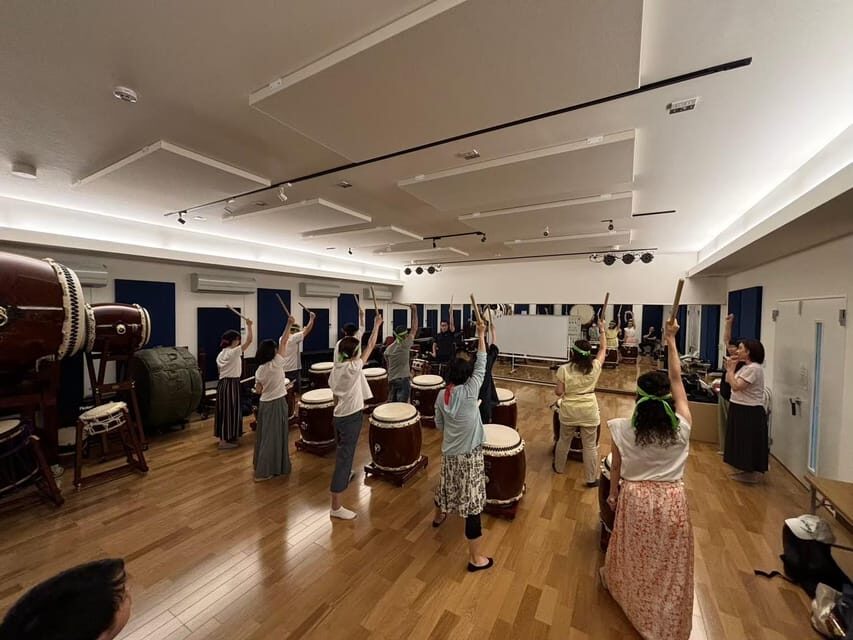
A few “don’t step on the rake” tips:
- Arrive 15 minutes early. The workshop can’t wait for late arrivals, and you can’t join after it starts.
- The 2 hours includes travel. Don’t schedule something tight right after.
- The class is not suitable for children under 7.
- Some days don’t allow single-participant bookings. On those days, you may need to book and pay for two participants to join.
Also, you’re working with a station-meet-and-transfer setup. That’s usually efficient, but it means you should keep your station arrival time realistic. If you’re coming from Osaka or Kyoto, the short 15-minute JR hop helps, but only if you build in the normal buffer.
Who this Taiko workshop is best for
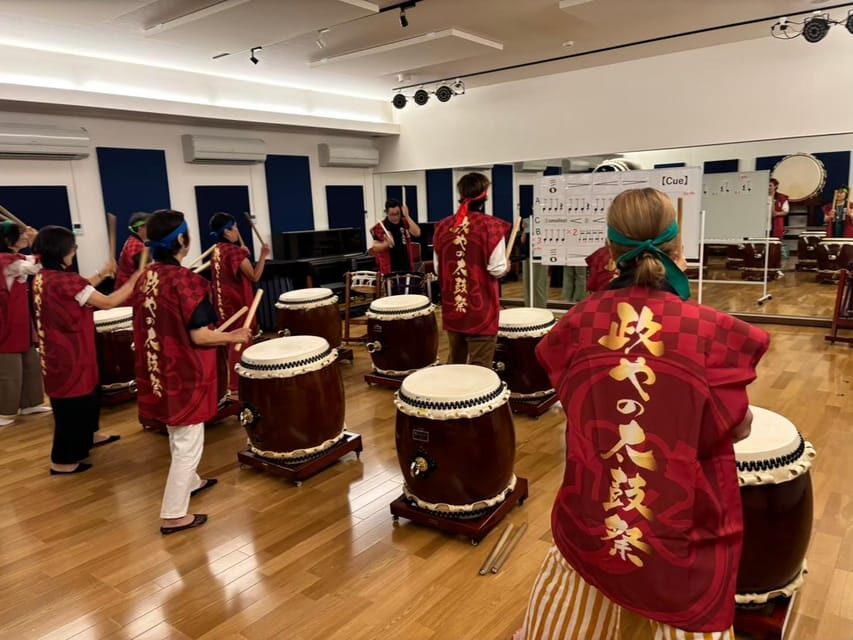
This workshop works well for a broad range of people because the structure is beginner-friendly and group-focused.
It’s a great fit if you:
- want an active cultural experience rather than a museum-style visit
- want to learn something you can explain at dinner back home
- enjoy music with a strong physical component
- like hands-on crafts (your wish Kanji on a hachimaki)
It’s also a smart choice if you’re short on time in the Osaka/Kyoto region. The station location and quick train ride keep it practical.
If you’re the type who hates being rushed, be extra careful with the arrival rule. This is a class format, not a casual drop-in.
Should you book? My take
Yes, book it if you want a real skill-building activity in a compact time window. You get the history context, the pro performance, and then actual coaching that leads to group drumming. The finished photo in happi and hachimaki gives you a strong souvenir with meaning.
Hold off if you:
- might be late to the station (the timing is strict)
- need an activity for very young kids (under 7 can’t participate)
- only want to observe and you haven’t planned for observer logistics (there’s an 8000 yen observer cost in cash, and you must notify in advance)
If you’re comfortable following a schedule and you want something hands-on that still feels deeply Japanese, this Taiko workshop is a solid, worthwhile choice.
FAQ
Where is the meeting point?
Meet at JR Takatsuki Station Central Ticket Gate, 2nd floor. Do not go down, and look for the guide holding a banner with a TAIKO drum. Make sure it’s JR Takatsuki Station, not Hankyu Takatsuki Station.
How long is the workshop?
The total experience duration is 2 hours, including travel.
Do I need any Taiko experience?
No. The workshop is designed to work even if you have no prior Taiko experience.
Is the tour guide available in English?
Yes. The guide and instruction are offered in English.
What happens during the workshop?
You’ll receive a brief Taiko history explanation, write a wish Kanji on a hachimaki, watch a professional Taiko demonstration, learn basic drumming movements and techniques, and then play a simple piece together. You also get a commemorative photo in traditional costume.
Can children participate?
Children under 7 cannot participate.
Are there options for people who want to observe only?
Yes, but observing costs 8000 yen per person. You need to pay in cash (Japanese yen) at the studio on the day of the tour, and you must notify the provider in advance so transportation can be arranged.
What if I’m coming from Osaka or Kyoto?
The JR train ride from Osaka to Takatsuki is about 15 minutes. Taxis from Osaka are not recommended due to long travel time and high cost.
What if I book as a single participant?
Some days do not allow single-participant bookings. On those days, you may need to book and pay for two participants to join.