REVIEW · COOKING CLASSES
Kyoto Udon and Tempura Cooking Class with Professional Chefs
Book on Viator →Operated by MagicalTrip Inc. · Bookable on Viator
Skip the restaurant line. Learn Kyoto food by doing.
This class is built around handmade udon and real knife-and-dough practice with Nakajima-san, plus Josh as the English-speaking guide who keeps everything smooth. I also love the way it finishes with a mini sake tasting, so you get flavor, not just technique. And you don’t just watch. You make, you fry, and you sit down to eat what you made.
One thing to think about: transportation isn’t included, and the start is a firm 10:00 am at a 7-Eleven in Nakagyo Ward. If you’re slow getting there, you’ll feel rushed.
In This Review
- Key highlights you can count on
- A 2.5-hour Kyoto food class that actually teaches skills
- Where to meet at 10:00 and how to show up hungry
- Knead, roll, cut: making Kyoto udon with Nakajima-san
- Onigiri and inari sushi: shaping rice like you mean it
- Tempura frying: getting crisp shrimp and veg
- Eating everything you made, plus the mini sake tasting
- What you take home: recipes and photos you’ll actually use
- Price and value: what $85.39 really covers
- Who should book this udon and tempura class
- Should you book Kyoto udon and tempura with professional chefs?
- FAQ
- How long is the Kyoto udon and tempura cooking class?
- How much does the tour cost?
- Where is the meeting point?
- What time does the class start?
- How many people are in the group?
- What dishes are included in the class?
- Are drinks included?
- Do I get recipes or photos?
- Can I cancel and get a refund?
Key highlights you can count on
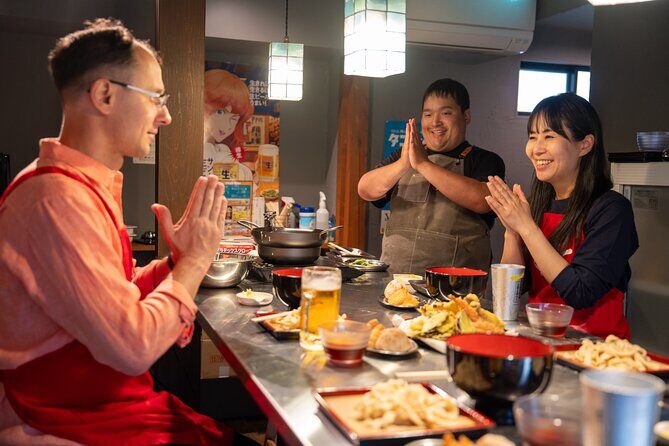
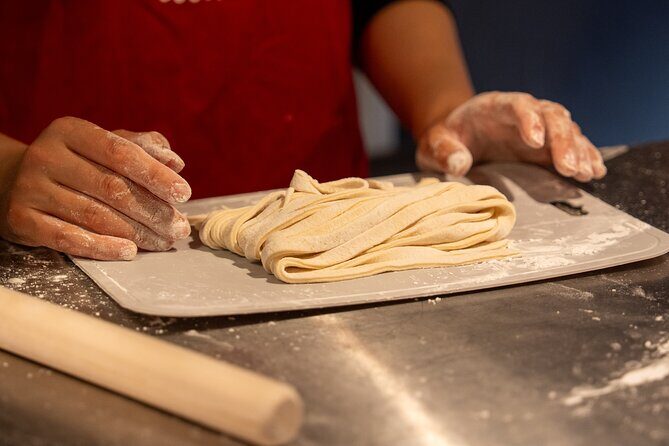
- Udon starts from flour and water, then you knead, roll, and cut by hand
- Four dishes from scratch: udon, onigiri, inari sushi, and tempura
- Small group size (max 8), which helps you get hands-on help
- You may get both hot and cold udon, plus shrimp and vegetable tempura during the class
- Two drinks included, with an option for alcoholic or non-alcoholic choices, including sake
- You leave with downloadable recipes and emailed tour photos
A 2.5-hour Kyoto food class that actually teaches skills
Kyoto is great for food… but it’s easy to get stuck in “watch and snack” mode. This tour leans the other way. In about 2 hours 30 minutes, you work through dough, rice shaping, and frying—skills you can repeat later without needing a translator or a second chance.
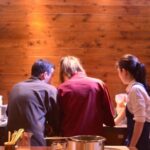
The format also makes the teaching easier. With a maximum of 8 travelers, you’re not fighting for attention at a shared counter. Josh helps with English explanations, while Nakajima-san focuses on the udon fundamentals you can feel in your hands: knead, roll, cut, repeat. That matters because udon is a dough skill, not a mystery.
And the lesson isn’t only technical. You finish by eating everything you made: fresh udon, onigiri, inari sushi, and tempura, plus a mini sake tasting. That closes the loop. You understand what you did when you taste it, right away.
If you’re the type who learns best by cooking (not just ordering), you’ll like the pacing. If you want sightseeing stops or a bus ride experience, this is not that.
You can also read our reviews of more cooking classes in Kyoto

Where to meet at 10:00 and how to show up hungry
The class meets at 7-Eleven, 599 Uraderachō, Nakagyo Ward, Kyoto. It starts at 10:00 am, and it ends back at the meeting point. You’ll use a mobile ticket, which usually means less fuss with paperwork.
Because you’re not taking a tour bus, plan your route like a local: arrive early enough to calm down, find the exact entrance, and get oriented. The most common mistake with food classes is showing up just on time and having your focus scramble.
Also, come ready to eat. This is hands-on cooking, which means you’re working up an appetite while your dishes are being prepared. One review-style tip that fits the class vibe: skip breakfast if you can, or at least keep it light. By the time you sit down, you’ll want room for udon, sushi, and tempura.
What’s not provided is transportation to and from the meeting point. So build that into your day. Near public transportation is helpful, but it still becomes your job to get there.
Knead, roll, cut: making Kyoto udon with Nakajima-san
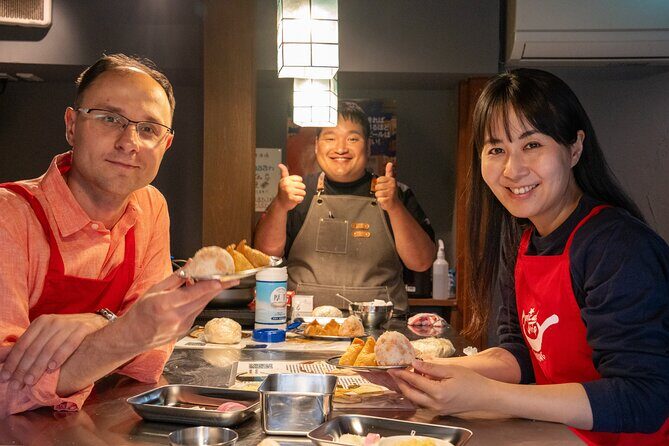
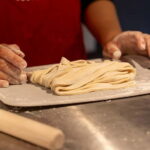
The udon portion is the heart of the experience. You start with something simple: flour and water. Then you move into the real work—kneading until it becomes smooth and workable, rolling it out, and cutting the noodles by hand.
That might sound basic, but it’s actually the difference between chewy udon and doughy disappointment. You’re learning how the texture changes as you work. Even if you’ve never made noodles before, the process is straightforward: do the steps, adjust what you’re doing based on guidance, and watch how the noodle shape and chew come together.
Nakajima-san provides the local know-how, and Josh helps translate what to do and why. The best part is that you’re not stuck just forming dough. You’re actively doing the motions that matter, so the technique sticks.
Practical tip for your own comfort: expect your hands to get messy. Bring a willingness to touch dough. If you’re squeamish about flour on your fingers, you’ll struggle here. The class is hands-on by design.
And since the goal is to eat what you make, you’ll want to pay attention during the noodle steps. Your later bowl tastes better when you understand the choices that got you there.
Onigiri and inari sushi: shaping rice like you mean it
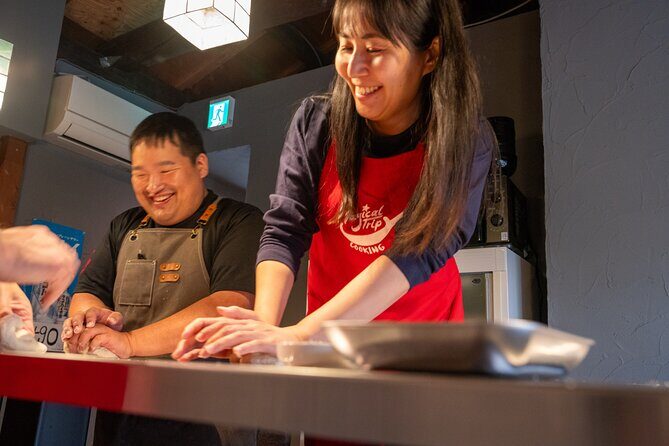
After udon, you shift from dough to rice. You’ll prepare classic Japanese rice dishes—onigiri and inari sushi.
Onigiri is the one people often recognize: rice shaped into a neat form you can eat with one hand. The lesson value here is not just the final shape—it’s learning how the rice behaves and how to handle it so it doesn’t fall apart. You’re working with rice texture and portioning, and those details matter for a nice bite.
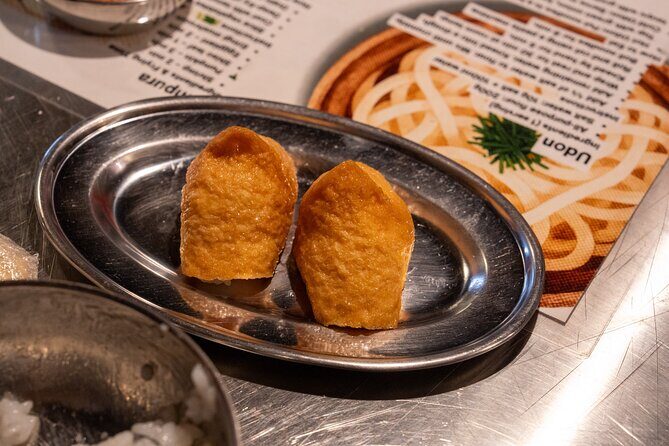
Inari sushi is different. It’s built around inari (a tofu pouch used as a container for seasoned rice). You’re making something that looks simple, but the quality depends on balancing flavors and getting the rice placed correctly. The class teaches you how to prepare it from scratch, so you’re not relying on store-bought shortcuts.
Why I like this part: it’s calmer than frying, and it gives you variety. You’ll go home with two rice dishes you can reproduce without needing special equipment—just the ability to shape and stuff.
Also, if you’re traveling with friends or family, these rice dishes are great because they feel achievable. Even when you mess up one piece, you usually still have enough to learn, adjust, and enjoy the meal.
Tempura frying: getting crisp shrimp and veg
Then comes tempura, which is where your kitchen nerves might kick in—right before you realize it’s way more doable with proper guidance.
You’ll fry crispy, golden tempura after learning the steps from the chef team. Reviews specifically mention shrimp and vegetable tempura, so you can expect those typical fillings rather than only a plain batter sample.
Tempura is all about control: oil heat, batter behavior, and timing. You don’t need to know the chemistry. You just need to follow what the chef shows you and learn how to respond when things look slightly different than expected. That’s the real benefit of a professional-led class—you learn the cues, not just the recipe.
I’d also call out a practical angle: frying in a class setting means you’re not juggling oil management and timing alone. You’re in a structured environment where instructors can guide you if your first try isn’t perfect.
When you finally eat the tempura, it acts like instant feedback. If you made it well, you’ll get that crisp bite and light texture. If not, you still learn what went wrong so you can improve next time.
You can also read our reviews of more tours and experiences in Kyoto
Eating everything you made, plus the mini sake tasting
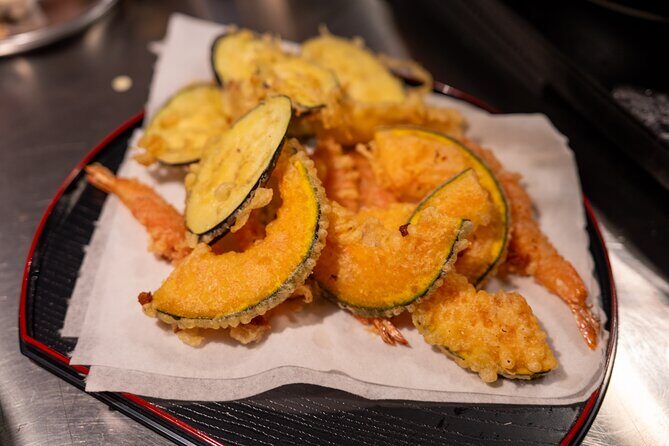
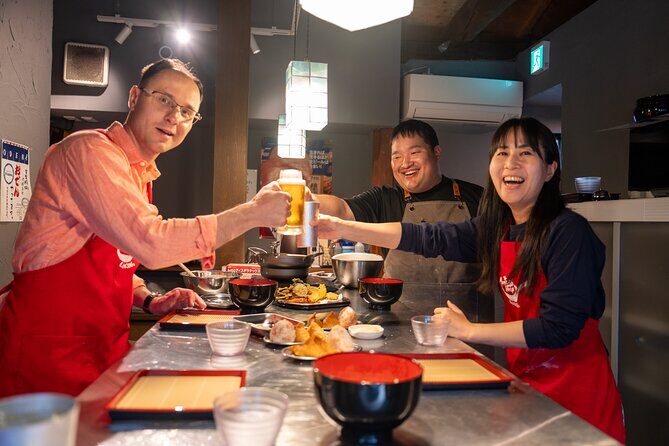
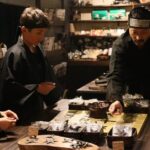
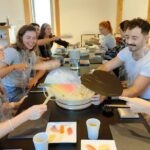
This is one of the best parts of the experience. You don’t just taste one tiny sample. You sit down and eat the full set: udon, onigiri, inari sushi, and tempura.
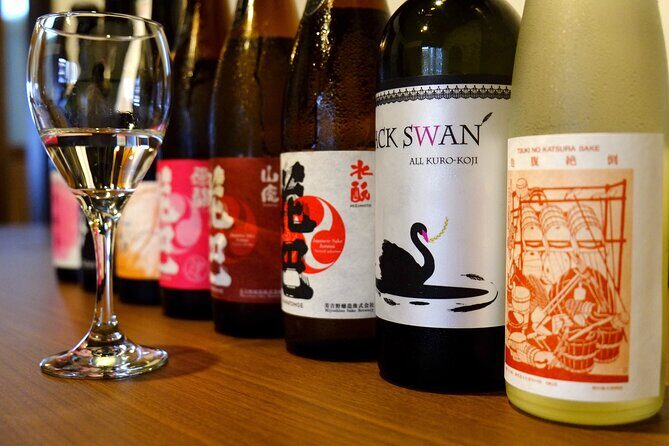
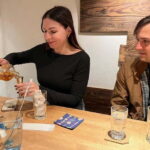
Then you get two drinks. Options include alcoholic or non-alcoholic choices, and sake is included as part of the tasting. The class keeps the pacing friendly, so you’re not rushing through food while trying to remember what you made.
The pairing is practical, too. Sake helps reset your palate between richer bites like tempura and the savory flavors inside sushi. Even if you’re not a huge sake fan, the mini tasting is small enough to be fun rather than intimidating.
If you’re with people who drink little, don’t panic. The tour data notes you can choose non-alcoholic options as well. It’s built to be inclusive without killing the Kyoto vibe.
What you take home: recipes and photos you’ll actually use
Here’s where the class becomes more than a one-time activity.
You’ll receive:
- downloadable recipes in easy English
- tour photos sent to you by email after the experience
The downloadable recipes matter because they turn your new skills into something you can practice at home. Without them, cooking lessons often fade fast. With them, you can repeat udon-making steps, try your hand at rice shaping, and work through tempura at your own pace later.
The photos are a nice extra. You’ll likely remember the food, but the photos help you track what you made and how it looked when it came out right. That’s useful if you want to compare your home attempts.
Overall, this is one of the better “value add” features for classes. You pay for instruction, then you keep the tools to follow through.
Price and value: what $85.39 really covers
At $85.39 per person, this isn’t a cheap snack experience. But it’s also not priced like a private chef session. The value comes from the mix of things included:
- You cook four dishes from scratch
- You get professional instruction for around 2.5 hours
- You get two drinks (with sake included)
- You receive easy English recipes
- You get photos after the tour
- It’s capped at 8 travelers, so you’re not lost in a crowd
If you tried to replicate this independently, you’d spend money on ingredients and still wouldn’t get the structured teaching for udon cutting, rice prep, and frying technique. The class also reduces trial-and-error time because you learn through guided practice, then eat the results.
So the question is simple: do you want to learn? If yes, this is good value. If you only want to taste food with minimal effort, you might feel you’d get more from a meal-focused tour.
My take: for an active cooking session in Kyoto with chef-level help and drinks included, $85.39 starts to look fair.
Who should book this udon and tempura class
This experience fits best if you like hands-on learning and practical food skills.
You’ll likely enjoy it if:
- you’re a beginner who wants step-by-step guidance
- you want something fun for a group, including family
- you like eating what you make
- you want a Japanese meal you can recreate later using English recipes
It’s also a great choice for people who are in Kyoto for a short visit and want a different angle on local cuisine beyond temples and streets. Cooking gives you a memory that lives on in your kitchen.
Who should consider skipping:
- you dislike frying or you’re not comfortable with cooking tasks
- you want mostly sightseeing rather than cooking
- you hate getting your hands messy (this is flour-and-dough work)
Should you book Kyoto udon and tempura with professional chefs?
If you’re aiming for a class that teaches real technique—handmade udon first, then rice shaping, then tempura—this is a strong pick. The small group size and the combination of Nakajima-san’s udon expertise with Josh’s English support make it feel approachable, not intimidating.
My decision rule is easy: if you want to learn how the food is made and eat a full spread at the end, book it. If you’re mostly there to sample and wander, look for a lighter food tasting instead.
One practical note before you decide: cancellation is free up to 24 hours in advance, so you have flexibility if your schedule changes.
FAQ
How long is the Kyoto udon and tempura cooking class?
The class lasts about 2 hours 30 minutes.
How much does the tour cost?
It costs $85.39 per person.
Where is the meeting point?
You meet at 7-Eleven, 599 Uraderachō, Nakagyo Ward, Kyoto, 604-8041, Japan.
What time does the class start?
The start time is 10:00 am.
How many people are in the group?
This experience has a maximum of 8 travelers.
What dishes are included in the class?
You learn to make udon, tempura, onigiri, and inari sushi from scratch.
Are drinks included?
Yes. Two drinks are included, and sake is part of the experience. You can choose alcoholic or non-alcoholic options.
Do I get recipes or photos?
Yes. You receive downloadable recipes in easy English, and your guide will take tour photos and email them to you afterward.
Can I cancel and get a refund?
Yes. You can cancel for free up to 24 hours before the experience’s start time for a full refund.