REVIEW · EVENING EXPERIENCES
Kyoto: Gion Morning/Night Walking Tour
Book on GetYourGuide →Operated by Jacalize Co., Ltd · Bookable on GetYourGuide
Gion is loveliest before the crowds. This morning or nighttime walking tour helps you experience Kyoto’s old-district feel at a slower pace, with the streets noticeably calmer when you choose the morning option. I like that it’s all about wandering the neighborhood and noticing details, not rushing from stop to stop.
What I like most is the chance to see traditional wooden houses and tea houses up close while the guide explains what you’re looking at. The guide Kimu is praised for being kind and polite, and for adjusting the walk to match your interests. One drawback to plan around: if you book mainly for geisha spotting, you should know sightings aren’t a stated goal.
In This Review
- Key Highlights You’ll Actually Feel
- Why Gion Works Best on Foot (Morning or Night)
- Meeting at Exit 4: Simple Start, Clear Direction
- Gion Streets, Wooden Houses, and Tea Houses
- The Guide’s Role: Stories You Can Use
- Morning Calm vs Night Mood: Photos, Sakura, and Rain
- Price and Value: What $40 Gets You (and What It Doesn’t)
- Who This Tour Fits Best (and Who Should Reconsider)
- What to Bring (So Your Walk Stays Fun)
- Should You Book This Gion Morning/Night Walking Tour?
- FAQ
- Where do I meet the guide?
- Is this tour offered in the morning and at night?
- What is included in the price?
- What isn’t included?
- What should I bring?
- Is smoking allowed during the tour?
Key Highlights You’ll Actually Feel
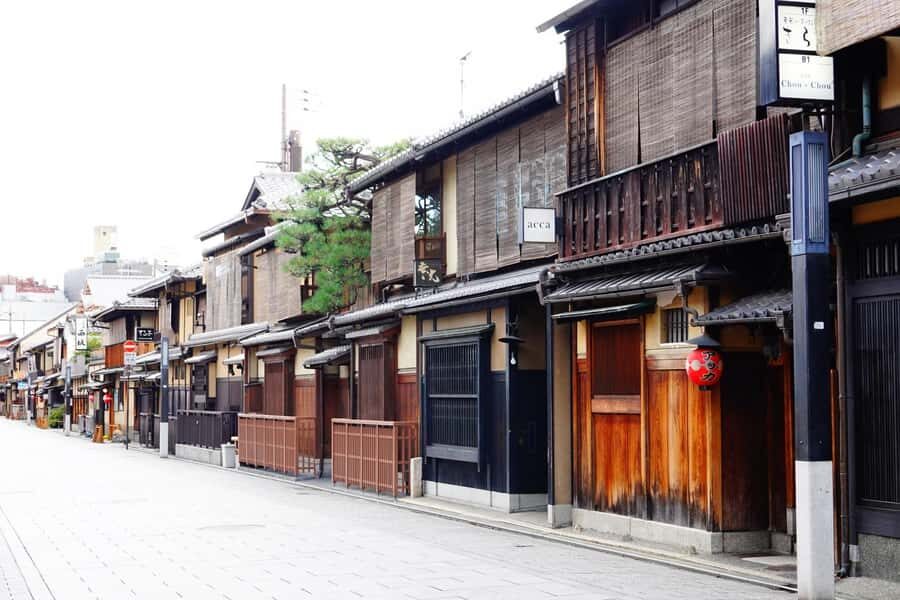
- Crowd-light Gion in the morning, when the district feels quieter and more readable
- Traditional architecture on narrow streets, including wooden houses and tea houses
- Guide storytelling with local context, with Kimu noted for clarity and adapting to you
- Better photo odds at different light levels, including rainy conditions
- Flexible pacing by request, especially if you want to focus on quieter, lesser-known corners
Why Gion Works Best on Foot (Morning or Night)
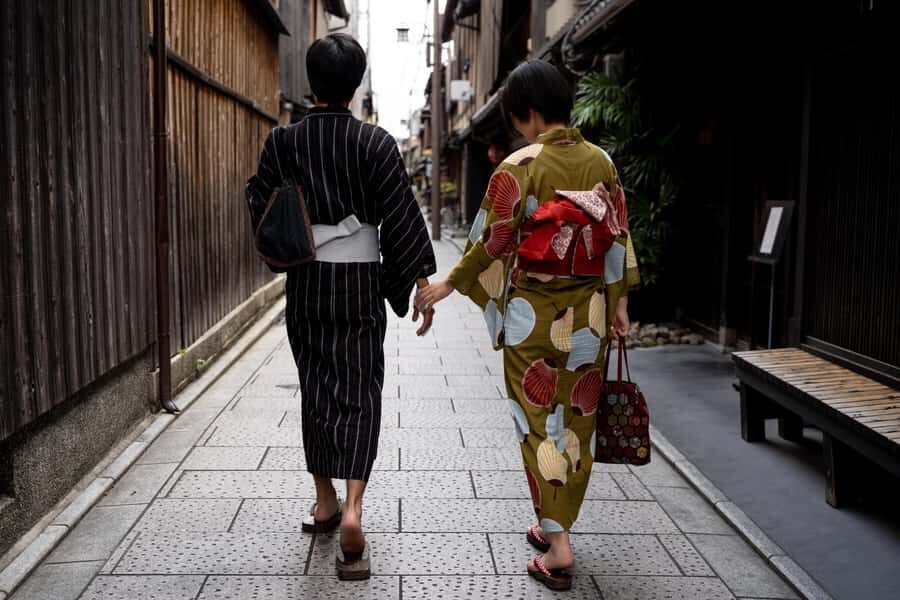
Gion is the kind of place where you don’t “see” it from a bus window. You understand it by moving slowly through the lanes. That’s the real strength of this guided walking format: you get a local lens while you’re physically among the old streets.
If you pick the morning version, you’re walking before the district gets crowded. The atmosphere shifts fast in Kyoto, and this tour is designed for that quiet window. You’ll likely find it easier to notice details like the texture of wooden buildings, the rhythm of the street layout, and the way small side alleys feel more intimate early on.
If you choose night, you trade daytime calm for evening mood. One standout review mentioned incredible photos in the rain at night, which makes sense: wet pavement and lantern-like lighting can turn ordinary lanes into something cinematic. Just be ready for changing conditions—Kyoto weather can be stubborn.
You can also read our reviews of more walking tours in Kyoto



Meeting at Exit 4: Simple Start, Clear Direction
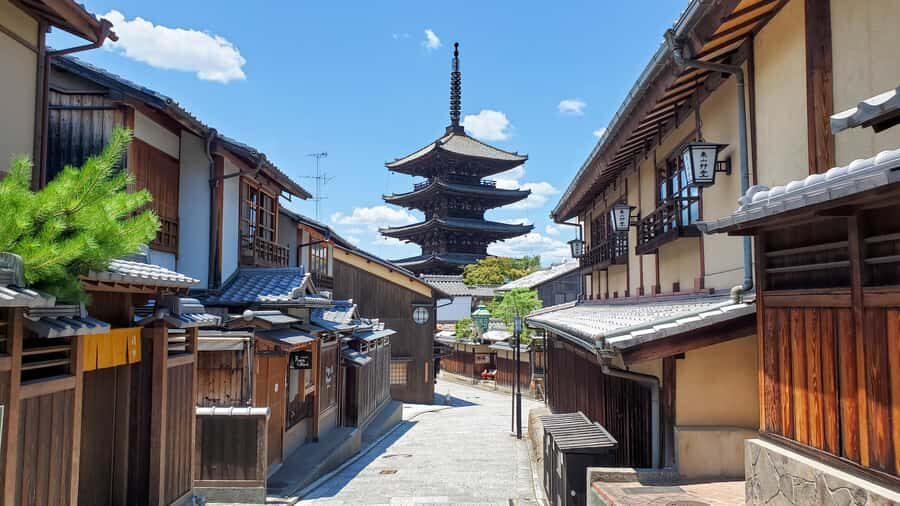
The tour starts with one clear instruction: meet the guide at Exit 4 on the ground. That’s the kind of detail that matters when you’re in a big transit hub and you’re trying not to waste time.
After that, the experience follows a straightforward rhythm: you meet, walk as a group through Gion, and end back at the meeting point. Since there’s no hotel pickup or drop-off included, it helps to plan your arrival so you’re already in the neighborhood before start time.
Also, you’re walking in a traditional district, which usually means lots of turning corners and short stretches between viewpoints. Bring comfortable shoes so your feet don’t become the main character of the day (they tend to complain loudly).
Gion Streets, Wooden Houses, and Tea Houses
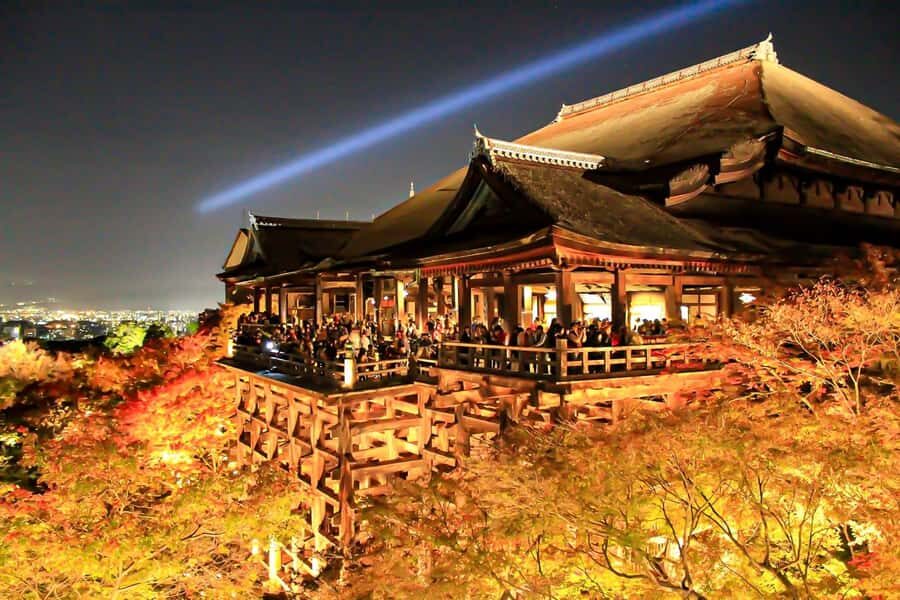
This is the part you’re coming for: Gion’s streetscape. The tour focuses on seeing the traditional area up close—specifically the narrow lanes, the traditional wooden houses, and the tea houses that define the neighborhood’s look.
Even without a list of named monuments, you’ll get a strong visual education. You’ll be able to look at architectural features—wooden facades, the way buildings sit close to the street, and how the lane layout creates small pockets of quiet. Those details are hard to appreciate when you’re just passing through on your way to a photo spot.
In a couple of reviews, the emphasis landed on “lesser-known” stops rather than only the obvious postcard lanes. That’s important for value. You’ll feel like you’re not just collecting snapshots—you’re learning how to read the neighborhood like a local.
The Guide’s Role: Stories You Can Use
A walking tour lives or dies on the guide. Here, the guide Kimu comes up repeatedly in positive feedback. People describe Kimu as kind and polite, and also someone who explains in a way that helps you connect the dots as you walk.
What you’ll learn centers on the history of the area and the local culture that still shows up today. The most useful kind of context is the kind you can immediately apply to what you’re seeing. Instead of a lecture, the guide’s comments help you interpret why a street looks the way it does, and why certain locations feel significant even if they aren’t labeled like a museum.
One review also pointed out that the guide adapted the tour to match personal needs. That’s a big deal. If you’re the type who wants more time in quiet corners (or you’d rather slow down to photograph), having a guide who can respond makes the walk feel more tailored.
One careful note: not every visitor felt the information level matched expectations. If you’re the type who needs lots of spoken detail to stay engaged, keep in mind this is an on-foot experience in English, and you’ll be processing explanations while also walking. That’s not a flaw—it’s just the nature of this style.
Morning Calm vs Night Mood: Photos, Sakura, and Rain
Choosing morning changes the entire tone of Gion. The tour is built around peaceful walking before crowds arrive. That quiet matters. When the streets are less busy, you can slow down your pace and actually look. You’ll also get more natural photo opportunities because you’re not constantly waiting for people to move out of frame.
If you travel in spring, you might even catch early blossoms. One review mentioned sakura starting to bloom on their morning walk. That’s a timing bonus you can’t guarantee, but if it’s happening, you’ll see it in the way the neighborhood feels—softer, gentler, and very Kyoto.
For night, expect a different kind of beauty. Evening light changes the colors of wood and stone. And if weather turns—rain can happen—one review highlighted how happy they were with photos taken in the rain. Wet streets can add contrast and atmosphere fast.
Just don’t underestimate the practical side: bring water, and be ready for varying weather conditions. A tour like this is still outdoors.
You can also read our reviews of more evening experiences in Kyoto






Price and Value: What $40 Gets You (and What It Doesn’t)
At $40 per person, this is priced like an affordable, experience-first activity. The key value is that you’re paying for:
- a local guide
- a guided walking experience through Gion
- and (for the morning option) exclusive morning access to the district
That “exclusive morning access” piece is the money-maker if you’re trying to avoid crowd chaos. In Kyoto, timing can change what you experience more than ticketed attractions do. For many people, being in the right place at the right hour is worth a set price.
Now, what’s not included matters too:
- meals and drinks are not included
- there are no entrance fees to specific attractions included
- and there’s no hotel pickup/drop-off
So, think of this as a guided orientation to Gion’s streets and culture—not a package that feeds you or bundles attractions. If you want a day with snacks, budget for them separately. If you’re also planning to visit temples or paid sights, you’ll need to handle those tickets on your own.
Who This Tour Fits Best (and Who Should Reconsider)
This tour is a great match for you if:
- you like walking and want to see neighborhood atmosphere, not just landmarks
- you want the guide to explain what you’re looking at while you’re already there
- you’d rather experience Gion in a quieter time window, especially in the morning
- you care about photography and enjoy finding good angles with moving light
It may be less ideal if your main goal is a specific visual outcome, like guaranteed geisha sightings. One visitor specifically noted disappointment about not seeing geishas. That doesn’t mean the district lacks that possibility—it just means you shouldn’t treat the tour as a guarantee. The tour’s focus is the district itself: streets, houses, tea culture, and stories.
Also consider your own style. If you need tons of spoken detail to stay entertained, choose the option that best matches your attention span. You’ll be walking the whole time, and the experience is more interpretive than checklist-based.
What to Bring (So Your Walk Stays Fun)
For a smooth morning or night walk in traditional lanes, you’ll want to pack with comfort in mind. The essentials are simple and you should follow them:
- comfortable shoes (this is non-negotiable)
- camera (you’ll want it for the street scenes)
- water (Kyoto walks add up)
Also remember the rules of the road in a residential, traditional district. Smoking isn’t allowed, so keep that in mind if you’re traveling with smokers or if you’re tempted to stop and light up during a break.
Finally, be ready for varying weather conditions. Bring a layer even when forecasts look friendly. A rainy night can be memorable for photos, but only if you’re physically comfortable enough to keep walking.
Should You Book This Gion Morning/Night Walking Tour?
Yes—if you want Gion to feel like a place, not a checklist. The strongest reason to book is the pairing of guided storytelling with a walk through the traditional streetscape, especially when you choose the morning option for crowd-light calm and better visibility.
If you’re traveling with a flexible mindset and you enjoy learning while you walk, this is a solid value at $40. Just go in with realistic expectations: it’s about history, culture, and streets you can read with your eyes, not a guaranteed geisha sighting mission.
If that fits you, I’d book.
FAQ
Where do I meet the guide?
Meet the guide at Exit 4 on the ground.
Is this tour offered in the morning and at night?
Yes. It’s available as a morning or nighttime walking tour of the Gion district.
What is included in the price?
The tour includes a guided walking tour of the Gion district, local tour guide, and exclusive morning access (for the morning option).
What isn’t included?
It does not include hotel pickup and drop-off, meals and drinks, or entrance fees to any specific attractions.
What should I bring?
Bring comfortable shoes, a camera, and water.
Is smoking allowed during the tour?
No. Smoking isn’t allowed.