REVIEW · KYOTO
Kyoto: Fully-Customized One-day Private Tour
Book on GetYourGuide →Operated by Travel Japan Together · Bookable on GetYourGuide
Kyoto can feel like a maze of temples and tiny lanes. This private day tour gives you a map made of stories, with Nishiki Market bites and Higashiyama sights in a single, guided flow. You choose the time window, so the route can match your energy and your must-sees.
What I really like is the balance between big-name stops and calmer side streets: you get Gion and the food-market energy, then you’re sent toward quieter temple time like Nanzen-ji. I also like that you’re working with an English private guide, not a crowded group script—guides like Takuma, Yuki, and Nori are praised for being attentive, friendly, and good at turning history into something you can actually use while you walk.
The main thing to think about is pacing. Even with a private setup, a short 1–2 hour option can mean you’ll hit fewer places, and lunch time is built in as a block rather than a guaranteed meal plan.
In This Review
- Key things to know before you go
- A Kyoto private tour that’s built around your time
- Nishiki Market: where Kyoto’s food culture becomes real
- Gion on foot: reading the neighborhood, not just photographing it
- Lunch time: a 1-hour block you can use strategically
- The short coach ride that saves your day
- Nanzen-ji: temple calm with enough time to actually feel it
- Higashiyama focus and the Kiyomizu-dera area logic
- How the guide helps you avoid the crowd trap
- Price and value: $24 per person, and what you actually get
- What’s included versus what you should plan for
- Choosing 1, 2, 5, or 8 hours without regret
- Who this tour fits best
- Should you book this Kyoto one-day private tour?
- FAQ
- How long is the Kyoto private tour?
- Is the tour offered in English?
- Where does the tour start?
- Are food and drinks included?
- Do I need to pay temple or entrance fees?
- Is the tour private and wheelchair accessible?
Key things to know before you go
- Private, pick-up included in Kyoto City so you start without the stress of figuring out transit
- English-speaking live guide who can explain what you’re seeing as you walk
- Nishiki Market for 1.5 hours to focus on Kyoto’s food culture first
- Gion for about an hour plus context for how to read the neighborhood
- A short coach transfer (~15 minutes) to reach temple calm without wasting your day
- Nanzen-ji and off-the-beaten-path temple time designed to reduce crowd strain
A Kyoto private tour that’s built around your time
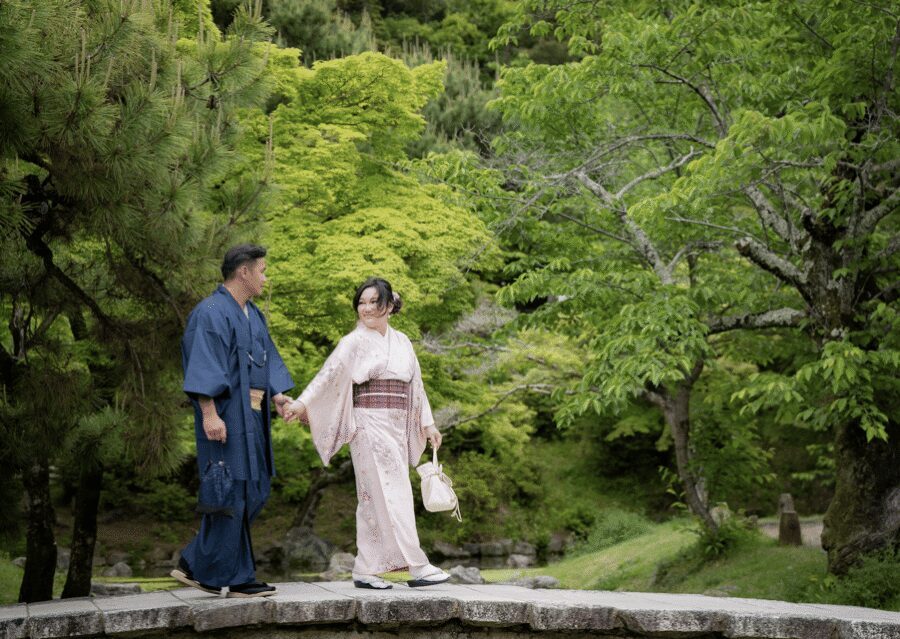
The best part of this experience is the flexibility. You can book it for 1, 2, 5, or 8 hours, and because it’s a private group, your guide can shape the walking pace and the route to fit what you actually want to see.
In Kyoto, time is everything. Major districts can be crowded at certain hours, and lines can eat up your best intentions. This tour is structured to make you productive early: it starts with Nishiki Market, then moves to Gion, then shifts you toward temple territory with a short coach ride. That sequence matters because you’re not forcing long, repeated backtracking across the city.
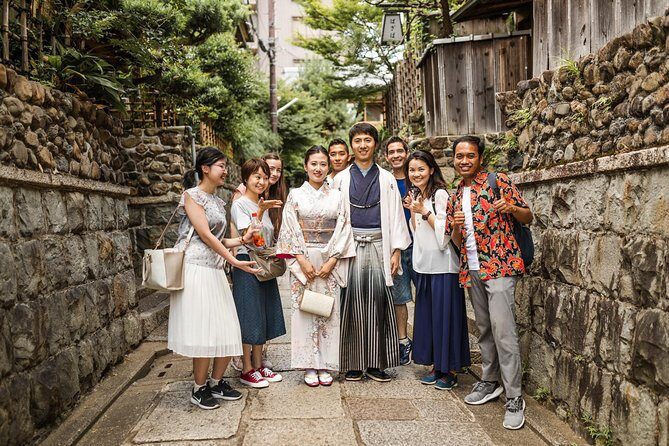
Also, you’re not stuck with a one-size-fits-all script. The guides are described as friendly, question-friendly, and ready to tailor the day. In the past, guides like Takuma have been noted for being careful and considerate, Yuki for combining warmth with strong on-the-ground guidance, and Nori for keeping people away from the thickest crowds while still covering major sights. That pattern is what you want: confidence with both history and street-level logistics.
You can also read our reviews of more private tours in Kyoto
Nishiki Market: where Kyoto’s food culture becomes real
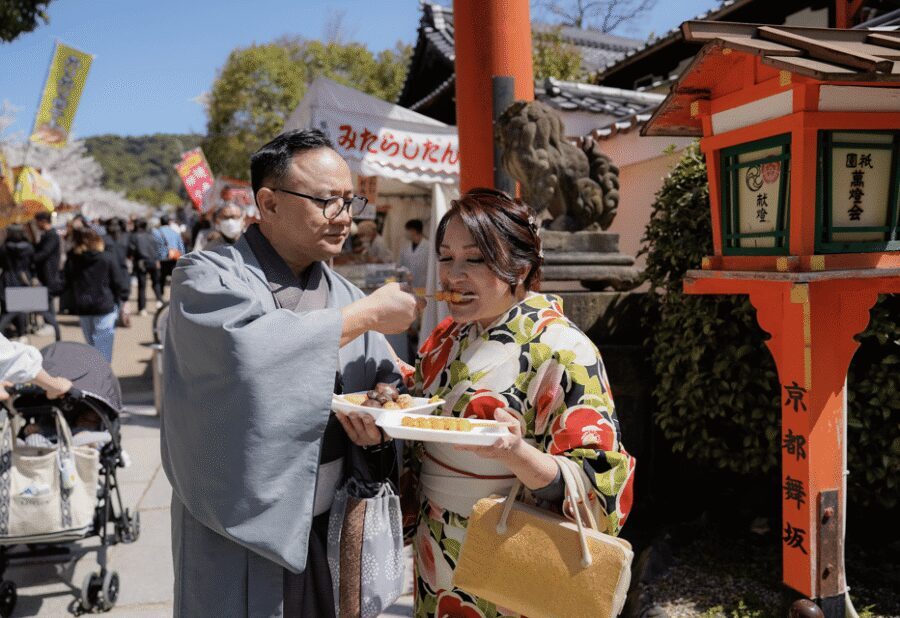
Your day typically begins at Nishiki Market, with about 1.5 hours focused on the market and its food. This is a smart anchor stop. Kyoto’s neighborhoods can look similar at first glance, but Nishiki gives you immediate context. It’s not just shopping; it’s where local eating habits show up in everyday form.
A few practical thoughts for this part:
You should expect lots of snack-style choices rather than a single sit-down meal. That’s good for your stomach and your schedule. Food and drinks are not included, so you’ll want to bring cash or a card you can use in busy market stalls. If you have dietary limits, this is also the moment to mention them early, while the guide is still shaping your plan.
The market time can also be a quick crash course in Kyoto’s food culture: how items are sold, what people actually grab for a quick bite, and why certain flavors feel “Kyoto” rather than just Japanese.
One drawback: markets can feel intense if you come expecting quiet. The tradeoff is that you’re getting a Kyoto daily-life snapshot, and the guide can help you navigate without getting stuck in the most chaotic pockets.
Gion on foot: reading the neighborhood, not just photographing it
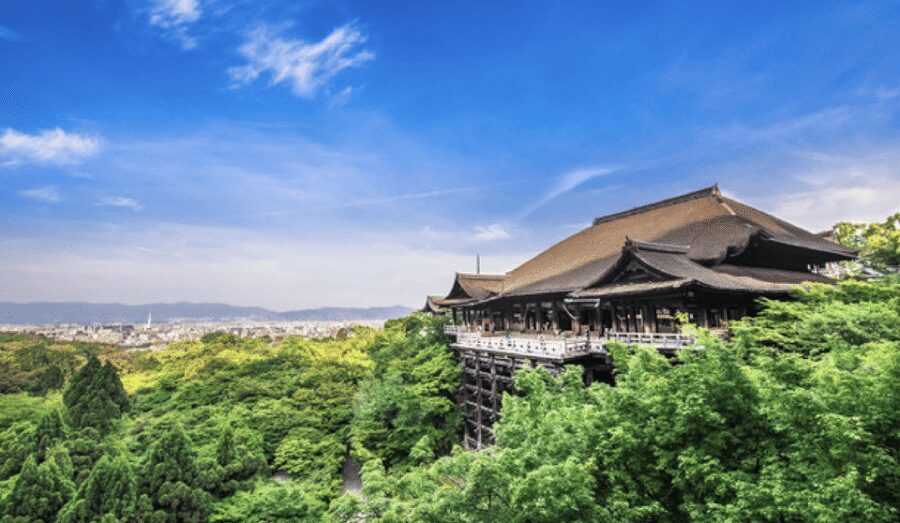
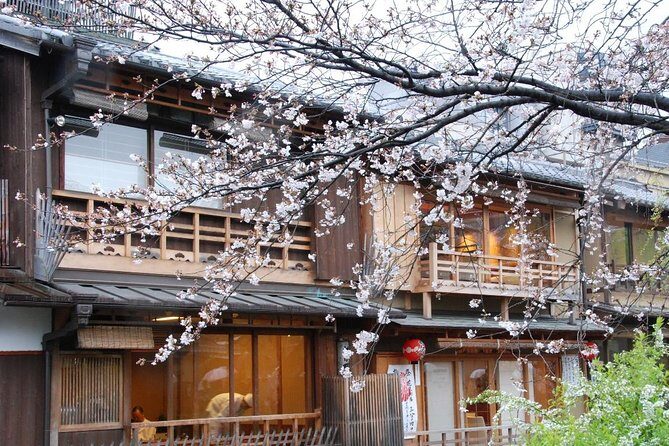
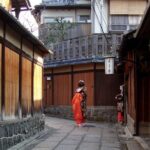
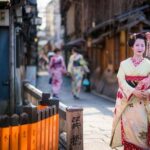
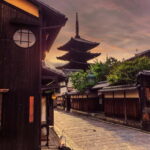
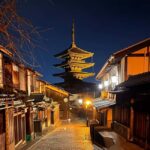
Next comes Gion, with about an hour of walking time. Gion is one of those places where it’s easy to think you understand it after a quick look. You don’t. With a good guide, you learn how to read what’s around you: the street layout, the way buildings are used, and the cultural cues that make the district more than a photo backdrop.
I like that your guide has time to connect the neighborhood to history you’ll recognize later—so it stops being random sights and starts feeling like a story you can follow. The pacing also matters here. An hour is enough to get your bearings, but not so long that you burn your legs before temple time.
Food isn’t included, but this stop can still be useful for deciding what to eat later. If you’re hungry, ask your guide what’s worth trying that won’t derail your lunch plan.
Lunch time: a 1-hour block you can use strategically
You’ll usually have about 1 hour for lunch. It’s practical, but it also means you’re choosing your own meal within the time window. Since lunch isn’t included, think of this hour as flexibility built in: you can adjust based on what you’re craving, how your day feels, and whether you want something simple or more of a set meal.
Here’s how I’d use that hour:
- If you want local food without overthinking, pick something your guide recommends nearby, so you lose less time on transit.
- If you’d rather keep it light, use lunch as a fuel stop and save your appetite for temple-side cafés or dessert later.
A small consideration: if you book the shorter tour options, lunch time can feel compressed. In that case, treat it as a quick reset, not a full culinary event.
The short coach ride that saves your day
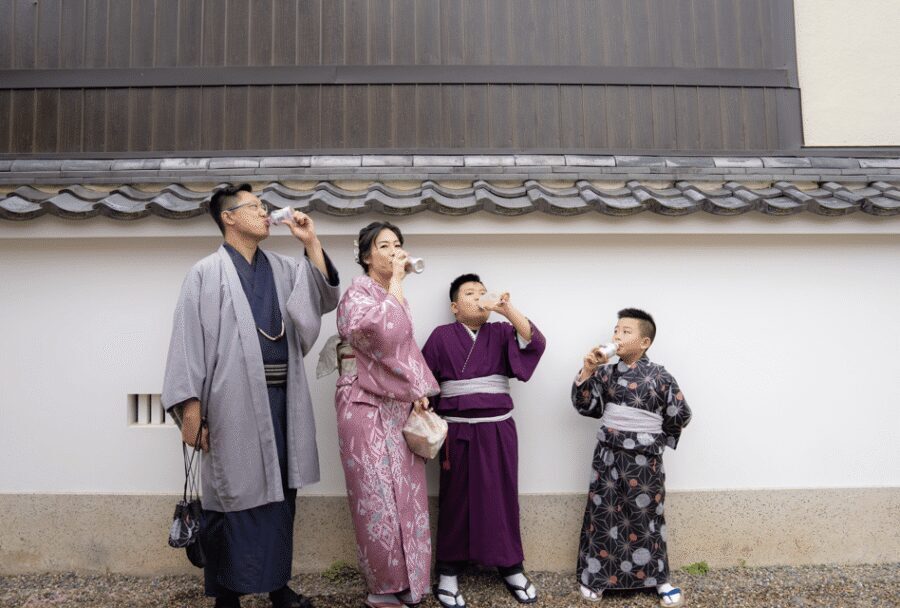
After lunch, there’s a brief coach/bus transfer (~15 minutes). That sounds small, but it’s exactly the kind of detail that makes tours work. Kyoto is spread out in ways that can make walking-only days exhausting, especially when you’re trying to fit in temples.
By including that short ride, you’re more likely to keep energy for the temple portion, which is usually where you want your steps to slow down.

Nanzen-ji: temple calm with enough time to actually feel it
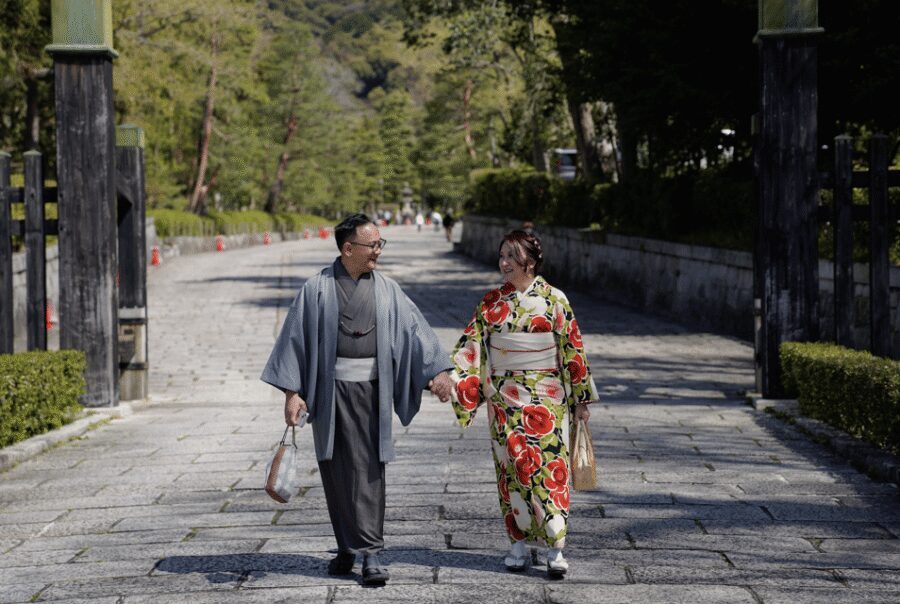
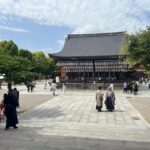
The tour then shifts to Nanzen-ji Temple for about an hour. This stop is a big reason to book a private plan. Temples often feel crowded at the front, and the quiet payoff happens when you’re guided toward the right corners and viewing paths.
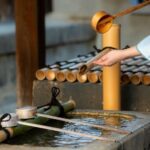
Nanzen-ji also gives you variety. After market noise and neighborhood streets, you get a temple atmosphere where the city noise fades. It’s the kind of contrast that makes Kyoto feel special: you’re not just collecting landmarks—you’re getting changes in pace.
Chion-in is also referenced as a calmer temple target in the broader tour approach. Even if your exact route varies by time choice, the key idea is consistent: the plan aims to show you at least one temple moment away from the heaviest crowds.
What to watch for: entrance fees aren’t included. If Nanzen-ji or any other temple sites require paid entry for certain areas, you’ll pay on-site. It’s normal, but it’s one of the reasons you should budget a little extra beyond the tour price.
Higashiyama focus and the Kiyomizu-dera area logic
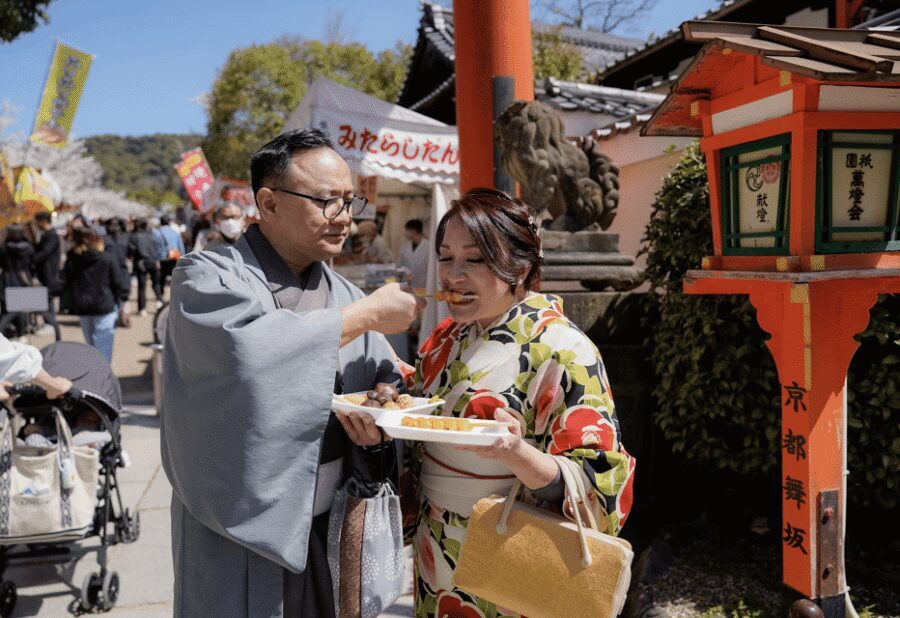
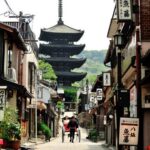
Even when your schedule is tight, this tour is designed around Higashiyama, one of Kyoto’s most iconic historic districts. That area includes major landmarks such as Kiyomizu-dera, which you’ll hear discussed constantly once you start visiting.
What that focus means for you is simple: your guide is building the day so your walking feels logical. Instead of scattering you across the map, you get a concentrated route where streets, temples, and viewpoints start to connect in your head.
If you’ve only got one day, this is a smart strategy. Higashiyama is also a place where directions can get confusing fast. A guide helps you avoid time-wasting turns and helps you understand why certain streets feel the way they do.
How the guide helps you avoid the crowd trap
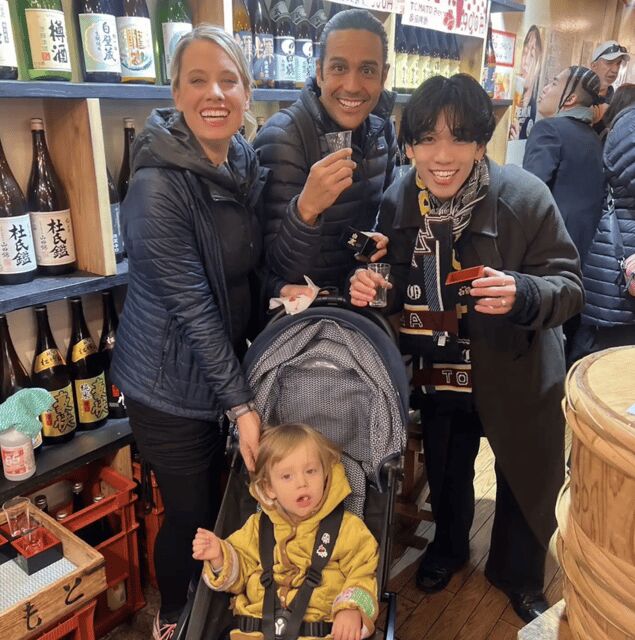
Crowds in Kyoto aren’t just about discomfort. They change what you can learn. When you’re packed in a line, you can’t ask questions, and you can’t look closely.
This tour’s approach is built to reduce that problem. Guides like Nori have been specifically praised for steering people away from the biggest crowd pockets while still delivering the key sights. That’s not magic. It’s usually a mix of route decisions, timing, and knowing which areas feel too congested for the best experience.
For you, the practical takeaway is to treat the guide like a routing tool, not just a history speaker. If you’re sensitive to crowds, mention it at pickup. If you want photos, ask when to pause. If you’re tired, ask for a shorter walking segment. Private tours work best when you communicate your comfort level.
Price and value: $24 per person, and what you actually get
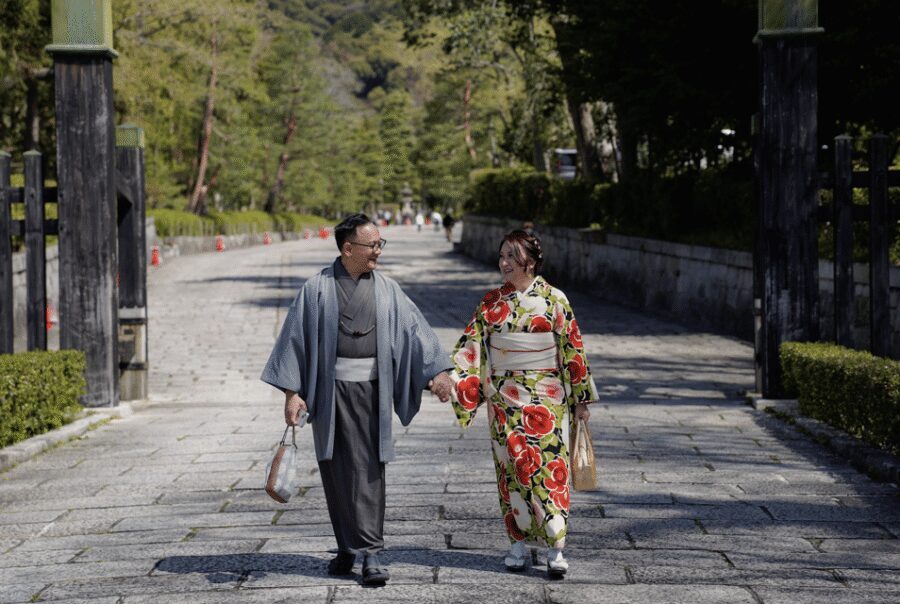
At $24 per person, this tour is priced to be accessible, especially since pickup from your accommodation is included for hotels within Kyoto city. That pickup detail can be a bigger deal than it sounds. In Kyoto, saving yourself from station-chasing is the difference between a relaxed start and a rushed one.
You also get an English live guide and itinerary planning, plus a route that mixes market time, neighborhood walking, and temple calm. The tour is private, so you’re not paying for the burden of being stuck with strangers’ preferences.
What’s not included is where you’ll spend extra:
- Food and drinks
- Entrance fees
- Transportation fee (other than what’s part of the planned route; the day plan includes a short transfer)
- Your guide’s lunch and entrance fee (standard for private guiding)
So the real value question is this: do you want a guide to handle routing, crowd pressure, and historical context while you walk? If yes, $24 per person can feel like a strong deal. If you’re the type who enjoys building a day completely on your own and already knows which sights you want at what times, you may not need a guide.
What’s included versus what you should plan for
Here’s the clean breakdown of what the experience covers:
Included:
- Plan your travel itinerary
- Local tour guide
- Pickup from your accommodation within Kyoto city
Not included:
- Food and drinks
- Any entrance fees
- Transportation fee
- Host/lunch and entrance fee
A quick booking mindset that helps: assume you’ll pay for meals and any ticketed entry as you go. That way you won’t feel surprised when you reach a temple gate or decide to try a market snack.
Choosing 1, 2, 5, or 8 hours without regret
This is where you can make or break your day.
1 hour
Best if you want a quick hit of orientation: maybe a focused walk through one area with key context. Expect fewer stops.
2 hours
Good for a tight combo, likely anchored by a highlight like Nishiki Market or Gion plus a short segue. You’ll still feel rushed if you’re hungry and want to browse slowly.
5 hours
This is the sweet spot for most people. It gives enough time to enjoy the market, walk Gion with context, handle lunch, and reach temple calm like Nanzen-ji without turning it into a sprint.
8 hours
For visitors who want breathing room or who want the guide to tailor more stops. If you’re the type who likes asking lots of questions, 8 hours is where you’ll feel the most value.
If you’re unsure, I’d choose based on how you like to travel. If you enjoy slow looking and don’t mind spending time with one neighborhood, go longer. If you want to tick off highlights and keep moving, go shorter.
Who this tour fits best
This one-day private tour works especially well if:
- You’re visiting Kyoto for the first time and want a guided backbone.
- You care about food culture and want a structured Nishiki Market stop.
- You want a calmer temple segment instead of only chasing the busiest sights.
- You like asking questions and learning what you’re seeing in plain language.
It’s also a nice option for couples and small groups who don’t want to compete with large tour crowds.
If you’re traveling with very young kids or someone who needs minimal walking, you can still consider it because it’s wheelchair accessible. Still, you’ll want to keep an eye on the walking time and choose a duration that feels realistic.
Should you book this Kyoto one-day private tour?
If your goal is a high-quality Kyoto day without map stress, I’d book it. The mix of Nishiki Market, Gion, and temple time like Nanzen-ji, plus pickup and a private English guide, is the kind of structure that makes Kyoto easier to enjoy.
I’d skip it only if you already know your exact route, you hate paying for guiding, and you don’t care about crowd-smart pacing or history woven into the walk.
The best decision rule: if you want your day to feel guided, comfortable, and tailored to your time window, this setup is a strong match.
FAQ
How long is the Kyoto private tour?
You can choose a duration between 1 and 8 hours.
Is the tour offered in English?
Yes, the live tour guide is available in English.
Where does the tour start?
The tour includes pickup from your accommodation in Kyoto city.
Are food and drinks included?
No. Food and drinks are not included.
Do I need to pay temple or entrance fees?
Yes. Entrance fees are not included.
Is the tour private and wheelchair accessible?
It’s a private group tour, and it’s listed as wheelchair accessible.