REVIEW · KYOTO
Kyoto 8hr Private Tour with Government-Licensed Guide
Book on Viator →Operated by Japan Guide Agency · Bookable on Viator
Kyoto can feel like a movie set when you walk it right. This 8-hour private tour pairs you with a government-licensed English guide so the day flows smoothly through classic streets, temples, and tea-time culture.
What I like most is the custom itinerary built around your interests, and the way the guide helps you move past the easy-to-get-lost parts of Kyoto like Gion side streets and temple lanes. The one thing to think about is that it’s a walking tour with entry fees that are not all included, so your pace and stamina matter.
In practice, you reserve, then your guide contacts you to shape the route—either you pick 3 to 4 spots, or you ask them to recommend a plan. The tour is designed for 4–6 stops in an 8-hour window, so you get time to understand what you’re seeing, not just collect photos.
In This Review
- Key things that make this Kyoto private tour work
- Government-licensed guidance that turns Kyoto into a story
- How the 8 hours flow: walking rhythm, pickup, and timing
- The real Kyoto hits: Fushimi Inari, Kiyomizu-dera, and Gion lanes
- Fushimi Inari-taisha: gates you can actually understand
- Kiyomizu-dera: the temple you see, plus the meaning behind it
- Gion: the part people get wrong on their first try
- Temple choices in Higashiyama and the Imperial Palace area
- Nishiki Market: snacks and the right kind of shopping
- Kyoto Imperial Palace: history you can walk through
- Pontocho: dinner alley atmosphere
- Arashiyama and Zen gardens: bamboo time and iconic bridges
- The bamboo paths and Togetsukyo Bridge area
- Zen temple options around Arashiyama
- Okochi Sanso Garden: calm and designed
- More Kyoto than the famous postcards: northern temples and quiet hillside mood
- Ryoan-ji: the rock garden classic
- Daikoku-ji, Myoshinji, Eikando: big complexes and special atmospheres
- Sanjusangendo: 1001 statues of Kannon
- Price and value: is $201.46 per person a good deal?
- Who this tour suits best (and who might skip it)
- What to do before you meet your guide
- Should you book this Kyoto private tour?
- FAQ
- Is this tour truly private?
- How many places will we visit in the 8 hours?
- Do I need to buy tickets for temples and attractions?
- Is transportation included?
- How does pickup work?
- What kind of guide do we get?
- What’s included in the tour price?
- Is lunch included?
Key things that make this Kyoto private tour work
- Government-licensed English guidance that helps you get real context fast, especially at crowded spots
- A choose-your-day itinerary, built after you book, so the route fits history, architecture, or food
- Built-in Kyoto classics and calmer alternates, from Fushimi Inari gates to Arashiyama bamboo-area time
- Private group attention, so questions don’t get buried when the group gets large
- Smart shortcuts for first-timers, like not losing time navigating Gion lanes on your own
- Flexible “menu-style” temple hopping, where admission rules vary by site
Government-licensed guidance that turns Kyoto into a story
Kyoto is famous for being easy to enjoy and also easy to get confused. Neighborhoods look close on a map, but in real life you’re bouncing between lanes, slopes, and temple paths with frequent turns. This tour helps you stop guessing.
You’re not just getting someone who knows where to go. You’re getting an English-speaking guide who’s licensed, and that matters when you’re standing in front of things like shrine layouts, temple rules, and historical transitions that you’d otherwise miss. Even in short time blocks, your guide can connect the why—what each place is for, how people used it, and what details you should actually notice while you’re there.
I also like that the day is built for conversation. The format is personal: once you book, the guide reaches out to plan your own day. If you’re not sure what to pick, you can ask for a recommended itinerary based on what you care about—history, traditional architecture, or even something sweet like a green tea parfait.
There’s a small trade-off: with a private walking tour, your choices affect your energy budget. If you pick only the most famous spots, you’ll still have a great day—but you’ll want to be realistic about stairs, crowds, and how many “major landmarks” you can enjoy without feeling rushed.
You can also read our reviews of more guided tours in Kyoto


How the 8 hours flow: walking rhythm, pickup, and timing
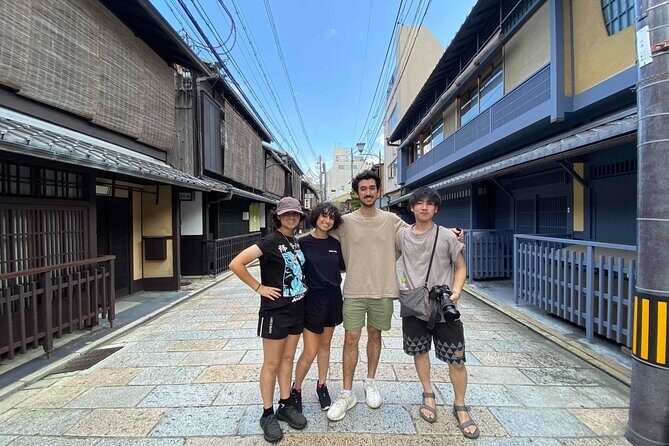
This is an 8-hour tour (approx.), and it’s built as a walking route. The operator notes pickup is offered, but you’ll still meet and move on foot within a designated Kyoto area. The practical meaning is simple: plan for lots of walking and expect short transitions between stops.
Most stops are described as brief guided visits—often around 10–30 minutes depending on the site. That sounds fast, but it’s usually how Kyoto makes sense. You get enough time to understand the main elements, photograph what matters, and then keep moving before the day gets heavier.
A big value point is that you’re not paying for hotel shuttle logic or private-vehicle transfers. Transportation fees and lunch are not included, and a private vehicle isn’t part of the package. Instead, the guide handles the “Kyoto routing” so you don’t waste time zigzagging between far-flung areas.
One review highlight that matches this: a group shared that they had local currency and transportation cards ready, and it helped them start immediately with no friction. That’s exactly the mindset that works best here—get your basics handled before meeting the guide, then let the day run.
The real Kyoto hits: Fushimi Inari, Kiyomizu-dera, and Gion lanes
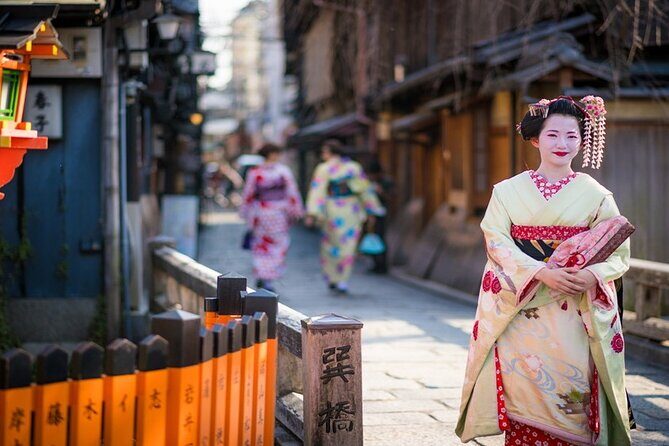
Many Kyoto first-timers feel torn between “must-see” and “actually enjoyable.” This tour helps you thread that needle by including iconic places alongside street-level atmospheres.
Fushimi Inari-taisha: gates you can actually understand
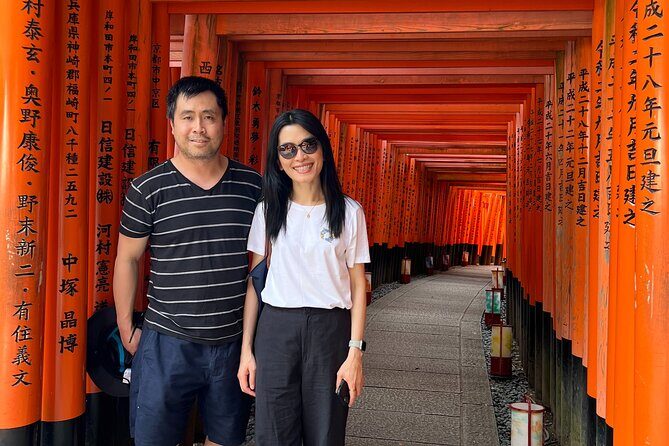
A classic start is Fushimi Inari-taisha, known for its torii gates. The tour format here includes admission as free, which is a nice perk for one of the most photographed shrines in Japan. Because you’re short on time, a guided stop works well: you learn what you’re looking at and how the shrine area connects to the larger story of the place.
One key benefit of having a guide early in the day: it’s easier to time your walk through the most active stretches, and you’ll know where to pause for the best views without wandering in circles.
Kiyomizu-dera: the temple you see, plus the meaning behind it
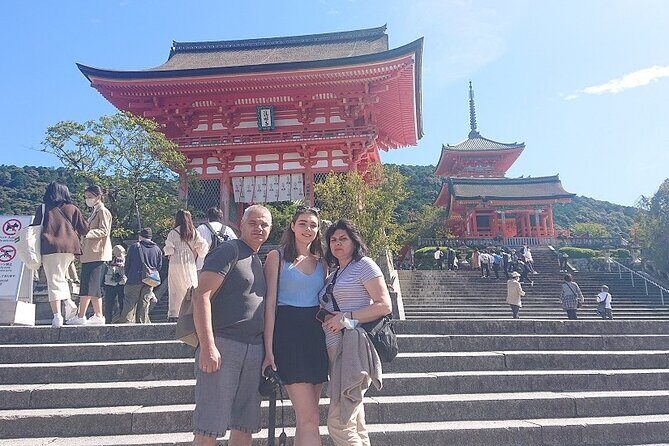
Next is Kiyomizu-dera, one of Kyoto’s biggest crowd magnets. This stop is listed with guided time, and the admission is noted as not included. That’s normal for many temples, so come ready to cover entry if you choose that stop.
What I’d suggest: don’t treat Kiyomizu-dera as a quick photo stop. Use the guided time to notice the temple’s layout and viewpoints, because that’s where the experience becomes more than a backdrop.
You can also read our reviews of more private tours in Kyoto


Gion: the part people get wrong on their first try
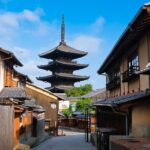
Gion is a maze of narrow lanes. The tour includes it as a guided stroll so you don’t lose time figuring out where you are. You also get a smoother experience around the geisha-district vibe, without feeling like you’re trespassing or accidentally wandering into areas you shouldn’t.
Even better: a guide can point out what’s worth your camera time and what to skip, so you keep your day fun instead of stressful.
Temple choices in Higashiyama and the Imperial Palace area
Kyoto’s east side is where a lot of first-time “old Kyoto” feelings come from, and this tour gives you strong options there.
Nishiki Market: snacks and the right kind of shopping
Nishiki Market is described as a narrow street with many shops and restaurants, known as Kyoto’s kitchen. The admission is free, and that’s great value. A guided stop helps because you’ll know how to move through without stopping every two steps—especially if you want to taste a few things and still see temples afterward.
A small practical tip for this type of market day: bring some cash, because quick snack purchases can add up. Also, if you’re sensitive to crowds, plan to keep your browsing simple and efficient.
Kyoto Imperial Palace: history you can walk through
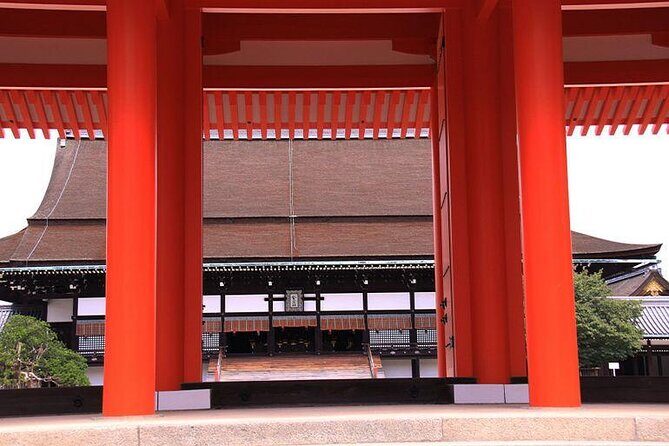
The Kyoto Imperial Palace is included as a guided visit, with admission not included. This is a good “pause stop” between busier areas. It changes the tone from bustling street life to something more formal and spacious, which helps your brain reset.
Pontocho: dinner alley atmosphere
Pontocho is included as an atmospheric dining alley along the Kamogawa River area. The tour lists it as a free stop, which makes it a low-pressure way to see Kyoto’s evening vibe even if you’re not planning to eat there during your tour window.
I like having a stop like this in an 8-hour itinerary because it adds atmosphere without requiring extra ticket purchases.
Arashiyama and Zen gardens: bamboo time and iconic bridges
Kyoto’s west side is where the city can feel extra scenic, and this tour offers a menu that includes Arashiyama and nearby temples.
The bamboo paths and Togetsukyo Bridge area
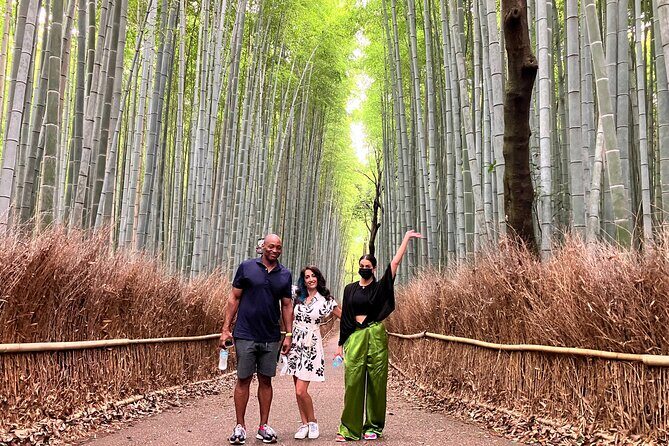
The itinerary highlights the walking paths through bamboo groves and includes Togetsukyo Bridge as Arashiyama’s iconic landmark. Admission isn’t listed for that bridge, and the bamboo grove walk is often one of the most pleasant stretches of the day. The description also notes that a light wind makes the tall bamboo stalks sway, which is exactly the kind of detail a guide can help you time—if you’re lucky with weather.
If you’re booking for photos, this is where you’ll likely spend your best “slow moment” of the tour.
Zen temple options around Arashiyama
This part of the tour can include Tenryu-ji and other nearby temple choices (some with admission not included). I’d treat these as “quality over quantity.” Zen temple visits are most enjoyable when you let the space breathe. Your guide’s job here is to help you choose which temple best fits your energy and interests.
Okochi Sanso Garden: calm and designed
Okochi Sanso Garden is described as the former villa of actor Okochi Denjiro, located in the back of Arashiyama’s bamboo groves. This is an easy add-on if you like gardens and architectural design. Admission is not included, but the setting is the point.
More Kyoto than the famous postcards: northern temples and quiet hillside mood
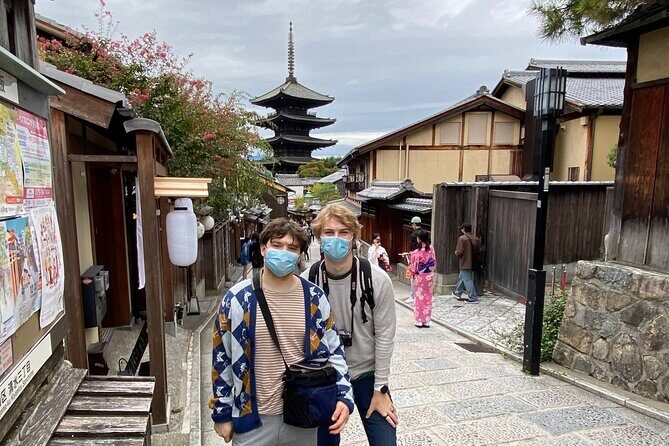
The tour menu doesn’t stop at the obvious. You can add northern and hillside temple options depending on what you want from Kyoto—moss gardens, rock garden viewing, and less crowded-feeling temple compounds.
Ryoan-ji: the rock garden classic
Ryoanji is listed as the site of Japan’s most famous rock garden. Admission isn’t included. If you choose it, think of it as a guided viewing experience. A good guide helps you interpret what you’re seeing without making it feel like homework.
Daikoku-ji, Myoshinji, Eikando: big complexes and special atmospheres
Daitoku-ji and Myoshinji are both large Zen temple areas with multiple subtemples. The tour includes Eikando Zenrinji as a special stop with emphasis on autumn color and evening illumination. Admission isn’t included for these options, but the guide can steer you toward what’s most rewarding in the season you’re visiting.
Sanjusangendo: 1001 statues of Kannon
Sanjusangendo is listed for its 1001 Kannon statues. If you like Buddhist art and want something that feels different from the typical garden-and-gate photo, this is a strong choice. It’s included with a longer guided visit time on the menu.
Price and value: is $201.46 per person a good deal?
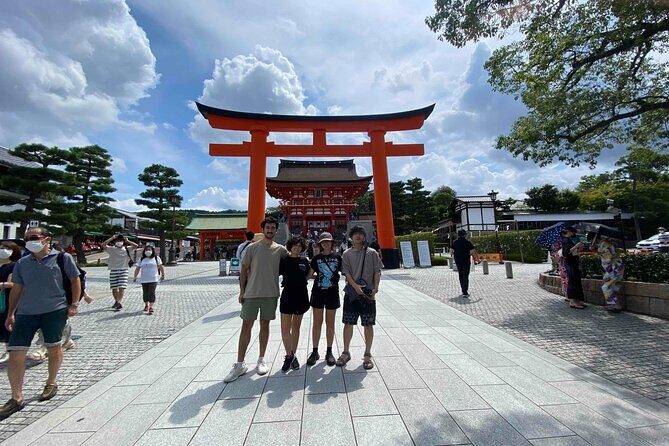
At $201.46 per person for an 8-hour private walking tour, this isn’t a budget option, but it can be good value—especially if Kyoto is your only city stop or you’re short on time.
Here’s why it can be worth it:
- You’re paying for planning plus licensed guidance, not just transportation.
- You get a private group setup, so you can ask questions and move efficiently.
- You can choose the stops that matter most to you, which saves time you’d otherwise spend researching.
What’s not included is the biggest factor in your final cost. Entrance fees, lunch, and transportation aren’t included. Some places are free (like Fushimi Inari and Nishiki Market stops), while others are explicitly noted as not included (like Kiyomizu-dera and many major temples).
So my practical take: if you’re the type who hates wasting half a day figuring out routes, this price often feels fair. If you love free-roaming on your own and you already know exactly which temples you want, you might save money by going independent. But you’re paying for the “less hassle, more understanding” piece here.
Who this tour suits best (and who might skip it)
This tour fits best if:
- You want a high-touch private day with a licensed guide
- You’re in Kyoto for a short time and want to cover key areas efficiently
- You like structure but still want to steer the choices
- Your group enjoys walking and can handle temple steps
It may be less ideal if:
- You want zero guidance and a flexible wander with no schedule at all
- Your group has limited walking stamina, since it’s a walking tour
- You’re trying to keep the day strictly to free admission sites only, since many highlighted temples have entry fees not included
What to do before you meet your guide
This is small stuff, but it makes the tour feel smooth.
- Bring a way to pay for temple entry where needed, since the tour notes many admissions are not included.
- Wear shoes built for walking. Kyoto’s charm includes stairs and slopes.
- If you’re using public transit, have your cards and basic cash ready so you don’t lose time at the start of the day.
One review example matched this exactly: a group got underway quickly after getting local currency and transit cards handled early. That small prep is how you turn a good tour into a great one.
Should you book this Kyoto private tour?
I’d book it if you want the best “Kyoto feeling per hour” without the stress of planning every turn. The government-licensed English guide format plus the custom stop selection is the sweet spot for first-timers and for people who want to understand what they’re seeing, not just mark it off.
If your budget is tight, or if you’re a strong self-planner with a precise temple checklist, you might do fine on your own. But if you’d rather spend your mental energy on temples, streets, and photos instead of route research, this private setup makes sense.
Also, it’s easy to feel confident here because the operator offers free cancellation up to 24 hours in advance for a full refund. If your dates are flexible, you can book, plan your top stops, and adjust if needed.
FAQ
Is this tour truly private?
Yes. It’s described as a private tour/activity, and only your group will participate.
How many places will we visit in the 8 hours?
You can choose your own stops. The tour description says you’ll choose 3 to 4 spots to shape your itinerary, and it also describes the customizable tour as 4–6 sites.
Do I need to buy tickets for temples and attractions?
Not all admissions are included. Some stops are free, while others are listed as admission not included. You should expect to pay some entry fees during the day.
Is transportation included?
No. Transportation fees are not included, and a private vehicle is not included. The tour is a walking experience and is near public transportation.
How does pickup work?
Pickup is offered, but the tour also notes that pickup and drop-off are on foot. You’ll meet your guide within a designated area.
What kind of guide do we get?
You’ll have a licensed local English-speaking guide.
What’s included in the tour price?
Included items are the licensed local English guide and the customizable tour of selected sites. A mobile ticket is also mentioned.
Is lunch included?
No. Lunch is not included, along with other personal expenses.