REVIEW · MUSEUMS
Authentic Tea Ceremony & Sushi in The Museum of Kyoto
Book on GetYourGuide →Operated by ideal co.,ltd · Bookable on GetYourGuide
Sushi and silence are a rare combo. Here you get fresh sushi prepared by a master chef, then step into an authentic chanoyu tea ceremony where the pace slows and the focus turns to utensils, matcha, and sweets.
I really like two things about this experience: the sushi is made right in front of you, and the tea ceremony includes real instruction, not just watching. You also get to wear a traditional haori, which makes the whole thing feel more like a practiced ritual than a performance.
One consideration: this experience isn’t for everyone. It’s not suitable for vegans or vegetarians, and it’s also not recommended for children under 10 or people over 95.
In This Review
- Key highlights to look for
- Starting at Sushi Shin in The Museum of Kyoto
- Two session times: sushi timing changes your whole flow
- The Edo-style basement house and the garden view
- Wearing a haori while you learn the tools of chanoyu
- Whisk your matcha and taste it with Kyoto sweets
- The master chef element: sushi freshness you can feel
- Price and value: what $133 buys you
- Who should book this (and who should skip it)
- Practical tips so the ceremony feels effortless
- Should you book Authentic Tea Ceremony & Sushi at The Museum of Kyoto?
- FAQ
- Where does the experience start?
- Where does the experience end?
- What happens during the 11:00 session?
- What happens during the 13:30 session?
- Do I wear a traditional outfit during the tea ceremony?
- Will I learn about the tea ceremony utensils and history?
- Do I get to whisk matcha myself?
- What food is included?
- What languages are available?
- Are there dietary or age limits?
Key highlights to look for
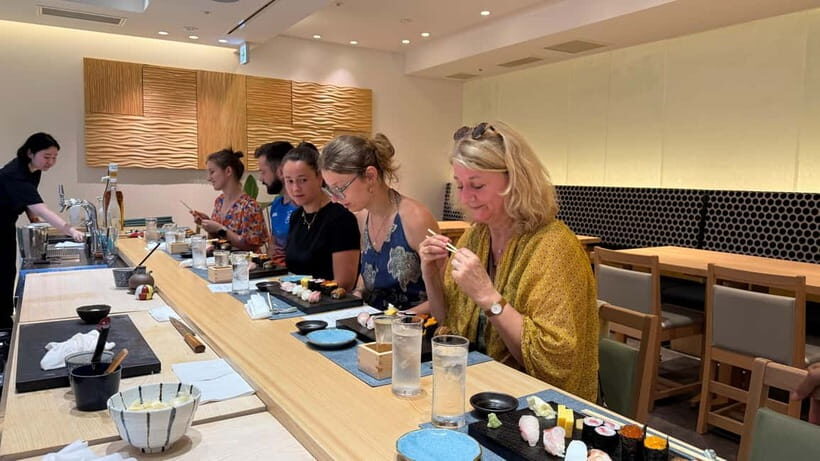
- Sushi prepared by a master chef for a true front-row food moment
- Two session formats: sushi at the end for 11:00, sushi at the beginning for 13:30
- Edo-period atmosphere in a traditional house on the basement floor
- Haori included, so you dress the part during chanoyu
- Premium rare matcha paired with Kyoto sweets
- You whisk the matcha yourself, then enjoy it with a traditional sweet
Starting at Sushi Shin in The Museum of Kyoto
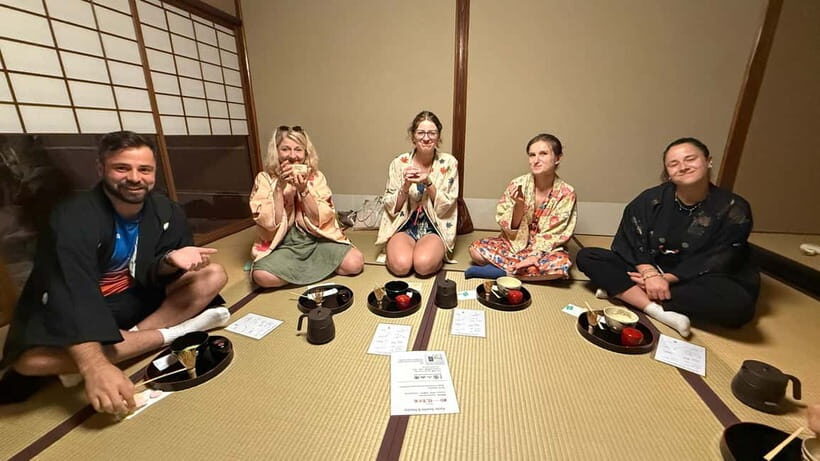
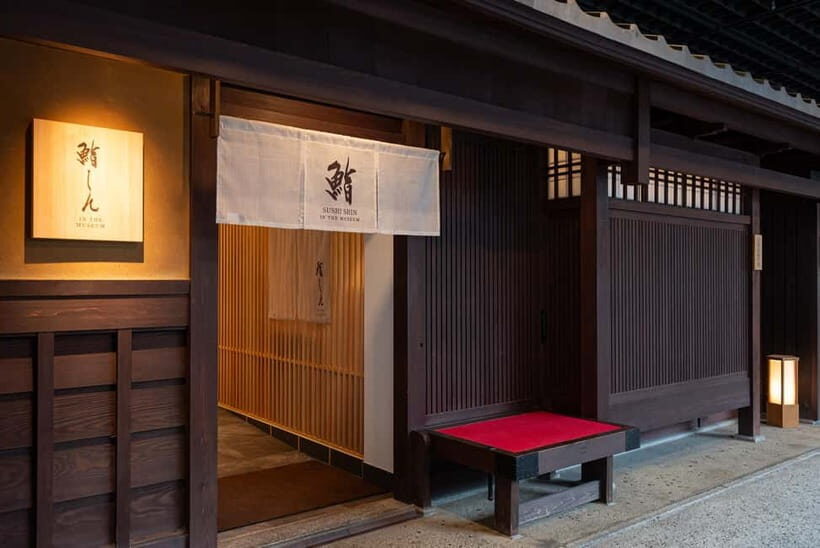
Your experience begins at the sushi restaurant sushi Shin in the Museum, inside The Museum of Kyoto. This matters more than it sounds: you’re not hopping across town for separate activities. The meal and the ceremony share the same calm setting and flow.
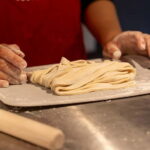
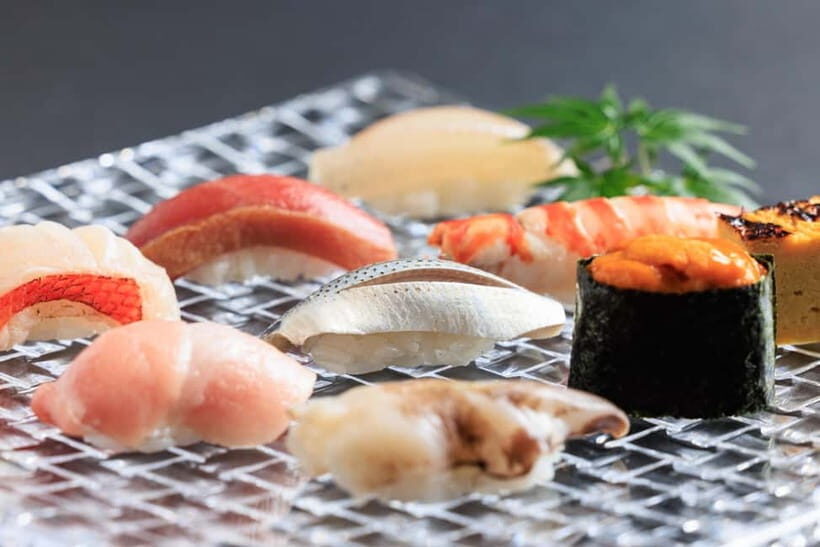
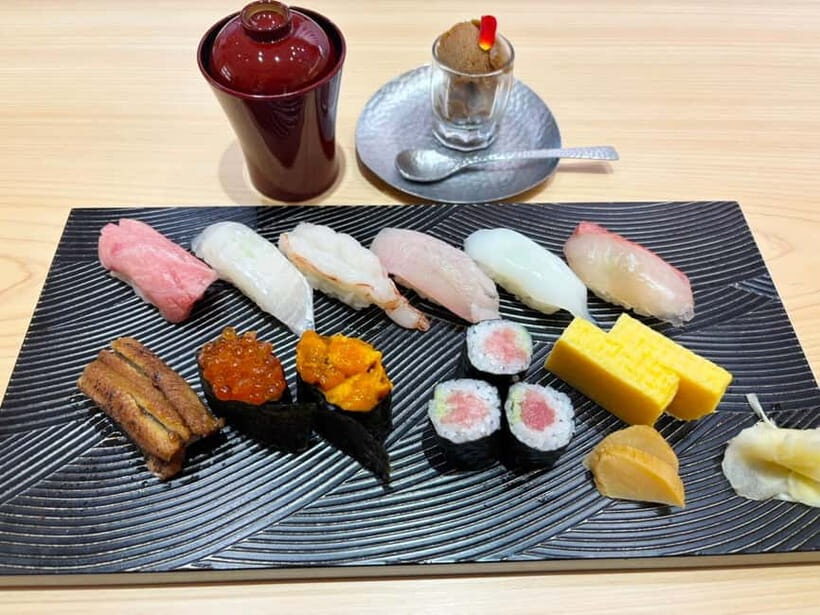
You’ll start with the sushi side of the experience first, led by the master chef. The big draw is how direct it feels—your sushi isn’t assembled somewhere else and carried out. You get the sense of craftsmanship happening in real time.
And since the ceremony comes right after, your evening’s rhythm sets early. You’ll eat something thoughtful, then shift gears to something slower and more meditative.
You can also read our reviews of more museum experiences in Kyoto

Two session times: sushi timing changes your whole flow
This tour runs at least two session options, and the sushi timing flips depending on the start time. For the 11:00 session, the sushi will be served at the end. For the 13:30 session, it will be served at the beginning.
That changes how you should plan your day. If you choose 13:30, you’ll start with sushi and then move into the tea ceremony. If you choose 11:00, you’ll experience the tea ceremony first and then finish with sushi—great if you want the most quiet, structured part to feel like the centerpiece.
Either way, the best part is consistency: you’ll still get the same tea focus, including whisking matcha and tasting Kyoto sweets. The order just affects your appetite and energy level.
The Edo-style basement house and the garden view
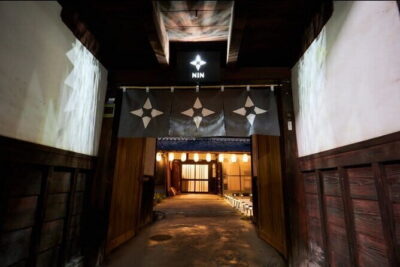
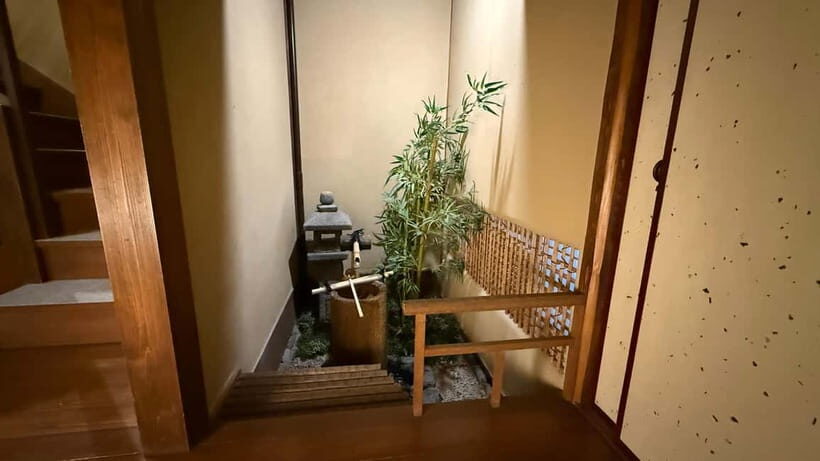
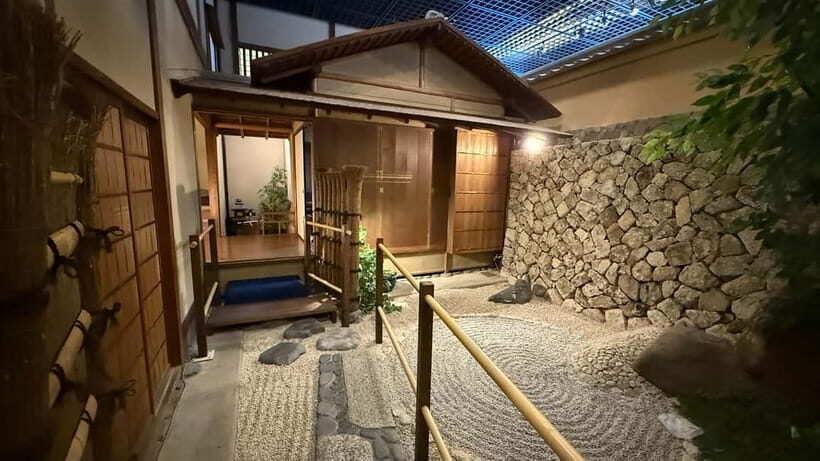
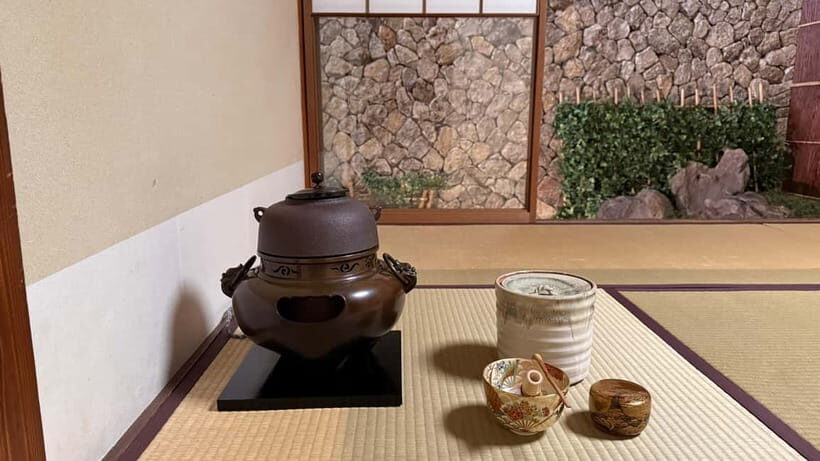
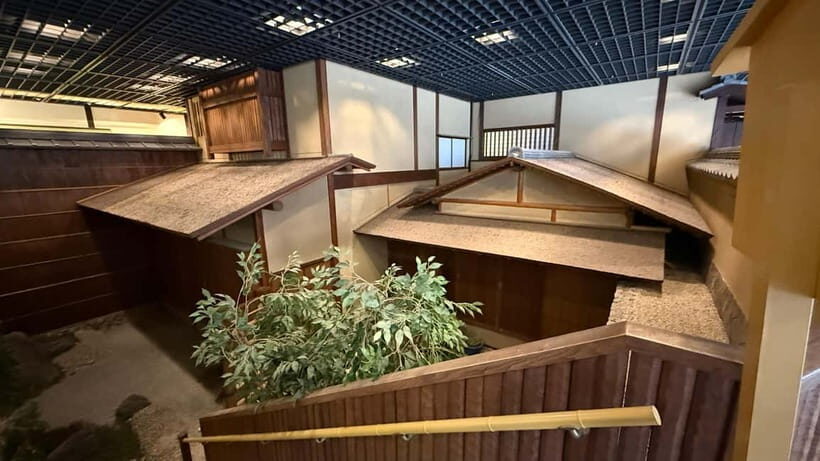
After the sushi portion (or before it, depending on your session), you’ll be guided to a traditional Japanese house on the basement floor. The atmosphere is described as elegant and tied to the Edo period, which is exactly the kind of setting that makes chanoyu feel authentic.
From inside, you can enjoy views of a meticulously designed garden. Even if you’re not a garden person, this kind of sightline helps you relax faster. Chanoyu is about attention—small movements, utensils, and timing—and the room layout supports that.
In practice, this is where the experience shifts from food to culture. The space isn’t just a backdrop; it helps set the mood of serene silence and focused observation.
Wearing a haori while you learn the tools of chanoyu
You’ll be given a traditional haori, a kimono-style jacket. This is one of those details that sounds simple until you actually think about it: the clothing helps you move differently. It also helps you treat the ceremony with the right level of respect.
During the ceremony, you’ll get an introduction to traditional Japanese tea utensils used in chanoyu. You’ll also receive a brief explanation of the history and cultural origins of chanoyu.
This is where I think the value of the experience really shows. A lot of tea experiences stop at the tasting. Here, you get the context for why specific tools matter and why the ceremony has a structure—so your matcha doesn’t just taste good, it makes sense.
Whisk your matcha and taste it with Kyoto sweets
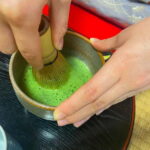
The ceremony centers on matcha and sweetness, and you do more than watch. You’ll whisk your own bowl of matcha and enjoy it together with a traditional sweet.
The matcha is described as premium and rare, and it’s different from what many people expect. That tracks with how matcha can range from smooth and ceremonial to more bitter or less refined. Here, the focus is clearly on quality, and you’ll likely notice it in the taste and texture.
The Kyoto sweets are paired with the matcha, and that pairing is a big deal in Japanese tea culture. The goal isn’t just sugar. It’s balancing the earthy, grassy matcha with sweetness that supports the flavor rather than covering it.
Also, the ceremony is guided so you’re not left guessing. You’ll get enough instruction to whisk confidently, which makes the whole thing feel hands-on in a good way.


The master chef element: sushi freshness you can feel
The sushi portion is made by a master chef with years of training. The standout detail is that it’s crafted for you with precision and freshness, and you can see the preparation.
That front-of-house cooking moment is what turns sushi from a meal into an experience. You’re not just eating good pieces; you’re watching skill in action, then tasting the result immediately.
Because the tea ceremony follows (or comes right before), you get a clean contrast. Sushi gives you bright, savory focus. Then matcha slows things down with a quieter, lingering flavor.
It’s a clever pairing, and it’s why the experience feels well thought out rather than like two random activities glued together.
Price and value: what $133 buys you
At $133 per person, you’re paying for a bundle: master-chef sushi, an authentic tea ceremony, and included extras that most food-only options never include. You’re also paying for a controlled setting—quiet, guided, and built around the ceremony.
Here’s why the price can make sense if you care about culture and food craftsmanship. You’re getting:
- sushi made by a trained chef
- a tea ceremony with explanation of history and utensils
- rare premium matcha
- Kyoto sweets paired with the tea
- a traditional haori to wear during the ceremony
- a curated setting with Edo-style atmosphere and a garden view
If you’re traveling in Kyoto and want one ticket that covers both high-quality eating and hands-on cultural learning, this is the kind of experience that justifies itself. If you’re only looking for a casual snack and a quick photo, it’s probably more than you need.
Who should book this (and who should skip it)
This experience is a good fit if you like Japanese aesthetics, food craft, and guided cultural practice. I especially think it works well for couples, solo travelers, and anyone who enjoys learning what goes behind the taste.
That said, there are clear limitations. It’s not suitable for vegans or vegetarians, and it isn’t designed for children under 10. People over 95 aren’t recommended either.
If you have allergies, you’ll need to inform the team in advance. The tour includes sushi and sweets and uses matcha, so it’s smart to be specific about what you can’t eat.
If you want a quiet activity where you’re part of the process—like whisking matcha—it fits well. If you need lots of physical mobility or prefer very casual pacing, you might want to choose a different type of Kyoto stop.
Practical tips so the ceremony feels effortless
This is a quieter experience, so set expectations. You’ll be moving through a traditional space and participating in the tea sequence, including whisking matcha.
I recommend arriving with a calm mood and a light hunger strategy. Since sushi timing differs between 11:00 and 13:30, think about whether you want food first or tea first.
Also, bring a sensible mindset about clothing. You’ll wear a haori, so plan to be comfortable and able to follow instructions without rushing.
Finally, if you’re sensitive to dietary restrictions, double-check your needs before booking. The tour’s food setup includes sushi and matcha sweets, and it doesn’t list vegan or vegetarian suitability.
Should you book Authentic Tea Ceremony & Sushi at The Museum of Kyoto?
Book it if you want one high-quality, culturally grounded experience in Kyoto that goes beyond watching. The best reason to choose it is the pairing: sushi made by a master chef, followed by a guided tea ceremony where you whisk matcha and taste Kyoto sweets in an Edo-inspired setting.
Skip it if you’re vegan or vegetarian, traveling with very young children, or you need maximum flexibility around dietary needs. Also, if you’re expecting a long museum tour, this isn’t that—it’s a focused food-and-ritual experience tied to a specific setting.
If $133 fits your budget and you care about craftsmanship and tradition, this one is a strong match for a Kyoto day that’s part tasting, part quiet learning, and part Japanese aesthetics you can actually feel.
FAQ
Where does the experience start?
It starts at the sushi restaurant sushi Shin inside The Museum of Kyoto.
Where does the experience end?
It ends back at the meeting point.
What happens during the 11:00 session?
For the 11:00 session, the sushi will be served at the end.
What happens during the 13:30 session?
For the 13:30 session, the sushi will be served at the beginning.
Do I wear a traditional outfit during the tea ceremony?
Yes. You’ll wear a traditional haori (kimono-style jacket).
Will I learn about the tea ceremony utensils and history?
Yes. You’ll get an explanation of the history and culture behind chanoyu and the utensils used.
Do I get to whisk matcha myself?
Yes. You’ll whisk your own bowl of matcha during the ceremony.
What food is included?
You’ll have kyoto sweets and the finest matcha as part of the tea ceremony experience.
What languages are available?
The experience is available in English and Japanese.
Are there dietary or age limits?
It’s not suitable for vegans, vegetarians, children under 10, or people over 95. If you have allergies, you should inform the provider in advance.