REVIEW · FULL-DAY
Hiroshima and Miyajima Full-Day Tour from Kyoto by Bullet Train
Book on Viator →Operated by Amigo Tours Japan · Bookable on Viator
Two cities, one powerful lesson. I love the bullet train speed and the first view of the floating torii gate as you near Miyajima, with a guide keeping everything clear in English and Spanish.
This is a full-day plan (about 12 hours) that mixes beauty with reflection, and it’s paced to feel manageable. One thing to consider: lunch isn’t included, and the Peace Memorial Park segment is marked as admission ticket not included, so you’ll want to budget a bit for meals and any on-site fees.
In This Review
- Key points before you go
- Kyoto to Hiroshima by Shinkansen: the day’s big win
- Miyajimaguchi and the ferry approach: where the views start working
- Itsukushima Shrine: ticket included, but the real value is pacing
- Deer, side streets, and the kind of walking you can handle
- Hiroshima Station to Peace Memorial Park: switching gears with a guide
- The Atomic Bomb Dome and UNESCO context: visiting with the right mindset
- The bilingual guide advantage: English and Spanish that actually help
- How the 12-hour format feels in real life
- Price and value: what you’re really paying for
- Who should book this tour (and who might skip it)
- Should you book this Hiroshima and Miyajima day tour from Kyoto?
- FAQ
- How long is the Hiroshima and Miyajima full-day tour from Kyoto?
- What is included in the price?
- Is lunch included?
- What parts of the tour are marked as admission ticket not included?
- How many people are in the group?
- Can I get a full refund if I cancel?
Key points before you go
- Kyoto to Hiroshima fast: Shinkansen does most of the long-distance work for you.
- Miyajima visuals on your terms: ferry time plus several hours on the island to wander.
- Itsukushima Shrine entry handled: the shrine entrance fee is included.
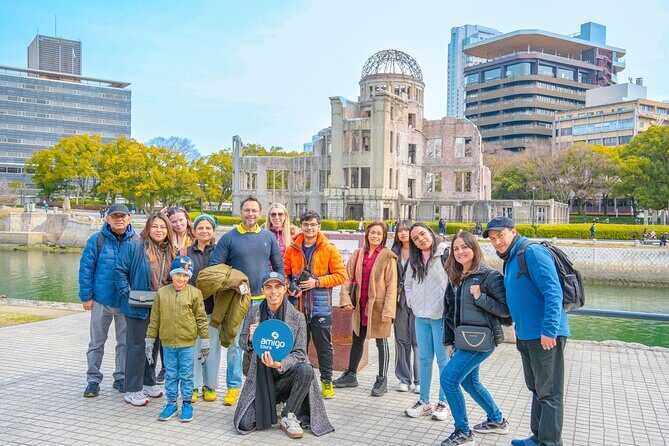
- Peace Memorial Park with context: your guide helps you make sense of what you’re seeing.
- Small group size: up to 30 people, which keeps the day from feeling like a cattle line.
- Bilingual guidance: English and Spanish support makes instructions easy to follow.
Kyoto to Hiroshima by Shinkansen: the day’s big win
If you’re coming from Kyoto, the biggest challenge is distance. This tour solves that with the Shinkansen—Japan’s fast rail—so you spend your energy on sightseeing instead of long transfers.
When you choose the Kyoto departure option, you begin at Kyoto Station. Then you head to Hiroshima on a high-speed train run that takes about 2 hours. That timing matters because it protects your day. You get into Hiroshima with enough time to do more than just see one stop and rush back out.
Here’s what I like about this setup: it reduces decision fatigue. Instead of figuring out rail connections, platform timing, and ferry schedules on your own, the tour handles the main “big blocks” of transit. You still get walking time and free-ish exploration, but the skeleton of the day stays solid.
You can also read our reviews of more tours and experiences in Kyoto
Miyajimaguchi and the ferry approach: where the views start working
After Hiroshima, the plan shifts to Miyajima. You go from Miyajimaguchi Station to the ferry area by bus, about 50 minutes, with coastal scenery along the way.
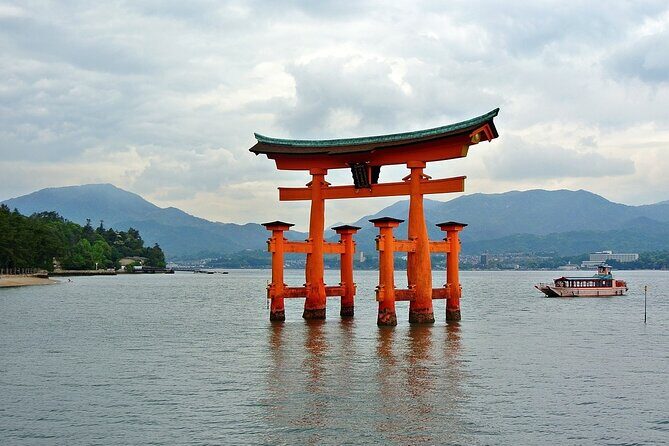
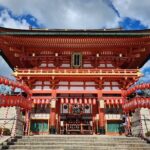
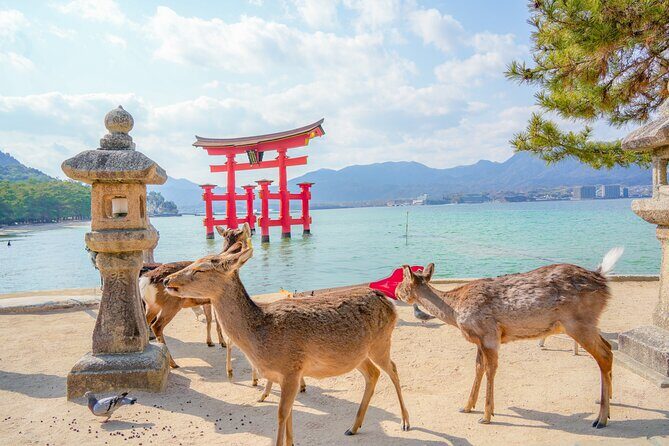
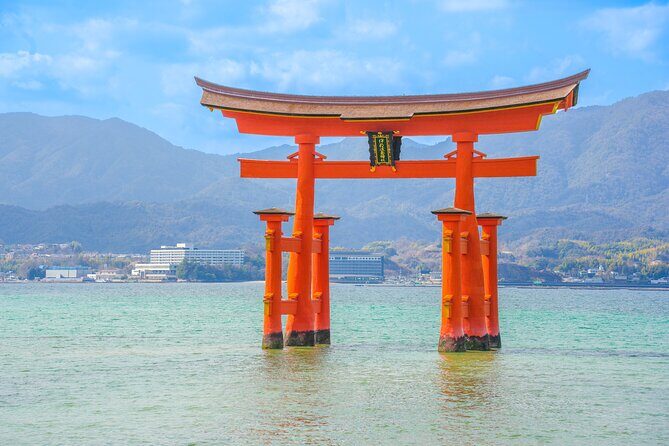
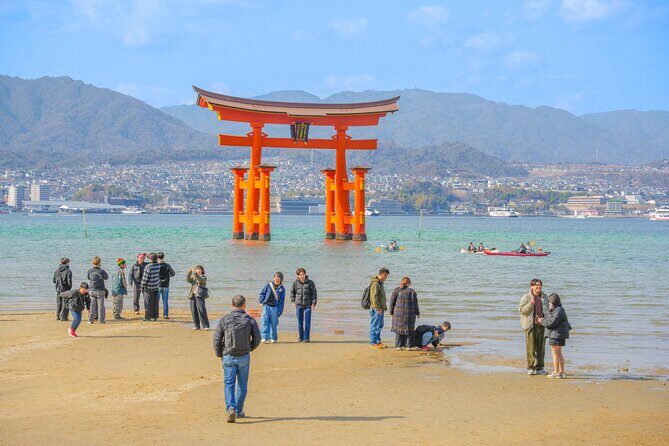
Then you hit the Seto Inland Sea ferry crossing to Miyajima Island. The ferry portion isn’t just travel; it’s the mood setter. As you get closer to shore, you catch that signature sight: the floating torii gate at Itsukushima Shrine. Even if you’ve seen photos before, it hits differently in motion—because you’re arriving, not just standing.
You’ll also have a solid stretch on the island—about 4 hours. That’s enough time to enjoy the landmark without feeling like you have to speed-run it.
Itsukushima Shrine: ticket included, but the real value is pacing
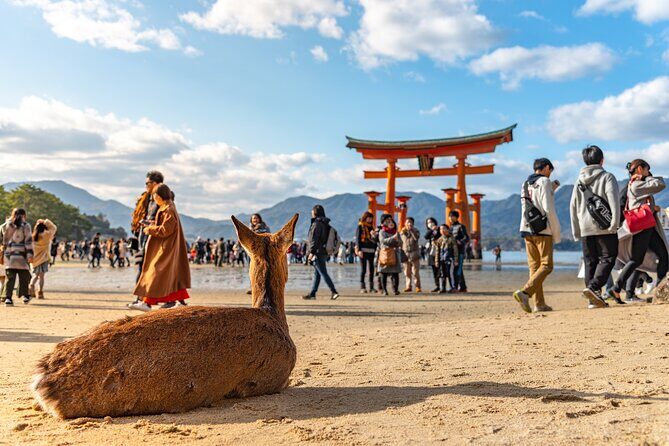
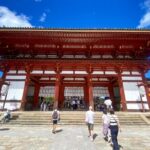
Itsukushima Shrine is one of those places that rewards slow attention. The tour includes the entrance fee, which removes one small friction point and helps you get straight to the experience.
What makes the shrine special here isn’t only the torii. It’s the overall setting: shrine architecture with water nearby, plus the way the island atmosphere changes as you move through different areas. The tour context helps too—your guide points out what to look for so you aren’t just photographing and guessing.
One practical tip: give yourself time to look from more than one angle. The torii is the headline, but the grounds around it are the part you remember later. With a guided group and a defined time window, you still have moments to wander and decide what deserves your attention.
Deer, side streets, and the kind of walking you can handle
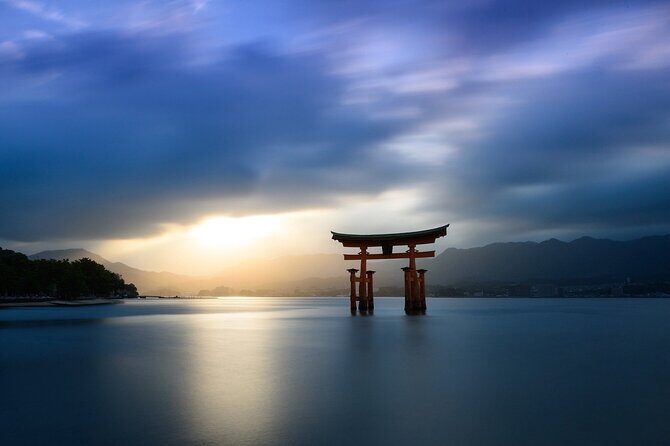
Miyajima has another layer beyond the shrine: the island’s friendly deer. This isn’t a theme-park gimmick. The deer are part of daily life on the island and they can be surprisingly calm when you keep your pace gentle and follow guidance.
Your island time also includes wandering through charming streets. That matters because it turns Miyajima from a “one picture and done” stop into a place where you can actually feel the rhythm of the island. You can plan to snack and browse without racing a clock.
Physical note: the tour lists moderate physical fitness. That usually means you’ll be walking and standing more than you might expect for a single day—especially when you layer in train time and transit time. It’s manageable, but if you have mobility concerns, it’s smart to plan for frequent stops and comfortable shoes.
Hiroshima Station to Peace Memorial Park: switching gears with a guide
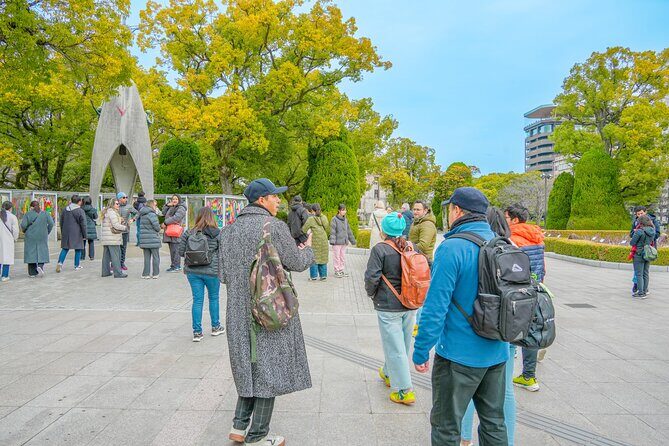
Once you arrive in Hiroshima, you don’t just go straight to the memorial area and hope for the best. A local guide meets you and leads you toward Peace Memorial Park, with about 1 hour between arrival and the park segment.
This is where having a guide earns its keep. Hiroshima’s memorial sites are meaningful, but they can also feel overwhelming if you don’t know what each piece represents. A good guide helps you connect facts to place—so you understand what you’re seeing, not only where you’re standing.
You then spend around 2 hours at Hiroshima Peace Memorial Park. That time window is important. It’s long enough to slow down, read key markers, and visit major points without feeling yanked forward every few minutes.






The Atomic Bomb Dome and UNESCO context: visiting with the right mindset
One of the key stops in the park is the Atomic Bomb Dome, a UNESCO World Heritage Site. The dome isn’t a museum in the usual sense—it’s a preserved structure shaped by history. Standing in that space can feel quiet and heavy, even when the area is crowded with visitors.
This is the kind of sight that becomes more powerful when you understand the significance before you look too closely. Your guide’s role here is to help you orient yourself and understand why this location matters within the larger story of Hiroshima.
A practical thought: plan to keep your phone away for a minute when you first arrive. I’m not saying don’t take photos. I’m saying let the place settle first. You’ll get more out of it when you’re not constantly switching between reading and shooting.
Also, remember the tour lists the Peace Memorial Park admission ticket as not included. Even if many memorial areas are low-cost, don’t assume everything is free. Budget a little so you’re not scrambling at the entrance.
The bilingual guide advantage: English and Spanish that actually help
In Japan, language can be the difference between enjoying a tour and spending the whole day decoding signs. This tour includes a bilingual guide in English and Spanish.
That bilingual part is practical, not just nice. Clear instructions help you find meeting points quickly, follow the flow of the day, and avoid small stressors like figuring out which exit to use. In one of the standout experiences shared, the guide was Astrid, and bilingual communication worked smoothly—English and Spanish were described as completely understandable, with clear guidance throughout the shrine and park areas.
If you’re traveling with someone who prefers Spanish (or you want that extra layer of comprehension), this is a big advantage. It’s also helpful if you’re tired—because you’ll spend less mental energy translating and more attention on the sights.
How the 12-hour format feels in real life
A day tour can go two ways: either it feels rushed, or it feels like you’re in control of your own pace. This one is designed to feel laid-back rather than frantic, with time set aside for both major sightseeing chunks: Miyajima and the Peace Memorial Park area.
Here’s your day structure in practical terms:
- A morning ride to Hiroshima via Shinkansen (about 2 hours)
- Bus transfer toward the ferry area (about 50 minutes)
- Several hours on Miyajima (about 4 hours)
- Time guided in Hiroshima before and during Peace Memorial Park (about 1 hour moving to the site, then about 2 hours on-site)
- A return train portion (about 2 hours), with the tour ending near Hiroshima Station South Exit Chikagai Hiroba Information Center
That last detail matters. If you’re the type who likes knowing where you end up, this gives you a clear finish point near the station.
Also, group size caps at 30 travelers, which typically makes it easier for the guide to keep track of everyone without slowing down the whole tour.
Price and value: what you’re really paying for
The listed price is $119.00 per person, and the value comes from what’s bundled, not just the headline cost.
Here’s what is included:
- Bullet train ticket from Kyoto (if you select the Kyoto option)
- Ferry ticket to Miyajima Island
- Entrance fee to Itsukushima Shrine
- Transportation from the meeting point
- Bilingual guide (English and Spanish)
What’s not included:
- Lunch
- Peace Memorial Park admission ticket (marked not included)
So you’re paying for transportation on the long legs, plus the two biggest “you don’t want to mess this up” components: ferry access to Miyajima and the guided flow inside Hiroshima.
Would it be cheaper to DIY? Possibly, depending on your rail planning and timing. But DIY adds friction—especially if you’re juggling Shinkansen schedules, ferry timing, and a guided understanding of what you’re seeing at Hiroshima. For many people, paying for a guided structure is worth it because it protects time and reduces stress.
Who should book this tour (and who might skip it)
This tour makes a lot of sense if you:
- Want to see both Miyajima and Hiroshima in one day from Kyoto
- Prefer a structured plan with English and Spanish guidance
- Like the idea of shrine time plus a guided, thoughtful visit to Peace Memorial Park
- Appreciate small-group pacing (up to 30)
You might want to consider other options if you:
- Hate long days with travel baked in (this is about 12 hours)
- Are set on fully independent choices around food (lunch is not included)
- Are very sensitive to walking/standing and prefer gentler day schedules (moderate fitness is requested)
Should you book this Hiroshima and Miyajima day tour from Kyoto?
If you want the classic combo—Miyajima for the floating torii and deer atmosphere, plus Hiroshima Peace Memorial Park for the Atomic Bomb Dome—this tour is a strong pick. The big reason is control: the Shinkansen and ferry legs reduce logistics stress, and the bilingual guide helps you get meaning out of the memorial sites instead of treating them like a checklist.
I’d book it if you’re traveling with mixed language needs, or if you’d rather spend your energy observing than planning routes. Just go in with realistic expectations about the day length, and plan your meals so lunch doesn’t become the last-minute problem.
FAQ
How long is the Hiroshima and Miyajima full-day tour from Kyoto?
The tour runs about 12 hours.
What is included in the price?
It includes the bullet train ticket from Kyoto (if you choose the Kyoto option), the ferry ticket to Miyajima, entrance fee to Itsukushima Shrine, transportation from the meeting point, and a bilingual guide in English and Spanish.
Is lunch included?
No, lunch is not included.
What parts of the tour are marked as admission ticket not included?
The Hiroshima Peace Memorial Park portion is marked as admission ticket not included.
How many people are in the group?
The tour has a maximum of 30 travelers.
Can I get a full refund if I cancel?
Yes. You can cancel for a full refund up to 24 hours in advance.