REVIEW · MUSEUMS
Skip the lines Basic Ticket at SAMURAI NINJA MUSEUM KYOTO
Book on Viator →Operated by Maikoya · Bookable on Viator
Samurai and ninja gear in one fun hour. The biggest pull for me is the hands-on stuff (armor trial and shuriken throwing) paired with a real guide who keeps the story moving. I also like the photo-ready swords, costumes, and replica weapons, which turn a small museum visit into something you can actually remember.
The main thing to consider is that this is a short, small-space experience. Some people love how it stays lively and beginner-friendly, while others feel the venue is tight and the pace can feel rushed when crowds get heavy.
In This Review
- Key Things I’d Bet You’ll Notice
- A 1-Hour Sampler of Samurai and Ninja Life
- Price and What You Actually Get for $28.52
- Finding the Museum in Kyoto Without Losing 30 Minutes
- Meet Your Guide and Get the Story Straight
- Samurai Armor Trial and the Best Photo Setup
- Shuriken Throw Competition: Fun With a Built-In Win
- The Museum Portion: Small, Fast, and Built for Star Moments
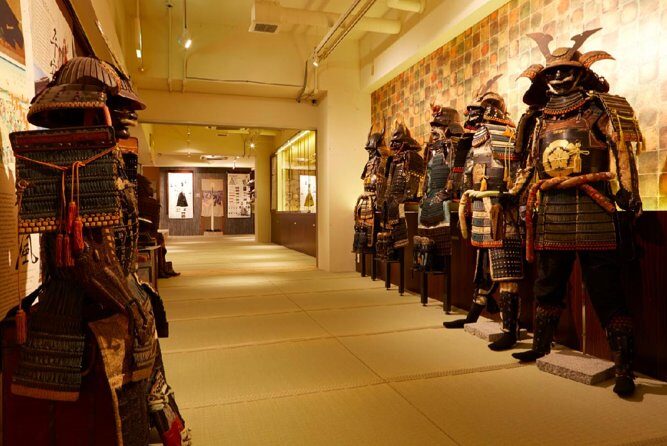
- What to Look for Inside: Swords, Weapons, and a Samurai House Set
- Group Size Reality: Why Crowds Can Change the Feel
- Who This Tour Fits Best (and Who Might Be Less Happy)
- Practical Tips Before You Go
- Should You Book This Skip-the-Line Basic Ticket?
- FAQ
- How long is the guided tour?
- Is the admission ticket included?
- What activities are included?
- Where is it located?
- How many people are in the group?
- Is it suitable for children?
- Do I need transportation to and from the museum?
- Do I need to print anything?
- What happens if weather is bad?
- Is there anything I should know about elevators?
Key Things I’d Bet You’ll Notice
- 1-hour format: enough time for the big moments without turning into a half-day museum project
- Professional guide + small group feel: capped at 15 travelers in the info I have (with some materials also referencing up to 30)
- Hands-on samurai armor trial: wearing gear and trying a sword setup (katana element described as optional)
- Ninja star throw competition: a structured, game-like activity that makes it easy to participate
- Strong photo opportunities: replica swords and costume/backdrop moments are built into the flow
- Multiple time slots: helpful if you’re trying to fit this around temples and trains
A 1-Hour Sampler of Samurai and Ninja Life
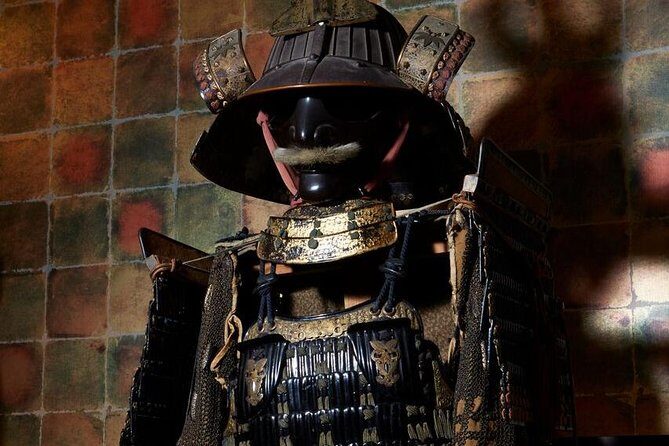
This experience is built for people who want the highlights, not a long academic museum day. Plan on roughly an hour for the guided portion, and expect the tour to focus on stories, visuals, and activities rather than quiet self-guided wandering.
You’ll start at the Samurai Ninja Museum Kyoto and get a guided walk through the feudal-era world that shaped samurai and ninja roles. Even if you’re new to the topic, the approach is practical: you get context, then you get to touch the theme—armor, weapons, and the fun shuriken throwing game.
You can also read our reviews of more tours and experiences in Kyoto



Price and What You Actually Get for $28.52

At about $28.52 per person, the value hinges on what’s included versus what you’d otherwise pay or arrange yourself. Here, the admission ticket is included, and your guide-led experience comes with costume time and a shuriken throwing competition. That matters because in a smaller museum setup, the guided structure is often what turns the visit from looking around to doing something.
You’re also paying for convenience and organization. The experience is sold as a skip-the-lines basic ticket, and while results can vary when Kyoto crowds surge, the overall package is designed to keep the group moving through the key moments without you piecing it together on your own.
Finding the Museum in Kyoto Without Losing 30 Minutes
This museum sits in the heart of Kyoto and is described as near public transportation. That’s a good start, but one real-world tip from past visitors is simple: use the directions in the app, because it can be easy to miss when you’re walking in a shopping-arcade kind of area.
Bring your phone with you and keep an eye on the exact entrance. When you’re only there for about an hour, being “near” isn’t the same as being on time.
Meet Your Guide and Get the Story Straight
Right away, you’ll meet your guide and your small group. The tone is meant to be friendly and energetic, which is important in a place like this where you’re surrounded by props and costuming.
The guide frames what you’re seeing—swords and weapon culture, plus how samurai and ninja life fit into Japan’s feudal system. In past sessions, guides have been named such as Naromi, Raito, Saku, Jasmine, and Nobu. You can’t count on a specific name, but you can count on the format: story first, then hands-on.
Also note: the activities can change due to the coronavirus situation mentioned in the information. That doesn’t mean you’ll lose the whole experience, but it’s smart to go in flexible.
Samurai Armor Trial and the Best Photo Setup

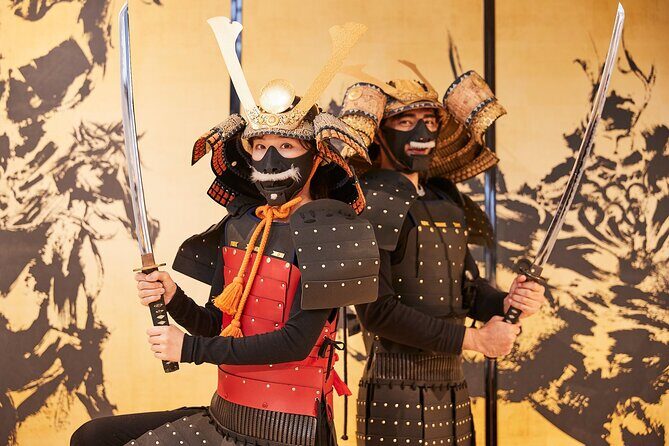
One of the most consistently praised parts is the chance to wear samurai gear and interact with swords and replicas. The tour description specifically calls out a samurai armor trial and a katana/samurai sword moment that’s described as optional. In practice, it’s the kind of activity that makes the museum feel less like reading panels and more like stepping into the theme for photos.
Here’s why I think that matters: Japan museums often reward close looking, but they don’t always give you a “wear it” memory. This one does. You’ll likely get a structured moment to pose, then move on, so you’re not stuck spending half your time waiting for a photo opportunity.
A quick consideration: the venue can feel small and some visitors have mentioned temperature comfort issues like lack of air-conditioning. If you’re going in hot months, wear breathable layers so you can handle a tighter indoor space.
You can also read our reviews of more museum experiences in Kyoto





Shuriken Throw Competition: Fun With a Built-In Win
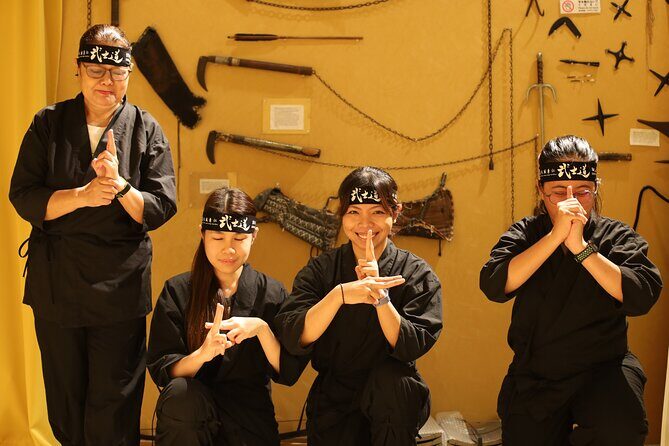
The ninja star throwing is the “okay, now this is a thing” part. The info spells out a ninja star throw competition, and the reviews back it up with repeat mentions that people actually enjoy the game rather than treating it like a gimmick.
What you should expect:
- a guided setup (you don’t need to figure out rules)
- a competitive element that makes it feel interactive
- photo and participation opportunities that are easy for kids and adults alike
If you’re going as a family, this is the moment that often justifies the whole hour. If you’re going solo, it’s a fast way to be involved without needing to know anything ahead of time.
The Museum Portion: Small, Fast, and Built for Star Moments
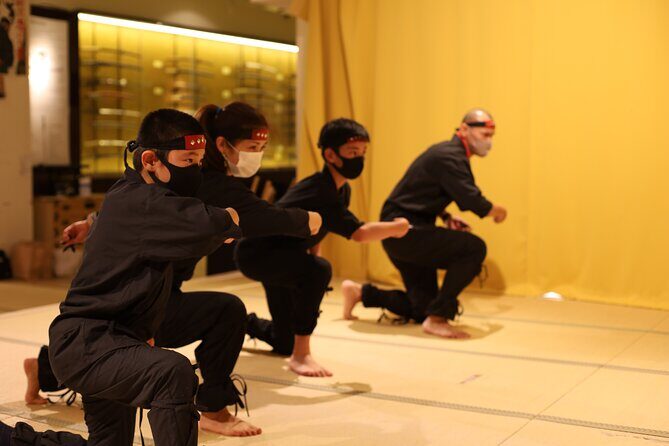
This is not a giant multi-building museum day. The experience focuses on a museum visit plus hands-on activities, and the total time is about an hour. Some visitors describe it as split over two levels, in a shopping arcade-type location, which helps explain why it feels concentrated.
That also explains the mixed feedback you might notice:
- If you want a deep collection with tons of artifacts to study slowly, you might feel you’re moving too quickly.
- If you want a guided overview plus fun participation, you’ll probably leave happy and not exhausted.
So the best way to think about it is this: you’re buying a guided theme experience with tactile highlights. You’re not booking a long self-paced museum marathon.
What to Look for Inside: Swords, Weapons, and a Samurai House Set
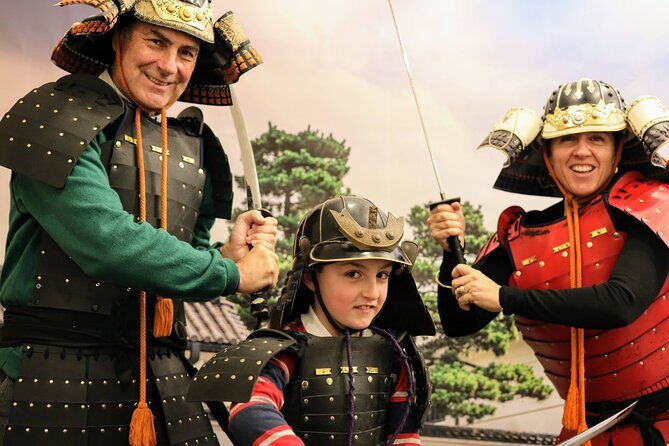
During the tour, you’ll see preserved artifacts up close and admire a recreation of a samurai house. That matters because it gives you a sense of how settings and objects were used in daily life and status culture—at least in a staged, visitor-friendly way.
There are also traditional samurai swords and weapon displays tied to the guide’s commentary. The photo opportunity isn’t random; it’s integrated, so you’ll be pointed toward the spots where you can capture the theme clearly.
If you’re the type who likes to connect what you see to the story you’re hearing, this format works well. You’ll be led through the objects with context, then you’ll get your turn to handle the experience side.
Group Size Reality: Why Crowds Can Change the Feel
The information includes a maximum of 15 travelers in one place, while another part references a maximum of 30 travelers. Either way, it’s meant to stay limited, but Kyoto can still get crowded, and small spaces can get tight.
If you’re sensitive to crowds, try to pick a time slot that matches your day’s energy. A packed room can make the experience feel rushed, especially in areas where people are waiting to try on gear or take photos.
The upside: even with crowds, this tour structure helps you cycle through the key moments without needing to negotiate the flow yourself. You’re guided, and that’s a practical advantage.
Who This Tour Fits Best (and Who Might Be Less Happy)
I’d say this is ideal for:
- First-timers in Kyoto who want something cultural but not complicated
- Families with kids who will enjoy costuming and shuriken throwing
- People who love samurai and ninja themes but don’t want a long museum day
It might be less ideal if you want:
- a huge artifact collection and lots of quiet reading time
- a slow, detailed historical lecture
- a comfortable, spacious indoor environment where you can take your time
This one is built for energy and participation. If that matches your travel style, you’ll likely have a good time.
Practical Tips Before You Go
A few small things can make this smoother:
- Wear clothes you can move in. Armor and costume moments mean standing, posing, and moving around.
- Keep your phone handy for the directions. The museum can be tricky to spot in the arcade-like setting.
- If you’re going during hotter months, plan for indoor comfort being variable.
- Bring patience if the room is busy. The experience is short, so your best “strategy” is to go with the flow.
Also, service animals are allowed, and the museum is near public transportation, which makes the logistics simpler.
Should You Book This Skip-the-Line Basic Ticket?
Yes, if you want a fun, guided, hands-on Kyoto hour that’s heavy on swords, costumes, and shuriken throwing. The price makes sense because admission and the main activities are included, so you’re not paying extra after you arrive.
I’d pass or rethink it if you’re chasing a large museum collection or want a slower pace with lots of independent study. This experience is intentionally short, and crowd levels can affect how relaxed it feels.
FAQ
How long is the guided tour?
The experience is listed as about 1 hour.
Is the admission ticket included?
Yes. Admission Ticket Included is stated in the tour details.
What activities are included?
You get a professional guide, a samurai costume, and a ninja star throw competition. Wearing the armor and the katana/sword moment are part of the experience, with the sword element described as optional.
Where is it located?
It’s in Kyoto, Japan, at the Samurai Ninja Museum Kyoto. The site is described as near public transportation.
How many people are in the group?
The info lists a maximum of 15 travelers, and another detail mentions up to 30 travelers. Either way, it’s designed for a small group.
Is it suitable for children?
Children must be accompanied by an adult, and the experience is described as something most people can participate in.
Do I need transportation to and from the museum?
Transportation to/from attractions is not included.
Do I need to print anything?
No. The tour uses a mobile ticket, and confirmation is received at booking.
What happens if weather is bad?
This experience requires good weather. If it’s canceled due to poor weather, you’ll be offered a different date or a full refund.
Is there anything I should know about elevators?
The information includes an elevator out-of-service period from January 24, 2026 to February 19, 2026.
If you want, tell me your travel dates and whether you’re going with kids or mostly adults. I can help you pick a time strategy so the hour feels less rushed.