REVIEW · TEA CEREMONY EXPERIENCES
Kyoto: Mindful Tea Ceremony in 100-Year-Old Teahouse
Book on GetYourGuide →Operated by Oboro · Bookable on GetYourGuide
Candlelit calm beats Kyoto crowds. In Oboro’s 100-year-old teahouse, a small group slows everything down with mindful matcha prep, gentle English guidance, and quiet, sensory focus.
I like the calm pacing here, especially the way you can observe without feeling stuck behind strict rules. I also really value how hosts such as Naoki and Taku explain each step clearly, while still keeping the mood quiet and respectful. One thing to consider: you’ll remove your shoes and sit comfortably with socks, and you need to arrive on time since entry isn’t allowed if you’re more than 10 minutes late.
In This Review
- Key Things I’d Bank On
- Stepping Into Oboro: A 45-Minute Kyoto Reset
- Entering the Teahouse: Candlelight, Quiet, and the Rules That Matter
- Your Welcome Tea and Seasonal Sweets
- Watching Matcha Get Made: Purify, Whisk, Present
- Observing Without Rigid Rules: How the Host Keeps It Friendly
- The Sensory Details That Make It Feel Like Meditation
- Taking It Home: The Handmade Candle and the After-Feeling
- Price and Value: Is $45 Worth It?
- Who Should Book This (and Who Might Not)
- Where to Find It Fast in Kyoto
- Should You Book Oboro’s Mindful Tea Ceremony?
- FAQ
- How long is the Oboro mindful tea ceremony?
- What is the price?
- What language is the instruction?
- Is this a small group activity?
- What should I wear or bring?
- Are there any photography rules?
- What’s not allowed during the ceremony?
- How early should I arrive?
- Does the ceremony change in summer?
Key Things I’d Bank On

- Candlelight does the heavy lifting: the room feels softer, and your senses wake up.
- You’re taught, not policed: you can watch, ask questions, and move through it at a human pace.
- Small group (up to 8): easier conversation and less chaos than the usual Kyoto tours.
- Matcha + seasonal sweets: the tea experience comes with a thoughtful pairing.
- Seasonal twist in summer: chilled water and ice are used when temperatures rise.
- A take-home candle: you leave with a little ritual reminder, not just a photo.
Stepping Into Oboro: A 45-Minute Kyoto Reset
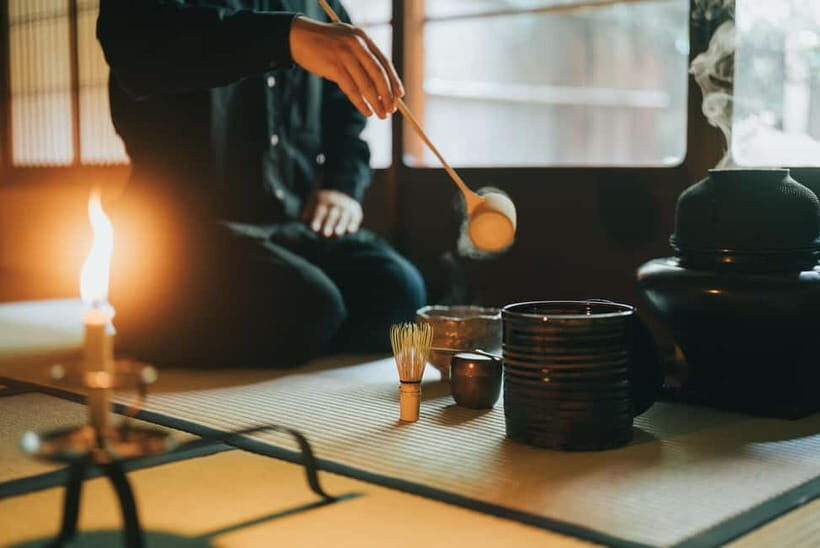
This is a short experience, but it’s built like a slow walk. You’ll spend about 45 minutes inside Oboro, in a space designed to quiet your brain: minimal distractions, candlelight instead of overhead glare, and a host who keeps the flow smooth. The big appeal is simple—Kyoto can be loud and fast. This gives you a counterbalance.
You’ll start with a welcome moment, usually with your first drink and sweets, before you move into the main tearoom area. The ceremony is paced so you notice small things: the sound of water, the scent rising from matcha, the warmth of the bowl in your hands. That’s the point. You don’t come here to collect information. You come to practice paying attention.
And yes, it’s easy to do as a newcomer. Many tea experiences feel either too strict or too performative. This one leans toward gentle guidance and calm observation, which makes it much easier to relax into the rhythm.
You can also read our reviews of more tours and experiences in Kyoto.



Entering the Teahouse: Candlelight, Quiet, and the Rules That Matter
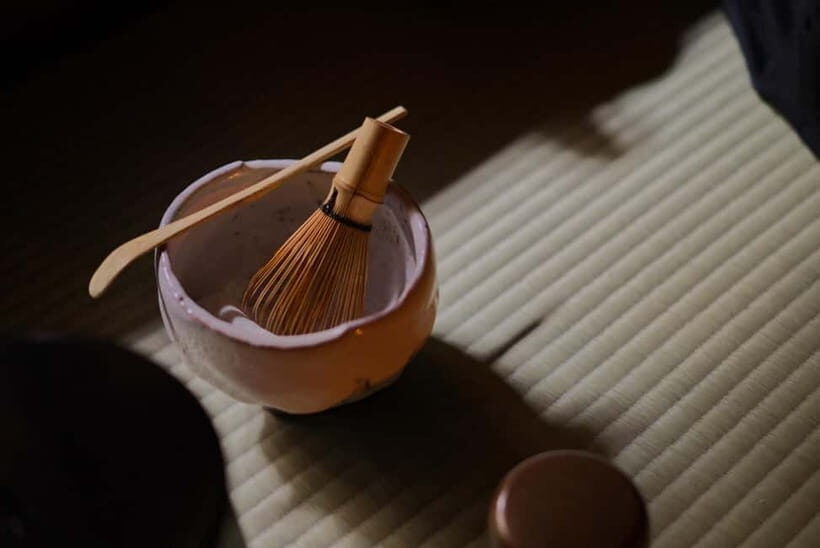
The first thing you’ll notice is the lighting. Candlelight replaces harsh overhead lights, and it immediately changes the room’s mood. Your eyes adjust, your shoulders drop, and you stop scanning for the next thing. It’s not magic—just the right environment at the right volume.
The experience also has clear boundaries:
- You’ll be asked to keep a quiet environment during the session.
- No flash photography (photos without flash are allowed).
- No smoking.
Practical tip: wear comfortable clothes and bring socks. Shoes must be removed, so plan to be comfy in a room where you’re sitting and staying still for the duration. If you have back problems or you use a wheelchair, this isn’t listed as suitable, so you may want to skip it and choose something more comfortable for your body.
Finally, be punctual. You’re expected to arrive 10 minutes early to prepare, and you won’t be allowed to enter if you’re more than 10 minutes late. In Kyoto, that’s a real dealbreaker—so set aside extra walking time and don’t treat this as a “whenever” stop.
Your Welcome Tea and Seasonal Sweets
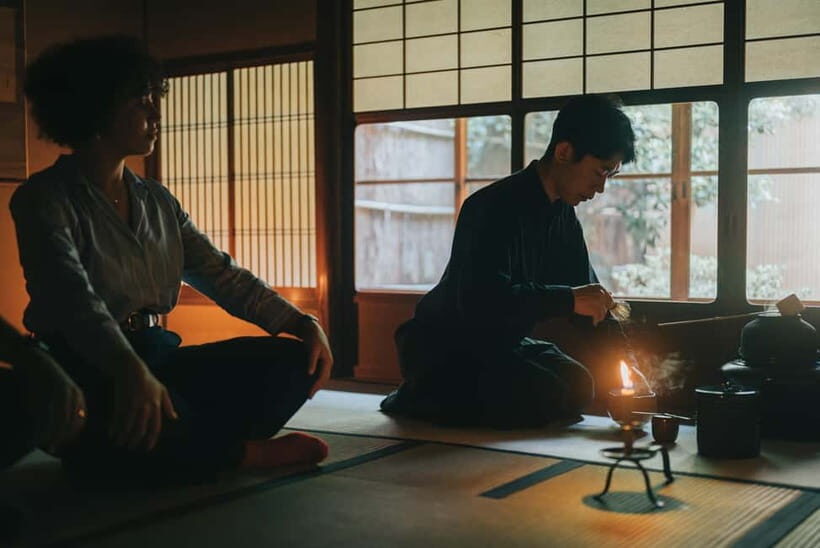
Before the main ceremony begins, you’ll get a welcome tea and seasonal sweets. That sounds basic, but it’s actually smart design. The sweet warms up your palate and anchors you emotionally. It also buys you a few minutes to settle in before the main matcha steps.
You’ll feel the contrast right away: warm, comforting flavors first—then the ceremony’s slow, deliberate actions. This is one of the best parts for anyone who worries they’ll feel awkward sitting in silence. The welcome drink helps you ease into the mood without having to “perform” attention on command.
One guest highlighted a cold matcha experience in warm weather, which lines up with the seasonal note: in summer, they perform a ceremony using chilled water and ice. So if you’re visiting in hotter months, expect matcha served in a way that feels more refreshing than the classic warm-bowl image you might have in your head.
Watching Matcha Get Made: Purify, Whisk, Present
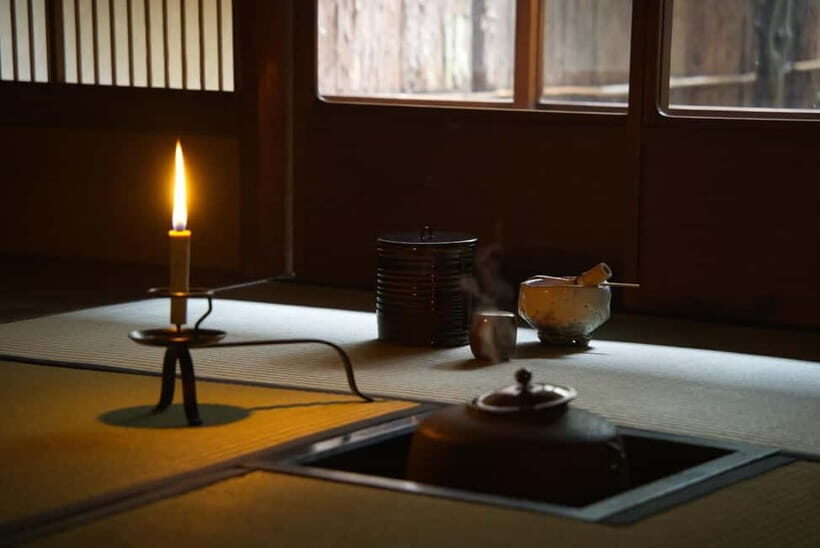
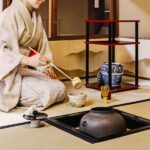
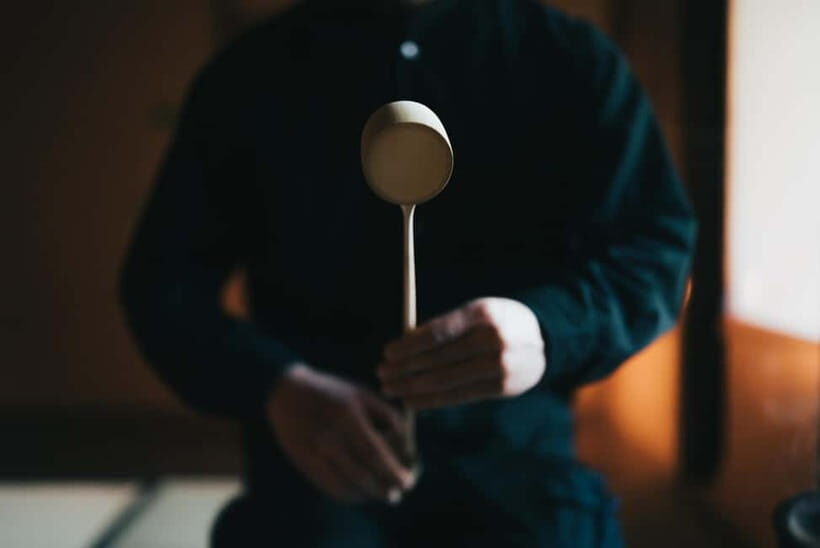
In the main tearoom, the host leads the process step-by-step. Even if you’re not trying to replicate it later, this portion teaches you how matcha becomes more than a drink.
Here’s what you can expect:
- The host purifies the utensils first.
- They prepare the matcha by whisking it carefully.
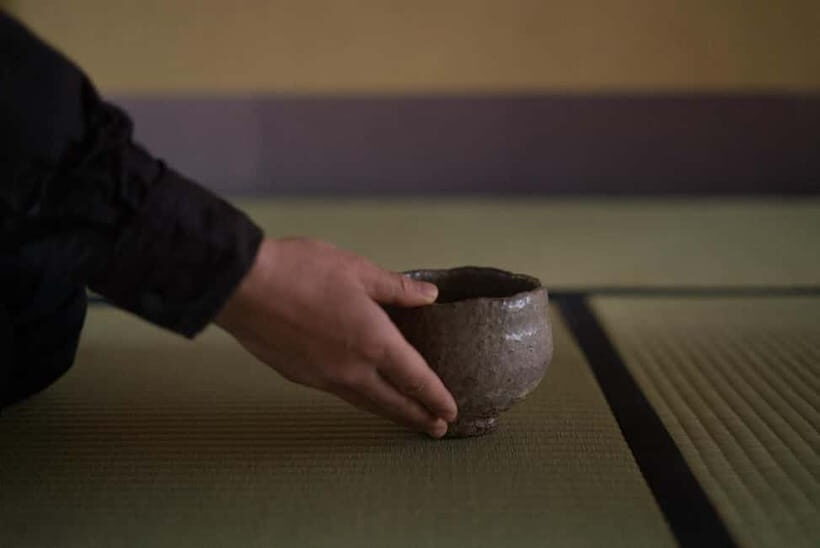
- The tea is presented with a graceful bow—a small gesture that signals respect for the moment you’re about to share.
As the bowl approaches you, the experience turns from “watching” to “feeling.” You’ll lift the bowl gently, and the warmth (and aroma) hits before the flavor does. This is where the ceremony slows your pace on purpose. You’re guided to savor the nuanced taste instead of rushing for the next sip.
If you like food experiences where technique matters, you’ll probably appreciate the explanations. Several reviews mention that hosts explain what makes matcha higher quality and how to enjoy it. That’s useful if you’ve had matcha before but never knew why some bowls taste smoother or more balanced.
Observing Without Rigid Rules: How the Host Keeps It Friendly
A big reason this ceremony lands well for beginners is the tone. The guidance is rooted in tradition, but it doesn’t come off as a strict exam. You can observe quietly, and you can ask questions without breaking the spell.
This “ease” matters. Kyoto’s cultural experiences can sometimes feel like a test: wrong seat, wrong timing, wrong posture. Here, the structure supports you. The host maintains the pace, but you’re not trapped inside a rigid script. That’s why the experience feels like calm practice rather than performance.
A couple of reviews also point out that the setup can be more than one room, with spaces designed to represent phases of the ceremony. Even if you’re not a visualization person, it helps your brain track the experience like a journey, not a single moment you rush through.
If you’re the type who likes to understand the why behind actions, this should fit well. You’ll typically get a brief introduction to the flow, and the host answers questions in English. That gives you a chance to connect the steps to meaning rather than just memorizing gestures.



The Sensory Details That Make It Feel Like Meditation
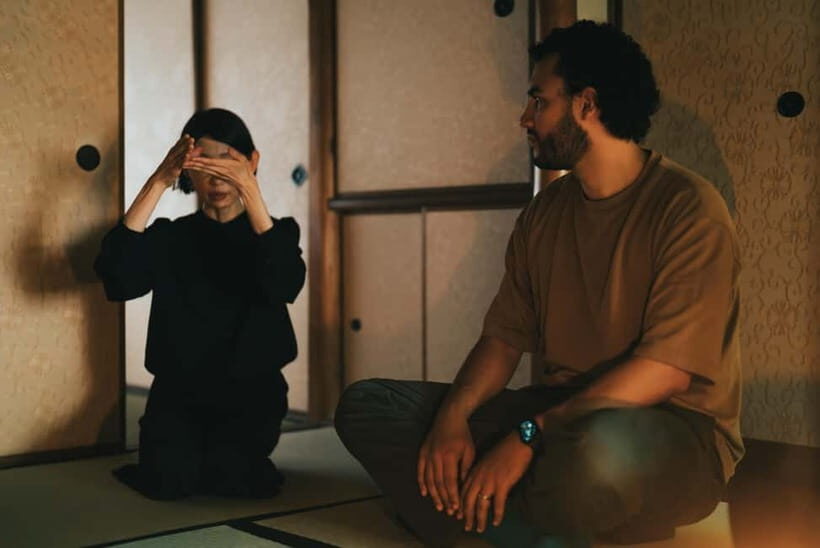
This isn’t “silent meditation” in a formal temple way. It’s quieter and more practical than that. The calm comes from how everything is designed around attention.
You’ll likely notice:
- the sound of water simmering
- the faint aroma of fresh matcha
- the way candlelight softens movement and shadow
- the garden view through the window (mentioned by multiple guests)
That garden element is key. When you can look out at something calm while sipping something carefully made, your brain stops sprinting. One reviewer specifically said it felt like silent meditation after a noisy city—exactly the role this ceremony plays in a Kyoto itinerary.
Also, since the group is limited to 8 participants, the mood stays controlled. You’re not sharing silence with a dozen strangers who might not get the vibe. This matters more than you think when you’re in a quiet setting.
Taking It Home: The Handmade Candle and the After-Feeling
The ending is thoughtful. You’ll receive a small handmade candle to take home. This isn’t just a souvenir for your shelf. It’s a cue for the same behavior you practiced in the tearoom: slow down, notice light and scent, pause before you rush.
What you may feel after the ceremony is hard to fake. Several reviews describe leaving relaxed, calmer, and more grounded. That matches the design: candlelight + quiet pacing + one careful drink. You’re not exhausted from sightseeing. You’re reset.
Price and Value: Is $45 Worth It?
At $45 per person for about 45 minutes, the price isn’t “cheap,” but it’s not outrageous for Kyoto either—especially when you factor in what’s included.
You get:
- expert instruction in English
- all necessary tea ceremony equipment
- seasonal sweets to complement the tea
- the candlelight matcha experience
- and a small handmade candle to take home
Here’s how I’d judge the value: you’re paying for a guided, sensory ritual in a historic-style setting, not just tea. The host doesn’t just hand you a cup; they manage the atmosphere, teach the process, and keep the group in a quiet, respectful flow.
If you’re doing a day packed with shrines and shopping streets, this can be a high-value “breather.” If you hate sitting still, dislike quiet rules, or want entertainment, it may feel overpriced. But if you like food craft, mindful pacing, and respectful cultural experiences, it’s strong value for what it gives you emotionally as well as practically.
Who Should Book This (and Who Might Not)
This tea ceremony fits best if you:
- want a calmer side of Kyoto away from the busiest sights
- enjoy tasting experiences where technique matters
- like small-group settings (max 8 participants)
- want English guidance without turning it into a lecture
It may not be the best match if you:
- need lots of movement or hate sitting for 45 minutes
- have significant back issues (it’s listed as not suitable)
- use a wheelchair (not suitable)
- are traveling with young kids; it’s not suitable for children under 6 years
Also keep in mind: it’s a quiet session with no smoking and no flash photography. If you plan to treat it like a casual “take photos and chat,” you’ll miss the point and you’ll likely feel uncomfortable in the space.
Where to Find It Fast in Kyoto
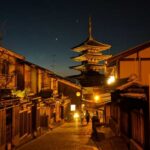
If you’re hunting the address, use Google Maps and search for Oboro: Mindful Tea Ceremony. That’s the most reliable way to get there without stress.
Plan your timing like a grown-up: aim to arrive 10 minutes early. Kyoto streets can be slower than your phone predicts, and you don’t want to cut it close because entry is not allowed if you’re more than 10 minutes late.
Should You Book Oboro’s Mindful Tea Ceremony?
If you’re deciding between this and another Kyoto activity, ask yourself one question: do you want your day to feel quieter afterward? For many people, this is the highlight because it slows the senses and gives you a break from the city’s noise.
Book it if you want:
- candlelit calm in a 100-year-old teahouse setting
- matcha preparation with gentle guidance (not strict intimidation)
- a small-group, respectful atmosphere where you can observe and ask questions
- a thoughtful take-home gift (the handmade candle)
Skip it if you can’t handle quiet rules, hate sitting still, or need a more accessible format.
In short: this is a small ticket with big payoff for your mood. If you’re even mildly curious about matcha craft and mindfulness, it’s an easy yes for a Kyoto itinerary.
FAQ
How long is the Oboro mindful tea ceremony?
It runs for about 45 minutes.
What is the price?
The price is $45 per person.
What language is the instruction?
Instruction is in English.
Is this a small group activity?
Yes. The group is limited to 8 participants.
What should I wear or bring?
Wear comfortable clothes and bring socks since shoes must be removed.
Are there any photography rules?
Flash photography is not allowed. Photography without flash is permitted.
What’s not allowed during the ceremony?
Smoking is not allowed.
How early should I arrive?
Arrive 10 minutes early to prepare. If you’re more than 10 minutes late, you won’t be allowed to enter.
Does the ceremony change in summer?
Yes. In summer, the ceremony is performed using chilled water and ice.