REVIEW · HOP-ON HOP-OFF TOURS
Kyoto Hop-On, Hop-Off Sightseeing Bus Tour
Book on Viator →Operated by Trevopedia Wonders · Bookable on Viator
Kyoto from the top, without the map stress. The SKY HOP BUS KYOTO is a hop-on, hop-off style ride that keeps you above the street level for panoramic views, with multilingual audio to help you make sense of what you’re seeing. I like that it’s designed for freedom: you can hop off near the big sights and later get back on at the next stop when you’re ready.
My favorite part is how practical the route planning feels. You get a smooth pass-based way to cover both central Kyoto and major temples, including stops at Ginkaku-ji (Silver Pavilion), Kiyomizu-dera, and the Gion area, without having to stitch together trains and taxis all day.
One thing to keep in mind: the buses don’t show up every minute. In practice, the ride frequency can slow your timing, so it’s smart to plan shorter temple visits and leave buffers between hops if you’re on a tight schedule.
In This Review
- Key Things You’ll Notice on This Bus
- What You Actually Get: Seats, Audio, and the Hop-On Superpower
- Price and Value: Is $45.56 a Good Deal for This Style?
- How the Timing Really Works With a 1 Hour 8 Minute Loop
- East-Central Kyoto Stops: From Orientation to the Silver Pavilion Area
- West-Line Style Stops: Nishi Hongan-ji to Kitano-tenmangu
- Where Gion and Kiyomizu-dera Fit Into Your Day Plan
- Practical Tips That Make the Ride Better
- Who This Tour Is Best For (And Who Should Skip It)
- Should You Book the Kyoto Hop-On, Hop-Off Bus?
- FAQ
- How long is the Kyoto Hop-On, Hop-Off bus tour?
- Is seating reserved on the bus?
- Can I hop on and off multiple times with the ticket?
- What’s included with the ticket?
- Is there Wi‑Fi and audio on board?
- Do children ride for free?
Key Things You’ll Notice on This Bus
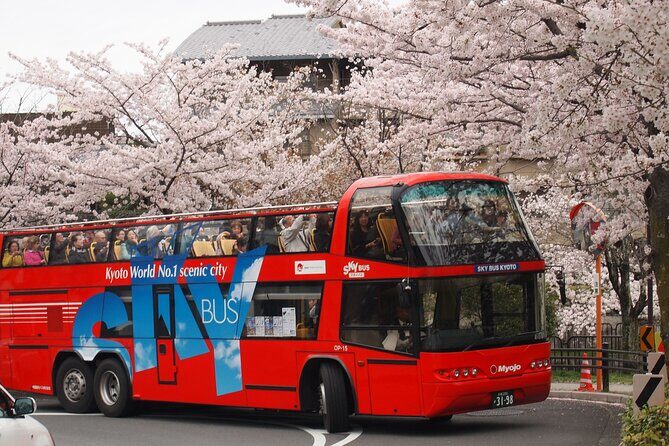
- Open-top double-decker views for temples and streets without constantly changing transportation
- Multilingual audio guide with earphones so you can listen clearly while moving
- Hop on and off as many times as you like at all Sky Hop Bus stops within your ticket validity
- Wi‑Fi onboard, handy for checking train times, maps, and sunset plans
- Rain plan included with a poncho if the weather turns
What You Actually Get: Seats, Audio, and the Hop-On Superpower
This tour is built around one big idea: you should be able to see Kyoto without committing to a single, fixed walking route. You board a comfortable open-top double-decker bus and then you control your day. Hop off when something catches your eye, then hop back on later at the next stop.
The ride experience is helped by the onboard kit. You’ll have multilingual audio plus earphones, and you can follow along while looking out at the streets below. If you’ve ever tried to read signage in multiple languages while also fighting crowds, you’ll appreciate having the commentary as a constant “guide in your pocket,” just for listening through the headset.
Another small but useful detail: the ticket includes a poncho in case of rain. Kyoto weather can flip quickly, and it’s a relief to know you’re not stuck deciding whether to buy an umbrella you’ll later regret carrying.
And yes, there’s onboard Wi‑Fi. It won’t replace your offline map habits, but it’s genuinely convenient for quick checks while you’re on the move.
You can also read our reviews of more tours and experiences in Kyoto.


Price and Value: Is $45.56 a Good Deal for This Style?
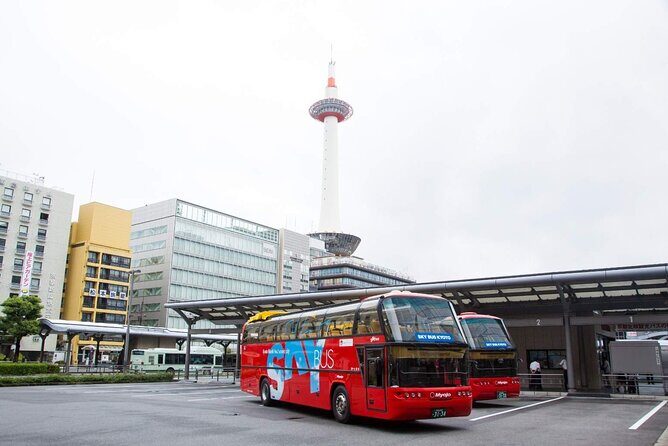
At $45.56 per person, you’re paying for a flexible sightseeing day—not just a one-time bus ride. The value comes from two things your ticket includes: a one-day pass (or two-day pass if you choose that option) and the ability to hop on and off as many times as you like across the Sky Hop Bus stops within the validity window.
So you’re not “renting a seat.” You’re buying transportation freedom plus interpretation via the audio guide. If you plan to hop off to see multiple major sights in different parts of town, the pass-style setup can feel worth it fast.
If your plan is mostly one or two locations within easy walking distance, you might question whether a bus pass makes sense. In that case, you could end up paying for time spent riding between stops instead of doing the things you actually want to photograph and walk through.
Also watch the unreserved seating rule. The bus has all seats unreserved, which means you’ll do better when you board early at a stop rather than sprinting on at the last second.
How the Timing Really Works With a 1 Hour 8 Minute Loop
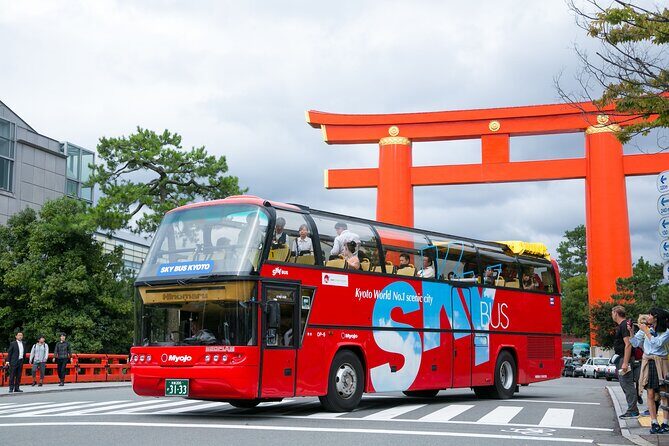
The duration is listed at about 1 hour 8 minutes. But here’s the key reality: hop-on, hop-off tours aren’t about sitting through the whole loop like a traditional guided coach. They’re about using that loop as your moving grid while you choose your own pace.
The practical catch is that buses may arrive less often than you’d hope. One review highlighted a roughly 50-minute interval, and that kind of gap matters. If you hop off and then decide you want “just one more stop,” you may find you’re waiting longer than you expected.
My advice: don’t schedule your day like it’s a perfectly timed clock. Instead, treat each hop as a mini-plan:
- pick one main sight per hop-off
- allow a short buffer for walking and photo stops
- then aim to return to the bus stop when you’ve had enough time, not when you’re still excited and running late
This keeps the experience relaxing rather than stressful.
East-Central Kyoto Stops: From Orientation to the Silver Pavilion Area
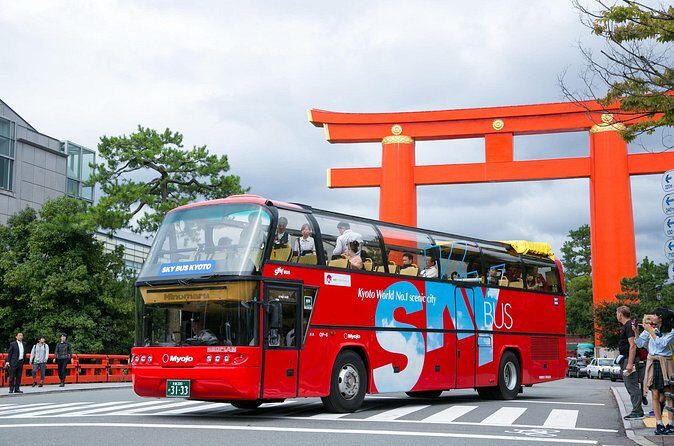
Your itinerary starts with Kyoto Station, and that’s a smart anchor point. It’s the kind of hub you can reach even on a busy arrival day, and it sets you up for either direction of your day. If you want an easy start, begin at Kyoto Station, ride a section, and decide how far you want to go.
From there, the route takes you through central grid zones and classic sightseeing blocks:
- Karasuma Gojo: a central stop that works well for repositioning without forcing you into complicated transfers.
- Shijo Karasuma Nishiki-Ichiba Market: the name alone signals “this is a go-to area.” If you want food snacks, people-watching, or shopping time, this is a natural place to hop off and reset.
- Kyoto City Hall: a useful landmark stop when you want the bus to act like a navigation backbone through the core of town.
Then you shift toward temple-and-garden Kyoto:
- Ginkakuji Temple (Silver Pavilion): the route places you near one of Kyoto’s most recognizable pavilion sights. This is an obvious choice when you want your day to include a major temple stop without spending time figuring out how to get there.
- Heian-jingu Shrine Okazaki Park: this is a strong pairing stop—shrine plus park area. Even if you’re not a “garden only” person, having a park-like setting can make a hop-off feel less like a sprint and more like a break.
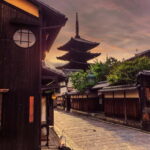
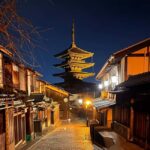
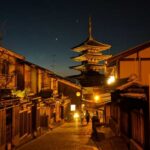
- KOTOWA KYASAKA (Gion-machi): the stop name tells you you’re moving into the Gion-machi area. This is a good choice if you want an evening vibe and want to keep your logistics easy without relying on walking long distances after dark.
- Gojozaka (Kiyomizu-dera Temple): this puts you right at one of Kyoto’s headline temple locations. If you only have time for one big east-side temple moment, this stop deserves the planning priority.
- Sanjusangendo Kyoto National Museum (Hyatt Regency Kyoto): the stop combines a well-known temple/museum area with an easy hotel reference point. That hotel-adjacent naming is helpful when you’re trying to confirm the correct boarding spot.
If you like structure, this cluster is your “east-and-central day.” Ride until you find your pace, hop off for one major sight at a time, and then return to the bus when your legs ask for a break.
West-Line Style Stops: Nishi Hongan-ji to Kitano-tenmangu
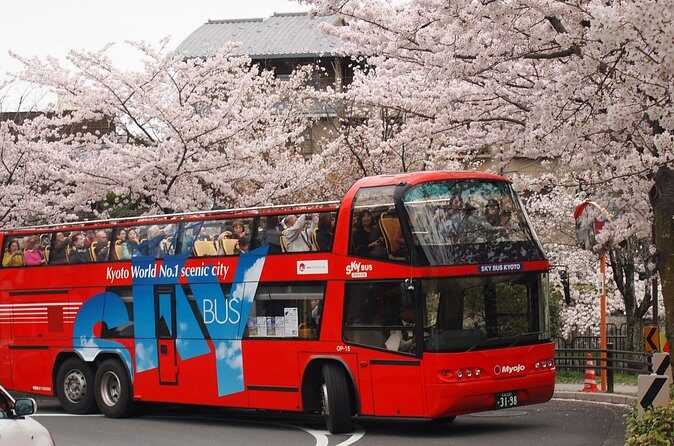
The second set of stops returns you to a Kyoto flow that mixes big-name sights with the kind of neighborhoods where you can get a different feel of the city.
It begins again at Kyoto Station, then continues with:
- Nishi Hongan-ji Temple: a major temple stop that helps you cover “west side highlights” without building a complicated route.
- Nijo-jo Castle: castle sightseeing is one of those things that can eat up time if you’re relying on trains and transfers. With the bus stop right in your plan, it’s easier to spend your energy walking and exploring rather than routing.
- Kitano-tenmangu Shrine Kamishichiken: shrine time on the bus is handy because it’s easy to think you’ll handle it later, then later turns into an empty day. This gives you a clear stop to make it happen.
- Kinkaku-ji: the Golden Pavilion is one of the most famous Kyoto sights for a reason. Having a dedicated stop means you can plan around it without guessing travel time.
- Daitoku-ji Temple: if you want a calmer, temple-heavy stop rather than only the headline crowd magnet, this name signals the kind of place people choose for a more contemplative visit.
- Kyoto Imperial Palace (Doshisha Univ.): an interesting stop because it’s labeled with a nearby university reference. That makes it easier to confirm you’re at the right place when you’re tired and your sense of direction has quietly surrendered.
- Back to Shijo Karasuma Nishiki-Ichiba Market: returning to a central food-shopping area makes this route feel practical. You can ride, hop off, and then end with an easy “pick up snacks and souvenirs” window.
If you prefer your day to include castles plus a “Golden Pavilion moment,” this west-line cluster can be your backbone.


Where Gion and Kiyomizu-dera Fit Into Your Day Plan
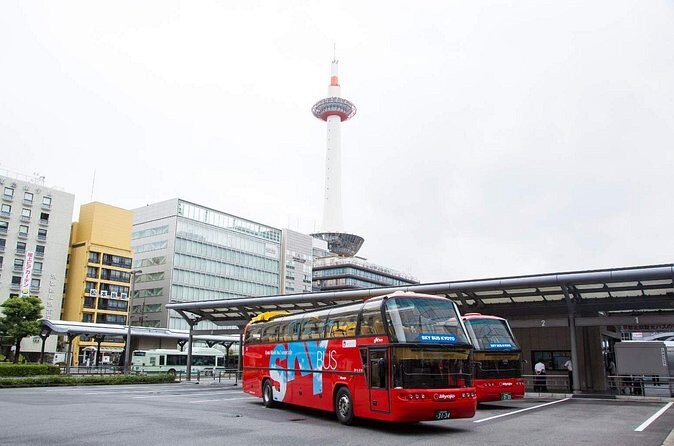
The itinerary includes two stops that strongly suggest an east-side evening-friendly plan:
- KOTOWA KYOTO YASAKA (Gion-machi)
- Gojozaka (Kiyomizu-dera Temple)
Here’s how to use them without getting stuck in a timing trap. Start with Kiyomizu-dera earlier in your day so you’re not dealing with all-day heat or late-day crowd dynamics. Then, later, aim for the Gion-machi stop for the atmosphere and the slower walking feel you’ll want after a temple visit.
Because the bus is hop-on hop-off, you don’t need to lock yourself into one perfect order. You can simply decide based on your energy level. If you’re feeling strong, you hop off for more time. If you’re tired, you ride a bit longer, then hop off where you still have daylight.
Practical Tips That Make the Ride Better
First, plan for warmth and hydration. One ride note I found particularly useful: it can get extremely hot, and bringing water makes a real difference when you’re sitting in the sun-exposed perspective of the upper deck. Even if you don’t plan to hop off, you still need to stay comfortable for the ride itself.
Second, expect the boarding area to be a little confusing at a major stop. One helpful comment was that the bus can be hard to find at the terminal because the terminal is large. When you arrive, don’t just wander with hope. Find the bus stop signage first, then join the line. This saves time and keeps your first boarding calm.
Third, know that the seat strategy matters. Because seating is unreserved, you’ll do better if you board with purpose at a stop rather than expecting to grab the best seat after everyone else already has.
Finally, if you’re tight on connections, you’ll want a little flexibility. One note mentioned that a related bus service was late, but the connection worked out. That’s a reminder: build in some breathing room when your sightseeing schedule depends on hopping back on.
Who This Tour Is Best For (And Who Should Skip It)
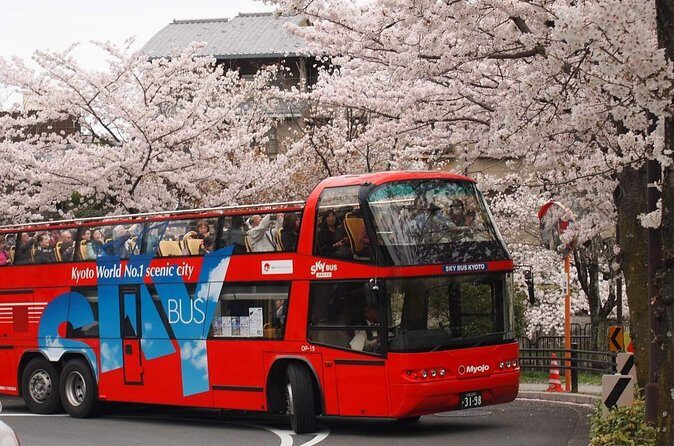
This bus tour is a great match if:
- you want one-ticket flexibility across multiple major Kyoto sights
- you like the idea of getting orientation from above while still controlling your pace
- you’re doing your first Kyoto visit and want a simple way to cover big landmarks without building a detailed route from scratch
- you value audio commentary and don’t want to rely solely on reading signs while walking
It may be less ideal if:
- your day plan is only one small zone and you won’t hop much
- you hate waiting and want near-instant departures
- you’re on an ultra-tight timetable where a longer headway could throw off your schedule
Think of this as a “transportation backbone + sightseeing structure” tool. If that matches your travel style, you’ll likely enjoy it.
Should You Book the Kyoto Hop-On, Hop-Off Bus?
Book it if you want a simple, low-stress way to hit Kyoto’s top temple and neighborhood stops, with multilingual audio and the freedom to hop on and off as many times as your day allows. At $45.56, it’s most worth it when you’re using the pass for several hops across different areas, not just a single ride.
Skip it or consider comparing alternatives if you’re the type who plans every minute and refuses to wait. With less-than-instant bus frequency, you’ll want buffers between hop-offs.
If you want a practical rule: use the bus to simplify the distance between places. Then use your time off the bus to keep your visits short, focused, and repeatable. That’s when the Kyoto Hop-On, Hop-Off experience feels like value instead of a compromise.
FAQ
How long is the Kyoto Hop-On, Hop-Off bus tour?
The duration is listed as about 1 hour 8 minutes.
Is seating reserved on the bus?
No. All seats on the bus are unreserved.
Can I hop on and off multiple times with the ticket?
Yes. You can get on and off as many times as you like at all Sky Hop Bus stops within the ticket validity period.
What’s included with the ticket?
It includes a multilingual audio guide, earphones, poncho in case of rain, and a one-day pass. A two-days pass is also available if selected.
Is there Wi‑Fi and audio on board?
Yes. The bus includes multilingual audio commentary and onboard Wi‑Fi.
Do children ride for free?
Children under age five can ride for free when sitting on the lap of their parents or guardians.