REVIEW · WALKING TOURS
Kyoto: Private Customized Walking Tour with a Local Insider
Book on GetYourGuide →Operated by City Unscripted · Bookable on GetYourGuide
Kyoto clicks fast with a local in your pocket, and this private walking tour is built for exactly that. You start with a short questionnaire, then you’re matched with a like-minded English-speaking host (guides such as Pam and Mia are among the examples you might get), who shapes the route around your interests and walking pace.
You get a truly personalized itinerary instead of a one-size-fits-all checklist.
The second thing I like is the food-and-culture focus that feels local, not staged. Hosts can work in stops like Nishiki Food Market or quieter temple-and-street scenes, and several guides have steered people toward standout meals, including a tiny counter-style experience in a home setting (one traveler described it that way). One consideration: it’s a walking tour, so there’s no private vehicle, and some transfers between areas may involve extra public transport or taxi costs.
In This Review
- Key things that make this Kyoto tour worth it
- Private, customized walking tour: why it works in Kyoto
- Meeting point and hotel pickup: starting clean, not complicated
- The pre-tour questionnaire: a small step that changes the whole day
- Route building in Kyoto: what your walk can include
- Temple and shrine time that teaches, not just tours
- Gardens and matcha pauses for a slower Kyoto pace
- Nishiki Food Market for flavor-first orientation
- Gion and traditional streets for atmosphere (and smart timing)
- Hidden lanes and quieter temples when you want Kyoto away from crowds
- Practical surprises: help with real life, not just sights
- Price and value: why $64 can make sense
- What’s not included: food, tickets, and transport costs you control
- Timing and duration: choosing 2, 3, 4, or 6 hours
- Accessibility and mobility: ask early and plan with your host
- Who should book this Kyoto private walking tour
- Should you book this Kyoto private customized walking tour?
- FAQ
- How long is the Kyoto private customized walking tour?
- Is this a private tour?
- What languages are guides available in?
- Where do we meet if pickup isn’t arranged?
- Are food and attraction tickets included?
- Can I use public transportation or taxis during the tour?
- Can I cancel, and do I pay immediately?
Key things that make this Kyoto tour worth it
- Questionnaire + direct host chat means your route starts personal, not generic
- Your pace matters: the schedule flexes so you can linger and adjust
- Food market time can be part of the plan, including Nishiki Food Market
- Off-the-crowd Kyoto is a theme, with guides known for finding quieter lanes
- Real insider guidance on what to do next, even after the walk ends
Private, customized walking tour: why it works in Kyoto
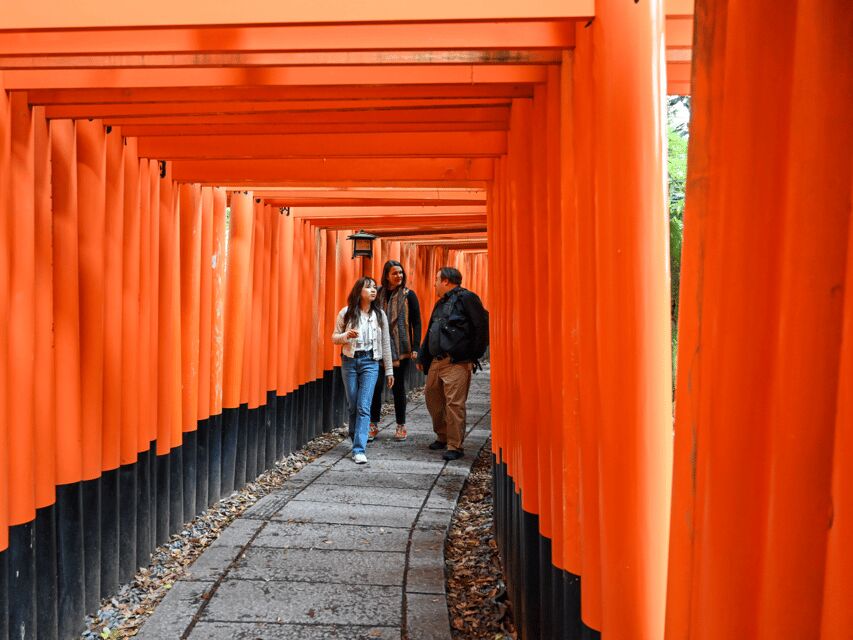
Kyoto is the kind of city where the difference between a good day and a great day is often small details: which shrine you hit first, which alley you step into for one more photo, and whether you know the right time to move before the crowds pool in. This tour is set up to help you make those calls.
The big win is customization. After you fill out the questionnaire, your host uses your preferences to build a route that matches your energy level and interests, whether that’s temples, food, gardens, Geisha-area streets, or simply learning how Kyoto people think about daily life. Several guides in the available feedback show a pattern: they talk, explain, and adjust on the fly instead of just pointing and moving.
The second practical win is that it’s private. You’re not negotiating around a group’s pace or getting rushed because someone else needs to be somewhere. That matters in Kyoto, where “nearby” can still mean a long walk and where some stops look better when you’re not shoulder-to-shoulder.
You can also read our reviews of more walking tours in Kyoto



Meeting point and hotel pickup: starting clean, not complicated

This is a walking experience, so the start matters. If you’re staying in a central Kyoto hotel, hotel pickup can be arranged. If not, you’ll meet your host at:
Starbucks Coffee – Kyoto Sanjo-ohashi Bridge
Japan, 〒604-8004 Kyoto, Nakagyo Ward, Nakajimachō, 113 近江屋ビル 1F
I like that the meeting point is clear and central. It keeps your tour from turning into a scavenger hunt. Also, because it’s private, your host can often give quick “here’s how the day will flow” context before you move.
One more detail to know: public transport or local taxis may be used between sites, and the exact cost can be discussed with your host after booking. So it’s smart to bring a little extra flexibility in your plans if your route jumps across neighborhoods.
The pre-tour questionnaire: a small step that changes the whole day
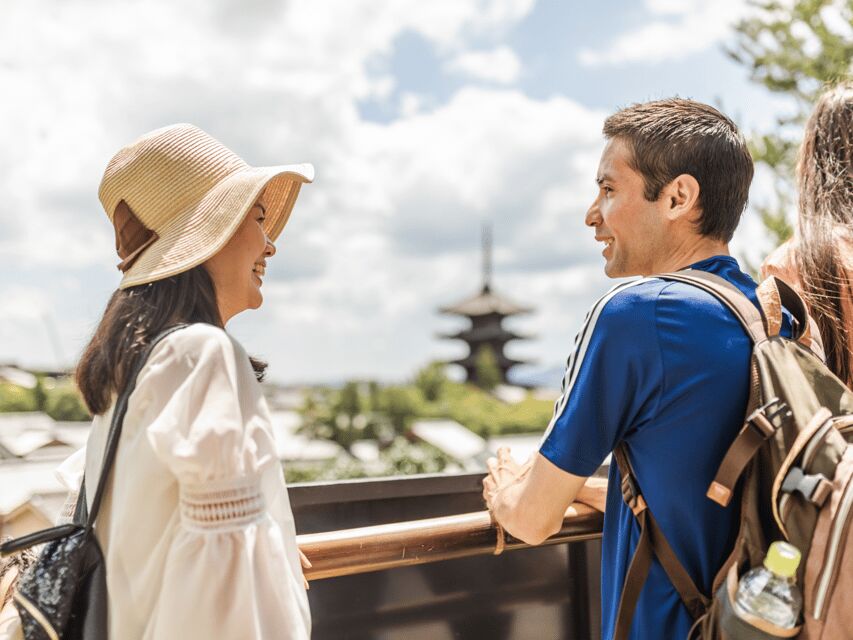
You’ll get a questionnaire about your interests and preferences, and your tour guide is assigned based on your answers. The host then communicates directly with you to plan the route and give recommendations. In other words, you’re not just buying time with a guide—you’re building your day.
A lot of the best feedback patterns in the available info point to this: hosts listen, then pivot. People have described tours that matched specific goals, like combining shrine visits with practical getting-around help, or including quieter areas when crowds got intense. One traveler even noted support with real-life details like helping them understand trains and purchase items they needed.
If you’re the type who likes a plan but hates feeling trapped by it, this system fits well. You’ll still get structure, but you’re not stuck if you suddenly want to spend 20 extra minutes at a temple gate or change directions because the street looks better in the moment.
Route building in Kyoto: what your walk can include
Because this is customized, there isn’t one fixed itinerary you have to follow. Still, there are common Kyoto “building blocks” your host can mix and match based on your interests and the time you choose.
Here are the types of stops that show up repeatedly in the guide approaches you’ll see, and why they work.
Temple and shrine time that teaches, not just tours
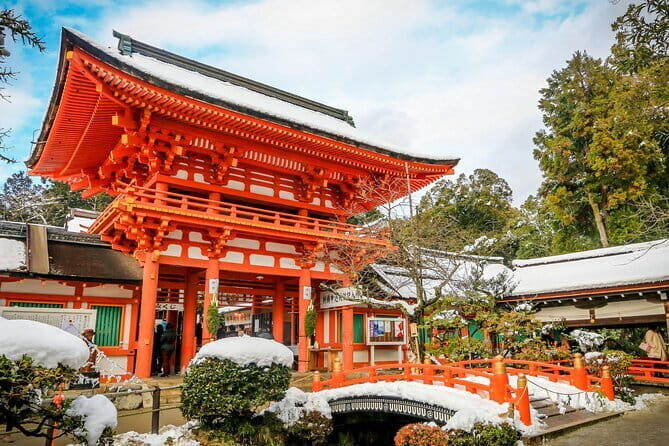
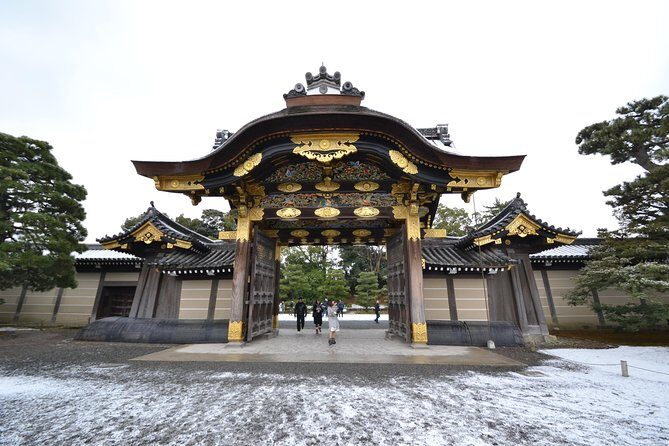
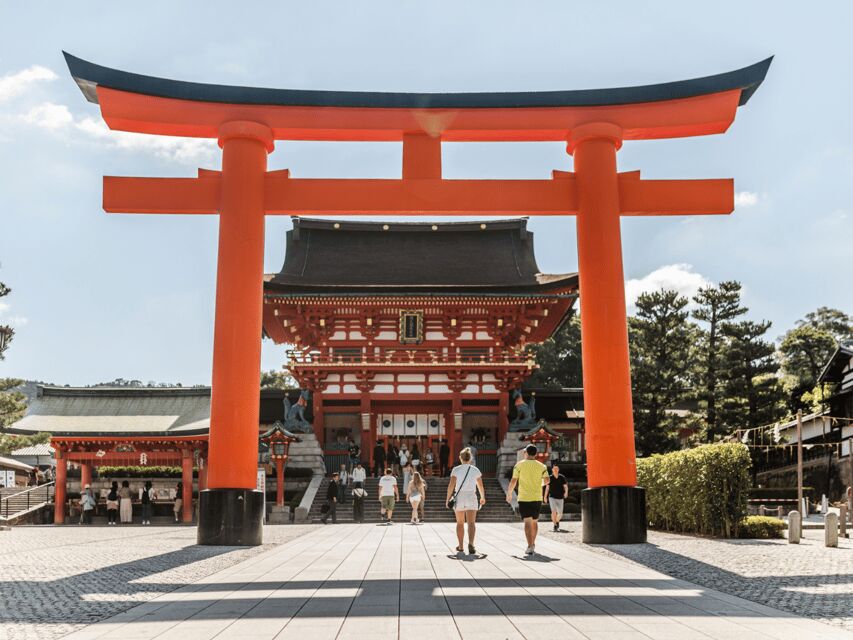
A core part of Kyoto sightseeing is the religious architecture—gates, halls, gardens, and incense-smoky corners. The value here is context. Several guides are noted for explaining how Japanese history, religion, and cultural habits connect to what you’re seeing.
What you’ll likely feel on the ground: you’ll stop longer than a typical rush-by tour, and you’ll hear small details that make the site feel readable. That’s the difference between seeing a temple and understanding why it’s placed the way it is.
One drawback to consider: some shrines and temples can be crowded on popular days. Since your route is flexible, your host can often adjust timing or sequence to reduce the worst bottlenecks.
You can also read our reviews of more private tours in Kyoto




Gardens and matcha pauses for a slower Kyoto pace
Kyoto gardens are not just eye candy. When explained well, they become a map: where to stand, what views are designed to frame, and how the space shapes quiet movement.
You might see stops like Nanzenji or an emphasis on garden storytelling. There’s also a strong matcha angle in the available examples, including guidance to a traditional tea setting connected to a temple visit. If you’re the type who wants your tour to include sensory breaks—smell, taste, stillness—this is where the day often becomes memorable.
Potential downside: tea and dessert spots are optional in practice. Because additional food and drinks aren’t included, you’ll want to decide ahead of time if you want these breaks to be a highlight or just a quick stop.
Nishiki Food Market for flavor-first orientation
If you want Kyoto fast, food markets help you get oriented. Nishiki Food Market shows up as a key stop in the feedback, often because it’s a compact way to sample local flavors and understand what Kyoto is proud of.
What makes it work in a private format is that your host can recommend what to try based on your preferences and dietary needs. One traveler mentioned lunch support that catered to a dietary requirement, which is the kind of detail that can turn a chaotic market into a smooth, enjoyable experience.
Watch-outs: markets mean standing and walking through tight aisles. If you’re sensitive to crowds or have mobility needs, tell your host early so the plan can account for it.
Gion and traditional streets for atmosphere (and smart timing)
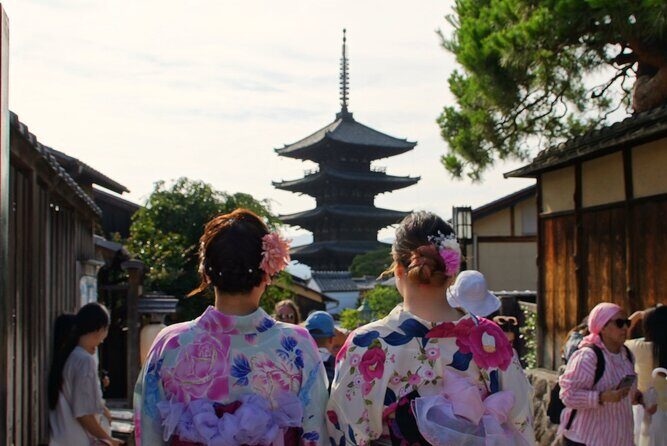
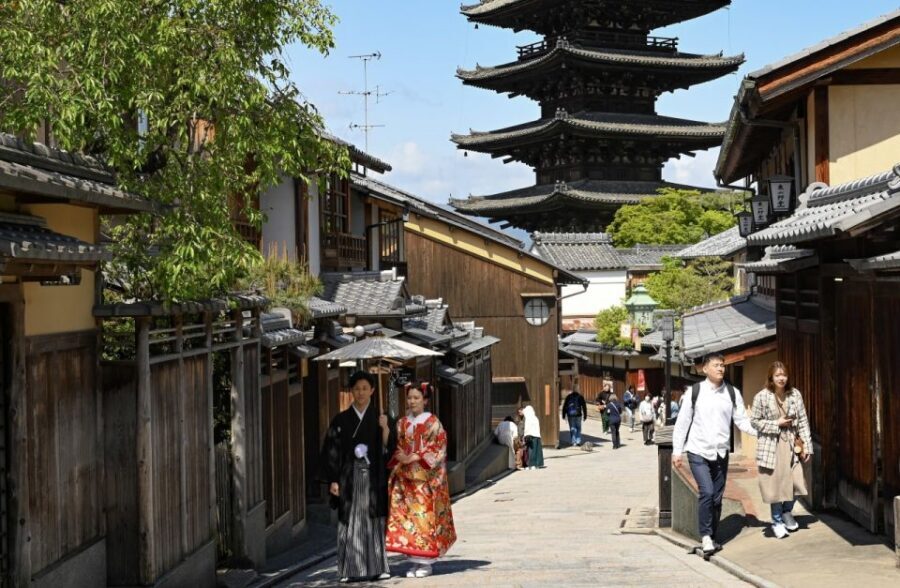
Gion is a must for many first-time Kyoto visits, but it can also feel like a theme park if you only see the most obvious pockets. A good host helps you read the street—where to look, how to move, and what to notice besides the obvious photo angles.
In the available information, Gion shows up in customized routes, especially during seasonal highlights like cherry blossom periods. Your host can also steer you toward less-crowded lanes, which is where the charm really lands.
A realistic consideration: Gion is photogenic and popular, so expect some busy moments. The advantage of private pacing is you can shift when the street thickens.
Hidden lanes and quieter temples when you want Kyoto away from crowds
One of the most repeated praise points is hosts taking people “off the beaten path.” That can mean small alley detours, less-trafficked garden corners, and routes that reduce the time you spend stuck behind tour buses.
The payoff is huge. Kyoto is big enough that being strategic can save your whole day. One traveler specifically described a guide who took them to areas with no crowds and included a unique meal stop in a tiny counter setting in someone’s home.
What to know: hidden areas sometimes mean walking a bit longer between sites. If you choose a shorter duration, the tour may have less time to roam into distant pockets.
Practical surprises: help with real life, not just sights
A private local guide can also be a problem-solver. In the feedback examples, hosts helped with things like:
- assisting with understanding trains and getting around
- helping purchase items people needed
- backtracking to retrieve a forgotten phone at a site
- adjusting plans to mobility issues with real care
This is one reason I like private tours in Kyoto: the guide is not only your interpreter. They can act like your local support system.
Price and value: why $64 can make sense
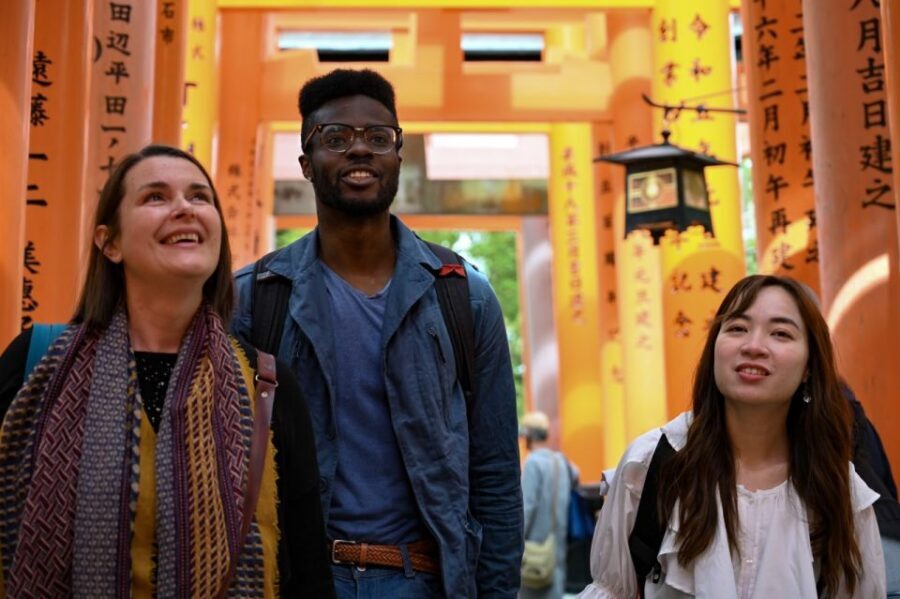
At $64 per person for a 2–6 hour private walking experience, the value depends on how you travel.
If you’re a first-timer, it can be a cost-effective way to avoid random guesswork. A host doesn’t just show places—they help you prioritize, order stops smartly, and get better food and timing decisions. When you’re paying for a guide’s time, the goal is to turn that time into saved effort and better choices.
If you have specific interests—shrines, gardens, markets, Geisha-area streets, food—you’re also more likely to get your money’s worth. Customization is where this price starts to feel fair, because you’re not paying for extra time at places you didn’t care about.
The only situation where you might question the value is if you already know Kyoto very well and can build your own route confidently. But for most people—especially during the first days—the combination of a local’s insight plus flexibility tends to make the price feel reasonable.
What’s not included: food, tickets, and transport costs you control
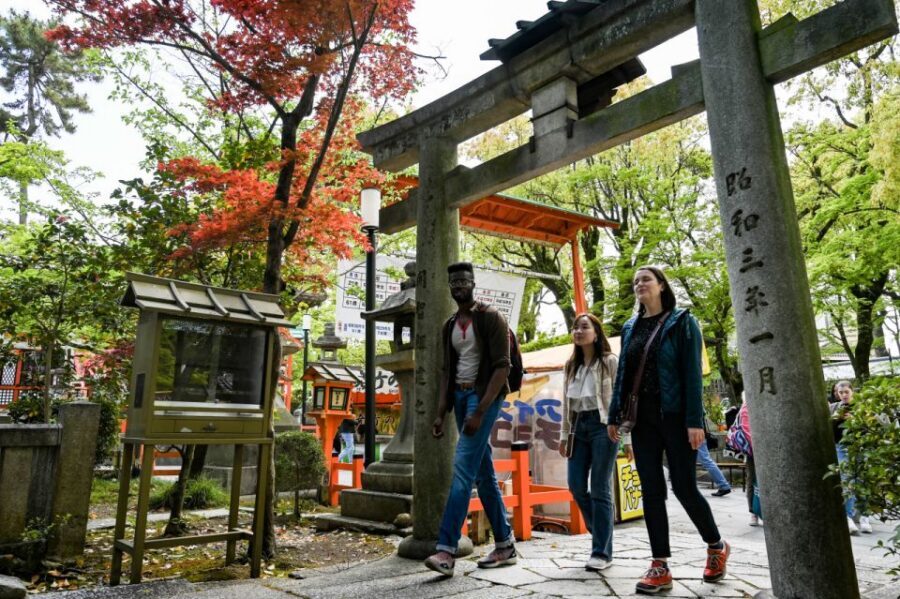
Here’s the tradeoff with any walking tour that’s designed to be flexible: it’s not a bundle of everything.
Not included:
- additional food and drinks
- attraction tickets
Also, transportation costs might apply if you move between areas by public transport or taxi. Your host can discuss that after booking.
This setup can actually be good. It keeps you from paying for stuff you might skip. But it does mean you should budget for meals and any tickets you decide to add.
My advice: tell your host your comfort level early. If you want to keep it lean, ask for mostly walk-and-see stops. If you want food to be a major part of the day, ask for restaurant and market guidance that fits your pace.
Timing and duration: choosing 2, 3, 4, or 6 hours
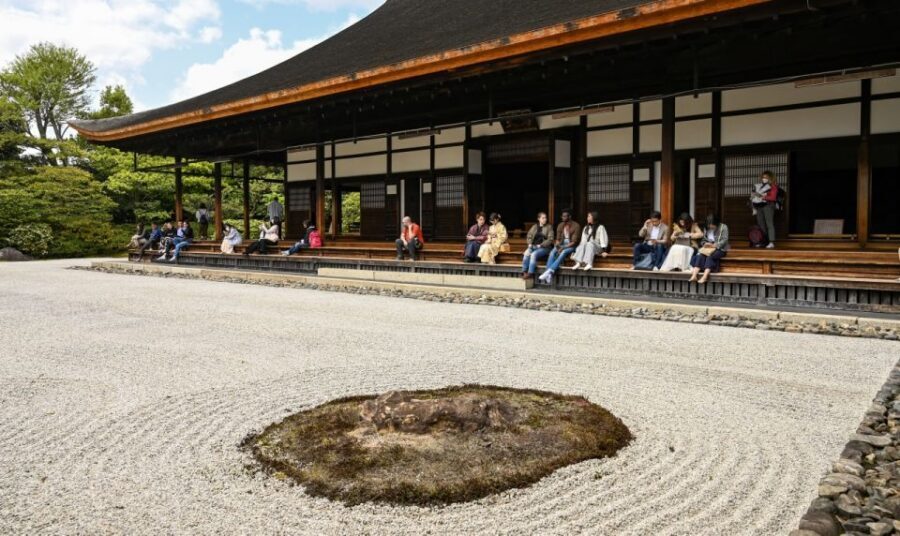
Your tour duration is flexible: 2 to 6 hours. Picking the right length changes the “feel” of the day more than most people expect.
- 2 hours: best for orientation. Aim for a tight route with a temple or shrine highlight plus one meaningful cultural street stop.
- 3–4 hours: the sweet spot for a first Kyoto day. You can often include one major site cluster plus market or neighborhood time.
- 6 hours: for deeper connection. This is where off-the-crowd lanes, garden explanations, and longer conversations tend to shine.
A practical note: the experience is still walking-based, so your chosen duration should match your stamina. The hosts often adapt, but you’ll have a better day if you don’t force the pace.
Accessibility and mobility: ask early and plan with your host
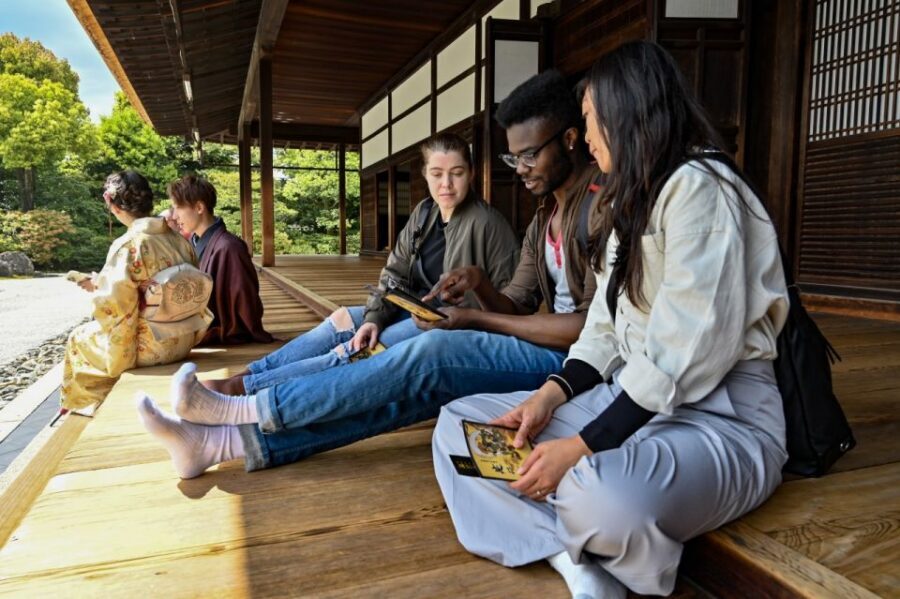
The tour is listed as wheelchair accessible, which is great. Still, because it’s a walking experience and routes may involve uneven streets or transit transfers, the smart move is to communicate your mobility needs during planning so your host can shape the route and pacing.
In the available examples, hosts handled mobility concerns with care, including adjusting how the day flowed. Use that as a reminder: your guide can respond, but you need to tell them what matters to you.
Who should book this Kyoto private walking tour
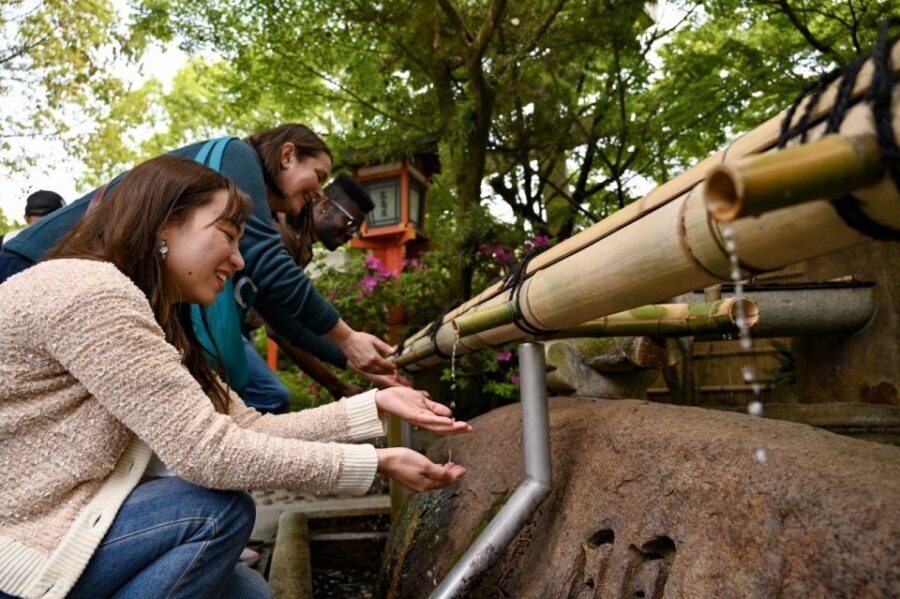
This tour fits best if you want:
- a private, customized day instead of a rigid checklist
- a local who can explain what you’re seeing and why it matters
- food guidance that feels practical, not touristy
- flexibility for seasonal moments, like cherry blossom timing, and for spontaneous detours
It’s also a strong match for people who want to ask lots of questions. Many guides in the available feedback were described as cheerful, talkative, and ready to answer everything from cultural context to logistics.
If you’re traveling with kids, it can work well too. One traveler mentioned a guide helping cheer up a grumpy kid so the rest of the group could enjoy the walk.
Should you book this Kyoto private customized walking tour?
Yes, if you want your Kyoto day to feel personal and efficient. The core reason to book is customization with flexibility—you’re not stuck with someone else’s idea of what matters. The price also becomes easier to justify when you’ll use the guide for food recommendations, smart timing, and off-the-crowd navigation.
Skip it (or think carefully) if you’re chasing a fixed, ticket-based agenda and you prefer to plan everything alone. You can still do Kyoto well on your own, but this tour is especially valuable when you want a local’s judgment steering the day.
If you book, do one thing that makes it work: use the questionnaire honestly. Tell your host what you love, what you don’t, and how fast you walk. That’s the switch that turns Kyoto from “a list of sights” into a day that actually feels like yours.
FAQ
How long is the Kyoto private customized walking tour?
You can choose a duration from 2 to 6 hours, based on availability.
Is this a private tour?
Yes. It’s a private group experience, so the itinerary is tailored to you.
What languages are guides available in?
Guides can be English-speaking or Japanese-speaking.
Where do we meet if pickup isn’t arranged?
If hotel pickup isn’t arranged, the meeting point is Starbucks Coffee – Kyoto Sanjo-ohashi Bridge (Nakajimachō, Nakagyo Ward).
Are food and attraction tickets included?
No. Additional food, drinks, and attraction tickets are not included.
Can I use public transportation or taxis during the tour?
Since it’s a walking tour, a private vehicle is not included. Public transportation or local taxis may be used to transfer between sites, and costs can be discussed with your host after booking.
Can I cancel, and do I pay immediately?
You can reserve now and pay later, and you can cancel up to 24 hours in advance for a full refund.