REVIEW · COOKING CLASSES
Ramen Cooking Class at Ramen Factory in Kyoto
Book on Viator →Operated by Japan food entertainment Ltd · Bookable on Viator
Ramen in Kyoto hits different when you make it yourself. This hands-on class at Ramen Factory Kyoto turns ramen-making into a guided, small-group workshop, ending with the bowl you built. You learn the full workflow: knead and roll the noodles, mix the broth, prep toppings, then sit down to eat.
I especially like two things. First, you’re not just tasting—you’re making ramen noodles from scratch with instruction you can actually follow, including the satisfying step where you shape and press the noodles. Second, the class feels personal because you choose flavors and toppings, and the factory supports Halal-certified needs plus vegetarian and vegan options (vegan by request).
One thing to consider: this is active cooking, so expect a bit of mess with dough and kitchen prep—and the price includes your lunch, but drinks aren’t included, so plan to buy what you need nearby.
In This Review
- Key Details That Make This Class Worth Your Time
- Kyoto’s Ramen Factory Class: What You’ll Be Doing From Minute One
- Price and Value: Does $131.32 Make Sense in Kyoto?
- Getting There: The Meeting Point and Timing That Help
- The Hands-On Noodle Lesson: What You Learn and Why It Matters
- Broth and Toppings: Building a Bowl You’d Actually Order Again
- Dietary fit: Halal, vegetarian, and vegan options
- Lunch Right After Cooking: How the Meal Works
- The Instructor Energy: Why Names Matter Here
- Small Group Size and Mobile Tickets: Smooth, Not Stressful
- Photos and the Media Notice: What You Should Know Before You Go
- Who This Ramen Class Is Best For
- Should You Book This Ramen Cooking Class at Ramen Factory?
- FAQ
- How long is the Ramen Cooking Class?
- How much does the class cost?
- What’s included in the price?
- Are there vegetarian, vegan, or Halal options?
- Do I need to bring drinks?
- Where is the meeting point?
- Is there a limit on group size?
Key Details That Make This Class Worth Your Time
- Make noodles from scratch, not just assemble toppings
- Pick your flavor and toppings, so your bowl is truly yours
- Halal-certified, with vegetarian and vegan options by request
- Lunch is included—your work becomes your meal right after cooking
- Small group (up to 20), which keeps the pace friendly
- Mobile ticket and a fixed meeting spot in Kyoto
Kyoto’s Ramen Factory Class: What You’ll Be Doing From Minute One
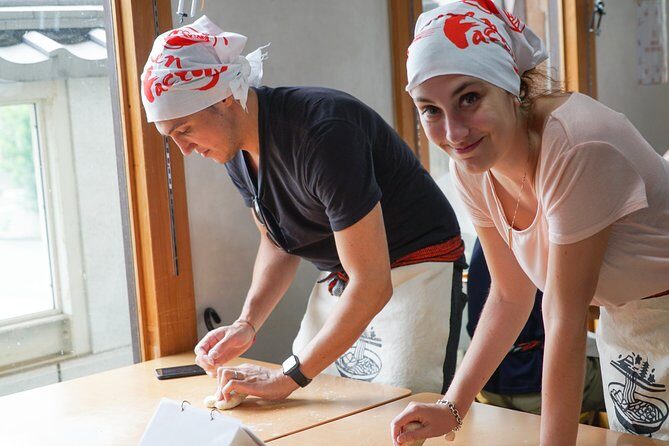
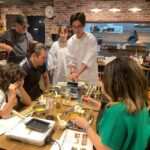
This experience is designed like a real cooking class, not a show. You start by heading to Ramen Factory Kyoto (the meeting point is in the building at BF1), then you get pulled into a small-group workflow where the instructor talks, demonstrates, and then helps you do the steps yourself.
The big appeal for me is the scope. A lot of food classes let you customize, but they stop short of teaching the core ramen basics. Here, you work through the heart of the dish—noodles, broth, and toppings—so when you eat, it actually makes sense why ramen tastes the way it does.
And yes, it ends with lunch. That matters in Japan, where you can easily burn half a day bouncing between food spots. This one is structured: cook, eat, done.
You can also read our reviews of more cooking classes in Kyoto
Price and Value: Does $131.32 Make Sense in Kyoto?

At $131.32 per person for about 1 hour 30 minutes, the value mostly comes from what’s included. You’re not paying only for “a lesson.” The price includes:
- Tour escort/host
- Local taxes
- Food tasting
- Lunch
Drinks are not included, so you may want to budget for water or tea on the spot.
Here’s the practical way to think about it: you’re paying for a guided, hands-on meal experience where you leave with both food and skills. If you’ve ever eaten great ramen in Japan and wondered what’s behind that springy noodle bite and balanced broth flavor, this class is the shortcut.
Also, the timing options help. With several departure times, you can pick a slot that fits your day instead of forcing ramen into whatever free time you accidentally created.
Getting There: The Meeting Point and Timing That Help
You meet at Japan, 602-0841 Kyoto, Kamigyo Ward, Kajiichō, 44714 BF1 Ramen Factory Kyoto. The class is near public transportation, which helps a lot in Kyoto where walking routes can feel longer than they look on a map.
I’d plan your day around this one small rule: book a time that lines up with eating. Because lunch is included, you don’t want to schedule it right before a heavy meal unless you enjoy being that person who confidently eats again 30 minutes later.
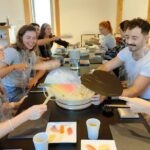
The class also runs in a small group environment with a maximum of 20 travelers. That’s enough to feel social, but usually not so crowded that you can’t get help when your dough does something weird.
The Hands-On Noodle Lesson: What You Learn and Why It Matters
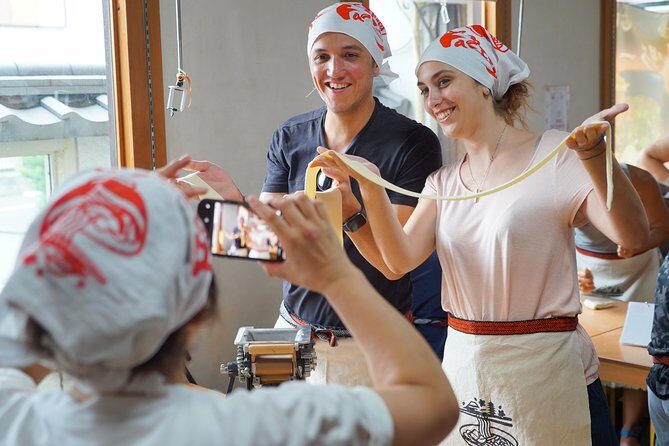
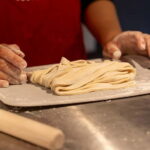
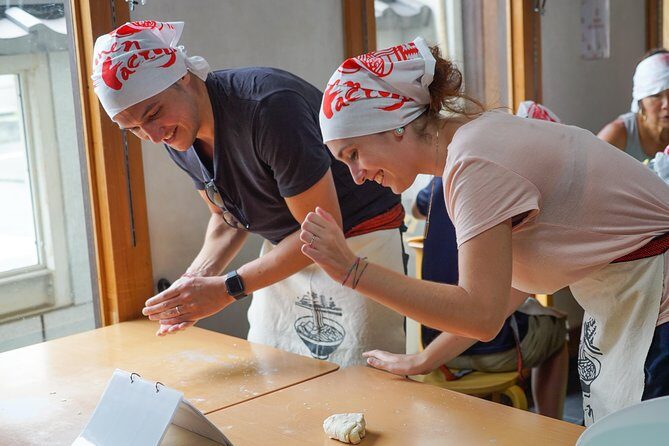
The core of the class is making ramen noodles from scratch. You’ll work through the dough process under instruction—kneading and rolling, then moving into shaping and pressing so you end up with noodles ready for the rest of your ramen build.
This is where the experience turns from entertainment into real skill. Ramen noodles may seem simple, but they’re all about texture—how the dough is handled, how it’s shaped, and how it’s prepared so the final noodle feels right in the bowl.
Some instructors also guide you through extra cooking steps for the topping components. For example, you might tie and cook a chicken portion in broth, then roast it after cooking using a small torch. You’re not doing this alone—this is guided—but it gives you a better sense of the flavor layers that make ramen toppings feel rich instead of flat.
And you’ll notice something from the way the staff teaches: they don’t just focus on the final bowl. They teach what to watch for along the way. That’s the difference between copying instructions and actually learning how ramen comes together.
Broth and Toppings: Building a Bowl You’d Actually Order Again

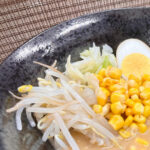
Once the noodle foundation is underway, the class shifts to flavor. You’ll mix the soup and prepare toppings, then customize your bowl by choosing options that match your preferences.
The customization part is more important than it sounds. Ramen isn’t one recipe—it’s a set of choices: noodle thickness, broth seasoning, and topping style. When you actively pick flavors and toppings, you start to understand why two bowls labeled ramen can taste like two different meals.
You can also read our reviews of more tours and experiences in Kyoto



Dietary fit: Halal, vegetarian, and vegan options
The factory is Halal-certified, and vegetarian and vegan options are available on request. A vegetarian option is clearly offered, and for vegan, you’re asked to contact after booking so they can prepare appropriately.
This is genuinely useful for planning. Instead of playing the guessing game at random restaurants, you’re cooking in a kitchen that supports your needs.
Lunch Right After Cooking: How the Meal Works
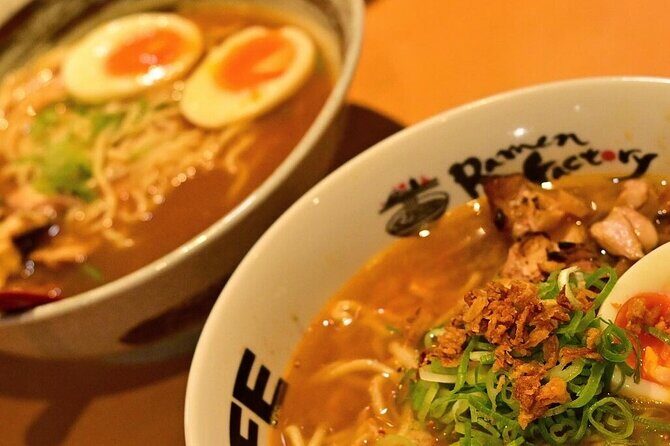
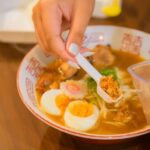
When class wraps up, you eat your own bowl of home-cooked ramen. This is the moment where everything clicks.
I like that lunch is included because it keeps the experience balanced. You don’t finish the class and then wonder if the meal will be an afterthought. Here, you’re eating the payoff immediately—so the taste feels connected to the work you just did.
One practical tip: come ready to eat. People tend to underestimate how filling a ramen lunch can be when they’ve been active cooking for 90 minutes. You’ll likely appreciate having water ready, since drinks aren’t included in the tour price.
Also, if you’re trying different toppings or flavor combinations, this is the time to focus. Don’t treat it like a quick bite between activities. Taste it like you’re collecting clues.
The Instructor Energy: Why Names Matter Here
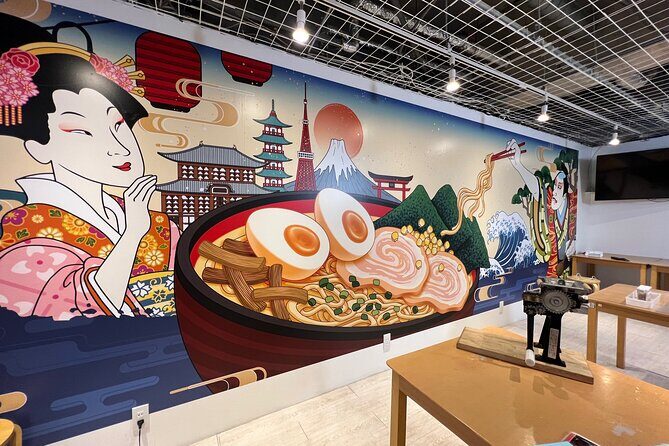
A lot of cooking classes are similar: someone explains, someone demonstrates. What makes this one feel memorable is the instructor presence—fun, quick, and hands-on.
You may meet instructors like Mahiro, who’s described as funny and encouraging while helping people make delicious ramen. Other names that come up include Moeka, China, Haruka, Fuku, Reika, Akemi, Hiro, and Moe. Even if your instructor is different, the pattern is consistent: the teaching style is meant to keep you moving and not stuck, even if you’ve never touched ramen dough before.
For me, that’s the real value in a class. Technique matters, but so does confidence. If the instructor makes it feel doable, you’ll remember the skills longer.
Small Group Size and Mobile Tickets: Smooth, Not Stressful
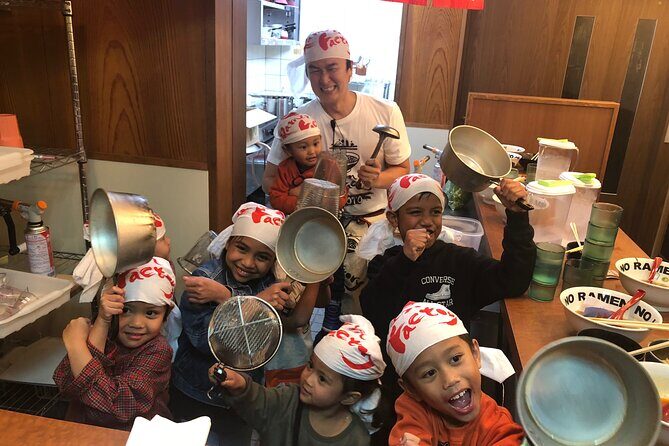
With a maximum of 20 travelers, the room setup is usually calmer than the big tour-bus chaos. That matters when you’re cooking, because you’ll want quick help—especially during steps that can feel fiddly at first.
You’ll also have a mobile ticket. That’s convenient in a city where you might be juggling transit cards, maps, and screenshots. You still want to double-check you have the ticket accessible before you head in.
Confirmation is received at booking, and the meeting point is clearly defined. These details add up to less friction, more time for the actual experience.
Photos and the Media Notice: What You Should Know Before You Go
There’s a media shooting notice for the visit. You may be photographed or filmed for promotional shoots, professional video production, or 360-degree recordings, and the footage can be used without compensation worldwide for promotional and advertising purposes.
If you don’t want to appear on camera, tell staff before the class begins. They say they’ll do their best to accommodate.
This is one of those “better to know now” points. Even if you love photos, you might prefer to avoid being in video-style clips if you’re traveling with family or just don’t want your face online.
Who This Ramen Class Is Best For
This works well if you fit one or more of these:
- You love ramen and want to understand it, not just eat it
- You’re traveling with family and want a hands-on activity that everyone can join
- You want a structured food experience that ends with a satisfying lunch
- You have dietary needs and want a kitchen that can handle Halal and vegetarian/vegan requests
It may be less ideal if you’re in Kyoto for quick sightseeing only and hate cooking. This class is active, and the schedule assumes you’re ready to work with ingredients—not just watch.
Should You Book This Ramen Cooking Class at Ramen Factory?
I’d book it if you want a Kyoto food experience that’s more than a meal. The biggest reason is the full process: noodle-making from scratch, broth work, topping prep, then you eat the results right away.
Skip it only if you’re not interested in cooking, or if you already have ramen planned from your must-do list and don’t want to add a hands-on meal on top. Also remember the class includes lunch, but drinks aren’t included, so you’ll want to handle hydration on your own.
If you’re even mildly curious about how ramen becomes ramen, this is the kind of activity that gives you a story—and skills—you can repeat later at home.
FAQ
How long is the Ramen Cooking Class?
The class lasts about 1 hour 30 minutes.
How much does the class cost?
The price is $131.32 per person.
What’s included in the price?
The tour includes a tour escort/host, local taxes, food tasting, and lunch.
Are there vegetarian, vegan, or Halal options?
The factory is Halal-certified. Vegetarian options are available, and vegan options are available on request (you should contact after booking if you need vegan).
Do I need to bring drinks?
Drinks are not included, so you’ll want to plan for beverages separately.
Where is the meeting point?
You meet at Ramen Factory Kyoto in Kyoto, Kamigyo Ward, Kajiichō, 44714 BF1.
Is there a limit on group size?
Yes. The class has a maximum of 20 travelers.