REVIEW · ARASHIYAMA TOURS
Private Day Tour – Kyoto Arashiyama & Bamboo Forest Perfect Tour!
Book on Viator →Operated by OTOMO Travel Guide · Bookable on Viator
Arashiyama looks famous for a reason. This private tour strings together iconic sights and the calmer corners nearby, so you’re not just checking boxes—you’re walking through the real rhythm of the area. I like that the route mixes nature (the bamboo grove and Katsura River views) with temple stops that change the mood fast.
My second big win is the pace: about 6 hours with a private guide keeps transitions smooth, and you can spend your time where your feet and eyes care most. The main drawback to keep in mind is crowding at the headline spots, especially around the bamboo area and major temples—still manageable, but not silent.
In This Review
- Key Highlights You’ll Actually Feel
- Starting Point: Saga-Arashiyama Station and a Clean Start at 10:00
- Nonomiya Shrine: Bamboo Forest Magic With a Literary Backstory
- Arashiyama Bamboo Grove Trail: The Famous Walk (and How to Make It Better)
- Jojakko-ji Temple: Mid-Mountain Greenery and Seasonal Maple Detail
- Tenryu-ji Temple: A Zen Temple Built by the Muromachi Shogunate
- Arashiyama Shopping Street: Food, Souvenirs, and a Breath of Everyday Kyoto
- Togetsukyō Bridge: Quick Stop, Worth It Views Over Katsura River
- Monkey Park Iwatayama: Optional Upgrade for Viewpoints and Wildlife
- Price and Value: What You Pay for Private Time (and What You’ll Still Need)
- Crowds, Weather, and Real-World Comfort
- Who This Tour Fits Best
- Should You Book the Private Kyoto Arashiyama Tour?
- FAQ
- How long is the private Kyoto Arashiyama tour?
- Where do we meet and when does the tour start?
- What sights are included in the tour?
- Which entrance fees are free, and which are not included?
- Is it really private?
- What happens if the weather is bad?
Key Highlights You’ll Actually Feel
- Private guide, private group: only your group participates, so you can ask questions and set your own tempo.
- Bamboo Grove plus Genji-era shrine: Nonomiya Shrine sits in the bamboo forest story world of The Tale of Genji.
- Two major Zen/temple visits: Tenryu-ji and Jojakko-ji give you seasonal greenery and Zen architecture context.
- Togetsukyō Bridge timing: quick but scenic Katsura River stop with a name tied to moon movement over the bridge.
- Arashiyama shopping street time: room to snack, browse, and pick up Kyoto souvenirs without feeling rushed.
- Monkey Park option (not included): add-on time if you want wild monkeys and a higher viewpoint over Kyoto.
Starting Point: Saga-Arashiyama Station and a Clean Start at 10:00
Your day begins at Saga-Arashiyama Station (near Sagatenryūji Kurumamichichō, Ukyo Ward) at 10:00 am. This is a smart base for Arashiyama, because you’re not starting miles out and you can move into the sights without wasting time.
The tour ends at Arashiyama Station (Keifuku Arashiyama Main Line). That’s convenient because you can line up your next train or bus plan without backtracking through the same area.
You can also read our reviews of more private tours in Kyoto
Nonomiya Shrine: Bamboo Forest Magic With a Literary Backstory
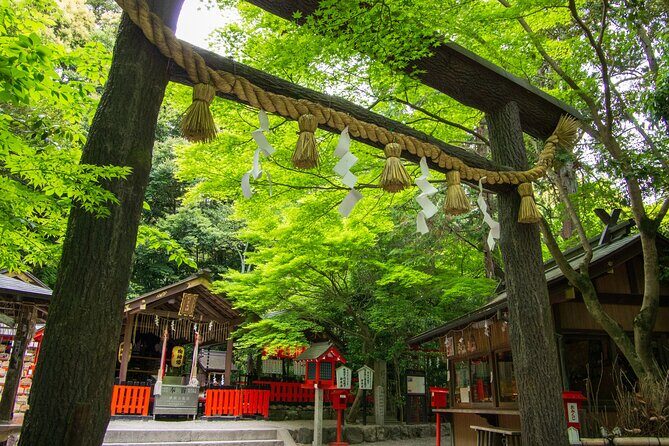
You’ll first hit Nonomiya Shrine, about a 20-minute stop, and admission is free. The shrine is located in the bamboo forest, and it’s tied to the 1,000-year-old classic The Tale of Genji—a detail that makes the place feel more than just pretty.
For photos, this is one of those spots where the bamboo frames you instantly. For your experience, the value is the meaning: your guide can help connect why Kyoto lovers return to Arashiyama again and again—trees, ritual, and story all in one view.
Arashiyama Bamboo Grove Trail: The Famous Walk (and How to Make It Better)
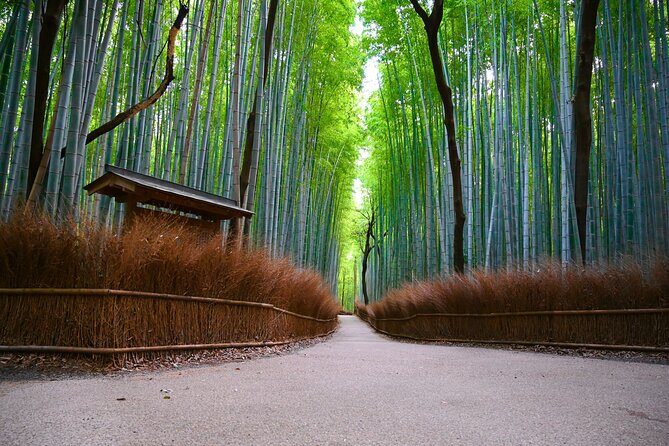
Next comes the Arashiyama Bamboo Grove trail, around 15 minutes, also free. Expect tall bamboo (about 20 meters) rising on both sides along a roughly 400-meter path. It’s short, which means you can enjoy it without feeling trapped for hours.
Here’s the reality: this is one of Kyoto’s most photographed places, so it can feel crowded. The good part is that a private guide can adjust where you linger, where you pause for photos, and how you move through bottlenecks. In at least one case, the guide steered visitors toward a quieter nearby garden area next to the main bamboo zone, which is exactly the kind of small tactical move that changes the mood.
Jojakko-ji Temple: Mid-Mountain Greenery and Seasonal Maple Detail
Your next stop is Jojakko-ji Temple, about 30 minutes, with admission not included. It sits halfway up Mt. Ogura and is surrounded by lush greenery, with many maple trees planted in the grounds.
Even if you’re not there in peak maple season, the layout and planting are still the point: this temple isn’t trying to be a one-note photo background. It’s a place to slow down and notice how Kyoto temples often use terrain and planting like part of the architecture.
Practical note: since you’ll be walking throughout the day, comfortable shoes matter here. Even a moderate slope feels longer when you’re doing it between other temple stops.
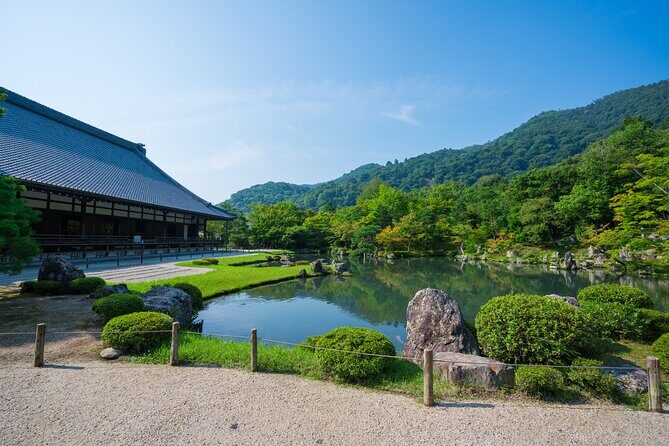
Tenryu-ji Temple: A Zen Temple Built by the Muromachi Shogunate
Then you’ll visit Tenryu-ji Temple for about 1 hour, again with admission not included. Tenryu-ji is described as a representative Zen temple in Arashiyama, and it was built by the first shogun of the Muromachi Shogunate.
This is where the tour gets deeper and more grounded. It’s not just a pretty building; it’s a historical and religious site that helps explain why Arashiyama developed into a Kyoto must-see. If you like temples for more than photos—if you care about how power, religion, and landscape connect—this hour is a strong anchor.
Also, Tenryu-ji is a likely crowd magnet. Your best move is to be flexible: if one angle is packed, you’ll still get value from the broader layout and the calmer spots your guide can point out.

Arashiyama Shopping Street: Food, Souvenirs, and a Breath of Everyday Kyoto
After temples, you get time to reset at Arashiyama shopping street, about 1 hour. This is where the day becomes more human: snacks, small shops, and Kyoto-themed souvenirs you can browse without a schedule trap.
Admission here is free, and the value is practical. You’re already in a sightseeing zone—this is your chance to eat what you actually want (not what’s convenient for someone else’s itinerary) and to pick up gifts that don’t feel like airport leftovers.
If it’s warm, plan for breaks. One review mentioned late July heat as a real factor, and Arashiyama can feel intense in summer. Having an hour in the shopping area helps you cool off while staying in the flow of the day.
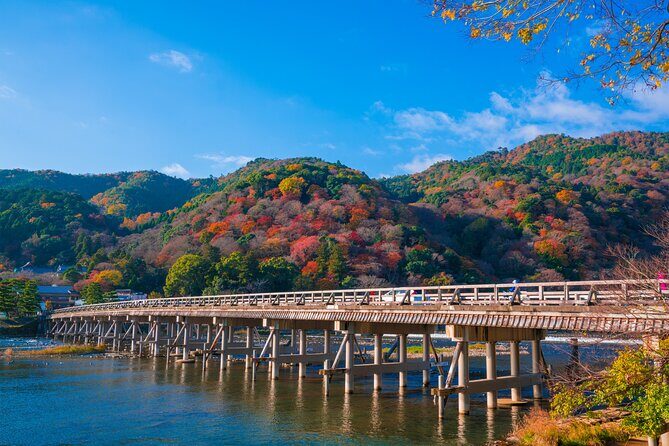
Togetsukyō Bridge: Quick Stop, Worth It Views Over Katsura River
Next is Togetsukyō Bridge, around 20 minutes, also free. This bridge spans the Katsura River and is a symbol of Arashiyama.
What makes this stop more than a photo op is the story tied to the name. It’s said the name came from the way the moon moves over the bridge, which gives you a nice lens for understanding how Japanese place names often link nature, observation, and atmosphere.
You won’t need long here, but it’s a good punctuation mark. After dense bamboo and temple time, the river and bridge help your eyes recover and your brain file the day in order.
Monkey Park Iwatayama: Optional Upgrade for Viewpoints and Wildlife
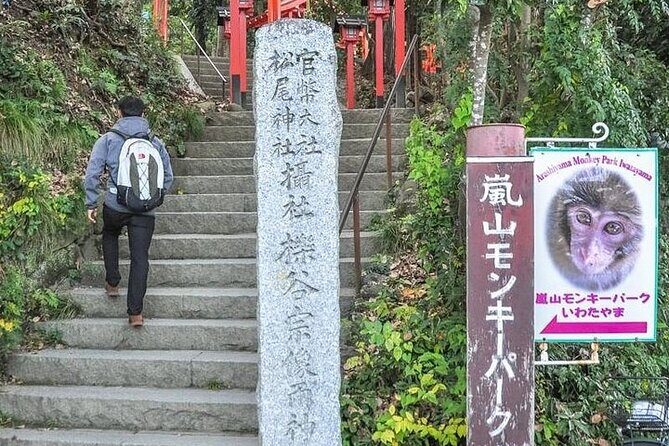
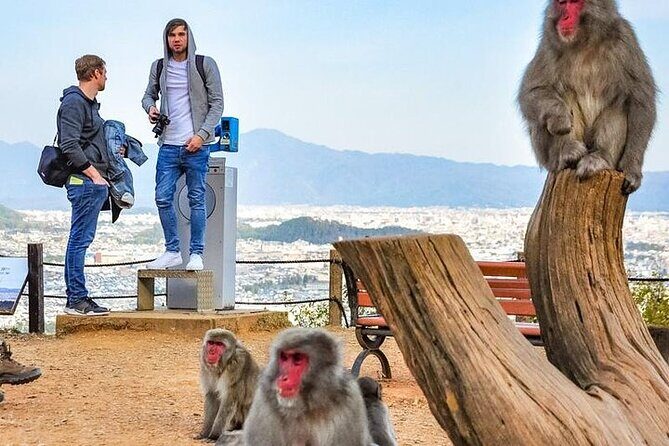
If you choose to add it, Monkey Park Iwatayama is about 1 hour 20 minutes, with admission not included. This is the park known for Arashiyama wild monkeys, and it also gives you city views from the top.
Is it worth it? If you like animals and want a higher vantage point that isn’t just another temple yard, it can be a great final act. If you’re sensitive to heat and walking distance, you should consider your energy level first, because you’ll be stacking one more effort onto an already active day.
Price and Value: What You Pay for Private Time (and What You’ll Still Need)
The tour price is $119.22 per person for a private day tour of about 6 hours. It includes a tour guide, and it also covers necessary guide expenses. It’s listed with mobile ticket and includes group discounts, though you’ll want to confirm what your specific booking includes.
What’s not included is the big reality check: the tour estimates around 3,500 JPY per person for additional costs, including 2,400 JPY in admission fees and 1,000 JPY for meals. Optional experience costs are listed as 100 JPY per person. The tour also states that transportation costs, admission fees, and food and drink costs incurred at visited spots are borne by the customer, even though the estimate shows transportation as 0 JPY. In plain terms: assume you’ll pay for entries and meals, and be ready for any transit costs that come up.
So is it good value? For me, it is when you want:
- a private, guided route through Arashiyama’s top sites without getting lost,
- an itinerary that naturally mixes temples, bamboo, bridge views, and shopping,
- and enough structure that crowds don’t wreck your whole day.
If you’re the kind of traveler who wants total freedom with no scheduling, you might prefer going on your own. But if you’d rather spend your energy on sights, not route-planning, this private setup makes sense.
Crowds, Weather, and Real-World Comfort
Arashiyama is famous. That means the headline places can be packed. One useful thing about a guided private day is the ability to adjust: you’re not trapped in the same slow-moving line as everyone else with no options.
Weather also matters. The tour notes say if the weather is bad, transportation, destinations, and routes may change. That’s not a promise of a miracle itinerary, but it does mean your guide isn’t stuck following a rigid plan when conditions get rough.
Finally, plan for walking. The day includes multiple stops, and the tour specifically warns that there will be a lot of walking. That’s not just comfort advice—it affects what you’ll enjoy. Good shoes and breathable clothes keep the day fun instead of miserable.
Who This Tour Fits Best
This tour suits you if:
- you want a first-timer-friendly Arashiyama overview with real Kyoto texture,
- you care about temple context and not just quick sightseeing,
- you like the bamboo grove, but you also want a more complete day than bamboo plus one photo.
It’s also a good match for families or mixed-age groups, as long as everyone is comfortable with walking.
If you’re traveling with very young kids, very limited mobility, or you’re trying to minimize time outdoors in heat, you may want to rethink the monkey park add-on and manage expectations for crowded areas.
Should You Book the Private Kyoto Arashiyama Tour?
Book it if you want a smooth, guided day that covers the main Arashiyama highlights—Nonomiya Shrine, Arashiyama Bamboo Grove, Jojakko-ji, Tenryu-ji, Togetsukyō Bridge, and Arashiyama shopping street—with a private guide to help you handle timing and crowd pressure.
Skip it or adjust plans if you’re allergic to crowds and you prefer empty views above all else. Also, keep the optional Monkey Park decision tied to your walking comfort and energy level.
My bottom line: this is a strong choice for first-time Kyoto visitors who want Arashiyama in one day, without turning your day into a navigation exercise.
FAQ
How long is the private Kyoto Arashiyama tour?
It runs for about 6 hours.
Where do we meet and when does the tour start?
You’ll meet at Saga-Arashiyama Station, and the start time is 10:00 am.
What sights are included in the tour?
The listed stops are Nonomiya Shrine, Arashiyama Bamboo Grove, Jojakko-ji Temple, Tenryu-ji Temple, Arashiyama shopping street, Togetsukyō Bridge, and Monkey Park Iwatayama.
Which entrance fees are free, and which are not included?
Nonomiya Shrine, Arashiyama Bamboo Grove, Arashiyama shopping street, and Togetsukyō Bridge are listed as free. Jojakko-ji Temple and Tenryu-ji Temple are not included, and Monkey Park Iwatayama is also not included.
Is it really private?
Yes. It’s a private tour/activity, and only your group participates.
What happens if the weather is bad?
The tour notes that if weather is bad, transportation, destinations, and routes may be changed.