REVIEW · SUSHI MAKING CLASSES
The Original Small-Group Sushi Making Class in Kyoto
Book on Viator →Operated by atelier SUSHI · Bookable on Viator
Sushi skills in 90 minutes. This Kyoto class is built for a small group of just eight, with Kana teaching step-by-step technique in English, and you finish with the nigiri and maki you made. I love the personal coaching that keeps you on track, and I love the calm restored-townhouse setting near Kiyomizu-dera and Gion. One possible drawback: there is no vegetarian or vegan option listed.
The session runs about 1 hour 30 minutes and includes a sushi meal (served as lunch or dinner depending on when your class time falls). You also get Japanese tea, plus aprons and gloves so the whole thing feels clean and comfortable from start to finish.
In This Review
- Key highlights worth targeting
- Meeting Kana at Atelier SUSHI near Kiyomizu-dera and Gion
- The 8-person format: why your sushi improves fast
- Rice seasoning is the real lesson (and the part you’ll remember)
- Shaping nigiri: learning technique, not just making a pretty bite
- Rolling maki: how the mat turns chaos into clean slices
- What you eat: sushi meal included, and it adds up
- The coaching style: English clarity plus cultural context
- Value check: what $69.64 buys in Kyoto
- Allergy and dietary realities: plan ahead
- Who should book this Kyoto sushi class (and who might not)
- Should you book Atelier SUSHI’s sushi making class in Kyoto?
- FAQ
- How long is the Kyoto sushi making class?
- What is the group size limit?
- Is the workshop taught in English?
- Is a sushi meal included?
- Are aprons and gloves provided?
- Do they offer a vegetarian or vegan option?
- Where does the class meet?
- What drinks are included?
- What is the cancellation policy?
Key highlights worth targeting
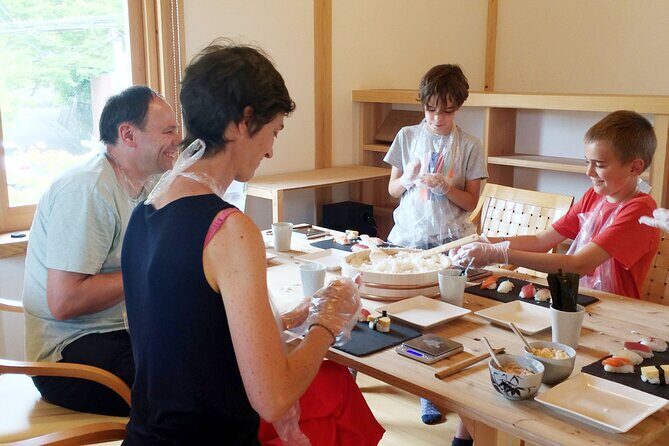
- Small-group limit (8 guests): more hands-on time and more chances to ask questions
- English instruction with a Japanese instructor: technique taught clearly, not just explained
- You learn rice seasoning, nigiri, and maki: the core sushi skills you can repeat later
- A restored historic townhouse location near Kiyomizu-dera and Gion: a peaceful break from crowds
- Sushi meal included: you eat what you make, so nobody leaves hungry
- Take-home keepsakes mentioned in feedback like notes and tools that help you practice at home
Meeting Kana at Atelier SUSHI near Kiyomizu-dera and Gion
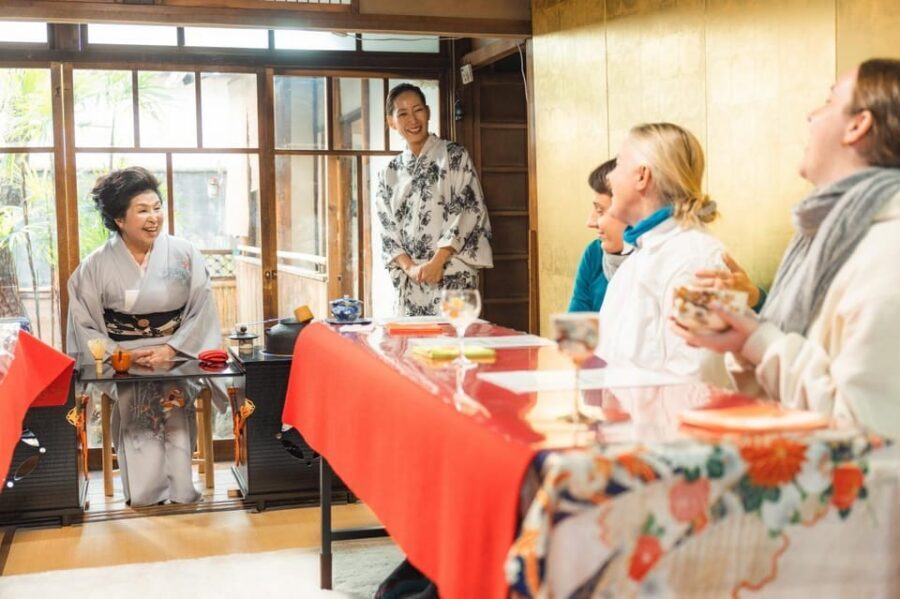
Your “start line” is Atelier SUSHI at 311-1 Kitatōryōchō, Higashiyama Ward, Kyoto. The address is specific, and that matters because the class happens in a real local setting: a beautifully restored historic townhouse.
This is one of the best parts of the experience for me. Kyoto can be loud in the wrong places. Here, you’re learning sushi in a space that feels like it belongs to Kyoto, not like it was dropped in for tourists. You also get the practical upside of a central location near Kiyomizu-dera and Gion, which makes it easy to pair with sightseeing before or after.
Since it is a mobile-ticket experience, you won’t be scrambling with paper vouchers. Just keep your ticket handy on your phone and arrive a bit early so you can settle in.
You can also read our reviews of more tours and experiences in Kyoto

The 8-person format: why your sushi improves fast
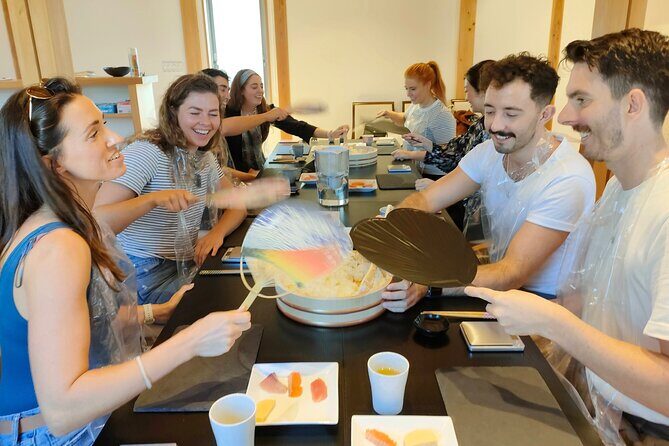
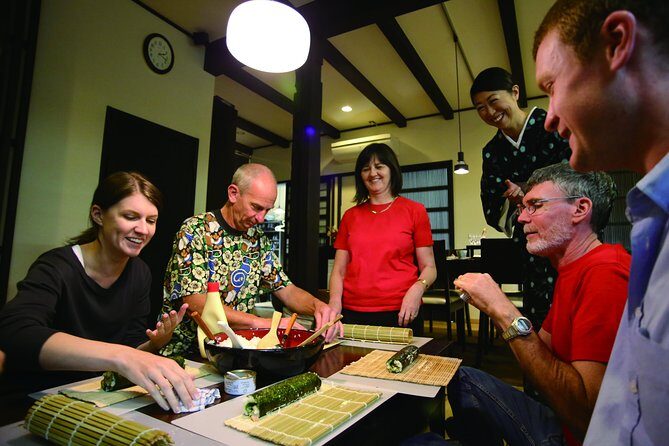
Most sushi classes fall into two modes: watch-and-try, or production-line hands-on. This one is different because the group is capped at 8. That limit isn’t just a marketing number. It changes how the instructor teaches.
With fewer people, Kana and her team can:
- correct your grip and rice pressure as you shape nigiri
- slow down when something feels off (especially rice seasoning and texture)
- check your rolled maki before you cut, so you don’t waste your effort
In other words, you’re not stuck waiting for your turn while everyone else watches. The class pace is relaxed, interactive, and built around questions. And if you’ve ever tried to learn a new cooking skill, you already know the real challenge is feedback at the exact moment you’re doing it.
The class is also taught in English. That doesn’t mean it turns into a lecture. It means you can understand the why behind the technique, instead of just copying gestures.
Rice seasoning is the real lesson (and the part you’ll remember)
Most people think sushi starts with fish. It doesn’t. It starts with rice.
In this workshop, you learn how to properly season cooked sushi rice. That includes getting the rice to the right texture and temperature so it holds together without turning gummy or dry. It is the foundation for everything that follows, from nigiri to rolled maki.
I like that the class treats rice as a skill, not a throwaway step. When your rice seasoning is right, your sushi tastes balanced even if you’re still learning fine technique. When it’s wrong, even premium fish won’t save it.
You’ll practice in a hands-on way, so you’re not just watching rice get mixed and handed to you. The goal is that you leave knowing what to do next time you make sushi at home.
Shaping nigiri: learning technique, not just making a pretty bite
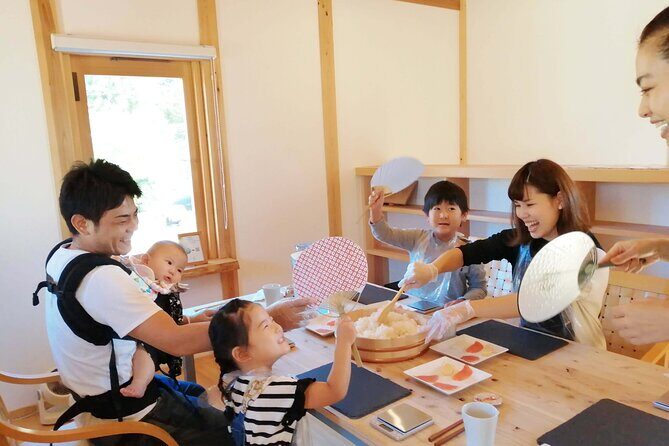
Once the rice work clicks, you move into nigiri shaping. This is where your earlier rice lessons pay off.
Nigiri sounds simple until you try it. The rice needs the right amount of moisture and stickiness, and your hand pressure has to be consistent. Too light and it falls apart. Too firm and it turns dense.
In the class, you craft multiple pieces of nigiri with guidance from Kana. The instructor’s job is to help you get the form correct and the feel right. In feedback, guests repeatedly highlight how patient and encouraging she is, especially for first-timers.
If you’ve been hesitant about sushi making because you worry you’ll mess it up, this is the part that flips the switch. The technique is learnable, and the class is structured so you can actually practice rather than fear your first attempt.
Rolling maki: how the mat turns chaos into clean slices
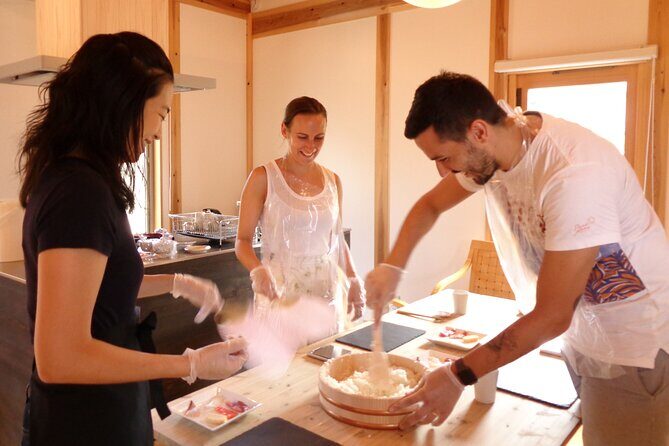
Then you get to maki rolling. This is the step many people think they can wing at home, and most of us end up with a lumpy roll.
In this workshop, you learn to roll maki using the right approach for the mat and the filling. Even if you’ve eaten plenty of maki, rolling is a different skill because it’s all about consistency. You need an even layer of rice, a clean line of filling, and controlled pressure as you roll.
The best practical value here is that you’re not just learning what the finished roll looks like. You’re learning what creates it. When you understand that, you can adjust at home even if your fillings are different.
Also, because the class is small, you can get guidance before your roll is done. That means fewer ruined attempts and more confidence.






What you eat: sushi meal included, and it adds up
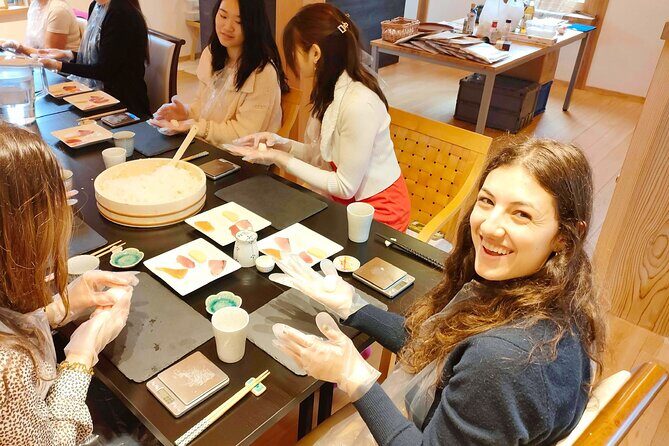
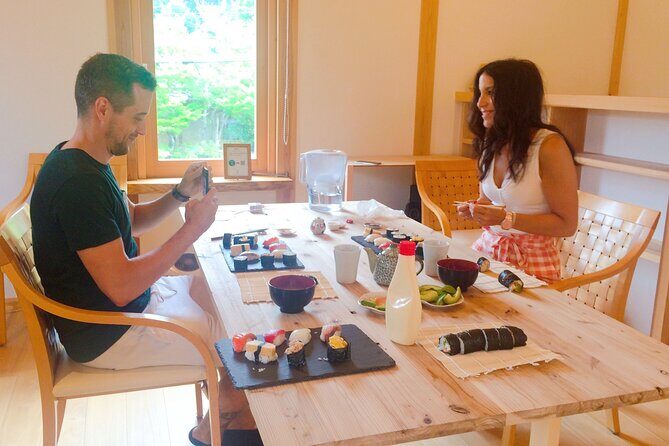
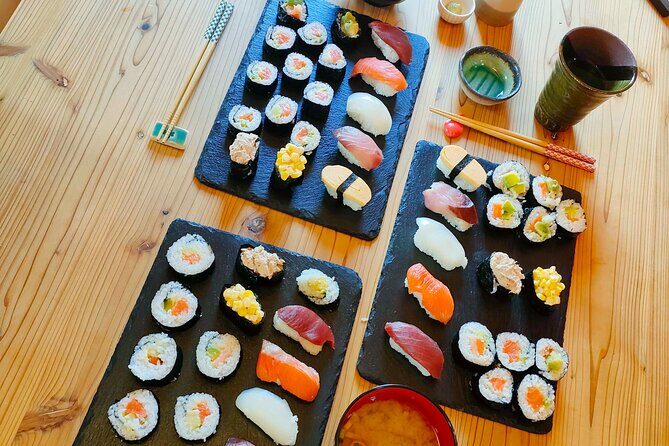
At the end, you enjoy the sushi you prepare. The meal is included in the price, served as lunch or dinner depending on your workshop time.
A big deal here is quantity. Multiple guests note that you make enough sushi that you do not leave hungry. That matches the structure: in a 1.5-hour class with hands-on practice, it’s not just one tiny bite. It’s a proper meal experience.
You also get coffee and/or tea, specifically listed as Japanese tea. That’s a small detail, but it makes the class feel complete. It’s not just cooking. It’s a calm sit-down at the end of the work.
And because the fish and local ingredients are described as premium and fresh, the meal isn’t relying on sauce or fluff to taste good. The freshness is part of the lesson.
The coaching style: English clarity plus cultural context
You’re not thrown into a workshop and told to figure it out. The class is led by a Japanese instructor, conducted in English, and designed for an intimate, interactive pace.
In the feedback, the teaching style comes up again and again: Kana is described as patient, kind, and encouraging, with her husband assisting at times. There’s also mention of another instructor name (Aya) in at least one review, but regardless of which helper is on duty, the pattern is clear: you get help when you need it.
What I find especially useful is that the class doesn’t stay locked inside sushi technique. Many guests highlight cultural talk and extra travel tips. You might hear fun facts connected to sushi traditions and how Japanese dining habits shape the experience.
That matters because sushi isn’t just a recipe. It’s a way of thinking about ingredients, cleanliness, temperature, and respect for taste.
Value check: what $69.64 buys in Kyoto
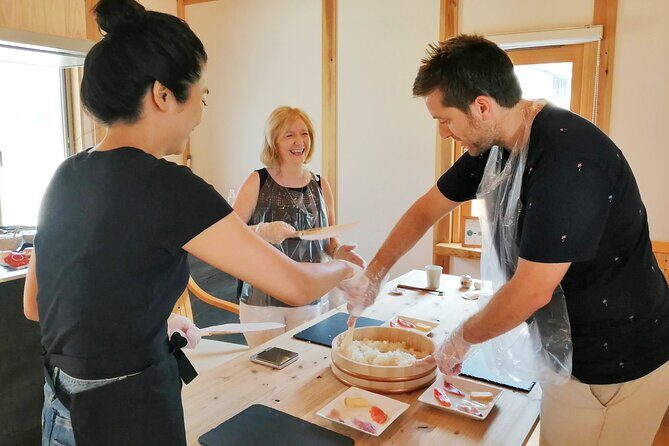
At $69.64 per person, this class sits in the “worth it if you actually want skills” category.
Here’s what you get for the money:
- a hands-on sushi workshop in a central Kyoto setting
- small-group instruction capped at 8 guests
- an English-speaking experience with Japanese technique coaching
- aprons and gloves provided for comfort and hygiene
- coffee and/or Japanese tea included
- a sushi meal included (lunch or dinner based on time)
The real value is the combination of instruction plus food. Lots of experiences charge for teaching but leave you hungry afterward, or they charge for dinner but don’t teach you anything. This blends both: you learn and then you eat the results.
Is it cheaper than buying ingredients at a market and practicing at home? Sure, but only if you ignore your time and the cost of making mistakes. If your goal is to learn the method and then repeat it later, paying for guided technique in a short, structured format makes sense.
Allergy and dietary realities: plan ahead
The data says vegetarian or vegan options are not included. That’s the main limitation to keep in mind if you don’t eat fish.
On the other hand, some feedback mentions the staff accommodating gluten and shellfish allergies with care. That’s encouraging, but it still means you should confirm specific needs before you go.
My practical advice: if you have any dietary restriction, message the provider and ask what can and can’t be handled. Don’t assume sushi restaurants will always match your exact needs, even in a small class.
Who should book this Kyoto sushi class (and who might not)
Book it if:
- you want a small-group class with real feedback as you shape nigiri and roll maki
- you prefer learning in English with a Japanese instructor’s technique
- you want a meal included that feels tied to what you learned
- you’d like a calm, local setting near Kiyomizu-dera and Gion
Skip it if:
- you need a vegetarian or vegan menu (that option is not listed)
- you only want a quick photo stop rather than hands-on practice
- you expect a large, high-energy cooking party (this one is relaxed and focused)
It also suits couples, solo travelers, and families who want structured learning. In feedback, guests describe it as enjoyable even for people who thought they wouldn’t like raw fish, since the fish is fresh and the experience is approachable.
Should you book Atelier SUSHI’s sushi making class in Kyoto?
If you want one “learn and eat” activity that actually builds a skill, I’d book this. The small-group size is the big lever. It’s why people come away feeling confident enough to try sushi at home, not just grateful they ate something tasty.
Here’s how to make your booking decision with confidence:
- If your diet includes fish and you don’t need a vegetarian/vegan option, this is a strong fit.
- If you have allergies, contact the provider first and be specific.
- If you like hands-on cooking and don’t want a crowded experience, the 8-person cap is your friend.
- If you’re visiting near Kiyomizu-dera and Gion, the location makes it easy to slot into your day.
One last tip: come with an appetite. You’ll be making a lot of sushi, and the class includes the meal at the end. You’ll taste your progress, and that’s the point.
FAQ
How long is the Kyoto sushi making class?
It runs about 1 hour 30 minutes.
What is the group size limit?
The class is limited to a maximum of 8 travelers.
Is the workshop taught in English?
Yes, it is conducted in English.
Is a sushi meal included?
Yes. A sushi meal is included and is served as lunch or dinner depending on your workshop time.
Are aprons and gloves provided?
Yes. Apron and gloves are provided for comfort and hygiene.
Do they offer a vegetarian or vegan option?
Vegetarian or vegan options are not listed as included.
Where does the class meet?
The start point is Atelier SUSHI at 311-1 Kitatōryōchō, Higashiyama Ward, Kyoto 605-0918, Japan.
What drinks are included?
The class includes coffee and/or tea, and Japanese tea is listed as part of what’s included.
What is the cancellation policy?
Free cancellation is available up to 24 hours in advance for a full refund. If you cancel less than 24 hours before the start time, the paid amount is not refunded.