REVIEW · COOKING CLASSES
Kyoto: Japanese Washoku Bento Small Group Cooking Class
Book on GetYourGuide →Operated by Yamamoto Rie · Bookable on GetYourGuide
Bento cooking in Kyoto feels like home, fast. I like that you learn dashi and tempura techniques directly from the chef, not just through watching. One thing to plan for: if you’re more than 15 minutes late to Kyoto Laundry Cafe, your reservation can be automatically canceled.
You’ll start near Saiin station (Hankyu Railway) and spend about 150 minutes cooking, then eating the full bento you assemble. With a small group capped at 5, the chef can keep an eye on your knife work and frying so your lunch actually turns out.
In This Review
- Key things to know before you go
- Why this Kyoto bento class is worth your time
- Getting to Kyoto Laundry Cafe (and not losing your spot)
- Washoku focus: what you’re actually learning about Japanese food
- Knife skills in a real kitchen, with real feedback
- Dashi: the Kyoto flavor base you can use again at home
- Tempura frying practice that actually builds confidence
- Your four-dish bento box: sushi rolls, tempura, tofu salad, rolled omelette
- Eating together: what the meal part feels like
- Price and value: why $58 can feel fair in Kyoto
- Who this bento class suits (and who should skip it)
- Quick tips to get the most from your 150 minutes
- Should you book this Kyoto bento cooking class?
- FAQ
- How long is the Kyoto bento cooking class?
- Where is the meeting point?
- Will the chef meet us at the cafe?
- How many people are in the group?
- What dishes will I make in the bento box?
- Do you learn how to make dashi and fry tempura?
- What languages are used in the class?
- Is this class suitable for wheelchair users or people with diabetes?
- What is included in the price?
- What are the payment and cancellation options?
Key things to know before you go
- Small group size (max 5) keeps the class hands-on and practical.
- Dashi + tempura training means you learn two core washoku skills, not just one dish.
- Four dishes in one bento: sushi rolls, tempura, tofu salad, and a Japanese rolled omelette.
- Knife skills with a Japanese approach help your bento look tidy, not chaotic.
- Eat what you make. The meal is part of the 150 minutes, and you’ll leave full.
- Chefs teach in English and Japanese, with good pacing so you can follow along.
Why this Kyoto bento class is worth your time
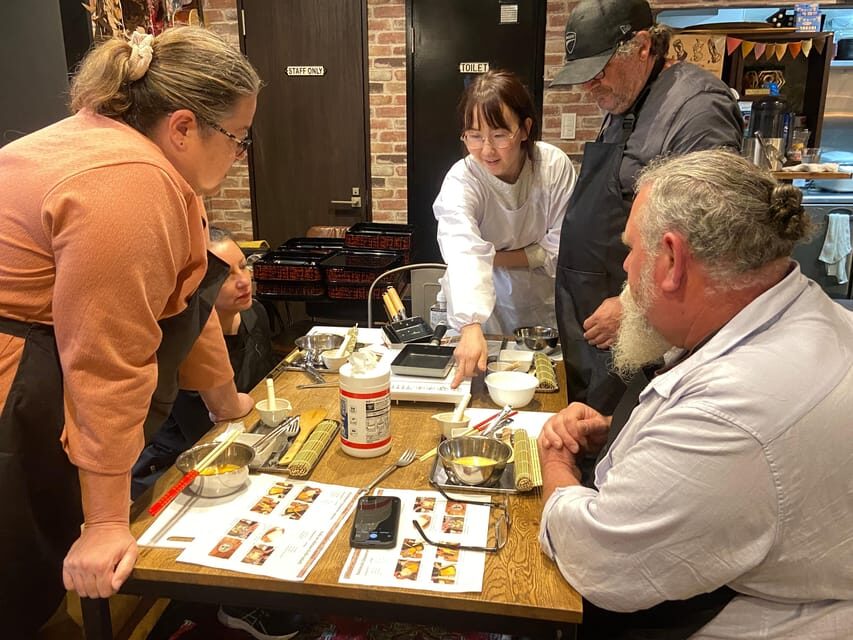
A Kyoto bento box isn’t fancy food for show. It’s lunch built for real life: separate bites, balanced flavors, and textures that don’t get soggy. This class focuses on that idea, so you’re not just copying recipes. You’re learning how the pieces fit together, and why Japanese home cooking often feels calmer than restaurant cooking.
I especially like that the class is structured around fundamentals. You get to make dashi, learn how to handle a knife with a proper Japanese approach, and practice tempura frying. Those skills travel well. Once you understand the logic, you can adapt bento planning later without needing a full cooking course each time.
The value angle is also clear: for about $58, you’re paying for an instructor, ingredients, equipment (including aprons), and a guided session where you produce a multi-item lunch. The group stays small, so you’re not standing around while someone else does the work.
You can also read our reviews of more cooking classes in Kyoto

Getting to Kyoto Laundry Cafe (and not losing your spot)
Your meeting point is Kyoto Laundry Cafe, near Saiin Station on the Hankyu Railway line. The cafe is about five minutes from the station, which is convenient when you’re juggling Kyoto transit and timing.
On the day of class, the chef comes to pick you up at Kyoto Laundry Cafe. That matters because you’re not just wandering into a random kitchen. You’re joining the program at the right moment.
Do keep one practical thing in mind: arriving more than 15 minutes after the scheduled meeting time can automatically cancel your reservation. So if you’re coming from central Kyoto, give yourself a little buffer. This is one of those small details that can make or break the day.
Washoku focus: what you’re actually learning about Japanese food
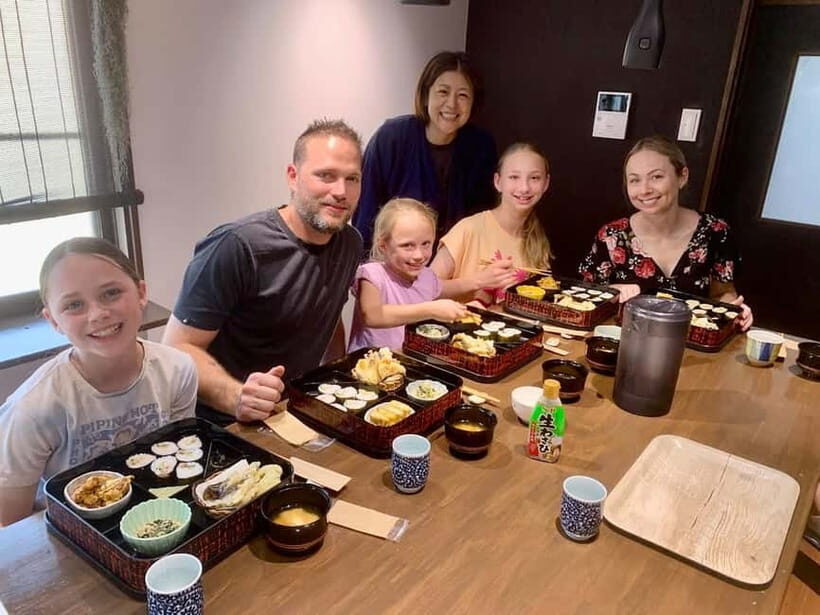
“Washoku” is the Japanese style that emphasizes fresh, seasonal ingredients and a sense of balance. In this class, that translates into how you think about each component of the bento.
You’ll hear the ideas behind the meals while you work, so it’s not just technique drills. The chef explains how flavors, colors, and textures are meant to harmonize inside a portable lunch. That’s why bento planning in Japan is as much art as it is logistics.
It also helps you understand what you’re eating at the end. Sushi rolls aren’t just rolls. Tempura isn’t just fried food. Even a tofu salad is part of the overall balance, giving you a different mouthfeel and freshness so the full box doesn’t taste one-note.
Knife skills in a real kitchen, with real feedback
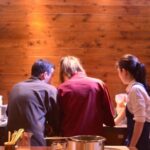
Knife skills can sound abstract until you’re actually trying to cut ingredients while someone watches. Here, you get instruction on using a knife skilfully and learning a proper Japanese approach.
In a hands-on class like this, knife technique isn’t just about looking professional. It’s about getting consistent pieces that cook evenly and fit nicely into bento portions. Consistency also makes the bento feel intentional, which is the whole point.
From what’s been shared by past participants, the chefs are attentive during prep. That’s exactly what you want in your first bento class—someone correcting your grip, your pace, and your cuts before you build bad habits.
Dashi: the Kyoto flavor base you can use again at home
Dashi is one of those essentials that shows up everywhere in Japanese cooking. Here, you learn how to make it—an important skill because it affects the taste of foods beyond one dish.
What I like about including dashi is that it teaches you a building block. Instead of memorizing a single sauce, you’re learning a stock mindset: use the right elements, pay attention to the process, and aim for balance rather than heavy flavoring.
Dashi also makes the rest of the bento make sense. Washoku often relies on subtle foundations, so once you get comfortable with the basics of stock, your cooking at home becomes less guesswork.
You can also read our reviews of more tours and experiences in Kyoto
Tempura frying practice that actually builds confidence
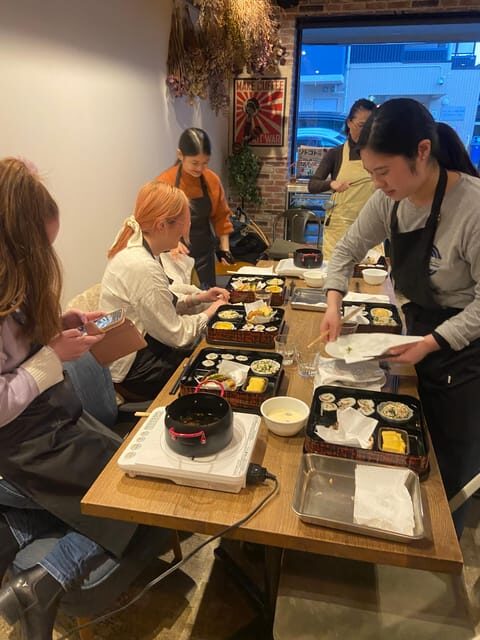
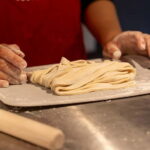
Tempura has a reputation for being hard, mostly because frying can go wrong fast. The good news: this class teaches you how to fry tempura, step by step, rather than treating it like a mystery task.
The practical payoff is confidence. You learn how to manage the frying process and what the chef expects from the batter and timing. That means you’re not just producing something edible—you’re learning technique that can help you make tempura outside the class later.
One thing to plan for: frying adds heat and intensity to the room. You’ll want to listen closely to the chef’s safety and timing guidance, even if you’ve cooked before. If you rush, you’ll feel it. If you follow the process, the results can be satisfying quickly.
Your four-dish bento box: sushi rolls, tempura, tofu salad, rolled omelette
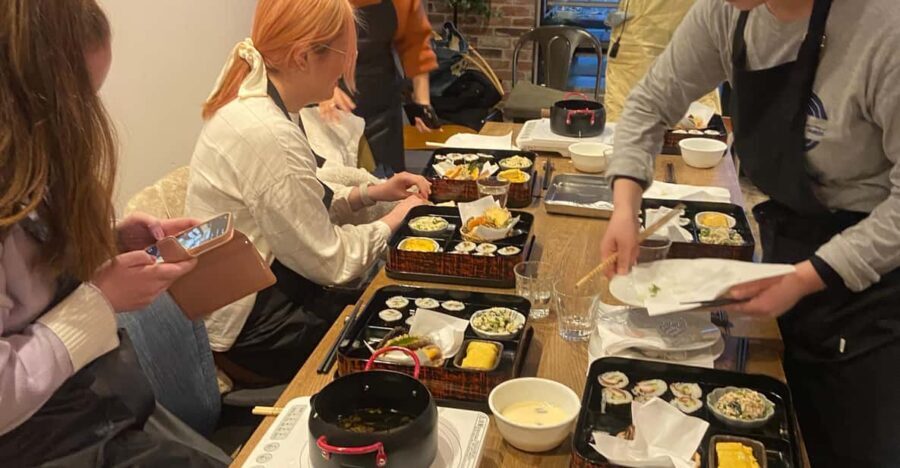
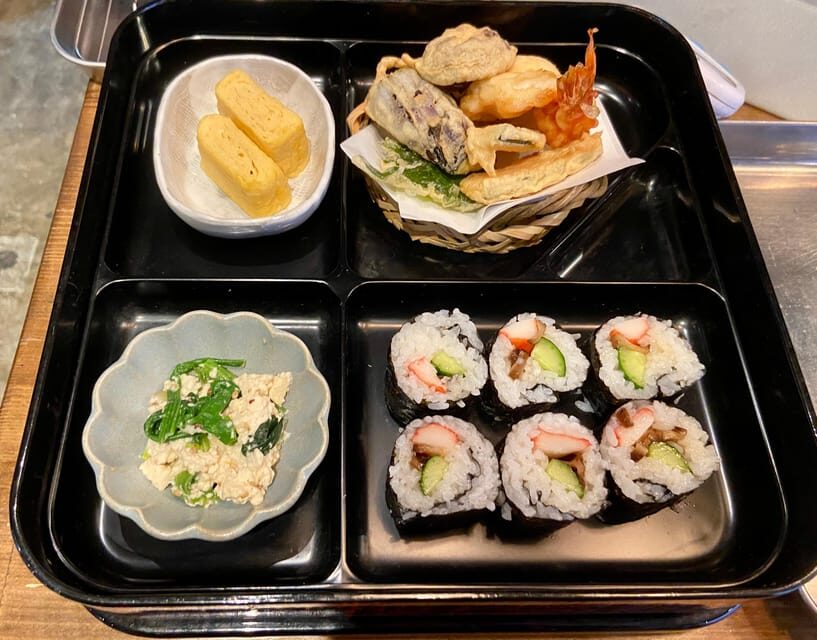
This is the heart of the experience: you make your own bento, and it includes four dishes. By the end, you’ll have a lunch that looks like it belongs in Japan and tastes like it was made with care.
Here’s what you’ll be working on:
- Sushi rolls: You’ll build the roll and learn how the components come together as a portable bite. Even if sushi feels intimidating, this class keeps it structured so you can finish with something you’re proud of.
- Tempura: You’ll handle the frying portion and learn technique that matches washoku expectations—crisp texture and a clean, not-greasy feel.
- Tofu salad: This adds freshness and variety. It also helps round out the bento so the meal isn’t only fried and savory.
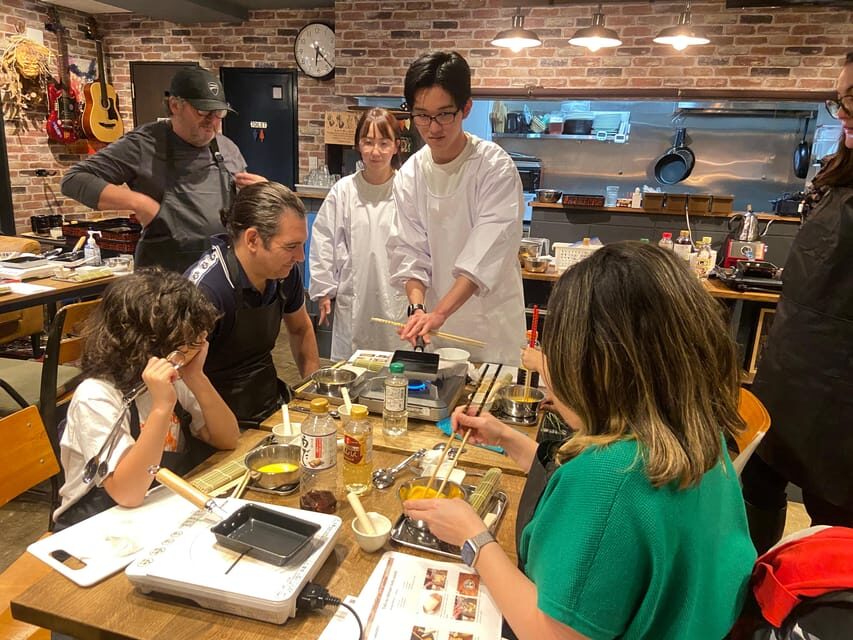
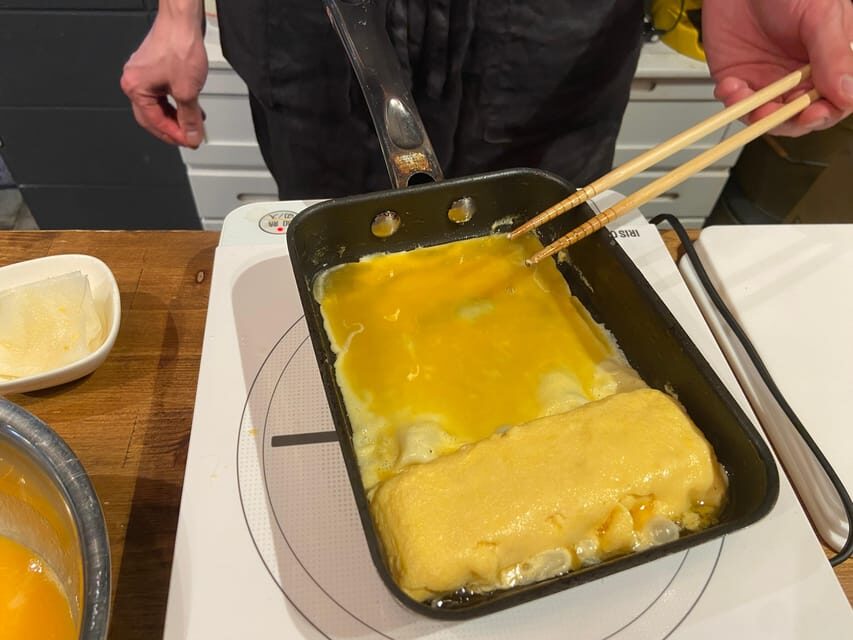
- Japanese rolled omelette (dashimaki): This teaches another washoku-style skill where texture and method matter. It’s also one of those dishes that makes the bento feel “complete,” like Japan-lunch on a plate.
Some participants also shared that the chefs send recipes afterward and explain the process in a way that’s usable at home. I’d treat that as a strong bonus. Even if you don’t remember every step, having a written reminder can help you repeat the bento pieces without starting from zero.
Eating together: what the meal part feels like
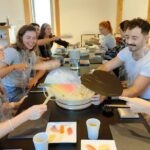
After you cook, you eat together and chat with the class. That meal isn’t an afterthought. It’s part of the training payoff because you get to taste the finished bento all at once.
Eating together also helps you connect the dots. If you were wondering why the chef cared so much about balance—now you taste it. Sweet, salty, savory, crisp, soft, hot, and cool all show up across different parts of the box.
It’s also a good time to ask questions while the food is still fresh and your memory of the steps is intact. If you’re the type who takes notes, this is a great moment to write down what you liked most.
Price and value: why $58 can feel fair in Kyoto
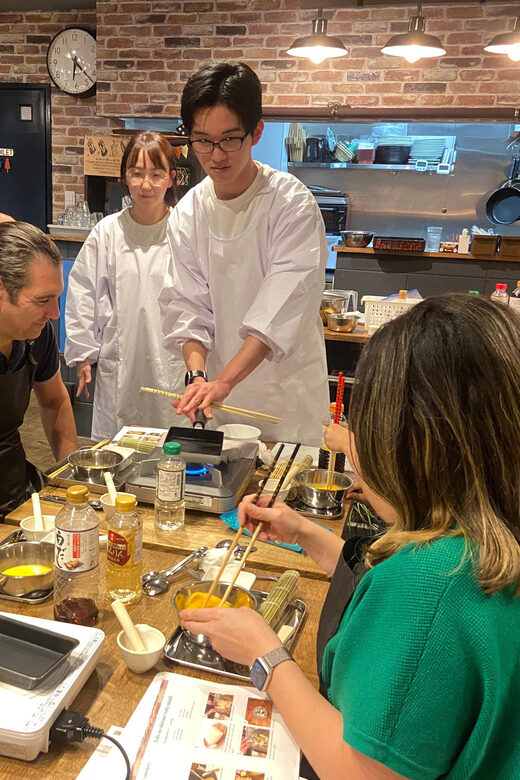
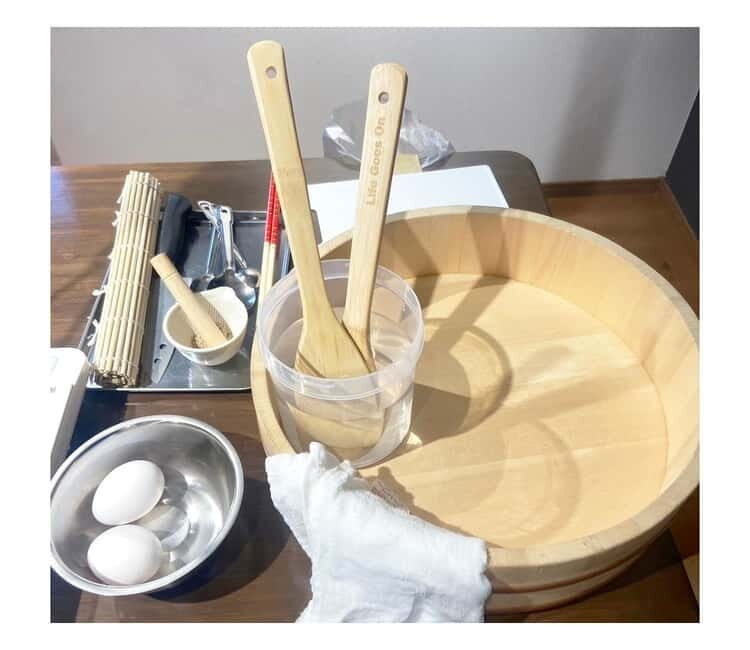
At $58 per person for about 150 minutes, this class is priced like a true experience rather than a quick demo. You’re paying for more than instruction—you get ingredients, equipment (including aprons), and enough finished food to be your meal.
Here’s what makes the value feel real:
- You cook multiple components instead of one dish.
- The group stays small (max 5), so you’re not waiting around for your turn.
- You leave with skills, especially dashi and tempura technique that can apply beyond the specific bento you made.
- You eat what you make, so the class isn’t just producing leftovers.
If you’ve done a lot of Japan sightseeing and you want something tactile and memorable, this is one of those Kyoto activities that changes how you understand the cuisine.
Who this bento class suits (and who should skip it)
This works best for adults and older kids who want hands-on cooking. It’s also ideal if you’re comfortable being involved—knife prep, ingredients handling, and frying are part of the process.
A few practical limits are listed:
- Not suitable for children under 2, under 3, or under 4 (age cutoffs are strict).
- Not suitable for wheelchair users.
- Not suitable for people with diabetes.
- Not suitable for babies under 1 year.
If you’re traveling with someone who needs accessible accommodations or has dietary constraints that require special handling, you should check with the operator before booking. One participant did mention shrimp was substituted for an allergy, which is a good sign—but don’t assume it will cover every situation.
Quick tips to get the most from your 150 minutes
- Go hungry. You’ll cook a lot, then eat your bento as part of the schedule.
- Arrive early to Kyoto Laundry Cafe so you’re not stressed about that 15-minute pickup window.
- Watch your knife pace. Consistency matters more than speed in bento prep.
- Listen during tempura frying instructions. Small timing differences can change results.
- If you want to recreate it later, focus on the method you feel most confident about—often dashi and rolled omelette techniques are the easiest to repeat.
Also, if you care about culture, pay attention to the bento history and washoku explanations as you cook. That’s what turns the meal from just tasty into meaningful.
Should you book this Kyoto bento cooking class?
If your goal is a hands-on Kyoto experience with practical skills—dashi, tempura, and knife technique—this is a strong pick. The small group size, the four-dish bento format, and the fact that you eat what you make all point to a satisfying, value-for-money afternoon.
Skip it if you need accessibility accommodations, if young children are coming who fall under the strict age limits, or if diabetes management makes this type of cooking environment unsuitable.
If you’re on your first Kyoto trip and want to understand Japanese home lunch in a way that sticks, book it early in your schedule. Then, when you eat bento later around town, you’ll recognize the logic behind the balance in every box.
FAQ
How long is the Kyoto bento cooking class?
The class lasts 150 minutes.
Where is the meeting point?
The meeting point is Kyoto Laundry Cafe in Kyoto. It’s about five minutes from Saiin station (Hankyu Railway).
Will the chef meet us at the cafe?
Yes. On the day of the program, the chef will come to pick you up at Kyoto Laundry Cafe.
How many people are in the group?
It’s a small group limited to 5 participants.
What dishes will I make in the bento box?
You’ll make four dishes: sushi rolls, tempura, tofu salad, and a Japanese rolled omelette.
Do you learn how to make dashi and fry tempura?
Yes. The class includes learning dashi stock and how to fry tempura.
What languages are used in the class?
The instructor speaks English and Japanese.
Is this class suitable for wheelchair users or people with diabetes?
No. It is not suitable for wheelchair users, and it is also not suitable for people with diabetes.
What is included in the price?
The price includes the instructor, the cooking class, ingredients, aprons and other equipment, and the four dishes you cook.
What are the payment and cancellation options?
You can reserve now and pay later (pay nothing today). Free cancellation is available up to 24 hours in advance for a full refund.