REVIEW · COOKING CLASSES
Kyoto Ramen and Gyoza Cooking Class with Professional Chefs
Book on Viator →Operated by MagicalTrip Inc. · Bookable on Viator
Cooking ramen in Kyoto beats eating it.
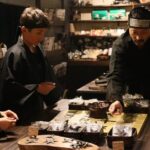
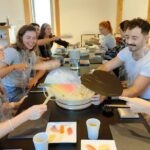
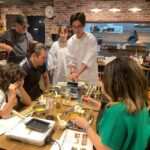
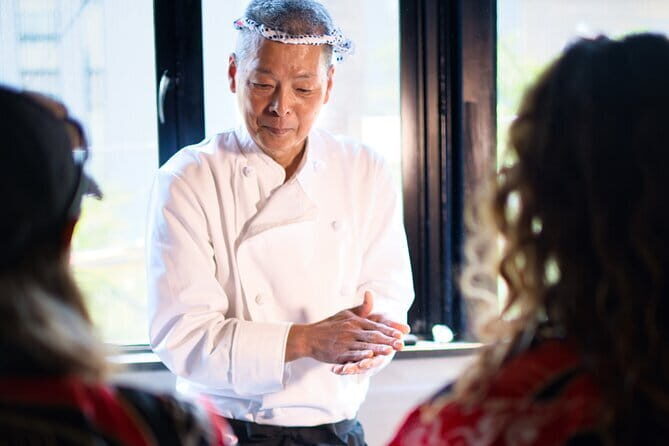
What makes this class worth your time is the hands-on setup for ramen and gyoza, with professional chefs guiding you step by step. I like that the hosts and translators keep the process clear, with people like Rina, Ayuri, Emi, MIU, and Yuki highlighted in past sessions for being patient and easy to follow. One key drawback to plan around: the ramen uses pork broth, so it’s not vegetarian even if you skip meat toppings.
You also get a full lunch-style meal, not just a snack. You’ll make ramen noodles (knead and cut), wrap gyoza, and then eat what you made—plus fried rice—paired with two drinks (beer or sake). For value, I especially like that you leave with recipes so you can recreate the flavors after you’re back home.
Only one other consideration matters for comfort: the kitchen space may involve stairs and levels. If you have mobility issues, I’d treat this as a “maybe not” unless you book something private, since the class isn’t recommended for mobility limitations.
In This Review
- Key things you’ll love about this Kyoto ramen-and-gyoza class
- Entering the kitchen: where the class starts in Kyoto
- The heart of the experience: making ramen noodles and learning why it works
- A quick reality check on expectations
- Gyoza time: knife work, folding technique, and dumpling joy
- The bonus part: fried rice as the full-meal closer
- Beer or sake with your cooking: the included drink pairing
- What you take home: recipes that help you cook again
- Timing and group size: why the flow feels manageable
- Where this class really delivers value (and where it doesn’t)
- Who should book this Kyoto ramen and gyoza class
- Food and dietary reality check you should not ignore
- Should you book this Kyoto ramen and gyoza cooking class?
- FAQ
- What dishes do I make and eat in this class?
- Are drinks included?
- Is this class vegetarian or vegan friendly?
- Can they handle gluten-free diets or allergies?
- What’s the class length and group size?
- Do I need cooking experience?
Key things you’ll love about this Kyoto ramen-and-gyoza class
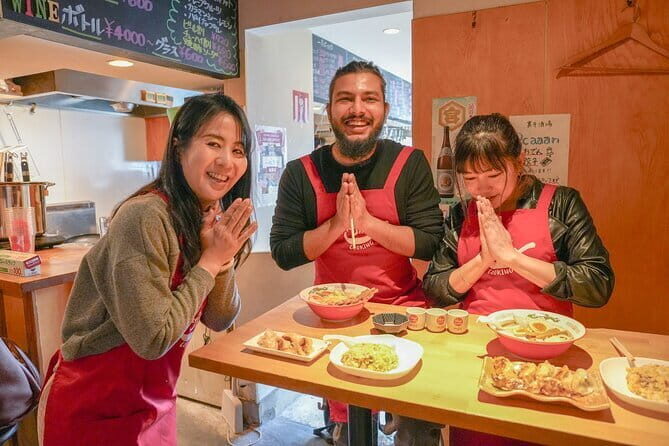
- You make ramen noodles from scratch: knead, cut, then top your bowl
- You wrap your own gyoza and cook/serve them as part of the meal
- Two drinks are included: beer or sake with your dumplings and noodles
- You eat a full meal of ramen, gyoza, and fried rice after cooking
- Small groups (max 8) keep the pace friendly and the instructions easier to catch
- Pork broth is used for the ramen so it’s not vegetarian, even without toppings
Entering the kitchen: where the class starts in Kyoto
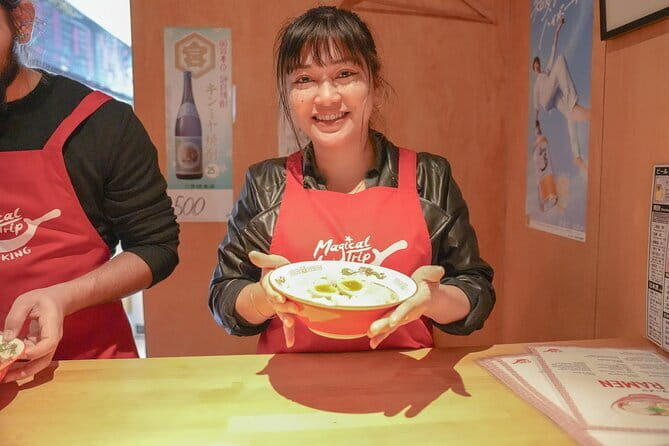
The class meets at 北緯35物語, 木村光佑 Shincho, Shimogyo Ward, Kyoto (600-8001). It’s described as near public transportation, so you shouldn’t need a taxi to get close and then walk the last bit.
You start on time. That sounds obvious, but here it’s serious: late arrivals may not join, and they won’t be able to reschedule or get a refund. If you’re the kind of person who likes breathing room (I am), build in extra walking time from your nearest transit stop.
You’ll use a mobile ticket, which is convenient if you’re already relying on your phone for Kyoto logistics.
You can also read our reviews of more cooking classes in Kyoto

The heart of the experience: making ramen noodles and learning why it works
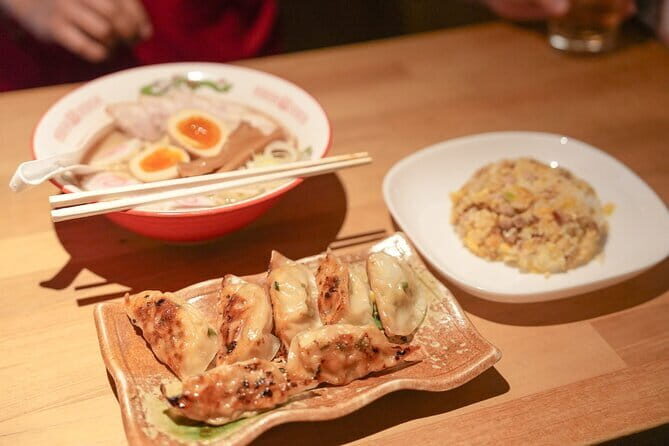
This is not a “watch the chef, then eat” deal. You’ll make authentic ramen from scratch, including the noodle part. The process is hands-on in the real ways: kneading, cutting, and then topping your noodles.
During the cooking, you’ll also get insights about the history of Japanese dishes. You don’t need to be a ramen nerd to enjoy this. In practice, it helps you understand why certain textures and flavors matter—so you’re not just copying steps, you’re building an instinct for the food.
Now for the important part: the ramen broth is made with pork. The notes are clear that even without meat toppings, the broth itself isn’t vegetarian. If that’s a dietary hard stop for you, you’ll want to skip this class and find a vegetarian-focused option instead.
A quick reality check on expectations
Some classes claim to be fully traditional, and ramen has a few moving parts. In past experiences, people have noticed differences in how elements are prepared (for example, how a base is made). That doesn’t automatically mean it’s bad—it often just means the class uses an approach that’s practical in a teaching kitchen. Just keep your expectations aligned: you’re learning technique and flavor-building, not receiving a museum-grade replica of every ingredient source.
Gyoza time: knife work, folding technique, and dumpling joy
After the ramen stage, the gyoza is where the fun (and focus) really lands. You’ll wrap your own dumplings. That usually means learning a folding rhythm and then repeating it until you get the hang of sealing the edges.
This is also the part that can feel most “craft-like.” It’s not difficult, but it is physical—hands working in a pattern while the chef and guide watch for timing and consistency. The payoff is instant: when you eat your own dumplings, you can taste the difference that comes from doing the folding yourself.
If you’re cooking with kids, the guidelines matter: participants age 6 and above are welcome, but children must be supervised by an adult when handling knives or engaging in potentially dangerous steps. If you’ve got a young chef in your group, come ready to supervise and help pace them through the safer parts.
The bonus part: fried rice as the full-meal closer
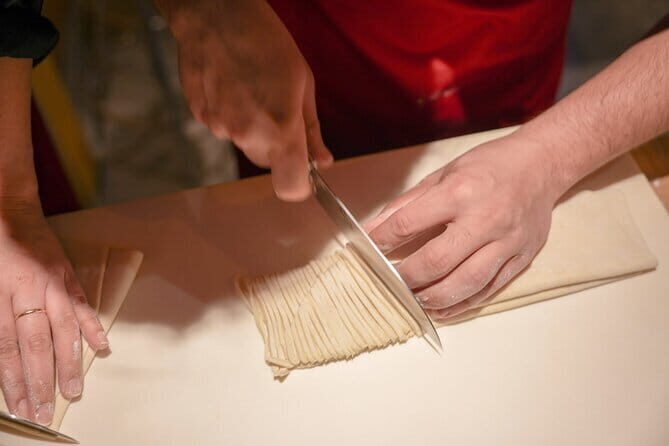
You don’t just walk away with ramen and gyoza. The class is designed as a complete meal, including fried rice.
This part matters for value and pacing. Ramen and gyoza can be filling on their own, but adding fried rice rounds out the flavors and helps you feel like you experienced a full Japanese lunch set. It also means you’re eating everything while it’s fresh, rather than splitting your meal across multiple stops.
You can also read our reviews of more tours and experiences in Kyoto

Beer or sake with your cooking: the included drink pairing
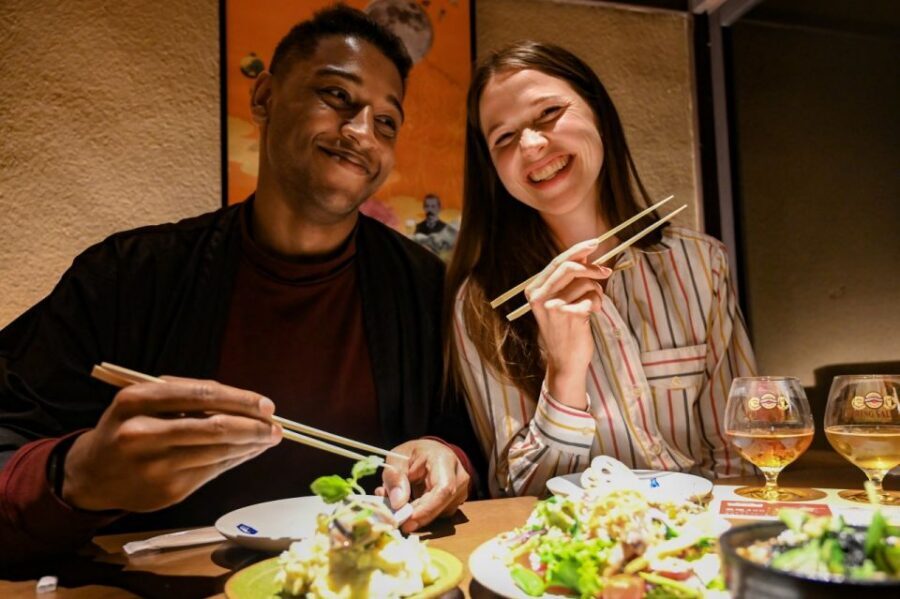
You get two drinks included, and the options are beer or sake. That’s a smart inclusion for two reasons.
First, it makes the meal feel like a proper celebration of your work, not just a training session. Second, it gives you a natural pairing with the rich broth and the fried/crisp edges of gyoza.
I’d treat it as a cultural moment as much as a perk. If you don’t drink alcohol, check what the class offers on the day before you commit, since the data only states beer or sake as the included drinks.
What you take home: recipes that help you cook again
One of the most practical perks is that recipes are provided. That means you’re not stuck trying to recreate ramen broth and gyoza technique from memory later.
When you cook something with pro guidance, the recipe becomes more than paper. It turns into a checklist you can actually understand, because you already felt the dough texture, saw the folding method, and tasted the final seasoning balance.
If you’ve ever cooked a recipe once and then forgot half of it, you’ll appreciate this. The goal here is that you can make it again after the trip.
Timing and group size: why the flow feels manageable
The class runs about 2 hours 30 minutes. That’s a sweet spot: long enough to do real prep and cooking, short enough that you won’t feel trapped indoors all day.
The group size is capped at 8 travelers. In practice, that tends to keep things from feeling chaotic. You’re more likely to get your questions answered and your technique corrected before you move too far ahead.
You’ll also be in a group setting. Even if it’s small, plan on some social energy—people talking while they cook and compare notes. If you enjoy connecting with others while still focusing on your own food, this is a good fit.
Where this class really delivers value (and where it doesn’t)

At $86.22 per person for a hands-on cooking class, you’re paying for more than ingredients. You’re paying for the kitchen setup, the professional coaching, your time making noodles and dumplings, and the fact that you eat a full meal afterward.
Here’s what makes the math feel reasonable:
- You cook multiple dishes, not just one
- You’re getting two drinks included
- You take home recipes (use them and it turns into “future meals,” not just a one-time activity)
- The class is capped at a small group size, which supports better attention
Where it might not be the best value:
- If you’re extremely picky about ingredients (especially pork broth) or have dietary constraints, you may be stuck because vegetarian/vegan and gluten-free requests can’t be accommodated.
- If you don’t care about cooking skills and just want the best ramen you can eat, you might get similar satisfaction from a great ramen shop without the hands-on work.
Who should book this Kyoto ramen and gyoza class
This experience is ideal if you want a hands-on food project in Kyoto that still feels like part of the local culture.
Book it if you:
- Like cooking and want technique you can repeat later
- Want a fun group activity for a couple, friends, or a family
- Enjoy Japanese food beyond just eating it
- Appreciate learning the “why” behind flavors and dishes
Consider skipping or switching to a private option if:
- You need vegetarian, vegan, or gluten-free accommodations
- You have serious allergy needs (the data says allergy-free meals can’t be guaranteed)
- Mobility is a concern, since the setup is not recommended for people with mobility issues
Food and dietary reality check you should not ignore
Let me be blunt here, because it’s the one thing that can turn a great class into a frustrating one: the ramen uses pork broth.
Also, the class can’t accommodate vegetarian, vegan, or gluten-free requests. Allergy-free meals can’t be guaranteed because food is prepared in non-MagicalTrip kitchens. While substitutions may be possible sometimes, you shouldn’t bank on that.
If you’re able to eat pork and don’t have gluten or serious allergy constraints, you’ll likely be fine and just enjoy the meal.
Should you book this Kyoto ramen and gyoza cooking class?
Yes, if you want a fun, structured way to cook real Japanese comfort food and then eat it immediately. I’d especially recommend it when you’re the type of traveler who likes learning one or two specific skills, not just stacking attractions.
If pork broth is a dealbreaker, or if you need strict dietary accommodations, don’t force it. Choose an option that matches your food needs first, then chase the ramen second.
FAQ
What dishes do I make and eat in this class?
You make ramen from scratch (including kneading and cutting noodles), wrap your own gyoza, and you’ll also make fried rice. Then you enjoy a full meal including ramen, gyoza, and fried rice.
Are drinks included?
Yes. The class includes two drinks, and the options are beer or sake.
Is this class vegetarian or vegan friendly?
No. The ramen uses pork broth, so it is not vegetarian even if you skip meat toppings. Vegetarian and vegan requests can’t be accommodated.
Can they handle gluten-free diets or allergies?
Gluten-free requests can’t be accommodated. Allergy-free meals also can’t be guaranteed, since food is prepared in non-MagicalTrip kitchens. Substitutions may not always be possible, but adjustments may be attempted when feasible.
What’s the class length and group size?
The experience runs about 2 hours 30 minutes (approx.). It’s a group class with a maximum of 8 travelers.
Do I need cooking experience?
No. All cooking levels are welcome, and the chefs provide step-by-step guidance as you work.