REVIEW · ARASHIYAMA TOURS
Osaka/Kyoto:Kinkakuji,Arashiyama,FushimiInariShrine,NaraPark
Book on GetYourGuide →Operated by VIP Japan Tour · Bookable on GetYourGuide
Four icons. One long day.
This Osaka/Kyoto highlights trip is built for people who want major Kyoto sights without the stress of trains and transfers. I like how it strings together UNESCO-famous temple power, a bamboo-stalk walk in Arashiyama, and the famous 1,000 torii tunnel at Fushimi Inari. The tradeoff? It’s a packed bus day, so time can feel a bit tight—especially around Arashiyama when crowds slow you down.
I also like that the guiding tends to be energetic and specific. Names you may hear include Harry, Gary, Nick, Ben, Mike, Tracy, Panda, Mimi, Chi, and Eric, and the good ones keep you moving with clear meetup times. One consideration: Todai-ji’s entrance fee isn’t included, so you’ll want a little cash ready for that extra temple stop.
In This Review
- Key takeaways before you go
- Price and what you’re actually paying for
- Timing, meeting points, and why the schedule feels like a sprint
- Nara Park and Todai-ji: deer first, then a Great Buddha day
- Arashiyama Bamboo Grove: scenic payoff, tight time windows
- Kinkaku-ji Golden Pavilion: included ticket, best light later
- Fushimi Inari Shrine: the torii tunnel and the meaning behind it
- Kobe beef shabu-shabu lunch: when the upgrade is worth it
- Bus tour pros and the one downside you should expect
- Who this tour suits (and who might want a different plan)
- Should you book this Osaka/Kyoto highlights day trip?
- FAQ
- What sights are included on this Osaka/Kyoto day trip?
- What does the $66 per person price include, and what doesn’t it include?
- Is Todai-ji admission included in the tour?
- Does the tour offer a Kobe beef lunch option?
- How much time do I get in Arashiyama?
- What order are the stops in?
- What languages are offered on the tour?
- What should I know about the deer at Nara Park?
- What happens if I arrive late or at the wrong meeting point?
Key takeaways before you go
- UNESCO hits in one day: Kinkaku-ji is included; Todai-ji is visited (but its entrance fee isn’t included).
- Nara Park is early magic: the plan starts there, giving you a better shot at deer time before the heaviest crowds.
- Arashiyama bamboo time is limited: lunch vs no-lunch changes your allotment, and bamboo lines can eat minutes.
- Fushimi Inari is the signature finish: thousands of vermilion torii gates up Mount Inari, with prayer-offering meaning explained.
- Optional Kobe lunch is a real upgrade: Osaka-only, usually as Kobe beef shabu-shabu, with aburi sushi available to order.
- A bus day means a strict clock: the bus departs promptly, and being late (or at the wrong meeting spot) can end your day without a refund.
Price and what you’re actually paying for
This tour costs $66 per person, which is a fair number for Japan when you’re stacking multiple regions in one day. The value is strongest when you count what’s included: an English or Chinese-speaking guide, an air-conditioned vehicle, and the entrance fee to Kinkaku-ji, plus taxes and handling fees.
What’s not included matters just as much. Todai-ji’s entrance fee is listed as separate, and hotel pickup/drop-off isn’t part of the package—your day starts at a selected meeting point (which can vary by booking option). If you’re staying far from the meeting spot or you hate strict meet times, the savings may feel smaller.
You can also read our reviews of more tours and experiences in Kyoto.



Timing, meeting points, and why the schedule feels like a sprint
Plan for a long day: about 9 hours, though traffic and other conditions can shift the exact timing. The bus usually leaves on time, and the guide is tied to the participant list for that specific bus. If you arrive at the wrong location or late, you can miss the tour and no refund is issued.
This is the kind of itinerary where “rest” means “sit on the bus.” Between stops, you’re relying on the guide’s clear directions and the bus driver’s ability to keep you on schedule. Reviews often praise guides for organizing return times and making sure everyone finds the bus—so follow instructions like it’s a scavenger hunt with sacred torii at the finish line.
Bring good walking shoes. Expect real steps. One review noted about 21,000 steps in a day like this, and that feels believable once you’re bouncing between parks, temple grounds, and the Fushimi Inari stair-and-torii climb.
Nara Park and Todai-ji: deer first, then a Great Buddha day
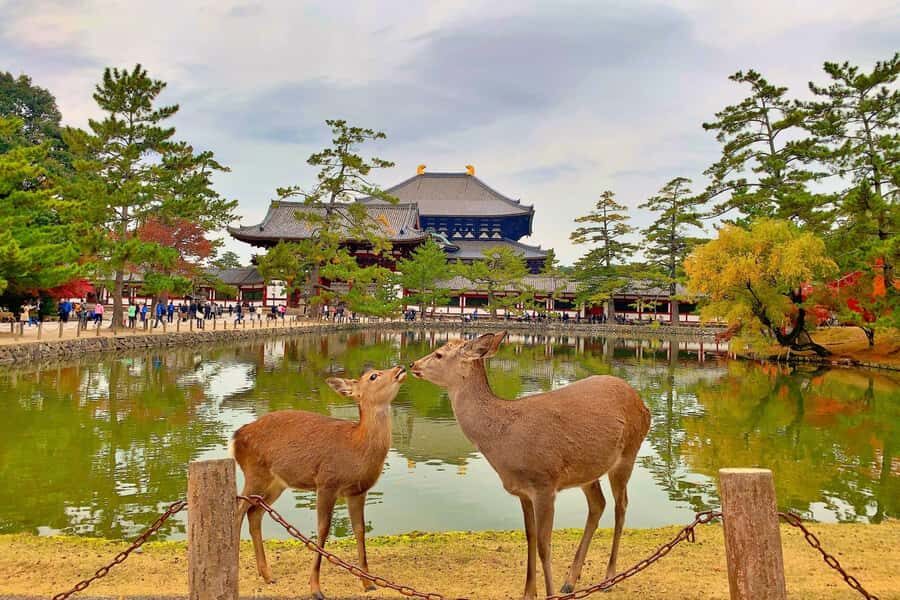
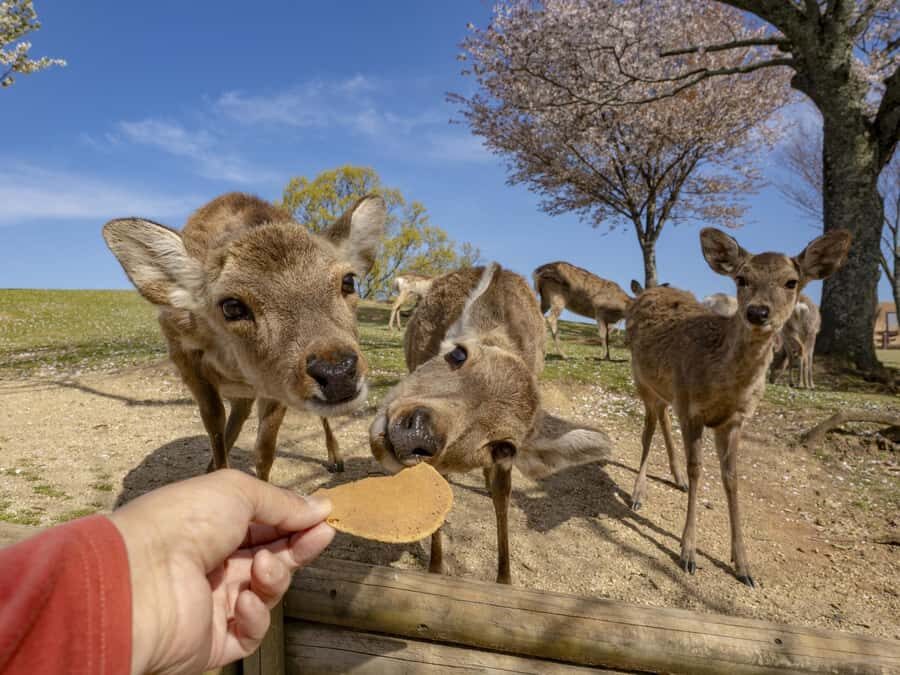
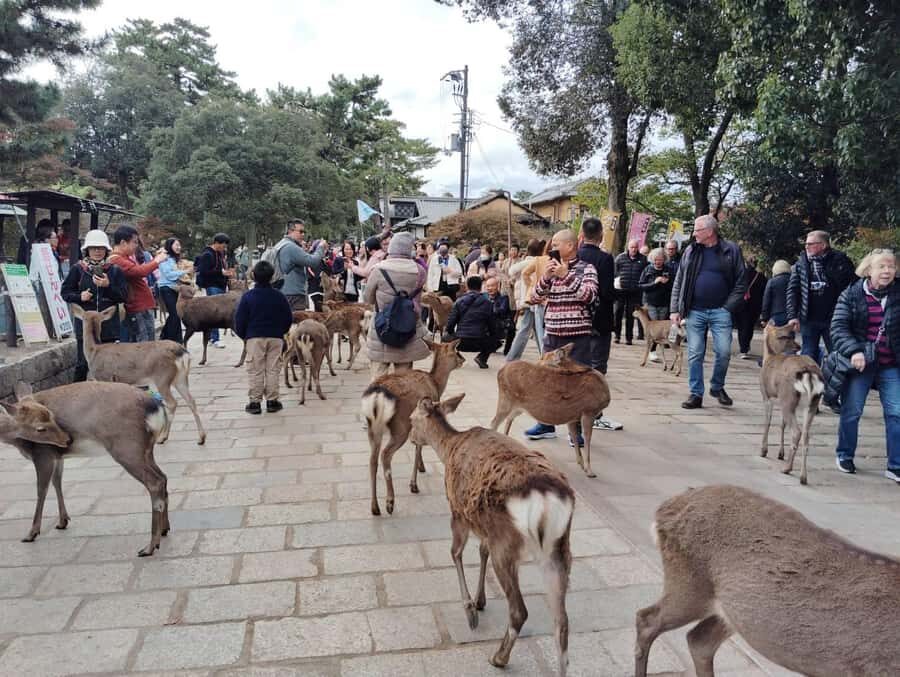
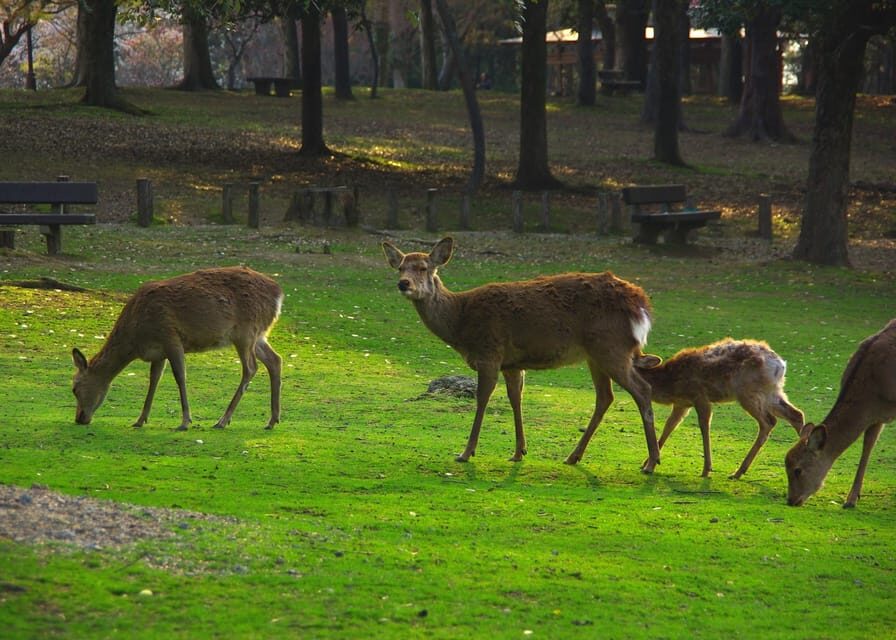
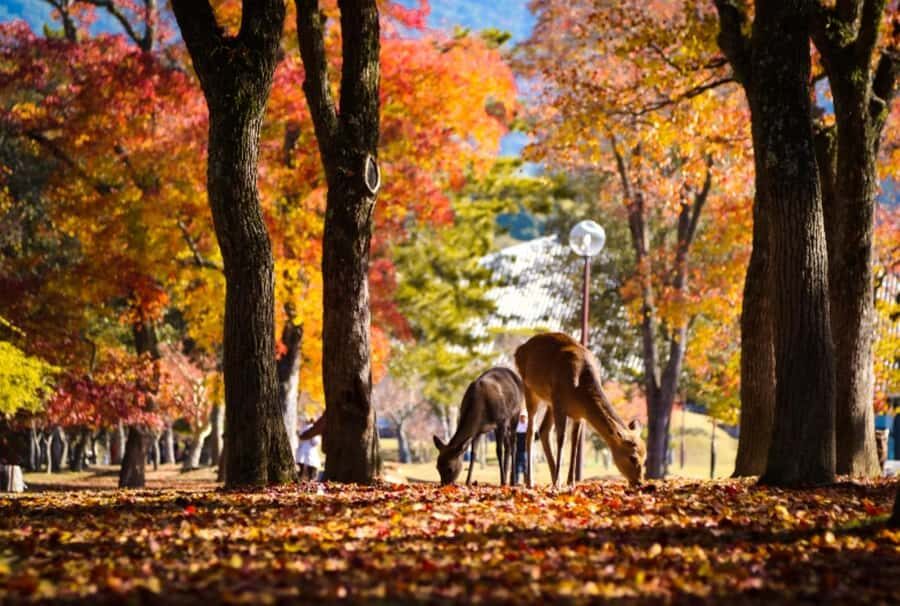
Your day begins with Nara Park, famous for its free-roaming deer. This part is more than cute wildlife photos. The deer are wild animals, so don’t disturb them. Think: watch, enjoy, keep distance, and don’t try to “handle” the moment.
Starting here also makes sense. Nara can get crowded fast, and the plan’s early timing helps you get that classic deer atmosphere before it turns into a slow shuffle. Even if you’re not obsessed with temples, Nara Park is a good palate cleanser: open space, big trees, and that calm-but-busy park rhythm.
Next comes Todai-ji, a UNESCO World Heritage site and home to the Great Buddha statue, described here as about 15 meters tall. The scale is the point. It’s also one of those places where a guide helps you see what matters: wooden structure grandeur, the central Buddha presence, and the religious meaning that can feel abstract when you’re reading alone.
One important money note: Todai-ji entrance fees are not included. You’ll pay that separately on the day, so treat it as part of the real cost of doing two UNESCO temples back-to-back.
Arashiyama Bamboo Grove: scenic payoff, tight time windows
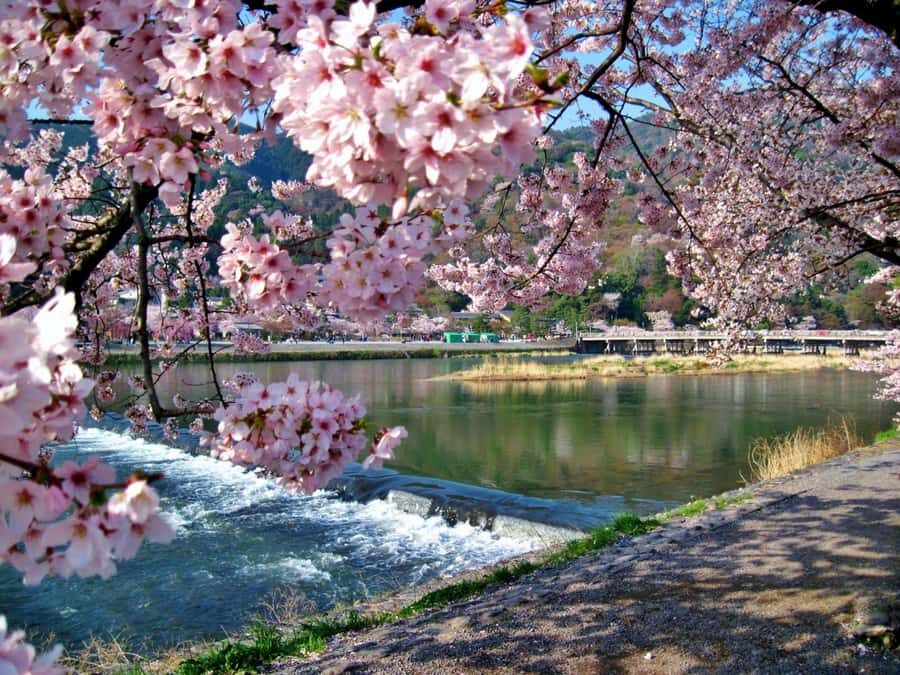
After Nara and Todai-ji, the tour moves to Arashiyama, where you’ll spend time in the area around the Bamboo Grove. The bamboo walkway experience is visual and calming—tall stalks, layered green, and sunlight filtering through. It’s easy to see why people love this spot, and it’s also easy to understand why crowds can make the “easy walk” feel slower.
Time depends on whether you choose lunch. If you pick the lunch option, you get 60 minutes in Arashiyama after lunch. If you skip lunch, you get 120 minutes in Arashiyama for a more relaxed visit—more browsing, more wandering, more time to actually enjoy the bamboo instead of racing to beat the line.
Here’s my practical advice: if you want the best bamboo grove time, show up ready to move. Lines and slow crossings happen. Plan to enjoy the first look, then decide if you want a second pass deeper into the area.
Kinkaku-ji Golden Pavilion: included ticket, best light later
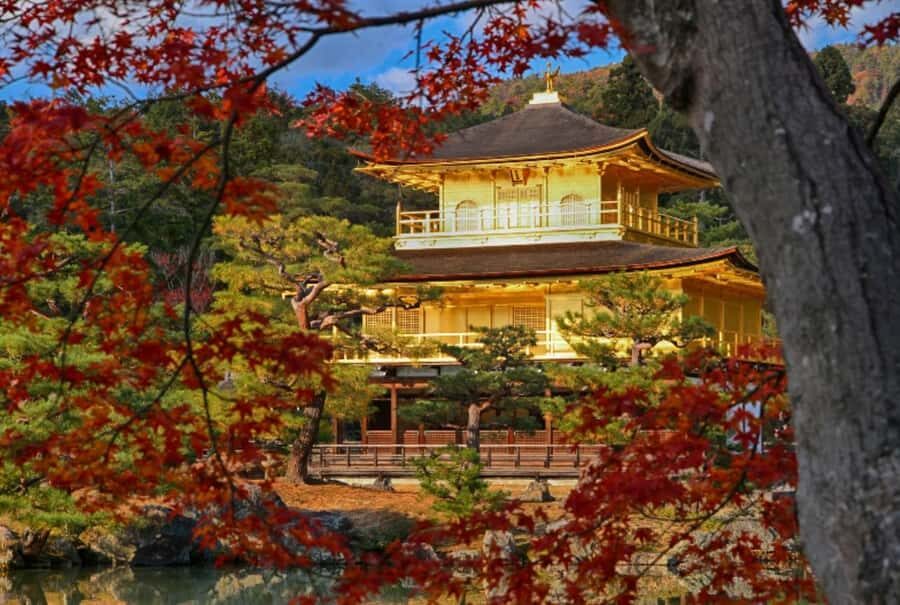
Next up is Kinkaku-ji (the Golden Pavilion), another UNESCO World Heritage site. This is the one where the gold-leaf exterior grabs you instantly. The included ticket lets you walk the temple grounds and gardens at your own pace with a guide’s context.
The standout moment is the reflection: your ticket experience includes seeing the pavilion’s shimmering look on the surrounding pond. It’s a classic “stand here and let it sink in” scene—especially when the light is kinder later in the day. One review described arriving in the afternoon for that kind of glow, and it matches the way the pavilion often photographs best when the sun isn’t too harsh.
Logistically, Kinkaku-ji tends to work well in a bus itinerary because you can manage time on the grounds. Even if you’re short on minutes, you still get the core experience: the gold pavilion, the garden framing, and the photo-perfect pond reflection.



Fushimi Inari Shrine: the torii tunnel and the meaning behind it
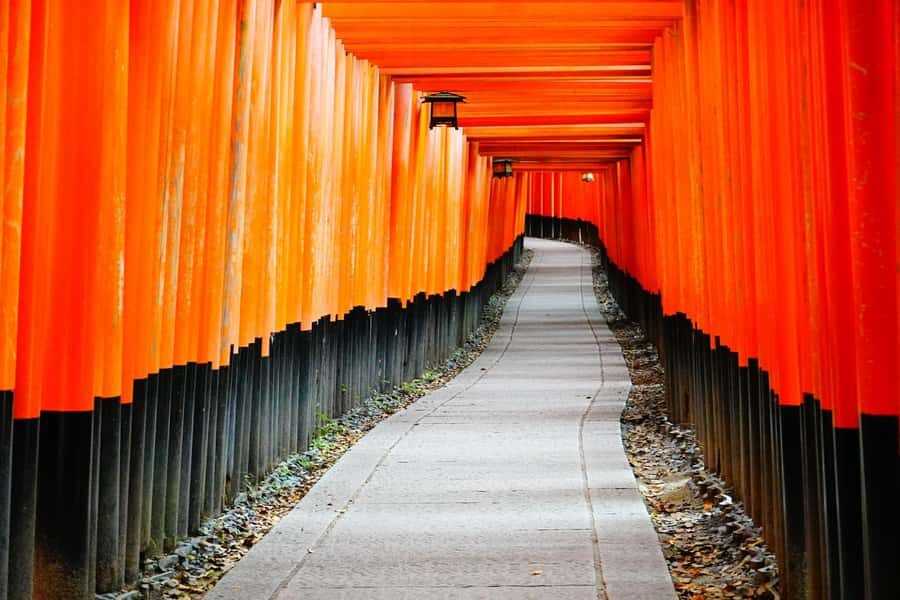
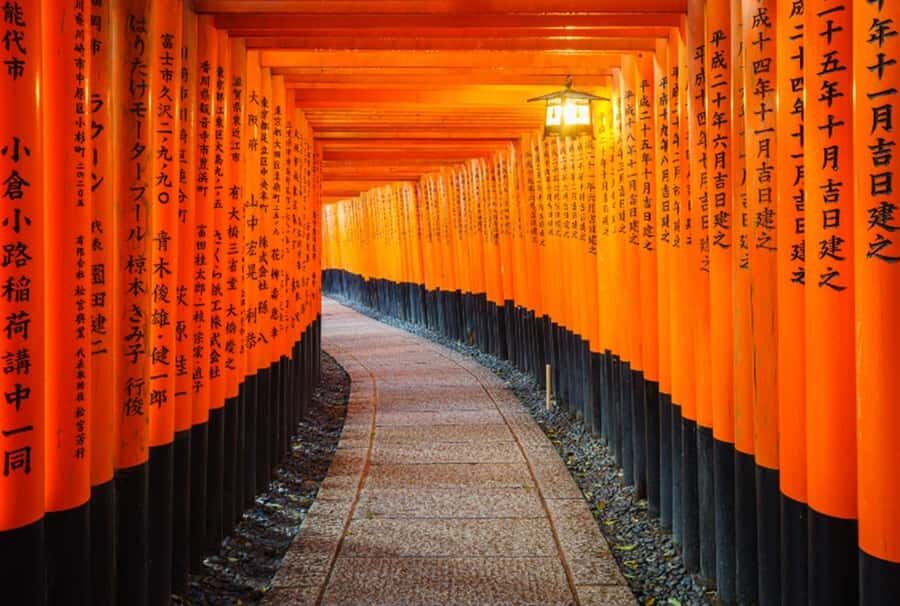
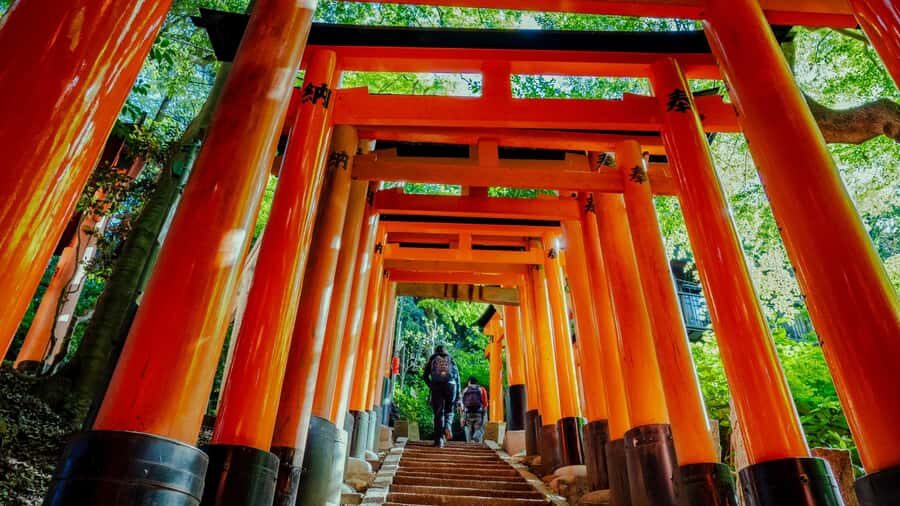
Finish at Fushimi Inari Taisha, the famous Shinto shrine with the iconic vermilion torii gates—about 1,000 gates. This stop is the visual finale of the day because the torii path turns into a repeating rhythm: gate after gate, stairs and winding trail, color and perspective.
The tour explains the symbolism. Each torii represents prayers or offerings to Inari Okami, associated here with prosperity, household safety, and success. That turns the “cool photo trail” into something more meaningful, because you’re not just climbing—you’re walking a living set of beliefs.
Practical note: this is where walking adds up. If your legs are already feeling it from earlier temples, take shorter breaks and don’t force a “to the top no matter what” mindset. You’ll still get the heart of Fushimi Inari once you’re well inside the torii tunnel.
Kobe beef shabu-shabu lunch: when the upgrade is worth it
If you choose the optional lunch, this tour offers Japanese Wagyu Kobe beef shabu-shabu. This is described as Osaka-only departure for the lunch option, and the lunch block is 50 minutes.
The guide also typically explains what makes Kobe beef special, including the idea that it meets strict standards among Japan’s three major Wagyu breeds. The shabu-shabu style helps you notice marbling: the meat cooks quickly in hot broth, and the fine texture is built to turn tender and soft as it melts.
Also: Kobe beef aburi sushi is available for additional on-site orders. That’s a nice flexibility if you want one “treat item” beyond the main lunch without paying for a bigger set meal.
Is the lunch worth it? If you’re already spending all day on buses and tickets, the upgrade can reduce decision fatigue. You’re also getting a very “Japan” lunch format instead of a random convenience stop. The tradeoff is time: lunch means you’ll have less Arashiyama time (60 minutes instead of 120). So choose based on your priorities:
- If food is a highlight for you, pick lunch.
- If bamboo grove time is the main goal, skip lunch and use the extra two hours.
Bus tour pros and the one downside you should expect
This itinerary is strongest for people who want a high-hit day: major temples, famous scenery, and a shrine walk—all without wrestling tickets, transfers, and timing. The bus and guide handle the big moving parts: route planning, guided context, and making sure you know when and where to regroup.
The main downside is the bus-group dynamic. Some reviews note it can feel crowded, and a bus full of passengers means you don’t get total freedom to linger. When crowds pile up—often in places like Arashiyama—you can end up doing “see the best parts” rather than “wander forever.”
My honest take: this is a smart way to make progress on a first Japan trip or a short stay. It’s less ideal if you hate structured schedules or you want slow travel.
Who this tour suits (and who might want a different plan)
You should like this tour if you:
- Want big-name Kyoto and nearby Nara icons in a single day
- Prefer guided direction over public transport stress
- Appreciate a mix of temple grandeur, nature, and shrine symbolism
You might want a different plan if you:
- Want lots of quiet time in Arashiyama (the bamboo area can eat minutes fast)
- Dislike long days that start early and end late
- Don’t want to handle any extra ticket costs (Todai-ji isn’t included)
Should you book this Osaka/Kyoto highlights day trip?
I’d book it if your goal is clear: see Kinkaku-ji, Todai-ji, Arashiyama bamboo, Nara Park, and Fushimi Inari without turning your vacation into a transportation puzzle. For $66, the inclusion of Kinkaku-ji entrance and the guided route through multiple UNESCO sites makes it feel like a practical value.
I’d think twice if you’re the type who wants to linger for hours in one place. This tour is built for highlights, not slow exploration. If bamboo time is your top priority, consider skipping the Kobe lunch so you get the longer Arashiyama window.
If you book, do two things: show up early at the correct meeting spot, and pack patience for a long day.
FAQ
What sights are included on this Osaka/Kyoto day trip?
The tour covers Nara Park, Todai-ji Temple, Arashiyama (including the bamboo grove area), Kinkaku-ji Temple, and Fushimi Inari Shrine.
What does the $66 per person price include, and what doesn’t it include?
Included: the Kinkaku-ji entrance fee, an English or Chinese-speaking guide, an air-conditioned vehicle, and all taxes/fees/handling charges. Not included: Todai-ji entrance fee and hotel pickup/drop-off.
Is Todai-ji admission included in the tour?
No. The tour lists Todai-ji’s entrance fee as not included, so you’ll need to pay it separately.
Does the tour offer a Kobe beef lunch option?
Yes. There is an optional Japanese Wagyu Kobe Beef Shabu-Shabu lunch option, and it’s listed as available for lunch for Osaka departures only. Kobe beef aburi sushi can also be ordered on-site for an additional cost.
How much time do I get in Arashiyama?
If you choose the lunch option: 60 minutes in Arashiyama (after 50 minutes for lunch). If you skip lunch: 120 minutes in Arashiyama.
What order are the stops in?
The tour runs in this order: Nara Park, then Todai-ji Temple, then Arashiyama, then Kinkaku-ji, and ends at Fushimi Inari Shrine.
What languages are offered on the tour?
You can get commentary in English or Chinese, and depending on group size it may be both languages.
What should I know about the deer at Nara Park?
The deer are wild animals, so you should not disturb them. Enjoy them from a respectful distance.
What happens if I arrive late or at the wrong meeting point?
The bus departs promptly and the guide works from a participant list tied to the specific bus and meeting location. If you arrive late or at the wrong meeting point, you may miss the tour, and a refund won’t be issued.