REVIEW · COOKING CLASSES
Kyoto: Ramen Cooking Class at a Ramen Factory with Souvenir
Book on GetYourGuide →Operated by Factory Alliance · Bookable on GetYourGuide
Ramen making feels like a science class, in a good way. At the Ramen Factory in Kyoto, you turn flour into noodles, then build your own bowl with featured miso, salt, and soy flavor paths.
I especially like how hands-on it is, with step-by-step technique for noodles and soup choices. I also like the payoff: you eat what you make, then leave with a recipe sent by email and a souvenir selection. One thing to consider: drinks aren’t included, so plan to grab water before or after if you’re thirsty.
In This Review
- Key highlights at a glance
- Getting to the Ramen Factory Kyoto (and not missing the basement stairs)
- What the 90 minutes covers, step by step
- Noodles from flour: the technique behind that springy bite
- Sauce choice and mixing miso, salt, and soy
- Building the bowl: soup base, oils, and topping decisions
- Your recipe arrives by email (so you can cook again at home)
- Souvenirs: more than a token after a good meal
- The vibe and instruction style you’re likely to see
- What’s included, what’s not, and how to plan your day
- Dietary options: what you can do in advance
- Media shooting notice: a quick heads-up
- Who should book this ramen class (and who might want to pick something else)
- Price and value: is $127 fair for 90 minutes?
- Should you book the Ramen Factory Kyoto cooking class?
- FAQ
- Where is the meeting point?
- How long is the class?
- Is transportation included in the price?
- Can I request a dietary option?
- Are drinks included?
- Will I be filmed or photographed?
Key highlights at a glance
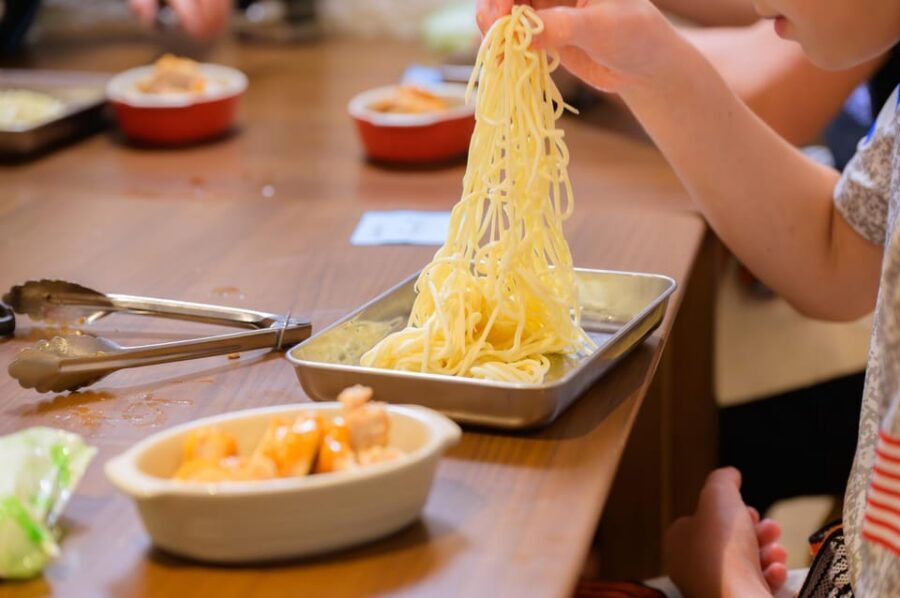
- From flour to noodles: you’ll fold, knead, and shape dough the traditional way
- Taste and mix 3 ramen sauce styles: miso, salt, and soy for your custom bowl
- Choose soup base + oils: you pick combinations that match your noodle and sauce choice
- You eat your finished ramen right there: hot bowl, right after you assemble it
- Take the recipe home: the full instructions come to you by email
- Souvenir options: you can choose from 4 types at the end
Getting to the Ramen Factory Kyoto (and not missing the basement stairs)
The location is an easy walk once you anchor yourself at Demachiyanagi on the Keihan-line. From there, it’s about a five-minute walk, and the big trick is that you’re heading down into the basement floor.
When you arrive, take the staircase to the right of the supermarket, then go down. I’d also plan around the fact that the street entrance can feel different from what your map app suggests. If you’re standing at street level near the bus stop, look for the stairs behind it rather than expecting a front door experience.
This setup matters because it keeps the class flowing. You’re not hunting around or arriving stressed, and when you’re in a cooking class, stress is basically an extra ingredient you didn’t order.
You can also read our reviews of more cooking classes in Kyoto

What the 90 minutes covers, step by step
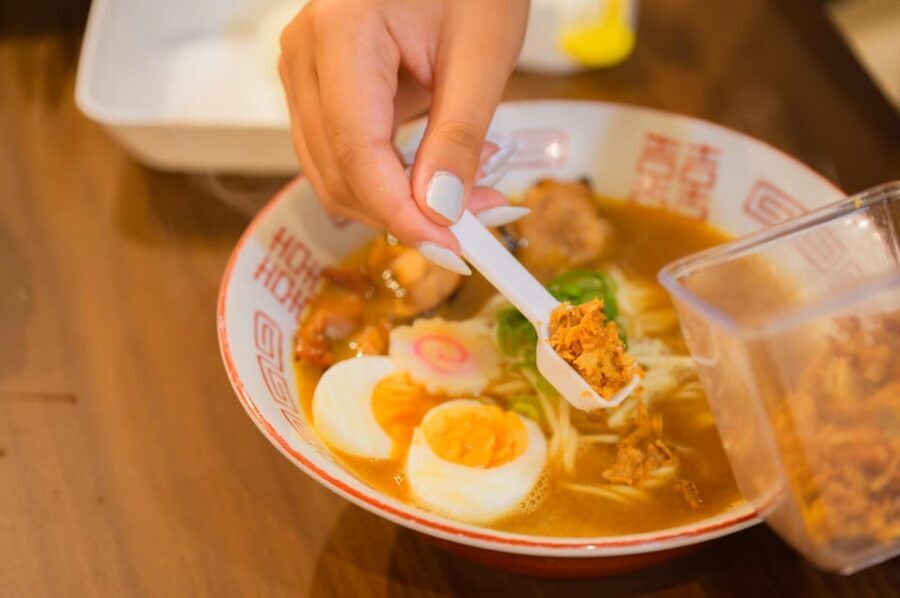
This is a 90-minute Chef Course built around a full ramen workflow. You’re not just tasting; you’re making. The rhythm goes like this: prep, noodle work, flavor decisions, assembly, then eating.
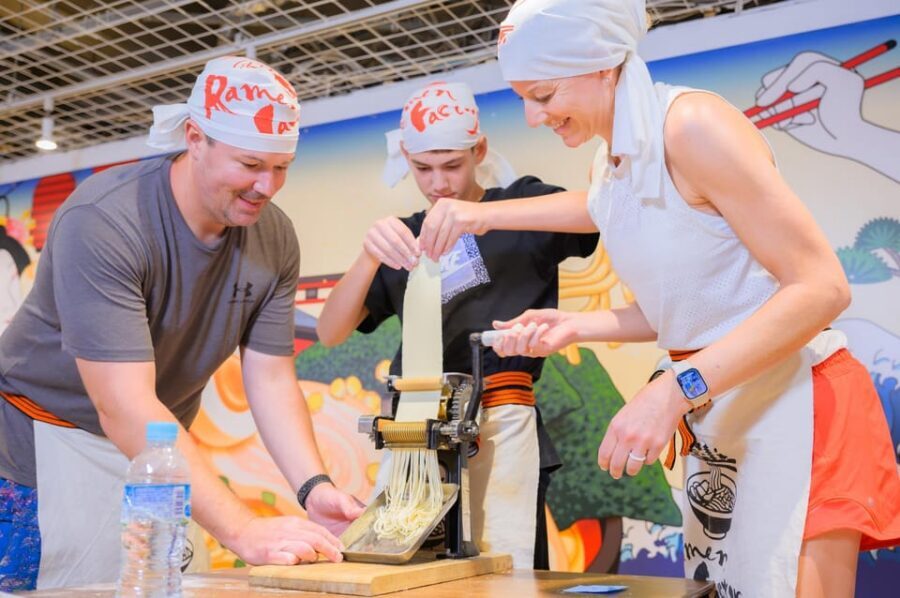
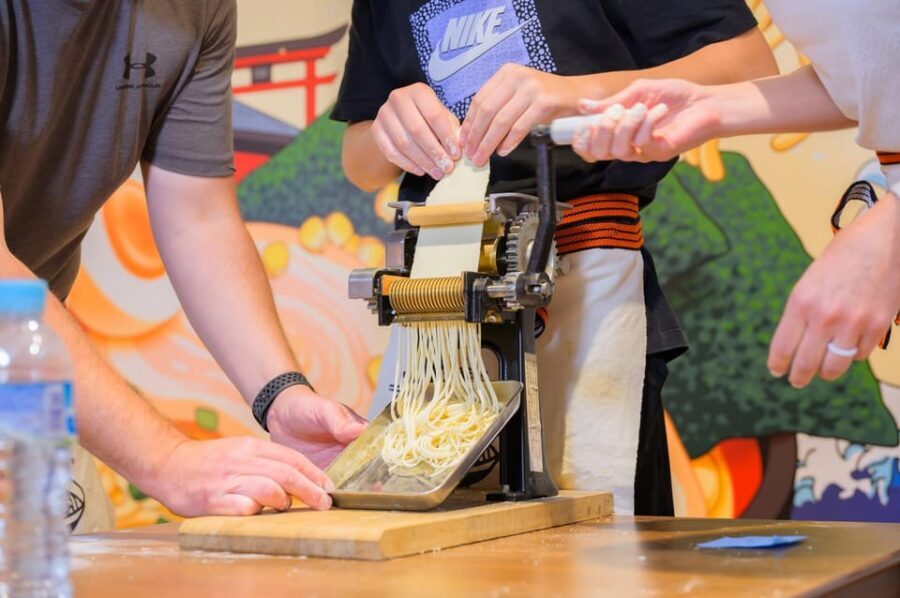
You start by getting into the mood with a ramen apron and headscarf. Then there’s an overview video that sets expectations on the process. Next, you’ll do the practical food work: flavoring chicken with seasonings, and starting your noodle process from flour through dough and into finished noodles.
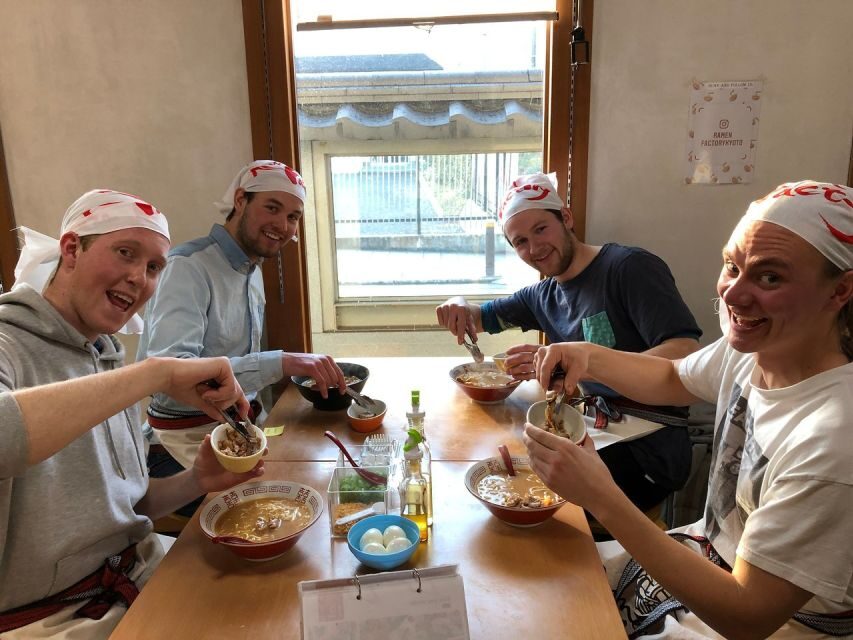
After that comes the fun part that most cooking classes rush: customizing. You choose the soup base and oils, then you pick a sauce combination for your bowl (the featured options include miso, salt, and soy). You’ll assemble your bowl with the toppings, including egg and condiments chosen to your taste.
Finally, you eat what you made, and there’s a “look back” moment tied to the experience—so it doesn’t feel like you just rushed from station to station and forgot everything the minute you sat down.
Noodles from flour: the technique behind that springy bite
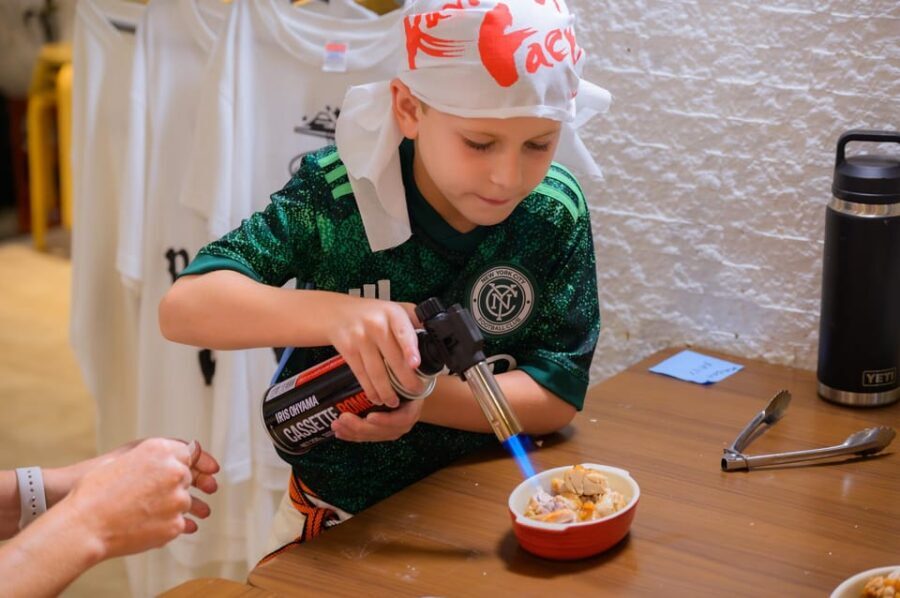
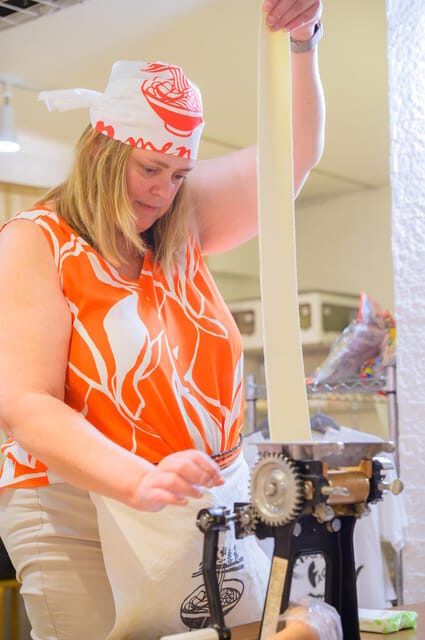
The headline promise is accurate: you’ll make your noodles completely from flour. And the process is meticulous. You’ll fold the noodle dough over 100 times, plus you’ll also go through steps like punching, kneading, draining, and shaking to develop the texture.
Why does this matter for you? Because ramen noodles aren’t just “carbs.” The feel comes from structure and hydration working together. In class, you learn a repeatable method rather than just being handed a finished noodle block. When you fold that dough repeatedly, you’re building the noodle’s consistency—so when your bowl lands, you can taste the difference between noodles that are merely cooked and noodles that are properly made.
You don’t need to be a pro. The class is designed so you can follow instructions and still walk away with a bowl that tastes like ramen, not like a flat imitation.
Sauce choice and mixing miso, salt, and soy
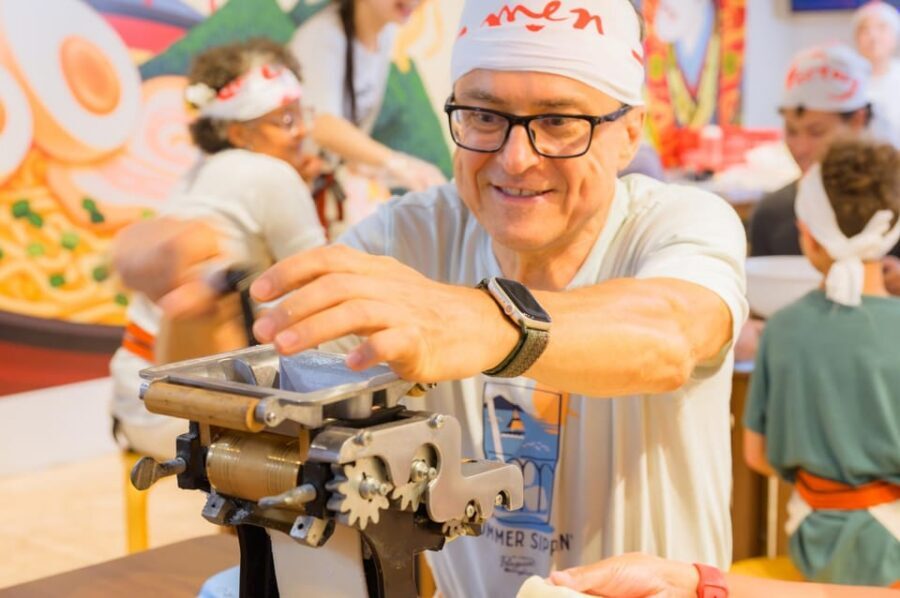
Ramen is a system, not just a soup. This is where the class earns its keep: you taste and mix three featured sauces—miso, salt, and soy—and then decide what direction your bowl should go.
In practical terms, this means you’re learning how ramen flavors behave. Soy tends to give a savory depth. Miso brings a richer, slightly fuller profile. Salt flavor paths feel cleaner and more direct. The instructor helps you connect those flavors to your soup base and oils, so your final bowl tastes like a deliberate combination, not a random mash-up.
If you’re picky about taste, this is also where your class becomes yours. You’ll adjust during assembly with toppings and condiments picked to match your preferences.
Building the bowl: soup base, oils, and topping decisions
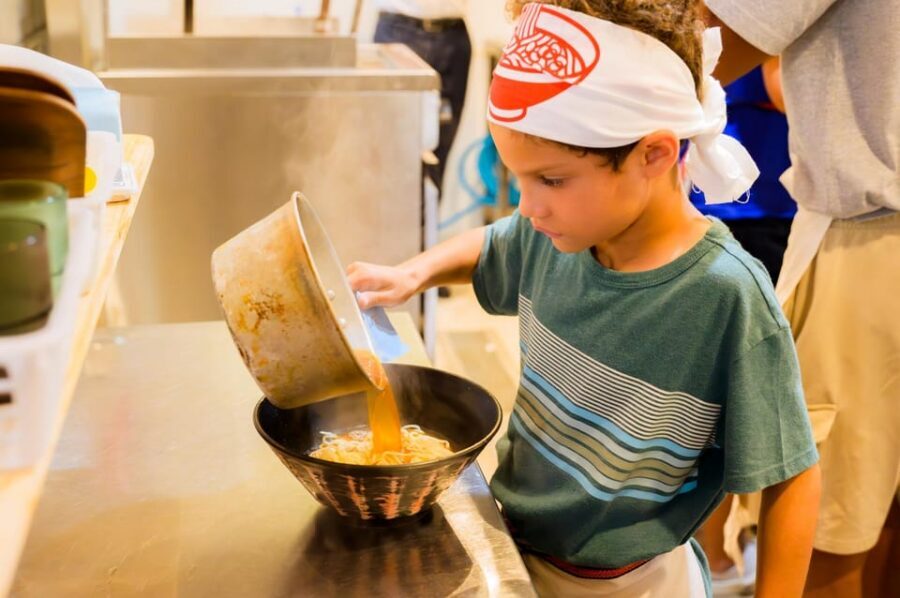
Here’s the part you’ll remember later when you try cooking at home: you don’t just dump sauce into a bowl. You choose a soup base and oils, then select how your sauce and broth meet.
You’ll flavor chicken with seasonings as part of the foundation. Then you assemble your ramen bowl, add the egg, and place toppings and condiments according to your taste. Even if you’ve never made ramen before, you’ll be guided through the decisions in a way that feels more like a cooking lesson than a strict checklist.
One of the most useful aspects is that the class doesn’t treat toppings as decoration. Condiments and toppings change the way the soup hits your palate—so when you choose, you’re practicing the logic of balancing richness, saltiness, and texture.
You can also read our reviews of more tours and experiences in Kyoto



Your recipe arrives by email (so you can cook again at home)
This is a rare win: you’re not only paying for the meal experience. You also get the full recipe sent via email so you can recreate the ramen later.
That matters because most cooking classes end when the bowl is empty. Here, the instruction continues after you’ve left Kyoto. You’ll be able to repeat steps that usually feel hard to remember—especially noodle handling and sauce/broth matching.
I also like that the class structure supports first-timers. Many people find ramen at restaurants can be intimidating to replicate. Getting written steps after you’ve done it once reduces that fear.
Souvenirs: more than a token after a good meal
At the end, you choose a souvenir from 4 different types. This isn’t just a checkbox. It’s a small “I did this” keepsake tied to the cooking effort you put in.
If you’re comparing Kyoto activities for value, this matters because your souvenir isn’t separate from the experience. It’s part of the finish line—right after your ramen.
The vibe and instruction style you’re likely to see
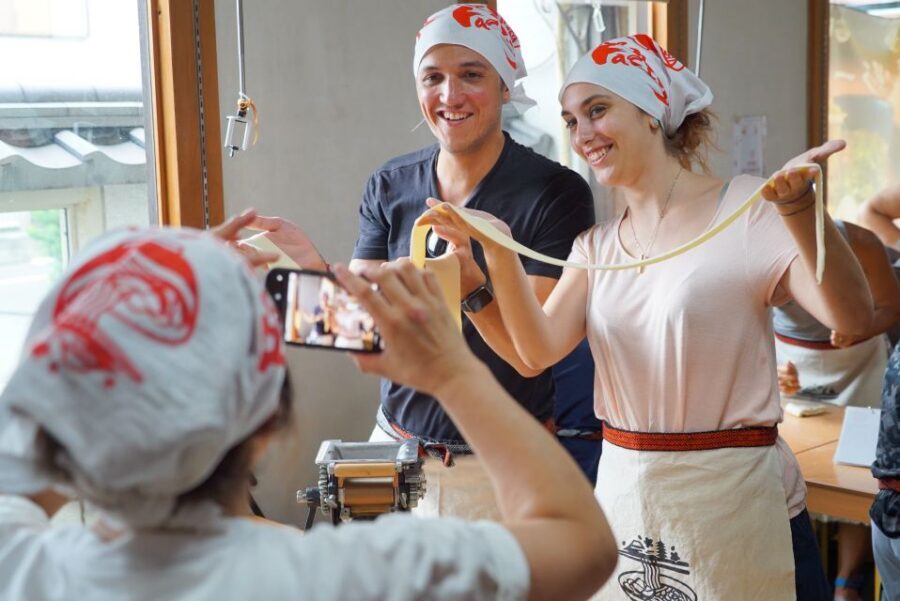
The quality of teaching shows up in how smoothly the class moves. A lot of participants describe instructors as energetic and funny, with staff helping take photos and videos as well.
You may meet different English and Japanese instructors depending on the day. Names that come up often include Sakura, Fuku, Moeka, Maya, Akemi, Kazuki, and Yuto. The consistent theme across these names is clarity plus momentum: the class stays organized while still feeling light.
If you end up being the only participant, you might get something closer to a one-on-one style lesson. That can be great if you want to ask more questions about your sauce or noodle choices.
What’s included, what’s not, and how to plan your day
Included:
- 90-minute Chef Course ramen making
- Selective souvenir
Not included:
- Transportation
- Drinks
That last point sounds minor until you’re sitting with a hot bowl and realize you forgot to bring something to drink. I’d plan to have water handy (or buy it nearby) so you don’t feel distracted during the class.
This also makes it a smart side trip. You can slot it into a day that already includes Kyoto’s major sights. It’s long enough to feel like a real activity, but short enough that you won’t feel like your day got eaten.
Dietary options: what you can do in advance
If you want a dietary option, the instruction is straightforward: contact the local supplier after booking to request it. Some participants have mentioned they were accommodated for preferences like pescatarian needs, and tofu/fish broth alternatives can be possible—but don’t assume specifics without confirming for your exact diet.
Also keep in mind the class involves chicken flavoring as part of the course structure. If you have strict requirements, message ahead so they can guide you to the right components.
Media shooting notice: a quick heads-up
You should know that you may be filmed or photographed during your visit as part of professional video or photo production, including 360-degree recording. If you want to minimize appearing in media, think about how you’ll behave in crowded moments and tell the staff if there’s any concern.
This doesn’t mean you’ll be singled out. It’s just smart to be aware that your cooking class might double as a production day.
Who should book this ramen class (and who might want to pick something else)
This is a strong match if you want:
- a hands-on food experience that teaches technique, not just eating
- a short Kyoto activity that still feels full and satisfying
- a chance to customize flavor through miso, salt, and soy decisions
- a “cook at home” takeaway via the emailed recipe
It may be less ideal if:
- you want a fully guided sightseeing experience with lots of outside walking (this is primarily indoors and focused on cooking)
- you’re sensitive to having your image captured, since media filming can occur
- you want all-inclusive dining with drinks included (drinks aren’t part of the package)
Price and value: is $127 fair for 90 minutes?
At $127 per person for a 90-minute class, you’re paying for three things at once: labor-heavy noodle technique, guided broth and flavor customization, and a structured end-to-end experience with souvenirs plus a recipe email.
Compared with the cost of multiple tastings, you’re getting a full “do it yourself” meal plus instructions you can use again. The recipe delivery is especially important: it turns the price from a one-time activity into a skill you can repeat.
If you’re budgeting Kyoto, I’d treat this as a mid-priced food workshop rather than a cheap novelty. But based on how people describe the outcome—how delicious the ramen tastes and how well people feel taught—this doesn’t feel like a gimmick.
Should you book the Ramen Factory Kyoto cooking class?
Yes, if you like the idea of making ramen in the most practical way possible: from flour to noodles, then building a bowl through soup base, oils, and miso/salt/soy flavor choices. It’s the kind of activity that leaves you with both a memorable meal and a real chance to cook ramen at home.
Before you book, do two quick checks:
- Plan for drinks not being included, and decide what you’ll do for water.
- If you have dietary needs, contact the supplier after booking so they can prepare options.
If you want a Kyoto experience that’s fun, structured, and actually changes what you can cook next week, this is an easy yes.
FAQ
Where is the meeting point?
You’ll meet at the ramen factory location a five-minute walk from Demachiyanagi station on the Keihan-line. The venue is on the basement floor; take the staircase to the right of the supermarket and go down.
How long is the class?
The class duration is 90 minutes.
Is transportation included in the price?
No. Transportation isn’t included.
Can I request a dietary option?
Yes. Get in touch with the local supplier after booking if you want a dietary option.
Are drinks included?
No. Drinks aren’t included.
Will I be filmed or photographed?
You might be filmed or photographed during your visit as part of professional video/photo/360-degree recordings, which may be used in media coverage and promotions worldwide.