REVIEW · COOKING CLASSES
Gyoza Cooking Class in Kyoto: Traditional Japanese Dumplings
Book on Viator →Operated by Japan food entertainment Ltd · Bookable on Viator
Gyoza gets serious in Kyoto. You’ll learn to make dumplings from scratch in a traditional Kyoto townhouse, with stories tied to Japanese history and samurai culture.
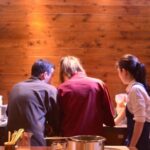
I especially love the hands-on flow: from-scratch wrappers and choosing your own filling, taught by an English-speaking instructor like Hama, Maya, or Ryo. You’re shaping dough, folding pleats, and cooking right there instead of just observing.
The main drawback is cost—at $118.19 per person, it’s pricier than a casual meal—and private transportation isn’t included, so you’ll plan your route to 230-1 Kamimyōkakujichō.
In This Review
- Key things to know before you go
- A Kyoto Gyoza Class That Feels Hands-On, Not Performative
- Getting Oriented: Mobile Ticket, Townhouse Address, and Timing
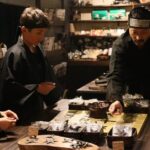
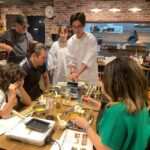
- The Townhouse Setup: Tools, Stations, and Learning That Sticks
- Choose Your Filling, Then Make Wrappers From Scratch
- The Wrapping Game: From Pleats to a Dumpling You’ll Want to Eat
- Cooking Gyoza With a Professional Baking Machine
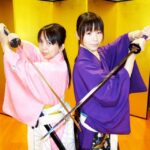
- Samurai Armor Photos: A Fun Optional Finish
- What You Take Home: Apron, Memory, and a Skill for Your Kitchen
- Price and Value: What $118.19 Buys You in Kyoto
- Who Should Book This Gyoza Cooking Class
- Tips to Get the Most From Your Class
- Should You Book This Gyoza Cooking Class in Kyoto?
- FAQ
- How long is the gyoza cooking class?
- Where do I meet for the Kyoto gyoza class?
- What’s included in the price?
- Is private transportation included?
- How many people are in the group?
- Can I choose my gyoza filling?
Key things to know before you go
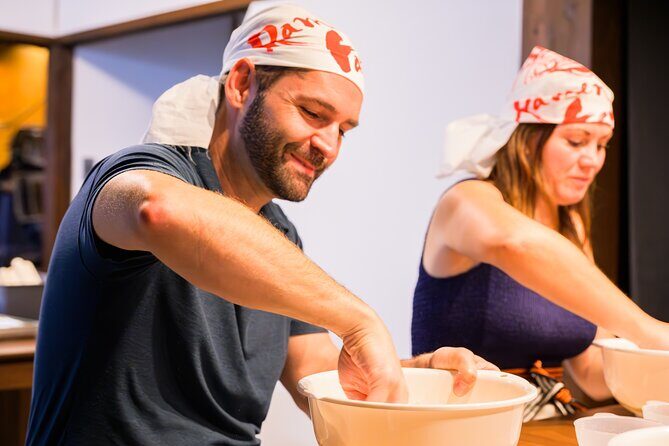
- From-scratch wrappers and filling choice: You start with dough and make your gyoza wrappers, then pick a filling you’ll actually want to eat.
- English-speaking instruction with real personalities: Instructors you may meet include Hama, Maya, and Ryo, and the teaching style comes through.
- Professional baking machine cooking: You cook the gyoza using a dedicated machine so you’re not guessing timing and heat.
- Small class size (max 20): You get enough attention to learn the folding technique instead of feeling rushed.
- Optional samurai armor dress-up: After cooking, you can change into armor for photos if you want.
- Apron souvenir (and extra photo props in some cases): An apron is mentioned often, and at least one guest described keeping a headband too.
A Kyoto Gyoza Class That Feels Hands-On, Not Performative
A good food class should make you leave with two things: a skill you can repeat at home, and a reason to care about the dish. This one does both, because gyoza here isn’t just something you eat—it’s something you build step-by-step.
You’ll spend about 1 hour 30 minutes, learning how gyoza dumplings come together in a traditional Kyoto townhouse setting. That townhouse matters. It’s part of the mood, and it keeps the class from feeling like a factory lesson with identical steps for everyone.
There’s also the cultural thread. While you cook, you’ll hear about samurai culture and Japanese history, which helps explain why this kind of hands-on craft style exists in Japan’s food culture. It’s not a lecture you have to endure. It’s folded into the process.
Small-group limits (up to 20 people) are another big plus here. You’re not stuck waiting for your turn to ask questions or correct a fold. That matters when the “art” part of gyoza is the pleats.
You can also read our reviews of more cooking classes in Kyoto

Getting Oriented: Mobile Ticket, Townhouse Address, and Timing
This experience is designed for an easy arrival. You get a mobile ticket, and the meeting point is near public transportation. That’s important in Kyoto, where routes can be quick but finding a specific side street can still be a small adventure.
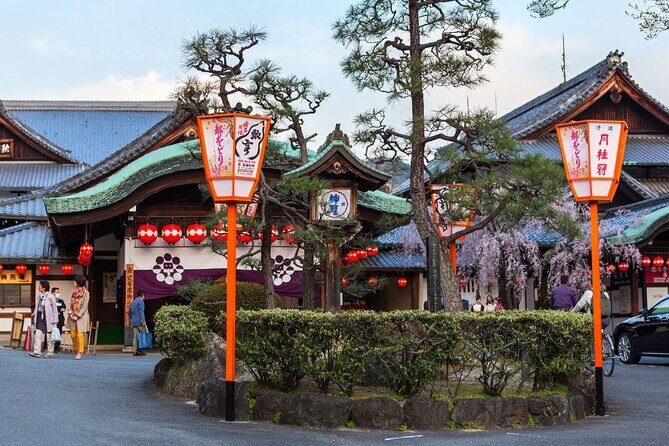
You’ll meet at: 230-1 Kamimyōkakujichō, Nakagyo Ward, Kyoto, 604-0025, Japan. The activity ends back at the same meeting point, so you won’t need to think about transit for the return part.
One practical note: private transportation is not included. If you’re coming from farther neighborhoods, give yourself extra buffer time. Kyoto is smooth once you’re on the right train/bus, but you don’t want to sprint through your class window.
Price-wise, you’re paying for a short, skill-focused session in a small setting—not for a long tour with transport included. If you’re already positioned well in central Kyoto, the value usually feels more obvious.
The Townhouse Setup: Tools, Stations, and Learning That Sticks
The class includes an English-speaking instructor and cooking tools. That’s the core advantage. You don’t need to figure out what “gyoza making” gear looks like before you show up. The setup is already prepared for hands-on work.
In a small class, tools and stations turn into something you can feel. You’ll be working while the instructor talks, instead of memorizing steps that only make sense later. From the way the class is described, you can expect a paced flow: pick, make, wrap, then cook.
A nice signal from past participants: the instruction style tends to be friendly and clear, with instructors like Hama, Maya, and Ryo highlighted by name. That means you’re less likely to feel lost if your Japanese is limited (and most people’s is).
Also, gyoza is one of those foods where technique matters, but not in a scary way. The pleats and dough handling aren’t “only for pros.” The class format is built to teach you how to get the fold right and how to keep going when your first few dumplings aren’t perfect.
Choose Your Filling, Then Make Wrappers From Scratch
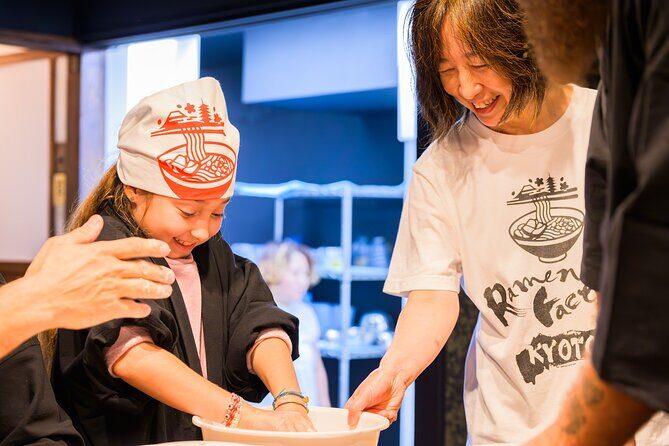
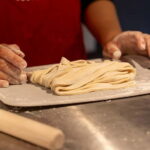
This is the part of the experience that most strongly defines it as a class, not a tasting. You can choose your favorite filling, and then you’ll make gyoza wrappers from scratch.
That combination is a big deal for value. Many cooking experiences let you “assemble.” This one starts earlier. When you make wrappers yourself, you learn what dough texture should feel like and how thin you can go without ruining the wrap.
It also affects the final result at home. If you only learn assembly, you’ll still depend on store-bought wrappers forever. If you learn wrappers too, you have options. You can recreate a similar mouthfeel even when the exact ingredients aren’t identical.
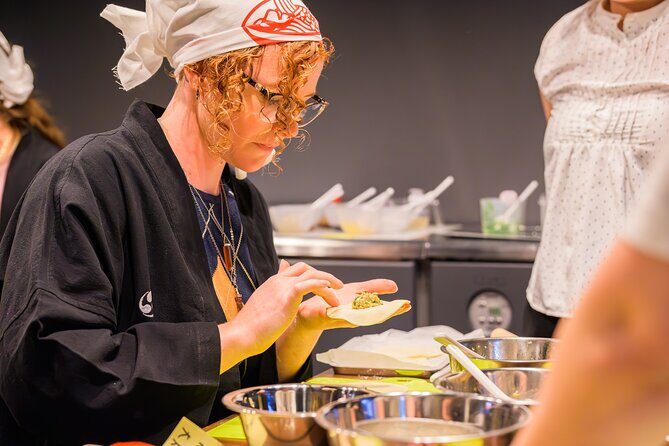
You’ll also learn the wrapping technique: how to form a dumpling and how to seal it so it holds together during cooking. That “art of wrapping” piece is where the small-group size really helps—your folds, your pace, your station.
One more detail that came up from earlier experiences: there may be some form of practice before you start folding for real. When you’re learning pleats, practice takes the pressure off. It turns the first few minutes from guesswork into a skill you can copy.
The Wrapping Game: From Pleats to a Dumpling You’ll Want to Eat
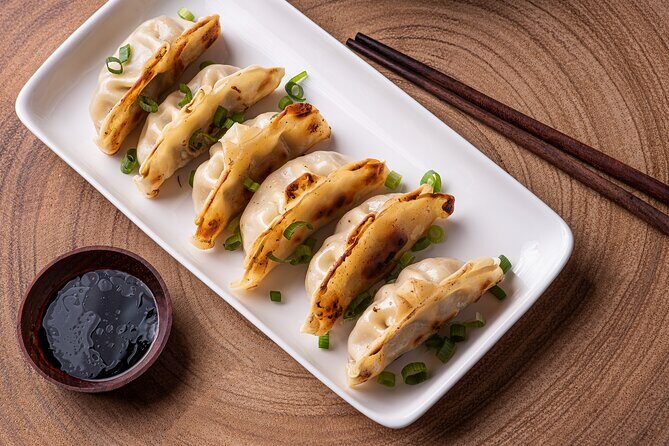
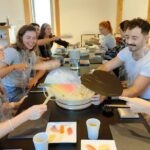
Here’s what you should expect in the wrapping phase: repetition with coaching. You’ll be forming multiple dumplings, and your instructor will help you get the steps right as you go.
Why that matters: gyoza looks simple until you’re holding dough in your hands and trying to make a seal while pleating. Good instruction makes that feel normal instead of frustrating.
If you’re traveling with kids or teens, this stage often lands well because it’s interactive. Your hands are doing something constantly, and the activity naturally turns into a “how many can we make” game. One family-focused note from past experiences: the class works well for older kids and teens, and the pace feels doable with a supportive instructor.
If you’re cooking solo, wrapping can still be relaxing. You can take your time, ask questions, and focus on technique. Gyoza making is oddly satisfying once you get the rhythm.
You can also read our reviews of more tours and experiences in Kyoto
Cooking Gyoza With a Professional Baking Machine
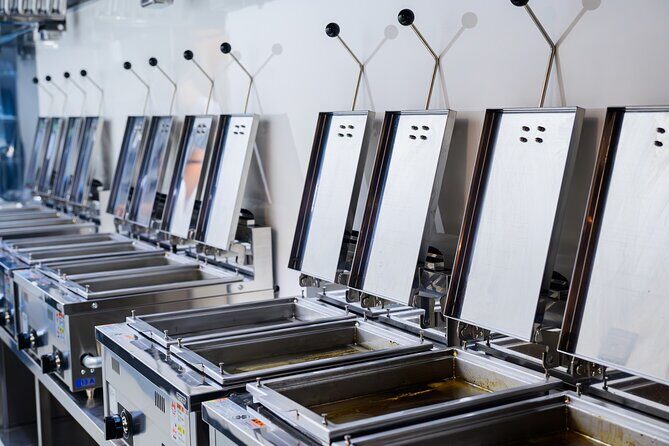
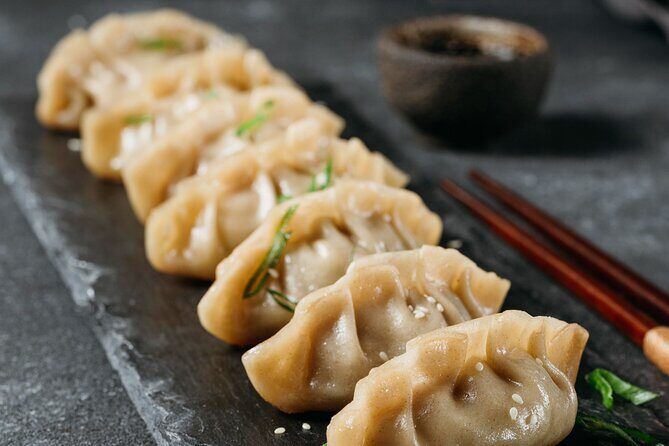
After wrapping, you’ll cook the gyoza using a professional baking machine. That’s one of the smarter parts of the class.
Home cooking usually fails in two places: heat control and timing. A dedicated machine reduces both problems. Instead of you guessing whether the pan is hot enough, you get a process designed for consistent results.
The class also helps you understand what the “perfect cook” means in practice—so you’re not only learning how to fold, but how to finish. That’s what makes the skill more likely to stick when you’re back at home trying it again.
You’ll probably make enough gyoza to actually enjoy your work. One participant specifically noted making around 10–12 gyoza per person, and that lines up with a class of this length. Still, the exact count can vary with group flow and how long you spend on the folding practice.
Samurai Armor Photos: A Fun Optional Finish
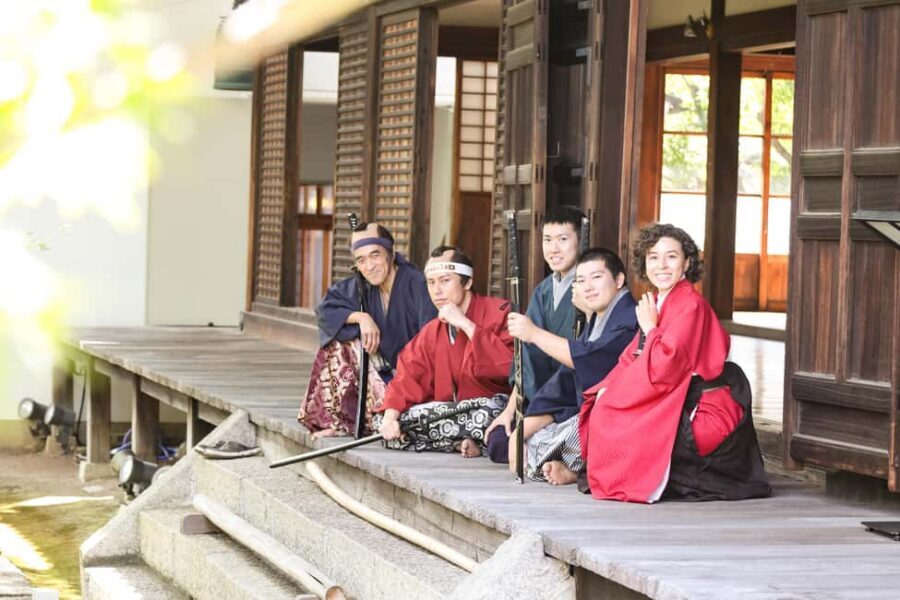
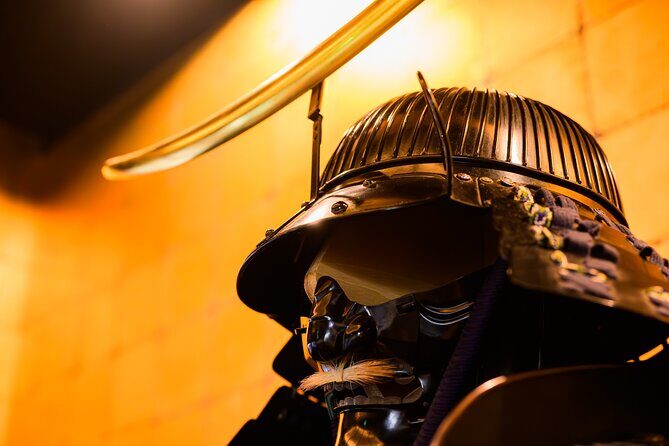
Once cooking wraps up, you have the option to dress up in samurai armor for photos. This is a short extra, but it changes the mood at the end.
It’s a playful way to connect the cultural talk you heard earlier—samurai culture and Japanese history—to something visual. You don’t need to do it, but if you like photos with a story, this option is worth considering.
In one described experience, guests kept an apron and headband, suggesting the class may include photo-friendly accessories alongside the standard apron souvenir. Even if your class only includes the basic items, the armor moment is usually what people remember because it’s different from a normal cooking class.
What You Take Home: Apron, Memory, and a Skill for Your Kitchen
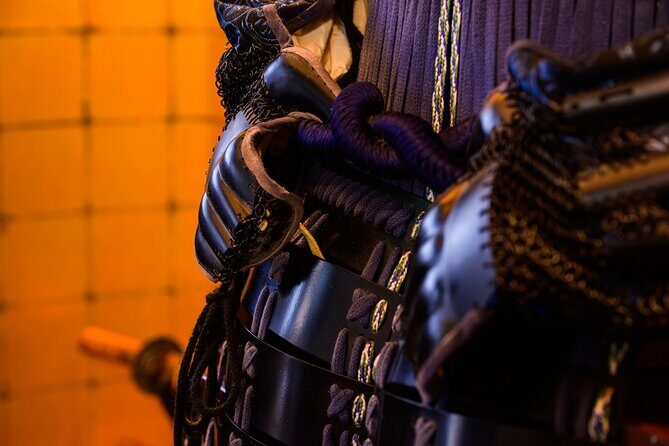
The class doesn’t end at the food. You’ll likely take home a cooking apron souvenir, which is practical. It’s not just a cheap token—you’ll actually use it later if you keep cooking.
There’s also “take-home instructions” referenced by participants, and one person mentioned missing the recipe when leaving and being offered a way to get it afterward. That suggests two helpful things for you:
- Pay attention when you’re handed your instructions.
- If you want a recipe for home cooking, ask the instructor before you leave.
A gyoza class only feels worth it if you can repeat it later. By learning wrappers and folding technique, you’re going to be able to recreate something close to the real thing, even if you don’t find identical fillings.
Price and Value: What $118.19 Buys You in Kyoto
Let’s talk money without pretending it’s cheap. At $118.19 per person, this gyoza class costs more than a casual meal. So the real question is: what’s the “extra” paying for?
Here’s what you’re getting that’s hard to replicate yourself:
- An English-speaking instructor guiding technique.
- Tools provided, so you’re not buying equipment you won’t use again.
- Wrapper making from scratch, not just assembly.
- Cooking with a professional baking machine to improve consistency.
- A small group with up to 20 people, which supports real learning.
- A fun add-on photo moment with optional samurai armor.
- An apron souvenir that helps you remember (and actually use) the class later.
Also, it’s only about 1 hour 30 minutes, which makes it a good “evening activity” when you don’t want to commit to a half-day tour. If your trip has a busy schedule and you want something memorable that’s not exhausting, this fits.
If you’re price-sensitive, the only fair comparison is what you’d pay for convenience plus food. But this isn’t just dinner—it’s training. If you want a skill, not just a snack, the price starts to look more reasonable.
Who Should Book This Gyoza Cooking Class
This class is a good fit if you want:
- A hands-on Kyoto food experience where you leave knowing how to make gyoza.
- English-friendly teaching.
- A small-group atmosphere with enough attention to correct technique.
- A memorable activity that includes cooking and a cultural element, plus optional samurai armor photos.
It’s also a solid choice for families. Past experiences highlight that people brought kids and that everyone had fun with the hands-on steps. It can work especially well for older kids and teens because the activity stays engaging.
If you dislike cooking tasks and prefer only tasting, you might find this less appealing. But if you enjoy getting your hands in the dough, you’ll likely have a great time.
Tips to Get the Most From Your Class
You’ll enjoy the experience more if you go in ready to participate. Cooking classes go best when you treat them like a workshop.
A few practical tips:
- Arrive with a little buffer time so you don’t feel rushed walking in.
- If you care about getting a recipe, ask for it (or confirm how it’s provided) before you head out.
- Come hungry, because you’ll be working up an appetite—then eating what you made.
- Wear comfortable clothes you don’t mind getting a little messy.
Also, since the class is in a townhouse and includes hands-on work, plan for modest movement and standing at your station.
Should You Book This Gyoza Cooking Class in Kyoto?
My take: book it if you want a skill-focused Kyoto experience in a small group. Making wrappers from scratch is the standout value point, and the instructor-led flow (with names like Hama, Maya, and Ryo showing up in past sessions) suggests the teaching style is friendly and clear.
Skip or reconsider if:
- You’re mainly after a low-cost meal.
- You don’t want to do hands-on work.
- You need transportation handled for you, because private transportation isn’t included and you’ll be using public transit to reach the address.
If you’re on the fence, this is the kind of class that turns into a “remember that time in Kyoto” story—one you can replay at home when you cook gyoza again.
FAQ
How long is the gyoza cooking class?
The class runs for about 1 hour 30 minutes.
Where do I meet for the Kyoto gyoza class?
You’ll meet at 230-1 Kamimyōkakujichō, Nakagyo Ward, Kyoto, 604-0025, Japan.
What’s included in the price?
It includes an English-speaking instructor and cooking tools for the class. You also have the option to dress up in samurai armor for photos after cooking.
Is private transportation included?
No. Private transportation is not included.
How many people are in the group?
The group size has a maximum of 20 travelers.
Can I choose my gyoza filling?
Yes. You’ll be able to choose your favorite filling before you start wrapping.