REVIEW · 2-DAY EXPERIENCES
Kyoto’s Top City Highlights: 2-Day Private Tour Experience
Book on Viator →Operated by Ahmed Abu Tayeh · Bookable on Viator
Kyoto in two days needs a tight plan. This private route is built for people who want the big Kyoto hits without wasting hours guessing where to go next, and it’s easy to tailor with your guide based on what you care about most. I like that it’s private (so you can set a comfortable pace) and customizable (your guide can adjust the order or add stops), and I especially like the steady, no-fuss explanations I saw from guides such as Yuji and Noriko. One caution: the days are long—about 16 hours total across two days—and you’ll also budget for extra costs like temple entry fees and local transportation.
The itinerary mixes classic temple culture with real street-level Kyoto life: Golden Pavilion views, Zen rock contemplation, a proper food-market stop, and then the Arashiyama stretch with river views and the monkey area. I also like the timing focus—guides like Marianna and Moto worked around crowds and even factored weather, so you don’t feel like you’re always stuck in the densest lines.
That said, it’s not a “sit on a bus” tour. Expect walking in temple grounds, shrine approaches, and the neighborhood streets around Gion. If you have mobility limits, you’ll want to ask your guide how they can scale the route.
In This Review
- Key things to know before you go
- Entering Kyoto’s highlights the efficient way
- Day 1: Nijo Castle, Golden Pavilion, and Zen calm
- The Day 1 break that actually tastes like Kyoto
- Fushimi Inari Shrine: the torii walk that never gets old
- Day 2: Arashiyama bamboo, Tenryu-ji garden time, and the river views
- Monkey Park and the right kind of walking
- Lunch at Kyoto Station again: it keeps the schedule sane
- Kiyomizudera and Gion: the finish that feels like Kyoto
- Price and Logistics: what $980 really covers
- Guide quality: the difference between seeing and understanding
- Pace and comfort: plan for the walking
- How to get the most from the customization option
- Should you book this 2-day private Kyoto tour?
- FAQ
- How long is the Kyoto 2-day private tour?
- Is this a private tour?
- What is included in the price?
- What does not include entry fees, meals, or transit?
- What sites are included across the two days?
- What happens if the weather is bad?
Key things to know before you go
- Private pacing for up to 8 people keeps the day comfortable instead of rushed
- Two full highlight days cover Nijo Castle, Kinkaku-ji, Ryoan-ji, Fushimi Inari, Arashiyama, Kiyomizudera, and Gion
- Guide-led flexibility: your guide can adjust the plan in response to your preferences and conditions
- Smart stops, not just famous ones: market time and smaller shrine/garden moments are built in
- Extra costs apply: entry fees and local transit are not included in the tour price
- Mobile ticket makes it easier to manage your day smoothly
Entering Kyoto’s highlights the efficient way
Kyoto’s top sights are spread out, and figuring out the connections—while also reading signs, navigating crowds, and keeping an eye on your timing—can turn your “two days” into a lot of stress. This is a private 2-day plan that puts you in the right places on the right days, then gives your guide room to steer you around what matters most to you.
The heart of the approach is balance. Day one leans into the city’s most famous temple cluster and shrine experience. Day two shifts to the Arashiyama side of Kyoto for bamboo, gardens, river scenery, and the Kiyomizudera–Gion area. If you’re arriving with a short stay and a big wish list, this kind of structure is what makes the days feel full rather than chaotic.
You can also read our reviews of more city tours in Kyoto

Day 1: Nijo Castle, Golden Pavilion, and Zen calm
Your first day starts with Nijo Castle, a UNESCO World Heritage site tied to the Edo period. Here, you’re not just ticking off a landmark—you get to see how Kyoto’s political power and refined aesthetics show up in architecture and gardens. The highlight in Nijo Castle is the Ninomaru Palace area, the kind of place where you start noticing details you’d miss on a quick walk-by.
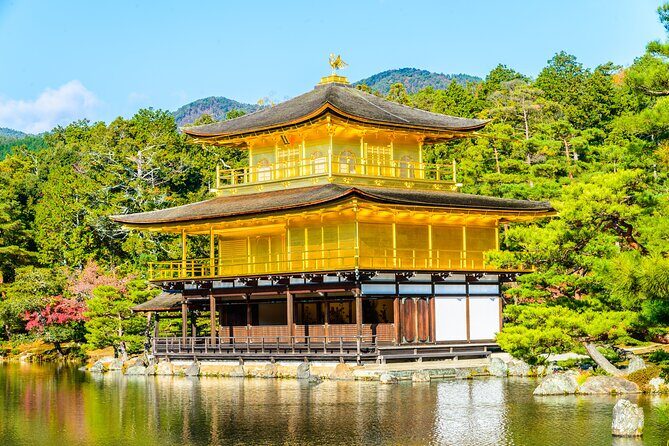
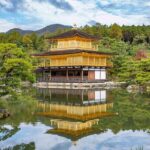
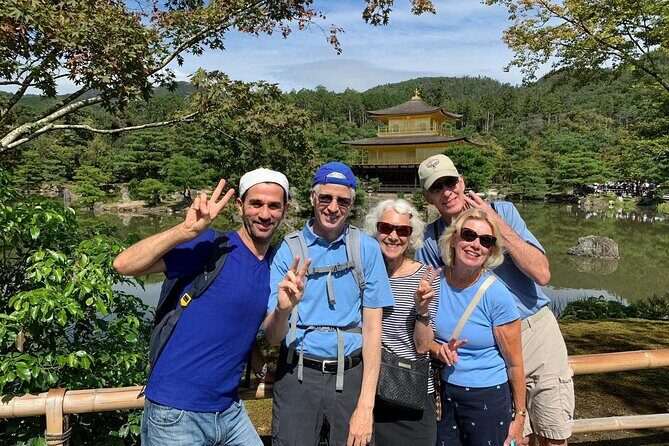
Next comes Kinkaku-ji (Golden Pavilion), Kyoto’s iconic temple where the bright gold color reflects off the pond surroundings. Even if you’ve seen photos, I’d still plan to take your time at this one. Your guide will help you find angles that make the pavilion look right for your own photo style, and you’ll get a clearer sense of why this temple is such a centerpiece in Kyoto’s public imagination.
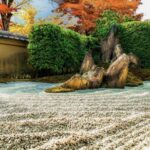
After that, you move into Ryoan-ji, famous for its rock garden. This is a different mood: less “look at the big structure,” more “slow down and let your eyes settle.” If you go expecting a spectacle, you might feel underwhelmed. If you go ready to pause and let it work on you, you’ll probably find it calming in a way that surprises you.
The Day 1 break that actually tastes like Kyoto
After the temple run, you’ll have a chance to reset with a lunch stop based around Kyoto Station, which is a practical hub. It’s often the easiest place to grab something decent when you’re moving between districts.
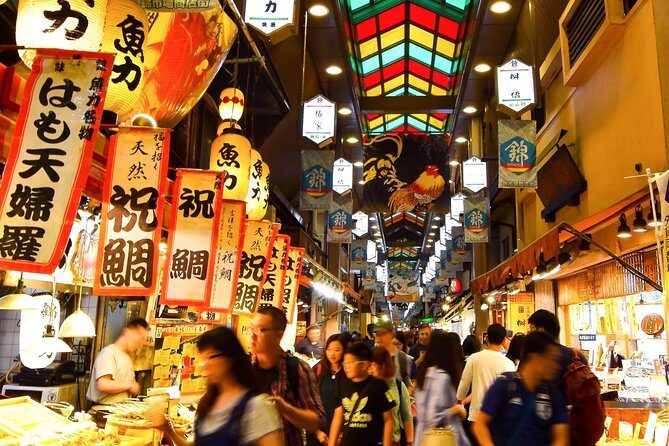
Then you’ll head to Nishiki Market, often called Kyoto’s kitchen. This is a good place to snack and browse instead of committing to a single heavy meal. You get a concentrated sense of local food culture—seafood, pickles, sweets—without needing a formal reservation. Even if you don’t buy much, it’s one of the quickest ways to feel like you’re in Kyoto day-to-day.
Fushimi Inari Shrine: the torii walk that never gets old
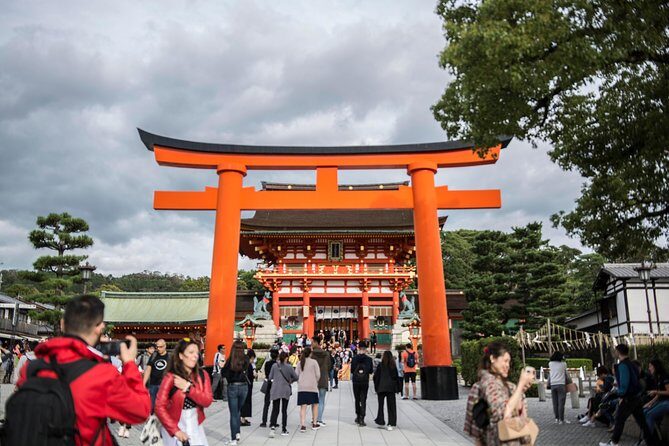
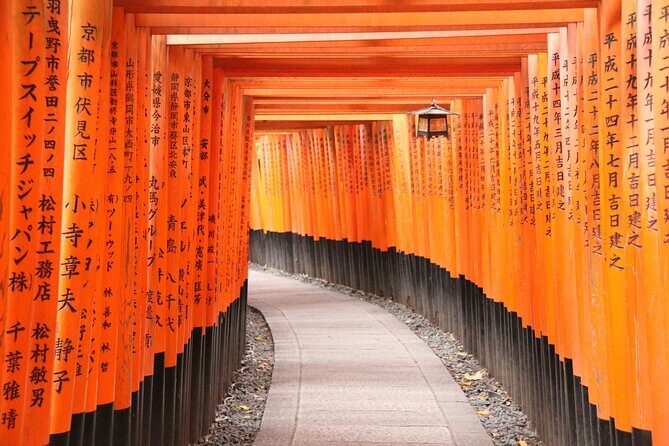
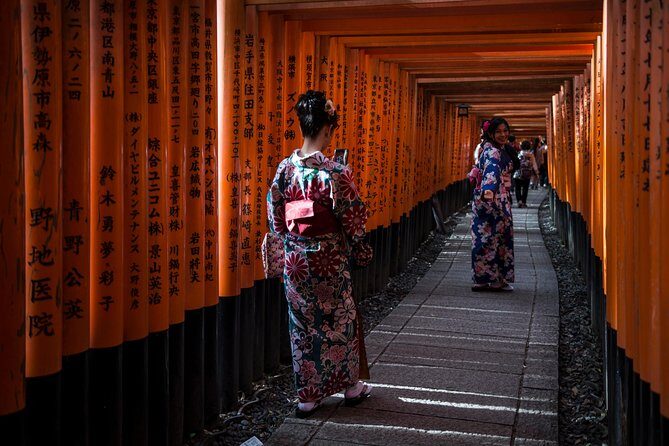
Your first day ends around Fushimi Inari Shrine, the famous mountain shrine path lined with thousands of red torii gates. The atmosphere here is part spirituality, part sightseeing ritual, and part photo mission. The best way to enjoy it is to slow down and look up and forward at the same time—because the gate tunnel effect is what makes the walk.
One practical tip: wear shoes you trust. The torii path is not a sprint, but it’s still uneven and you’ll be on your feet for much of the day. If you like structure, your guide can help you pick how far to walk before turning back, so you don’t lose time you’d rather spend elsewhere.
Day 2: Arashiyama bamboo, Tenryu-ji garden time, and the river views
Day two shifts gears to Arashiyama, where Kyoto turns greener and more scenic. You start with the bamboo forest area and connect it with the nearby Nonomiya Shrine and Tenryu-ji temple garden. Bamboo forests can turn into photo crush zones, but guided timing helps a lot. With a good guide, you’ll get the charm without feeling like you’re trapped in a crowd for half the day.
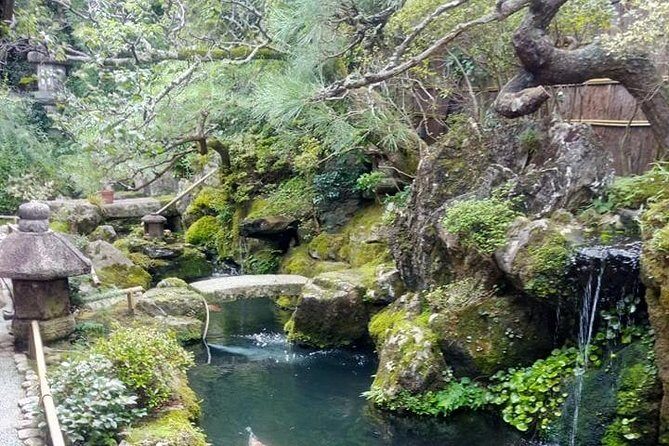
Tenryu-ji’s garden time matters because it adds context. Instead of treating Arashiyama as a single photo spot, you get a more “why this place is famous” feeling—gardens here are built for careful viewing, and your guide can point out what to notice as you walk.
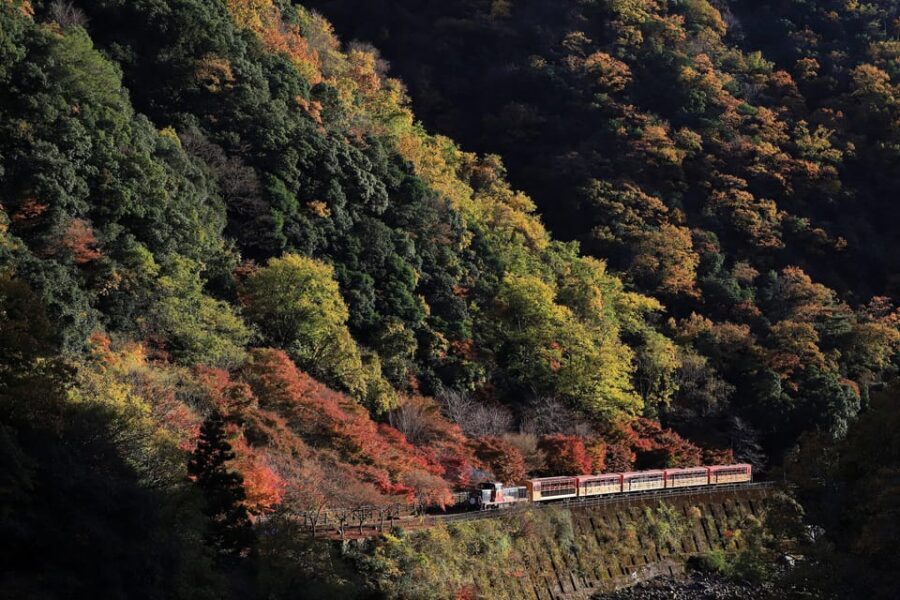
Then you’re taken into the scenic stretch around the Hozu-gawa (river) and Togetsu Bridge. This is where the day becomes visually relaxing. Even when it’s crowded, the river-and-bridge view gives your legs a break because you’ll naturally slow down to look.
You can also read our reviews of more private tours in Kyoto

Monkey Park and the right kind of walking
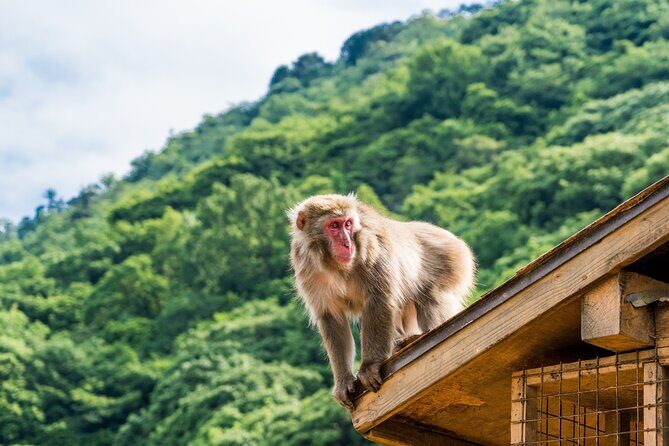
Next is Monkey Park, which is one of those stops people talk about because it’s both scenic and a bit of an adventure. It’s not described in a way that sounds like a long lecture—more like a change of pace from the temples and bamboo.
Still, this is the kind of stop where “not too much effort” depends on your comfort with uphill paths and walking time. If you’re aiming to keep the day easy, tell your guide early. A flexible guide can help you decide how much effort fits your energy that day.
Lunch at Kyoto Station again: it keeps the schedule sane
Like day one, lunch is set around Kyoto Station. I like this choice for a 2-day plan. It reduces stress: you’re not trying to solve food in the middle of your scenic sequence, and you can eat something that’s predictable when time matters.
You’ll also likely appreciate the reset before your final stretch.
Kiyomizudera and Gion: the finish that feels like Kyoto
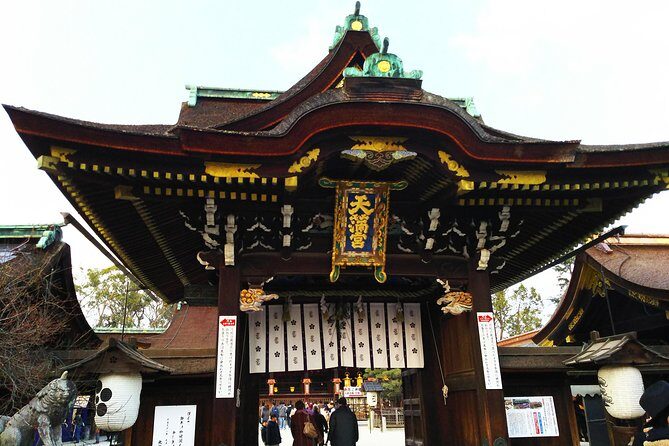
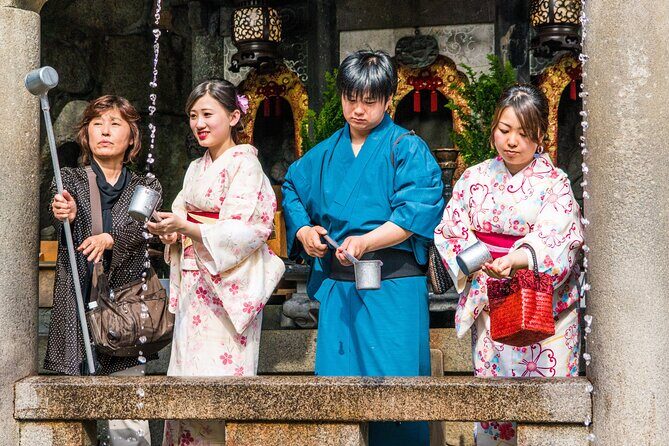
The afternoon brings Kiyomizu-dera, another UNESCO site and one of Kyoto’s most recognizable silhouettes. This is the kind of temple where the surroundings matter as much as the main complex. Your guide can help you manage the flow so you don’t feel like you’re rushing through the best viewpoints.
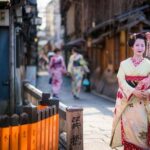
After Kiyomizu-dera, you head into Gion, the historic geisha district. Here the mood changes again—less about major monuments and more about street character. Gion is best enjoyed at walking speed: side streets, wooden façades, and the sense that Kyoto’s traditions still shape the neighborhood.
Your day ends back at the meeting/finish point around 17:00, so you’re done before late-night exhaustion sets in.
Price and Logistics: what $980 really covers
The tour price is $980 per group for up to 8 people. That makes it easiest to justify if you’re traveling as a small family or a few friends who can split the cost. If you’re traveling alone, it’s still private, but it’ll be pricier per person than a group tour.
Here’s the key part: entry fees and food are not included, and transportation is not included. The stated add-ons are:
- Entrance fees: ¥6,950 per person
- Public transportation: ¥2,300 per person
- Food: not included
So the “all-in” cost depends on how you plan to get around (public transit versus private) and what you choose to eat. The value comes from the guide time and the fact that you’re not piecing together a complicated two-day route by yourself.
You also get a mobile ticket, which is a nice practical touch for staying organized in a day packed with sights.
Guide quality: the difference between seeing and understanding
This is where the reviews really point to the heart of the experience: your guide shapes the quality of the day. Guides such as Keiko, Marianna, Asano, Moto, Takaichi, Yuji, and Noriko are repeatedly described as well organized and flexible, and that’s exactly what you want in Kyoto.
What stands out most in real-world terms:
- Flexibility with your preferences: Asano, for example, asked about interests ahead of time and modified the plan accordingly. That’s big when you want less “mandatory” and more “matches my taste.”
- Weather-aware planning: Moto and others used the conditions to suggest better timing and routes. In Kyoto, that can mean a lot when crowds and rain both show up.
- Practical pacing: Marianna was praised for making the day feel relaxed rather than jammed, plus steering you toward the best times to avoid the heaviest crowds.
- Clear explanations: Keiko and Noriko are noted for making the cultural context easy to follow, which helps you connect temple and shrine details to what you’re actually looking at.
- Food guidance: Takaichi is even mentioned for lunch recommendations, including sushi expertise. That matters more than it sounds when you’re busy and hungry.
With a tour like this, your guide isn’t just escorting you. They’re helping you get the meaning—and helping you avoid wasting time.
Pace and comfort: plan for the walking
This is listed as about 16 hours total across two days, with mornings starting around 9:00 and afternoons ending around 17:00. That’s a full day pace. You’ll want:
- Comfortable shoes for shrine steps and temple grounds
- A light layer (especially if you’re sensitive to morning cool or evening shifts)
- A plan to use the guide’s crowd-timing tips rather than chasing photos in the densest moments
If you’re the type who likes slow wandering and extra stops, this tour gives you enough structure to do it without falling behind.
How to get the most from the customization option
The tour is planned to hit the top sightseeing spots, but you can adjust it with your guide. Before you start, tell your guide which matters most:
- photo priorities (Golden Pavilion angles, torii gate walk, Arashiyama viewpoints)
- pace (relaxed versus maximize stops)
- interests (Zen rock gardens, Edo-era sites, traditional districts)
- comfort needs (how much walking and stairs you want)
The guides you’ll meet—like Yuji and Asano—are set up to respond to that input, which is why the experience is described as flexible.
If you’re worried about crowds, ask your guide about timing and where to spend the first minutes at each major stop. That’s often the difference between a good day and a day you feel tired after.
Should you book this 2-day private Kyoto tour?
Book it if you:
- have only two days and want the big Kyoto highlights without logistics stress
- like private guiding and want the plan adjusted to your preferences
- appreciate a mix of major temples plus food-market and neighborhood atmosphere
- can share cost across a small group of up to 8
Skip it or rethink if you:
- want a more laid-back, slower Kyoto pace with fewer sights
- are very budget-sensitive, since add-on costs (entry fees and local transport) raise the total
- have mobility constraints and might struggle with shrine and temple walking
One last thought: this experience is described as weather dependent. If it’s canceled because of poor conditions, you’ll be offered another date or a full refund, so you’re not stuck.
If you’re trying to make two days in Kyoto feel complete, this kind of structured private route is one of the smartest ways to do it.
FAQ
How long is the Kyoto 2-day private tour?
It runs for about 16 hours total across two days, with each day starting in the morning (around 9:00) and finishing around 17:00.
Is this a private tour?
Yes. It’s a private tour/activity, and only your group participates. The group size is up to 8 people.
What is included in the price?
Tour guiding and management are included. Transportation costs are not included in the tour price.
What does not include entry fees, meals, or transit?
Entry fees and food are not included, and public transportation is not included. Entrance fees are listed as ¥6,950 per person, and public transportation is listed as ¥2,300 per person.
What sites are included across the two days?
You’ll visit major Kyoto highlights including Nijo Castle, Kinkaku-ji, Ryoan-ji, Nishiki Market, Fushimi Inari Shrine, Arashiyama areas (including the bamboo forest and Tenryu-ji garden), plus Kiyomizudera and Gion.
What happens if the weather is bad?
The experience requires good weather. If it’s canceled due to poor weather, you’ll be offered a different date or a full refund.